Vespa Sprint 150
The Vespa Sprint 150 has a top speed of 104 km/h, produces 12.6 hp and weighs 133 kg. Motoryk rates it 7.5/10.
베스파 스프린트 150은 1965년 피아지오가 클래식 베스파 라인을 더욱 스포티하고 세련되게 진화시켜 처음 선보였습니다. 이전 모델보다 더 간결한 차체와 향상된 성능이 특징입니다.이탈리아 스타일과 도시 이동성을 상징하며 1960년대 후반과 1970년대에 걸쳐 유럽에서 큰 인기를 끌었습니다.2016년 베스파의 헤리티지 라인업의 일부로 다시 출시된 이 모던한 모델은 레트로 스타일과 현대 기술, 유로 4/Euro 5 규정 준수를 결합하여 브랜드에서 가장 많이 팔리는 현대식 스쿠터 중 하나로 자리매김했습니다.
12.6 hp
파워
12.8 Nm
토크
133 kg
무게
104 km/h
탑 스피드
2.5 L/100km or approximately 40 km/L (typical real-world average)
연료
페어링
바디
🔧 Service Schedule & Parts
Affiliate · we may earn| Service item | Every | Typical cost | Parts |
|---|---|---|---|
| 🛢️ Engine oil + oil filter | 3,000 km / 2,000 mi or 6 mo | $30-60 | 🛢️ Buy → ⚙️ Buy → |
| 🌬️ Air filter | 6,000 km / 3,500 mi | — | 🌬️ Buy → |
| ⚡ Spark plugs | 12,000 km / 7,500 mi | — | ⚡ Buy → |
| 🔧 Valve clearance check | 12,000 km / 7,500 mi | $150-300 | |
| 🔗 Chain & sprockets | N/A - belt drive km (replace) | $N/A | 🔗 Buy → |
| 🛑 Brake pads | 15000-25000 km | $40-80 | 🛑 Buy → |
| 💧 Brake fluid | 24,000 km / 15,000 mi or 2 yr | — | |
| 🛞 Tires | 10000-20000 km | $150-300 | 🛞 Buy → |
| 🔩 Major service | 12,000 km / 7,500 mi | $200-400 |
Video Review
구매자가 알아야 할 사항
Watch the Carb & Fuel
The Sprint 150 is prone to carburetor gumming if left sitting unused — always use fresh fuel and a stabilizer. Regular cleaning prevents most starting and idling issues.
Strong Resale Value
Vespas hold their value exceptionally well compared to other scooters, often retaining 70-80% of their value after 3 years. The Sprint's retro-modern styling keeps demand consistently high.
Reliable Rotax Engine
The modern Sprint 150 uses a fuel-injected 155cc single-cylinder engine that is smooth, efficient, and relatively low-maintenance. With routine oil changes, these engines commonly exceed 30,000 miles without major issues.
연도별 세대 및 사양
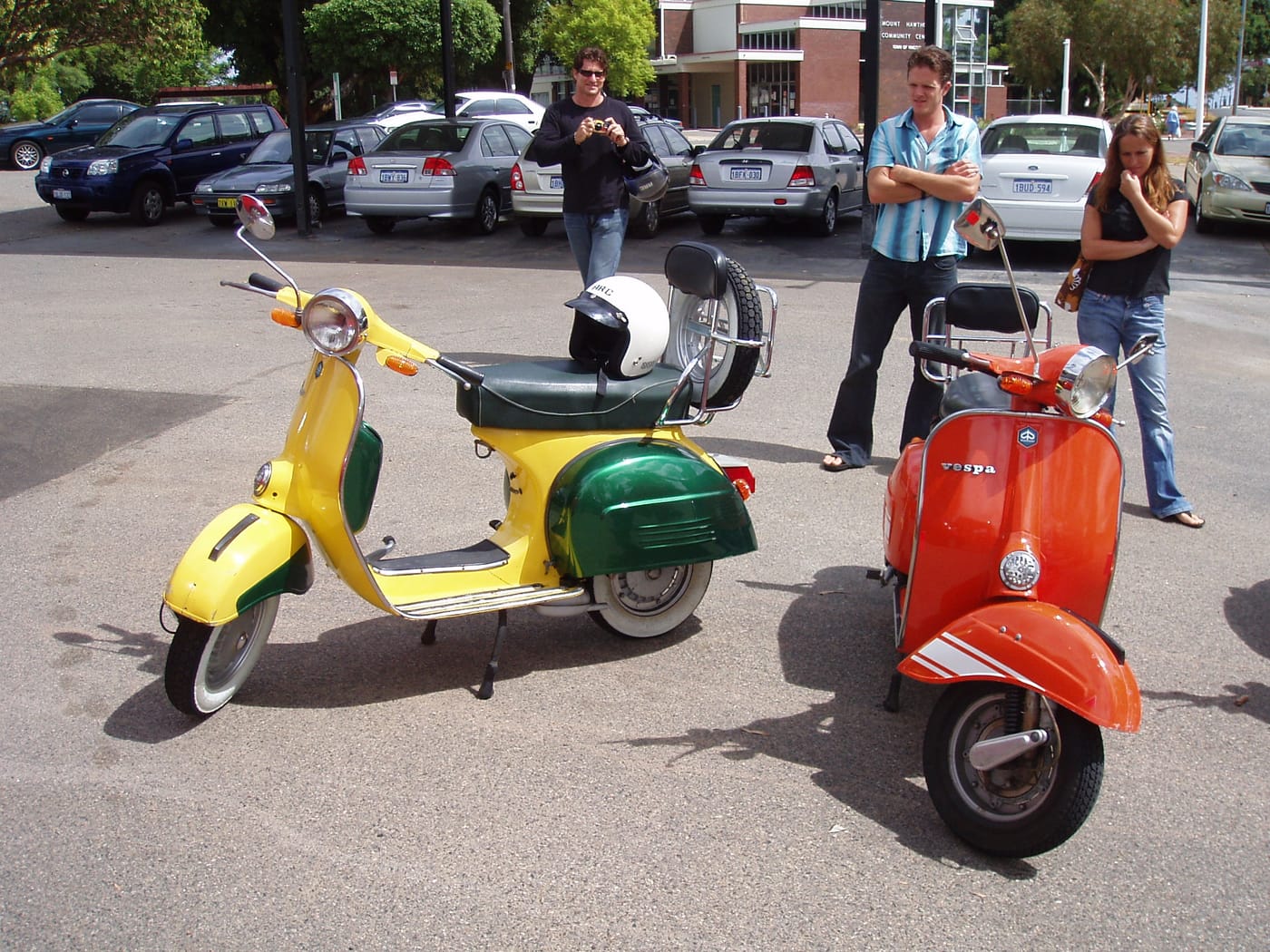
오리지널 스프린트 150 출시. 145cc 엔진, 6인치 휠, 스퀘어 헤드셋, 크롬 디테일.
"실용적이기보다는 예쁘지만 그만한 가치가 있습니다."
저는 복원된 '68 스프린트에 약 4,000킬로미터를 달렸습니다. 솔직히 말해서 사각형 헤드셋과 크롬 레그쉴드 트림으로 어른들은 거리에서 멈출 수 있습니다. 이는 인정하는 것보다 더 중요합니다.145cc 2스트로크는 시속 80km까지 자신 있게 당장하며 하루 종일 아무 문제 없이 앉아있습니다. 하지만 긴 오르막길에서 90을 버티라고 하면 헐떡거리기 시작합니다. 다섯 마리 반은 말 다섯 마리 반이 됩니다.6인치 휠은 이 기계의 가장 큰 장점입니다. 빠른 속도로 달리는 트램 라인이나 느슨한 자갈길을 보면 1965년 이후로 물리학이 변하지 않았음을 즉시 상기시켜 줍니다.케이블을 정비하고, 2스트로크에 정확한 프리믹스를 공급하며, 소형 프레임 전용 부품을 조달하는 것은 진정한 노력이지만, 모든 것이 완벽하다면 지금까지 만들어진 도시형 기계 중 가장 만족스러운 제품 중 하나입니다.
장점
단점
인디케이터 업데이트, 전기장치 수정, 사소한 외관 변경. 기계적으로 오리지널 스프린트와 유사합니다.
"시대를 초월한 도시 도구, 기적을 기대하지 마세요."
저는 이탈리아의 두 여름과 습한 런던의 겨울을 통해 '77 Sprint 150을 달렸습니다. 솔직히 말해서 긴급한 상황이 발생하기 전까지는 매우 만족스러운 스쿠터였습니다.150cc 2스트로크는 낮은 회전 속도에서 깔끔하게 당겨지며, 처음에는 직관적이지 않은 간접 조향 장치가 제2의 성격을 띠게 되어 교통의 정확성을 극대화할 수 있습니다.1세대 스프린트에 비해 개선된 전기 장치는 기껏해야 미미한 수준입니다. 표시기는 더 깔끔하지만 안정적인 출발을 원한다면 몇 천 킬로미터마다 주의를 기울여야 하는 포인트 기반 시스템을 계속 사용하고 있습니다.시속 95km로 달리면 엔진의 주행 거리가 울퉁불퉁한 편이라는 뜻이었고, 고속도로 미끄럼 도로에서는 6.6마력 부족이 큰 스트레스라고 할 수 있습니다.
장점
단점
현대식 재출시, 연료 분사, ABS, 디지털 기기, 업데이트된 프레임, 유로 배기가스 규정 준수.
중고 구매자 리뷰
"Buy the cleanest example you can find, budget for service."
$2,800-$4,500 usedThe Sprint 150 is genuinely one of the better-built small-displacement scoots you'll find used, but you're paying Vespa tax every step of the way. The all-steel monocoque body means rust is a real conversation on older examples — lift the seat, check the floor pan, and probe around the front apron before you hand over any cash. The three-valve single makes around 12 horsepower, which sounds laughable until you're carving through city traffic at 55mph feeling smugly invincible. Mechanically these things are pretty robust if they've been serviced properly, and that's the catch. Find a neglected one and you're looking at valve clearances, drive belt replacement, and roller weights that haven't been touched since Obama's second term. Dealer servicing is expensive and independent Vespa specialists are thin on the ground depending where you live. Budget an extra $300-400 for a proper inspection and catch-up service on any used example. The ride quality is genuinely impressive for a 150cc scooter — long-travel suspension soaks up urban punishment well. Just accept the compromises and buy the cleanest example you can afford.
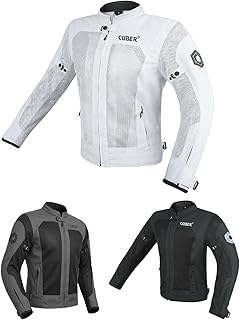
Top 10 Accessories
Curated picks for the Vespa Sprint 150 — owned, ridden, recommended.




일반적인 문제
🔥 1 CRITICALRough idle, hesitation, difficulty starting cold engine
Slow start, dim lights, voltage drop under load
Hesitation at takeoff, high RPM before engaging speed
Inspect tank interior, check fuel filter for debris
✅사전 구매 체크리스트
Solid scooter if maintained, neglect kills them
Full Specifications
Rivals & Alternatives
Bikes that buyers cross-shop with the Vespa Sprint 150
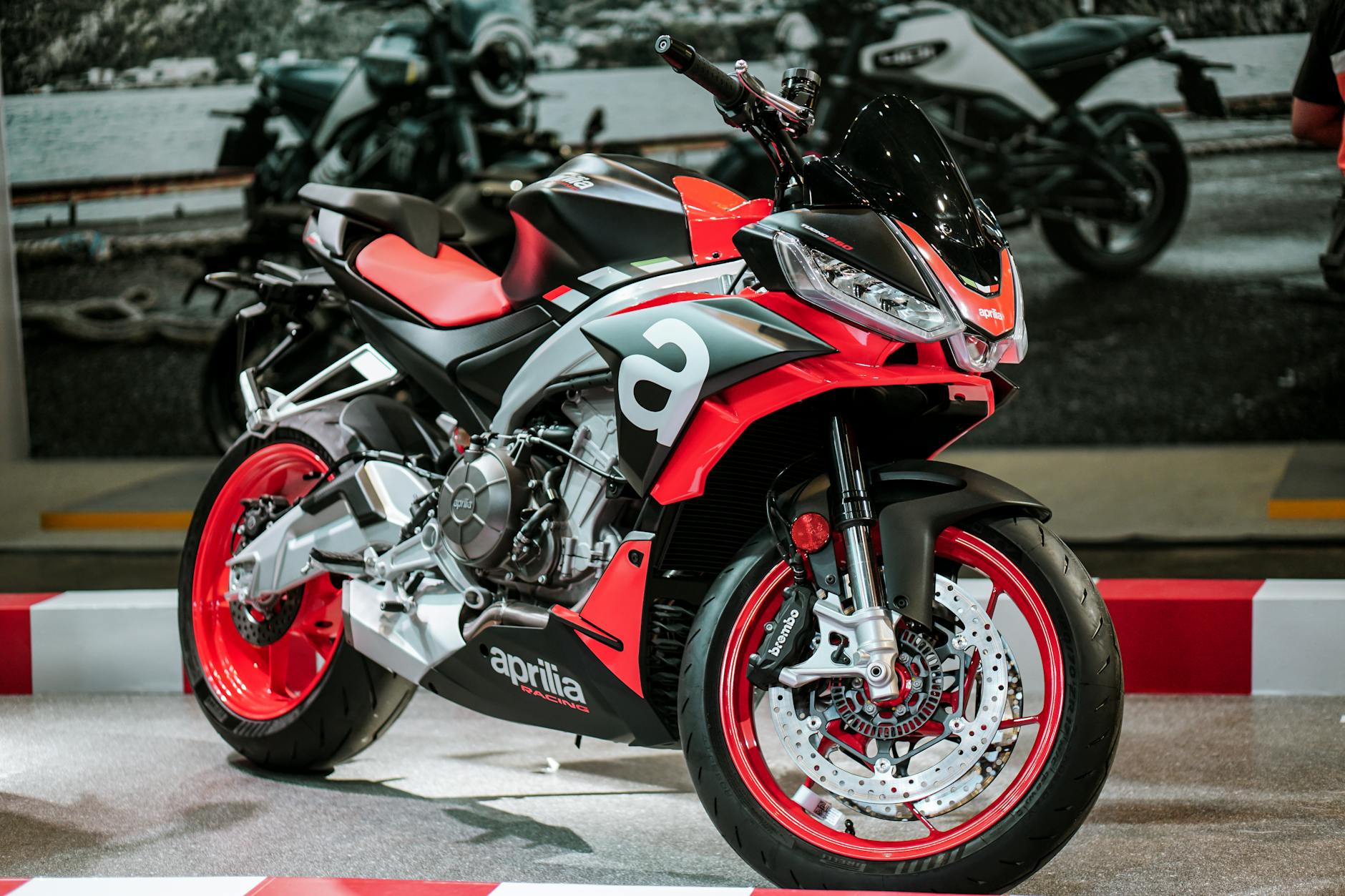
Aprilia Sr Gt 200
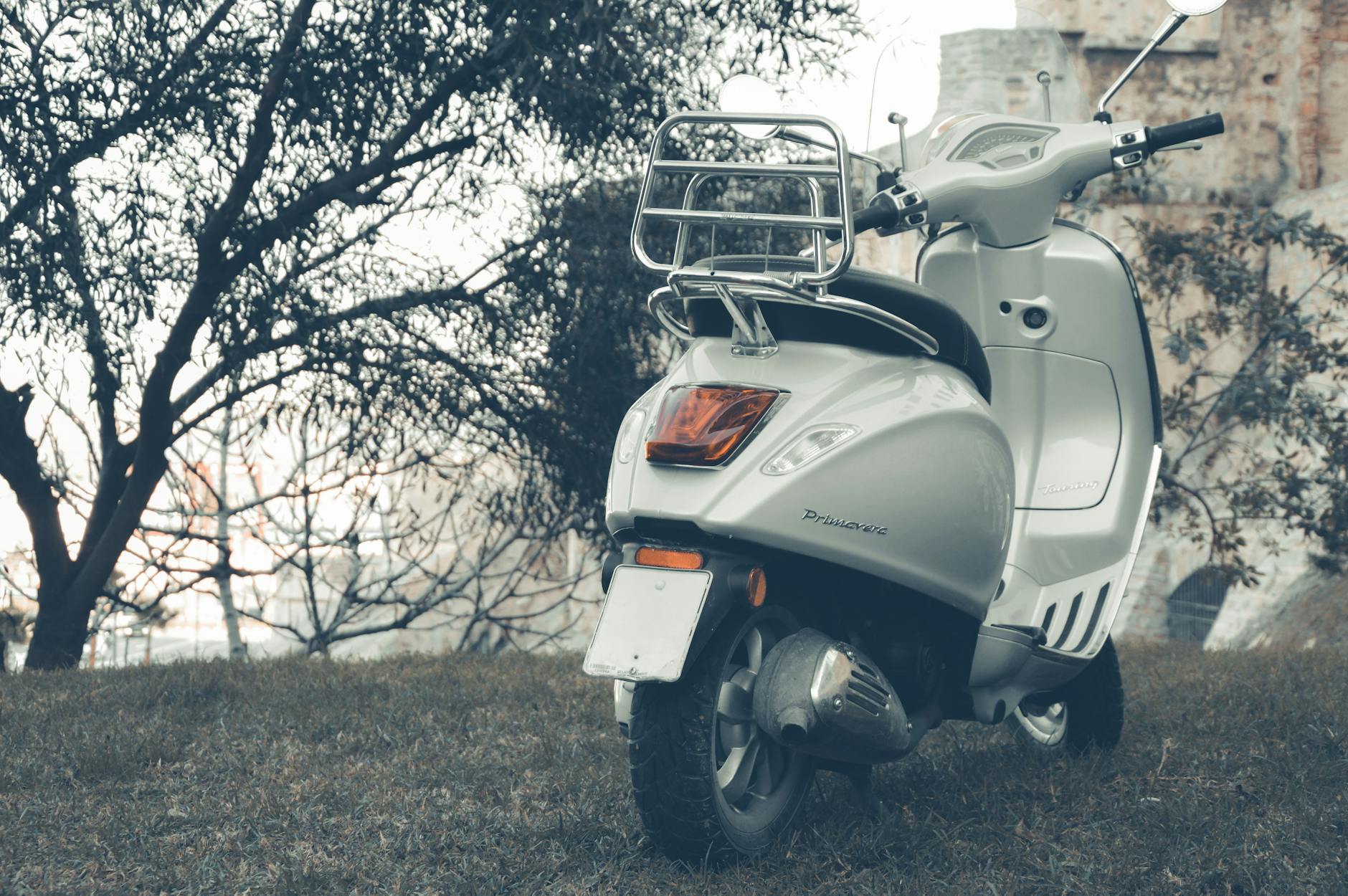
Piaggio Vespa Primavera 125
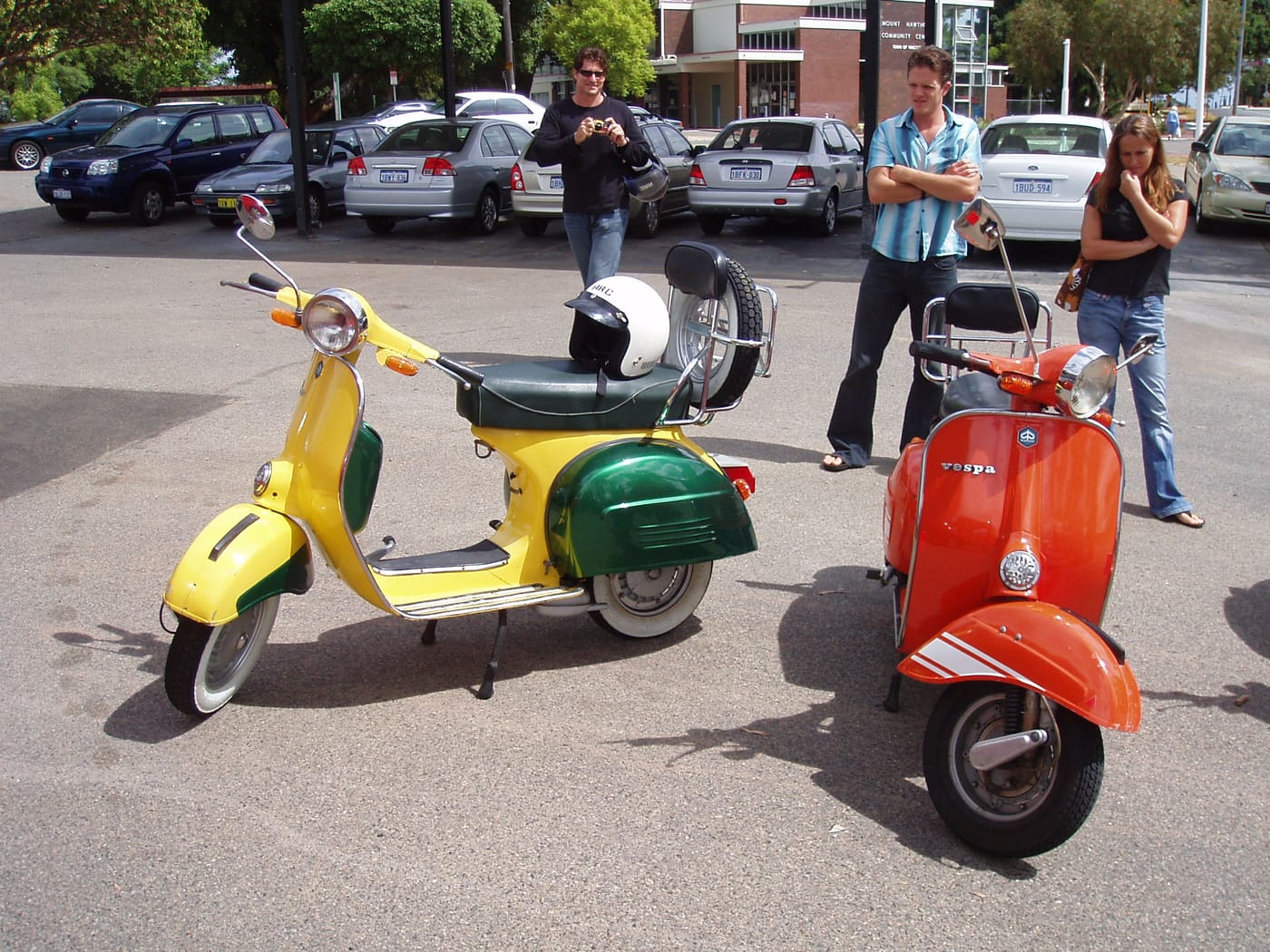
Piaggio Vespa Primavera 150
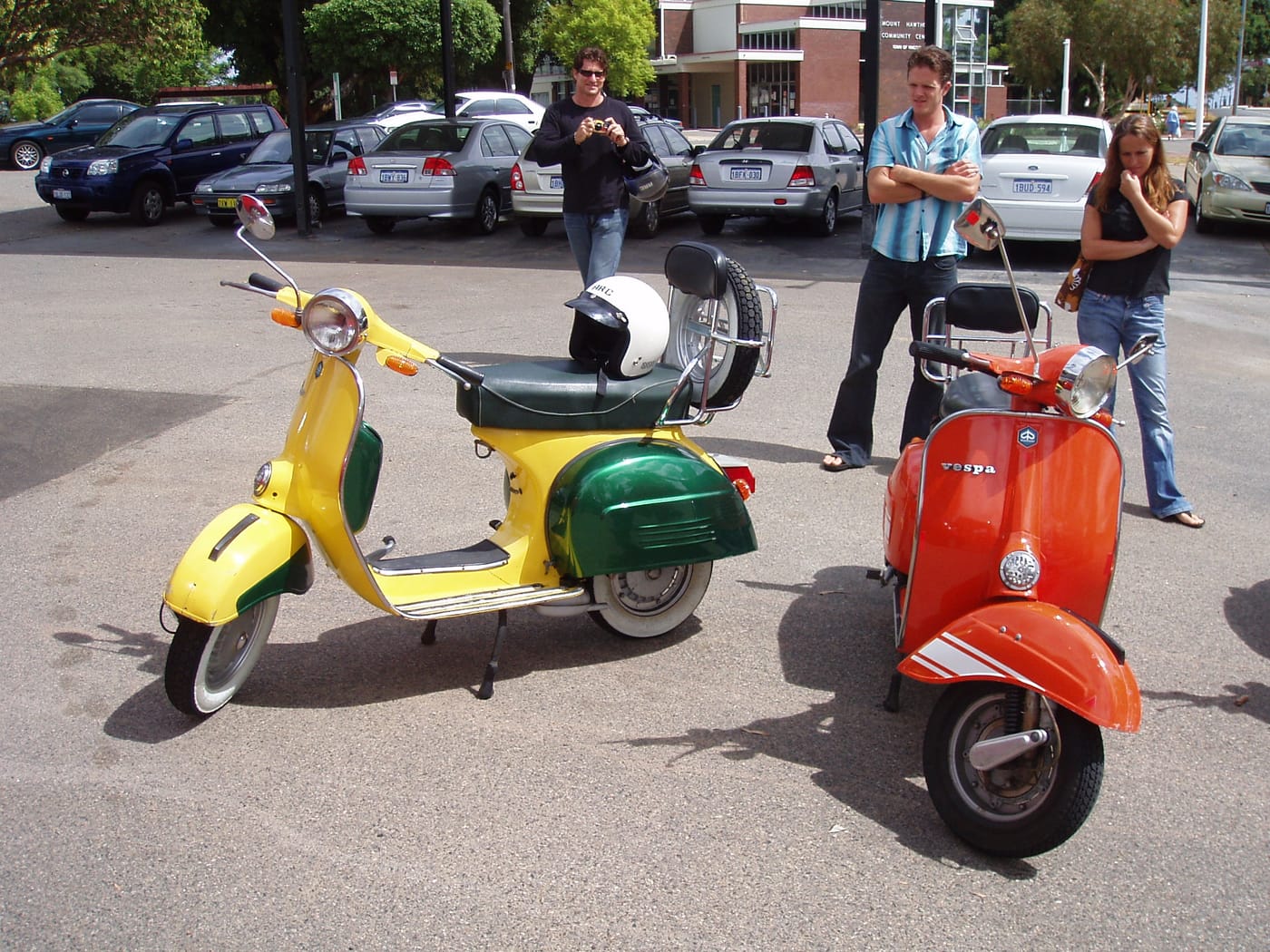
Piaggio Vespa Sprint 125
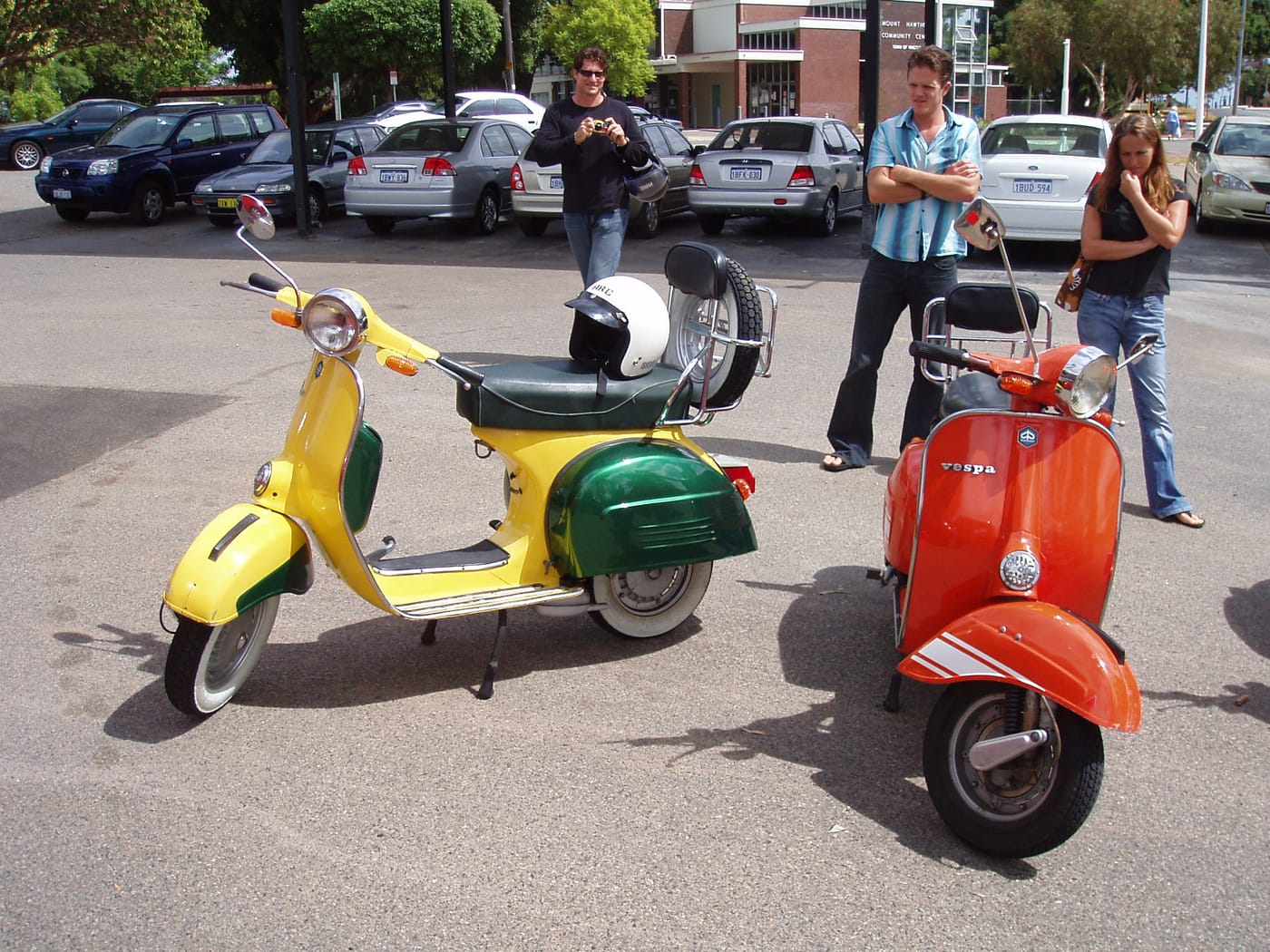
Piaggio Vespa Sprint 150
Compare Vespa Sprint 150 Side-by-Side
compare_arrowsSpecs, power, weight & buyer verdict — head-to-head with the bikes most often cross-shopped.
Vespa Sprint 150 vs Aprilia Sr Gt 200
Specs · Power · Buyer verdict
Vespa Sprint 150 vs Piaggio Vespa Primavera 125
Specs · Power · Buyer verdict
Vespa Sprint 150 vs Piaggio Vespa Primavera 150
Specs · Power · Buyer verdict
Vespa Sprint 150 vs Piaggio Vespa Sprint 125
Specs · Power · Buyer verdict
Vespa Sprint 150 vs Piaggio Vespa Sprint 150
Specs · Power · Buyer verdict
More Vespa Sprint 150 Guides
More from Vespa
View all Vespa models →Community Reviews
Discussion
Frequently Asked Questions
What are common problems with the Vespa Sprint 150? +
Carburetor clogging from ethanol fuel deposits: Rough idle, hesitation, difficulty starting cold engine (moderate) | Corroded or failing battery from neglect: Slow start, dim lights, voltage drop under load (minor) | Worn variator rollers causing sluggish acceleration: Hesitation at takeoff, high RPM before engaging speed (moderate)
Is the Vespa Sprint 150 a good motorcycle? +
Buy the cleanest example you can find, budget for service. Rating: 7.5/10. Best for: Urban commuters wanting style with genuine reliability. Avoid if: You need cheap running costs or highway touring.
What is the horsepower of the Vespa Sprint 150? +
The Vespa Sprint 150 produces 12.6 hp @ 7,750 rpm, with 12.8 Nm @ 5,000 rpm of torque. Top speed: 104 km/h.
Is the Vespa Sprint 150 good for beginners? +
Yes — the Vespa Sprint 150 is a reasonable choice for new riders (12.6 hp is manageable), weighing 133 kg. Urban commuters wanting style with genuine reliability
Is the Vespa Sprint 150 reliable? +
Owners report 1 critical issue to watch for on the Vespa Sprint 150, notably: Rust inside fuel tank from sitting unused (Inspect tank interior, check fuel filter for debris). Buy with a pre-purchase inspection.
Is the Vespa Sprint 150 good for daily use? +
Urban commuters wanting style with genuine reliability Fuel: 2.5 L/100km or approximately 40 km/L (typical real-world average).
How fast is the Vespa Sprint 150? +
The Vespa Sprint 150 reaches a top speed of 104 km/h, producing 12.6 hp at 133 kg curb weight. Real-world performance depends on rider weight, gearing, and road conditions.
What gear should I buy for a Vespa Sprint 150? +
Motoryk has curated a Top 10 gear list specifically for the Vespa Sprint 150, covering engine oil, tires, chain, battery, and brake pads — see motoryk.com/bikes/vespa/sprint-150/top10. Each pick is matched to this bike's spec.