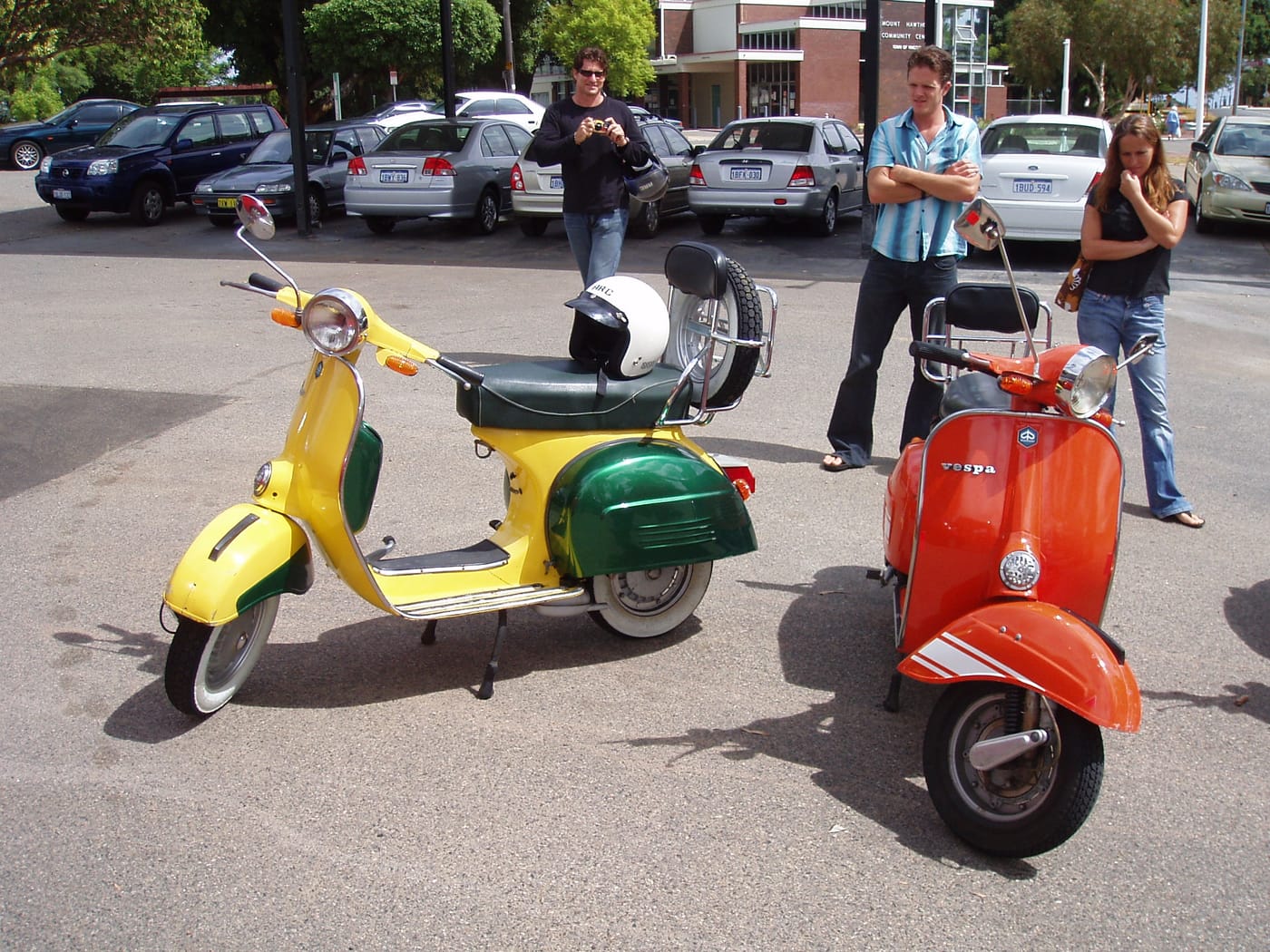
Vespa Sprint 150
The Vespa Sprint 150 has a top speed of 104 km/h, produces 12.6 hp and weighs 133 kg. Motoryk rates it 7.5/10.
La Vespa Sprint 150 fue presentada por primera vez por Piaggio en 1965 como una evolución más deportiva y refinada de la línea Vespa clásica, con una carrocería más aerodinámica y un rendimiento mejorado en comparación con los modelos anteriores. Se hizo muy popular en Europa a finales de los años sesenta y setenta, simbolizando el estilo italiano y la movilidad urbana. La reencarnación moderna, relanzada en 2016 como parte de la línea tradicional de Vespa, combina el estilo retro con la tecnología contemporánea y la conformidad con las normas Euro 4 y Euro 5, lo que lo convierte en uno de los patinetes modernos más vendidos de la marca.
12.6 hp
Potencia
12.8 Nm
Torsión
133 kg
Peso
104 km/h
Velocidad máxima
2.5 L/100km or approximately 40 km/L (typical real-world average)
Combustible
Carenado
Cuerpo
🔧 Service Schedule & Parts
Affiliate · we may earn| Service item | Every | Typical cost | Parts |
|---|---|---|---|
| 🛢️ Engine oil + oil filter | 3,000 km / 2,000 mi or 6 mo | $30-60 | 🛢️ Buy → ⚙️ Buy → |
| 🌬️ Air filter | 6,000 km / 3,500 mi | — | 🌬️ Buy → |
| ⚡ Spark plugs | 12,000 km / 7,500 mi | — | ⚡ Buy → |
| 🔧 Valve clearance check | 12,000 km / 7,500 mi | $150-300 | |
| 🔗 Chain & sprockets | N/A - belt drive km (replace) | $N/A | 🔗 Buy → |
| 🛑 Brake pads | 15000-25000 km | $40-80 | 🛑 Buy → |
| 💧 Brake fluid | 24,000 km / 15,000 mi or 2 yr | — | |
| 🛞 Tires | 10000-20000 km | $150-300 | 🛞 Buy → |
| 🔩 Major service | 12,000 km / 7,500 mi | $200-400 |
Video Review
Lo que los compradores deben saber
Watch the Carb & Fuel
The Sprint 150 is prone to carburetor gumming if left sitting unused — always use fresh fuel and a stabilizer. Regular cleaning prevents most starting and idling issues.
Strong Resale Value
Vespas hold their value exceptionally well compared to other scooters, often retaining 70-80% of their value after 3 years. The Sprint's retro-modern styling keeps demand consistently high.
Reliable Rotax Engine
The modern Sprint 150 uses a fuel-injected 155cc single-cylinder engine that is smooth, efficient, and relatively low-maintenance. With routine oil changes, these engines commonly exceed 30,000 miles without major issues.
Generaciones y especificaciones por año
Se lanzó el Sprint 150 original; motor de 145 cc, ruedas de 6 pulgadas, auriculares cuadrados y detalles cromados.
"Más bonito que práctico, pero vale la pena el sacrificio."
He recorrido unos 4.000 kilómetros en un Sprint del 68 restaurado y la verdad es la siguiente: los auriculares cuadrados y el ribete cromado del protector de las piernas hacen que los adultos adultos te detengan en la calle, lo que importa más de lo que admitirías. El motor de dos tiempos de 145 cc recorre con confianza hasta 80 km/h y permanece ahí todo el día sin quejarse, pero si le pides que aguante 90 en una subida larga, empieza a jadear: cinco caballos y medio son cinco caballos y medio. Las ruedas de seis pulgadas son la mayor desventaja de la moto en el mundo real; una línea de tranvía o una zona de tierra suelta a gran velocidad te recordarán inmediatamente que la física no ha cambiado desde 1965. Preparar los cables, mantener la alimentación de dos tiempos con la premezcla correcta y obtener las piezas específicas para chasis pequeños es un compromiso genuino, pero cuando todo va bien, se convierte en una de las máquinas urbanas más satisfactorias de la historia.
Pros
Contras
Indicadores actualizados, sistemas eléctricos revisados, cambios estéticos menores; mecánicamente similar al Sprint original.
"Herramienta urbana atemporal, pero no esperes milagros."
Corrí un Sprint 150 del 77 durante dos veranos italianos y un húmedo invierno en Londres, y la verdad es la siguiente: es un scooter que satisface profundamente hasta que necesitas urgencia. El motor de dos tiempos de 150 cc se mueve sin problemas a bajas revoluciones y esa dirección indirecta, que al principio es contradictoria, se convierte en algo natural, ya que te permite encauzar el tráfico con mucha precisión. El nuevo sistema eléctrico del Sprint de primera generación es, en el mejor de los casos, una mejora marginal; los indicadores son más ordenados, pero sigues utilizando un sistema basado en puntos que necesita atención cada pocos miles de kilómetros si quieres arrancar de forma fiable. A 95 km/h, significa que estás en el límite de la cómoda autonomía del motor, y en las vías de acceso de las autopistas, ese déficit de 6,6 CV es realmente estresante.
Pros
Contras
Relanzamiento moderno: inyección de combustible, ABS, instrumentos digitales, marco actualizado, conformidad con las normas de emisiones europeas.
Reseña de un comprador usado
"Buy the cleanest example you can find, budget for service."
$2,800-$4,500 usedThe Sprint 150 is genuinely one of the better-built small-displacement scoots you'll find used, but you're paying Vespa tax every step of the way. The all-steel monocoque body means rust is a real conversation on older examples — lift the seat, check the floor pan, and probe around the front apron before you hand over any cash. The three-valve single makes around 12 horsepower, which sounds laughable until you're carving through city traffic at 55mph feeling smugly invincible. Mechanically these things are pretty robust if they've been serviced properly, and that's the catch. Find a neglected one and you're looking at valve clearances, drive belt replacement, and roller weights that haven't been touched since Obama's second term. Dealer servicing is expensive and independent Vespa specialists are thin on the ground depending where you live. Budget an extra $300-400 for a proper inspection and catch-up service on any used example. The ride quality is genuinely impressive for a 150cc scooter — long-travel suspension soaks up urban punishment well. Just accept the compromises and buy the cleanest example you can afford.
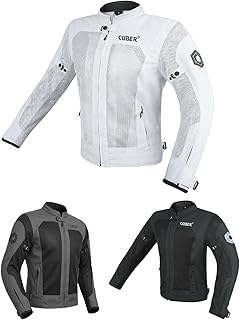
Top 10 Accessories
Curated picks for the Vespa Sprint 150 — owned, ridden, recommended.




Problemas comunes
🔥 1 CRITICALRough idle, hesitation, difficulty starting cold engine
Slow start, dim lights, voltage drop under load
Hesitation at takeoff, high RPM before engaging speed
Inspect tank interior, check fuel filter for debris
✅Lista de verificación previa a la compra
Solid scooter if maintained, neglect kills them
Full Specifications
Rivals & Alternatives
Bikes that buyers cross-shop with the Vespa Sprint 150
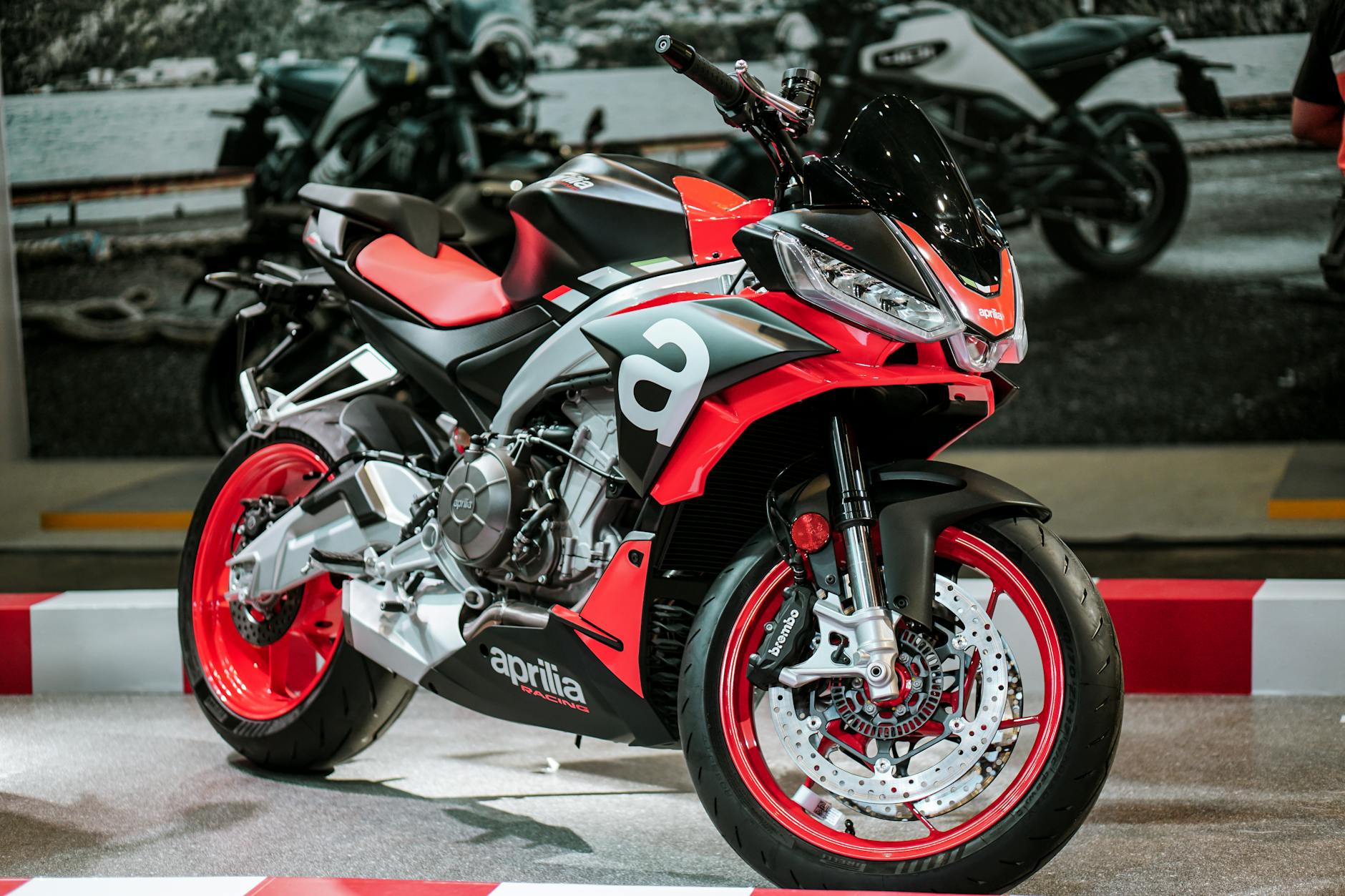
Aprilia Sr Gt 200
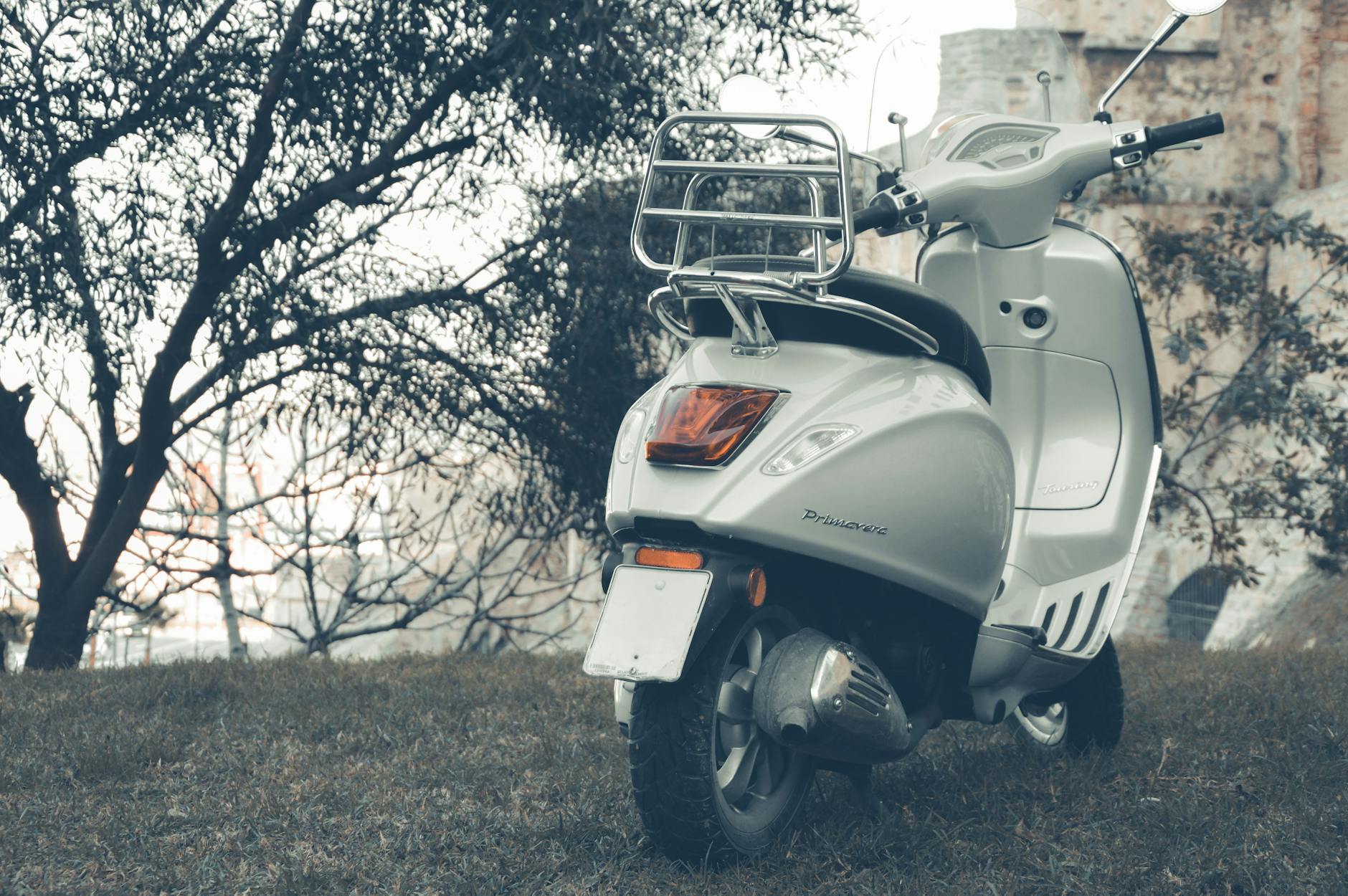
Piaggio Vespa Primavera 125
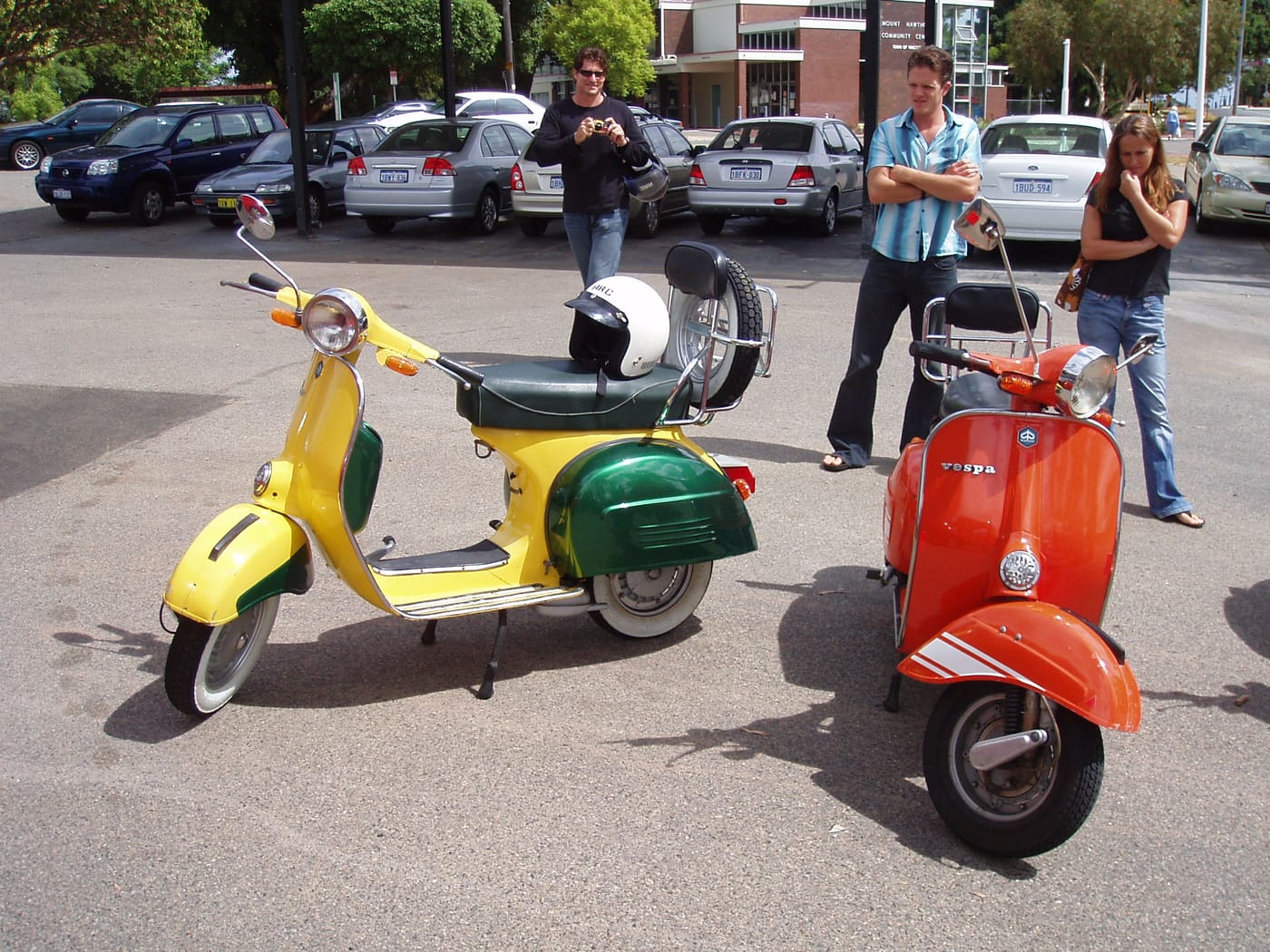
Piaggio Vespa Primavera 150
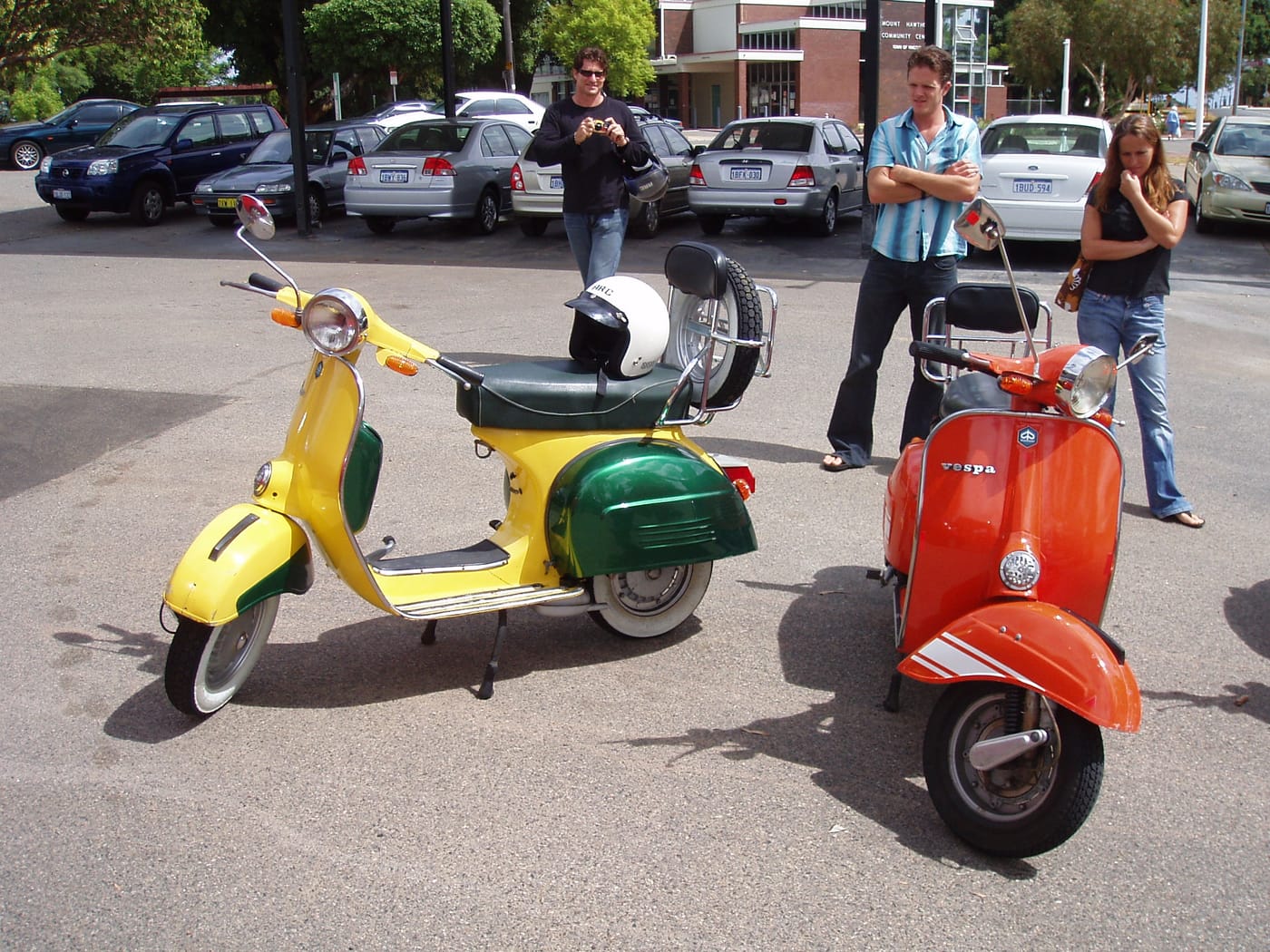
Piaggio Vespa Sprint 125
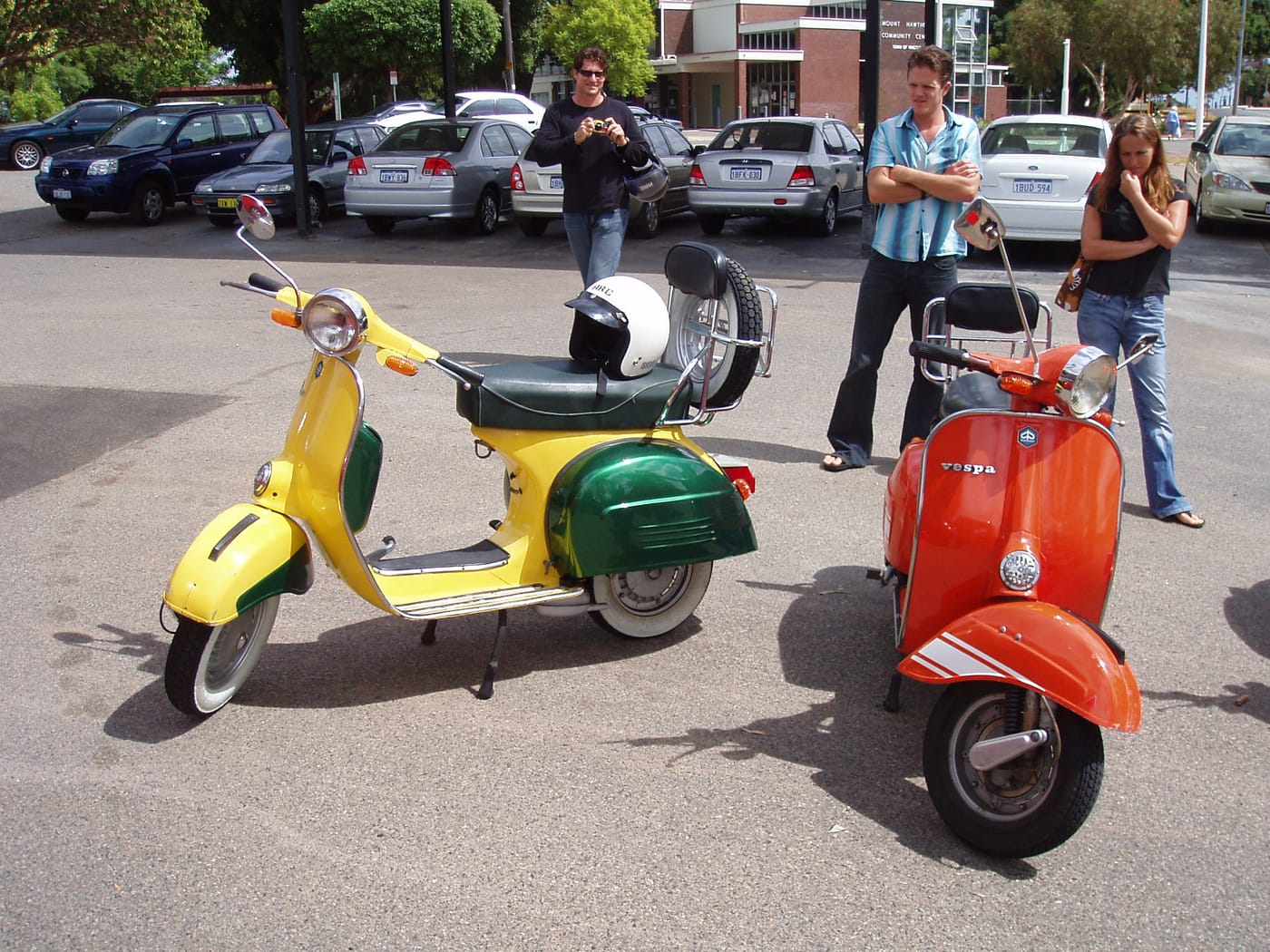
Piaggio Vespa Sprint 150
Compare Vespa Sprint 150 Side-by-Side
compare_arrowsSpecs, power, weight & buyer verdict — head-to-head with the bikes most often cross-shopped.
Vespa Sprint 150 vs Aprilia Sr Gt 200
Specs · Power · Buyer verdict
Vespa Sprint 150 vs Piaggio Vespa Primavera 125
Specs · Power · Buyer verdict
Vespa Sprint 150 vs Piaggio Vespa Primavera 150
Specs · Power · Buyer verdict
Vespa Sprint 150 vs Piaggio Vespa Sprint 125
Specs · Power · Buyer verdict
Vespa Sprint 150 vs Piaggio Vespa Sprint 150
Specs · Power · Buyer verdict
More Vespa Sprint 150 Guides
More from Vespa
View all Vespa models →Community Reviews
Discussion
Frequently Asked Questions
What are common problems with the Vespa Sprint 150? +
Carburetor clogging from ethanol fuel deposits: Rough idle, hesitation, difficulty starting cold engine (moderate) | Corroded or failing battery from neglect: Slow start, dim lights, voltage drop under load (minor) | Worn variator rollers causing sluggish acceleration: Hesitation at takeoff, high RPM before engaging speed (moderate)
Is the Vespa Sprint 150 a good motorcycle? +
Buy the cleanest example you can find, budget for service. Rating: 7.5/10. Best for: Urban commuters wanting style with genuine reliability. Avoid if: You need cheap running costs or highway touring.
What is the horsepower of the Vespa Sprint 150? +
The Vespa Sprint 150 produces 12.6 hp @ 7,750 rpm, with 12.8 Nm @ 5,000 rpm of torque. Top speed: 104 km/h.
Is the Vespa Sprint 150 good for beginners? +
Yes — the Vespa Sprint 150 is a reasonable choice for new riders (12.6 hp is manageable), weighing 133 kg. Urban commuters wanting style with genuine reliability
Is the Vespa Sprint 150 reliable? +
Owners report 1 critical issue to watch for on the Vespa Sprint 150, notably: Rust inside fuel tank from sitting unused (Inspect tank interior, check fuel filter for debris). Buy with a pre-purchase inspection.
Is the Vespa Sprint 150 good for daily use? +
Urban commuters wanting style with genuine reliability Fuel: 2.5 L/100km or approximately 40 km/L (typical real-world average).
How fast is the Vespa Sprint 150? +
The Vespa Sprint 150 reaches a top speed of 104 km/h, producing 12.6 hp at 133 kg curb weight. Real-world performance depends on rider weight, gearing, and road conditions.
What gear should I buy for a Vespa Sprint 150? +
Motoryk has curated a Top 10 gear list specifically for the Vespa Sprint 150, covering engine oil, tires, chain, battery, and brake pads — see motoryk.com/bikes/vespa/sprint-150/top10. Each pick is matched to this bike's spec.