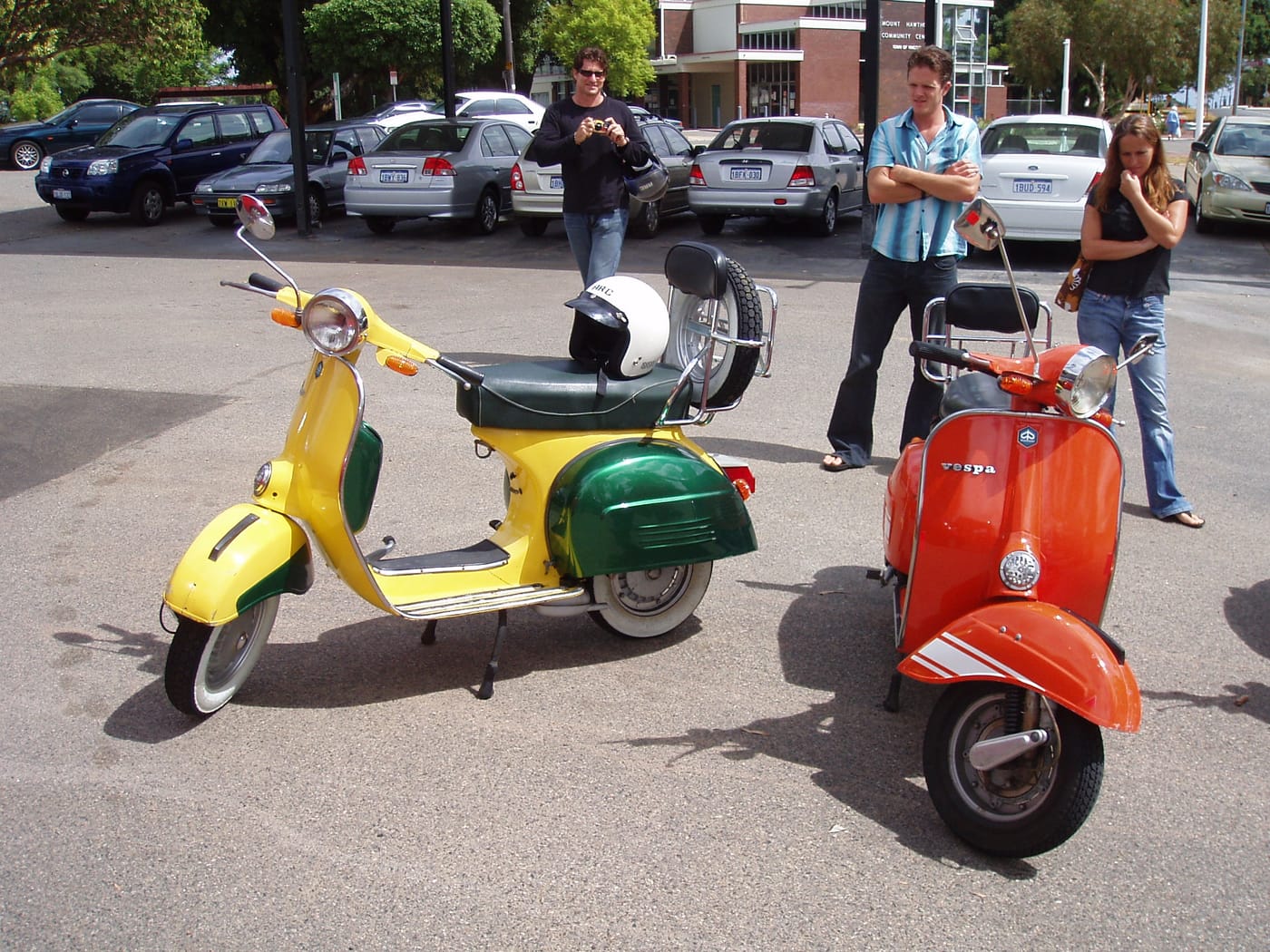
Vespa Sprint 150
The Vespa Sprint 150 has a top speed of 104 km/h, produces 12.6 hp and weighs 133 kg. Motoryk rates it 7.5/10.
The Vespa Sprint 150 was first introduced by Piaggio in 1965 as a sportier, more refined evolution of the classic Vespa line, featuring a more streamlined body and improved performance over earlier models. It became highly popular in Europe throughout the late 1960s and 1970s, symbolizing Italian style and urban mobility. The modern reincarnation, relaunched in 2016 as part of Vespa's heritage lineup, blends retro styling with contemporary technology and Euro 4/Euro 5 compliance, making it one of the brand's best-selling modern scooters.
12.6 hp
Power
12.8 Nm
Torque
133 kg
Weight
104 km/h
Top Speed
2.5 L/100km or approximately 40 km/L (typical real-world average)
Fuel
Faired
Body
🔧 Service Schedule & Parts
Affiliate · we may earn| Service item | Every | Typical cost | Parts |
|---|---|---|---|
| 🛢️ Engine oil + oil filter | 3,000 km / 2,000 mi or 6 mo | $30-60 | 🛢️ Buy → ⚙️ Buy → |
| 🌬️ Air filter | 6,000 km / 3,500 mi | — | 🌬️ Buy → |
| ⚡ Spark plugs | 12,000 km / 7,500 mi | — | ⚡ Buy → |
| 🔧 Valve clearance check | 12,000 km / 7,500 mi | $150-300 | |
| 🔗 Chain & sprockets | N/A - belt drive km (replace) | $N/A | 🔗 Buy → |
| 🛑 Brake pads | 15000-25000 km | $40-80 | 🛑 Buy → |
| 💧 Brake fluid | 24,000 km / 15,000 mi or 2 yr | — | |
| 🛞 Tires | 10000-20000 km | $150-300 | 🛞 Buy → |
| 🔩 Major service | 12,000 km / 7,500 mi | $200-400 |
Video Review
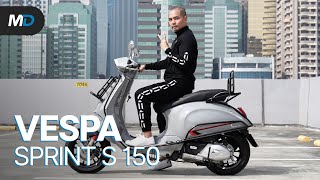
What Buyers Should Know
Watch the Carb & Fuel
The Sprint 150 is prone to carburetor gumming if left sitting unused — always use fresh fuel and a stabilizer. Regular cleaning prevents most starting and idling issues.
Strong Resale Value
Vespas hold their value exceptionally well compared to other scooters, often retaining 70-80% of their value after 3 years. The Sprint's retro-modern styling keeps demand consistently high.
Reliable Rotax Engine
The modern Sprint 150 uses a fuel-injected 155cc single-cylinder engine that is smooth, efficient, and relatively low-maintenance. With routine oil changes, these engines commonly exceed 30,000 miles without major issues.
Generations & Specs by Year
Original Sprint 150 launched; 145cc engine, 6-inch wheels, squared headset, chrome details.
"Prettier than practical, but absolutely worth the trade-off."
I've put about 4,000 kilometers on a restored '68 Sprint and the honest truth is this: the squared headset and chrome legshield trim make grown adults stop you on the street, which matters more than you'd admit. The 145cc two-stroke pulls confidently up to 80 km/h and sits there all day without complaint, but ask it to hold 90 on a long climb and it starts gasping — five and a half horses is five and a half horses. The six-inch wheels are the machine's biggest liability in the real world; a tram line or loose gravel patch at speed will remind you immediately that physics hasn't changed since 1965. Gearing up the cables, keeping the two-stroke fed with correct premix, and sourcing the smallframe-specific parts is a genuine commitment, but when everything's right it's one of the most satisfying urban machines ever built.
Pros
Cons
Updated indicators, revised electrics, minor cosmetic changes; mechanically similar to original Sprint.
"Timeless urban tool, just don't expect miracles."
I ran a '77 Sprint 150 through two Italian summers and a wet London winter, and the honest truth is this: it's a deeply satisfying scooter right up until you need urgency. The 150cc two-stroke pulls cleanly from low revs and that indirect steering — counterintuitive at first — becomes second nature, letting you thread traffic with real precision. The revised electrics over the first-gen Sprint are a marginal improvement at best; the indicators are tidier, but you're still nursing a points-based system that needs attention every few thousand kilometres if you want reliable starting. At 95 km/h indicated you're at the ragged edge of the engine's comfortable range, and on motorway slip roads that 6.6 hp deficit is genuinely stressful.
Pros
Cons
Modern relaunch; fuel injection, ABS, digital instruments, updated frame, Euro emissions compliance.
Used Buyer Review
"Buy the cleanest example you can find, budget for service."
$2,800-$4,500 usedThe Sprint 150 is genuinely one of the better-built small-displacement scoots you'll find used, but you're paying Vespa tax every step of the way. The all-steel monocoque body means rust is a real conversation on older examples — lift the seat, check the floor pan, and probe around the front apron before you hand over any cash. The three-valve single makes around 12 horsepower, which sounds laughable until you're carving through city traffic at 55mph feeling smugly invincible. Mechanically these things are pretty robust if they've been serviced properly, and that's the catch. Find a neglected one and you're looking at valve clearances, drive belt replacement, and roller weights that haven't been touched since Obama's second term. Dealer servicing is expensive and independent Vespa specialists are thin on the ground depending where you live. Budget an extra $300-400 for a proper inspection and catch-up service on any used example. The ride quality is genuinely impressive for a 150cc scooter — long-travel suspension soaks up urban punishment well. Just accept the compromises and buy the cleanest example you can afford.
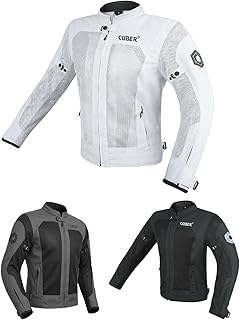
Top 10 Accessories
Curated picks for the Vespa Sprint 150 — owned, ridden, recommended.




Common Problems
🔥 1 CRITICALRough idle, hesitation, difficulty starting cold engine
Slow start, dim lights, voltage drop under load
Hesitation at takeoff, high RPM before engaging speed
Inspect tank interior, check fuel filter for debris
✅Pre-Purchase Checklist
Solid scooter if maintained, neglect kills them
Full Specifications
Rivals & Alternatives
Bikes that buyers cross-shop with the Vespa Sprint 150
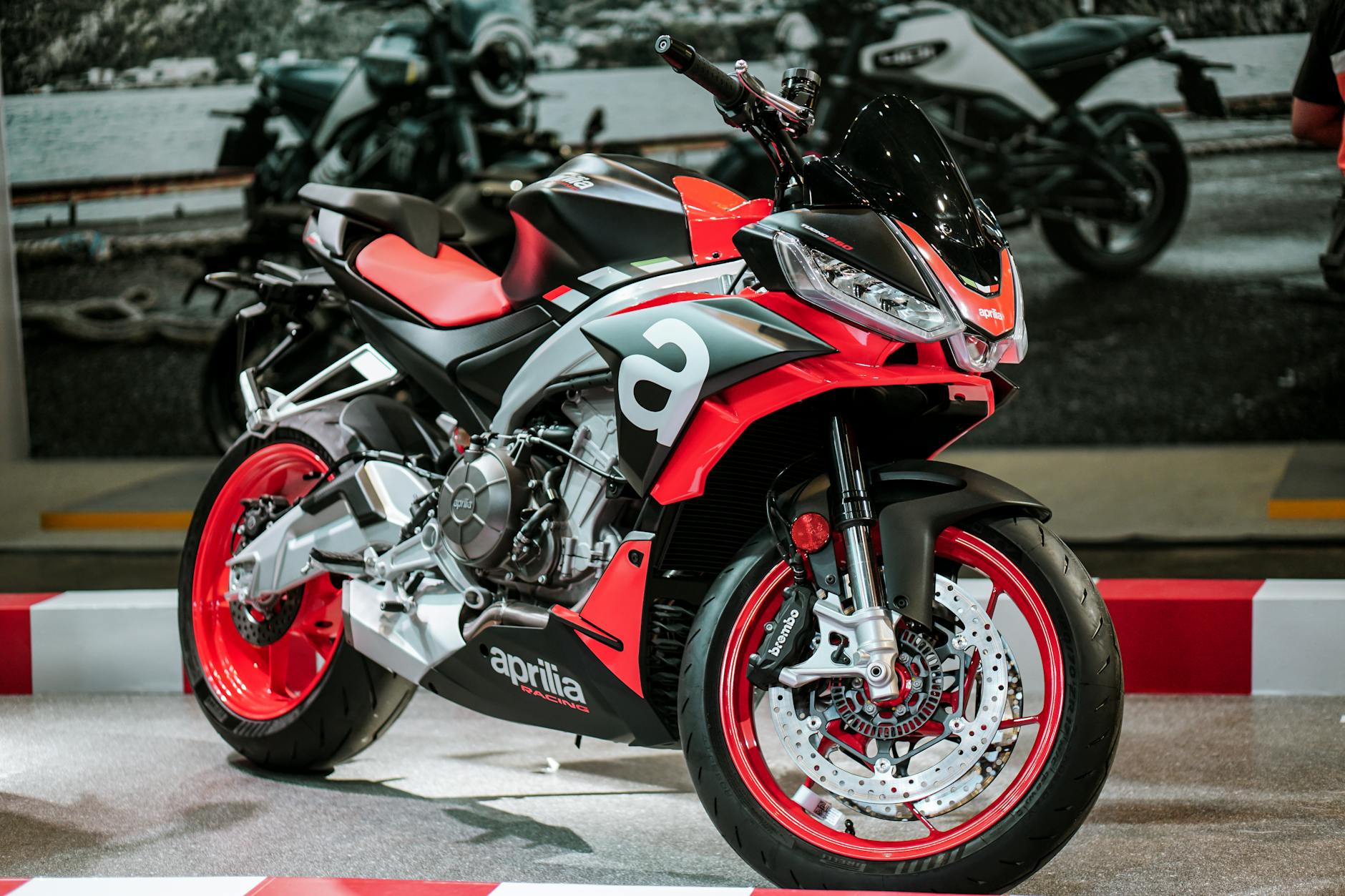
Aprilia Sr Gt 200
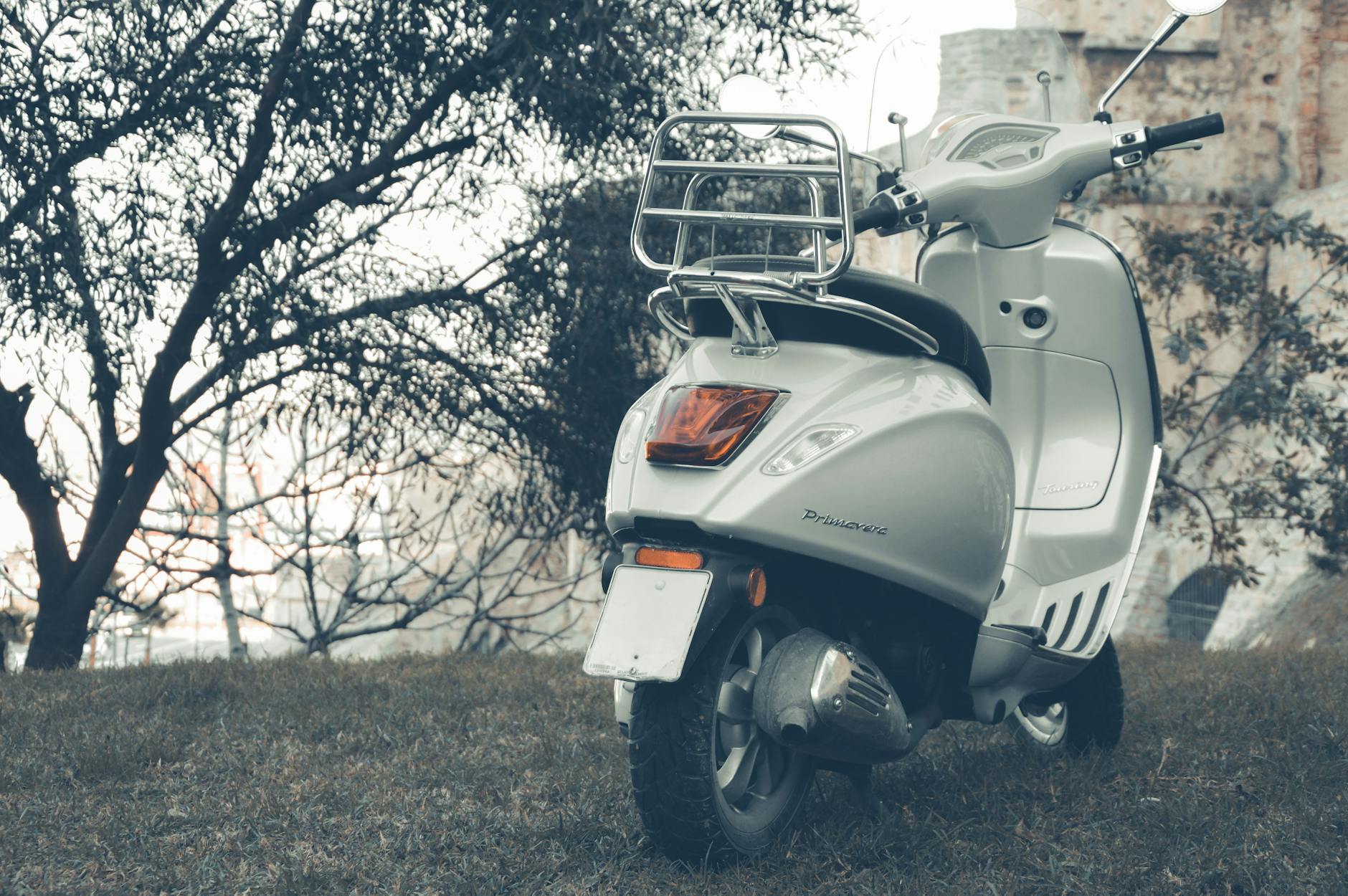
Piaggio Vespa Primavera 125
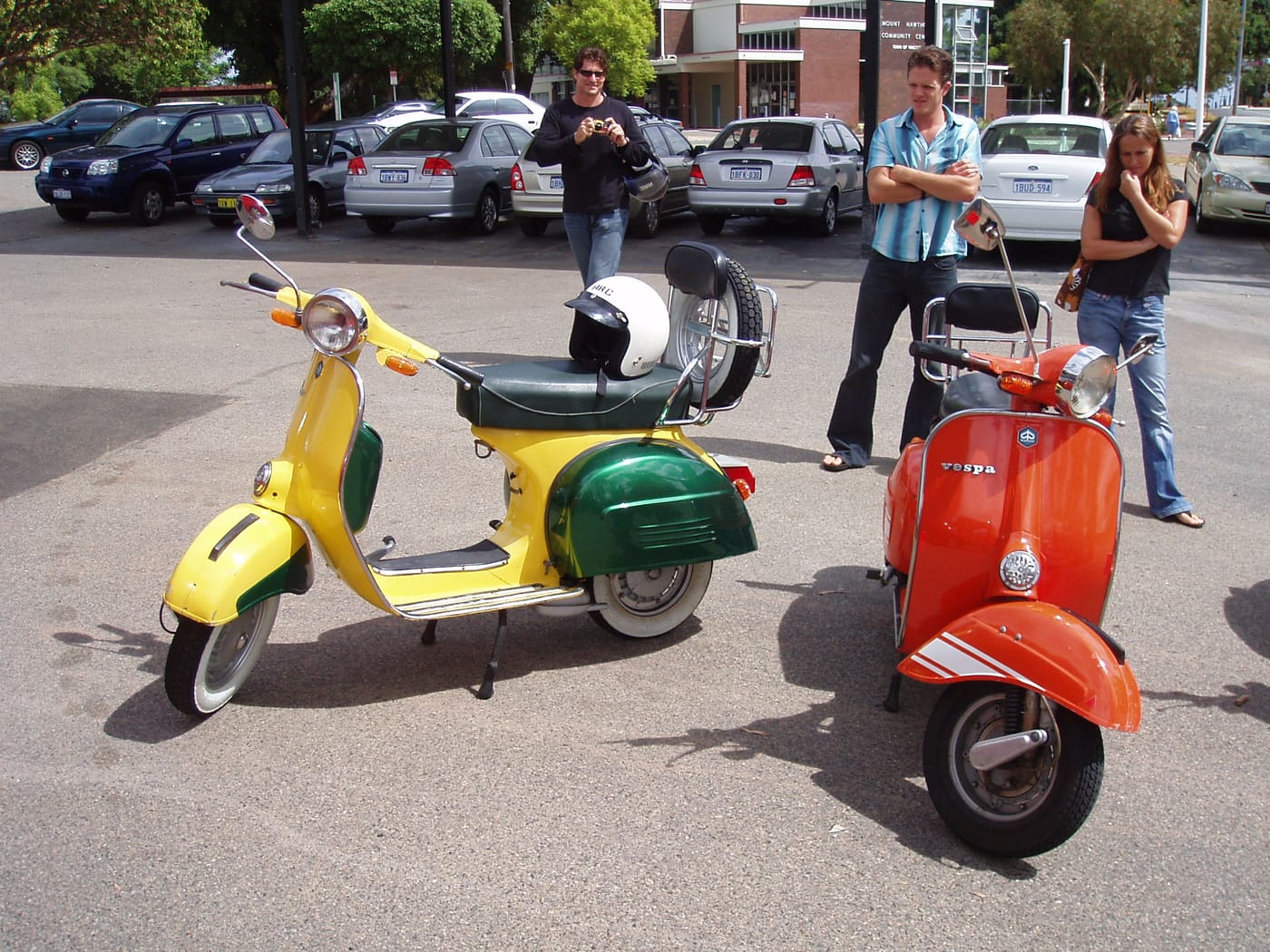
Piaggio Vespa Primavera 150
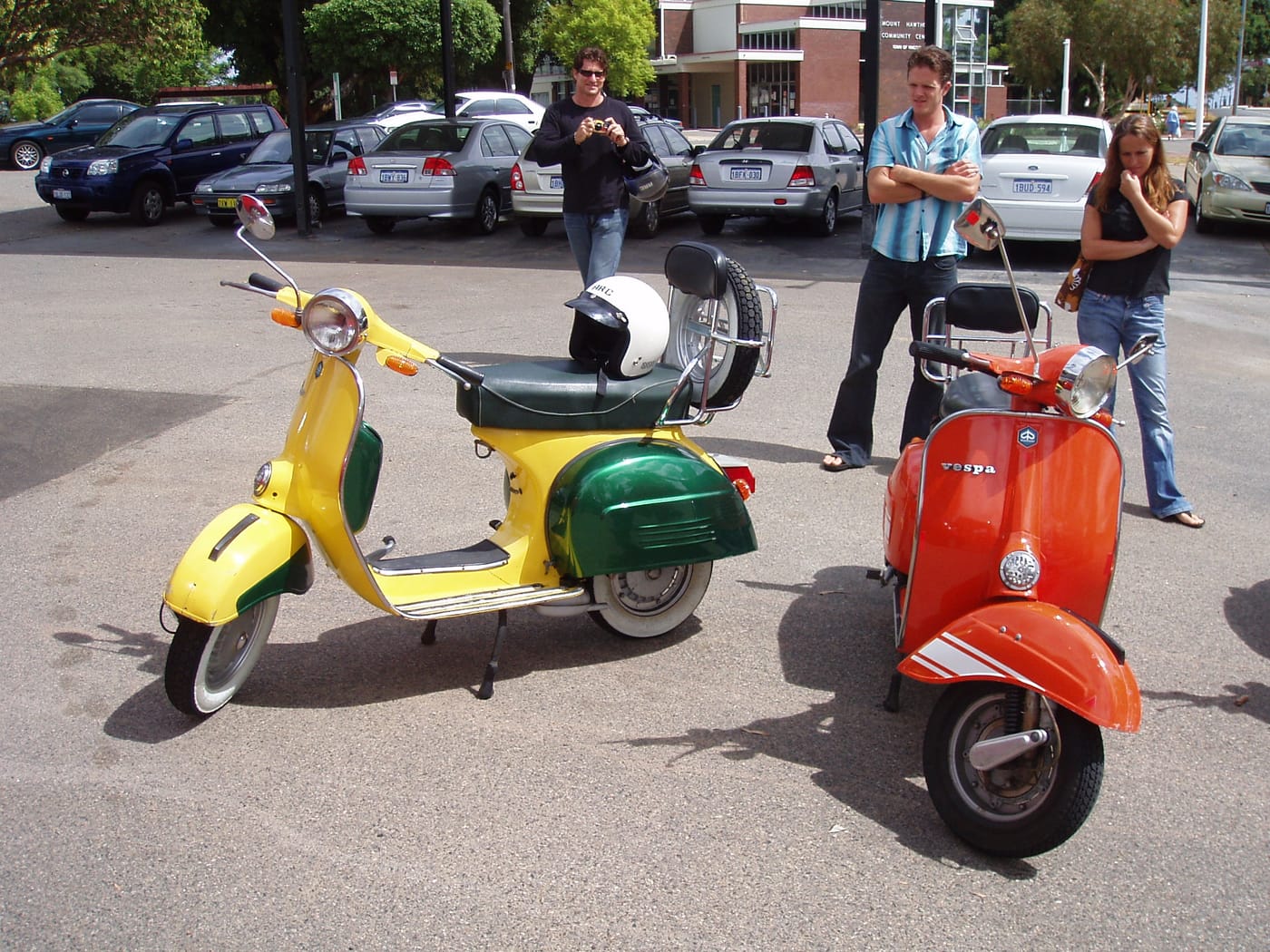
Piaggio Vespa Sprint 125
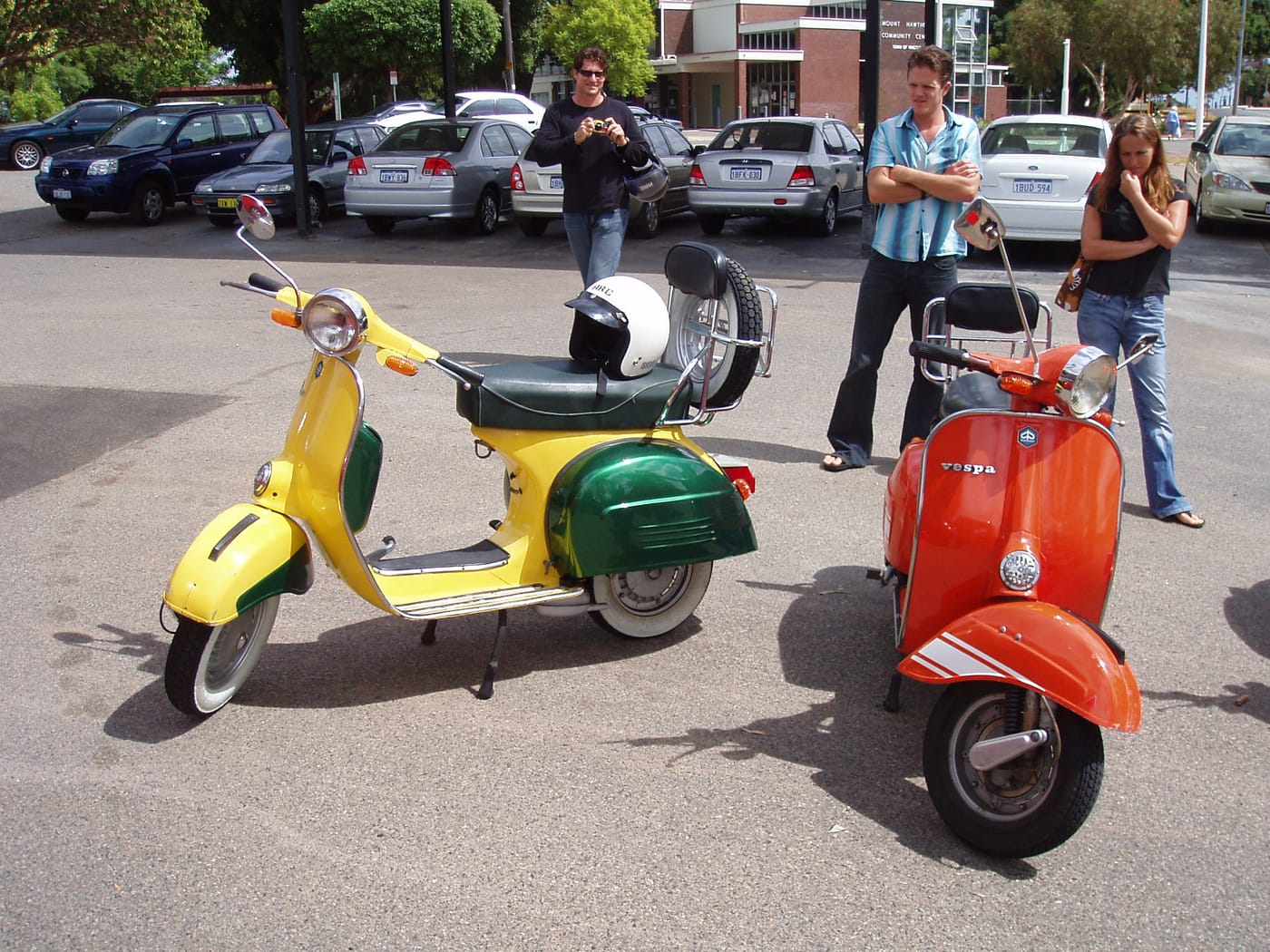
Piaggio Vespa Sprint 150
Compare Vespa Sprint 150 Side-by-Side
compare_arrowsSpecs, power, weight & buyer verdict — head-to-head with the bikes most often cross-shopped.
Vespa Sprint 150 vs Aprilia Sr Gt 200
Specs · Power · Buyer verdict
Vespa Sprint 150 vs Piaggio Vespa Primavera 125
Specs · Power · Buyer verdict
Vespa Sprint 150 vs Piaggio Vespa Primavera 150
Specs · Power · Buyer verdict
Vespa Sprint 150 vs Piaggio Vespa Sprint 125
Specs · Power · Buyer verdict
Vespa Sprint 150 vs Piaggio Vespa Sprint 150
Specs · Power · Buyer verdict
More Vespa Sprint 150 Guides
More from Vespa
View all Vespa models →Community Reviews
Discussion
Frequently Asked Questions
What are common problems with the Vespa Sprint 150? +
Carburetor clogging from ethanol fuel deposits: Rough idle, hesitation, difficulty starting cold engine (moderate) | Corroded or failing battery from neglect: Slow start, dim lights, voltage drop under load (minor) | Worn variator rollers causing sluggish acceleration: Hesitation at takeoff, high RPM before engaging speed (moderate)
Is the Vespa Sprint 150 a good motorcycle? +
Buy the cleanest example you can find, budget for service. Rating: 7.5/10. Best for: Urban commuters wanting style with genuine reliability. Avoid if: You need cheap running costs or highway touring.
What is the horsepower of the Vespa Sprint 150? +
The Vespa Sprint 150 produces 12.6 hp @ 7,750 rpm, with 12.8 Nm @ 5,000 rpm of torque. Top speed: 104 km/h.
Is the Vespa Sprint 150 good for beginners? +
Yes — the Vespa Sprint 150 is a reasonable choice for new riders (12.6 hp is manageable), weighing 133 kg. Urban commuters wanting style with genuine reliability
Is the Vespa Sprint 150 reliable? +
Owners report 1 critical issue to watch for on the Vespa Sprint 150, notably: Rust inside fuel tank from sitting unused (Inspect tank interior, check fuel filter for debris). Buy with a pre-purchase inspection.
Is the Vespa Sprint 150 good for daily use? +
Urban commuters wanting style with genuine reliability Fuel: 2.5 L/100km or approximately 40 km/L (typical real-world average).
How fast is the Vespa Sprint 150? +
The Vespa Sprint 150 reaches a top speed of 104 km/h, producing 12.6 hp at 133 kg curb weight. Real-world performance depends on rider weight, gearing, and road conditions.
What gear should I buy for a Vespa Sprint 150? +
Motoryk has curated a Top 10 gear list specifically for the Vespa Sprint 150, covering engine oil, tires, chain, battery, and brake pads — see motoryk.com/bikes/vespa/sprint-150/top10. Each pick is matched to this bike's spec.