Triumph Bonneville Se
The Triumph Bonneville Se has a top speed of 175 km/h, produces 61 hp and weighs 214 kg. Motoryk rates it 7.8/10.
The Triumph Bonneville SE (Special Edition) is a variant of the iconic Bonneville T100, which itself traces its lineage back to the original 1959 Triumph Bonneville T120 — named after the Bonneville Salt Flats where Johnny Allen set a land speed record in 1956. The modern Bonneville SE, produced in the mid-to-late 2000s (notably around 2007–2012), featured blacked-out engine components, twin exhausts, and uprated suspension to distinguish it from the standard T100. It became popular for riders seeking a retro-styled classic British twin with a sportier, more aggressive aesthetic.
61 hp
Power
68 Nm
Torque
214 kg
Weight
175 km/h
Top Speed
5.0–5.8 L/100km (approx. 17–20 km/L)
Fuel
Naked
Body
🔧 Service Schedule & Parts
Affiliate · we may earn| Service item | Every | Typical cost | Parts |
|---|---|---|---|
| 🛢️ Engine oil + oil filter | 8,000 km / 5,000 mi or 12 mo | $40-80 | 🛢️ Buy → ⚙️ Buy → |
| 🌬️ Air filter | 16,000 km / 10,000 mi | — | 🌬️ Buy → |
| ⚡ Spark plugs | 16,000 km / 10,000 mi | — | ⚡ Buy → |
| 🔧 Valve clearance check | 16,000 km / 10,000 mi | $250-450 | |
| 🔗 Chain & sprockets | 20000-35000 km (replace) | $150-300 | 🔗 Buy → |
| 🛑 Brake pads | 15000-25000 km | $30-60 | 🛑 Buy → |
| 💧 Brake fluid | 24,000 km / 15,000 mi or 2 yr | — | |
| 🧊 Coolant | 24,000 km / 15,000 mi | — | |
| 🛞 Tires | 10000-18000 km | $200-400 | 🛞 Buy → |
| 🔩 Major service | 16,000 km / 10,000 mi | $350-650 |
Video Review

What Buyers Should Know
Watch the Charging System
Early Bonneville SE models (2007-2012) are known for stator and regulator/rectifier failures, which can leave you stranded. Always inspect the charging system and ask for service records before buying used.
Strong Resale Value
The Bonneville SE holds its value exceptionally well compared to competitors, often retaining 70-80% of its value after 3 years due to the iconic Triumph brand and timeless styling.
Carb vs. Fuel Injection
The SE trim introduced fuel injection earlier than the base model, delivering smoother throttle response and easier cold starts. This makes it more practical for daily riding and reduces long-term maintenance headaches.
Generations & Specs by Year
Original 649cc parallel twin, twin Amal carburettors, nacelle headlamp, unit construction not yet adopted.
"The bike that invented the template everyone else copied."
That 649cc twin pulls hard from about 3,500 rpm and just keeps building — at an honest 160 km/h on a straight English road it feels genuinely alive, not strained. The pre-unit engine leaks oil like it's marking territory and the twin Amals need synchronising every few hundred miles or she'll run rough on one pot, but when both carbs are dialled in the throttle response is crisp and immediate in a way later, smoother bikes never quite replicated. The nacelle looks period-correct and handsome but traps heat against your knees on slow town work, and the drum brake up front is adequate until it suddenly isn't — wet conditions demand serious respect and forward planning. Live with one long enough and you accept the rituals: points, oil level checks, carb balance — this is a relationship, not a transaction, and it rewards the obsessive.
Pros
Cons
Engine and gearbox combined into unit construction, revised frame, updated cycle parts, duplex front downtube.
"The unit engine finally made the Bonnie genuinely rideable."
The unit construction engine was the change that actually mattered — gone was the oil seeping out of every gasket joint where engine and gearbox met as separate units, replaced by something that felt tighter, more mechanical, and honest under hard acceleration. I ran a '66 model across the Scottish Highlands for two weeks and the duplex front downtube genuinely improved steering confidence over rough roads, though the front brake remains a cruel joke at speed — single leading shoe drum anchors that require planning stops well in advance or pure optimism. The 649cc parallel twin pulls cleanly from about 2,500 rpm and that exhaust note through the standard peashooter pipes is still one of motorcycling's genuine rewards, but vibration through the footpegs above 70 mph is relentless and will numb your feet on any serious distance. Electrics are still Lucas-sourced, which means carry a toolkit and learn to love the smell of warm wiring insulation.
Pros
Cons
New oil-in-frame chassis, 724cc T140 introduced 1973, five-speed gearbox 1972, left-side gear shift 1975.
"Soul in spades, reliability sold separately."
The oil-in-frame chassis was supposed to fix everything, but that welded spine made for a slightly nervous, twitchy feel compared to the old featherbed-derived setup — you notice it most on fast sweepers where the front end reports back in a language you have to learn. The T140 engine, once properly jetted and with the points gap set correctly, pulls with genuine grunt from around 3,500 rpm and sounds like nothing else on earth through a pair of Amal Concentric carbs on a cold morning. I've ridden mine across France twice and it rewards mechanical empathy — ignore the oil level, skip the valve clearance check, and it will strand you somewhere photogenic but inconvenient. The five-speed gearbox was a genuine upgrade, though early units clunk into second like a boot hitting a kerb, and the left-side shift conversion felt rushed in execution even if it was legally necessary.
Pros
Cons
New Hinckley-built 790cc air-cooled parallel twin, fuel injection from 2008, retro styling revival.
"The most honest motorcycle Triumph ever built."
I put 22,000 kilometres on a 2009 fuel-injected T100 and it never once felt like it was trying to impress me — which is exactly why I kept riding it. The 865cc twin pulls cleanly from 2,500 rpm with a satisfying mechanical thrum that actually sounds like a motorcycle, not a appliance, and the narrow chassis makes city filtering almost meditative. Weaknesses are real though: the carbed pre-2008 bikes run lean and need rejetting straight out of the crate, and even the injected versions feel breathless above 140 km/h where the parallel twin runs out of breath and vibration starts buzzing your hands numb. The brakes are adequate at best and the suspension is set up so soft it wallows mid-corner if you push hard — this is a bike for roads, not racetracks, and it rewards you the moment you accept that.
Pros
Cons
New 900cc and 1200cc liquid-cooled engines, ride-by-wire, traction control, multiple Bonneville variants introduced.
Used Buyer Review
"A genuinely charming retro twin that rewards a careful used purchase."
$4,500-$8,500 usedThe Bonneville SE is Triumph's answer to the question nobody asked but everyone's glad they did — what if a classic twin actually worked properly? The 865cc parallel twin pulls cleanly from low revs, the fueling on post-2008 fuel-injected models is mostly sorted, and it genuinely sounds like a motorcycle should. Ergonomics are upright and comfortable for two-up touring or city commuting, and the build quality embarrasses most Japanese competitors in its class. That said, go in with eyes open. The Triumph dealer network can be patchy depending on where you live, and parts aren't always cheap. Early carbureted examples (pre-2008) can be fussy starters in cold weather and the Keihin carbs need regular attention. Check the charging system carefully — rectifier failures aren't unheard of, and a dead battery mid-ride gets old fast. Also verify service history; these engines like proper oil changes and the camchain tensioner wants watching on high-mileage bikes.
Top 10 Accessories
Curated picks for the Triumph Bonneville Se — owned, ridden, recommended.




Common Problems
🔥 1 CRITICALRough idle, hesitation, poor throttle response at low RPM
Test charging voltage, inspect for melted connector pins
Cold start ticking noise that fades when warm
✅Pre-Purchase Checklist
Generally solid, maintenance history matters most
Full Specifications
Rivals & Alternatives
Bikes that buyers cross-shop with the Triumph Bonneville Se
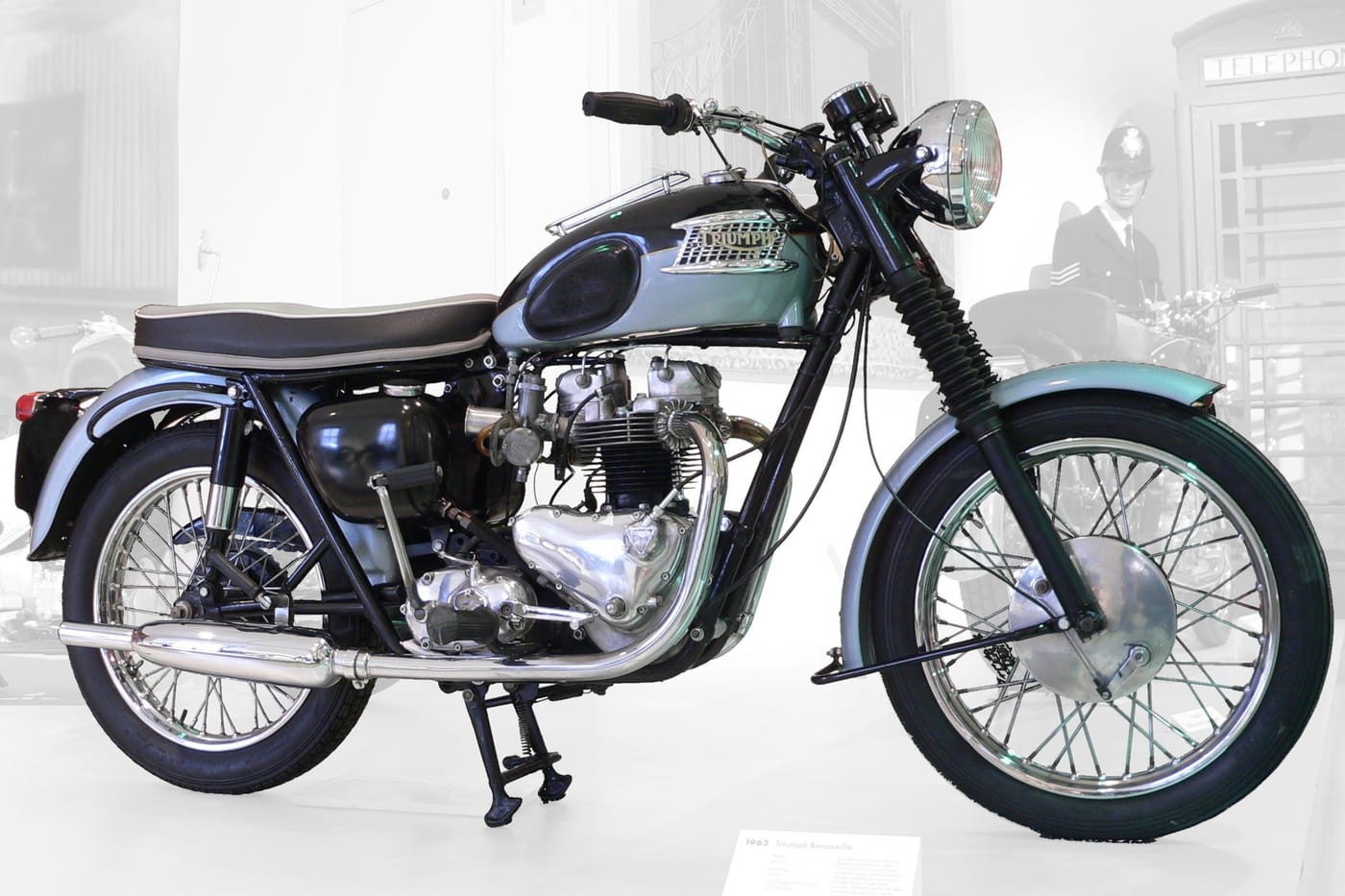
Triumph Bonneville T120
Triumph Bonneville T100
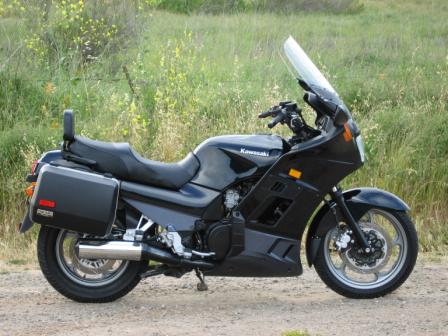
Kawasaki W800
Moto Guzzi V7 Classic
Triumph Bonneville Street Twin
Compare Triumph Bonneville Se Side-by-Side
compare_arrowsSpecs, power, weight & buyer verdict — head-to-head with the bikes most often cross-shopped.
Triumph Bonneville Se vs Triumph Bonneville T120
Specs · Power · Buyer verdict
Triumph Bonneville Se vs Triumph Bonneville T100
Specs · Power · Buyer verdict
Triumph Bonneville Se vs Kawasaki W800
Specs · Power · Buyer verdict
Triumph Bonneville Se vs Moto Guzzi V7 Classic
Specs · Power · Buyer verdict
Triumph Bonneville Se vs Triumph Bonneville Street Twin
Specs · Power · Buyer verdict
More Triumph Bonneville Se Guides
More from Triumph
View all Triumph models →Community Reviews
Discussion
Frequently Asked Questions
What are common problems with the Triumph Bonneville Se? +
Fuel injection throttle body corrosion/blockage: Rough idle, hesitation, poor throttle response at low RPM (moderate) | Regulator/rectifier failure causing battery drain: Test charging voltage, inspect for melted connector pins (serious) | Cam chain tensioner wear causing engine rattle: Cold start ticking noise that fades when warm (moderate)
Is the Triumph Bonneville Se a good motorcycle? +
A genuinely charming retro twin that rewards a careful used purchase. Rating: 7.8/10. Best for: Style-conscious riders wanting real-world usability daily. Avoid if: You need cheap, hassle-free dealer servicing nearby.
What is the horsepower of the Triumph Bonneville Se? +
The Triumph Bonneville Se produces 61 hp @ 7,400 rpm, with 68 Nm @ 5,800 rpm of torque. Top speed: 175 km/h.
Is the Triumph Bonneville Se good for beginners? +
Not really — the Triumph Bonneville Se is better for experienced riders. Style-conscious riders wanting real-world usability daily Avoid if: You need cheap, hassle-free dealer servicing nearby
Is the Triumph Bonneville Se reliable? +
Owners report 1 critical issue to watch for on the Triumph Bonneville Se, notably: Regulator/rectifier failure causing battery drain (Test charging voltage, inspect for melted connector pins). Buy with a pre-purchase inspection.
Is the Triumph Bonneville Se good for daily use? +
Style-conscious riders wanting real-world usability daily Fuel: 5.0–5.8 L/100km (approx. 17–20 km/L).
How fast is the Triumph Bonneville Se? +
The Triumph Bonneville Se reaches a top speed of 175 km/h, producing 61 hp at 214 kg curb weight. Real-world performance depends on rider weight, gearing, and road conditions.
What gear should I buy for a Triumph Bonneville Se? +
Motoryk has curated a Top 10 gear list specifically for the Triumph Bonneville Se, covering engine oil, tires, chain, battery, and brake pads — see motoryk.com/bikes/triumph/bonneville-se/top10. Each pick is matched to this bike's spec.