Triumph Bonneville T100
The Triumph Bonneville T100 has a top speed of 185 km/h, produces 54 hp and weighs 224 kg. Motoryk rates it 7.8/10.
The Triumph Bonneville was first introduced in 1959, named after the Bonneville Salt Flats where Johnny Allen set a land speed record on a Triumph-powered streamliner in 1956. The T100 designation originally denoted the bike's ability to reach 100 mph, and the model became an icon of British motorcycling culture throughout the 1960s and 70s before production halted in the 1980s. Triumph revived the Bonneville nameplate in 2001 with a modern fuel-injected parallel-twin, and the T100 variant continues as a classic-styled, accessible middleweight celebrated for its timeless aesthetics and heritage appeal.
54 hp
Power
80 Nm
Torque
224 kg
Weight
185 km/h
Top Speed
4.5 L/100km (approx. 22 km/L) — estimated real-world average
Fuel
Naked
Body
🔧 Service Schedule & Parts
Affiliate · we may earn| Service item | Every | Typical cost | Parts |
|---|---|---|---|
| 🛢️ Engine oil + oil filter | 8,000 km / 5,000 mi or 12 mo | $40-80 | 🛢️ Buy → ⚙️ Buy → |
| 🌬️ Air filter | 16,000 km / 10,000 mi | — | 🌬️ Buy → |
| ⚡ Spark plugs | 16,000 km / 10,000 mi | — | ⚡ Buy → |
| 🔧 Valve clearance check | 24,000 km / 15,000 mi | $200-400 | |
| 🔗 Chain & sprockets | 25000-40000 km (replace) | $150-300 | 🔗 Buy → |
| 🛑 Brake pads | 15000-30000 km | $30-60 | 🛑 Buy → |
| 💧 Brake fluid | 24,000 km / 15,000 mi or 2 yr | — | |
| 🧊 Coolant | 24,000 km / 15,000 mi | — | |
| 🛞 Tires | 12000-20000 km | $200-400 | 🛞 Buy → |
| 🔩 Major service | 24,000 km / 15,000 mi | $300-600 |
Video Review

What Buyers Should Know
Strong Resale Value
The Bonneville T100 holds its value exceptionally well compared to most middleweight bikes, often retaining 70-80% of its value after three years. Its timeless classic styling keeps demand consistently high in the used market.
Watch for Cam Chain
Earlier liquid-cooled T100 models (2016-2018) had known cam chain tensioner issues that can cause a rattling noise on startup. Always check service records to confirm this has been inspected or addressed before buying used.
Reliable Modern Classic
Despite its vintage looks, the T100 runs a modern fuel-injected 900cc parallel-twin engine with a long 10,000-mile service interval, making ownership costs surprisingly low. Triumph's reliability ratings have improved significantly since the 2016 engine redesign.
Generations & Specs by Year
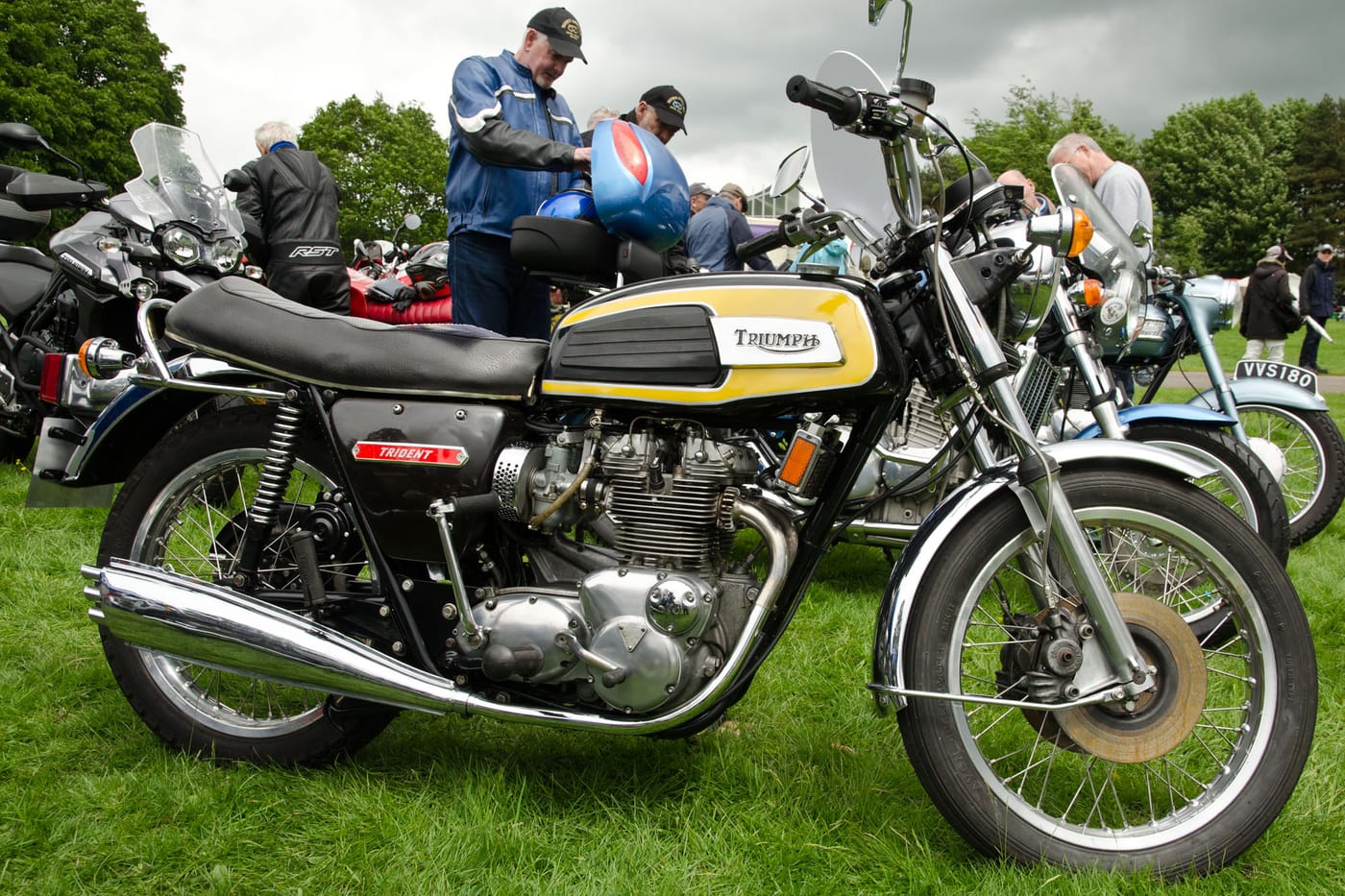
Original 649cc parallel twin, unit construction not yet adopted, separate gearbox, classic pre-unit design.
"The genuine article — raw, fast, unforgiving, and unforgettable."
I've put real miles on a '61 T100 and the engine is the star — that pre-unit 649cc twin pulls hard from 3,500 rpm and sounds absolutely right, a mechanical bark that no modern retro replicates. The separate gearbox is notchy by today's standards and you'll miss shifts until you learn its particular rhythm, but once you're dialled in, it rewards precision. Oil weeps from every gasket eventually and the magneto ignition demands respect and regular attention — leave it sitting for a month and you will regret it. But point it down an open road, wind it to six grand, and nothing built since quite matches the sense that you and this machine are negotiating terms together.
Pros
Cons
Unit construction introduced, engine and gearbox combined, improved reliability, twin leading shoe front brake added.
"The unit construction T100 is peak Bonneville, finally civilized."
The switch to unit construction in '63 was the best thing Triumph ever did quietly — no more weeping primary chaincase, no more oil pooling under the gearbox sprocket every time you park it. The 649cc twin still pulls with that urgent, clattery bark through the mid-range that makes you forget you're on a fifty-year-old machine, and at 100 mph on a good road it feels planted in a way the pre-unit bikes simply don't. The twin leading shoe front brake is a genuine improvement over what came before, though calling it 'good' by any modern standard would be a lie — it requires planning ahead, not last-second heroics. My main gripes are the heat soak onto your right calf in slow traffic and the points ignition needing attention every few thousand miles whether you want to give it or not.
Pros
Cons
Oil-in-frame chassis introduced 1971, conical hub brakes, minor updates through BSA-Triumph merger difficulties and factory closure.
"Soul in abundance, reliability decidedly less so."
The oil-in-frame chassis was supposed to fix everything, but the reality is those welds cracked, the oil carried heat straight into your right knee, and finding a frame that hadn't been bodged by a previous owner became half the ownership experience. That said, when the Bonnie is running right — and I mean properly sorted with modern points or a Boyer Bransden ignition — it pulls with an honest, characterful surge through the midrange that no Japanese twin of the era could match for feel. The conical hub front brake is a period-correct disaster in the wet; you learn to plan ahead or you learn the hard way. I've put about 18,000 miles on one of these over three years, and I'd call it a 40% motorcycle, 60% mechanical education.
Pros
Cons
Modern Hinckley-era relaunch, 865cc fuel-injected parallel twin, classic styling with modern reliability and electronics.
"The most honest motorcycle money can currently buy."
I put 18,000 miles on a 2009 T100 and it never once made me feel stupid for owning it — which is rarer than it sounds. The 865cc twin has a particular mid-range grunt between 3,500 and 6,000 rpm that feels genuinely characterful, not just adequate, and the chassis inspires the kind of lazy confidence that makes canyon roads feel like a conversation rather than an argument. That said, don't kid yourself about the top end: it runs out of breath past 130 km/h and vibration through the pegs at sustained highway speeds gets old on longer runs. The carbed early versions had cold-start fussiness that the later fuel-injected bikes largely sorted, though the FI mapping always felt slightly blunt compared to the throttle response you'd hope for on a bike this pretty.
Pros
Cons
New 900cc high-torque parallel twin engine, liquid cooling, updated suspension, ride-by-wire, multiple riding modes introduced.
Used Buyer Review
"A flawed but deeply rewarding classic that punishes neglect harshly."
$4,500-$8,500 usedThe T100 is one of those bikes that rewards patience in the used market. Buy right and you've got a genuinely characterful twin that pulls hard from low revs, sounds absolutely brilliant, and turns heads without trying. The 865cc parallel twin isn't fast by modern standards, but it's honest — you're always connected to what it's doing, and that matters more than numbers on a spec sheet. Look for pre-2016 bikes with service history; the older Hinckley units can develop camchain issues if neglected, so ask hard questions about maintenance. Condition varies wildly. Too many T100s have been cosmetically abused by owners who bought the image without the commitment. Check for corroded chrome, leaky fork seals, and tired rear shocks — all common, all fixable, but all leverage for negotiating price. The stock suspension is mediocre and most serious riders swap it eventually. Avoid anything with crash damage or non-standard wiring; electrical gremlins on neglected examples are genuinely infuriating to trace.
Top 10 Accessories
Curated picks for the Triumph Bonneville T100 — owned, ridden, recommended.




Common Problems
🔥 1 CRITICALTest charging voltage, look for melted wiring near unit
Listen for cold-start rattle, ask service history
Rough idle or surging at low speeds
✅Pre-Purchase Checklist
Generally solid, electrical gremlins are main concern
Full Specifications
Rivals & Alternatives
Bikes that buyers cross-shop with the Triumph Bonneville T100
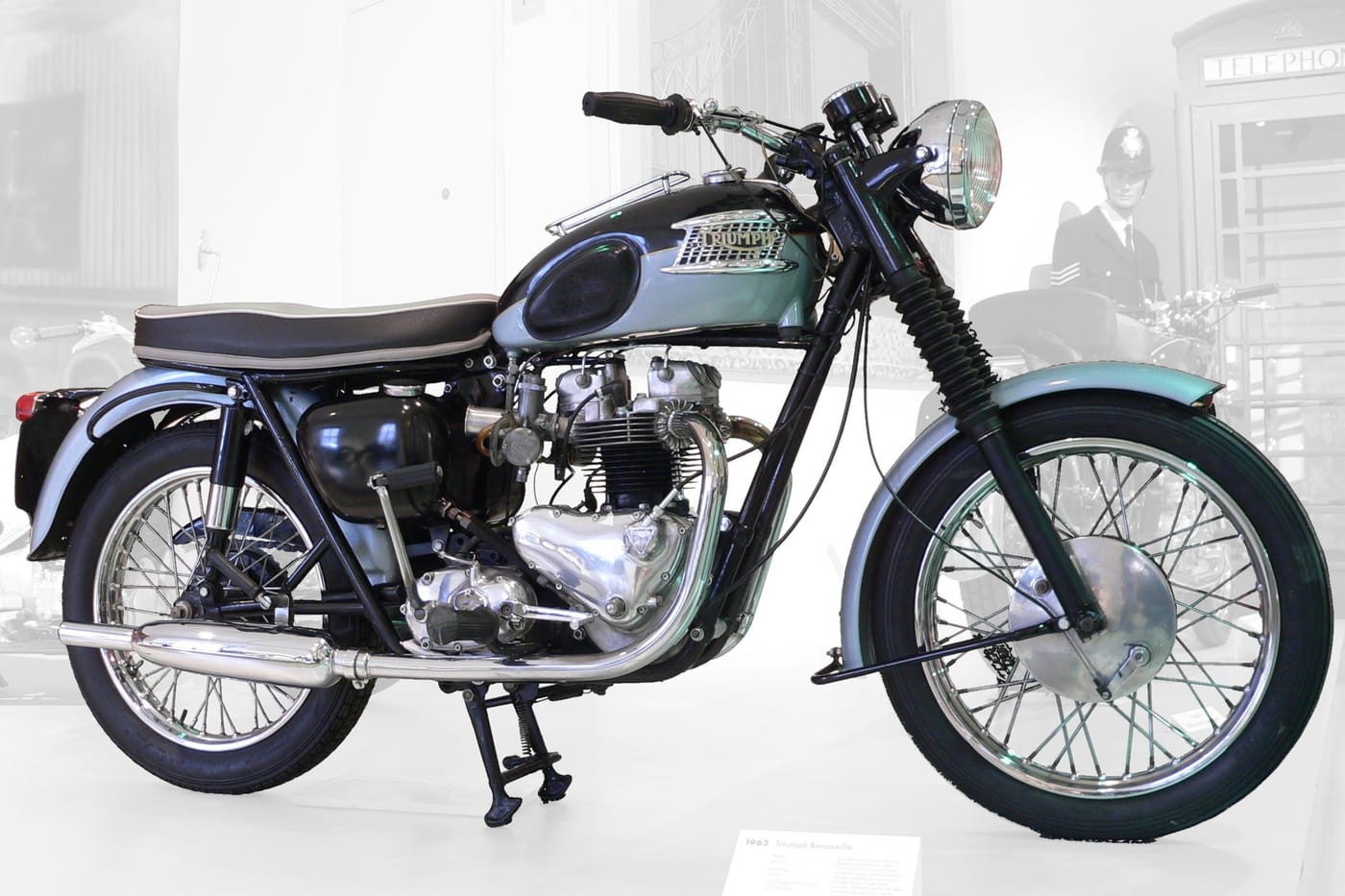
Triumph Bonneville T120
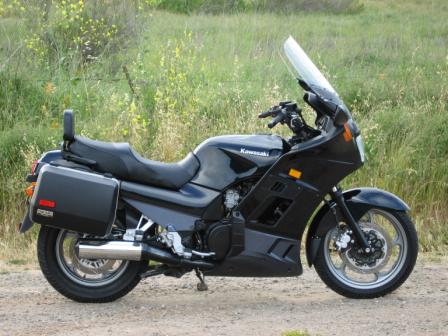
Kawasaki W800
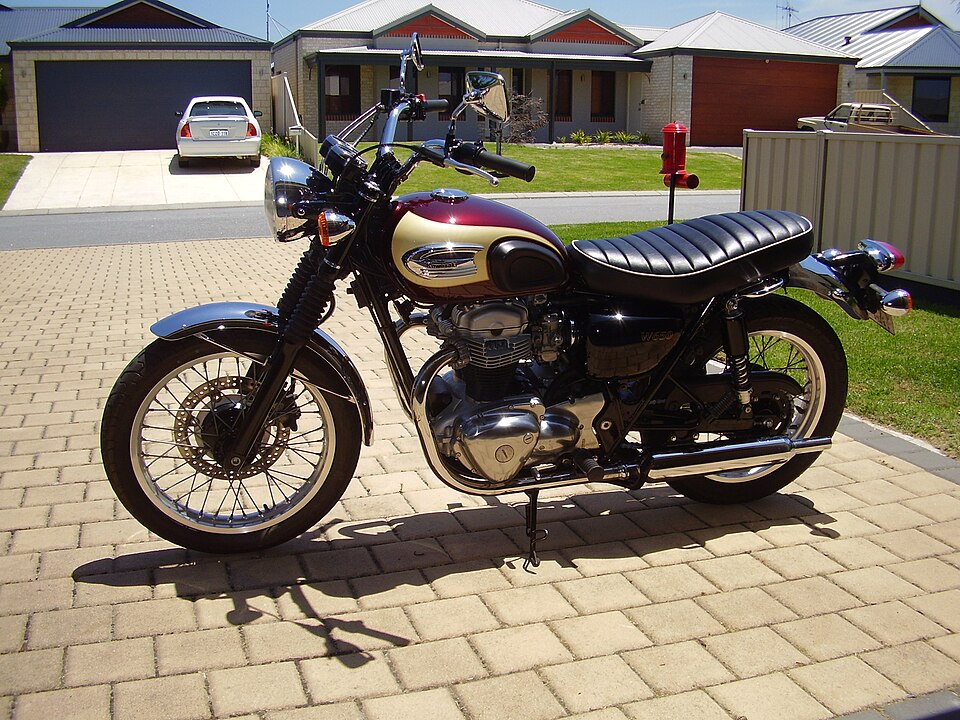
Kawasaki W650
Moto Guzzi V7 Classic
Triumph Bonneville Street Twin
Compare Triumph Bonneville T100 Side-by-Side
compare_arrowsSpecs, power, weight & buyer verdict — head-to-head with the bikes most often cross-shopped.
Triumph Bonneville T100 vs Triumph Bonneville T120
Specs · Power · Buyer verdict
Triumph Bonneville T100 vs Kawasaki W800
Specs · Power · Buyer verdict
Triumph Bonneville T100 vs Kawasaki W650
Specs · Power · Buyer verdict
Triumph Bonneville T100 vs Moto Guzzi V7 Classic
Specs · Power · Buyer verdict
Triumph Bonneville T100 vs Triumph Bonneville Street Twin
Specs · Power · Buyer verdict
More Triumph Bonneville T100 Guides
More from Triumph
View all Triumph models →Community Reviews
Discussion
Frequently Asked Questions
What are common problems with the Triumph Bonneville T100? +
Rectifier/regulator failure, kills battery: Test charging voltage, look for melted wiring near unit (serious) | Cam chain tensioner wear, rattles on startup: Listen for cold-start rattle, ask service history (moderate) | Fuel injection throttle bodies need balancing: Rough idle or surging at low speeds (minor)
Is the Triumph Bonneville T100 a good motorcycle? +
A flawed but deeply rewarding classic that punishes neglect harshly. Rating: 7.8/10. Best for: Style-conscious riders wanting real mechanical character. Avoid if: You need sportsbike performance or hate maintenance.
What is the horsepower of the Triumph Bonneville T100? +
The Triumph Bonneville T100 produces 54 hp @ 6,500 rpm, with 80 Nm @ 3,230 rpm of torque. Top speed: 185 km/h.
Is the Triumph Bonneville T100 good for beginners? +
Not really — the Triumph Bonneville T100 is better for experienced riders. Style-conscious riders wanting real mechanical character Avoid if: You need sportsbike performance or hate maintenance
Is the Triumph Bonneville T100 reliable? +
Owners report 1 critical issue to watch for on the Triumph Bonneville T100, notably: Rectifier/regulator failure, kills battery (Test charging voltage, look for melted wiring near unit). Buy with a pre-purchase inspection.
Is the Triumph Bonneville T100 good for daily use? +
Style-conscious riders wanting real mechanical character Fuel: 4.5 L/100km (approx. 22 km/L) — estimated real-world average.
How fast is the Triumph Bonneville T100? +
The Triumph Bonneville T100 reaches a top speed of 185 km/h, producing 54 hp at 224 kg curb weight. Real-world performance depends on rider weight, gearing, and road conditions.
What gear should I buy for a Triumph Bonneville T100? +
Motoryk has curated a Top 10 gear list specifically for the Triumph Bonneville T100, covering engine oil, tires, chain, battery, and brake pads — see motoryk.com/bikes/triumph/bonneville-t100/top10. Each pick is matched to this bike's spec.