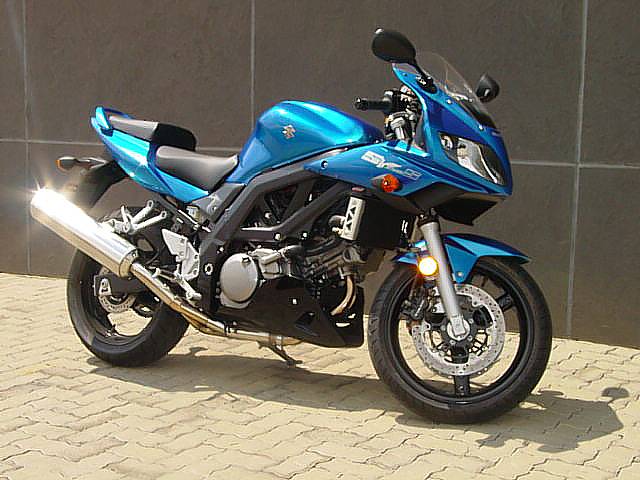
Suzuki Sv1000
The Suzuki Sv1000 has a top speed of 230 km/h (est.), produces 120 hp and weighs 198 kg. Motoryk rates it 8/10.
La Suzuki SV1000 se presentó en 2003 como hermana de mayor cilindrada de la popular SV650, con un motor bicilíndrico en V de 90 grados y 996 cc. Se ofrecía tanto en la versión estándar (SV1000) como en la versión carenada (SV1000S), y estaba dirigida a los ciclistas que querían más potencia que la SV650, pero preferían el carácter bicilíndrico en V a las motos deportivas de cuatro cilindros en línea. La producción finalizó alrededor de 2007 y, finalmente, fue reemplazada por la V-Strom y, más tarde, por los modelos B-King, aunque mantuvo un seguimiento de culto por su fuerte par motor y su chasis basculante.
120 hp
Potencia
103 Nm
Torsión
198 kg
Peso
230 km/h (est.)
Velocidad máxima
6.5 L/100km (approx. 15.4 km/L, typical real-world average)
Combustible
Desnudo
Cuerpo
🔧 Service Schedule & Parts
Affiliate · we may earn| Service item | Every | Typical cost | Parts |
|---|---|---|---|
| 🛢️ Engine oil + oil filter | 6,000 km / 3,500 mi or 12 mo | $40-80 | 🛢️ Buy → ⚙️ Buy → |
| 🌬️ Air filter | 12,000 km / 7,500 mi | — | 🌬️ Buy → |
| ⚡ Spark plugs | 12,000 km / 7,500 mi | — | ⚡ Buy → |
| 🔧 Valve clearance check | 24,000 km / 15,000 mi | $200-400 | |
| 🔗 Chain & sprockets | 25000-40000 km (replace) | $150-300 | 🔗 Buy → |
| 🛑 Brake pads | 15000-25000 km | $30-60 | 🛑 Buy → |
| 💧 Brake fluid | 24,000 km / 15,000 mi or 2 yr | — | |
| 🧊 Coolant | 24,000 km / 15,000 mi | — | |
| 🛞 Tires | 10000-20000 km | $200-400 | 🛞 Buy → |
| 🔩 Major service | 24,000 km / 15,000 mi | $300-600 |
Video Review
Lo que los compradores deben saber
V-Twin Reliability Workhorse
The SV1000's 996cc V-twin engine is known for strong long-term durability, often running well past 50,000 miles with basic maintenance. It shares DNA with Suzuki's proven TL1000 engine but with improved refinement.
Watch the Steering Bearings
A common issue on used SV1000s is worn steering head bearings, which can cause a noticeable 'notchiness' when turning the handlebars slowly. Always check this before buying, as replacement is straightforward but often neglected by previous owners.
Strong Resale Value
The SV1000 holds its value well compared to similarly aged sportbikes due to its cult following and limited production years (2003–2007). Low-mileage examples in good condition remain in steady demand among enthusiasts.
Generaciones y especificaciones por año
Versión inicial con motor bicilíndrico en V de 996 cc, marco tubular de acero, horquillas convencionales y frenos de disco delanteros dobles.
"Un gemelo crudo y torneado que premia el compromiso por encima de la cautela."
La SV1000 te golpea con un gruñido de media distancia en cuanto pisas el acelerador a más de 4.000 rpm. Es realmente adictivo, pero esa misma urgencia se repite en carreteras resbaladizas, porque el repostaje es lo suficientemente brusco como para que seas honesto. La estructura tubular de acero proporciona al chasis una sensación y una capacidad de movimiento reales que el público contemporáneo de la R1 no podría apreciar con sus cajas de aluminio, aunque las horquillas convencionales se hunden con fuerza al frenar y se sienten poco amortiguadas en comparación con lo que se merece el motor. La suspensión fue el punto débil evidente desde el primer día: la parte delantera se tambalea en mitad de la curva si la sacas de serie, y la mayoría de los propietarios acaban gastando dinero en los muelles y el peso del aceite. La comodidad del asiento es sorprendentemente decente para una persona desnuda, la altura de 805 mm es adecuada para una complexión normal, y la banda sonora de las bicilíndricas en V de 996 cc a toda velocidad es uno de los mejores sonidos del motociclismo: solo se necesita un piloto que respete la disciplina del acelerador.
Pros
Contras
Se revisó la carrocería, se actualizaron los mapas de inyección de combustible, se introdujeron pequeños ajustes en la suspensión y se introdujeron mejoras estéticas y ergonómicas.
"La bicicleta deportiva V-twin que nunca necesitó ser reparada."
Hice 18.000 km en una SV1000S del 2006 y el motor bicilíndrico en V de 996 cc no deja de sorprenderme: ese par motor de gama media entre 4.000 y 7.000 rpm es realmente adictivo, el tipo de tracción que hace que te olvides de los picos de potencia. La inyección de combustible de la segunda generación es notablemente más suave que la de los primeros coches; se acabaron los arrebatos al llegar tercero por la ciudad, que era lo único que realmente me molestó de la primera generación. La suspensión sigue siendo blanda cuando se usa en pistas difíciles (las horquillas se hunden al frenar bruscamente y la parte trasera se confunde en los baches bruscos en las curvas intermedias), pero en carreteras con cañones y ráfagas de fin de semana es lo suficientemente fuerte como para confiar. Mi única queja real es el calor: sentado en el tráfico en un día caluroso, ese gemelo de 90 grados hornea la parte interna del muslo derecho como un asador, y después de una hora en un atasco urbano, empiezas a cuestionar tus elecciones de vida.
Pros
Contras
Reseña de un comprador usado
"Underrated V-twin gem that rewards riders who buy carefully."
$2,500-$5,500 usedThe SV1000 is one of motorcycling's best-kept secrets, and used prices reflect that — you can grab a decent one for peanuts compared to what you're actually getting. That 996cc V-twin is genuinely special: torquey from idle, pulls hard through the midrange, and sounds properly angry without being obnoxious. It's not a superbike, but it'll embarrass plenty of them on a twisty B-road where tractability matters more than peak horsepower numbers. Buy carefully though. The S model's faired version hides a multitude of sins — check those fairings for cracks and missing tabs because replacements aren't cheap or easy to find. Fuel pump failures are a known weakness, budget for that. Regulator-rectifiers also have a reputation for cooking themselves, so check the charging system before handing over cash. Frames can crack around the steering head on high-mileage examples, so get underneath and look properly. Get a solid one under you and you'll understand immediately why owners keep them for years. Genuinely rewarding to ride fast, manageable enough for daily use. Criminally underrated.
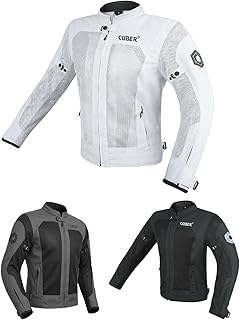
Top 10 Accessories
Curated picks for the Suzuki Sv1000 — owned, ridden, recommended.




Problemas comunes
🔥 1 CRITICALCheck charging voltage, look for melted connector near battery
Oil residue on lower fork legs above axle
Uneven idle, stumbling between 2000-4000 RPM
Cold start ticking noise from top of engine
✅Lista de verificación previa a la compra
Solid V-twin, manageable issues if well maintained
Full Specifications
Rivals & Alternatives
Bikes that buyers cross-shop with the Suzuki Sv1000
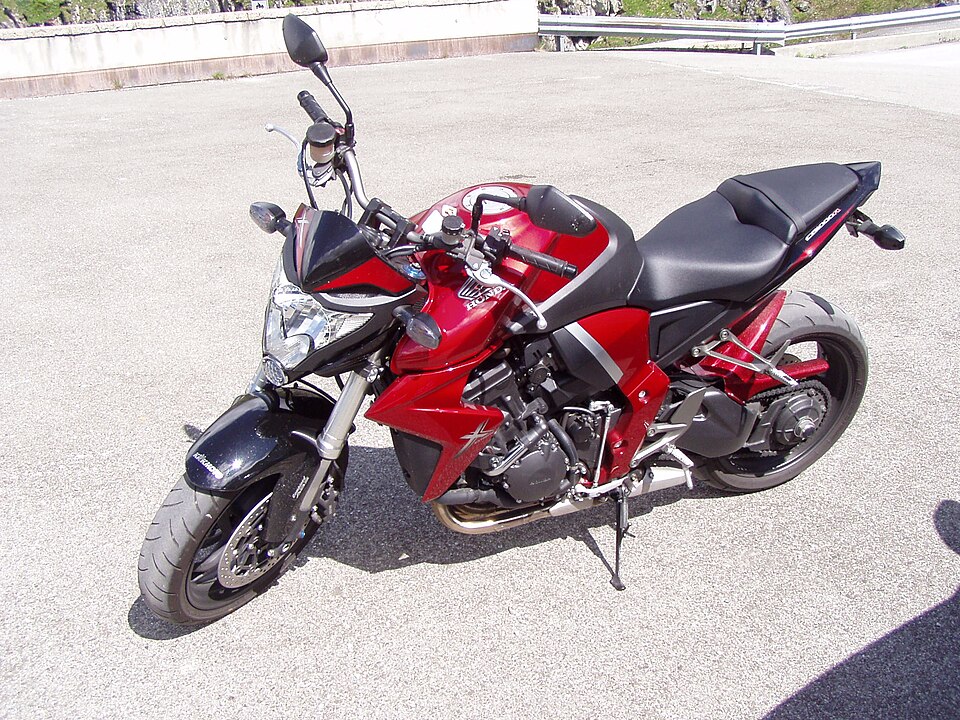
Honda Cb1000r
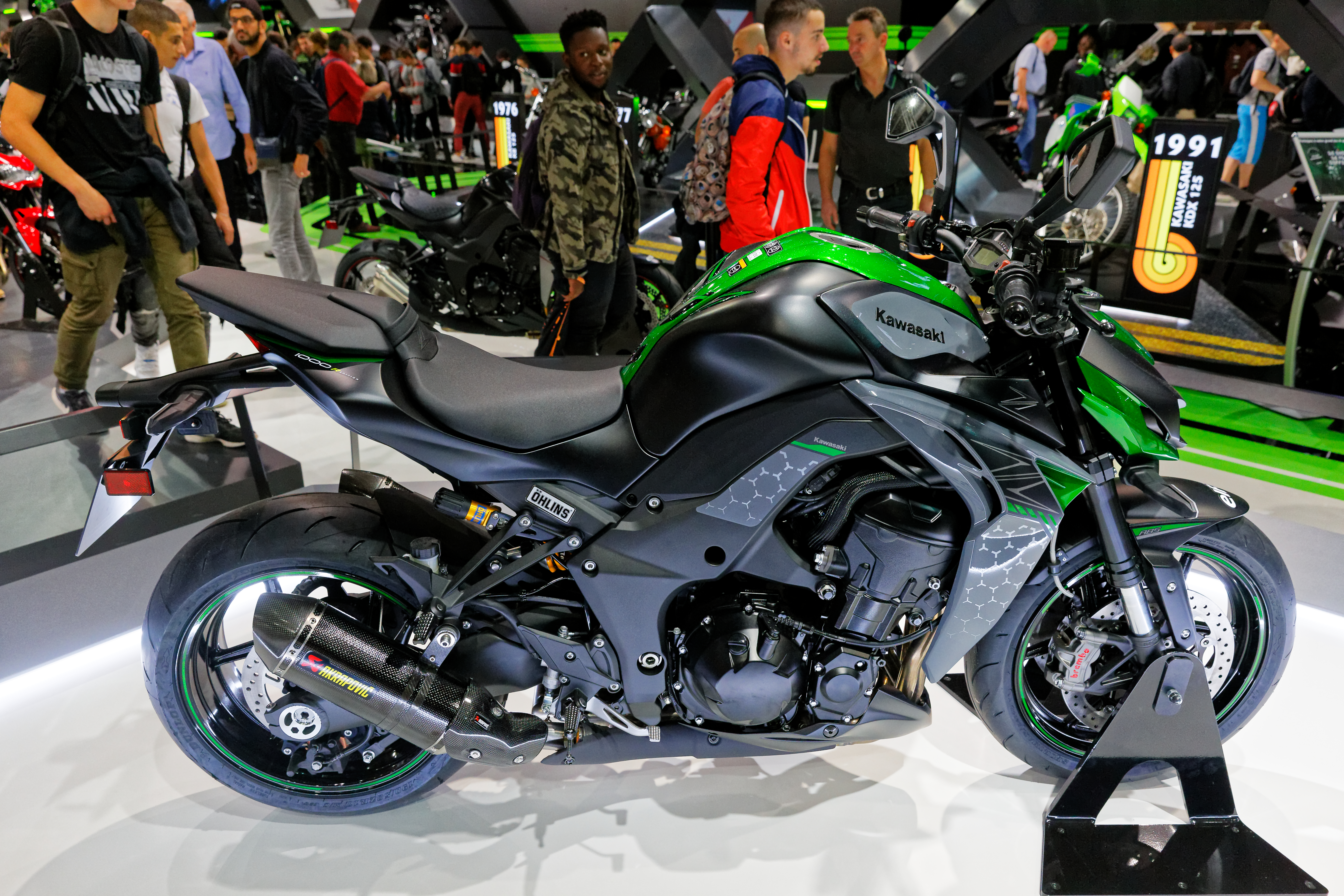
Kawasaki Z1000
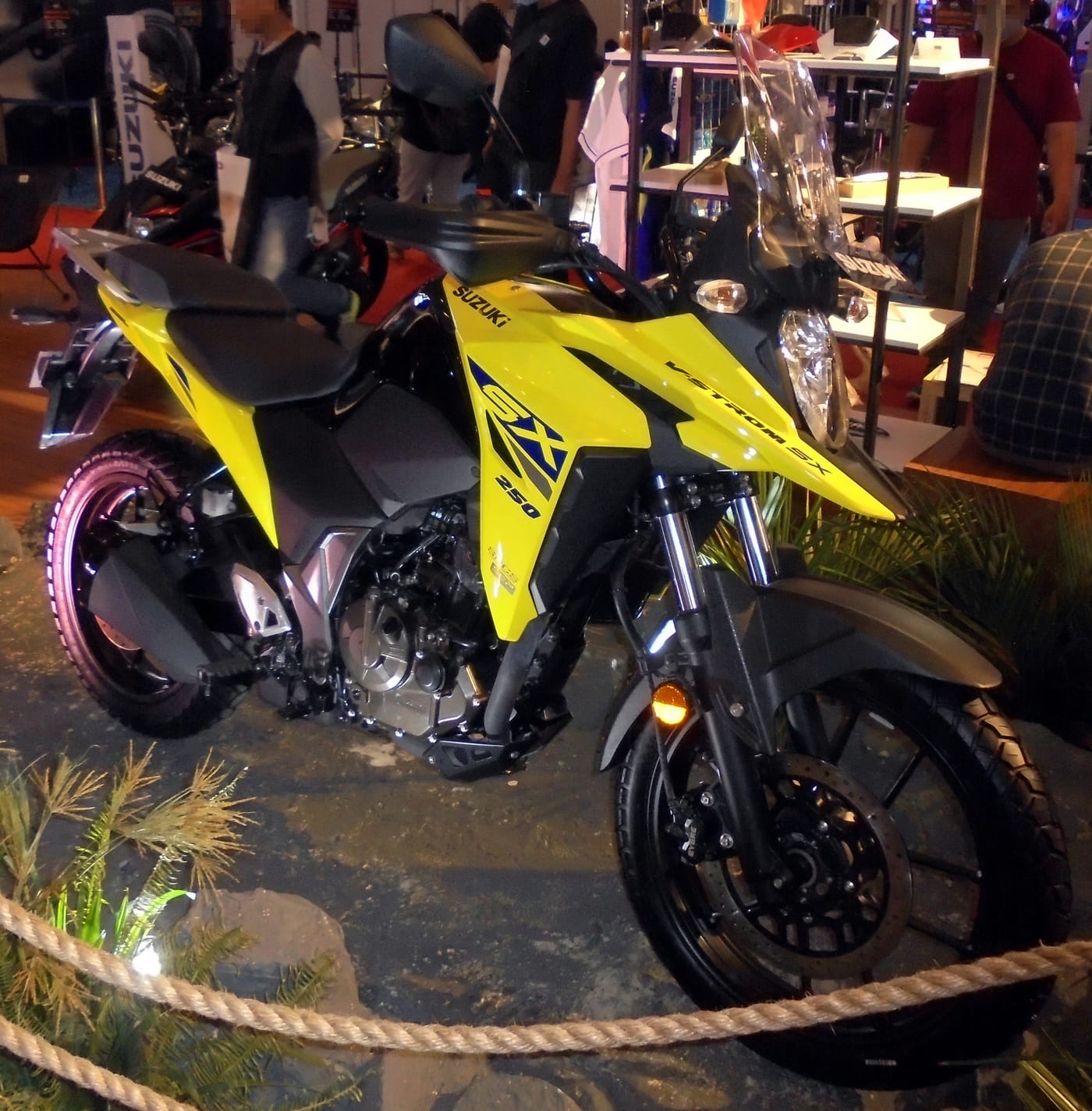
Suzuki Gsx-s1000
Suzuki Bandit 1250
Honda Cb900f Hornet
Compare Suzuki Sv1000 Side-by-Side
compare_arrowsSpecs, power, weight & buyer verdict — head-to-head with the bikes most often cross-shopped.
Suzuki Sv1000 vs Honda Cb1000r
Specs · Power · Buyer verdict
Suzuki Sv1000 vs Kawasaki Z1000
Specs · Power · Buyer verdict
Suzuki Sv1000 vs Suzuki Gsx-s1000
Specs · Power · Buyer verdict
Suzuki Sv1000 vs Suzuki Bandit 1250
Specs · Power · Buyer verdict
Suzuki Sv1000 vs Honda Cb900f Hornet
Specs · Power · Buyer verdict
More Suzuki Sv1000 Guides
More from Suzuki
View all Suzuki models →Community Reviews
Discussion
Frequently Asked Questions
What are common problems with the Suzuki Sv1000? +
Regulator/rectifier failure, kills battery and stator: Check charging voltage, look for melted connector near battery (serious) | Front fork seal leaks, common with age: Oil residue on lower fork legs above axle (moderate) | Throttle body sync issues, rough idle and hesitation: Uneven idle, stumbling between 2000-4000 RPM (moderate)
Is the Suzuki Sv1000 a good motorcycle? +
Underrated V-twin gem that rewards riders who buy carefully. Rating: 8.0/10. Best for: Experienced riders wanting engaging affordable V-twin performance. Avoid if: You want hassle-free ownership without mechanical curiosity.
What is the horsepower of the Suzuki Sv1000? +
The Suzuki Sv1000 produces 120 hp @ 9,000 rpm, with 103 Nm @ 7,000 rpm of torque. Top speed: 230 km/h (est.).
Is the Suzuki Sv1000 good for beginners? +
Yes — the Suzuki Sv1000 is a reasonable choice for new riders (120 hp is manageable), weighing 198 kg. Experienced riders wanting engaging affordable V-twin performance
Is the Suzuki Sv1000 reliable? +
Owners report 1 critical issue to watch for on the Suzuki Sv1000, notably: Regulator/rectifier failure, kills battery and stator (Check charging voltage, look for melted connector near battery). Buy with a pre-purchase inspection.
Is the Suzuki Sv1000 good for daily use? +
Experienced riders wanting engaging affordable V-twin performance Fuel: 6.5 L/100km (approx. 15.4 km/L, typical real-world average).
How fast is the Suzuki Sv1000? +
The Suzuki Sv1000 reaches a top speed of 230 km/h (est.), producing 120 hp at 198 kg curb weight. Real-world performance depends on rider weight, gearing, and road conditions.
What gear should I buy for a Suzuki Sv1000? +
Motoryk has curated a Top 10 gear list specifically for the Suzuki Sv1000, covering engine oil, tires, chain, battery, and brake pads — see motoryk.com/bikes/suzuki/sv1000/top10. Each pick is matched to this bike's spec.