Suzuki Sv 650s
The Suzuki Sv 650s has a top speed of 210 km/h (estimated; note: varies by generation and rider), produces 73 hp and weighs 189 kg. Motoryk rates it 8.5/10.
The Suzuki SV650S was introduced in 1999 as a faired variant of the SV650, featuring a half-fairing for improved aerodynamics and a sportier riding position. It went through two major generations (1999-2002 and 2003-2012) with updates to fuel delivery, styling, and chassis refinement, becoming one of the most beloved middleweight V-twins ever produced. Its accessible power, predictable handling, and affordability made it iconic among new riders and experienced enthusiasts alike, and it remains a benchmark in the naked/sport middleweight class.
73 hp
Power
64 Nm
Torque
189 kg
Weight
210 km/h (estimated; note: varies by generation and rider)
Top Speed
5.5 L/100km (approximately 18 km/L, typical real-world average)
Fuel
Faired
Body
Video Review
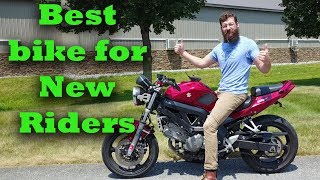
What Buyers Should Know
Bulletproof V-Twin Engine
The SV650S's 645cc V-twin is renowned for exceptional reliability, often surpassing 50,000+ miles with basic maintenance. It's one of the most trouble-free engines in its class.
Watch the Regulator/Rectifier
A known weak point on older models (1999-2002) is the voltage regulator/rectifier, which can fail and damage the battery or charging system. Always check charging output before buying used.
Strong Resale Value
The SV650S holds its value remarkably well due to high demand from both beginners and track riders. A well-maintained example rarely sits unsold for long on the used market.
Generations & Specs by Year
Original SV650S launched with half-fairing, carbureted 645cc V-twin, tubular steel frame, inverted forks.
"The bike that made everything else feel overpriced."
I put 22,000 km on a '99 SV650S and it remains the benchmark against which I judge every middleweight I've thrown a leg over since. That 90-degree V-twin is the real story — it pulls hard from 4,000 rpm with a mechanical growl that sounds like it costs twice as much, and the torque curve is so usable you can exit a second-gear corner half-asleep and the engine just sorts it out. The half-fairing is almost cosmetic above 130 km/h; highway stints are a genuine workout for your neck and shoulders, and the carbs need a proper sync every season or throttle response goes mushy. But the tubular steel frame talks to you constantly — you always know exactly where the front tire is — and at its original price point, nothing touched it.
Pros
Cons
Revised styling, updated chassis geometry, improved suspension, refined carburetion, slightly reshaped half-fairing.
"The benchmark middleweight that still embarrasses newer bikes."
I put 22,000 km on a 2005 SV650S and it rewired how I think about motorcycles — the 90-degree V-twin pulls cleanly from 3,500 rpm, then snaps hard past 7,000 in a way that makes 73 horsepower feel dishonestly quick. The revised suspension geometry over the Gen 1 is genuinely noticeable: it turns with more intent, less persuasion, and holds a corner line without that nervous mid-bend fidget the earlier bike had. Carb flat-spots are real in cold weather — below 10°C you'll be feathering the choke for the first few kilometers — and the half-fairing does almost nothing above 130 km/h, leaving your chest doing all the aerodynamic work. Still, I've ridden bikes costing three times as much that delivered less satisfaction per corner.
Pros
Cons
Fuel injection, new trellis frame, updated 645cc engine, ABS option added, modern electronics package.
Used Buyer Review
"The definitive used middleweight — impossible to recommend highly enough."
$2,500-$5,500 usedThe SV650S is genuinely one of the smartest used buys in motorcycling right now. That 645cc V-twin punches well above its displacement — torquey from idle, pulls hard to redline, and sounds absolutely filthy doing it. The half-fairing gives you meaningful wind protection without the bulk of a full sportbike, and the ergonomics split the difference between aggressive and comfortable. It'll teach you to ride properly without punishing you for mistakes. Buying used, you need to watch a few things. The PAIR valve system can cause erratic idle — cheap fix, but annoying if ignored. Check the subframe carefully on anything from 2003-2009 since they crack near the footpeg mounts, especially on bikes used for track days. Regulator-rectifiers are another known weak spot — look for voltage drop symptoms or just budget a replacement. The fairing lowers get scratched constantly because owners drop them learning. Overall though, these bikes are practically bulletproof mechanically if basic maintenance was kept up. Parts are cheap, dealer support is everywhere, and the aftermarket is enormous. Buy with confidence.
Top 10 Accessories
Curated picks for the Suzuki Sv 650s — owned, ridden, recommended.




Common Problems
🔥 1 CRITICALIdle quality, surging at low RPM, throttle response
Battery voltage at idle should read 13.5-14.5V
Oil residue on fork tubes below seals
Cold start rattling noise from engine top end
✅Pre-Purchase Checklist
Excellent engine, minor electrical weak spots only
Full Specifications
Rivals & Alternatives
Bikes that buyers cross-shop with the Suzuki Sv 650s
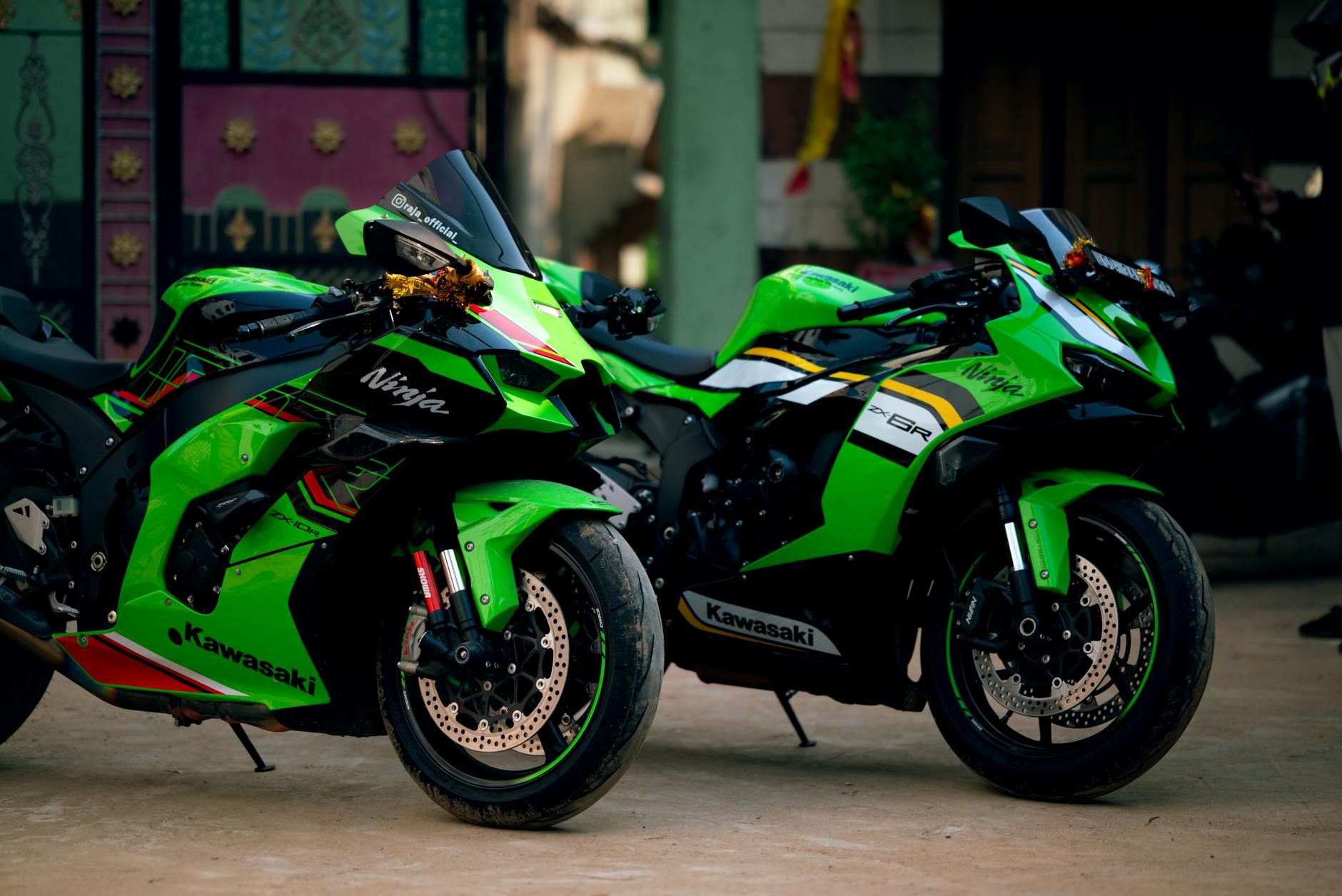
Kawasaki Ninja 650
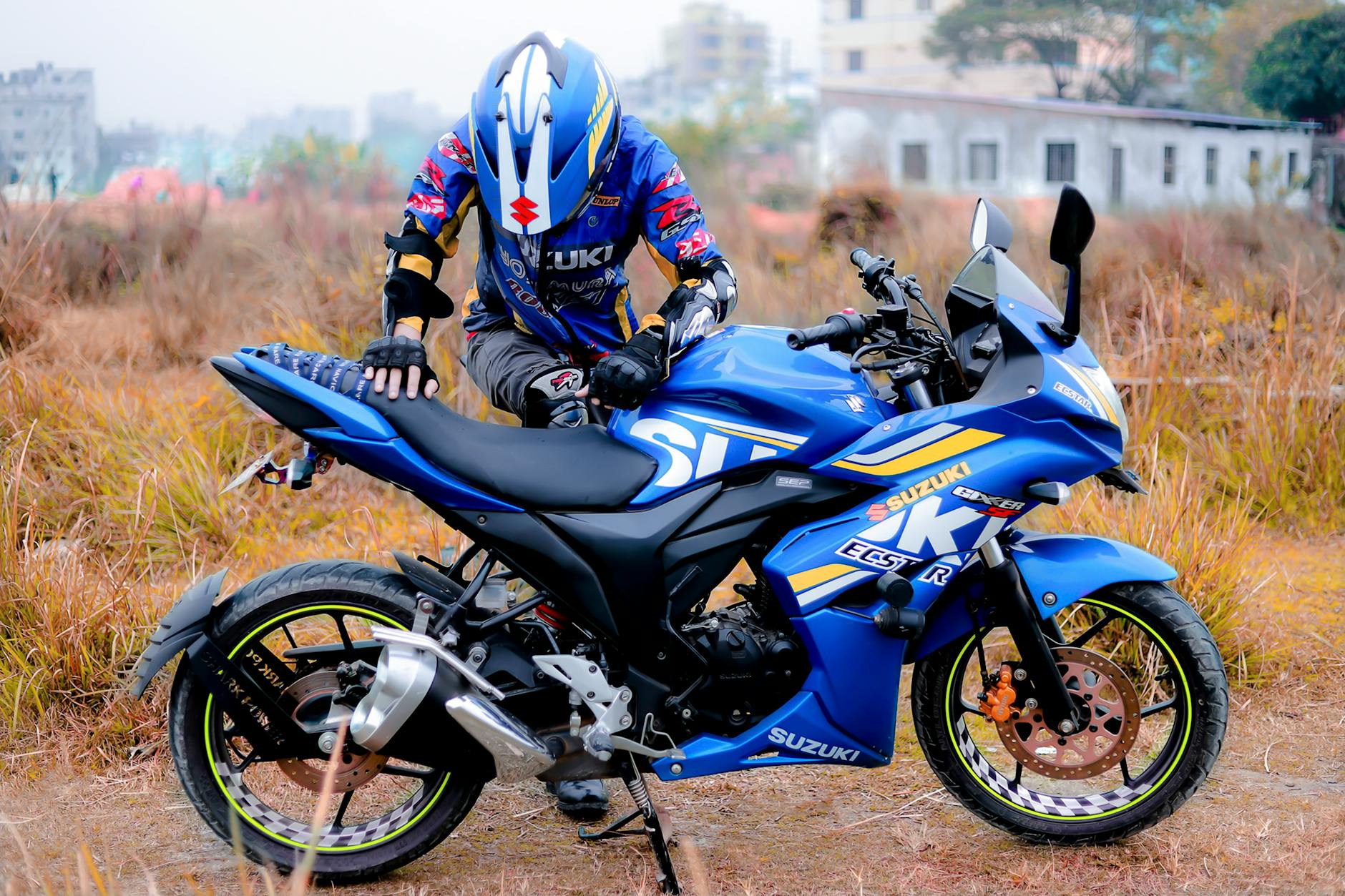
Suzuki Sv650 S
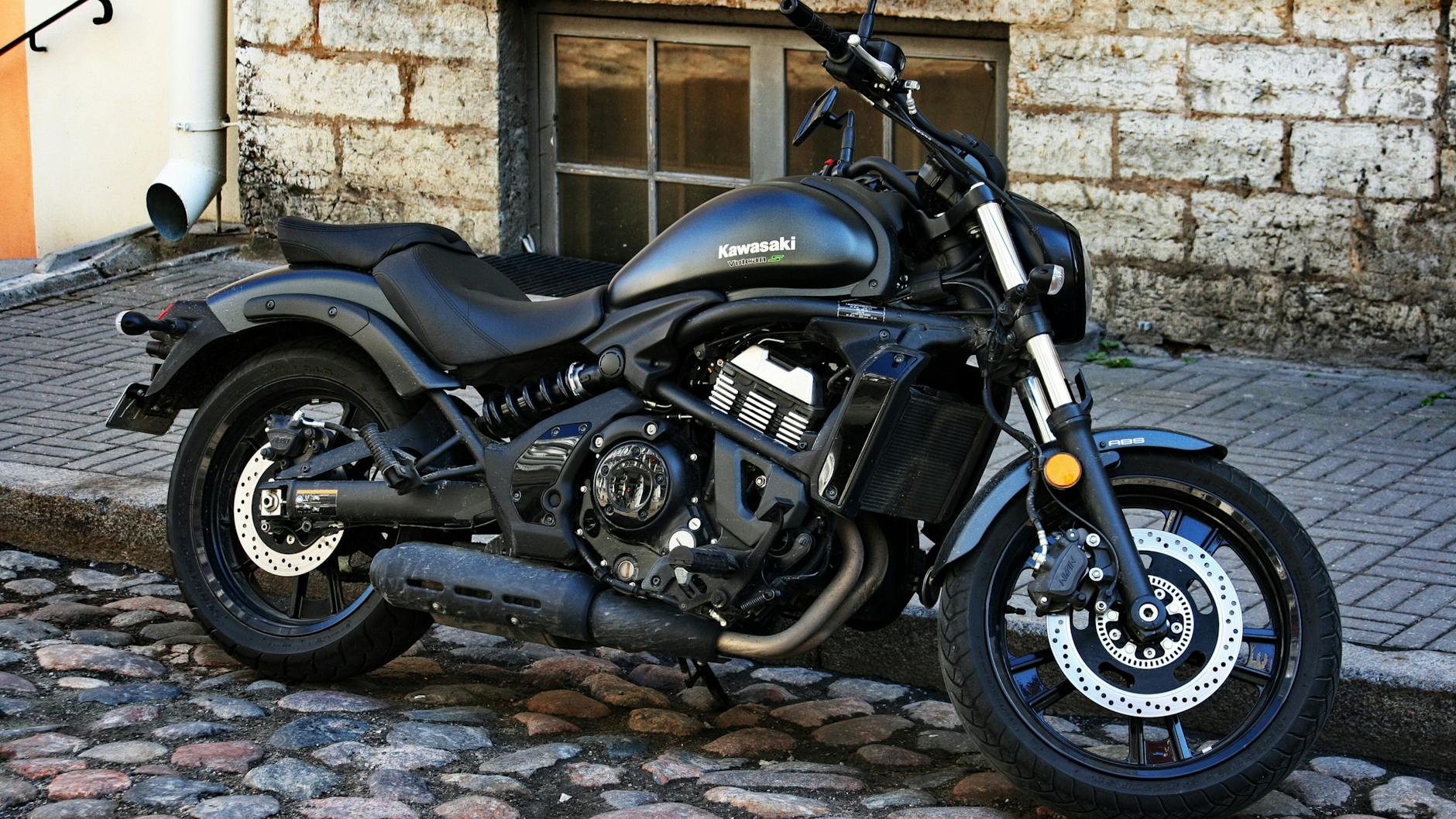
Kawasaki Er-6f
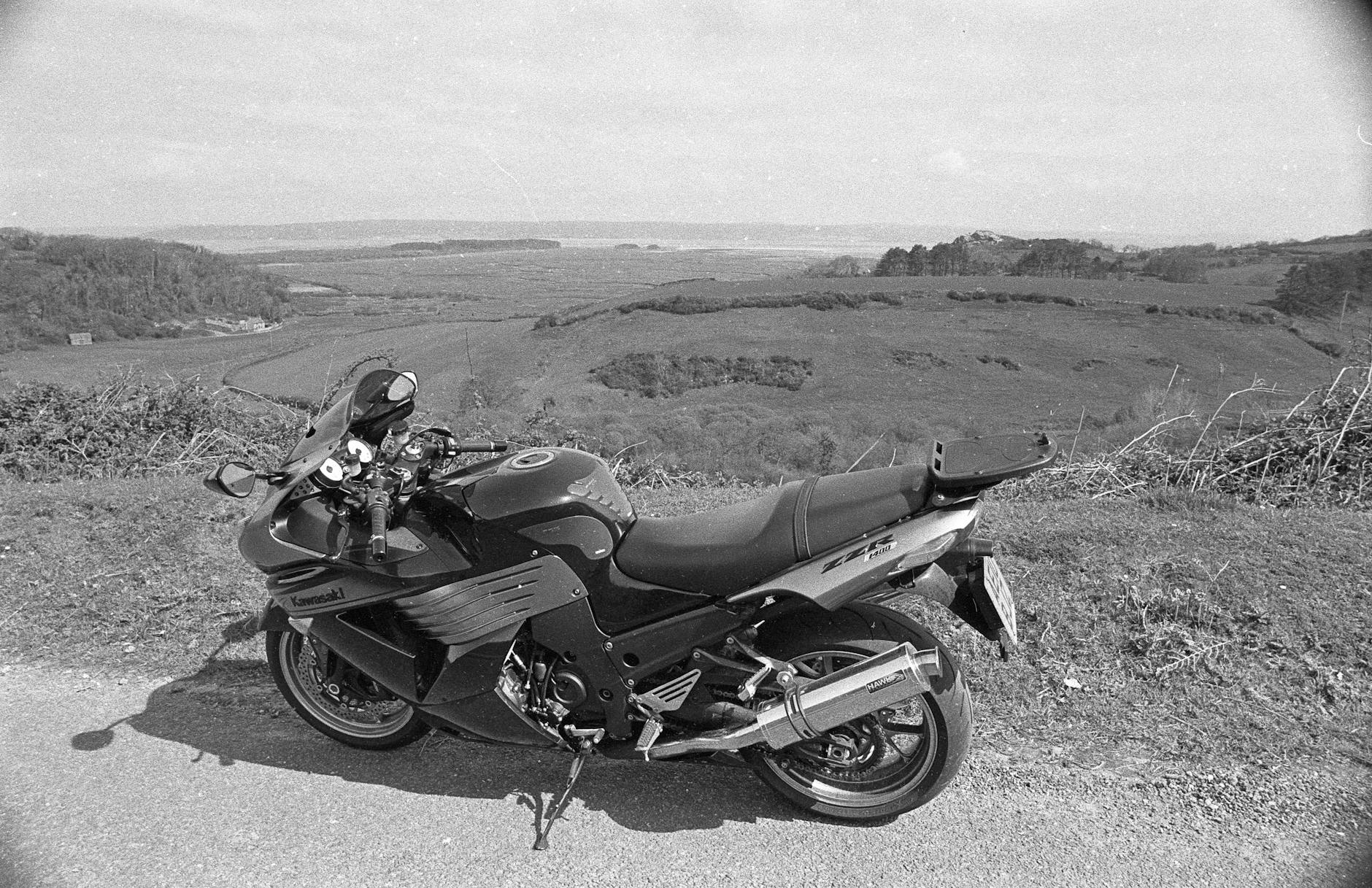
Kawasaki Gpz500s
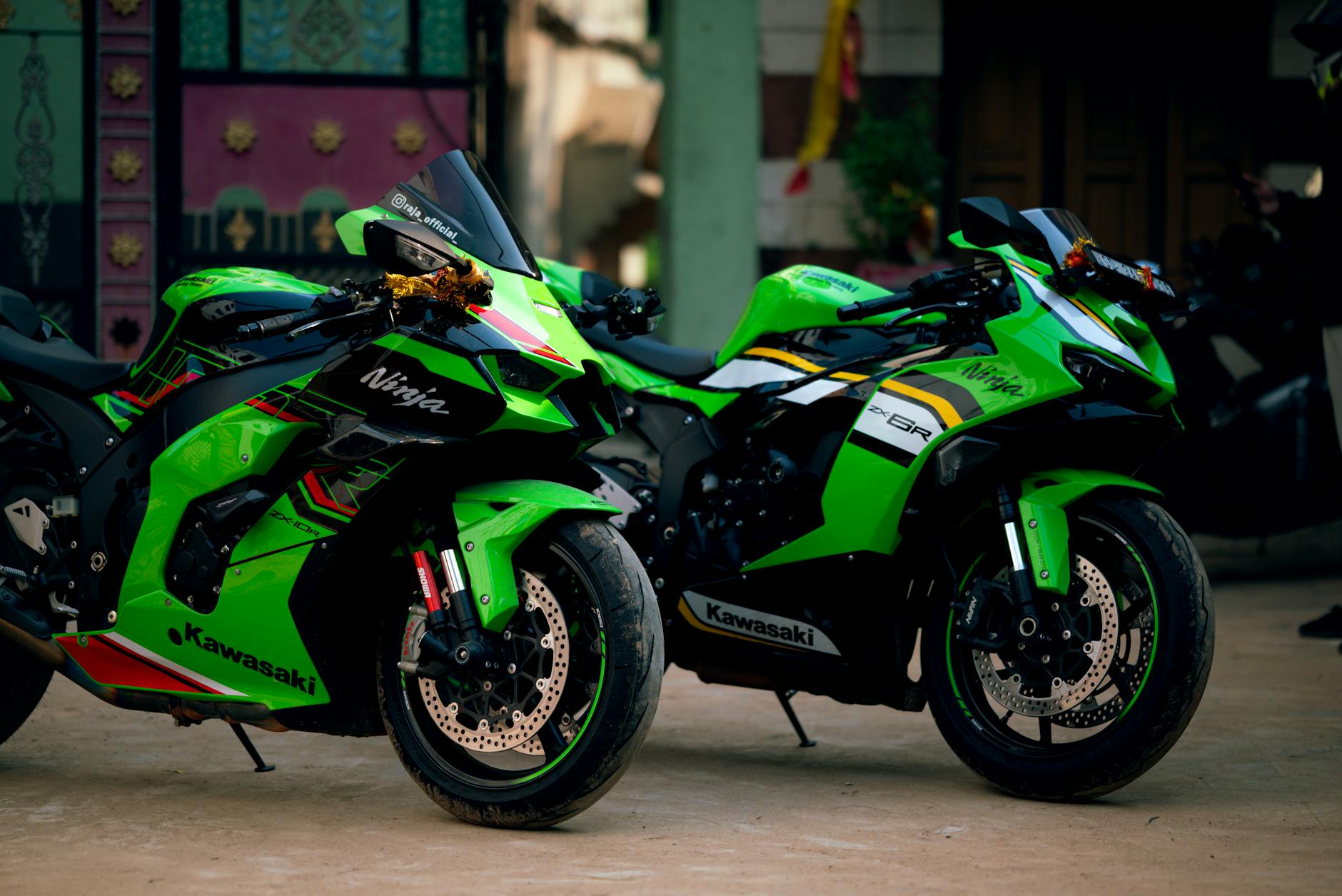
Kawasaki Ninja 650r
Compare Suzuki Sv 650s Side-by-Side
compare_arrowsSpecs, power, weight & buyer verdict — head-to-head with the bikes most often cross-shopped.
Suzuki Sv 650s vs Kawasaki Ninja 650
Specs · Power · Buyer verdict
Suzuki Sv 650s vs Suzuki Sv650 S
Specs · Power · Buyer verdict
Suzuki Sv 650s vs Kawasaki Er-6f
Specs · Power · Buyer verdict
Suzuki Sv 650s vs Kawasaki Gpz500s
Specs · Power · Buyer verdict
Suzuki Sv 650s vs Kawasaki Ninja 650r
Specs · Power · Buyer verdict
More Suzuki Sv 650s Guides
More from Suzuki
View all Suzuki models →Community Reviews
Discussion
Frequently Asked Questions
What are common problems with the Suzuki Sv 650s? +
Throttle body sync issues causing rough idle: Idle quality, surging at low RPM, throttle response (moderate) | Rectifier/regulator failure killing battery: Battery voltage at idle should read 13.5-14.5V (serious) | Front fork seal leaks on high mileage bikes: Oil residue on fork tubes below seals (moderate)
Is the Suzuki Sv 650s a good motorcycle? +
The definitive used middleweight — impossible to recommend highly enough. Rating: 8.5/10. Best for: Intermediate riders wanting real-world fun bike. Avoid if: You need touring comfort or serious horsepower.
What is the horsepower of the Suzuki Sv 650s? +
The Suzuki Sv 650s produces 73 hp @ 8,500 rpm, with 64 Nm @ 7,000 rpm of torque. Top speed: 210 km/h (estimated; note: varies by generation and rider).
Is the Suzuki Sv 650s good for beginners? +
Not really — the Suzuki Sv 650s is better for experienced riders. Intermediate riders wanting real-world fun bike Avoid if: You need touring comfort or serious horsepower
Is the Suzuki Sv 650s reliable? +
Owners report 1 critical issue to watch for on the Suzuki Sv 650s, notably: Rectifier/regulator failure killing battery (Battery voltage at idle should read 13.5-14.5V). Buy with a pre-purchase inspection.
Is the Suzuki Sv 650s good for daily use? +
Intermediate riders wanting real-world fun bike Fuel: 5.5 L/100km (approximately 18 km/L, typical real-world average).
How fast is the Suzuki Sv 650s? +
The Suzuki Sv 650s reaches a top speed of 210 km/h (estimated; note: varies by generation and rider), producing 73 hp at 189 kg curb weight. Real-world performance depends on rider weight, gearing, and road conditions.
What gear should I buy for a Suzuki Sv 650s? +
Motoryk has curated a Top 10 gear list specifically for the Suzuki Sv 650s, covering engine oil, tires, chain, battery, and brake pads — see motoryk.com/bikes/suzuki/sv-650s/top10. Each pick is matched to this bike's spec.