Suzuki Katana
The Suzuki Katana has a top speed of 240 km/h (estimated; electronically influenced), produces 150 hp and weighs 215 kg. Motoryk rates it 7.5/10.
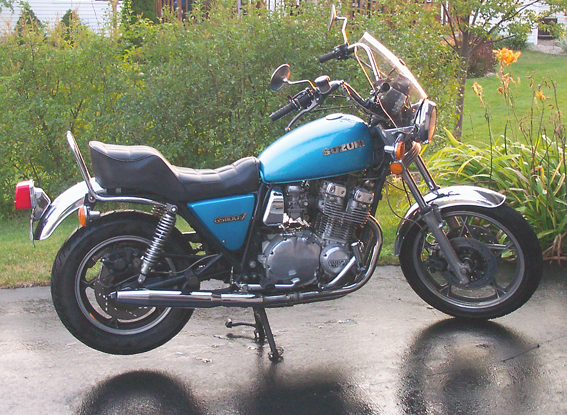
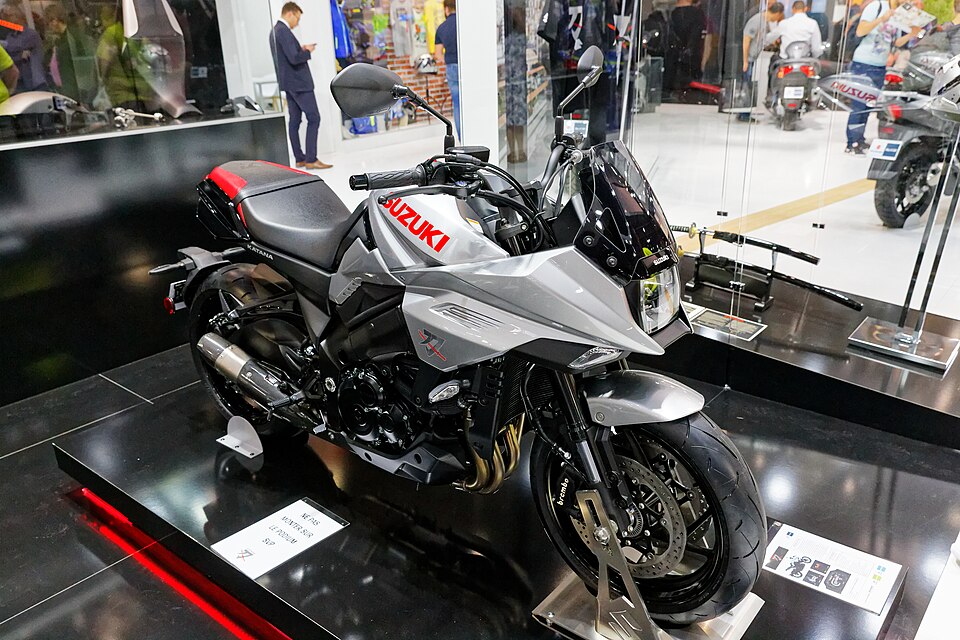
The Suzuki Katana was originally introduced in 1981 as a revolutionary sport bike, designed by Target Design (Hans Muth) with a radical, angular aesthetic that was unlike anything seen at the time, making it an instant icon. The nameplate was revived in 2019 with a modernized version built on the GSX-S1000 platform, blending retro styling cues with contemporary performance. It remains notable for its distinctive design legacy and its influence on sport bike styling throughout the 1980s.
150 hp
Power
108 Nm
Torque
215 kg
Weight
240 km/h (estimated; electronically influenced)
Top Speed
5.5 L/100km (approx. 18.2 km/L) — based on 2019+ model, real-world average
Fuel
Naked
Body
🔧 Service Schedule & Parts
Affiliate · we may earn| Service item | Every | Typical cost | Parts |
|---|---|---|---|
| 🛢️ Engine oil + oil filter | 6,000 km / 3,500 mi or 12 mo | $40-80 | 🛢️ Buy → ⚙️ Buy → |
| 🌬️ Air filter | 12,000 km / 7,500 mi | — | 🌬️ Buy → |
| ⚡ Spark plugs | 12,000 km / 7,500 mi | — | ⚡ Buy → |
| 🔧 Valve clearance check | 24,000 km / 15,000 mi | $200-400 | |
| 🔗 Chain & sprockets | 25000-40000 km (replace) | $150-300 | 🔗 Buy → |
| 🛑 Brake pads | 15000-30000 km | $30-60 | 🛑 Buy → |
| 💧 Brake fluid | 24,000 km / 15,000 mi or 2 yr | — | |
| 🧊 Coolant | 24,000 km / 15,000 mi | — | |
| 🛞 Tires | 10000-20000 km | $200-400 | 🛞 Buy → |
| 🔩 Major service | 24,000 km / 15,000 mi | $300-600 |
Video Review
What Buyers Should Know
Proven Reliable Engine
The modern Katana (2019+) uses Suzuki's proven GSX-S1000 inline-four engine, known for strong reliability with proper maintenance intervals. Original 1980s models are also remarkably durable, often exceeding 100,000 miles with basic upkeep.
Watch for Cooling Issues
On newer Katana models, inspect the radiator and coolant hoses for leaks, as some owners report minor cooling system concerns in stop-and-go traffic. Always verify service history and check that coolant has been changed regularly.
Strong Resale Value
The Katana's iconic retro-modern styling gives it strong collector appeal, helping it hold resale value better than many competitors in its class. Vintage 1982-1983 Katanas in good condition are especially sought-after and can command premium prices.
Generations & Specs by Year
Original Hans Muth TARGET design, angular bodywork, 1100cc and 750cc air-cooled inline-four engines introduced.
"Sculpture that actually outruns everything else on the road."
The 1100 pulls hard from 4,000 rpm and doesn't apologize about it — that air-cooled four has a gruff, mechanical honesty you simply don't get from modern bikes, and at an indicated 200 km/h it still feels planted enough to trust, if barely. Hans Muth's bodywork isn't just a styling exercise; the fairing actually deflects wind reasonably well for 1981, though your wrists will ache after two hours because that forward lean was designed for a photo shoot, not a touring run. Heat soak in traffic is genuinely punishing — the engine bakes your right leg through the fairing at every red light, and the stock suspension is soft enough that hard corner entry requires a conversation with the chassis before it commits. But none of that matters when you're rolling it out of a garage and every single person stops walking to stare, because this thing still looks like it arrived from 1995 and landed in 1981.
Pros
Cons
Minor updates and market-specific variants; core design largely unchanged, continued air-cooled engine production.
"Aging icon that still commands respect on its own terms."
By 1986 the Katana was already five years old and Suzuki knew it, so these late-gen updates amounted to little more than carb jetting tweaks and market-specific paint codes — the bones are identical to the original. That 1052cc air-cooled motor still pulls like a freight train from 4,000 rpm upward, that distinctive exhaust bark echoing off underpasses in a way no modern fuel-injected bike replicates. The riding position remains a bizarre compromise — you're hunched over clip-ons that sit almost level with the seat, so your wrists carry real weight at city speeds, but above 130 km/h the whole thing locks together and makes odd ergonomic sense. The brakes, though, are genuinely period-correct in the worst way: wooden lever feel, mediocre pad compound, and nowhere near enough stopping power for the 220 km/h the speedo promises.
Pros
Cons
Fully faired sport-touring models sharing Katana name; liquid-cooled engines, softer styling, distinct from original.
"Borrowed a legendary name, earned its own honest reputation."
The GSX750F I ran for three years was never exciting in the way the original Katana was — it's a sport-tourer wearing a famous badge, and you feel that the moment you swing a leg over the wide, comfortable seat. That said, the liquid-cooled inline-four pulls cleanly from 4,000 rpm up, never feels caught out on a motorway blast, and the fairing actually works: two-up to Scotland in October and my passenger didn't complain once. Handling is competent rather than inspiring — the geometry is relaxed, the suspension is soft by sport bike standards, and pushing hard through tight switchbacks exposes some wallowing that better rubber helps but doesn't cure. What Suzuki got right was reliability: mine hit 60,000 km without touching the valves beyond a shim check, and parts have always been cheap and plentiful. It's not the knife-edged machine the name implies, but for a rider who wants real-world usability and reasonable pace, it delivers without drama.
Pros
Cons
Modern revival with neo-retro styling, 999cc liquid-cooled inline-four, traction control, ABS, ride-by-wire.
Used Buyer Review
"A flawed but intoxicating muscle bike for experienced riders only."
$7,500-$10,500 usedThe 2019-onwards Katana is essentially a GSX-S1000 wearing a retro costume, which is either brilliant or lazy depending on your perspective. That 999cc inline-four is genuinely savage — 148bhp that pulls hard from 3,000rpm and doesn't quit until you've frightened yourself. Suzuki's traction control is basic but works, and the Brembo brakes front-end are genuinely excellent. Used examples are plentiful now and prices have softened nicely. Here's the honest bit though — that riding position is divisive. It's more aggressive than the styling suggests, and the screen does absolutely nothing above 60mph. Wind blast is brutal on motorways. Also inspect the fairings carefully on any used example; those plastic panels scratch in a stiff breeze and replacements aren't cheap. The electronics package feels dated compared to rivals at similar money. Buy one because you want that motor and you love the aesthetic — not because you've done proper research. It rewards experienced riders who understand its limitations. First-timers will find it unforgiving.
Variants of the Suzuki Katana
Same bike, different trim or year-range — pick the one matching the listing.
Top 10 Accessories
Curated picks for the Suzuki Katana — owned, ridden, recommended.





Common Problems
🔥 2 CRITICALCold start behavior, idle quality, throttle response smoothness
Inspect hose connections, look for white residue near pump
Check charging voltage at battery, test with multimeter
Oil stains on fork tubes, spongy front brake feel
✅Pre-Purchase Checklist
Solid but needs consistent maintenance when used
Full Specifications
Rivals & Alternatives
Bikes that buyers cross-shop with the Suzuki Katana
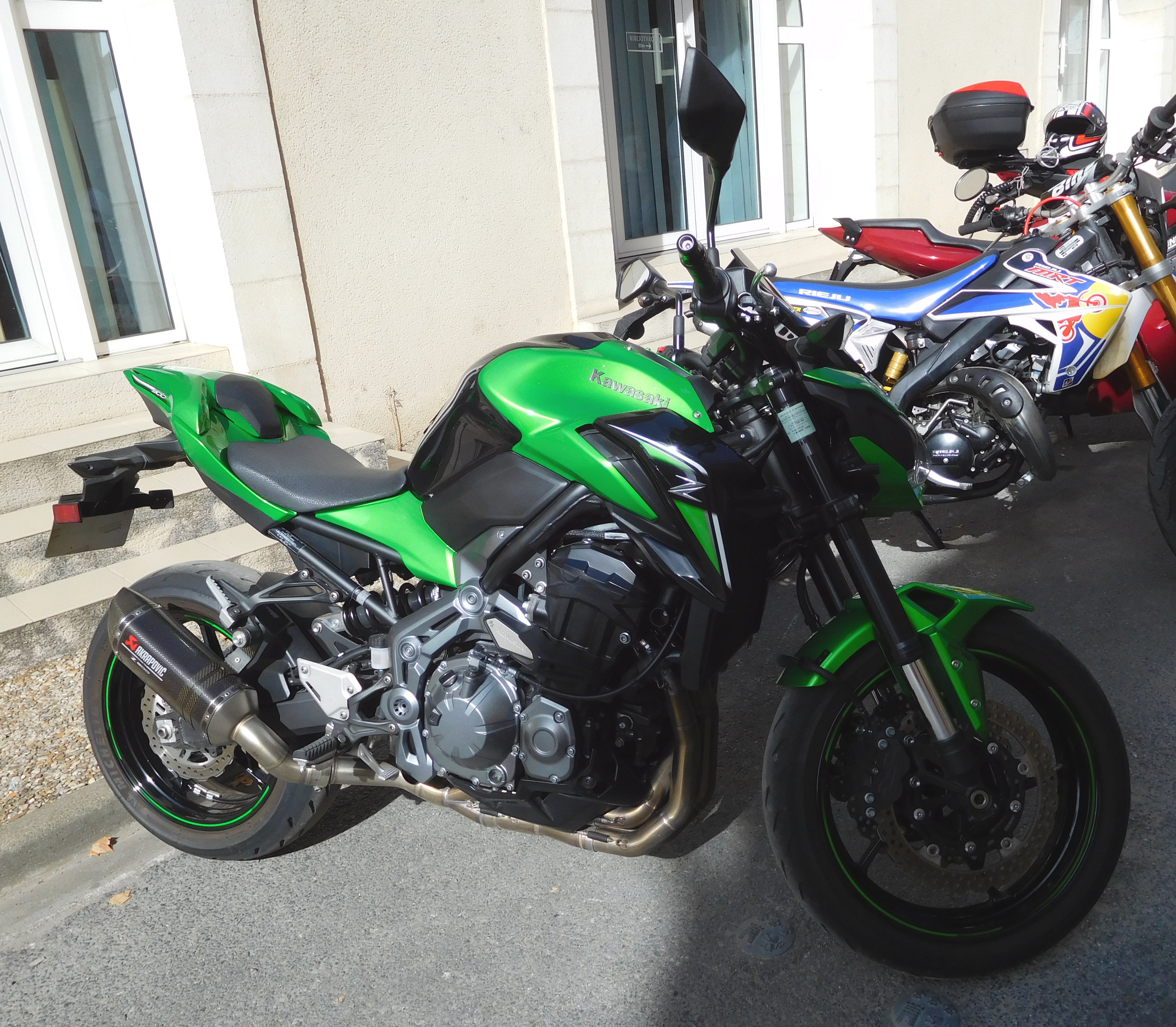
Kawasaki Z900
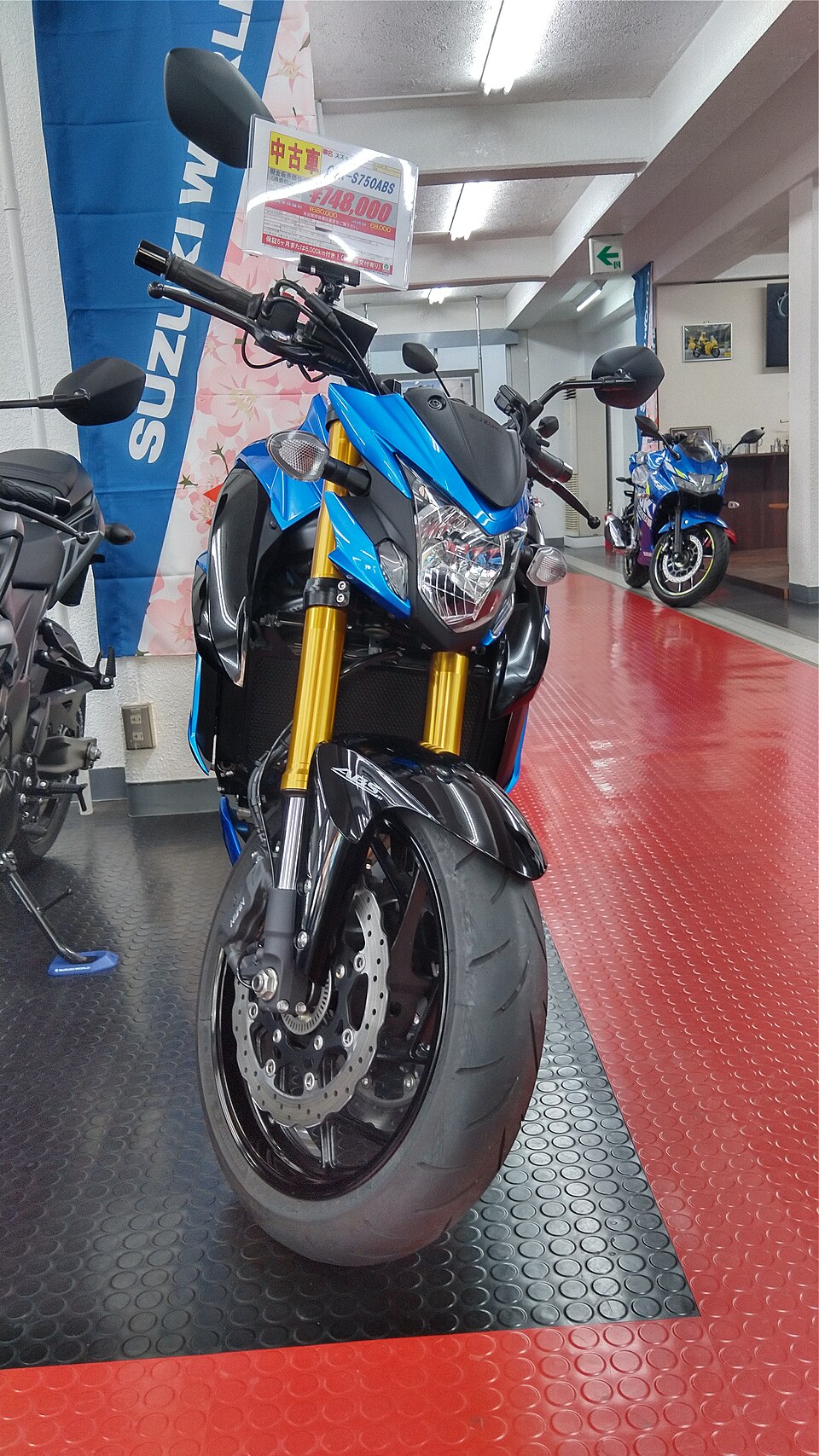
Suzuki Gsx-s750
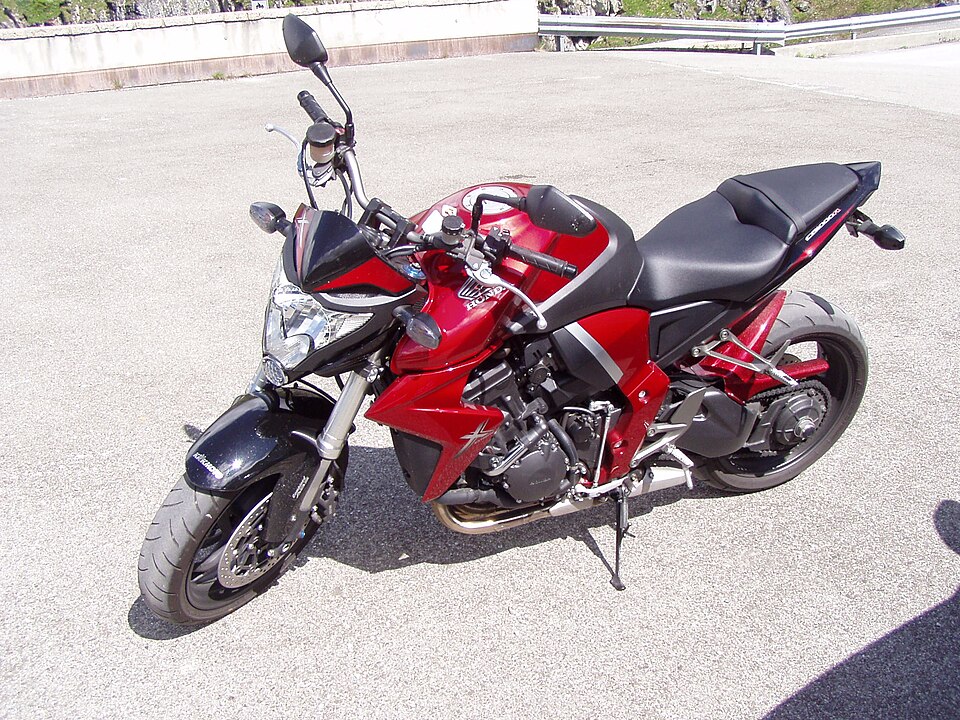
Honda Cb1000r
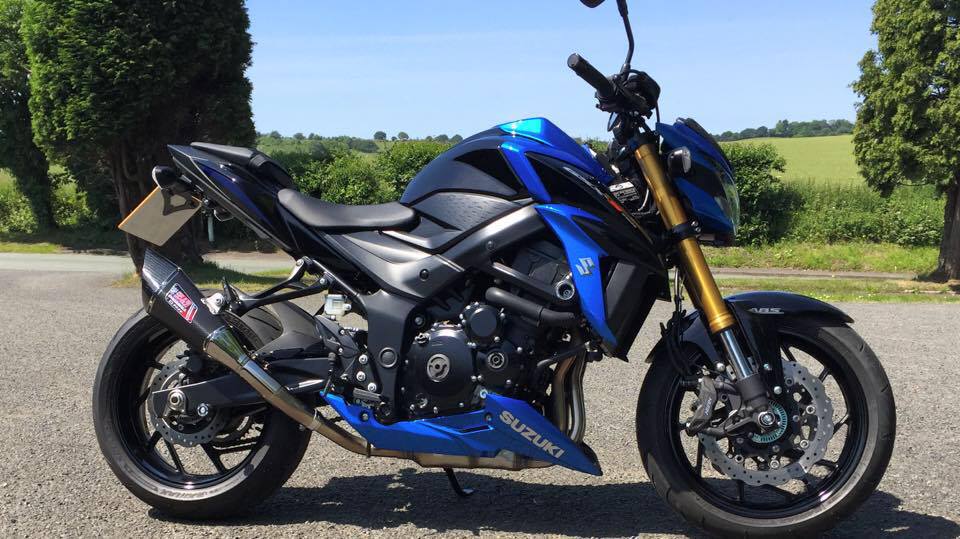
Suzuki Gsx-s1000
Suzuki Gsr750
Compare Suzuki Katana Side-by-Side
compare_arrowsSpecs, power, weight & buyer verdict — head-to-head with the bikes most often cross-shopped.
Suzuki Katana vs Kawasaki Z900
Specs · Power · Buyer verdict
Suzuki Katana vs Suzuki Gsx-s750
Specs · Power · Buyer verdict
Suzuki Katana vs Honda Cb1000r
Specs · Power · Buyer verdict
Suzuki Katana vs Suzuki Gsx-s1000
Specs · Power · Buyer verdict
Suzuki Katana vs Suzuki Gsr750
Specs · Power · Buyer verdict
More Suzuki Katana Guides
More from Suzuki
View all Suzuki models →Community Reviews
Discussion
Frequently Asked Questions
What are common problems with the Suzuki Katana? +
Carb jets clogged from old fuel sitting: Cold start behavior, idle quality, throttle response smoothness (moderate) | Coolant leaks from aging hoses and water pump: Inspect hose connections, look for white residue near pump (serious) | Rectifier regulator failure causing battery drain: Check charging voltage at battery, test with multimeter (serious)
Is the Suzuki Katana a good motorcycle? +
A flawed but intoxicating muscle bike for experienced riders only. Rating: 7.5/10. Best for: Experienced riders wanting retro style, raw performance. Avoid if: New riders wanting comfortable daily touring bike.
What is the horsepower of the Suzuki Katana? +
The Suzuki Katana produces 150 hp @ 10,000 rpm (2019+ model), with 108 Nm @ 9,500 rpm (2019+ model) of torque. Top speed: 240 km/h (estimated; electronically influenced).
Is the Suzuki Katana good for beginners? +
Yes — the Suzuki Katana is a reasonable choice for new riders (150 hp is manageable), weighing 215 kg. Experienced riders wanting retro style, raw performance
Is the Suzuki Katana reliable? +
Owners report 2 critical issues to watch for on the Suzuki Katana, notably: Coolant leaks from aging hoses and water pump (Inspect hose connections, look for white residue near pump). Buy with a pre-purchase inspection.
Is the Suzuki Katana good for daily use? +
Experienced riders wanting retro style, raw performance Fuel: 5.5 L/100km (approx. 18.2 km/L) — based on 2019+ model, real-world average.
How fast is the Suzuki Katana? +
The Suzuki Katana reaches a top speed of 240 km/h (estimated; electronically influenced), producing 150 hp at 215 kg curb weight. Real-world performance depends on rider weight, gearing, and road conditions.
What gear should I buy for a Suzuki Katana? +
Motoryk has curated a Top 10 gear list specifically for the Suzuki Katana, covering engine oil, tires, chain, battery, and brake pads — see motoryk.com/bikes/suzuki/katana/top10. Each pick is matched to this bike's spec.