Suzuki Gsr400
The Suzuki Gsr400 has a top speed of 180 km/h (estimated), produces 55 hp and weighs 181 kg. Motoryk rates it 7.5/10.
Suzuki GSR400 був представлений у 2006 році як голий стрітфайтер середньої ваги, орієнтований переважно на внутрішній ринок Японії, заснований на платформі GSR600, але розроблений відповідно до японських обмежень ліцензійного класу об'ємом 400 куб. см. Він оснащений рядним чотирициліндровим двигуном, отриманим з лінійки GSX-R, пропонуючи спортивні характеристики у вертикальному ергономічному пакеті. Модель примітна тим, що подолала розрив між початківцями та середніми гонщиками і залишалася у виробництві приблизно до 2013 року, користуючись великою популярністю в Японії як практичний, але захоплюючий міський велосипед та велосипед вихідного дня.
55 hp
Потужність
40 Nm
крутний момент
181 kg
Вага
180 km/h (estimated)
Максимальна швидкість
5.5 L/100km (approx. 18 km/L typical real-world average)
Паливо
голий
Корпус
🔧 Service Schedule & Parts
Affiliate · we may earn| Service item | Every | Typical cost | Parts |
|---|---|---|---|
| 🛢️ Engine oil + oil filter | 6,000 km / 3,500 mi or 12 mo | $40-80 | 🛢️ Buy → ⚙️ Buy → |
| 🌬️ Air filter | 12,000 km / 7,500 mi | — | 🌬️ Buy → |
| ⚡ Spark plugs | 12,000 km / 7,500 mi | — | ⚡ Buy → |
| 🔧 Valve clearance check | 24,000 km / 15,000 mi | $200-400 | |
| 🔗 Chain & sprockets | 25000-40000 km (replace) | $150-300 | 🔗 Buy → |
| 🛑 Brake pads | 15000-25000 km | $30-60 | 🛑 Buy → |
| 💧 Brake fluid | 24,000 km / 15,000 mi or 2 yr | — | |
| 🧊 Coolant | 24,000 km / 15,000 mi | — | |
| 🛞 Tires | 10000-20000 km | $200-400 | 🛞 Buy → |
| 🔩 Major service | 24,000 km / 15,000 mi | $300-600 |
Video Review

Що повинні знати покупці
Proven Reliable Engine
The GSR400 shares its inline-four engine architecture with Suzuki's well-regarded GSF400 Bandit, giving it a reputation for durability when properly maintained. Regular valve clearance checks are recommended as they can tighten over time.
Watch for Carb Issues
As a carbureted model, the GSR400 is prone to clogged carburetors if left sitting unused, leading to rough idling or starting problems. Always inspect the carb condition and fuel system before buying a used example.
Japan-Market Resale Value
The GSR400 was primarily sold in Japan, making parts availability outside Japan limited and potentially costly. However, this also means well-kept examples hold their value reasonably well among enthusiasts who appreciate its sporty naked styling.
Покоління та характеристики за роками
Оригінальний лінійний чотирикутний голий стрітфайтер об'ємом 400 куб. см; модель одного покоління з незначними косметичними оновленнями протягом виробництва.
"Найкраще збережена таємниця Японії на 400 куб. см, злочинно недооцінена."
Я проїхав 18 000 км на GSR400 протягом двох років, подорожуючи передмістями Токіо та вибухом у вихідні дні, і ця внутрішня четвірка, яка співає понад 10 000 об/хв, ніколи не застаріла - це справді терміново, оскільки жоден дворик об'ємом 400 куб. см не може зрівнятися. Гола вертикальна ергономіка підходить для агресивної їзди по місту, не руйнуючи спину на тривалих перевезеннях, а шасі викликає справжню впевненість, якщо ви довіряєте йому в середині кута. Однак слабкі сторони реальні: нижче 6000 об/хв це мляво і не вражає, тому ви постійно працюєте над коробкою передач, щоб утримати її в м'ясі силової смуги, яка стає втомлюючою під час зупинки та запуску руху. Сидіння OEM перетворюється на бетон через 90 хвилин, а пошук деталей за межами Японії вимагає терпіння та хороших відносин з імпортером.
плюси
мінуси
Огляд вживаних покупців
"A rewarding, rev-hungry gem if you buy carefully."
$2,500-$4,500 usedThe GSR400 is Suzuki's forgotten gem — a naked middleweight that punches harder than its displacement suggests. That inline-four pulls cleanly from 4,000rpm and absolutely sings past 8,000, giving you genuine sportbike thrills without the back-breaking crouch. It's based on the GSX-R400 engine in a more relaxed chassis, which tells you everything about its character. Flickable, light, and genuinely fun on twisty roads. Used, these can be a minefield. Most examples coming out of Japan have had hard lives, so check the frame rails for crash damage around the headstock — it's the first thing to go. Cam chain tensioners can rattle on neglected bikes, so cold-start them and listen carefully. Regulator-rectifiers are a known weak point on older units; bring a voltmeter. Parts availability is patchy outside Japan, which is the honest truth nobody tells you upfront.
Top 10 Accessories
Curated picks for the Suzuki Gsr400 — owned, ridden, recommended.





Загальні проблеми
🔥 1 CRITICALRough idle, flat spots, uneven throttle response
Battery not charging, flickering lights at high RPM
Rattling noise on cold start near engine top
✅Контрольний список перед покупкою
Solid older bike, maintenance-dependent, budget for carbs
Full Specifications
Rivals & Alternatives
Bikes that buyers cross-shop with the Suzuki Gsr400
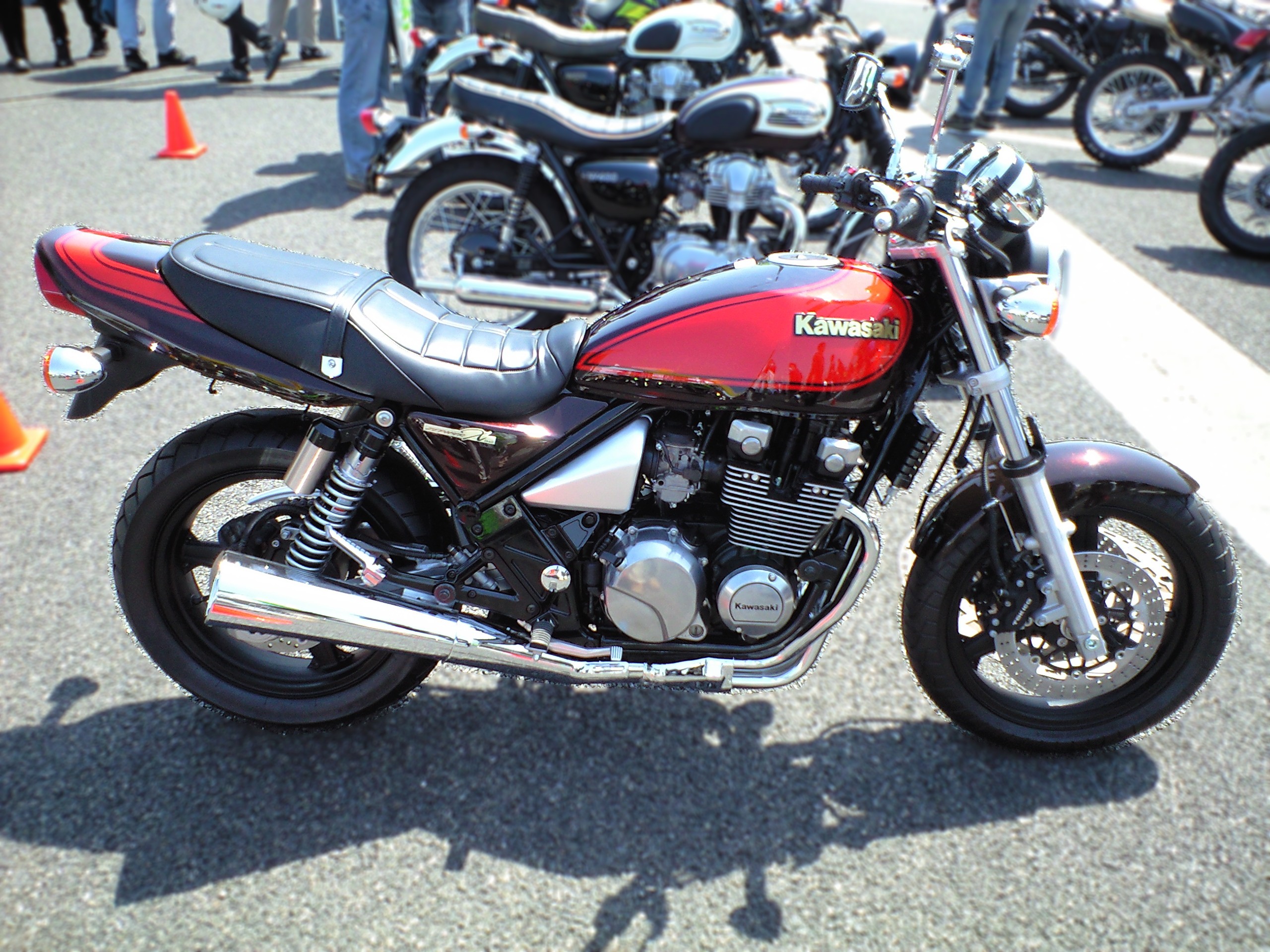
Kawasaki Z400
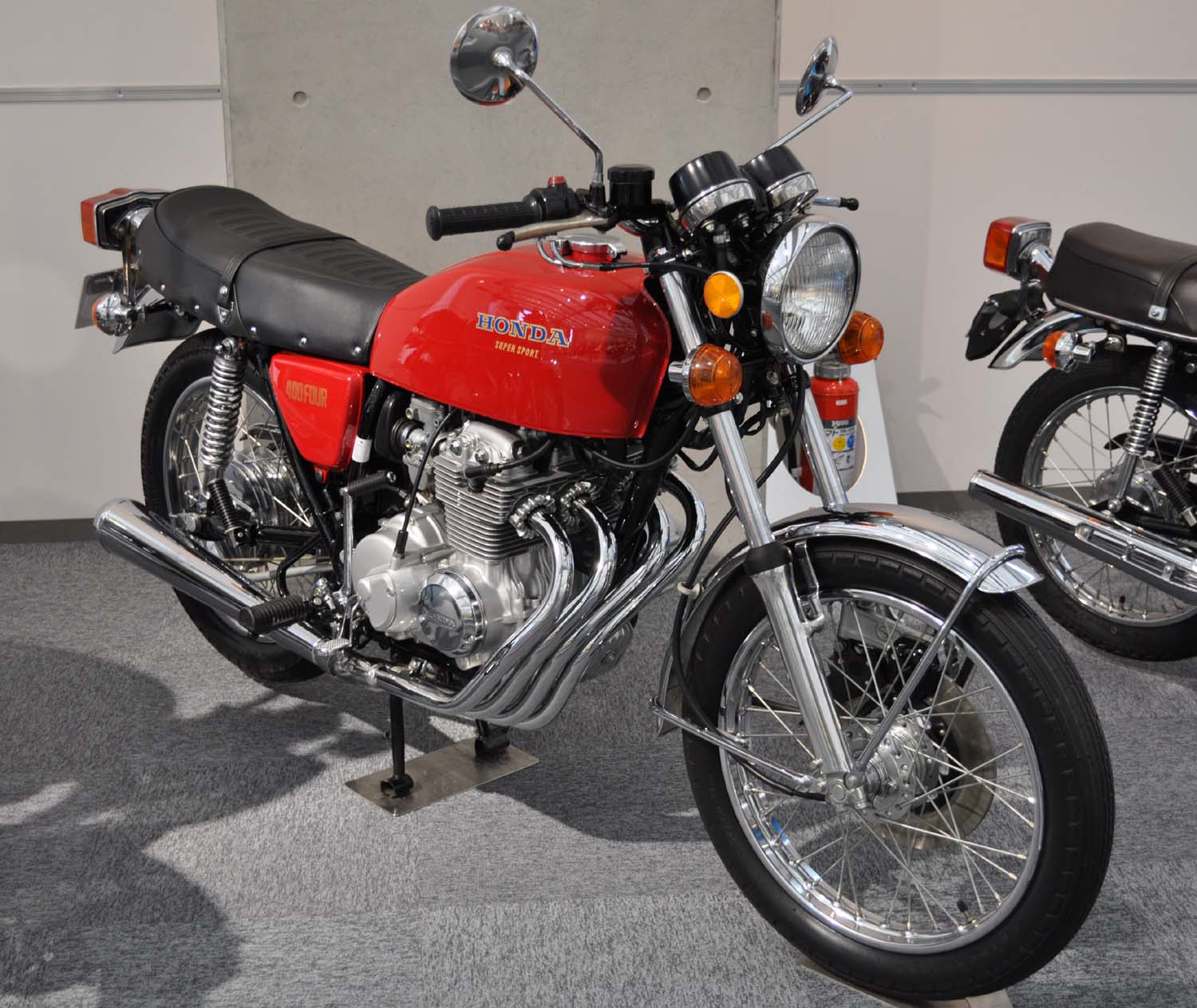
Honda Cb400
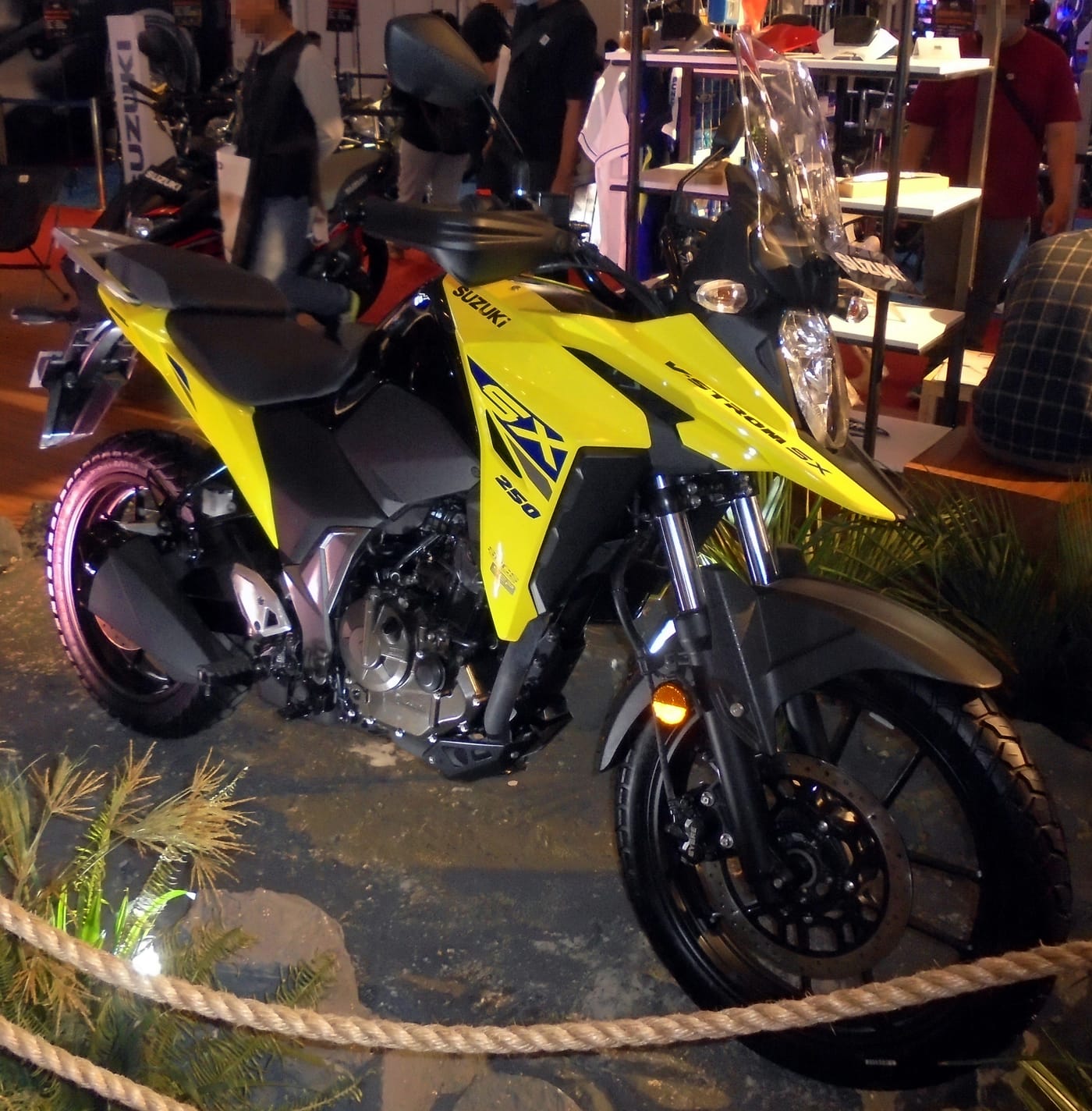
Suzuki Gsr600
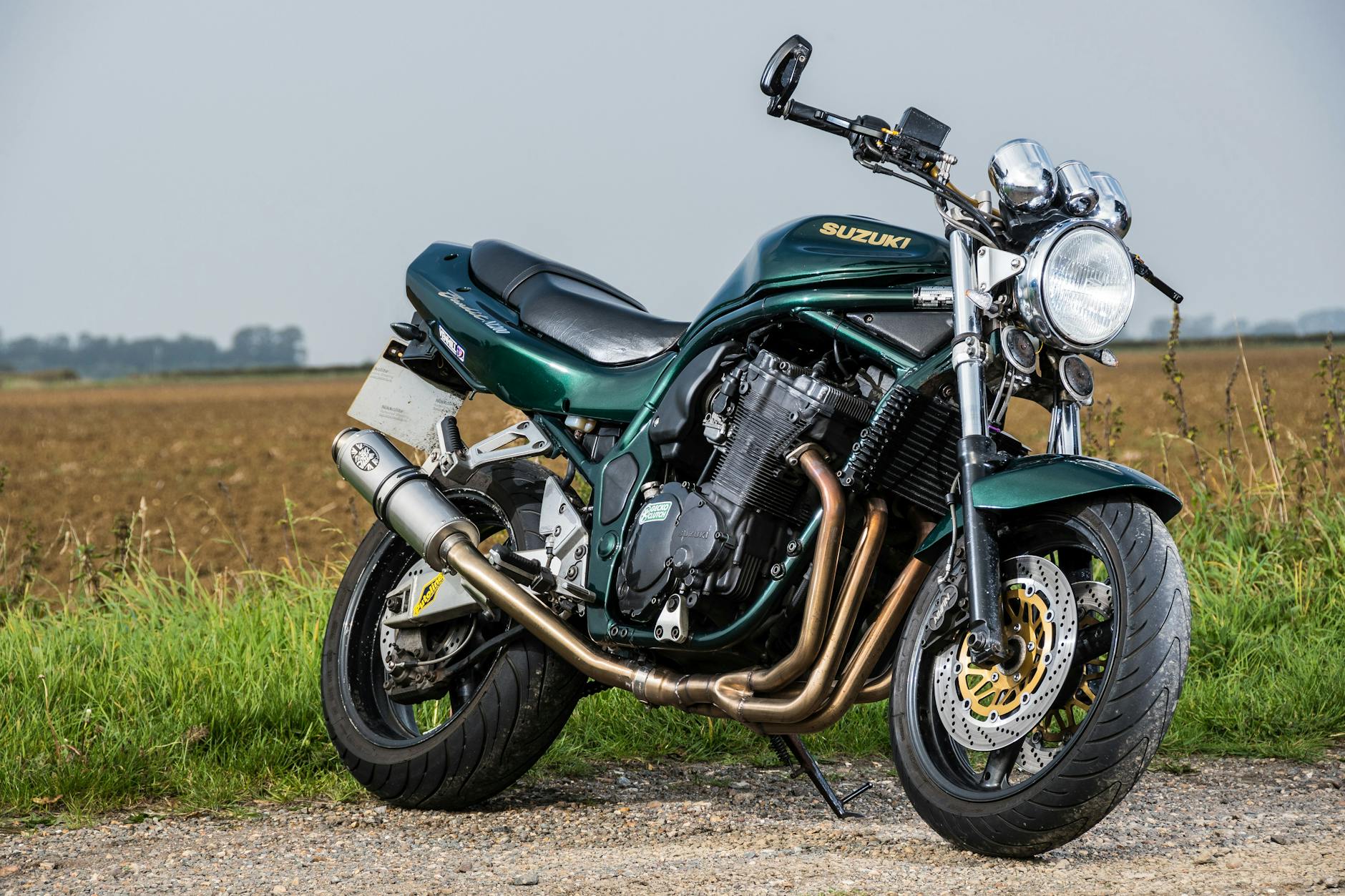
Suzuki Bandit 600

Honda Cb400sf
Compare Suzuki Gsr400 Side-by-Side
compare_arrowsSpecs, power, weight & buyer verdict — head-to-head with the bikes most often cross-shopped.
Suzuki Gsr400 vs Kawasaki Z400
Specs · Power · Buyer verdict
Suzuki Gsr400 vs Honda Cb400
Specs · Power · Buyer verdict
Suzuki Gsr400 vs Suzuki Gsr600
Specs · Power · Buyer verdict
Suzuki Gsr400 vs Suzuki Bandit 600
Specs · Power · Buyer verdict
Suzuki Gsr400 vs Honda Cb400sf
Specs · Power · Buyer verdict
More Suzuki Gsr400 Guides
More from Suzuki
View all Suzuki models →Community Reviews
Discussion
Frequently Asked Questions
What are common problems with the Suzuki Gsr400? +
Carb sync and jetting issues: Rough idle, flat spots, uneven throttle response (moderate) | Rectifier/regulator failure: Battery not charging, flickering lights at high RPM (serious) | Cam chain tensioner wear: Rattling noise on cold start near engine top (moderate)
Is the Suzuki Gsr400 a good motorcycle? +
A rewarding, rev-hungry gem if you buy carefully. Rating: 7.5/10. Best for: Experienced riders wanting affordable inline-four thrills. Avoid if: You need easy parts availability and dealer support.
What is the horsepower of the Suzuki Gsr400? +
The Suzuki Gsr400 produces 55 hp @ 12,000 rpm (Note: best estimate; exact figures vary by market spec), with 40 Nm @ 10,000 rpm (Note: best estimate) of torque. Top speed: 180 km/h (estimated).
Is the Suzuki Gsr400 good for beginners? +
Yes — the Suzuki Gsr400 is a reasonable choice for new riders (55 hp is manageable), weighing 181 kg. Experienced riders wanting affordable inline-four thrills
Is the Suzuki Gsr400 reliable? +
Owners report 1 critical issue to watch for on the Suzuki Gsr400, notably: Rectifier/regulator failure (Battery not charging, flickering lights at high RPM). Buy with a pre-purchase inspection.
Is the Suzuki Gsr400 good for daily use? +
Experienced riders wanting affordable inline-four thrills Fuel: 5.5 L/100km (approx. 18 km/L typical real-world average).
How fast is the Suzuki Gsr400? +
The Suzuki Gsr400 reaches a top speed of 180 km/h (estimated), producing 55 hp at 181 kg curb weight. Real-world performance depends on rider weight, gearing, and road conditions.
What gear should I buy for a Suzuki Gsr400? +
Motoryk has curated a Top 10 gear list specifically for the Suzuki Gsr400, covering engine oil, tires, chain, battery, and brake pads — see motoryk.com/bikes/suzuki/gsr400/top10. Each pick is matched to this bike's spec.