Honda Cb400sf
The Honda Cb400sf has a top speed of 180 km/h (estimated, varies by version), produces 53 hp and weighs 174 kg. Motoryk rates it 8.5/10.
The Honda CB400SF (Super Four) was introduced in 1992 as a replacement for the CB400N, featuring a inline four-cylinder engine and classic naked styling that made it an instant hit, particularly in Japan. It underwent significant updates over the years, including the introduction of HYPER VTEC in 1999, which added a valve-switching system to improve low-end torque and high-rpm performance. It remains one of the most popular middleweight naked bikes in Japan and Asia, celebrated for its smooth power delivery, quality build, and beginner-friendly yet rewarding riding character.
53 hp
Power
39 Nm
Torque
174 kg
Weight
180 km/h (estimated, varies by version)
Top Speed
4.5 L/100km or approximately 22 km/L (typical real-world average)
Fuel
Naked
Body
🔧 Service Schedule & Parts
Affiliate · we may earn| Service item | Every | Typical cost | Parts |
|---|---|---|---|
| 🛢️ Engine oil + oil filter | 6,000 km / 3,500 mi or 12 mo | $40-80 | 🛢️ Buy → ⚙️ Buy → |
| 🌬️ Air filter | 12,000 km / 7,500 mi | — | 🌬️ Buy → |
| ⚡ Spark plugs | 12,000 km / 7,500 mi | — | ⚡ Buy → |
| 🔧 Valve clearance check | 24,000 km / 15,000 mi | $200-400 | |
| 🔗 Chain & sprockets | 25000-40000 km (replace) | $150-300 | 🔗 Buy → |
| 🛑 Brake pads | 15000-30000 km | $30-60 | 🛑 Buy → |
| 💧 Brake fluid | 24,000 km / 15,000 mi or 2 yr | — | |
| 🧊 Coolant | 24,000 km / 15,000 mi | — | |
| 🛞 Tires | 10000-20000 km | $200-400 | 🛞 Buy → |
| 🔩 Major service | 24,000 km / 15,000 mi | $300-600 |
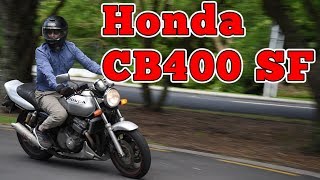
Video Review
What Buyers Should Know
Rock-Solid Reliability
The CB400SF's inline-4 engine is renowned for lasting well over 100,000km with basic maintenance. It's considered one of the most bulletproof middleweight engines Honda ever produced.
Strong Resale Value
The CB400SF holds its value exceptionally well, especially VTEC Spec versions, often selling for 80-90% of original price after several years. High demand in Japan and export markets keeps prices consistently strong.
Watch for VTEC Solenoid Issues
On VTEC models, the solenoid valve that activates the second pair of valves at higher RPM can fail or get clogged, causing a noticeable power drop above 6,750rpm. Always test-ride and rev the engine fully before buying.
Generations & Specs by Year
Inline-four 399cc engine, 16-valve HYPER VTEC not yet introduced, classic naked styling established.
"The benchmark middleweight naked that still embarrasses newer bikes."
I put nearly 18,000 km on a '94 NC31 and still regret selling it. Below 7,000 rpm it feels politely tepid — you're waiting for the party to start — but crack it past 9,000 and that inline-four screams toward the redline with an urgency that genuinely surprises people standing on the footpath. The chassis is almost telepathic for a 30-year-old design: neutral steering, no drama mid-corner, and brakes that inspire real confidence rather than just slowing you down. Weak points are real though — carb sync drifts after hard use, the stock exhaust is criminally quiet, and sourcing OEM parts outside Japan requires patience and a good importer relationship.
Pros
Cons
HYPER VTEC introduced, valve switching at 6000rpm, revised intake and exhaust for improved mid-range power.
"The VTEC click at 6k ruins nothing, fixes everything."
Below 6,000 rpm it's a docile, almost lazy inline-four — perfectly manageable in traffic, easy to flick through tight corners without drama. Then the VTEC kicks in and the whole character shifts: the intake howl sharpens, the powerband stretches out, and suddenly you're chasing 11,000 rpm like it owes you money. I've logged thousands of kilometres on an NC31 and the engine never once felt like a compromise — it's genuinely entertaining in a way that most 400s aren't, and the 174 kg wet weight means you're never wrestling it. The one honest gripe: finding a clean used example is getting harder, and cheap ones often have neglected valve timing or worn VTEC solenoids that kill the magic entirely.
Pros
Cons
New NC42 frame, HYPER VTEC Revo system, fuel injection, updated styling, ABS added later.
"Japan's finest middleweight refuses to age gracefully — it just ages."
I've put nearly 18,000 km on an NC42 and the HYPER VTEC Revo system still catches me off guard — that hard kick when the third and fourth valves open above 6,750 rpm never gets old, and it genuinely transforms the character from docile commuter to rev-hungry screamer in one fist clench. The fuel injection cleaned up the old carb stumble completely, cold starts are instant, and the inline-four sounds properly mechanical and alive in a way modern bikes from bigger brands have forgotten. At 202 kg it's not light, and you'll feel that weight in slow car-park maneuvers, but the low 755 mm seat means most riders plant both feet confidently. My only real frustration is the premium pricing in Japan's used market — people know exactly what this bike is worth, which means you rarely find a bargain.
Pros
Cons
Used Buyer Review
"The best all-rounder middleweight Honda ever produced, full stop."
$3,500-$7,500 usedThe CB400SF is one of those bikes that makes you question why you ever needed anything bigger. Honda built this thing for the Japanese domestic market with obsessive attention to detail, and it shows in every bolt. The HYPER VTEC system clicking in at 6,750rpm still puts a stupid grin on your face after the hundredth time. Engine is essentially bulletproof if maintained — these motors routinely crack 100,000km without complaint. Buying used, check the VTEC solenoid first. It's the one known weak spot and a dodgy one kills the top-end pull completely. Also inspect the front forks for scoring and the throttle bodies for dirt ingestion from previous owners who skipped air filter changes. Fairings are expensive to replace, so walk away from anything that's been dropped without documentation. This is genuinely one of the finest middleweights ever made. It handles better than bikes twice its price, the ergonomics suit almost every body type, and resale holds surprisingly firm. Don't let the modest displacement fool you.
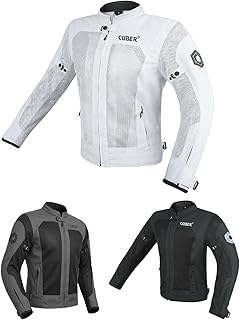
Top 10 Accessories
Curated picks for the Honda Cb400sf — owned, ridden, recommended.




Common Problems
🔥 1 CRITICALIdle smoothness, throttle response, no flat spots
Listen for rattling first 10 seconds cold start
Check voltage at idle: should read 13.5-14.5V
Oil residue on lower fork legs, soft front end
✅Pre-Purchase Checklist
Excellent reliability, one of best used buys
Full Specifications
Rivals & Alternatives
Bikes that buyers cross-shop with the Honda Cb400sf
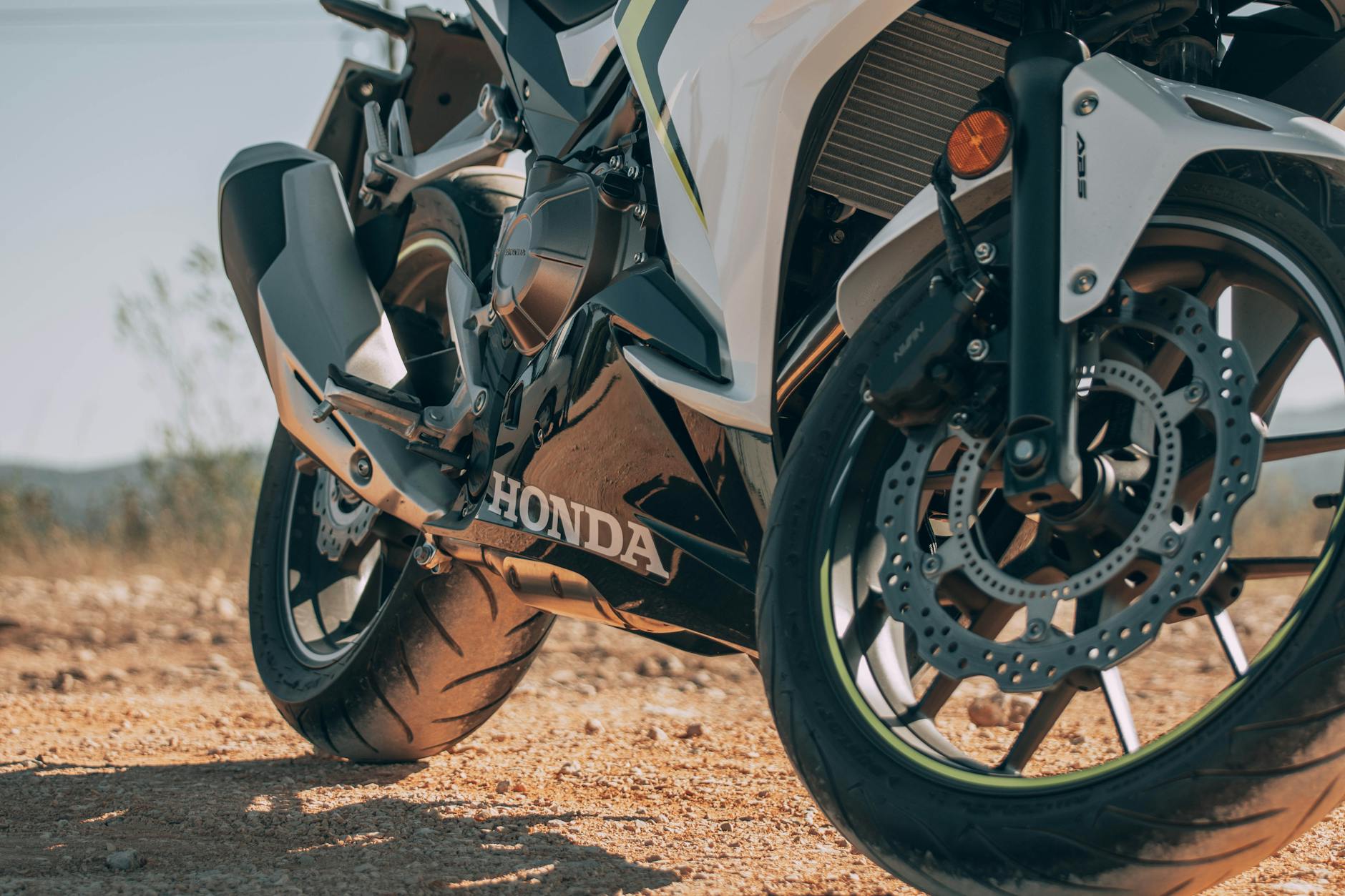
Honda Cb500f
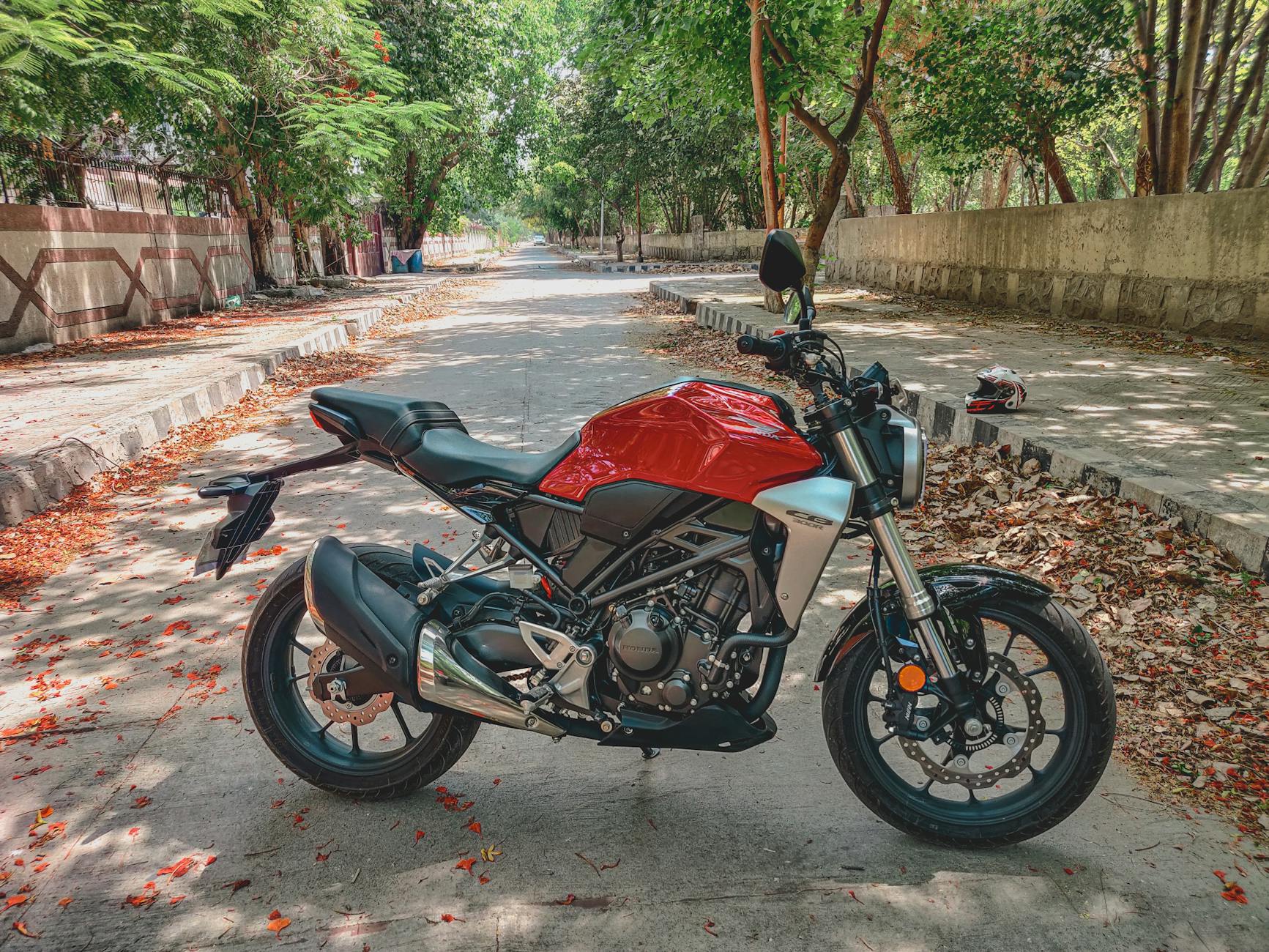
Honda Cb300r
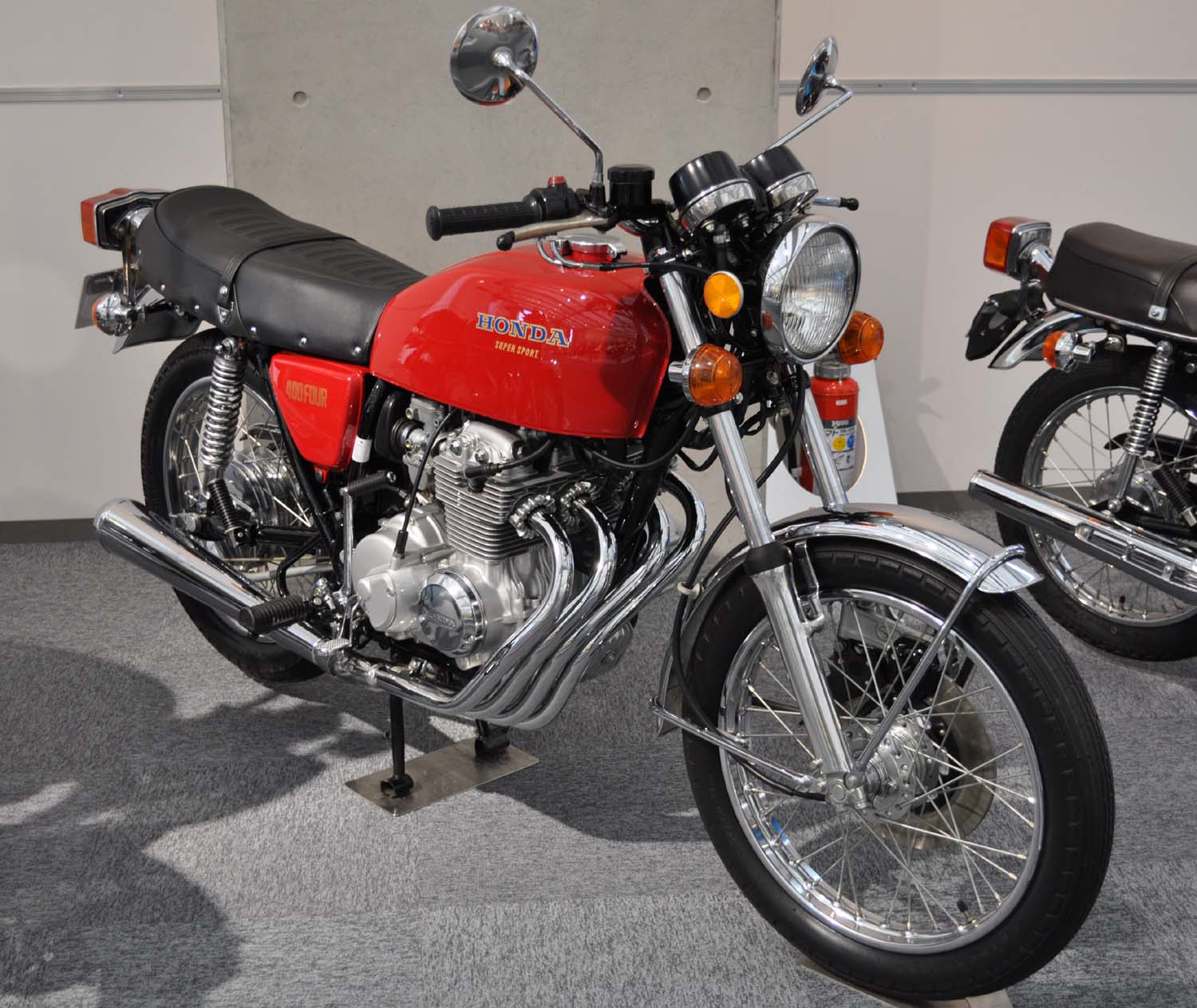
Honda Cb400
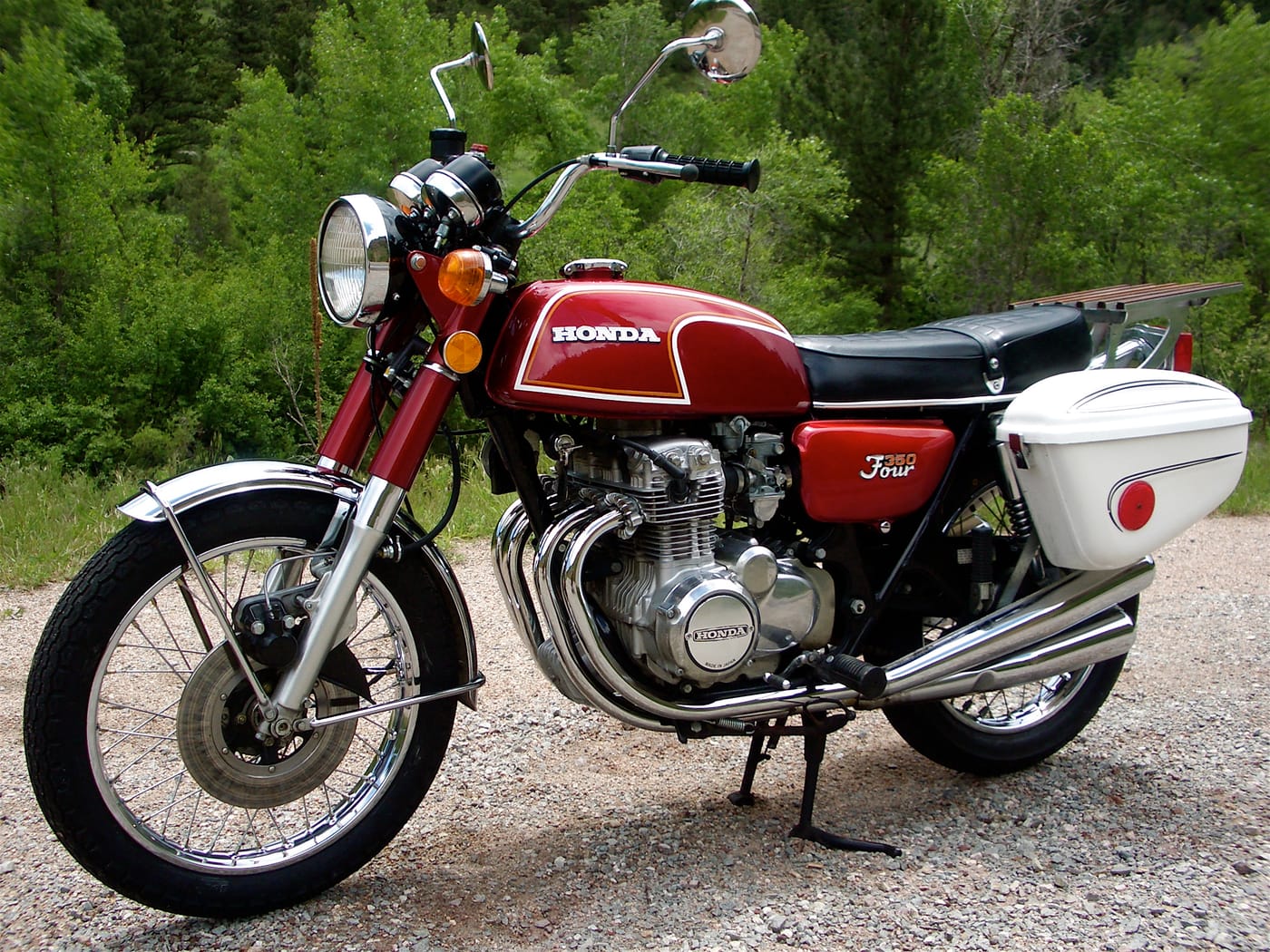
Honda Cb600f Hornet
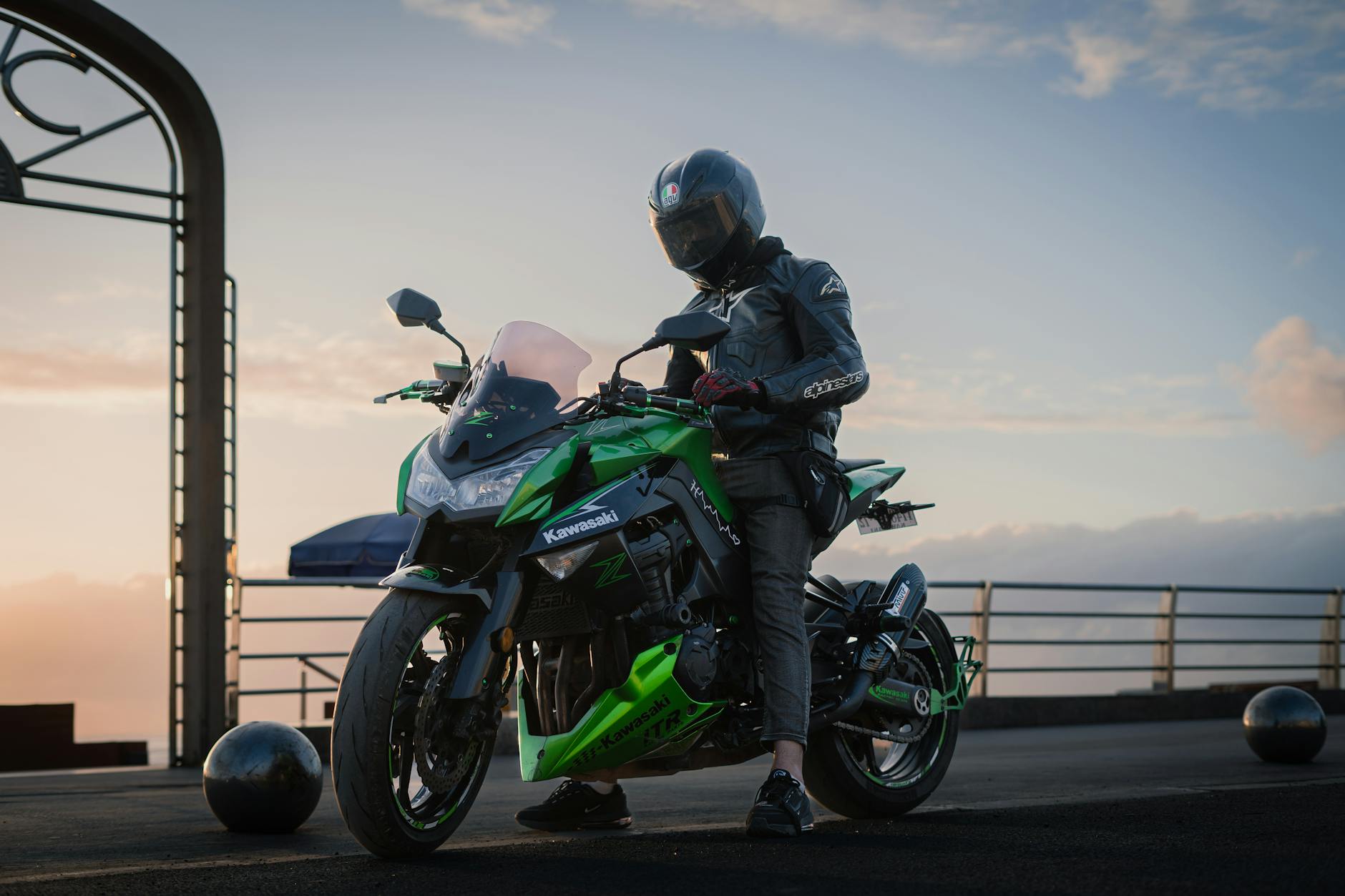
Kawasaki Er-6n
Compare Honda Cb400sf Side-by-Side
compare_arrowsSpecs, power, weight & buyer verdict — head-to-head with the bikes most often cross-shopped.
Honda Cb400sf vs Honda Cb500f
Specs · Power · Buyer verdict
Honda Cb400sf vs Honda Cb300r
Specs · Power · Buyer verdict
Honda Cb400sf vs Honda Cb400
Specs · Power · Buyer verdict
Honda Cb400sf vs Honda Cb600f Hornet
Specs · Power · Buyer verdict
Honda Cb400sf vs Kawasaki Er-6n
Specs · Power · Buyer verdict
More Honda Cb400sf Guides
More from Honda
View all Honda models →Community Reviews
Discussion
Frequently Asked Questions
What are common problems with the Honda Cb400sf? +
Carb sync and jet clogging (pre-2000): Idle smoothness, throttle response, no flat spots (moderate) | Cam chain tensioner rattle at startup: Listen for rattling first 10 seconds cold start (moderate) | Regulator/rectifier failure, battery drain: Check voltage at idle: should read 13.5-14.5V (serious)
Is the Honda Cb400sf a good motorcycle? +
The best all-rounder middleweight Honda ever produced, full stop. Rating: 8.5/10. Best for: Riders wanting long-term, confidence-inspiring daily transport. Avoid if: You need highway touring range above everything.
What is the horsepower of the Honda Cb400sf? +
The Honda Cb400sf produces 53 hp @ 10,500 rpm (NC42 HYPER VTEC Revo spec), with 39 Nm @ 9,000 rpm of torque. Top speed: 180 km/h (estimated, varies by version).
Is the Honda Cb400sf good for beginners? +
Yes — the Honda Cb400sf is a reasonable choice for new riders (53 hp is manageable), weighing 174 kg. Riders wanting long-term, confidence-inspiring daily transport
Is the Honda Cb400sf reliable? +
Owners report 1 critical issue to watch for on the Honda Cb400sf, notably: Regulator/rectifier failure, battery drain (Check voltage at idle: should read 13.5-14.5V). Buy with a pre-purchase inspection.
Is the Honda Cb400sf good for daily use? +
Riders wanting long-term, confidence-inspiring daily transport Fuel: 4.5 L/100km or approximately 22 km/L (typical real-world average).
How fast is the Honda Cb400sf? +
The Honda Cb400sf reaches a top speed of 180 km/h (estimated, varies by version), producing 53 hp at 174 kg curb weight. Real-world performance depends on rider weight, gearing, and road conditions.
What gear should I buy for a Honda Cb400sf? +
Motoryk has curated a Top 10 gear list specifically for the Honda Cb400sf, covering engine oil, tires, chain, battery, and brake pads — see motoryk.com/bikes/honda/cb400sf/top10. Each pick is matched to this bike's spec.