Honda Cb400
The Honda Cb400 has a top speed of 180 km/h, produces 53 hp and weighs 175 kg. Motoryk rates it 8.5/10.
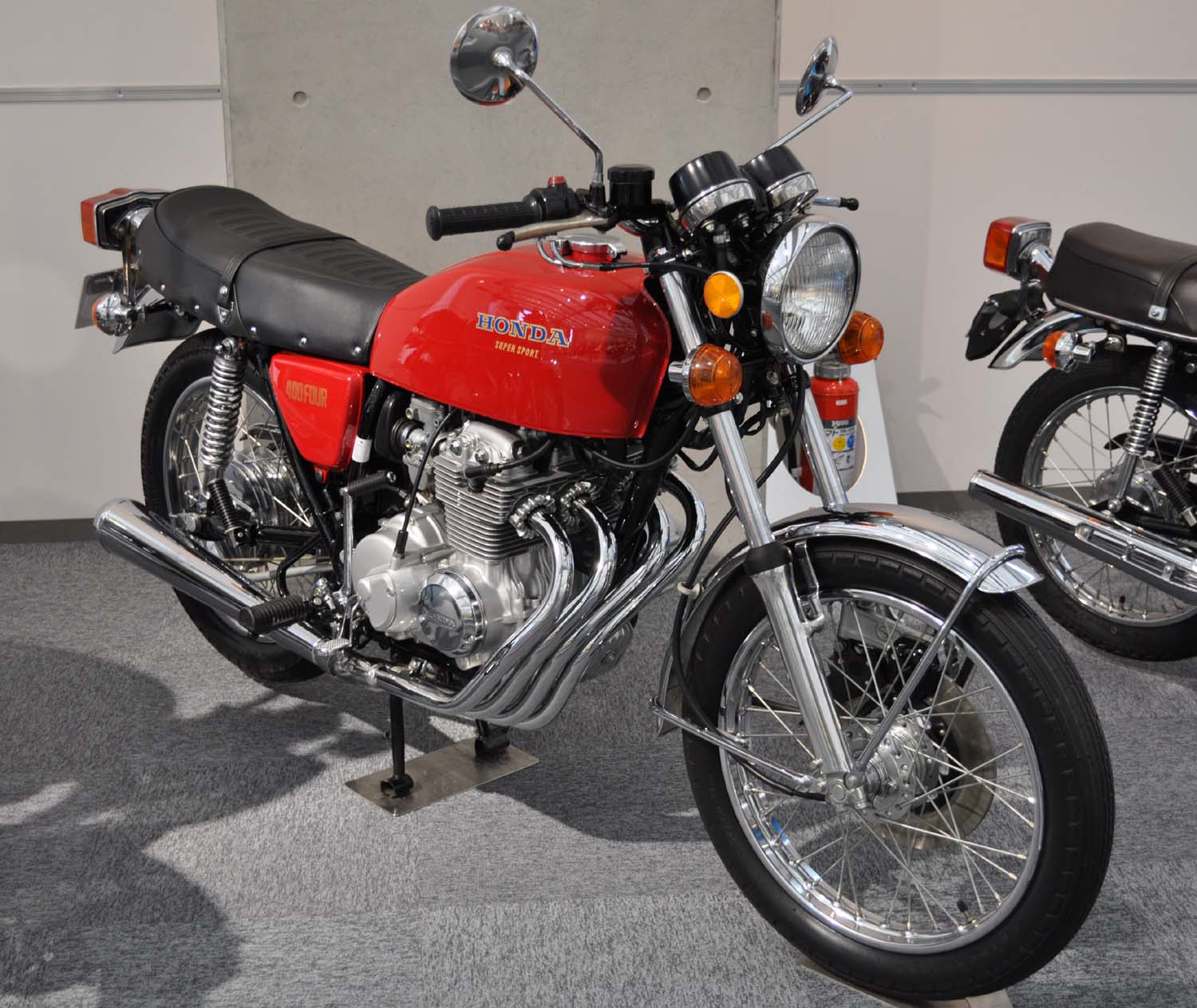
The Honda CB400 was first introduced in 1975 as a replacement for the CB350, featuring a 408cc inline-four engine that quickly gained a reputation for smooth power delivery and reliability. It was revived in 1992 with the CB400 Super Four, which became enormously popular in Japan due to its beginner-friendly nature and compliance with Japanese license restrictions, receiving continuous updates including the VTEC system in 1999. The CB400 Super Four remains in production and is considered one of the best all-around middleweights ever built, beloved for its balance of performance, handling, and everyday usability.
53 hp
Power
39 Nm
Torque
175 kg
Weight
180 km/h
Top Speed
4.5 L/100km or approximately 22 km/L (typical real-world average)
Fuel
Naked
Body
🔧 Service Schedule & Parts
Affiliate · we may earn| Service item | Every | Typical cost | Parts |
|---|---|---|---|
| 🛢️ Engine oil + oil filter | 6,000 km / 3,500 mi or 12 mo | $40-80 | 🛢️ Buy → ⚙️ Buy → |
| 🌬️ Air filter | 12,000 km / 7,500 mi | — | 🌬️ Buy → |
| ⚡ Spark plugs | 12,000 km / 7,500 mi | — | ⚡ Buy → |
| 🔧 Valve clearance check | 24,000 km / 15,000 mi | $150-300 | |
| 🔗 Chain & sprockets | 25000-40000 km (replace) | $150-300 | 🔗 Buy → |
| 🛑 Brake pads | 15000-30000 km | $30-60 | 🛑 Buy → |
| 💧 Brake fluid | 24,000 km / 15,000 mi or 2 yr | — | |
| 🧊 Coolant | 24,000 km / 15,000 mi | — | |
| 🛞 Tires | 15000-25000 km | $200-400 | 🛞 Buy → |
| 🔩 Major service | 24,000 km / 15,000 mi | $300-600 |
Video Review
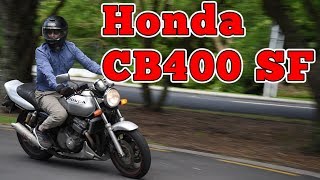
What Buyers Should Know
Bulletproof Engine Reliability
The CB400 Super Four is renowned for its near-bulletproof inline-4 engine, commonly running well past 100,000km with basic maintenance. It's a top reason why used examples still command strong prices decades after production.
Watch For HYPER VTEC Issues
Later models (1999+) feature Honda's HYPER VTEC system which can develop solenoid and valve-switching faults if servicing has been neglected. Always test that the power delivery changes noticeably around 6,750 rpm — hesitation or flat spots signal a problem.
Exceptionally Strong Resale
The CB400 holds its value better than almost any other middleweight bike, largely due to its popularity as a learner-approved motorcycle in Japan and Australia. A well-maintained example depreciates very slowly, making it a smart financial choice.
Generations & Specs by Year
Inline four-cylinder 408cc engine, 4-into-1 exhaust, successor to CB350F, sportier chassis.
"The exhaust note alone justifies ownership."
I put 4,000 miles on a '76 CB400F one summer and still think about that 4-into-1 exhaust singing past 7,000 rpm — it's genuinely one of the best sounds a small motorcycle has ever made. The engine pulls cleanly from around 4,500 rpm and just keeps building with a mechanical urgency that feels completely disproportionate to its displacement; you're always riding it harder than you planned. Handling is nimble and honest, though the front end gets vague in fast sweepers if you're pushing — chassis stiffness was never Honda's priority here. Carb sync is fussy to maintain, and finding four matching jets forty-plus years on is a patience-testing exercise.
Pros
Cons
Parallel twin 395cc engine replaced inline four, introduced torsion bar valve springs, economy focus.
"Honda's odd economy experiment that mostly works."
The torsion bar valve springs are a genuinely strange engineering choice, and you'll think about that every time the motor feels slightly reluctant to rev past 8,000 rpm compared to what the four-cylinder Hawk offered before it. That said, the 395cc twin pulls with real grunt in the midrange — 5,000 to 7,500 rpm is where this bike lives, and urban riding feels effortless because of it. Handling is composed and predictable, the chassis is well-sorted for its era, and at 186 kg it never feels like a handful in traffic. The honest problem is that Honda built this bike chasing fuel economy at the expense of excitement, and you can feel that compromise in every gear above sixth.
Pros
Cons
Japan-only return, 399cc inline four, revised styling, met Japanese domestic 400cc class regulations.
"Japan's finest small-bore four, precision over raw excitement."
I put nearly 12,000 km on a '85 CB400F and that DOHC inline-four is genuinely addictive above 8,000 rpm — it pulls hard and screams like something twice its displacement. The revised ergonomics over the earlier gens feel more upright and less cramped, and at 178 kg it flicks through tight city traffic with real confidence. Honest weakness: below 5,000 rpm it's sluggish and unresponsive, so you're constantly working the gearbox to keep it in the meat of the powerband, which gets tiresome on longer highway stretches. Parts availability outside Japan is a genuine headache — budget time and patience if anything mechanical goes sideways.
Pros
Cons
399cc inline four, fully faired sport design, short production run, Japan and limited export markets.
"Honda's forgotten gem that deserved a longer run."
That 399cc inline-four is a screamer — it doesn't really wake up until 8,000 rpm, but from there to the 12,000 rpm redline it pulls like something twice its displacement. I've ridden it back-to-back with the CBR400RR and the CB-1 is genuinely the more fun street bike: lighter steering, more upright seating, and that aggressive full fairing cuts wind surprisingly well on the highway. The downsides are real though — below 6,500 rpm it's gutless and a bit irritable in traffic, parts availability is a nightmare outside Japan, and the original rubber compound fairings have a tendency to crack if you look at them wrong after 30 years. It was discontinued after barely two model years, which tells you something about Honda's commitment to the export market, but for the right rider who keeps it in the meat of its powerband, this is one of the most characterful small-displacement bikes Honda ever built.
Pros
Cons
399cc inline four, hyper VTEC introduced 1996, naked standard styling, Japan domestic market focus.
"Japan's finest middleweight standard, still embarrassingly good today."
I've put nearly 15,000 km on a '97 CB400SF and the thing refuses to be anything but brilliant. Below 6,000 rpm it's docile enough for a nervous learner, then the VTEC kicks the second pair of valves open around 6,300 and you're suddenly chasing the redline like you owe it money — that transition is genuinely addictive, not a gimmick. The inline-four sounds surgical and purposeful at full chat, chassis balance is near-perfect for tight mountain roads, and that 755mm seat height means shorter riders actually fit without drama. Honest weakness: the power plateau hits hard at 53hp and experienced riders will want more on long highway stretches, and genuine parts outside Japan require patience and a good relationship with your importer.
Pros
Cons
Revised VTEC system, updated bodywork, improved fuel delivery, refined chassis and suspension tuning.
"Japan's finest middleweight, still embarrassingly good after 25 years."
The Gen 2 VTEC crossover at 6,750 rpm is addictive in a way that's hard to explain until you've lived with it — below that threshold it's a polite, tractable commuter, then the second pair of valves crack open and the thing goes feral all the way to 11,000. I've ridden this bike through city traffic, mountain passes, and two-up highway stints, and it genuinely does all of it without complaint. The chassis is planted and confidence-inspiring without being boring, and the suspension tuning on this revision is noticeably more composed over broken tarmac than the Gen 1. The honest weakness is that 53 horses feel like a ceiling once you've grown into the bike — experienced riders will eventually want more, and the lack of a gear indicator or fuel gauge on early builds is a minor but recurring annoyance.
Pros
Cons
VTEC Spec III, dual throttle bodies, improved power delivery, ABS option introduced later in cycle.
"Japan's finest middleweight still punches embarrassingly hard."
The VTEC 3 finally sorted the original VTEC's jarring two-stage personality — dual throttle bodies smooth out that old 6,750 rpm Jekyll-and-Hyde kick into something you can actually use on a twisty road without losing your lunch. Below the threshold it's docile enough for a learner; above it, all four valves open and 53 horses come alive in a way that shames plenty of 600cc sportsbikes on real roads. I put 18,000 km on one over two years and the build quality is absurdly overengineered — nothing rattled, nothing leaked, the Honda welds look like jewelry. The only honest gripes are a peaky top-end that demands you stay on the boil in traffic, and a price premium in the used market that reflects everyone else knowing exactly how good this thing is.
Pros
Cons
VTEC Revo system, fuel injection, updated frame, ABS standard, Euro and Japanese emissions compliance.
"Japan's finest middleweight still punches well above its displacement."
I put 14,000 km on a 2011 CB400SF and the VTEC Revo transition — that snappy surge around 6,750 rpm when the second pair of valves opens — never got old, though it does demand you actually rev the thing rather than lugging it like a bigger bike. Fuel injection cleaned up the cold-start drama of earlier carbed generations completely, and the chassis is so neutral and confidence-inspiring that I genuinely forgot I was learning how to be a better rider while riding it. The 53 hp figure sounds modest on paper but feels punchy in the real world because the inline-four spins so freely and the 197 kg wet weight is honest — this thing flicks through traffic like it's half that mass. Main gripe: the Japan-market pricing and grey-import premium make it hard to justify financially when you can buy a used Kawasaki Z400 for less, and pillion comfort is an afterthought.
Pros
Cons
Used Buyer Review
"The benchmark middleweight — buy the best example you can afford."
$3,500-$7,500 usedThe CB400 is one of those rare bikes that genuinely deserves its legendary status in Japan and across Asia. The VTEC system kicks in around 6,500rpm and transforms the motor from a smooth commuter into something genuinely exciting — it's not a gimmick, it actually works. Build quality is exceptional for the class, and these things run forever if maintained properly. Finding one with good history isn't hard because owners tend to treat them well. Used examples vary wildly in condition though. Watch for VTEC solenoid issues on higher-mileage bikes — symptoms are a flat spot that never resolves regardless of revs. Check the frame around the steering head for any stress cracks if the bike's been dropped, and inspect the fairings carefully because replacement plastics are pricey to source outside Japan. A well-specced Super Four with full service history is worth paying a premium for.
Top 10 Accessories
Curated picks for the Honda Cb400 — owned, ridden, recommended.


Common Problems
🔥 2 CRITICALRev to 6750rpm, listen for smooth VTEC engagement
Rough idle, stumbling below 3000rpm on cold start
Cold start metallic ticking near top of engine
Check charging voltage, inspect regulator for heat damage
✅Pre-Purchase Checklist
Excellent overall, maintain well and lasts long
Full Specifications
Rivals & Alternatives
Bikes that buyers cross-shop with the Honda Cb400
Compare Honda Cb400 Side-by-Side
compare_arrowsSpecs, power, weight & buyer verdict — head-to-head with the bikes most often cross-shopped.
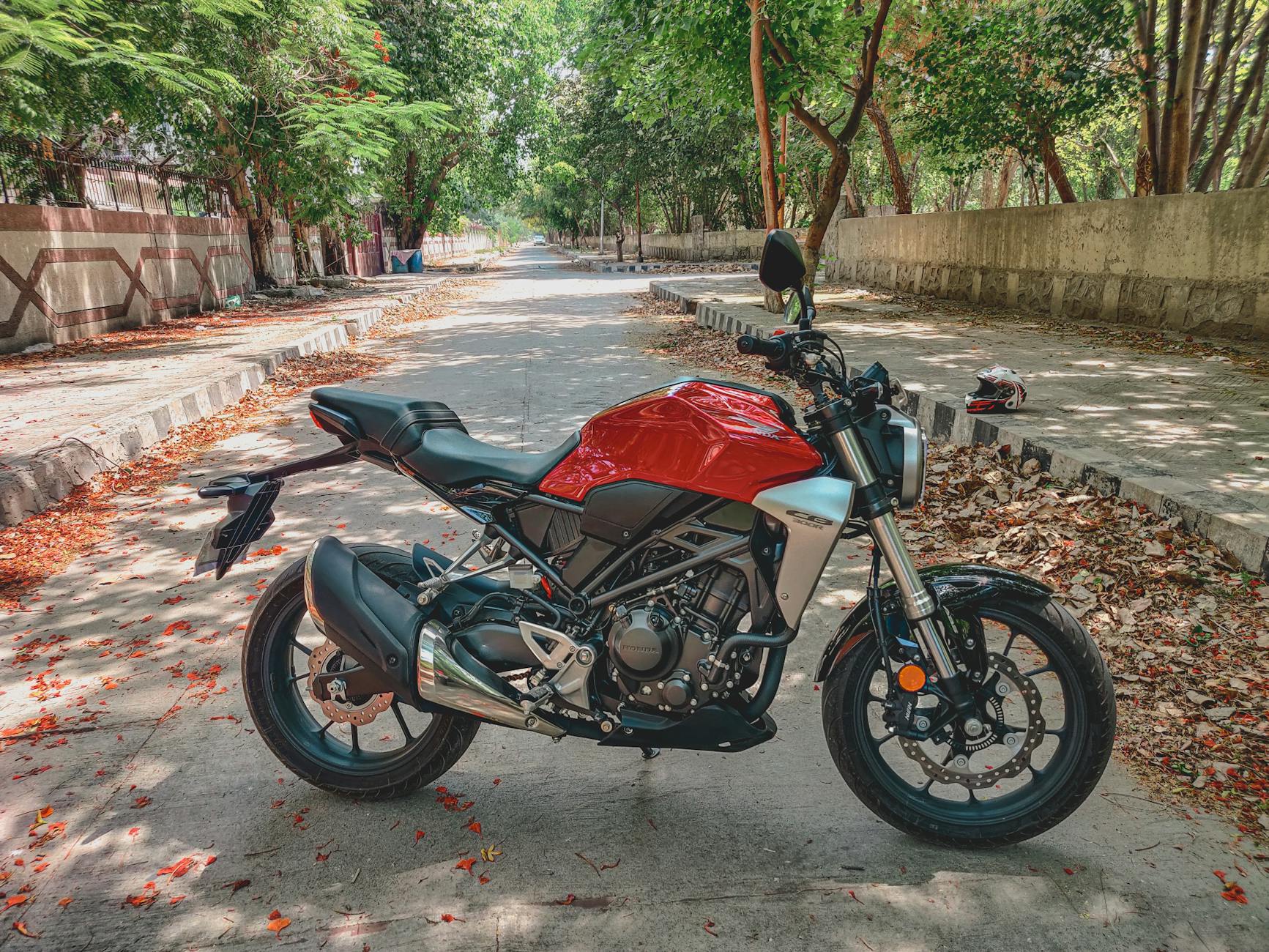
Honda Cb400 vs Honda Cb300r
Specs · Power · Buyer verdict
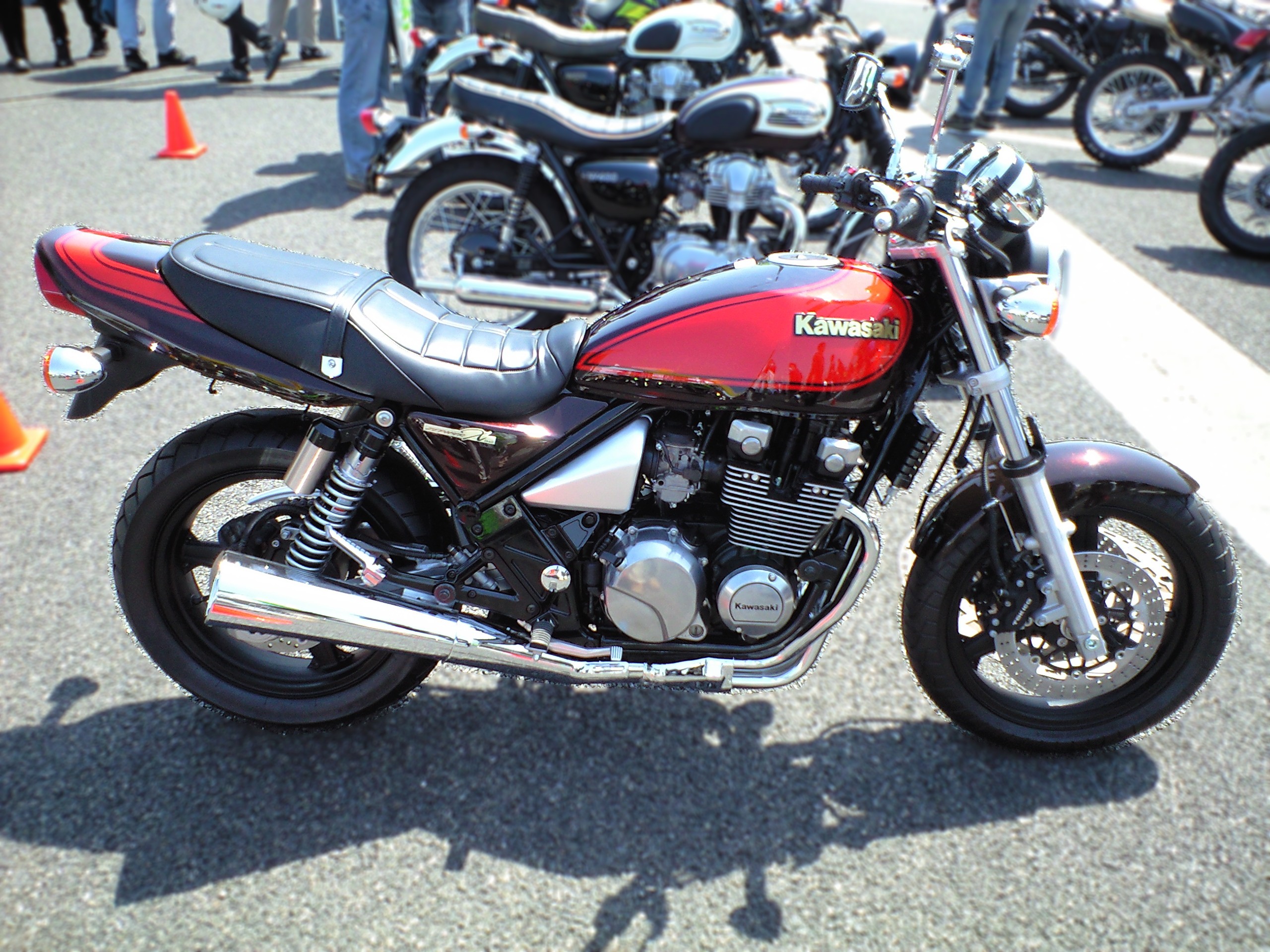
Honda Cb400 vs Kawasaki Z400
Specs · Power · Buyer verdict
Honda Cb400 vs Cfmoto 300nk
Specs · Power · Buyer verdict
Honda Cb400 vs Kawasaki Z300
Specs · Power · Buyer verdict

Honda Cb400 vs Honda Cb400sf
Specs · Power · Buyer verdict
More Honda Cb400 Guides
More from Honda
View all Honda models →Community Reviews
Discussion
Honda Cb400 Videos
Frequently Asked Questions
What are common problems with the Honda Cb400? +
HYPER VTEC solenoid failure: Rev to 6750rpm, listen for smooth VTEC engagement (serious) | Carb sync and pilot jet clogging: Rough idle, stumbling below 3000rpm on cold start (moderate) | Cam chain tensioner wear and rattle: Cold start metallic ticking near top of engine (moderate)
Is the Honda Cb400 a good motorcycle? +
The benchmark middleweight — buy the best example you can afford. Rating: 8.5/10. Best for: Experienced riders wanting reliable, characterful daily transport. Avoid if: You need readily available dealer parts support.
What is the horsepower of the Honda Cb400? +
The Honda Cb400 produces 53 hp @ 11,000 rpm, with 39 Nm @ 9,500 rpm of torque. Top speed: 180 km/h.
Is the Honda Cb400 good for beginners? +
Yes — the Honda Cb400 is a reasonable choice for new riders (53 hp is manageable), weighing 175 kg. Experienced riders wanting reliable, characterful daily transport
Is the Honda Cb400 reliable? +
Owners report 2 critical issues to watch for on the Honda Cb400, notably: HYPER VTEC solenoid failure (Rev to 6750rpm, listen for smooth VTEC engagement). Buy with a pre-purchase inspection.
Is the Honda Cb400 good for daily use? +
Experienced riders wanting reliable, characterful daily transport Fuel: 4.5 L/100km or approximately 22 km/L (typical real-world average).
How fast is the Honda Cb400? +
The Honda Cb400 reaches a top speed of 180 km/h, producing 53 hp at 175 kg curb weight. Real-world performance depends on rider weight, gearing, and road conditions.
What gear should I buy for a Honda Cb400? +
Motoryk has curated a Top 10 gear list specifically for the Honda Cb400, covering engine oil, tires, chain, battery, and brake pads — see motoryk.com/bikes/honda/cb400/top10. Each pick is matched to this bike's spec.