Kawasaki Z400
The Kawasaki Z400 has a top speed of 175 km/h (estimated), produces 45 hp and weighs 167 kg. Motoryk rates it 8/10.
The Kawasaki Z400 was reintroduced in 2019 as a modern naked middleweight streetfighter, replacing the Z300 and sharing its platform with the Ninja 400. It was designed to appeal to newer riders and those seeking an agile, fun urban commuter with a sporty character. The Z400 quickly gained popularity for its accessible power delivery, lightweight chassis, and aggressive Z-series styling.
45 hp
Power
38 Nm
Torque
167 kg
Weight
175 km/h (estimated)
Top Speed
4.5 L/100km (approx. 22 km/L real-world average)
Fuel
Naked
Body
🔧 Service Schedule & Parts
Affiliate · we may earn| Service item | Every | Typical cost | Parts |
|---|---|---|---|
| 🛢️ Engine oil + oil filter | 6,000 km / 3,500 mi or 12 mo | $40-80 | 🛢️ Buy → ⚙️ Buy → |
| 🌬️ Air filter | 12,000 km / 7,500 mi | — | 🌬️ Buy → |
| ⚡ Spark plugs | 12,000 km / 7,500 mi | — | ⚡ Buy → |
| 🔧 Valve clearance check | 24,000 km / 15,000 mi | $150-300 | |
| 🔗 Chain & sprockets | 20000-35000 km (replace) | $150-300 | 🔗 Buy → |
| 🛑 Brake pads | 15000-25000 km | $30-60 | 🛑 Buy → |
| 💧 Brake fluid | 24,000 km / 15,000 mi or 2 yr | — | |
| 🧊 Coolant | 24,000 km / 15,000 mi | — | |
| 🛞 Tires | 10000-20000 km | $200-400 | 🛞 Buy → |
| 🔩 Major service | 24,000 km / 15,000 mi | $300-500 |
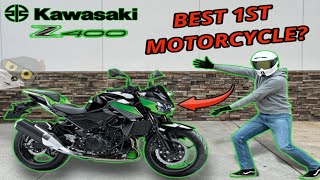
Video Review
What Buyers Should Know
Bulletproof Parallel Twin
The Z400's 399cc parallel-twin engine is shared with the Ninja 400, widely regarded as one of the most reliable small-displacement engines on the market. With proper oil changes, these motors commonly exceed 30,000 miles without major issues.
Strong Resale Value
The Z400 holds its value exceptionally well due to high demand among new and intermediate riders. Used models typically sell for 80-90% of MSRP within the first two years, making it one of the better-retaining bikes in its class.
Watch the Exhaust Headers
A known cosmetic issue is premature rusting on the exhaust headers, especially in wet climates or if the bike was stored improperly. Inspect them closely before buying and budget for aftermarket headers if corrosion is present.
Generations & Specs by Year
Original parallel-twin 398cc DOHC engine, dual carbs, drum rear brake, classic UJM styling.
"Punchy twin that rewards patience and wrench time."
The Z400's DOHC twin is a genuine surprise — it pulls hard past 6,000 rpm and that top-end rush felt genuinely sporting for a mid-70s 400. I ran mine for two seasons and the engine's willingness to rev was its best trick, though the dual carbs need constant synchronization or you'll chase a nasty flat spot around 4,500 rpm until you want to throw a wrench. The drum rear brake is adequate on dry tarmac but inspires zero confidence in the wet, and 187 kg feels heavy when you're wrestling it through tight urban traffic. Parts availability is the other honest problem — finding good-condition camshafts or carb rebuild kits means haunting swap meets and Japanese parts dealers, not your local shop.
Pros
Cons
Updated styling, disc rear brake added, refined engine with improved reliability and minor power tweaks.
"Punchy twin that aged better than expected."
The DOHC twin pulls cleanly from about 4,000 rpm and gets genuinely exciting past 7,000 — for a late-70s middleweight, it still surprises you. The rear disc was overdue and transforms braking confidence on wet roads compared to the drum-equipped Gen 1. Vibration is present but honest rather than brutal, and the 790mm seat makes it accessible without feeling cramped for taller riders. Weak points are the gearbox — second gear is notchy on every one I've ridden — and those carbs need annual synchronization or it runs rough at low throttle openings.
Pros
Cons
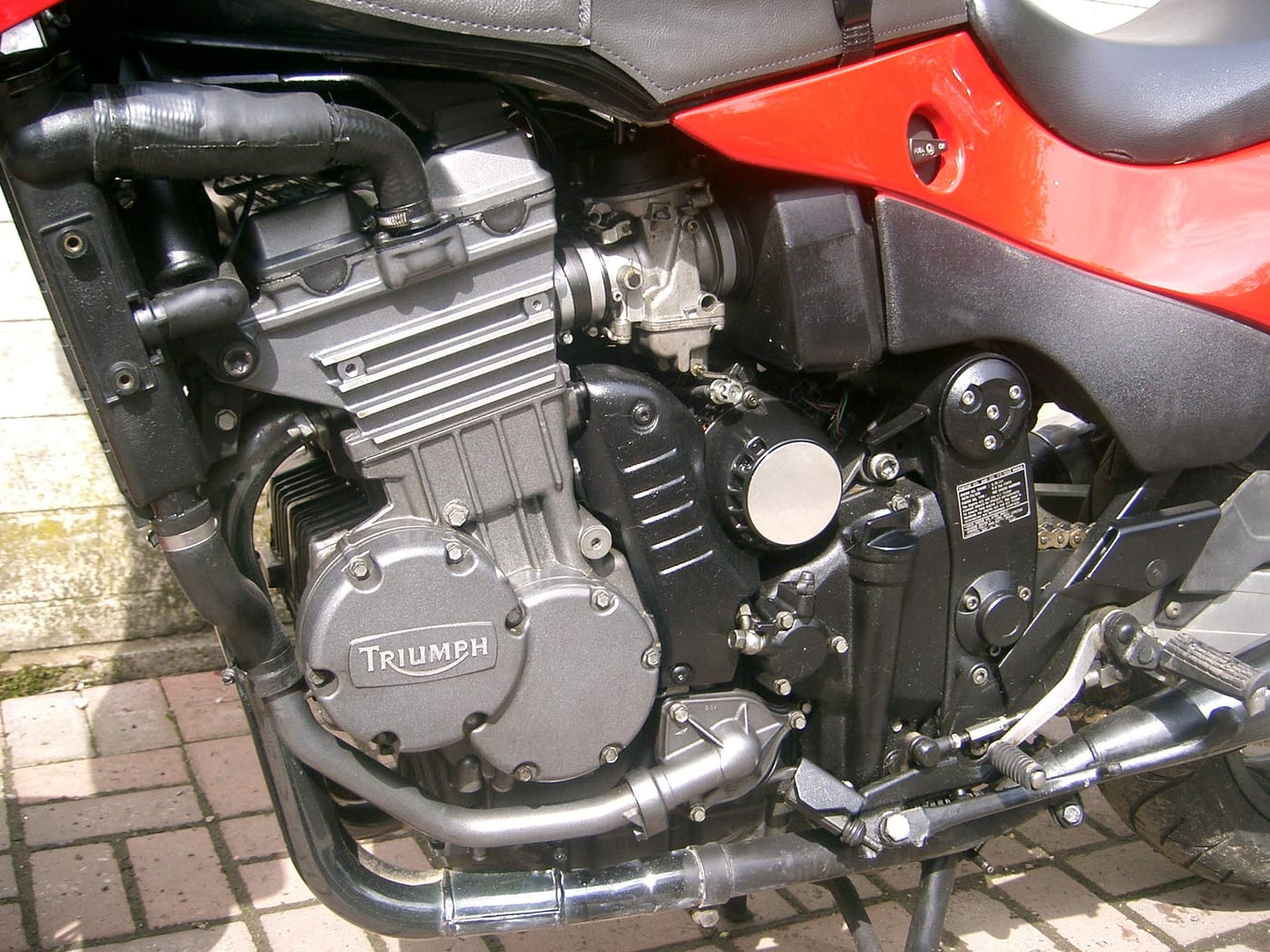
Four-cylinder 399cc DOHC engine option introduced on FX variant, sporty café-racer influenced design.
"Tiny four-cylinder magic wrapped in café-racer attitude."
That DOHC inline-four revving past 8,000 rpm sounds genuinely exotic for a 400 — it's one of those engines that makes you hunt for every gear just to hear it sing. Handling is taut and communicative, and the low seat height means shorter riders finally feel planted rather than perched. The flip side: 43 horses from 399cc means you're working that motor hard in real traffic, and the air-cooling runs noticeably hot on slow summer commutes — inner thigh burns are a rite of passage. Carburettor synchronisation drifts over time and requires obsessive attention, but when it's dialled in, this bike punches well above its displacement.
Pros
Cons
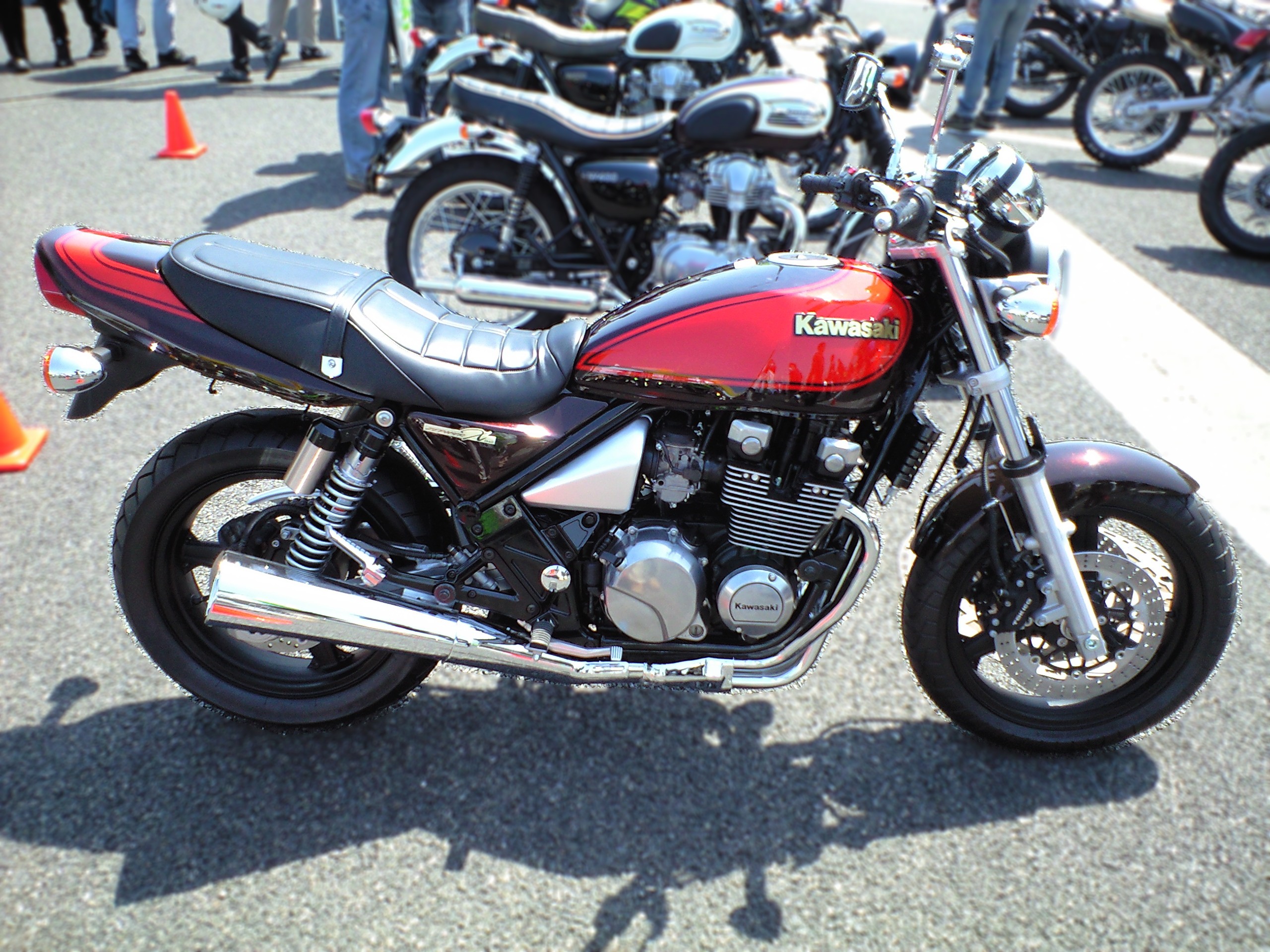
Neo-retro inline-four design, air-cooled 399cc, spoke-style wheels, retro UJM revival styling.
"Honest retro charm that earns its keep daily."
The Zephyr 400 is exactly what it looks like — a straightforward, unpretentious UJM that Kawasaki built to remind people why inline-fours felt so right in the first place. That air-cooled motor pulls cleanly from about 6,000 rpm and genuinely sings past 9,000, though 45 horses means you're working it hard on highways rather than cruising. At 189 kg it's no lightweight, and the suspension is comfortably mediocre — fine for city commuting and weekend mountain roads, but it gets loose and wallowy if you push hard through fast corners. The chrome, the spoke-style wheels, the simple cockpit — none of it is pretending to be something it isn't, and after two years of daily riding that honesty is genuinely refreshing.
Pros
Cons
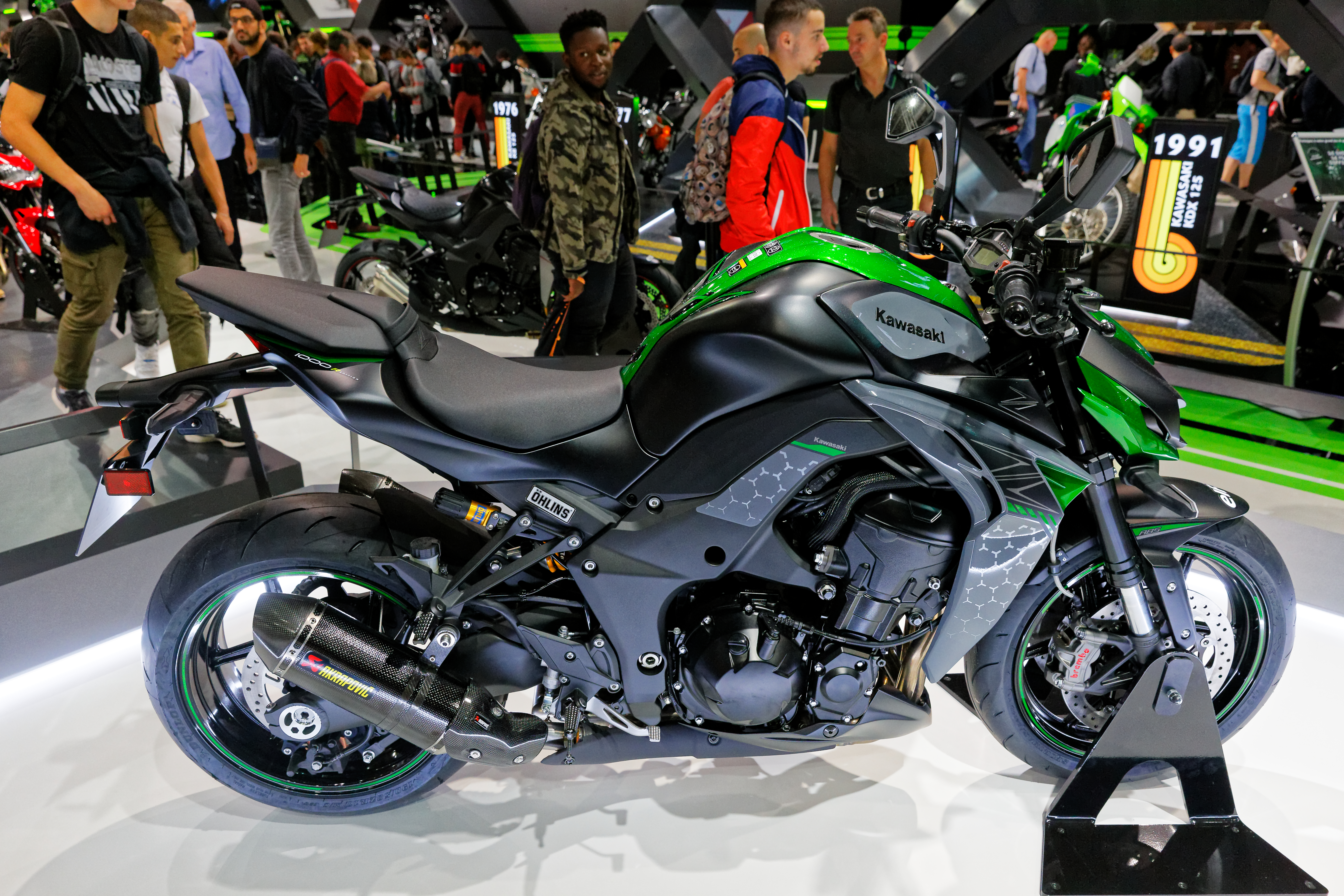
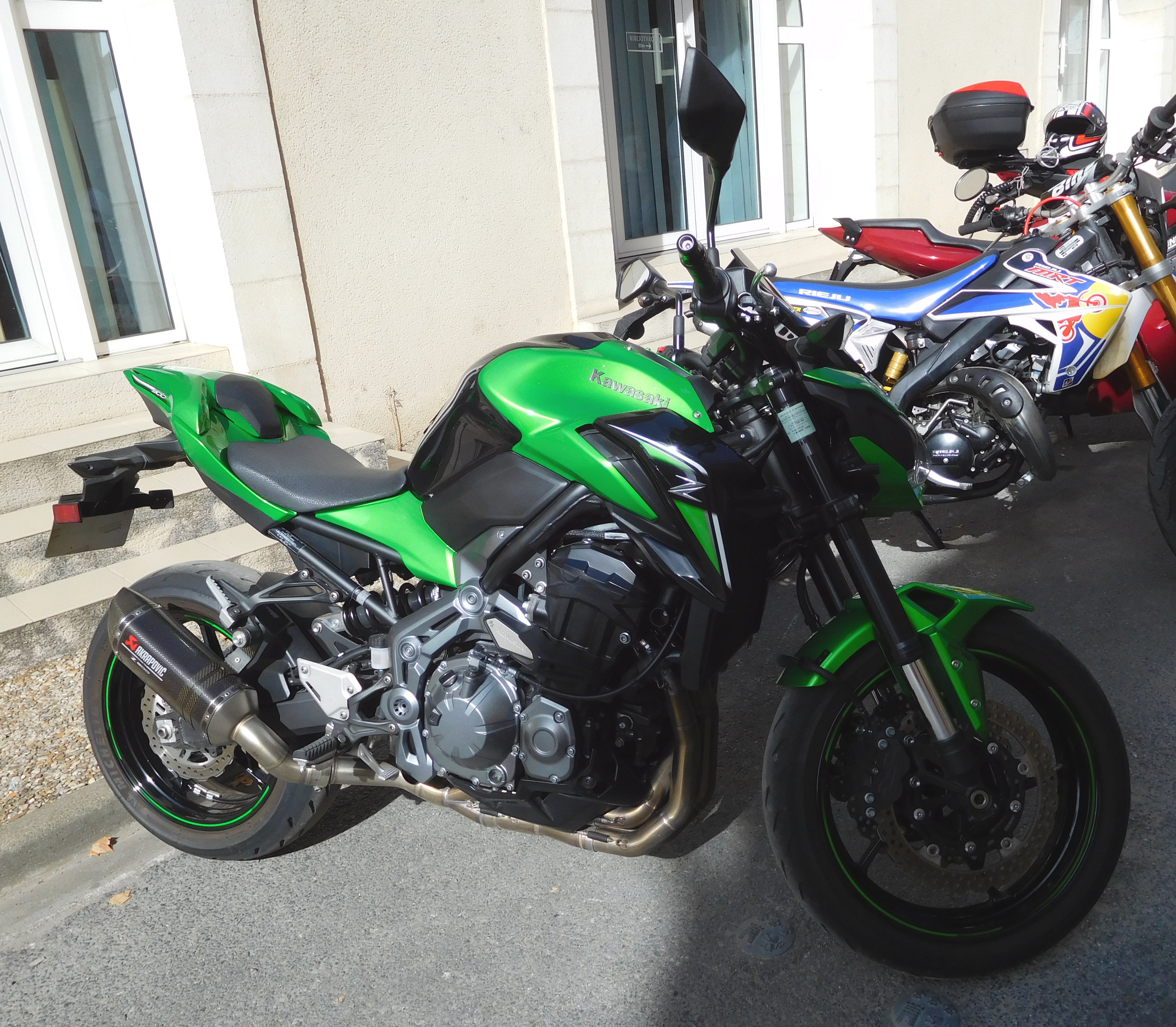
Modern parallel-twin 399cc, trellis frame, ABS standard, Ninja 400 engine platform, aggressive naked styling.
Used Buyer Review
"The sharpest small naked you can buy used right now."
$4,500-$6,500 usedThe Z400 is one of those rare bikes that actually delivers on its hype. Kawasaki nailed the balance between accessible and genuinely fun — that parallel twin pulls cleanly from low revs and rewards you when you wind it out toward the 10,000rpm redline. It doesn't feel like a compromise machine, which is rare at this displacement. Used examples are everywhere right now, mostly from newer riders who upgraded, which means plenty of choice but also plenty of abuse to watch for. Check the fairings carefully — the naked styling means any tip-over scratches are obvious and expensive. Front fork seals are a known weak point on earlier examples, so get underneath and look for oil weeping around the stanchions. Chain and sprocket wear tells you a lot about how the previous owner treated it. These bikes respond badly to neglect but reward sensible maintenance with serious reliability.
Top 10 Accessories
Curated picks for the Kawasaki Z400 — owned, ridden, recommended.


Common Problems
🔥 1 CRITICALBattery voltage at idle, check for dimming lights
Idle quality, hesitation on acceleration below 4k RPM
Rattling noise first 10 seconds after cold start
Oil residue below fork tubes, soft front end feel
✅Pre-Purchase Checklist
Generally solid, minor electrical issues worth watching
Full Specifications
Rivals & Alternatives
Bikes that buyers cross-shop with the Kawasaki Z400
Compare Kawasaki Z400 Side-by-Side
compare_arrowsSpecs, power, weight & buyer verdict — head-to-head with the bikes most often cross-shopped.
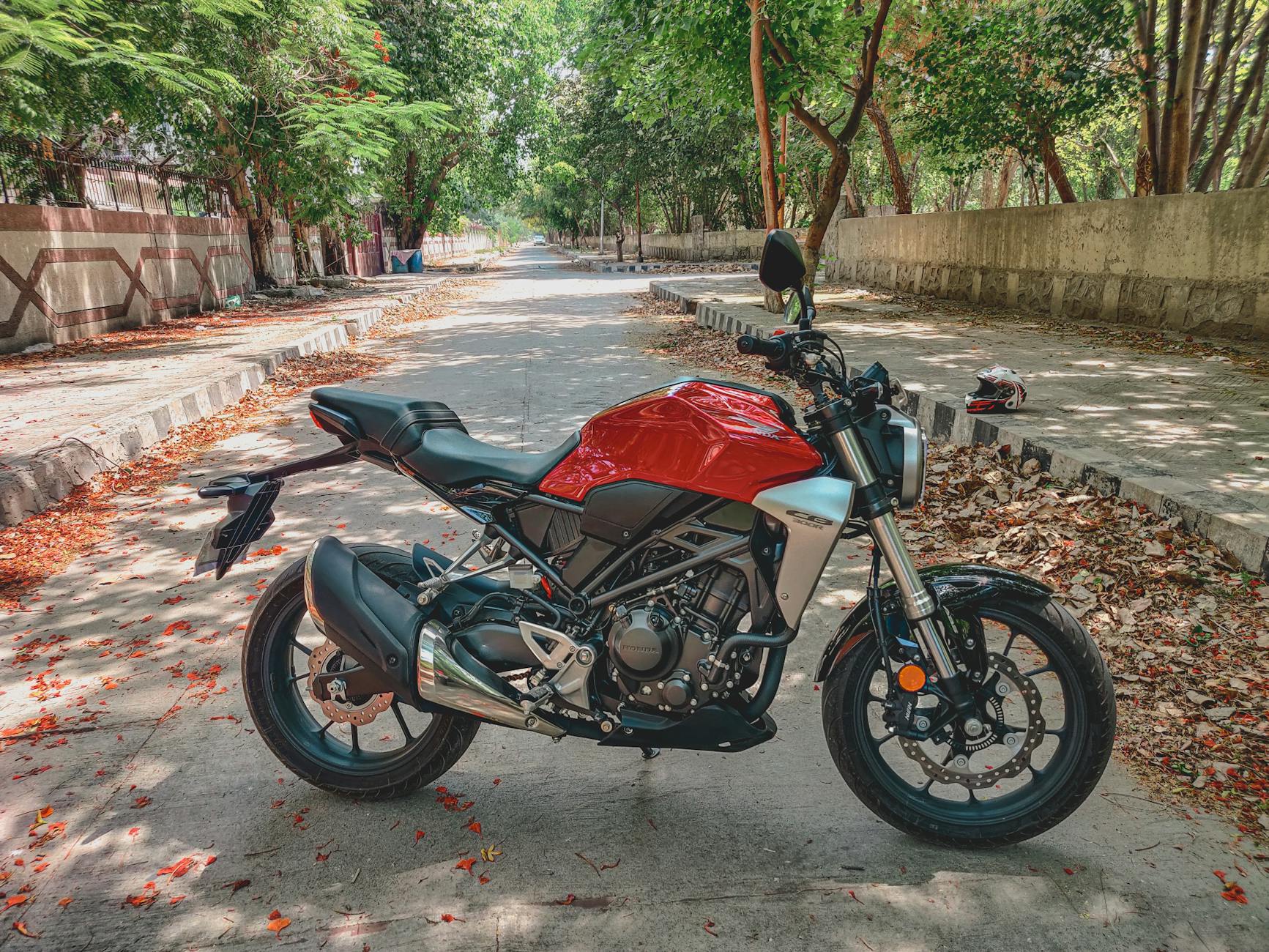
Kawasaki Z400 vs Honda Cb300r
Specs · Power · Buyer verdict

Kawasaki Z400 vs Cfmoto 300nk
Specs · Power · Buyer verdict
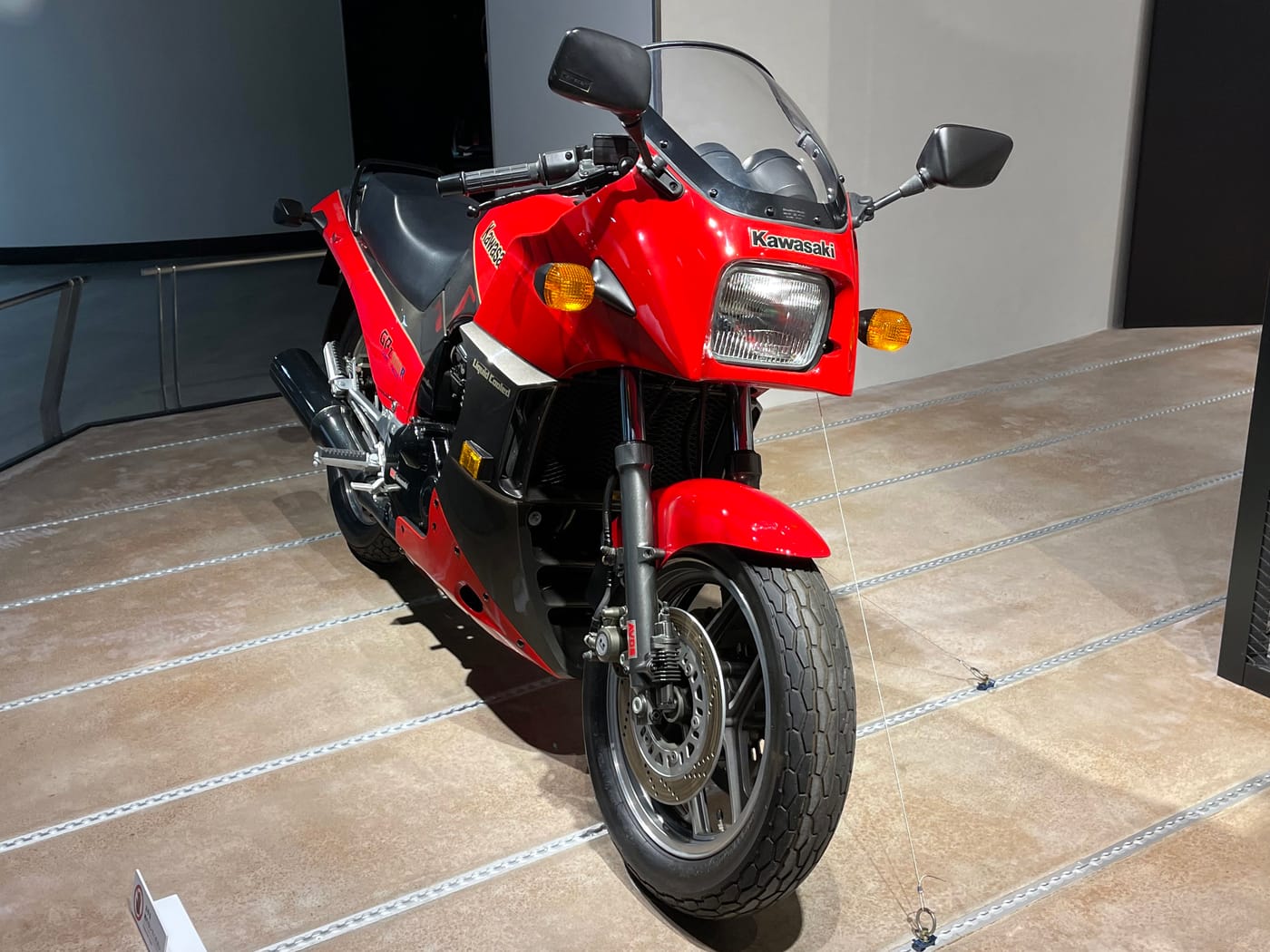
Kawasaki Z400 vs Kawasaki Z300
Specs · Power · Buyer verdict
Kawasaki Z400 vs Ktm 390 Duke
Specs · Power · Buyer verdict
Kawasaki Z400 vs Cfmoto 400nk
Specs · Power · Buyer verdict
More Kawasaki Z400 Guides
More from Kawasaki
View all Kawasaki models →Community Reviews
Discussion
Frequently Asked Questions
What are common problems with the Kawasaki Z400? +
Stator/charging system failure: Battery voltage at idle, check for dimming lights (serious) | Throttle body sync issues causing rough idle: Idle quality, hesitation on acceleration below 4k RPM (moderate) | Cam chain tensioner noise at startup: Rattling noise first 10 seconds after cold start (moderate)
Is the Kawasaki Z400 a good motorcycle? +
The sharpest small naked you can buy used right now. Rating: 8.0/10. Best for: Newer riders ready for real performance immediately. Avoid if: You want long-haul touring capability eventually.
What is the horsepower of the Kawasaki Z400? +
The Kawasaki Z400 produces 45 hp @ 10,000 rpm, with 38 Nm @ 8,000 rpm of torque. Top speed: 175 km/h (estimated).
Is the Kawasaki Z400 good for beginners? +
Yes — the Kawasaki Z400 is a reasonable choice for new riders (45 hp is manageable), weighing 167 kg. Newer riders ready for real performance immediately
Is the Kawasaki Z400 reliable? +
Owners report 1 critical issue to watch for on the Kawasaki Z400, notably: Stator/charging system failure (Battery voltage at idle, check for dimming lights). Buy with a pre-purchase inspection.
Is the Kawasaki Z400 good for daily use? +
Newer riders ready for real performance immediately Fuel: 4.5 L/100km (approx. 22 km/L real-world average).
How fast is the Kawasaki Z400? +
The Kawasaki Z400 reaches a top speed of 175 km/h (estimated), producing 45 hp at 167 kg curb weight. Real-world performance depends on rider weight, gearing, and road conditions.
What gear should I buy for a Kawasaki Z400? +
Motoryk has curated a Top 10 gear list specifically for the Kawasaki Z400, covering engine oil, tires, chain, battery, and brake pads — see motoryk.com/bikes/kawasaki/z400/top10. Each pick is matched to this bike's spec.