Suzuki Gsr400
The Suzuki Gsr400 has a top speed of 180 km/h (estimated), produces 55 hp and weighs 181 kg. Motoryk rates it 7.5/10.
Suzuki GSR400 został wprowadzony w 2006 roku jako nagi streetfighter wagi średniej, skierowany głównie na japoński rynek krajowy, oparty na platformie GSR600, ale zdetonowany w celu spełnienia japońskich ograniczeń klasy licencyjnej 400 cm3. Wyposażony był w czterocylindrowy silnik rzędowy pochodzący z linii GSX-R, oferujący sportowe osiągi w pionowym ergonomicznym pakiecie. Model wyróżniał się wypełnieniem przepaści między początkującymi i średniozaawansowanymi zawodnikami i pozostawał w produkcji do około 2013 roku, ciesząc się dużą popularnością w Japonii jako praktyczny, ale ekscytujący rower miejski i weekendowy.
55 hp
Moc
40 Nm
Moment obrotowy
181 kg
Waga
180 km/h (estimated)
Prędkość maksymalna
5.5 L/100km (approx. 18 km/L typical real-world average)
Paliwo
Nagie
Ciało
🔧 Service Schedule & Parts
Affiliate · we may earn| Service item | Every | Typical cost | Parts |
|---|---|---|---|
| 🛢️ Engine oil + oil filter | 6,000 km / 3,500 mi or 12 mo | $40-80 | 🛢️ Buy → ⚙️ Buy → |
| 🌬️ Air filter | 12,000 km / 7,500 mi | — | 🌬️ Buy → |
| ⚡ Spark plugs | 12,000 km / 7,500 mi | — | ⚡ Buy → |
| 🔧 Valve clearance check | 24,000 km / 15,000 mi | $200-400 | |
| 🔗 Chain & sprockets | 25000-40000 km (replace) | $150-300 | 🔗 Buy → |
| 🛑 Brake pads | 15000-25000 km | $30-60 | 🛑 Buy → |
| 💧 Brake fluid | 24,000 km / 15,000 mi or 2 yr | — | |
| 🧊 Coolant | 24,000 km / 15,000 mi | — | |
| 🛞 Tires | 10000-20000 km | $200-400 | 🛞 Buy → |
| 🔩 Major service | 24,000 km / 15,000 mi | $300-600 |
Video Review

Co kupujący powinni wiedzieć
Proven Reliable Engine
The GSR400 shares its inline-four engine architecture with Suzuki's well-regarded GSF400 Bandit, giving it a reputation for durability when properly maintained. Regular valve clearance checks are recommended as they can tighten over time.
Watch for Carb Issues
As a carbureted model, the GSR400 is prone to clogged carburetors if left sitting unused, leading to rough idling or starting problems. Always inspect the carb condition and fuel system before buying a used example.
Japan-Market Resale Value
The GSR400 was primarily sold in Japan, making parts availability outside Japan limited and potentially costly. However, this also means well-kept examples hold their value reasonably well among enthusiasts who appreciate its sporty naked styling.
Pokolenia i specyfikacje według roku
Oryginalny inline-four naked streetfighter o pojemności 400 cm3; model jednej generacji z drobnymi aktualizacjami kosmetycznymi w okresie produkcyjnym.
"Najlepiej strzeżona tajemnica o pojemności 400 cm3 w Japonii, przestępczo niedoceniana."
Przejechałem 18 000 km na GSR400 w ciągu dwóch lat dojeżdżając do przedmieść Tokio i w weekendowe wybuchy, a ten inline-four śpiewający powyżej 10 000 obr./min nigdy się nie starzeł - to naprawdę pilne w sposób, w jaki żaden bliźniak o pojemności 400 cm3 nie może się równać. Naga, wyprostowana ergonomia pasuje do agresywnej jazdy po mieście bez niszczenia pleców podczas dłuższych ciągnięć, a podwozie budzi prawdziwą pewność siebie, gdy zaufasz mu w środku zakrętu. Słabe strony są jednak prawdziwe: poniżej 6000 obr./min jest powolny i nie robi wrażenia, więc ciągle pracujesz nad skrzynią biegów, aby utrzymać ją w mięsie pasma mocy, co staje się męczące w ruchu stop-start. Fotel OEM zamienia się w beton po 90 minutach, a znalezienie części poza Japonią wymaga cierpliwości i dobrych relacji z importerem.
Plusy
Wady
Recenzja używanego kupującego
"A rewarding, rev-hungry gem if you buy carefully."
$2,500-$4,500 usedThe GSR400 is Suzuki's forgotten gem — a naked middleweight that punches harder than its displacement suggests. That inline-four pulls cleanly from 4,000rpm and absolutely sings past 8,000, giving you genuine sportbike thrills without the back-breaking crouch. It's based on the GSX-R400 engine in a more relaxed chassis, which tells you everything about its character. Flickable, light, and genuinely fun on twisty roads. Used, these can be a minefield. Most examples coming out of Japan have had hard lives, so check the frame rails for crash damage around the headstock — it's the first thing to go. Cam chain tensioners can rattle on neglected bikes, so cold-start them and listen carefully. Regulator-rectifiers are a known weak point on older units; bring a voltmeter. Parts availability is patchy outside Japan, which is the honest truth nobody tells you upfront.
Top 10 Accessories
Curated picks for the Suzuki Gsr400 — owned, ridden, recommended.





Typowe problemy
🔥 1 CRITICALRough idle, flat spots, uneven throttle response
Battery not charging, flickering lights at high RPM
Rattling noise on cold start near engine top
✅Lista kontrolna przed zakupem
Solid older bike, maintenance-dependent, budget for carbs
Full Specifications
Rivals & Alternatives
Bikes that buyers cross-shop with the Suzuki Gsr400
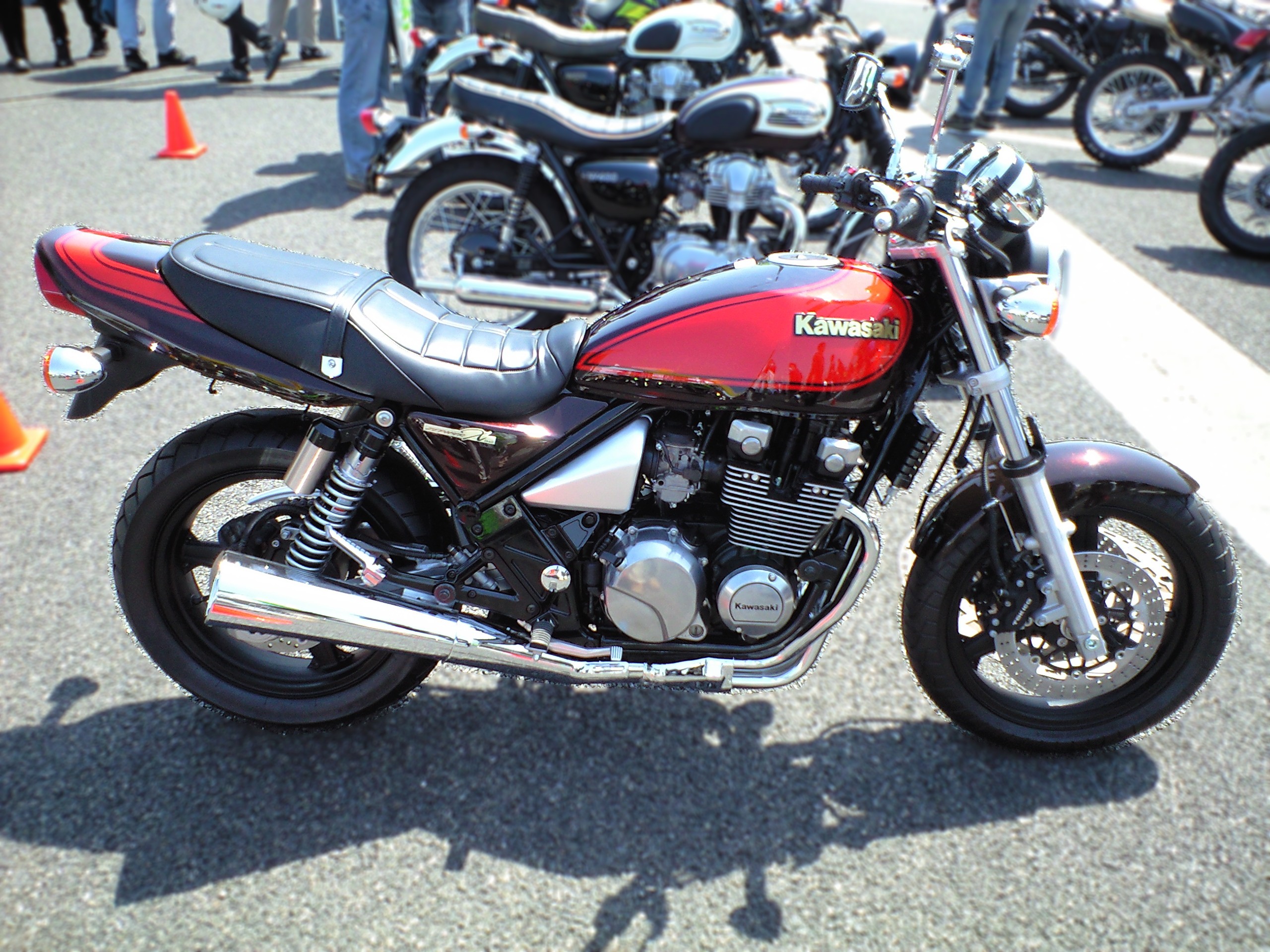
Kawasaki Z400
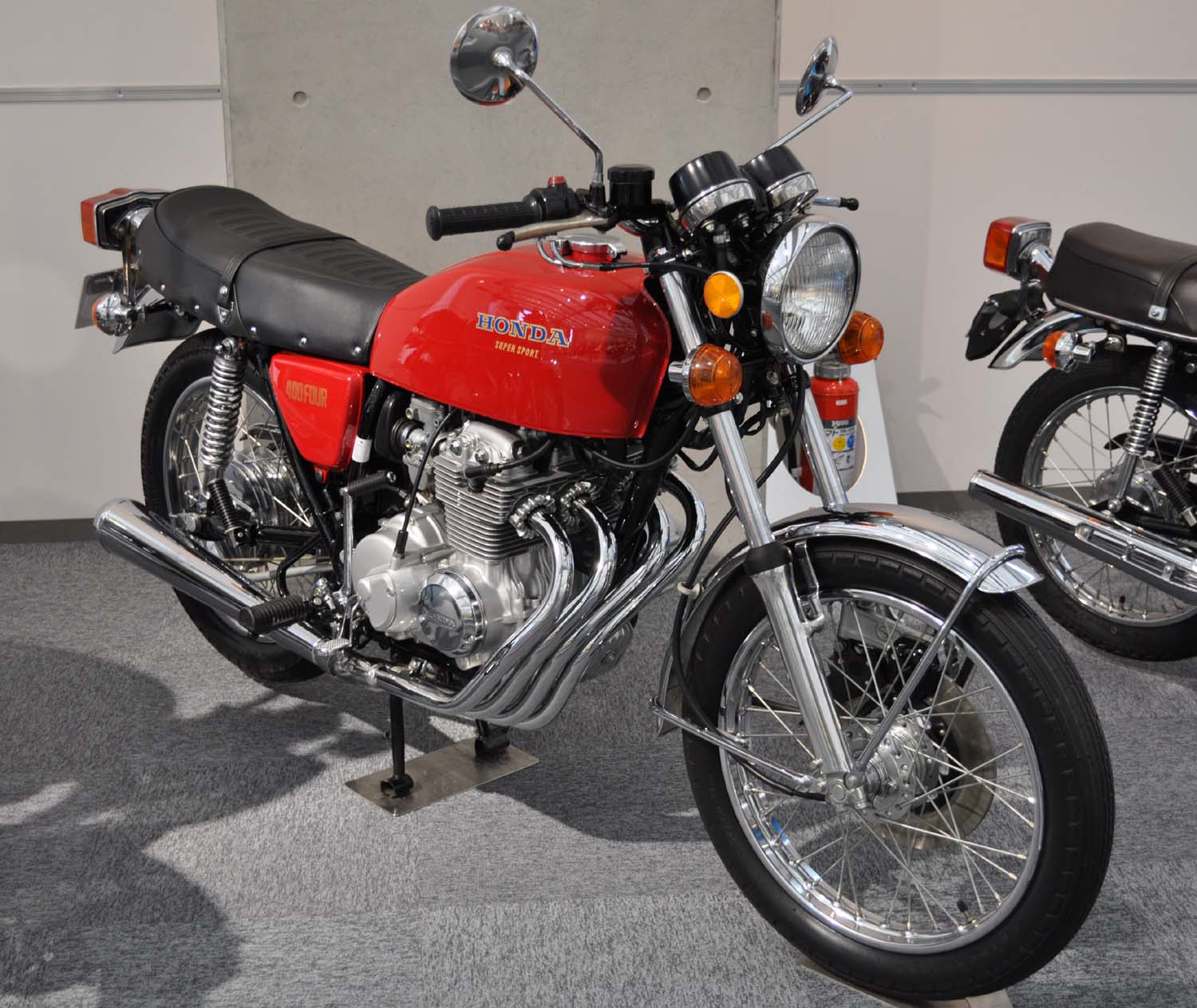
Honda Cb400
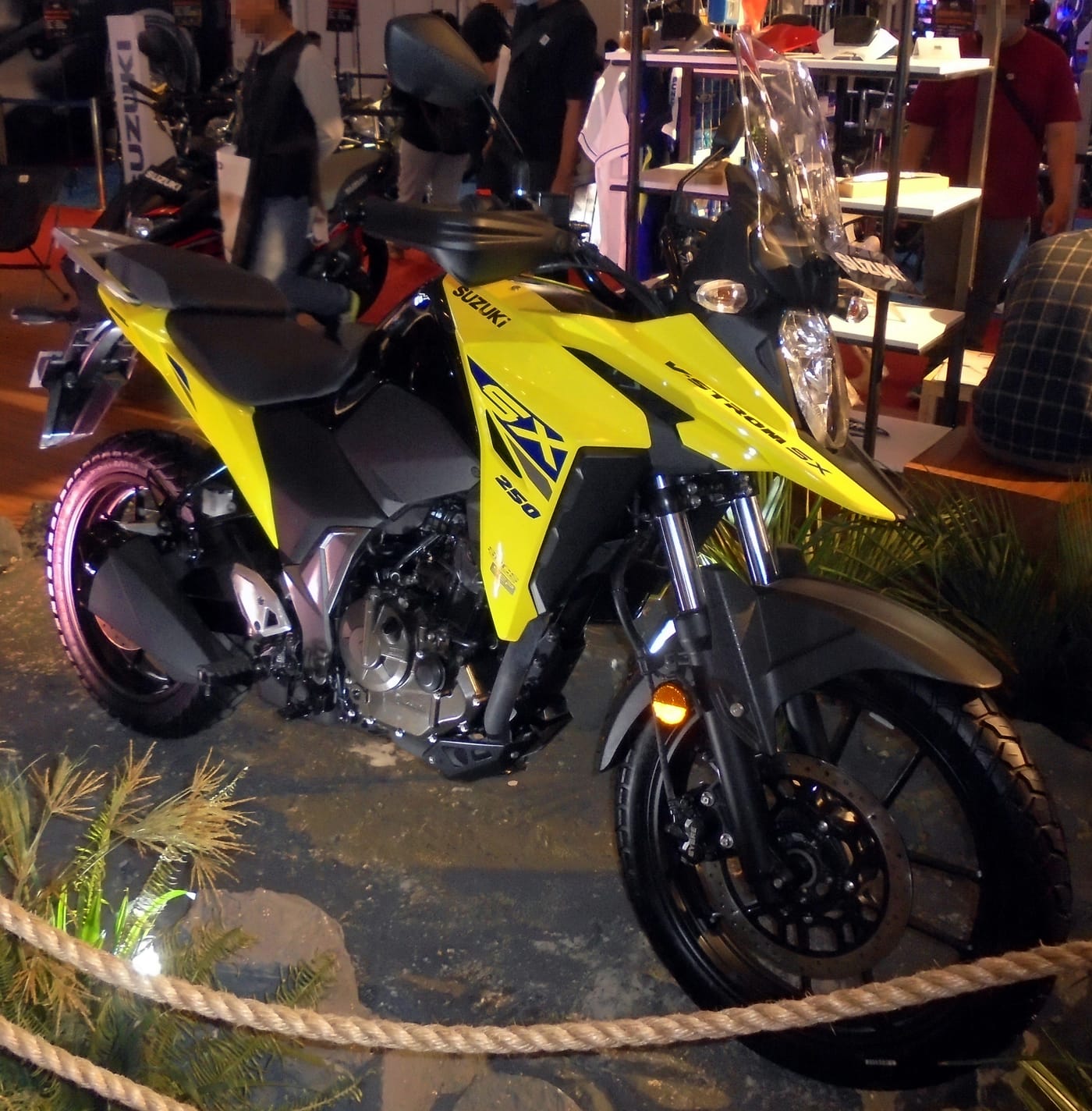
Suzuki Gsr600
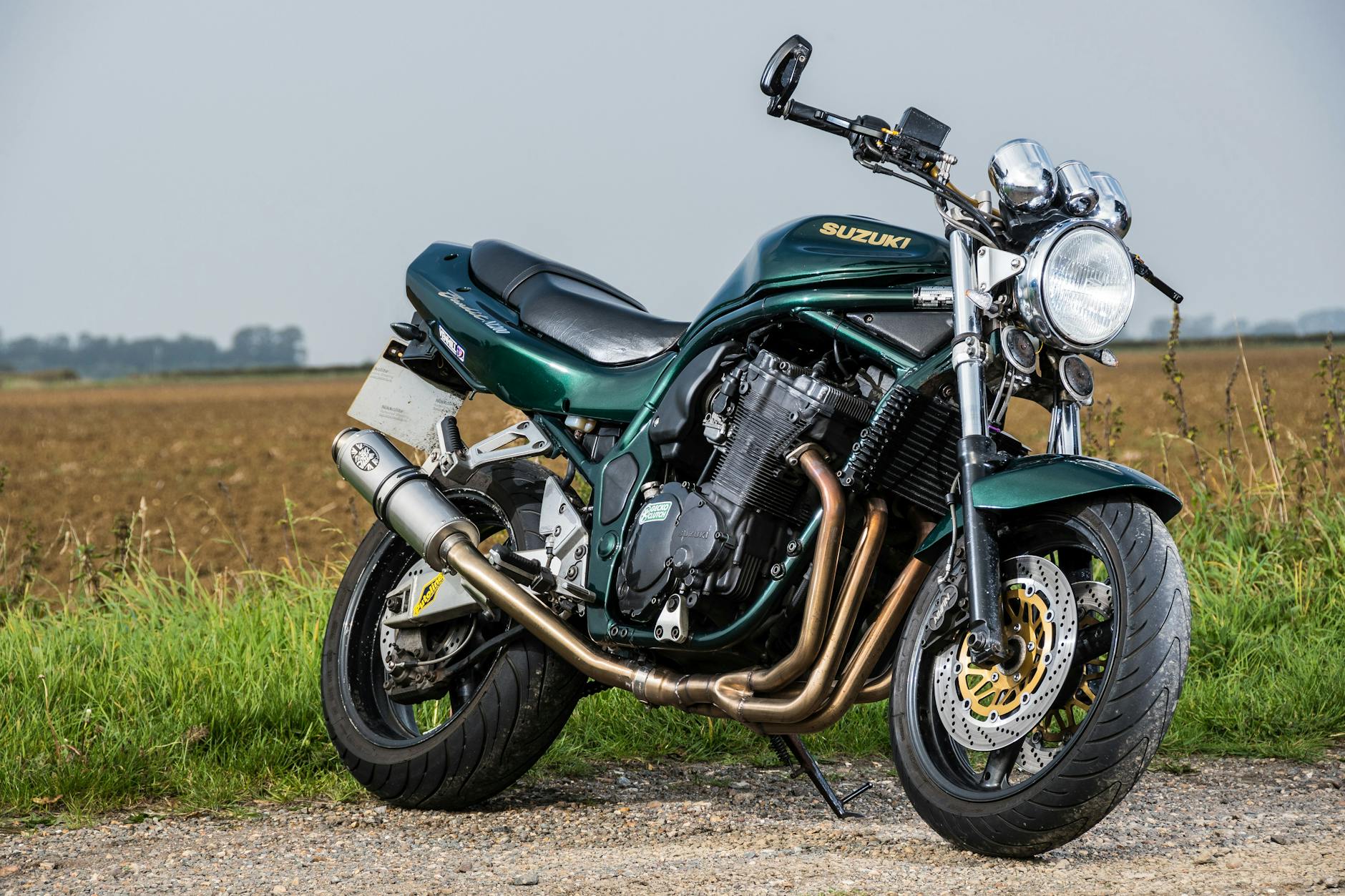
Suzuki Bandit 600

Honda Cb400sf
Compare Suzuki Gsr400 Side-by-Side
compare_arrowsSpecs, power, weight & buyer verdict — head-to-head with the bikes most often cross-shopped.
Suzuki Gsr400 vs Kawasaki Z400
Specs · Power · Buyer verdict
Suzuki Gsr400 vs Honda Cb400
Specs · Power · Buyer verdict
Suzuki Gsr400 vs Suzuki Gsr600
Specs · Power · Buyer verdict
Suzuki Gsr400 vs Suzuki Bandit 600
Specs · Power · Buyer verdict
Suzuki Gsr400 vs Honda Cb400sf
Specs · Power · Buyer verdict
More Suzuki Gsr400 Guides
More from Suzuki
View all Suzuki models →Community Reviews
Discussion
Frequently Asked Questions
What are common problems with the Suzuki Gsr400? +
Carb sync and jetting issues: Rough idle, flat spots, uneven throttle response (moderate) | Rectifier/regulator failure: Battery not charging, flickering lights at high RPM (serious) | Cam chain tensioner wear: Rattling noise on cold start near engine top (moderate)
Is the Suzuki Gsr400 a good motorcycle? +
A rewarding, rev-hungry gem if you buy carefully. Rating: 7.5/10. Best for: Experienced riders wanting affordable inline-four thrills. Avoid if: You need easy parts availability and dealer support.
What is the horsepower of the Suzuki Gsr400? +
The Suzuki Gsr400 produces 55 hp @ 12,000 rpm (Note: best estimate; exact figures vary by market spec), with 40 Nm @ 10,000 rpm (Note: best estimate) of torque. Top speed: 180 km/h (estimated).
Is the Suzuki Gsr400 good for beginners? +
Yes — the Suzuki Gsr400 is a reasonable choice for new riders (55 hp is manageable), weighing 181 kg. Experienced riders wanting affordable inline-four thrills
Is the Suzuki Gsr400 reliable? +
Owners report 1 critical issue to watch for on the Suzuki Gsr400, notably: Rectifier/regulator failure (Battery not charging, flickering lights at high RPM). Buy with a pre-purchase inspection.
Is the Suzuki Gsr400 good for daily use? +
Experienced riders wanting affordable inline-four thrills Fuel: 5.5 L/100km (approx. 18 km/L typical real-world average).
How fast is the Suzuki Gsr400? +
The Suzuki Gsr400 reaches a top speed of 180 km/h (estimated), producing 55 hp at 181 kg curb weight. Real-world performance depends on rider weight, gearing, and road conditions.
What gear should I buy for a Suzuki Gsr400? +
Motoryk has curated a Top 10 gear list specifically for the Suzuki Gsr400, covering engine oil, tires, chain, battery, and brake pads — see motoryk.com/bikes/suzuki/gsr400/top10. Each pick is matched to this bike's spec.