Suzuki Gsr400
The Suzuki Gsr400 has a top speed of 180 km/h (estimated), produces 55 hp and weighs 181 kg. Motoryk rates it 7.5/10.
De Suzuki GSR400 werd in 2006 geïntroduceerd als een naakte middengewicht straatvechter die voornamelijk gericht was op de Japanse binnenlandse markt, gebaseerd op het GSR600-platform, maar niet afgesteld om te voldoen aan de Japanse licentiebeperkingen van 400 cc. Hij was uitgerust met een viercilinderlijnmotor, afgeleid van de GSX-R-lijn, die sportieve prestaties bood in een rechtopstaand, ergonomisch pakket. Het model was opmerkelijk omdat het de kloof tussen beginnende en gevorderde rijders overbrugde en bleef tot ongeveer 2013 in productie en genoot in Japan een sterke populariteit als praktische maar opwindende stads- en weekendfiets.
55 hp
Kracht
40 Nm
Koppel
181 kg
Gewicht
180 km/h (estimated)
Topsnelheid
5.5 L/100km (approx. 18 km/L typical real-world average)
Brandstof
Naakt
Lichaam
🔧 Service Schedule & Parts
Affiliate · we may earn| Service item | Every | Typical cost | Parts |
|---|---|---|---|
| 🛢️ Engine oil + oil filter | 6,000 km / 3,500 mi or 12 mo | $40-80 | 🛢️ Buy → ⚙️ Buy → |
| 🌬️ Air filter | 12,000 km / 7,500 mi | — | 🌬️ Buy → |
| ⚡ Spark plugs | 12,000 km / 7,500 mi | — | ⚡ Buy → |
| 🔧 Valve clearance check | 24,000 km / 15,000 mi | $200-400 | |
| 🔗 Chain & sprockets | 25000-40000 km (replace) | $150-300 | 🔗 Buy → |
| 🛑 Brake pads | 15000-25000 km | $30-60 | 🛑 Buy → |
| 💧 Brake fluid | 24,000 km / 15,000 mi or 2 yr | — | |
| 🧊 Coolant | 24,000 km / 15,000 mi | — | |
| 🛞 Tires | 10000-20000 km | $200-400 | 🛞 Buy → |
| 🔩 Major service | 24,000 km / 15,000 mi | $300-600 |
Video Review

Wat kopers moeten weten
Proven Reliable Engine
The GSR400 shares its inline-four engine architecture with Suzuki's well-regarded GSF400 Bandit, giving it a reputation for durability when properly maintained. Regular valve clearance checks are recommended as they can tighten over time.
Watch for Carb Issues
As a carbureted model, the GSR400 is prone to clogged carburetors if left sitting unused, leading to rough idling or starting problems. Always inspect the carb condition and fuel system before buying a used example.
Japan-Market Resale Value
The GSR400 was primarily sold in Japan, making parts availability outside Japan limited and potentially costly. However, this also means well-kept examples hold their value reasonably well among enthusiasts who appreciate its sporty naked styling.
Generaties en specificaties per jaar
Originele inline four 400cc naked streetfighter; model van één generatie met kleine cosmetische updates tijdens de productierun.
"Japan's best bewaarde 400cc-geheim, misdadig onderschat."
Ik heb 18.000 km gereden op een GSR400 gedurende twee jaar pendelen in de buitenwijken van Tokio en in het weekend knallen, en dat inline-four zingen van meer dan 10.000 toeren per minuut is nooit oud geworden — het is echt dringend op een manier die geen enkele 400cc twin kan evenaren. De strakke, rechtopstaande ergonomie is geschikt voor agressief rijden in de stad zonder je rug te beschadigen tijdens langere ritten, en het onderstel geeft je echt vertrouwen als je er in het midden van de bocht op vertrouwt. De zwakke punten zijn echter reëel: onder de 6.000 tpm is hij traag en niet indrukwekkend, dus je werkt constant aan de versnellingsbak om hem in het midden van de powerband te houden, wat vermoeiend wordt bij stopstartverkeer. De OEM-stoel verandert na 90 minuten in beton en het vinden van onderdelen buiten Japan vereist geduld en een goede relatie met de importeur.
Pluspunten
Nadelen
Beoordeling van gebruikte kopers
"A rewarding, rev-hungry gem if you buy carefully."
$2,500-$4,500 usedThe GSR400 is Suzuki's forgotten gem — a naked middleweight that punches harder than its displacement suggests. That inline-four pulls cleanly from 4,000rpm and absolutely sings past 8,000, giving you genuine sportbike thrills without the back-breaking crouch. It's based on the GSX-R400 engine in a more relaxed chassis, which tells you everything about its character. Flickable, light, and genuinely fun on twisty roads. Used, these can be a minefield. Most examples coming out of Japan have had hard lives, so check the frame rails for crash damage around the headstock — it's the first thing to go. Cam chain tensioners can rattle on neglected bikes, so cold-start them and listen carefully. Regulator-rectifiers are a known weak point on older units; bring a voltmeter. Parts availability is patchy outside Japan, which is the honest truth nobody tells you upfront.
Top 10 Accessories
Curated picks for the Suzuki Gsr400 — owned, ridden, recommended.





Veel voorkomende problemen
🔥 1 CRITICALRough idle, flat spots, uneven throttle response
Battery not charging, flickering lights at high RPM
Rattling noise on cold start near engine top
✅Checklist vóór aankoop
Solid older bike, maintenance-dependent, budget for carbs
Full Specifications
Rivals & Alternatives
Bikes that buyers cross-shop with the Suzuki Gsr400
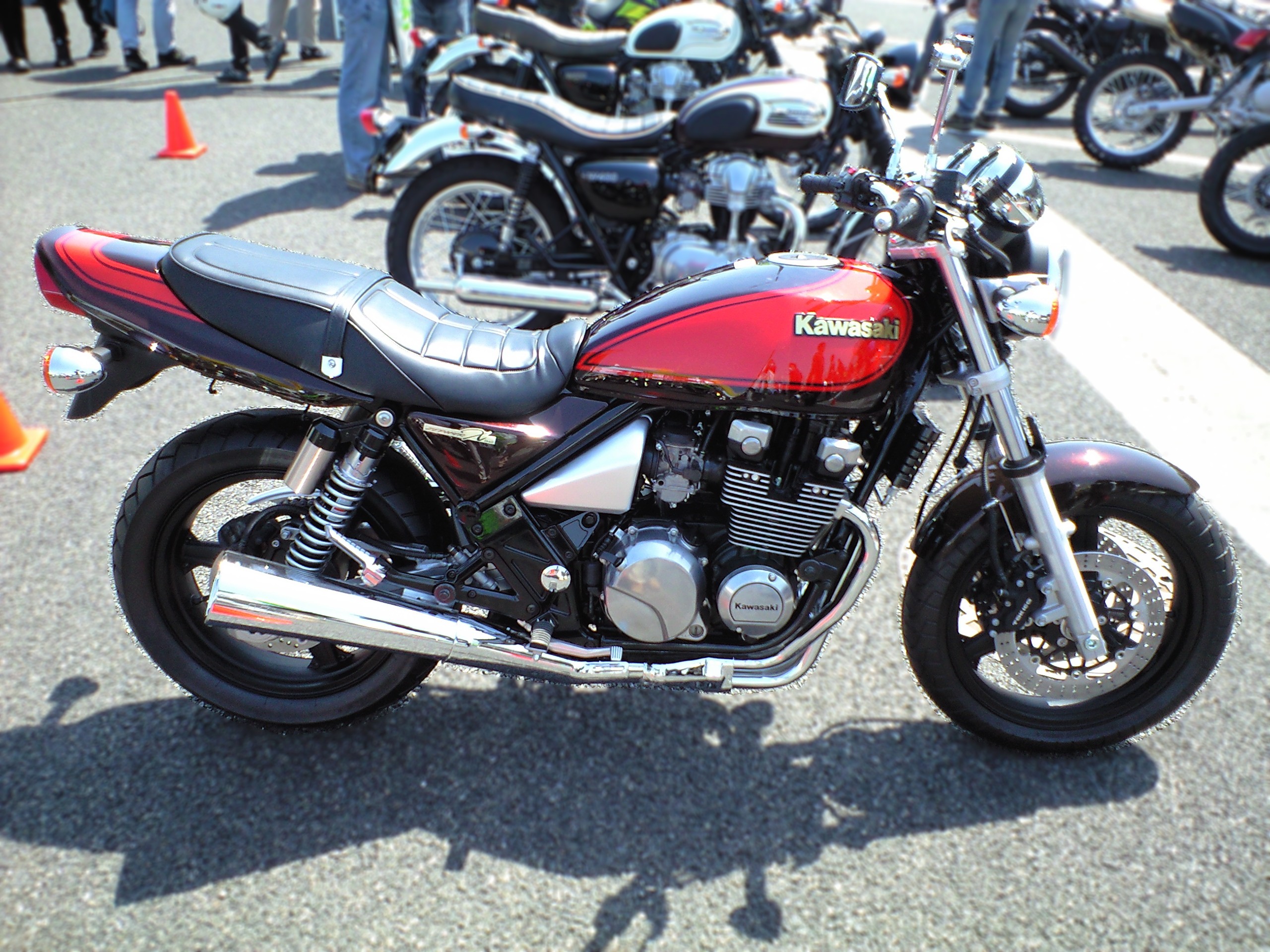
Kawasaki Z400
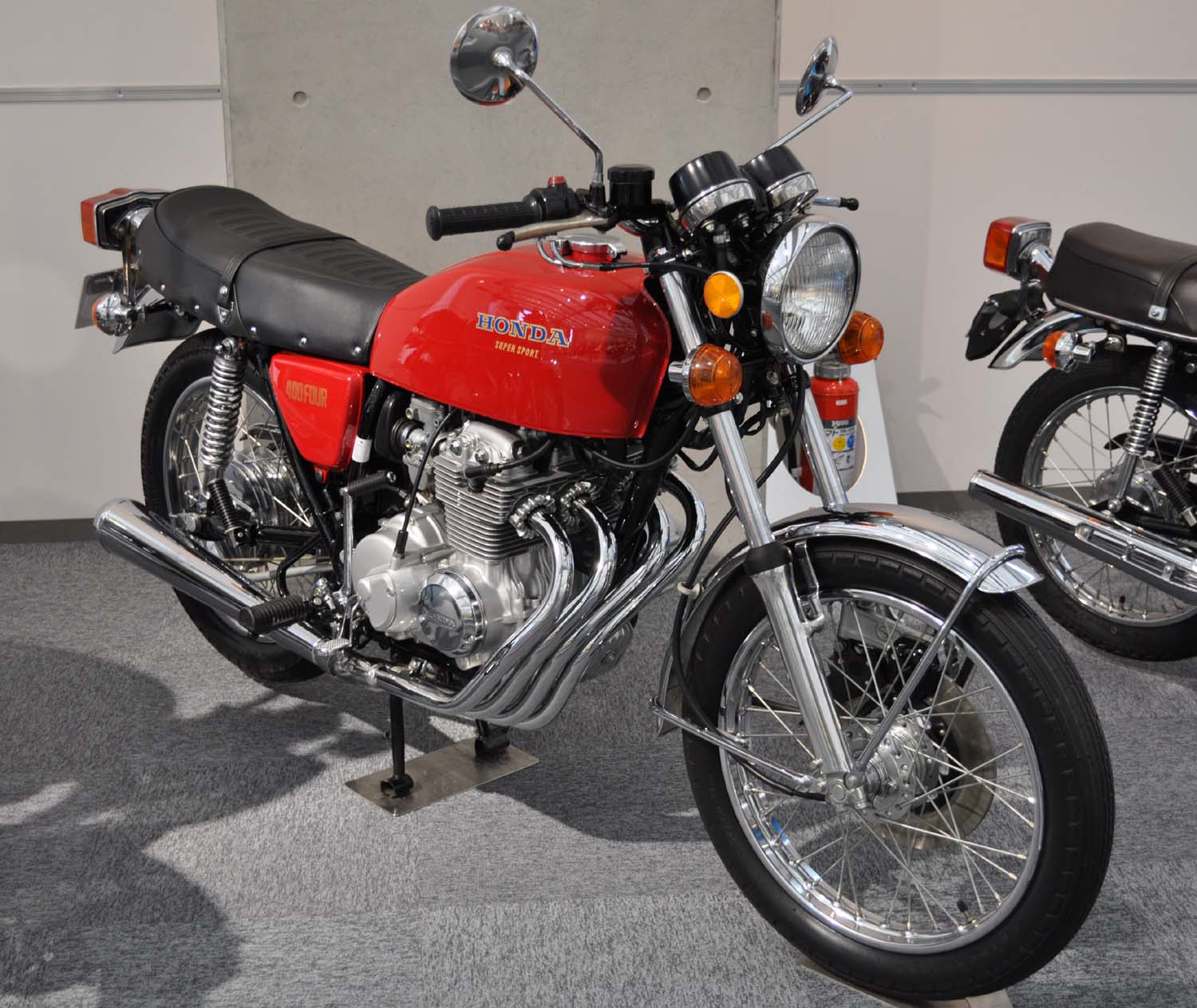
Honda Cb400
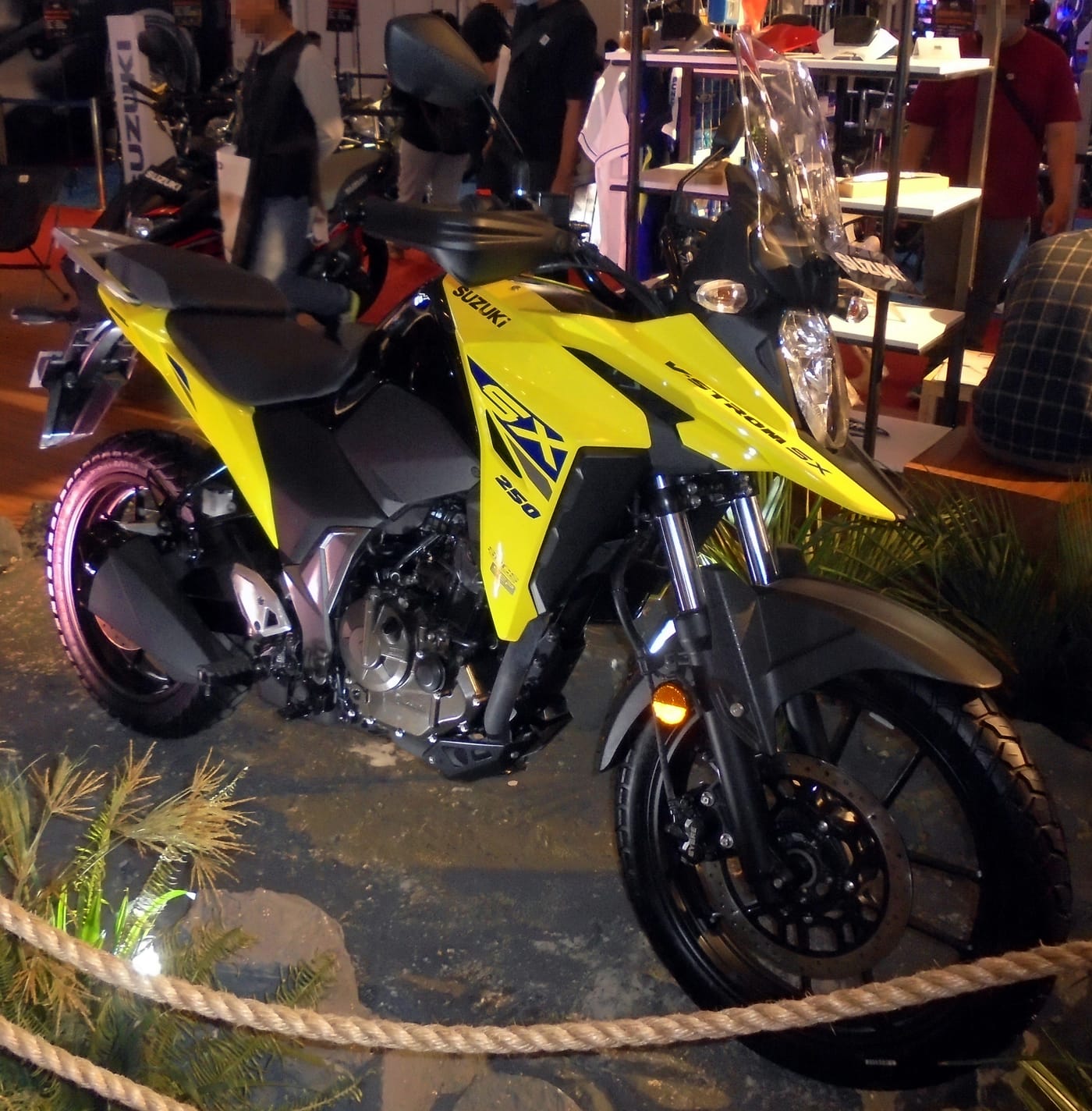
Suzuki Gsr600
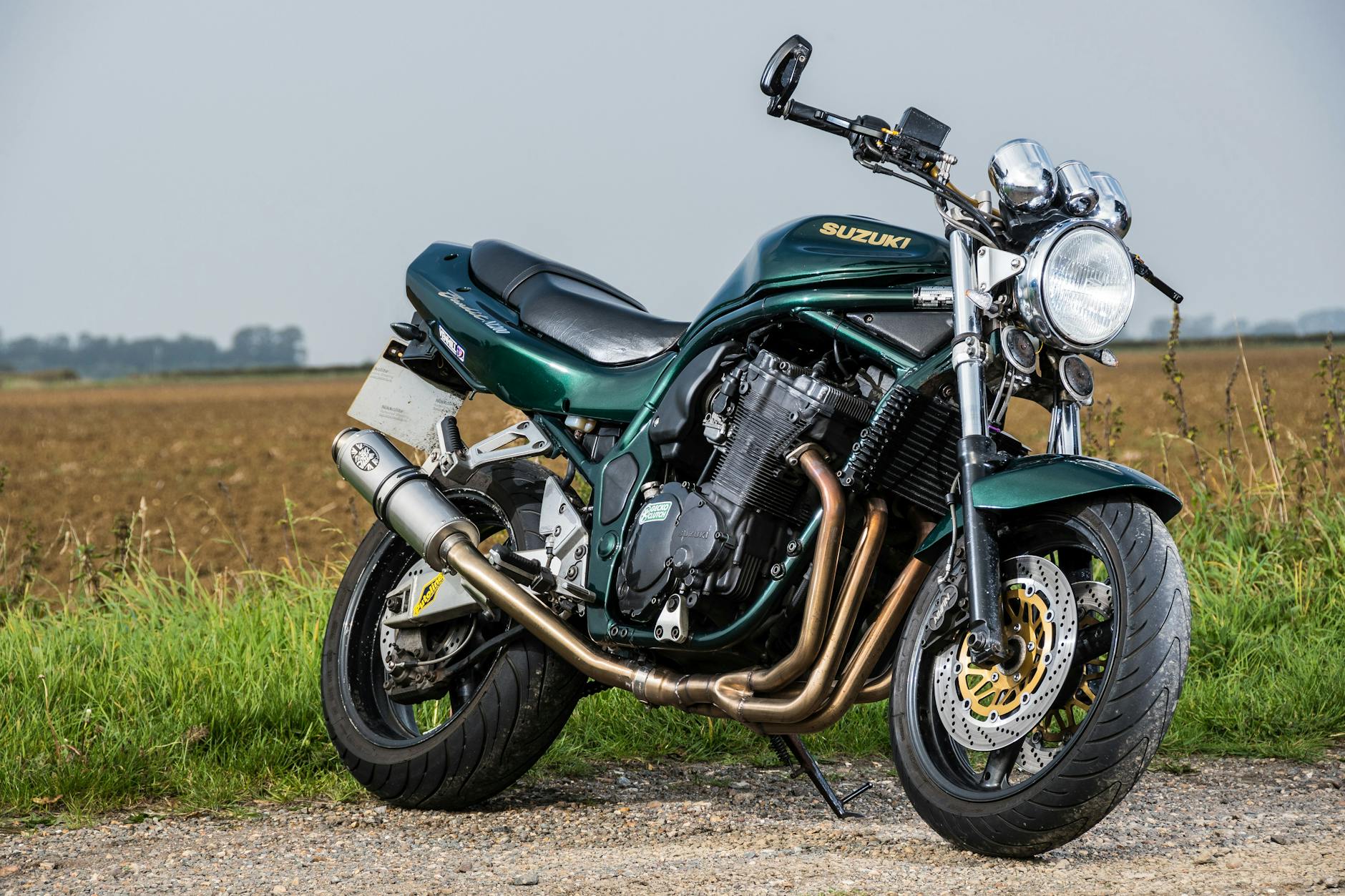
Suzuki Bandit 600

Honda Cb400sf
Compare Suzuki Gsr400 Side-by-Side
compare_arrowsSpecs, power, weight & buyer verdict — head-to-head with the bikes most often cross-shopped.
Suzuki Gsr400 vs Kawasaki Z400
Specs · Power · Buyer verdict
Suzuki Gsr400 vs Honda Cb400
Specs · Power · Buyer verdict
Suzuki Gsr400 vs Suzuki Gsr600
Specs · Power · Buyer verdict
Suzuki Gsr400 vs Suzuki Bandit 600
Specs · Power · Buyer verdict
Suzuki Gsr400 vs Honda Cb400sf
Specs · Power · Buyer verdict
More Suzuki Gsr400 Guides
More from Suzuki
View all Suzuki models →Community Reviews
Discussion
Frequently Asked Questions
What are common problems with the Suzuki Gsr400? +
Carb sync and jetting issues: Rough idle, flat spots, uneven throttle response (moderate) | Rectifier/regulator failure: Battery not charging, flickering lights at high RPM (serious) | Cam chain tensioner wear: Rattling noise on cold start near engine top (moderate)
Is the Suzuki Gsr400 a good motorcycle? +
A rewarding, rev-hungry gem if you buy carefully. Rating: 7.5/10. Best for: Experienced riders wanting affordable inline-four thrills. Avoid if: You need easy parts availability and dealer support.
What is the horsepower of the Suzuki Gsr400? +
The Suzuki Gsr400 produces 55 hp @ 12,000 rpm (Note: best estimate; exact figures vary by market spec), with 40 Nm @ 10,000 rpm (Note: best estimate) of torque. Top speed: 180 km/h (estimated).
Is the Suzuki Gsr400 good for beginners? +
Yes — the Suzuki Gsr400 is a reasonable choice for new riders (55 hp is manageable), weighing 181 kg. Experienced riders wanting affordable inline-four thrills
Is the Suzuki Gsr400 reliable? +
Owners report 1 critical issue to watch for on the Suzuki Gsr400, notably: Rectifier/regulator failure (Battery not charging, flickering lights at high RPM). Buy with a pre-purchase inspection.
Is the Suzuki Gsr400 good for daily use? +
Experienced riders wanting affordable inline-four thrills Fuel: 5.5 L/100km (approx. 18 km/L typical real-world average).
How fast is the Suzuki Gsr400? +
The Suzuki Gsr400 reaches a top speed of 180 km/h (estimated), producing 55 hp at 181 kg curb weight. Real-world performance depends on rider weight, gearing, and road conditions.
What gear should I buy for a Suzuki Gsr400? +
Motoryk has curated a Top 10 gear list specifically for the Suzuki Gsr400, covering engine oil, tires, chain, battery, and brake pads — see motoryk.com/bikes/suzuki/gsr400/top10. Each pick is matched to this bike's spec.