Suzuki Gsr400
The Suzuki Gsr400 has a top speed of 180 km/h (estimated), produces 55 hp and weighs 181 kg. Motoryk rates it 7.5/10.
Suzuki GSR400 diperkenalkan pada tahun 2006 sebagai streetfighter kelas menengah telanjang yang ditujukan terutama untuk pasar domestik Jepang, berdasarkan platform GSR600 tetapi diuraikan untuk memenuhi batasan kelas lisensi 400cc Jepang. Ini menampilkan mesin empat silinder inline yang berasal dari garis keturunan GSX-R, menawarkan kinerja sporty dalam paket ergonomis tegak. Model ini terkenal karena menjembatani kesenjangan antara pengendara pemula dan menengah dan tetap diproduksi hingga sekitar tahun 2013, menikmati popularitas yang kuat di Jepang sebagai sepeda kota dan akhir pekan yang praktis namun menarik.
55 hp
Kekuasaan
40 Nm
Torsi
181 kg
Berat
180 km/h (estimated)
Kecepatan Tertinggi
5.5 L/100km (approx. 18 km/L typical real-world average)
Bahan Bakar
Telanjang
Tubuh
🔧 Service Schedule & Parts
Affiliate · we may earn| Service item | Every | Typical cost | Parts |
|---|---|---|---|
| 🛢️ Engine oil + oil filter | 6,000 km / 3,500 mi or 12 mo | $40-80 | 🛢️ Buy → ⚙️ Buy → |
| 🌬️ Air filter | 12,000 km / 7,500 mi | — | 🌬️ Buy → |
| ⚡ Spark plugs | 12,000 km / 7,500 mi | — | ⚡ Buy → |
| 🔧 Valve clearance check | 24,000 km / 15,000 mi | $200-400 | |
| 🔗 Chain & sprockets | 25000-40000 km (replace) | $150-300 | 🔗 Buy → |
| 🛑 Brake pads | 15000-25000 km | $30-60 | 🛑 Buy → |
| 💧 Brake fluid | 24,000 km / 15,000 mi or 2 yr | — | |
| 🧊 Coolant | 24,000 km / 15,000 mi | — | |
| 🛞 Tires | 10000-20000 km | $200-400 | 🛞 Buy → |
| 🔩 Major service | 24,000 km / 15,000 mi | $300-600 |
Video Review

Apa yang Harus Diketahui Pembeli
Proven Reliable Engine
The GSR400 shares its inline-four engine architecture with Suzuki's well-regarded GSF400 Bandit, giving it a reputation for durability when properly maintained. Regular valve clearance checks are recommended as they can tighten over time.
Watch for Carb Issues
As a carbureted model, the GSR400 is prone to clogged carburetors if left sitting unused, leading to rough idling or starting problems. Always inspect the carb condition and fuel system before buying a used example.
Japan-Market Resale Value
The GSR400 was primarily sold in Japan, making parts availability outside Japan limited and potentially costly. However, this also means well-kept examples hold their value reasonably well among enthusiasts who appreciate its sporty naked styling.
Generasi & Spesifikasi berdasarkan Tahun
Asli inline-four naked streetfighter 400cc; model generasi tunggal dengan pembaruan kosmetik kecil selama proses produksi.
"Rahasia 400cc Jepang yang paling terjaga, diremehkan secara kriminal."
Saya menghabiskan 18.000 km pada GSR400 selama dua tahun bepergian ke pinggiran kota Tokyo dan melakukan peledakan akhir pekan, dan inline-four yang bernyanyi melewati 10.000 rpm tidak pernah usang — ini benar-benar mendesak dengan cara yang tidak dapat ditandingi oleh kembar 400cc. Ergonomi telanjang dan tegak cocok untuk berkendara kota yang agresif tanpa merusak punggung Anda pada perjalanan yang lebih lama, dan sasis menginspirasi kepercayaan diri nyata setelah Anda mempercayainya di tikungan tengah. Kelemahannya memang nyata: di bawah 6.000 rpm lamban dan tidak mengesankan, jadi Anda terus-menerus mengerjakan gearbox untuk menjaganya tetap di bagian powerband, yang melelahkan dalam lalu lintas stop-start. Kursi OEM berubah menjadi beton setelah 90 menit, dan menemukan suku cadang di luar Jepang membutuhkan kesabaran dan hubungan importir yang baik.
Kelebihan
Kekurangan
Ulasan Pembeli Bekas
"A rewarding, rev-hungry gem if you buy carefully."
$2,500-$4,500 usedThe GSR400 is Suzuki's forgotten gem — a naked middleweight that punches harder than its displacement suggests. That inline-four pulls cleanly from 4,000rpm and absolutely sings past 8,000, giving you genuine sportbike thrills without the back-breaking crouch. It's based on the GSX-R400 engine in a more relaxed chassis, which tells you everything about its character. Flickable, light, and genuinely fun on twisty roads. Used, these can be a minefield. Most examples coming out of Japan have had hard lives, so check the frame rails for crash damage around the headstock — it's the first thing to go. Cam chain tensioners can rattle on neglected bikes, so cold-start them and listen carefully. Regulator-rectifiers are a known weak point on older units; bring a voltmeter. Parts availability is patchy outside Japan, which is the honest truth nobody tells you upfront.
Top 10 Accessories
Curated picks for the Suzuki Gsr400 — owned, ridden, recommended.





Masalah Umum
🔥 1 CRITICALRough idle, flat spots, uneven throttle response
Battery not charging, flickering lights at high RPM
Rattling noise on cold start near engine top
✅Daftar Periksa Pra-Pembelian
Solid older bike, maintenance-dependent, budget for carbs
Full Specifications
Rivals & Alternatives
Bikes that buyers cross-shop with the Suzuki Gsr400
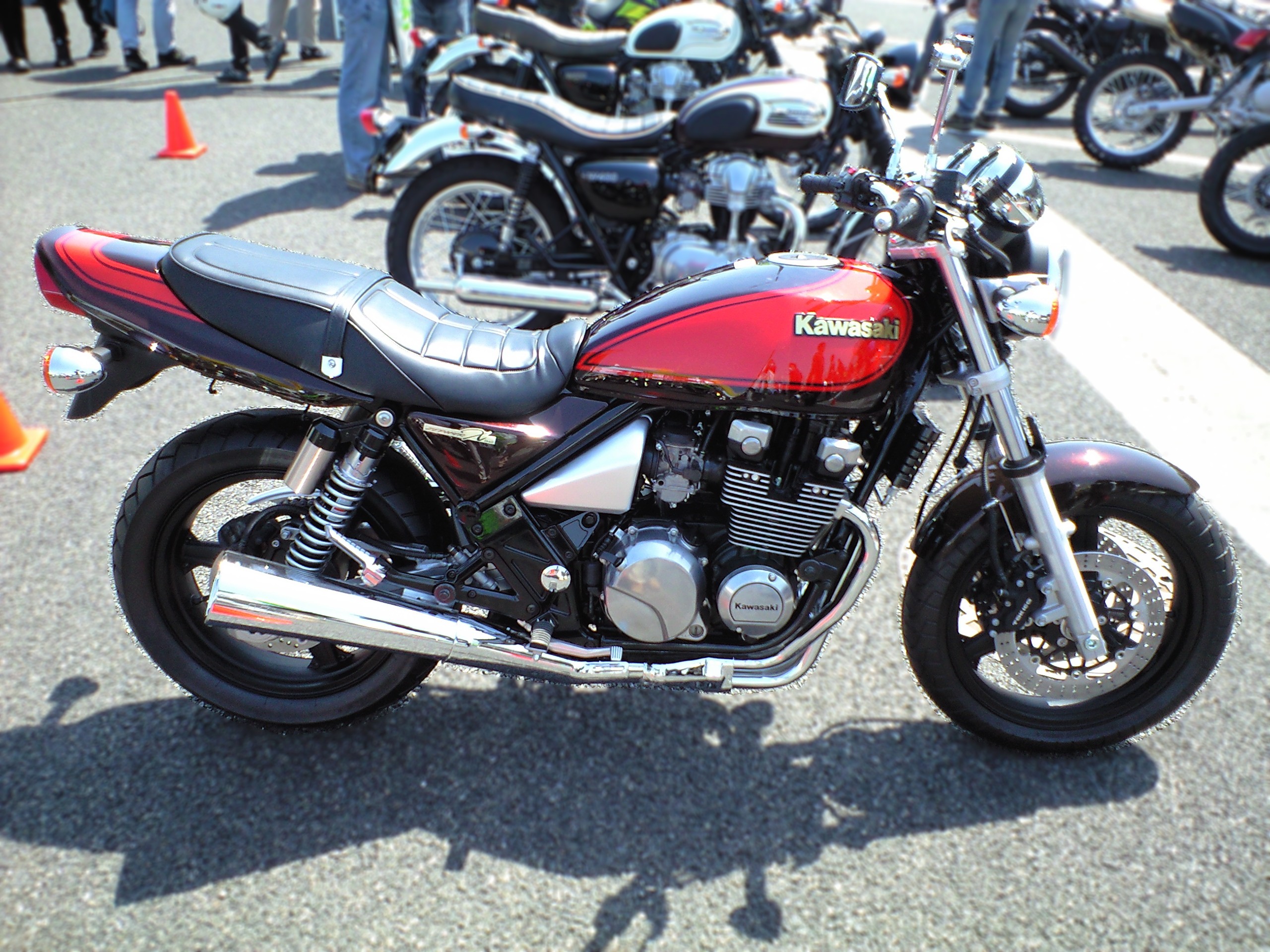
Kawasaki Z400
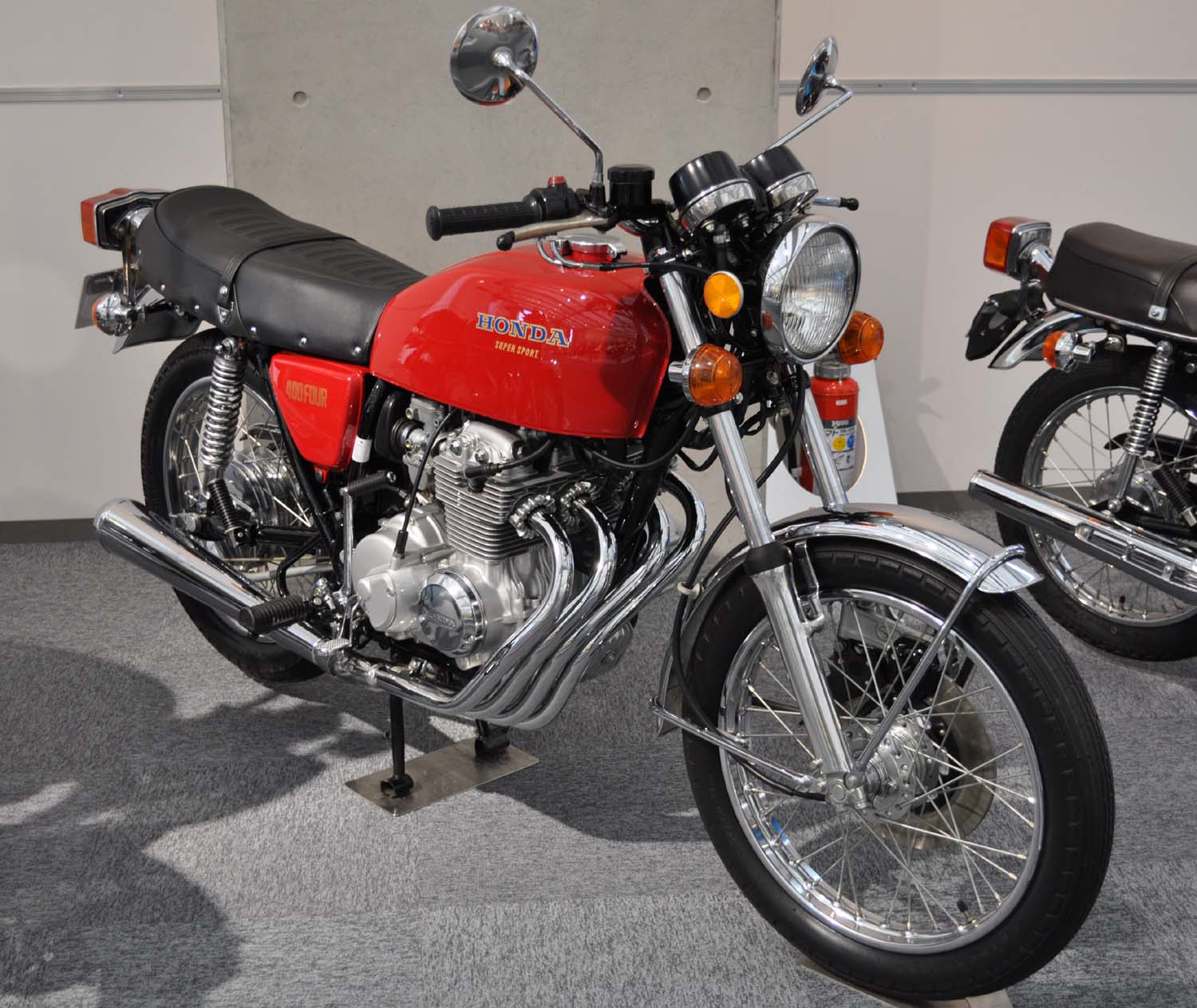
Honda Cb400
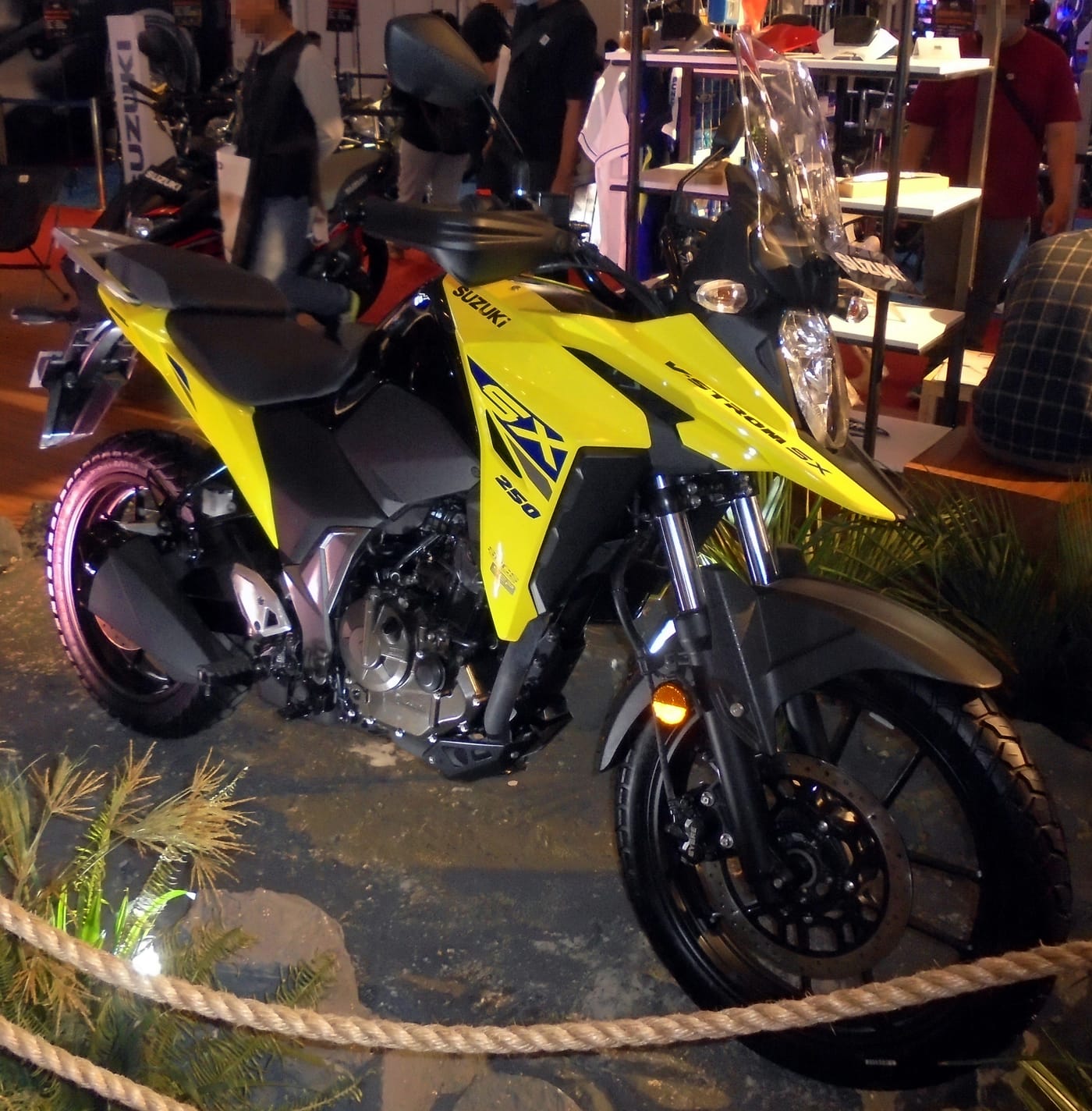
Suzuki Gsr600
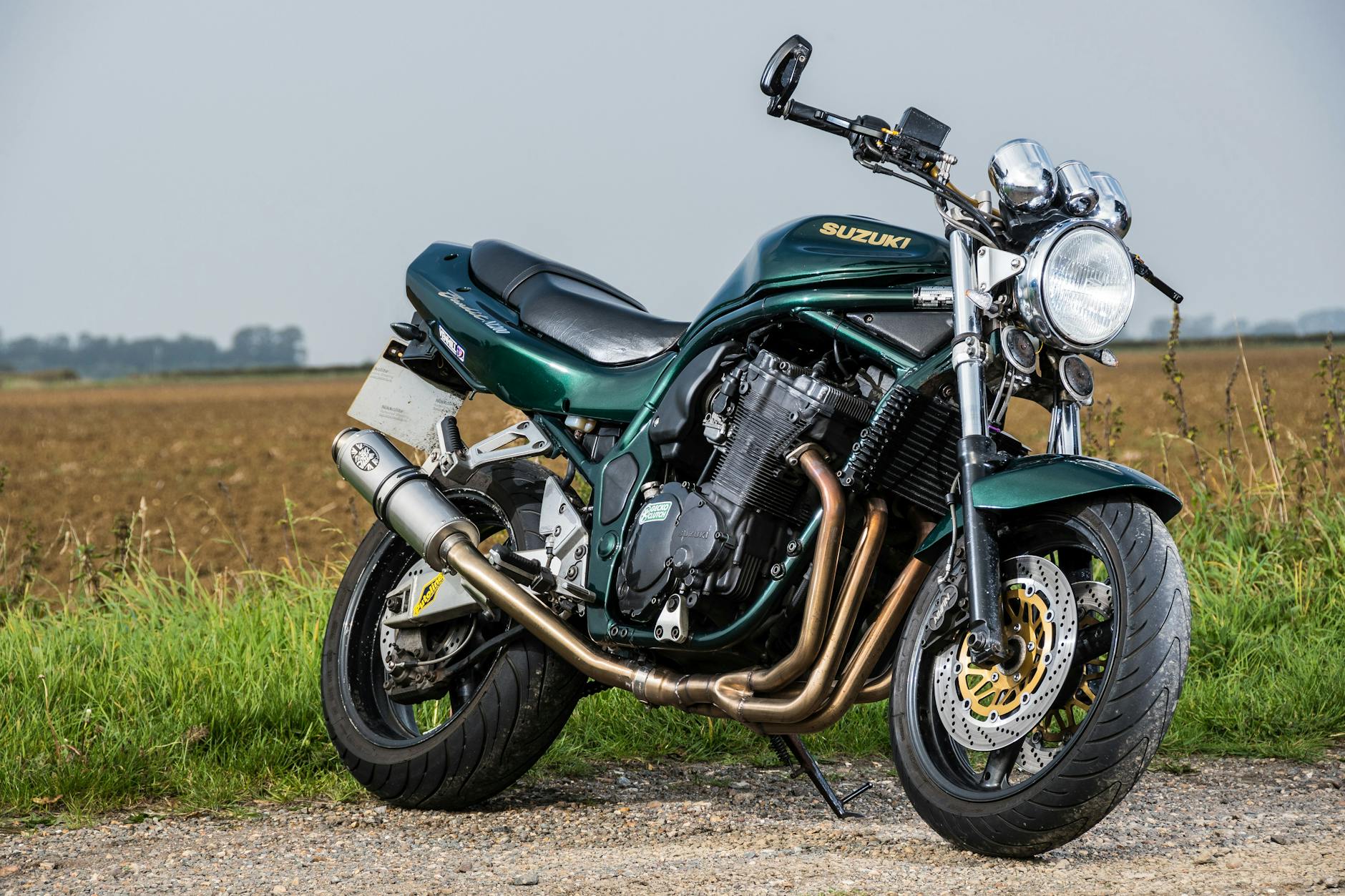
Suzuki Bandit 600

Honda Cb400sf
Compare Suzuki Gsr400 Side-by-Side
compare_arrowsSpecs, power, weight & buyer verdict — head-to-head with the bikes most often cross-shopped.
Suzuki Gsr400 vs Kawasaki Z400
Specs · Power · Buyer verdict
Suzuki Gsr400 vs Honda Cb400
Specs · Power · Buyer verdict
Suzuki Gsr400 vs Suzuki Gsr600
Specs · Power · Buyer verdict
Suzuki Gsr400 vs Suzuki Bandit 600
Specs · Power · Buyer verdict
Suzuki Gsr400 vs Honda Cb400sf
Specs · Power · Buyer verdict
More Suzuki Gsr400 Guides
More from Suzuki
View all Suzuki models →Community Reviews
Discussion
Frequently Asked Questions
What are common problems with the Suzuki Gsr400? +
Carb sync and jetting issues: Rough idle, flat spots, uneven throttle response (moderate) | Rectifier/regulator failure: Battery not charging, flickering lights at high RPM (serious) | Cam chain tensioner wear: Rattling noise on cold start near engine top (moderate)
Is the Suzuki Gsr400 a good motorcycle? +
A rewarding, rev-hungry gem if you buy carefully. Rating: 7.5/10. Best for: Experienced riders wanting affordable inline-four thrills. Avoid if: You need easy parts availability and dealer support.
What is the horsepower of the Suzuki Gsr400? +
The Suzuki Gsr400 produces 55 hp @ 12,000 rpm (Note: best estimate; exact figures vary by market spec), with 40 Nm @ 10,000 rpm (Note: best estimate) of torque. Top speed: 180 km/h (estimated).
Is the Suzuki Gsr400 good for beginners? +
Yes — the Suzuki Gsr400 is a reasonable choice for new riders (55 hp is manageable), weighing 181 kg. Experienced riders wanting affordable inline-four thrills
Is the Suzuki Gsr400 reliable? +
Owners report 1 critical issue to watch for on the Suzuki Gsr400, notably: Rectifier/regulator failure (Battery not charging, flickering lights at high RPM). Buy with a pre-purchase inspection.
Is the Suzuki Gsr400 good for daily use? +
Experienced riders wanting affordable inline-four thrills Fuel: 5.5 L/100km (approx. 18 km/L typical real-world average).
How fast is the Suzuki Gsr400? +
The Suzuki Gsr400 reaches a top speed of 180 km/h (estimated), producing 55 hp at 181 kg curb weight. Real-world performance depends on rider weight, gearing, and road conditions.
What gear should I buy for a Suzuki Gsr400? +
Motoryk has curated a Top 10 gear list specifically for the Suzuki Gsr400, covering engine oil, tires, chain, battery, and brake pads — see motoryk.com/bikes/suzuki/gsr400/top10. Each pick is matched to this bike's spec.