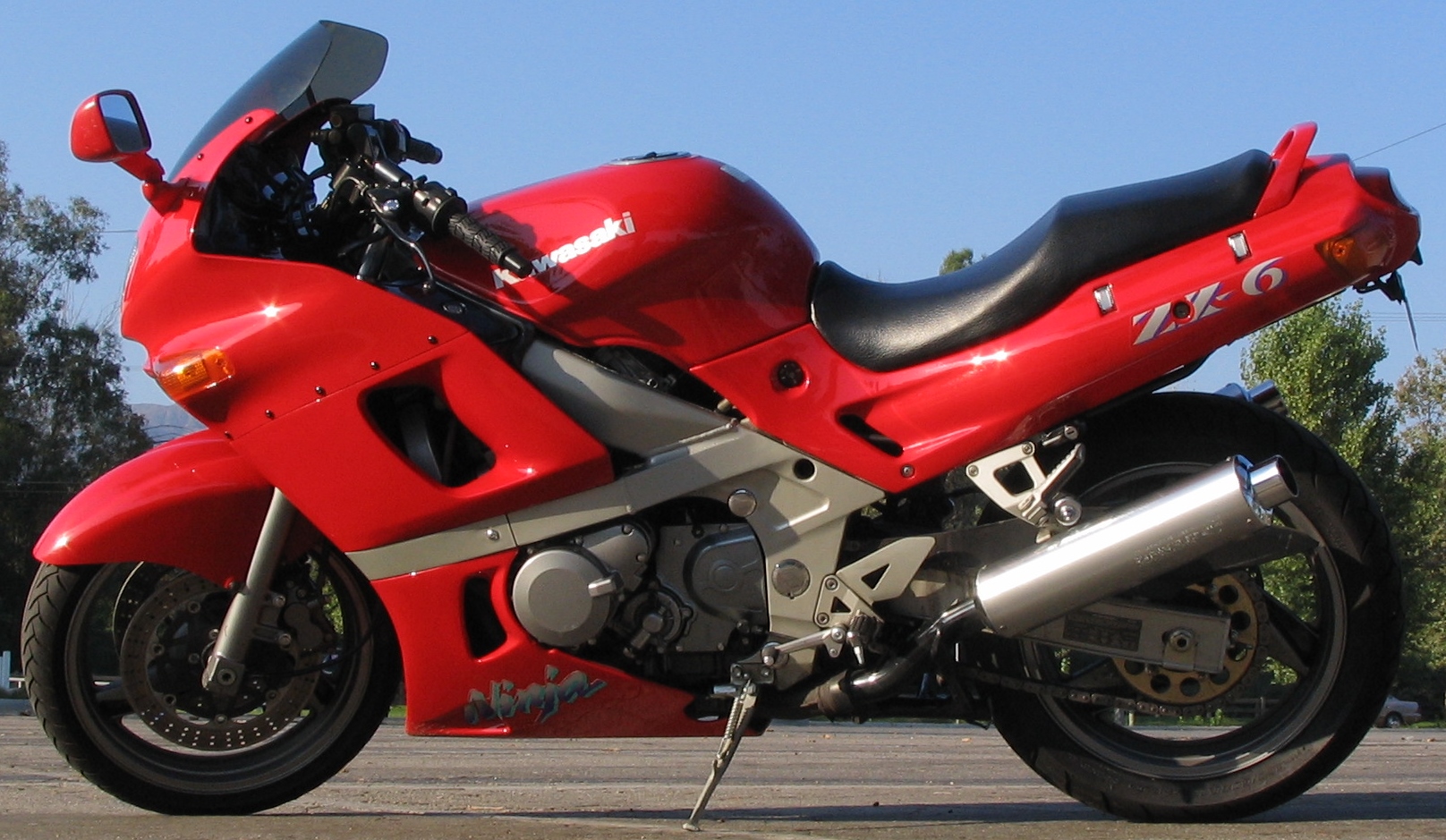
Kawasaki Zzr600
The Kawasaki Zzr600 has a top speed of 250 km/h (est. — note: electronically or mechanically limited on some models; figures vary slightly by year), produces 98 hp and weighs 206 kg. Motoryk rates it 8/10.
La Kawasaki ZZR600 (conocida como ZX-6 en algunos mercados) se introdujo en 1990 como una moto deportiva de turismo mediano, sucediendo a la ZX-600C. Se fabricó hasta 2006 y fue elogiada por su combinación de facilidad de uso diario, suave entrega de potencia y comodidad en carretera, lo que la hizo popular entre los ciclistas que querían un rendimiento deportivo sin la ergonomía agresiva de las bicicletas centradas exclusivamente en las carreras. Aunque con el tiempo fue eclipsada por las superdeportivas de 600 cc, más centradas en las pistas, mantuvo una gran cantidad de seguidores gracias a su carácter versátil e indulgente.
98 hp
Potencia
67 Nm
Torsión
206 kg
Peso
250 km/h (est. — note: electronically or mechanically limited on some models; figures vary slightly by year)
Velocidad máxima
6.5 L/100km (approx. 15.4 km/L, typical real-world average)
Combustible
Carenado
Cuerpo
🔧 Service Schedule & Parts
Affiliate · we may earn| Service item | Every | Typical cost | Parts |
|---|---|---|---|
| 🛢️ Engine oil + oil filter | 6,000 km / 3,500 mi or 12 mo | $40-80 | 🛢️ Buy → ⚙️ Buy → |
| 🌬️ Air filter | 12,000 km / 7,500 mi | — | 🌬️ Buy → |
| ⚡ Spark plugs | 12,000 km / 7,500 mi | — | ⚡ Buy → |
| 🔧 Valve clearance check | 24,000 km / 15,000 mi | $200-400 | |
| 🔗 Chain & sprockets | 25000-40000 km (replace) | $150-300 | 🔗 Buy → |
| 🛑 Brake pads | 15000-30000 km | $30-60 | 🛑 Buy → |
| 💧 Brake fluid | 24,000 km / 15,000 mi or 2 yr | — | |
| 🧊 Coolant | 24,000 km / 15,000 mi | — | |
| 🛞 Tires | 10000-20000 km | $200-400 | 🛞 Buy → |
| 🔩 Major service | 24,000 km / 15,000 mi | $300-600 |
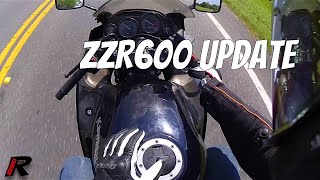
Video Review
Lo que los compradores deben saber
Rock-Solid Reliability
The ZZR600's inline-4 engine is known for exceptional longevity, often exceeding 60,000 miles with basic maintenance. It's considered one of Kawasaki's most bulletproof engines from the 1990s-2000s era.
Watch the Carbs
Carbureted models (pre-2005) are prone to clogged jets from ethanol-blended fuel, especially on bikes that sat unused. Always inspect or request a fresh carb clean before buying.
Strong Budget Value
The ZZR600 holds steady as an affordable used sport-tourer, offering near-600cc supersport performance at a fraction of the price. Its understated styling means prices rarely spike, making it a smart buyer's choice.
Generaciones y especificaciones por año
Lanzamiento inicial de la ZZR600: moto deportiva con cuatro cilindros en línea de 599 cc, admisión de aire y carenado completo basada en la plataforma ZX-6.
"El GT cama de Kawasaki que superó silenciosamente a todo."
La ZZR600 llegó en 1990 como la hermana sensata de la ZX-6, y pasé dos años viajando y haciendo giras en una antes de apreciar plenamente lo que Kawasaki había construido. Este motor de 599 cc arranca con fuerza a partir de las 7.000 rpm y supera con creces las 10.000. La entrada de aire comprimido añade un auténtico aullido de inducción que hace que te sientas más rápido de lo que probablemente deberías un martes por la mañana. No es un arma muy afilada; la dirección es deliberada y no urgente, y sus 208 kg de peso en superficie mojada te hacen recordar los giros lentos en U en los aparcamientos. Pero si lo diriges a una autopista o a una amplia carretera A, todo el carenado te arropa, el motor deja de funcionar y empieza a fluir, y 249 km/h se vuelven embarazosamente plausibles en el tramo correcto de la carretera.
Pros
Contras
Carrocería rediseñada, sistema ram-air revisado, geometría del chasis actualizada, frenos mejorados y pequeñas mejoras en la carburación durante la producción.
"Bicicleta deportiva honesta y trabajadora que recompensa a los ciclistas pacientes."
Recorrí casi 18.000 km en una ZZR600 del 2001 y se ganó mi respeto por las malas, no porque me deslumbró, sino porque nunca me decepcionó. El motor es una joya por debajo de las 9.000 rpm, ya que arranca sin problemas desde las 4.000, con una autonomía media suficiente para que las ráfagas en carretera B sean realmente satisfactorias, y luego grita a la línea roja con auténtica convicción cuando lo pides. El chasis es más estable que emocionante: se conduce con un esfuerzo deliberado y no con el movimiento de un 600 Supersport, lo que al principio me molestó, pero hizo que los puertos largos de montaña parecieran confiables en lugar de nerviosos. Los carbohidratos se congelan en climas fríos y húmedos y el carenado permite que el viento de la autopista te castigue los hombros a más de 150 km/h, pero esas son las ventajas y desventajas de una bicicleta diseñada para ser rápida, práctica y duradera, en lugar de glamurosa.
Pros
Contras
Reseña de un comprador usado
"The thinking rider's used 600 — reliable, capable, and criminally undervalued."
$2,500-$5,500 usedThe ZZR600 is one of motorcycling's best-kept secrets, and honestly, the used market is where it truly shines. Kawasaki built this thing like a tank — the inline-four is virtually bulletproof if it's been serviced, and finding one with 40,000 miles that still pulls cleanly isn't unusual. It sits in that sweet spot between a flickable 600 supersport and a comfortable sport-tourer, which means it's genuinely usable every day without punishing your wrists. That said, do your homework before handing over cash. Check the fairings carefully — replacements are getting harder to source and expensive when you find them. The front forks on older examples can feel vague if the seals haven't been replaced, and the fuel tap has a known tendency to weep. A pre-purchase inspection is non-negotiable here. Carbed models need the carbs balanced or they'll run rough at low throttle openings. Overall though, for the money you'll spend on a clean example, nothing else comes close in terms of reliability, real-world performance, and long-term ownership costs.
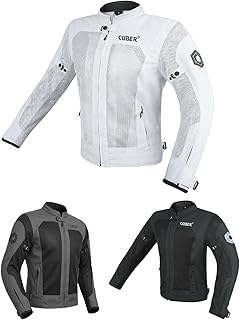
Top 10 Accessories
Curated picks for the Kawasaki Zzr600 — owned, ridden, recommended.




Problemas comunes
🔥 1 CRITICALIdle quality, throttle response, fuel vacuum lines condition
Oil residue on lower fork legs near seals
Voltage at idle and rev, check for overheating unit
Cold start rattle noise from upper engine area
✅Lista de verificación previa a la compra
Solid reliable bike if properly maintained
Full Specifications
Rivals & Alternatives
Bikes that buyers cross-shop with the Kawasaki Zzr600
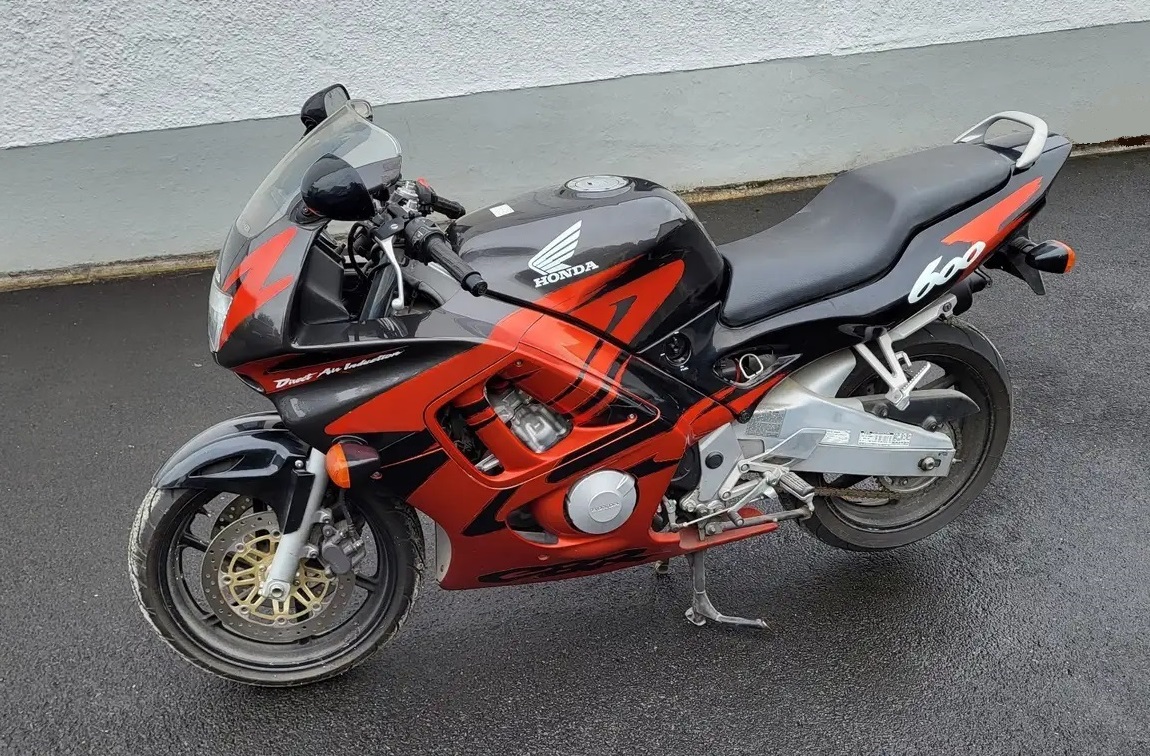
Honda Cbr600f

Honda Cbr600f4
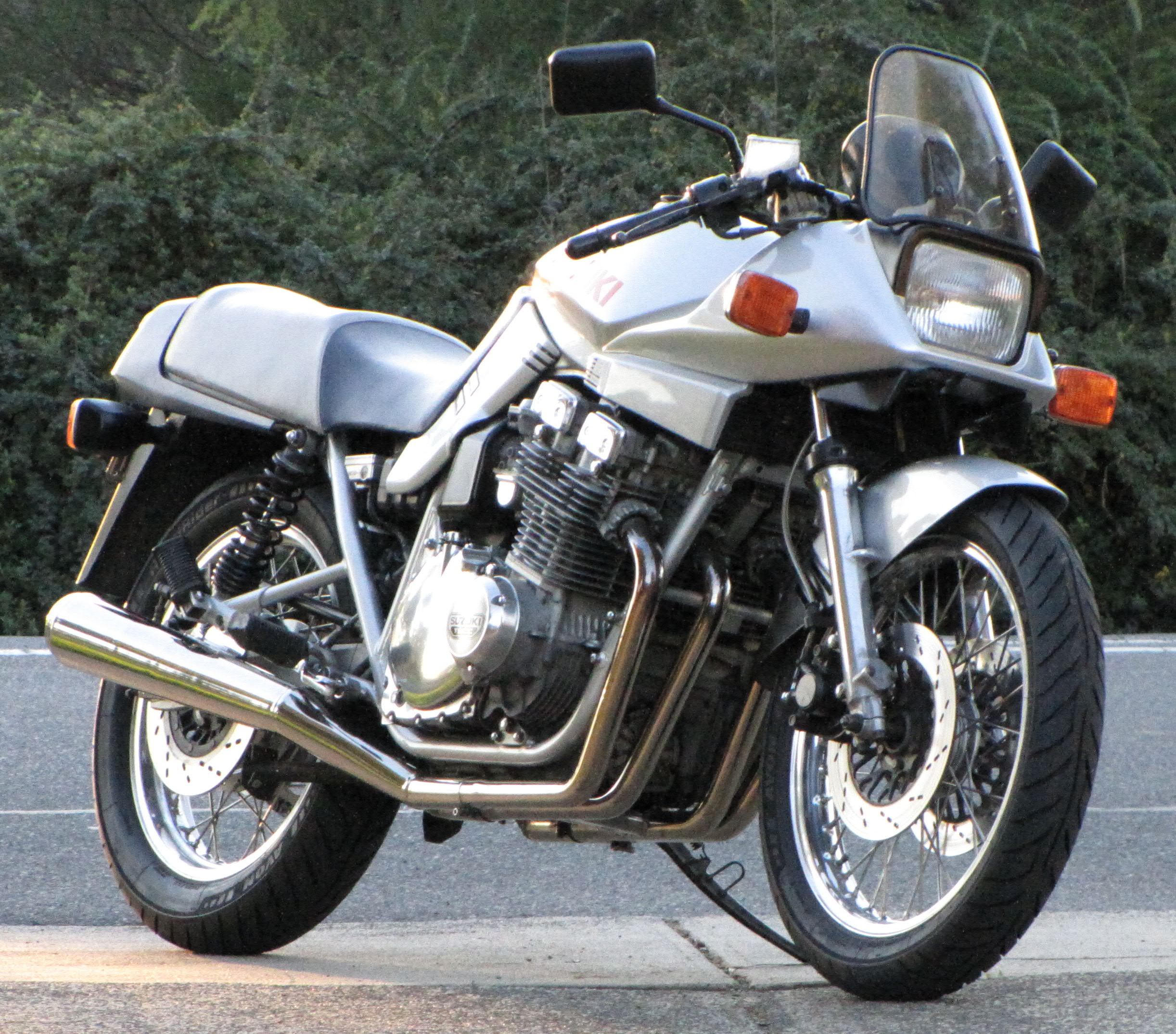
Suzuki Gsx750f Katana
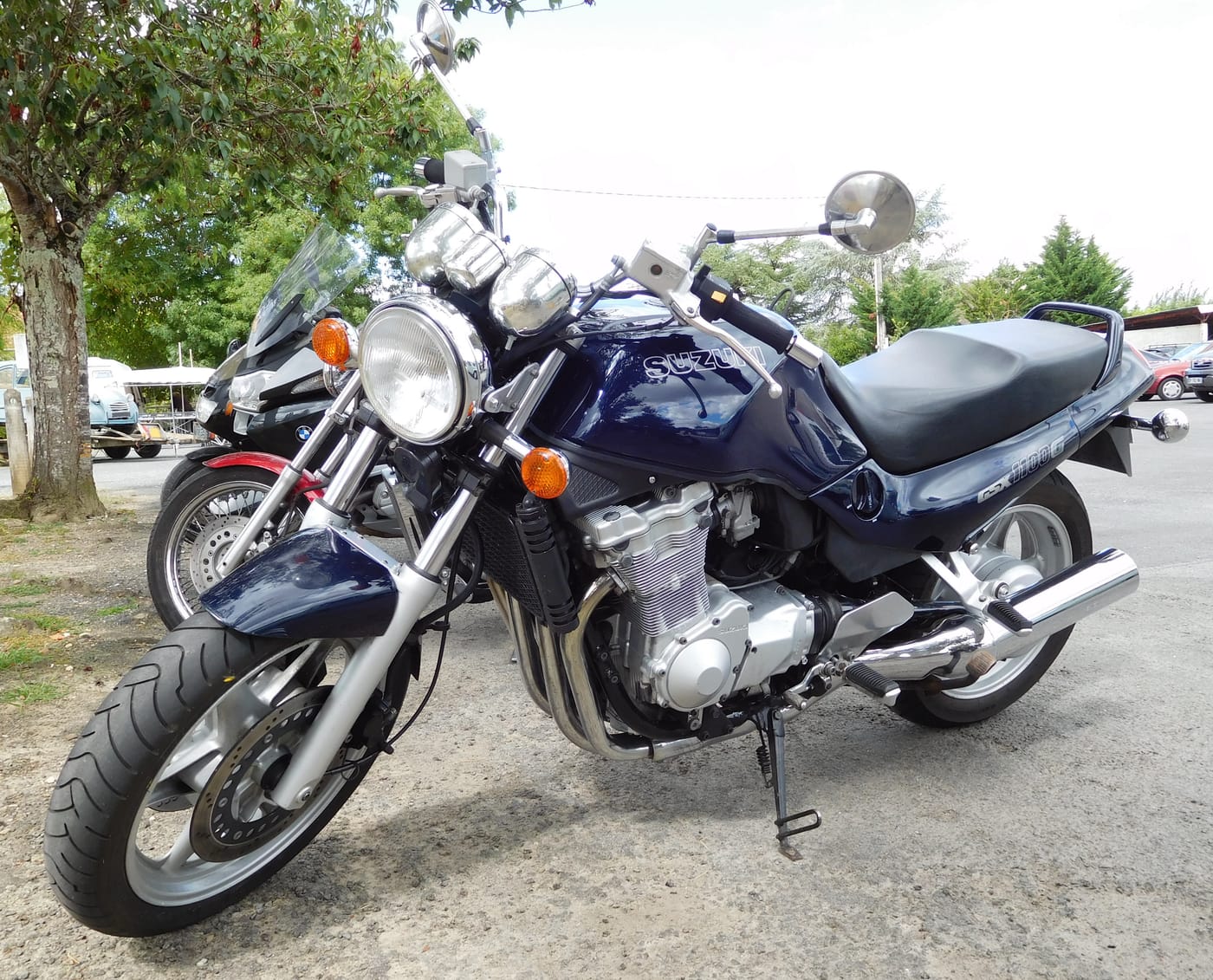
Suzuki Gsx600f Katana
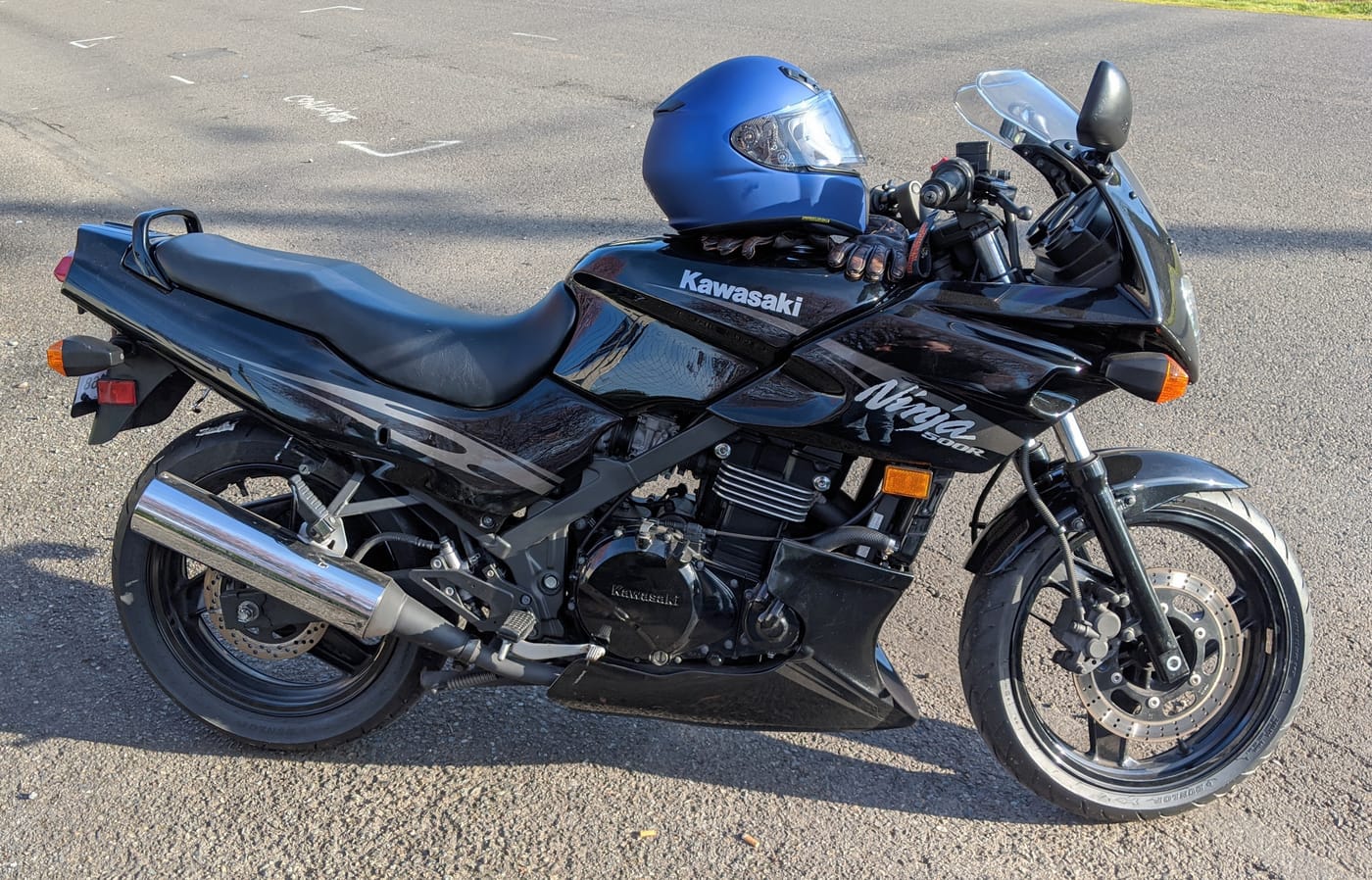
Kawasaki Gpz500s
Compare Kawasaki Zzr600 Side-by-Side
compare_arrowsSpecs, power, weight & buyer verdict — head-to-head with the bikes most often cross-shopped.
Kawasaki Zzr600 vs Honda Cbr600f
Specs · Power · Buyer verdict
Kawasaki Zzr600 vs Honda Cbr600f4
Specs · Power · Buyer verdict
Kawasaki Zzr600 vs Suzuki Gsx750f Katana
Specs · Power · Buyer verdict
Kawasaki Zzr600 vs Suzuki Gsx600f Katana
Specs · Power · Buyer verdict
Kawasaki Zzr600 vs Kawasaki Gpz500s
Specs · Power · Buyer verdict
More Kawasaki Zzr600 Guides
More from Kawasaki
View all Kawasaki models →Community Reviews
Discussion
Frequently Asked Questions
What are common problems with the Kawasaki Zzr600? +
Carb sync and jet clogging from sitting: Idle quality, throttle response, fuel vacuum lines condition (moderate) | Fork seal leaks on high mileage bikes: Oil residue on lower fork legs near seals (moderate) | Rectifier regulator failure, kills battery: Voltage at idle and rev, check for overheating unit (serious)
Is the Kawasaki Zzr600 a good motorcycle? +
The thinking rider's used 600 — reliable, capable, and criminally undervalued. Rating: 8.0/10. Best for: Daily commuters wanting sporty weekend capability too. Avoid if: You need cutting-edge track performance or modern electronics.
What is the horsepower of the Kawasaki Zzr600? +
The Kawasaki Zzr600 produces 98 hp @ 11,000 rpm (2005–2006 model; earlier models approx. 95 hp), with 67 Nm @ 9,500 rpm of torque. Top speed: 250 km/h (est. — note: electronically or mechanically limited on some models; figures vary slightly by year).
Is the Kawasaki Zzr600 good for beginners? +
Not really — the Kawasaki Zzr600 is better for experienced riders. Daily commuters wanting sporty weekend capability too Avoid if: You need cutting-edge track performance or modern electronics
Is the Kawasaki Zzr600 reliable? +
Owners report 1 critical issue to watch for on the Kawasaki Zzr600, notably: Rectifier regulator failure, kills battery (Voltage at idle and rev, check for overheating unit). Buy with a pre-purchase inspection.
Is the Kawasaki Zzr600 good for daily use? +
Daily commuters wanting sporty weekend capability too Fuel: 6.5 L/100km (approx. 15.4 km/L, typical real-world average).
How fast is the Kawasaki Zzr600? +
The Kawasaki Zzr600 reaches a top speed of 250 km/h (est. — note: electronically or mechanically limited on some models; figures vary slightly by year), producing 98 hp at 206 kg curb weight. Real-world performance depends on rider weight, gearing, and road conditions.
What gear should I buy for a Kawasaki Zzr600? +
Motoryk has curated a Top 10 gear list specifically for the Kawasaki Zzr600, covering engine oil, tires, chain, battery, and brake pads — see motoryk.com/bikes/kawasaki/zzr600/top10. Each pick is matched to this bike's spec.