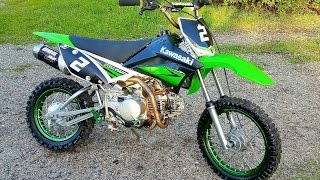
Kawasaki Klx110
The Kawasaki Klx110 has a top speed of approximately 70 km/h (estimated, varies with rider weight and terrain), produces approximately 7.3 hp and weighs 73 kg. Motoryk rates it 7.5/10.
Kawasaki KLX110 został wprowadzony w 2002 roku jako następca KDX80, zaprojektowany jako podstawowy rower terenowy, przeznaczony dla młodszych i początkujących zawodników. Został on szczególnie zaktualizowany w 2010 roku wraz z wprowadzeniem wariantu KLX110L, który charakteryzował się obniżoną wysokością siedzenia i większą ramą dla wyższych jeźdźców, poszerzając jego atrakcyjność. KLX110 pozostaje popularnym wyborem do jazdy na szlakach i wyścigach pit-rowerowych ze względu na niezawodny, łatwy w utrzymaniu silnik i wybaczającą moc.
approximately 7.3 hp
Moc
approximately 7.9 Nm
Moment obrotowy
73 kg
Waga
approximately 70 km/h (estimated, varies with rider weight and terrain)
Prędkość maksymalna
approximately 2.0 L/100km or 50 km/L (estimated real-world average)
Paliwo
Nagie
Ciało
🔧 Service Schedule & Parts
Affiliate · we may earn| Service item | Every | Typical cost | Parts |
|---|---|---|---|
| 🛢️ Engine oil + oil filter | 3,000 km / 2,000 mi or 6 mo | $20-40 | 🛢️ Buy → ⚙️ Buy → |
| 🌬️ Air filter | 6,000 km / 3,500 mi | — | 🌬️ Buy → |
| ⚡ Spark plugs | 6,000 km / 3,500 mi | — | ⚡ Buy → |
| 🔧 Valve clearance check | 12,000 km / 7,500 mi | $100-200 | |
| 🔗 Chain & sprockets | 15000-25000 km (replace) | $80-150 | 🔗 Buy → |
| 🛑 Brake pads | 10000-20000 km | $20-40 | 🛑 Buy → |
| 💧 Brake fluid | 24,000 km / 15,000 mi or 2 yr | — | |
| 🛞 Tires | 8000-15000 km | $100-200 | 🛞 Buy → |
| 🔩 Major service | 12,000 km / 7,500 mi | $150-300 |
Video Review
Co kupujący powinni wiedzieć
Rock-Solid Reliability
The KLX110's air-cooled 112cc engine is extremely simple and bulletproof, requiring minimal maintenance even with hard use. It's a favorite for beginners and kids precisely because it rarely breaks down.
Watch the Valve Clearance
The most common issue on used KLX110s is neglected valve adjustments, which can cause hard starting and reduced performance. Always ask for maintenance history and budget for a valve check when buying used.
Strong Resale Value
The KLX110 holds its value exceptionally well compared to most entry-level dirt bikes, thanks to its widespread popularity and parts availability. A well-maintained example can sell for close to its original purchase price years later.
Pokolenia i specyfikacje według roku
Wprowadzony na rynek oryginalny KLX110; chłodzony powietrzem silnik o pojemności 112 cm3, opcja sprzęgła ręcznego, podstawowe zawieszenie, brak większych aktualizacji.
"Benchmark pitbike, na który zasługuje pierwszy brud każdego dziecka."
Widziałem, jak więcej dzieci uczy się jeździć na KLX110 niż jakakolwiek inna maszyna, i jest powód - sprawa jest prawie niemożliwa do przestraszenia się, ale nie wydaje się, że jest to zabawka, gdy przypinasz ją przez ciasny, zalesiony stojak. Klucz o pojemności 112 cm3 płynnie wyciąga się z biegu jałowego bez paskudnych niespodzianek w paśmie powerband, a opcjonalna wersja ręcznego sprzęgła autentycznie uczy właściwej techniki bez odgryzania. Zawieszenie jest proste, a dno jest trudne, jeśli zaczniesz robić ambitne skoki, a 80 km/h to twardy pułap, który dorośli uderzą frustrująco szybko. Ale jako dedykowany trener pitbike i młodzieżowy, jest kuloodporny - widziałem, jak te rzeczy działają od lat tylko na wymianie oleju.
Plusy
Wady
Poprawiona geometria ramy, zaktualizowana grafika, ulepszone hamowanie, przeprojektowanie pokrywy paliwa, wariant tylnego fotela KLX110L wprowadzony w 2010 roku.
Zmienione marki KLX110R i KLX110R L; zaktualizowana stylizacja nadwozia, ulepszona ergonomia, poprawiony pakiet graficzny.
Recenzja używanego kupującego
"An honest, durable starter that earns its legendary pit bike status."
$1,200-$2,800 usedThe KLX110 is one of those bikes that just refuses to die, which is exactly what you want when buying used. Kawasaki built these things like tanks — the air-cooled 112cc thumper is nearly bulletproof if the previous owner wasn't an absolute savage with maintenance. Check the air filter first thing, because kids and parents consistently ignore them. A clogged filter means a sluggish, lean-running engine that's been cooking itself quietly for years. Most used examples you'll find have been jumped repeatedly, so inspect the front forks for bent stanchions and the frame around the headstock for stress cracks. The suspension is genuinely soft from the factory, so if it feels like riding a soggy sponge, that's stock, not abuse. Aftermarket spring kits run cheap and transform the bike entirely. Parts availability is exceptional and prices stay reasonable. You can flip these without losing money, and they hold value remarkably well. Just don't overpay — the market gets inflated post-pandemic and sellers still haven't fully come back down.
Top 10 Accessories
Curated picks for the Kawasaki Klx110 — owned, ridden, recommended.




Typowe problemy
🔥 2 CRITICALHard start, rough idle, or fuel smell present
Low compression, blue smoke, or ticking noise
Inspect visually, check for uneven gaps or wobble
Excessive slack, hooked sprocket teeth visible
✅Lista kontrolna przed zakupem
Very reliable if maintained, abuse is main concern
Full Specifications
Rivals & Alternatives
Bikes that buyers cross-shop with the Kawasaki Klx110
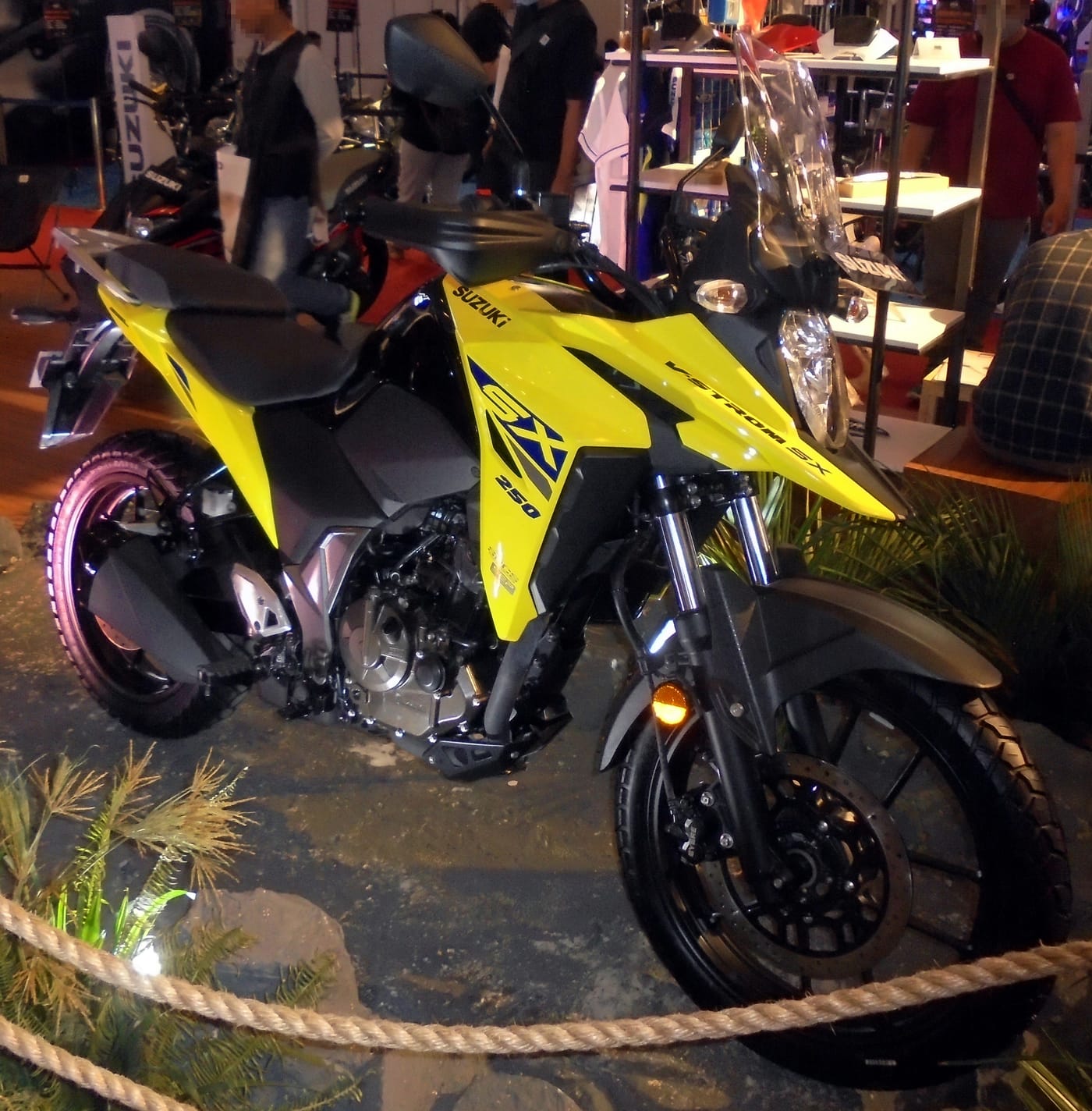
Suzuki Ts125r
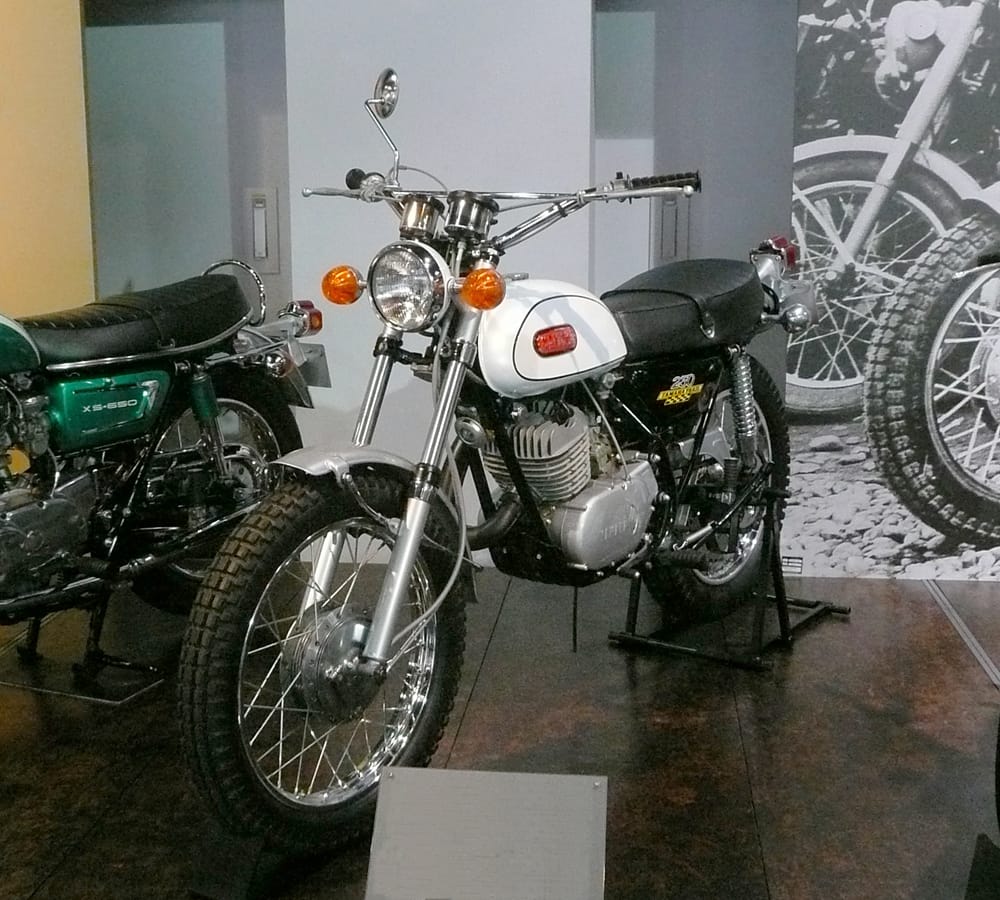
Yamaha Dt125r
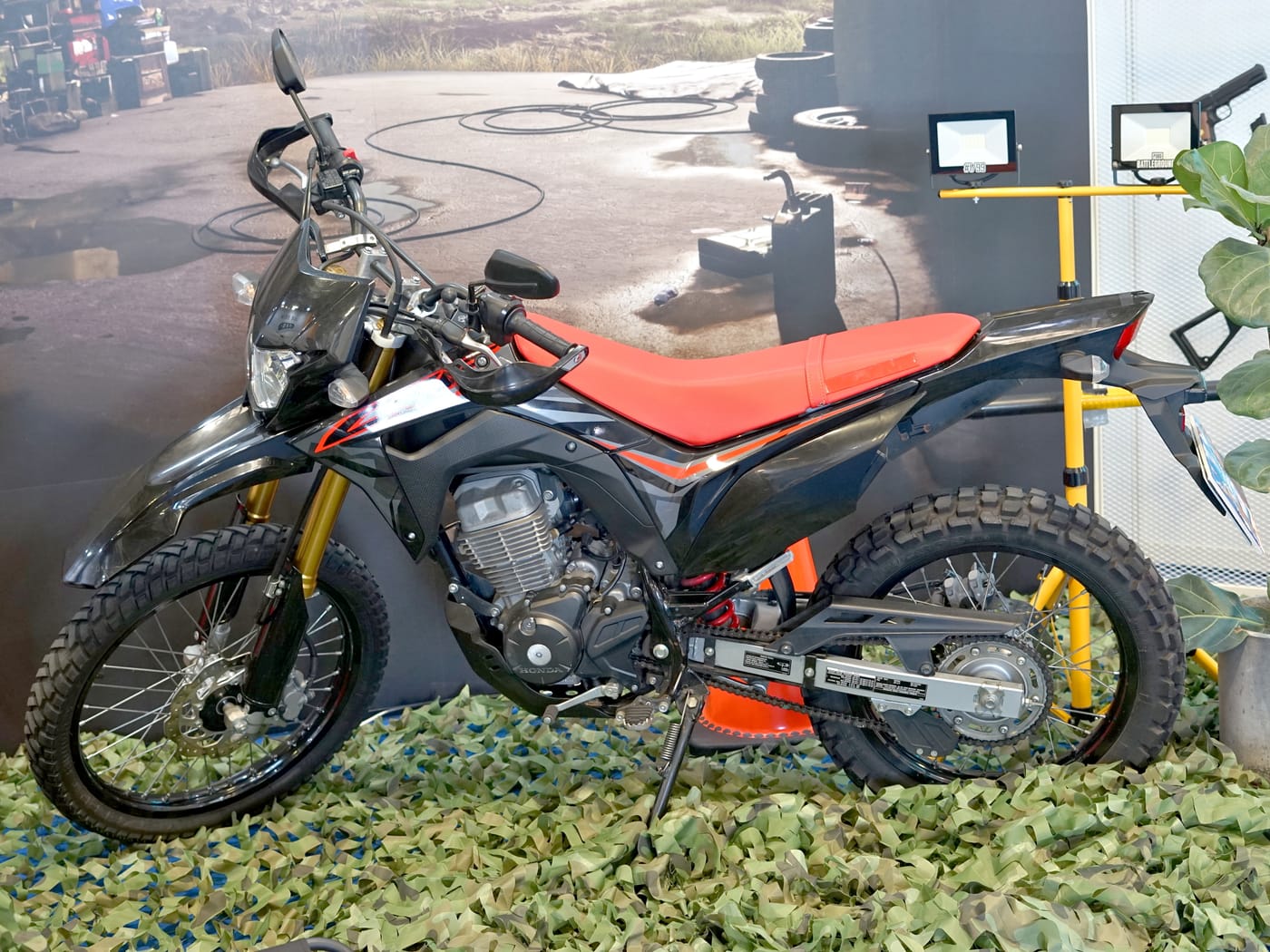
Yamaha Ttr125
Kawasaki Klx 150
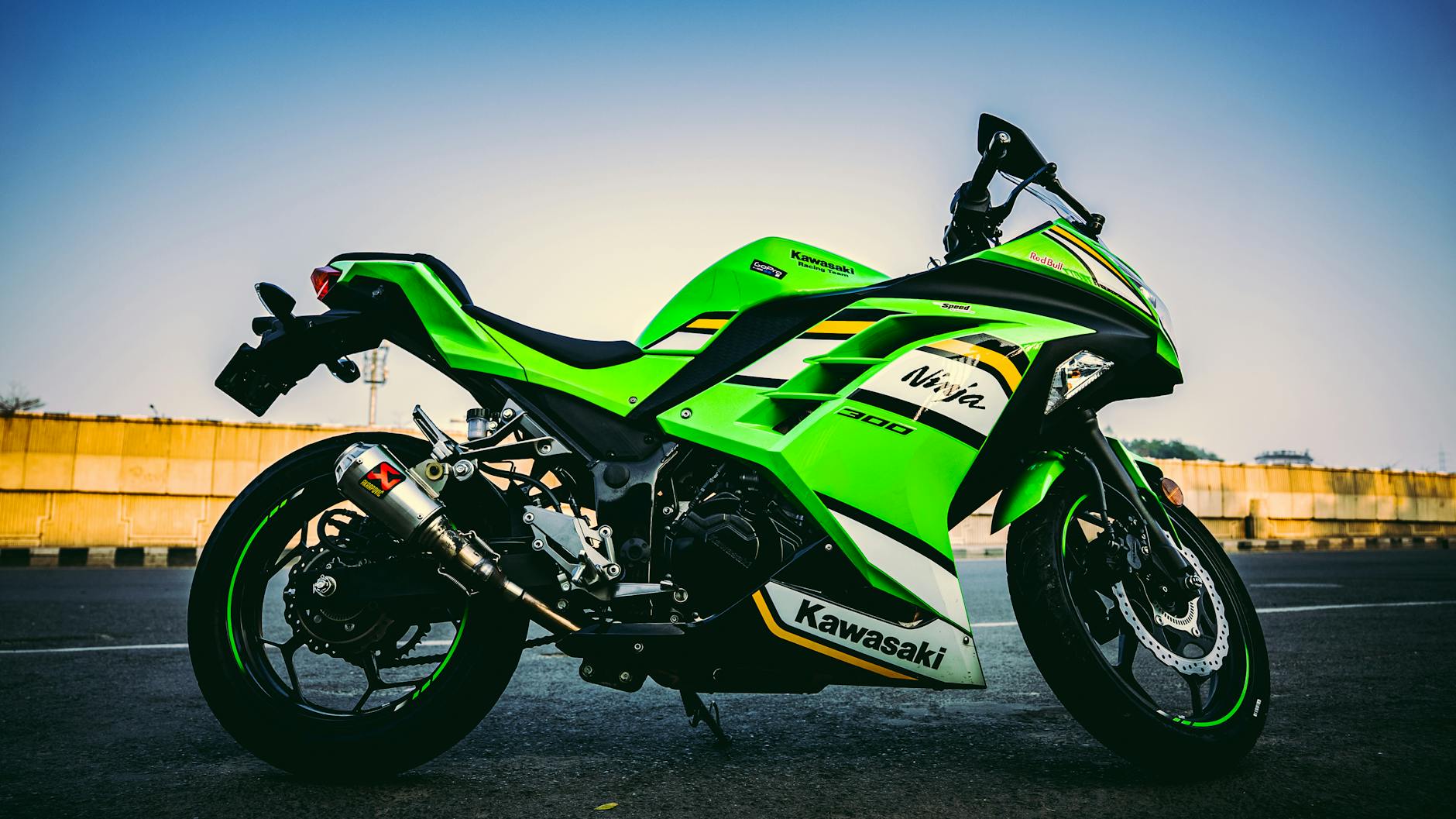
Kawasaki Klx 150bf
Compare Kawasaki Klx110 Side-by-Side
compare_arrowsSpecs, power, weight & buyer verdict — head-to-head with the bikes most often cross-shopped.
Kawasaki Klx110 vs Suzuki Ts125r
Specs · Power · Buyer verdict
Kawasaki Klx110 vs Yamaha Dt125r
Specs · Power · Buyer verdict
Kawasaki Klx110 vs Yamaha Ttr125
Specs · Power · Buyer verdict
Kawasaki Klx110 vs Kawasaki Klx 150
Specs · Power · Buyer verdict
Kawasaki Klx110 vs Kawasaki Klx 150bf
Specs · Power · Buyer verdict
More Kawasaki Klx110 Guides
More from Kawasaki
View all Kawasaki models →Community Reviews
Discussion
Frequently Asked Questions
What are common problems with the Kawasaki Klx110? +
Carburetor clogs from old/bad fuel: Hard start, rough idle, or fuel smell present (moderate) | Worn top end from lack of maintenance: Low compression, blue smoke, or ticking noise (serious) | Bent forks or frame from crashes: Inspect visually, check for uneven gaps or wobble (serious)
Is the Kawasaki Klx110 a good motorcycle? +
An honest, durable starter that earns its legendary pit bike status. Rating: 7.5/10. Best for: Young beginners and backyard pit bike riders. Avoid if: You're over five-foot-six or want speed.
What is the horsepower of the Kawasaki Klx110? +
The Kawasaki Klx110 produces approximately 7.3 hp @ 7,500 rpm (estimated), with approximately 7.9 Nm @ 5,500 rpm (estimated) of torque. Top speed: approximately 70 km/h (estimated, varies with rider weight and terrain).
Is the Kawasaki Klx110 good for beginners? +
Yes — the Kawasaki Klx110 is a reasonable choice for new riders (7.3 hp is manageable), weighing 73 kg. Young beginners and backyard pit bike riders
Is the Kawasaki Klx110 reliable? +
Owners report 2 critical issues to watch for on the Kawasaki Klx110, notably: Worn top end from lack of maintenance (Low compression, blue smoke, or ticking noise). Buy with a pre-purchase inspection.
Is the Kawasaki Klx110 good for daily use? +
Young beginners and backyard pit bike riders Fuel: approximately 2.0 L/100km or 50 km/L (estimated real-world average).
How fast is the Kawasaki Klx110? +
The Kawasaki Klx110 reaches a top speed of approximately 70 km/h (estimated, varies with rider weight and terrain), producing 7.3 hp at 73 kg curb weight. Real-world performance depends on rider weight, gearing, and road conditions.
What gear should I buy for a Kawasaki Klx110? +
Motoryk has curated a Top 10 gear list specifically for the Kawasaki Klx110, covering engine oil, tires, chain, battery, and brake pads — see motoryk.com/bikes/kawasaki/klx110/top10. Each pick is matched to this bike's spec.