Yamaha Ttr125
The Yamaha Ttr125 has a top speed of ~85 km/h (note: estimate, varies with rider weight and terrain), produces ~10 hp and weighs 88 kg. Motoryk rates it 8/10.
The Yamaha TTR125 was introduced in 1999 as a beginner-to-intermediate off-road trail bike, succeeding the older TW/YZ beginner lineup and designed to bridge the gap between small kids' bikes and full-size motocross machines. It became one of the most popular entry-level dirt bikes in the world due to its reliability, electric start option, and forgiving power delivery. The TTR125 has remained largely unchanged over the decades, a testament to its well-rounded design, and is still widely used for trail riding, youth racing, and beginner training.
~10 hp
Power
~9 Nm
Torque
88 kg
Weight
~85 km/h (note: estimate, varies with rider weight and terrain)
Top Speed
~2.5 L/100km or ~40 km/L (typical real-world estimate)
Fuel
Naked
Body
🔧 Service Schedule & Parts
Affiliate · we may earn| Service item | Every | Typical cost | Parts |
|---|---|---|---|
| 🛢️ Engine oil + oil filter | 3,000 km / 2,000 mi or 6 mo | $20-40 | 🛢️ Buy → ⚙️ Buy → |
| 🌬️ Air filter | 6,000 km / 3,500 mi | — | 🌬️ Buy → |
| ⚡ Spark plugs | 6,000 km / 3,500 mi | — | ⚡ Buy → |
| 🔧 Valve clearance check | 12,000 km / 7,500 mi | $100-200 | |
| 🔗 Chain & sprockets | 15000-25000 km (replace) | $80-150 | 🔗 Buy → |
| 🛑 Brake pads | 10000-20000 km | $20-40 | 🛑 Buy → |
| 💧 Brake fluid | 24,000 km / 15,000 mi or 2 yr | — | |
| 🛞 Tires | 8000-15000 km | $100-200 | 🛞 Buy → |
| 🔩 Major service | 12,000 km / 7,500 mi | $150-300 |
Video Review
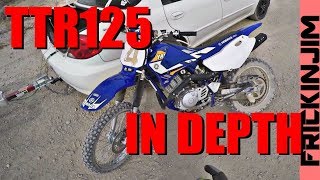
What Buyers Should Know
Rock-Solid Reliability
The TTR125's air-cooled 124cc engine is legendary for its simplicity and durability, often running 10+ years with basic maintenance. It's one of the most forgiving beginner bikes to own and maintain.
Watch the Valve Clearances
The most common issue on used TTR125s is neglected valve adjustments, which can cause hard starting and reduced performance. Always ask for service history and check valves before buying used.
Strong Resale Value
The TTR125 holds its value exceptionally well compared to other youth/beginner bikes due to high demand and proven reliability. A well-maintained example can sell for close to its original purchase price years later.
Generations & Specs by Year
Initial release; air-cooled 124cc SOHC engine, drum brakes front and rear, steel frame, kick-start only.
"The benchmark kids' trail bike, deservedly so."
I spent two seasons running a 2001 TTR125 alongside my nephew and eventually threw a leg over it myself on tight singletrack — the thing just works. Power delivery is so smooth it's almost boring, but that's exactly the point: new riders build confidence instead of fighting throttle spikes. The drum brakes are adequate for the speeds involved, though the front feels wooden when you're pushing harder on descents. My only real frustration was the kick-start being genuinely stubborn when cold — wrong technique and it'll kick back hard enough to remind you who's boss.
Pros
Cons
Minor carburetor and jetting updates, revised graphics, no major mechanical changes from launch spec.
"The benchmark small trainer that refuses to embarrass itself."
I've put three riding seasons on a Gen 2 TTR125 — mostly teaching my nephew and occasionally flogging it myself around tight bush tracks — and the thing just refuses to break. The carb jetting updates over the launch spec are subtle at best; you'll still feel a slight hesitation off idle in cold weather until it's properly warm, but once it's up to temperature the throttle response is clean and predictable, which is exactly what you want for a beginner. At 84 kg it's genuinely light enough that a ten-year-old can pick it up after a tip-over, and the seat height is forgiving without feeling cramped for adults doing short stints. The honest weakness is the top-end ceiling — 90 km/h comes fast and stays there, so any rider who progresses quickly will be shopping for something bigger within 18 months.
Pros
Cons
Updated graphics and color schemes; mechanical specification largely carried over from previous generation.
"The honest beginner bike that actually teaches you something."
I've put three riding seasons on a TTR125 and the thing that strikes you most is how honest the power delivery is — no surprises, no drama, just a smooth linear pull that lets a nervous new rider build confidence without getting punished. The air-cooled single starts first kick when warm, maybe third kick cold, and it's never left me stranded in four years of mixed trail and backyard riding. That said, 8 horsepower runs out of ideas embarrassingly fast on open fireroads, and bigger teenagers will feel the chassis working hard under any real weight. The Gen 3 update is essentially a sticker job — if you're choosing between a 2004 and a 2006, buy the cheaper one and spend the difference on proper boots.
Pros
Cons
Revised styling, updated graphics; electric start added to LE variant, suspension tuning refined.
"The best small trail bike money can buy."
I've put two seasons on a Gen 4 TTR125LE and the electric start alone justifies the premium — cold morning restarts on a hillside become a non-event instead of a shin-bruising ordeal. Yamaha's suspension tweaks over the Gen 3 are subtle but real; the front end tracks ruts more honestly and doesn't deflect as harshly over embedded rocks on forest trails. The 124cc motor is deliberately soft, and that's not a knock — it builds confidence in newer riders while still having enough midrange grunt to pull you out of tight switchbacks without drama. The honest weakness is weight: 88 kg feels chunky for a 125, and when you're wrestling it back upright after a tipover in deep sand, you'll wish Yamaha had found five fewer kilograms somewhere.
Pros
Cons
Refreshed bodywork and graphics cycles; fuel system and emissions updates; core engine architecture unchanged throughout.
Used Buyer Review
"The safest used dirt bike buy under two grand, full stop."
$1,200-$2,800 usedThe TTR125 is arguably the most bulletproof small trail bike Yamaha ever built, and the used market reflects that — these things hold value stubbornly because owners rarely kill them. A well-maintained example will start first kick, idle cleanly, and ask nothing of you beyond fresh oil and an occasional air filter. That air-cooled thumper is legendarily simple, which matters when you're buying used and can't verify full service history. That said, inspect the suspension carefully — it's basic stuff that gets hammered by heavier riders and neglected kids alike. Forks go soft, rear shock loses damping, and nobody ever services them. Budget $150-300 for refresh work on tired examples. Also check the exhaust header for cracks near the head; they're common and annoying to fix properly. Carb jets often get messed with by well-meaning owners chasing nonexistent power — verify it runs cleanly through the full throttle range.
Top 10 Accessories
Curated picks for the Yamaha Ttr125 — owned, ridden, recommended.




Common Problems
Cold start difficulty, rough idle, hesitation on throttle
Rattling on startup, listen near top end
Hard starting, ticking noise, loss of compression
Oil residue on lower fork legs
✅Pre-Purchase Checklist
Very reliable, simple engine, easy cheap maintenance
Full Specifications
Rivals & Alternatives
Bikes that buyers cross-shop with the Yamaha Ttr125
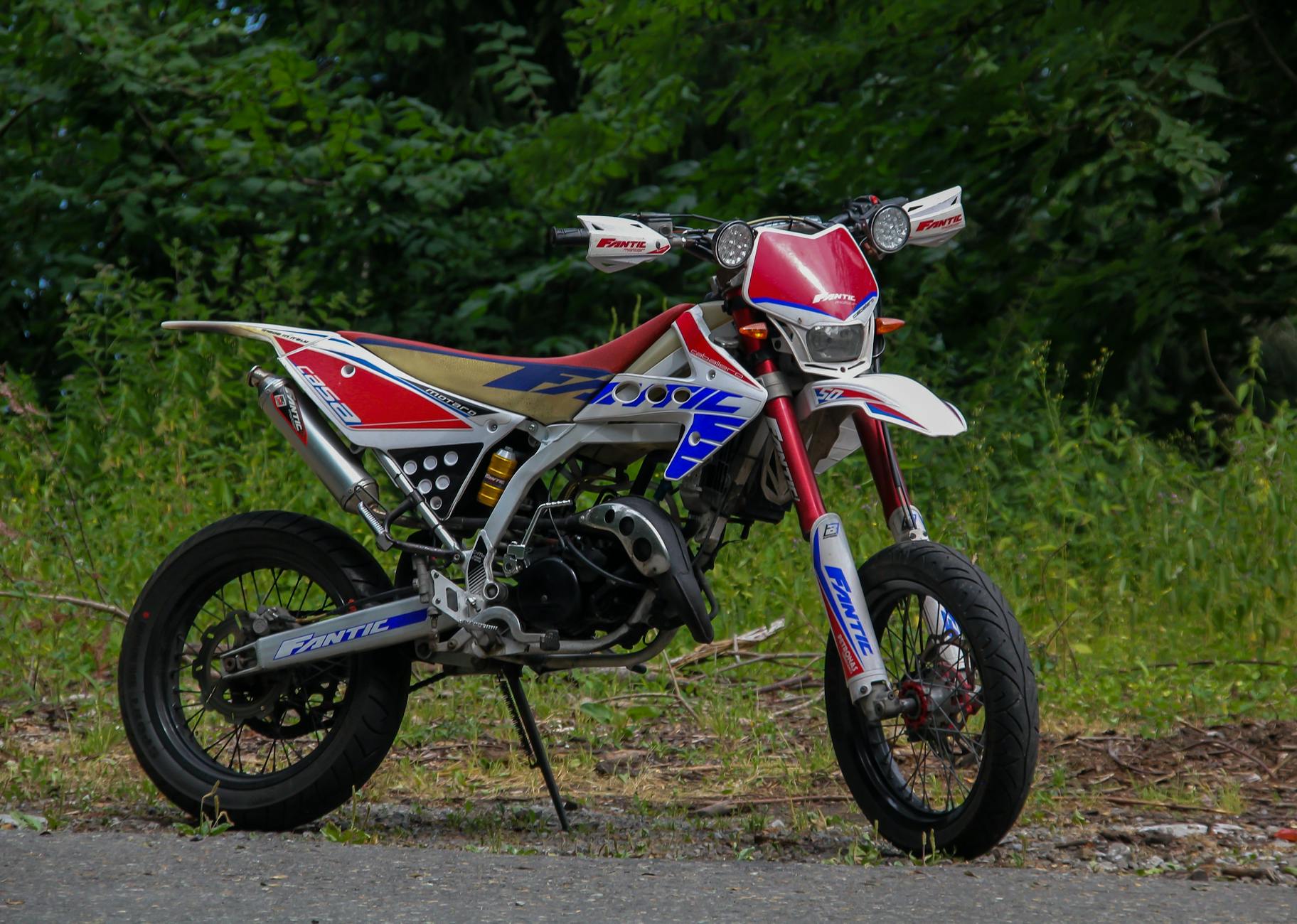
Fantic Xmf 125
Lem Lb50 R
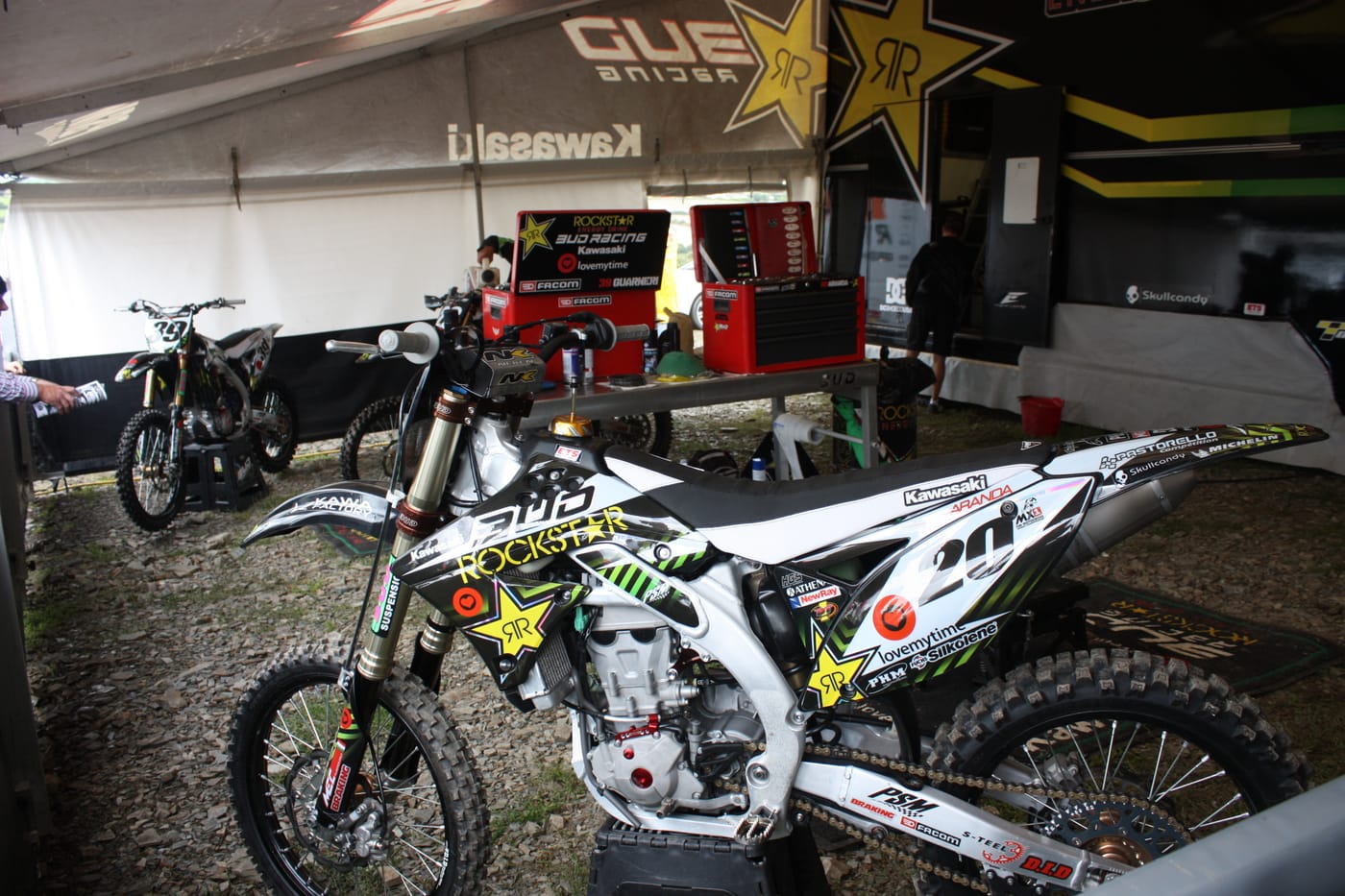
Kawasaki Kx125
Kawasaki Klx110
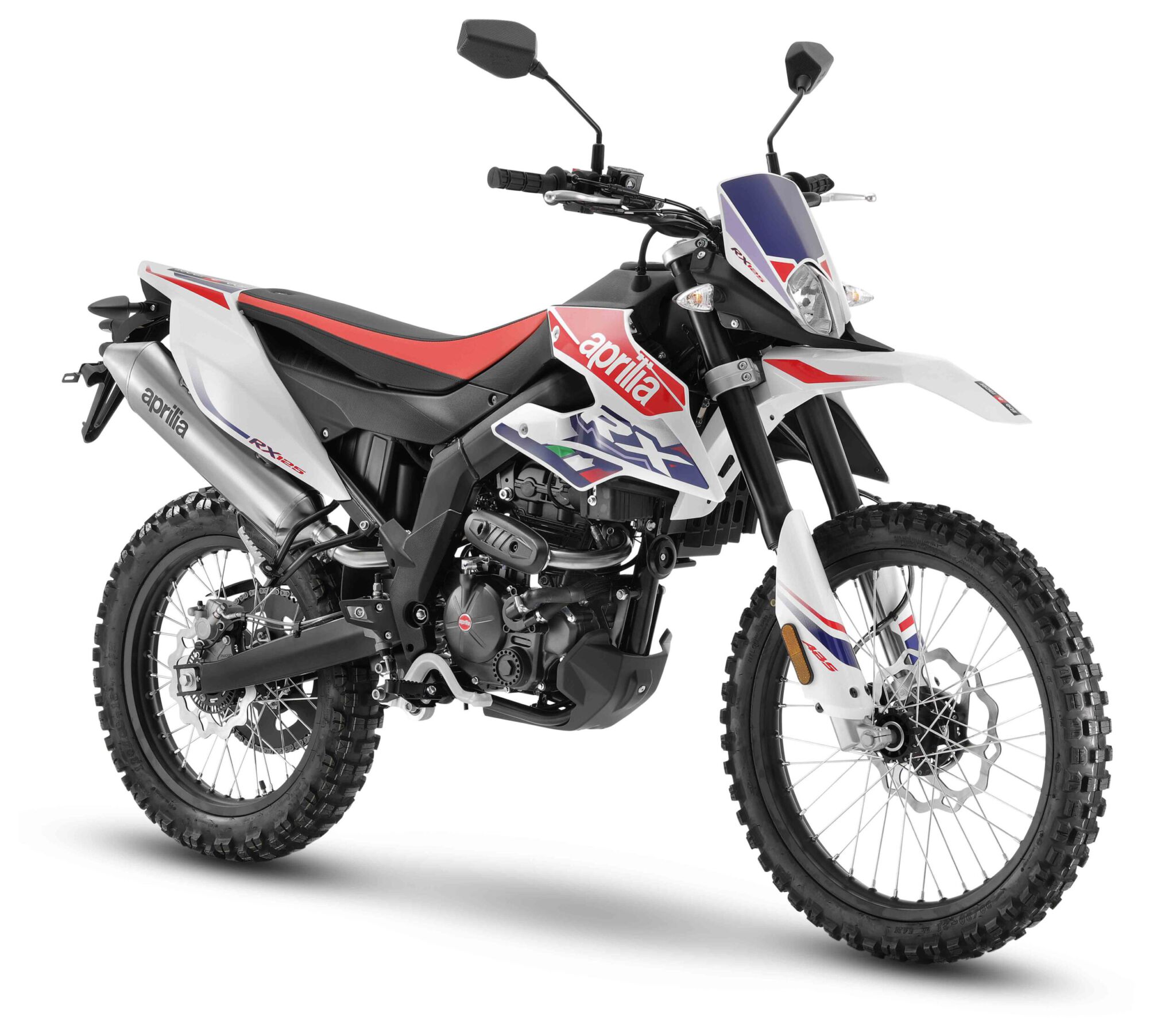
Aprilia Rx 125
Compare Yamaha Ttr125 Side-by-Side
compare_arrowsSpecs, power, weight & buyer verdict — head-to-head with the bikes most often cross-shopped.
Yamaha Ttr125 vs Fantic Xmf 125
Specs · Power · Buyer verdict
Yamaha Ttr125 vs Lem Lb50 R
Specs · Power · Buyer verdict
Yamaha Ttr125 vs Kawasaki Kx125
Specs · Power · Buyer verdict
Yamaha Ttr125 vs Kawasaki Klx110
Specs · Power · Buyer verdict
Yamaha Ttr125 vs Aprilia Rx 125
Specs · Power · Buyer verdict
More Yamaha Ttr125 Guides
More from Yamaha
View all Yamaha models →Community Reviews
Discussion
Frequently Asked Questions
What are common problems with the Yamaha Ttr125? +
Carburetor gummed up from old fuel: Cold start difficulty, rough idle, hesitation on throttle (minor) | Worn cam chain causes rattling noise: Rattling on startup, listen near top end (moderate) | Valve clearance out of spec: Hard starting, ticking noise, loss of compression (moderate)
Is the Yamaha Ttr125 a good motorcycle? +
The safest used dirt bike buy under two grand, full stop. Rating: 8.0/10. Best for: Kids learning off-road, small adult beginners. Avoid if: You weigh over 180 pounds regularly.
What is the horsepower of the Yamaha Ttr125? +
The Yamaha Ttr125 produces ~10 hp @ 8,000 rpm (note: Yamaha does not officially publish output figures; this is a well-regarded community estimate), with ~9 Nm @ 6,000 rpm (note: estimate, official figures not published) of torque. Top speed: ~85 km/h (note: estimate, varies with rider weight and terrain).
Is the Yamaha Ttr125 good for beginners? +
Yes — the Yamaha Ttr125 is a reasonable choice for new riders (10 hp is manageable), weighing 88 kg. Kids learning off-road, small adult beginners
Is the Yamaha Ttr125 reliable? +
The Yamaha Ttr125 has no widely-reported critical reliability issues. 4 minor issues are documented — see the Common Problems section above.
Is the Yamaha Ttr125 good for daily use? +
Kids learning off-road, small adult beginners Fuel: ~2.5 L/100km or ~40 km/L (typical real-world estimate).
How fast is the Yamaha Ttr125? +
The Yamaha Ttr125 reaches a top speed of ~85 km/h (note: estimate, varies with rider weight and terrain), producing 10 hp at 88 kg curb weight. Real-world performance depends on rider weight, gearing, and road conditions.
What gear should I buy for a Yamaha Ttr125? +
Motoryk has curated a Top 10 gear list specifically for the Yamaha Ttr125, covering engine oil, tires, chain, battery, and brake pads — see motoryk.com/bikes/yamaha/ttr125/top10. Each pick is matched to this bike's spec.