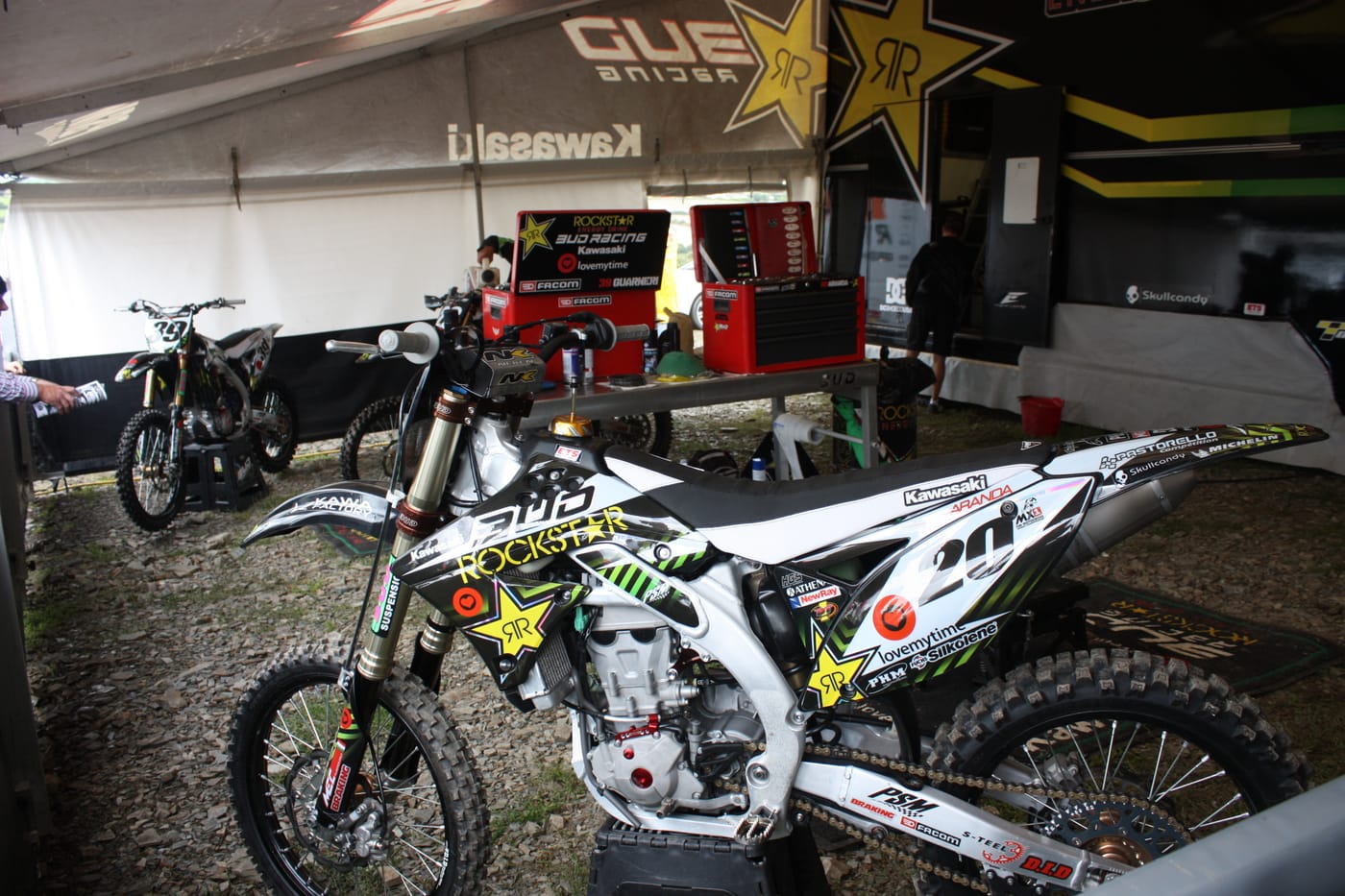
Kawasaki Kx125
The Kawasaki Kx125 has a top speed of ~110 km/h (estimate — highly dependent on gearing and conditions), produces ~38 hp and weighs ~88 kg. Motoryk rates it 8/10.
The Kawasaki KX125 was introduced in 1974 as part of Kawasaki's dedicated motocross lineup, making it one of the longest-running 125cc motocross bikes in history. Over its production run it underwent numerous evolutions including liquid cooling (introduced in 1983), aluminum frames, and progressive suspension improvements that kept it competitive through multiple decades. It was discontinued after the 2005 model year as the two-stroke motocross class declined in popularity, leaving behind a legacy as one of the most iconic and successful 125cc motocross machines ever produced.
~38 hp
Power
~29 Nm
Torque
~88 kg
Weight
~110 km/h (estimate — highly dependent on gearing and conditions)
Top Speed
~4.0 L/100km or ~25 km/L (estimate — varies significantly with riding intensity; motocross use is higher consumption)
Fuel
Naked
Body
🔧 Service Schedule & Parts
Affiliate · we may earn| Service item | Every | Typical cost | Parts |
|---|---|---|---|
| 🛢️ Engine oil + oil filter | 1,500 km / 1,000 mi or 3 mo | $15-30 | 🛢️ Buy → ⚙️ Buy → |
| 🌬️ Air filter | 1,500 km / 1,000 mi | — | 🌬️ Buy → |
| ⚡ Spark plugs | 3,000 km / 2,000 mi | — | ⚡ Buy → |
| 🔧 Valve clearance check | 10,000 km / 6,000 mi | $150-300 | |
| 🔗 Chain & sprockets | 15000-25000 km (replace) | $80-150 | 🔗 Buy → |
| 🛑 Brake pads | 8000-15000 km | $20-40 | 🛑 Buy → |
| 💧 Brake fluid | 12,000 km / 7,500 mi or 2 yr | — | |
| 🧊 Coolant | 12,000 km / 7,500 mi | — | |
| 🛞 Tires | 8000-15000 km | $150-300 | 🛞 Buy → |
| 🔩 Major service | 10,000 km / 6,000 mi | $200-500 |
Video Review

What Buyers Should Know
Top-End Wear Watch
The KX125 two-stroke engine requires frequent piston and ring replacements — typically every 20-40 hours of riding. Always ask sellers for maintenance records and inspect the top-end before buying.
Strong Resale Value
The KX125 holds its value well due to strong brand loyalty and a dedicated racing community. Well-maintained examples from the late 1990s–2005 era remain in high demand among motocross enthusiasts.
Legendary Power Delivery
The KX125 was widely praised for its aggressive, race-ready powerband that outperformed many competitors in its class. This makes it a favorite for experienced riders but challenging for beginners.
Used Buyer Review
"A brilliant buy if you inspect carefully and ride hard."
$1,500-$3,500 usedThe KX125 is one of the last great two-stroke motocrossers built before the class effectively died, and Kawasaki got the formula remarkably right by the early 2000s. The powerband is legitimately aggressive — it'll catch you out if you're not paying attention — but that's exactly what makes it addictive. Mid-2000s bikes especially hit a sweet spot with the chassis, offering genuinely sharp handling that still embarrasses plenty of modern machinery in tight, technical sections. Buying used, you need to be ruthless about maintenance history. These engines live and die by their top-end intervals, and a neglected piston can turn your bargain into an expensive rebuild overnight. Check the reeds, inspect the silencer packing, and pressure-test the crankcase seals before handing over a penny. A well-maintained example is a genuine joy; a neglected one is a money pit with a kickstarter.
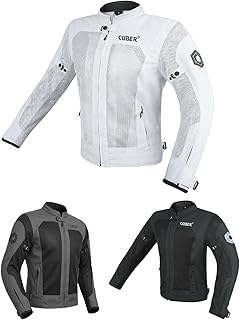
Top 10 Accessories
Curated picks for the Kawasaki Kx125 — owned, ridden, recommended.




Common Problems
🔥 3 CRITICALPull head, inspect piston skirt, measure bore diameter
Remove side cover, manually actuate valve for smooth movement
Cycle through all gears, listen for clunking or false neutrals
Rock the rod side to side, feel for excessive wobble
✅Pre-Purchase Checklist
High maintenance race bike, budget for rebuilds
Full Specifications
Rivals & Alternatives
Bikes that buyers cross-shop with the Kawasaki Kx125

Ktm Sx 125
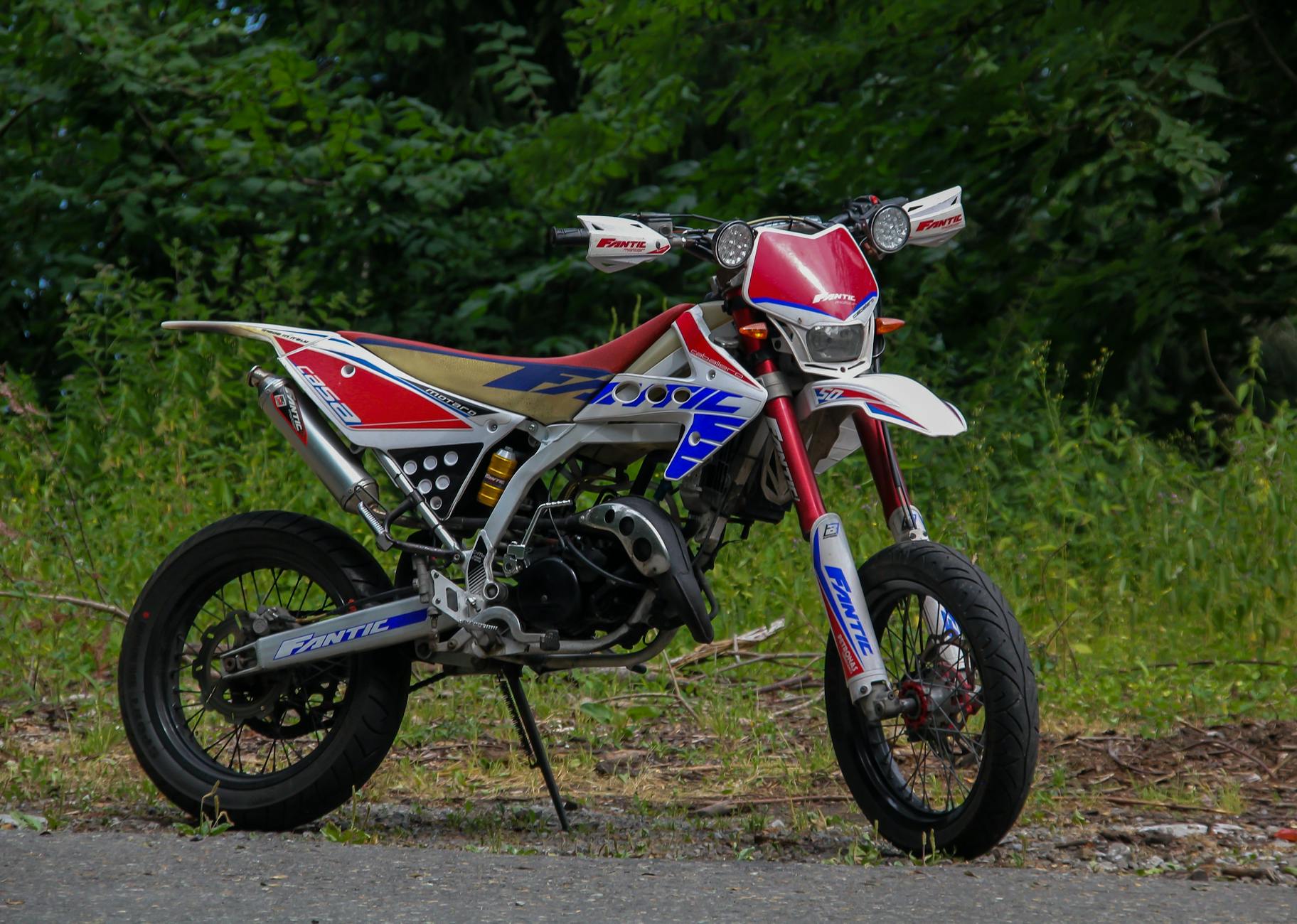
Fantic Xmf 125
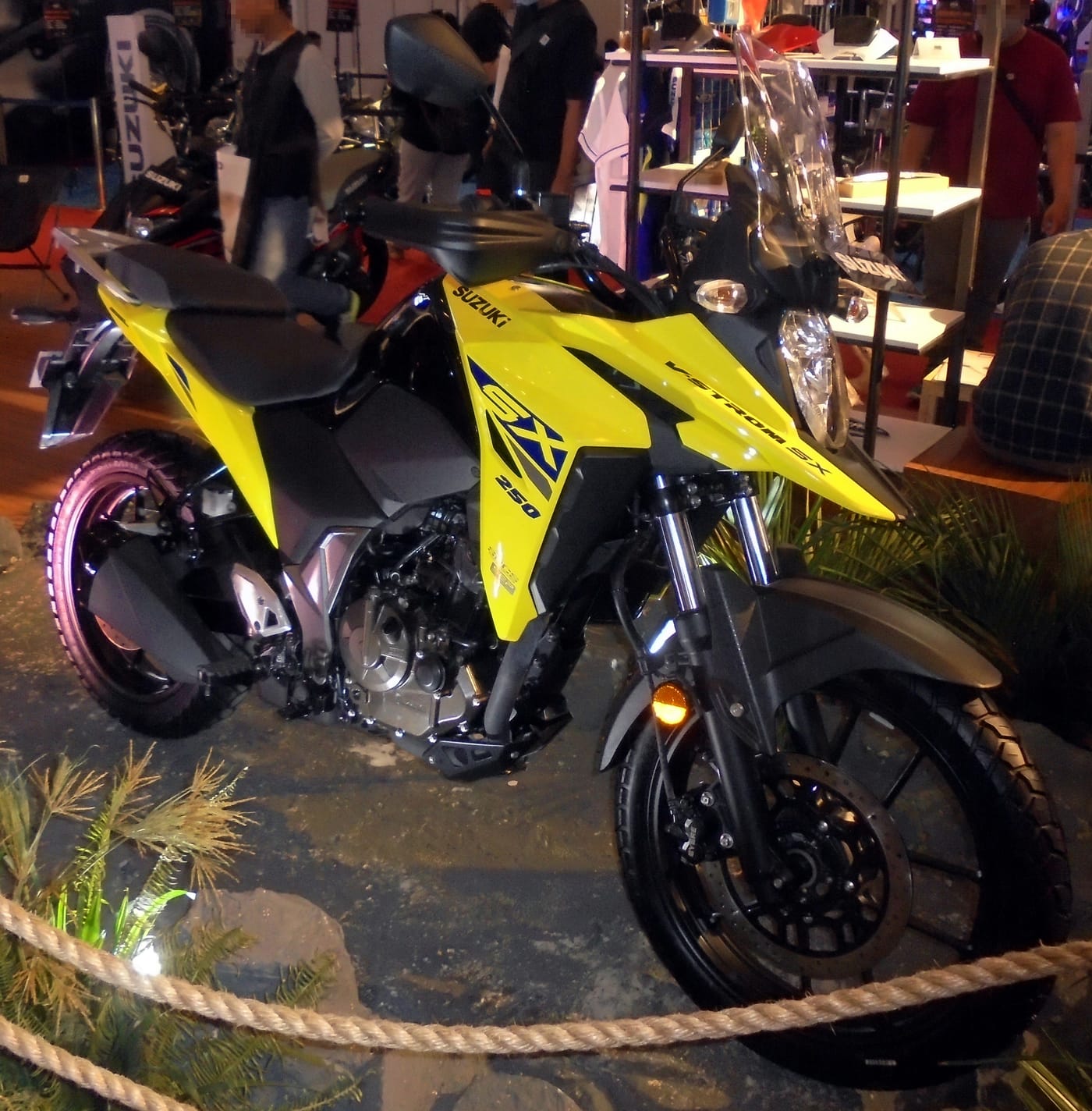
Suzuki Ts125r
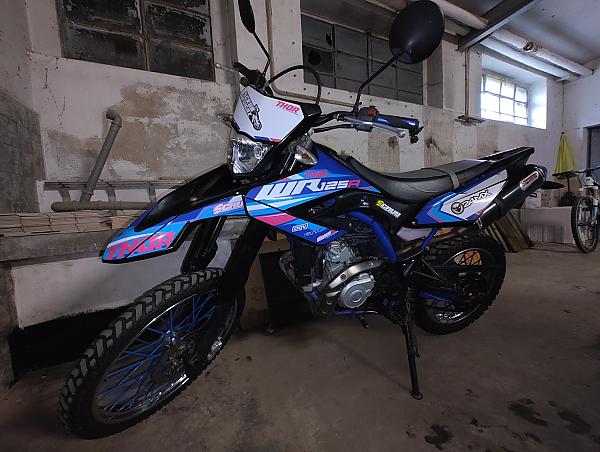
Yamaha Wr125r
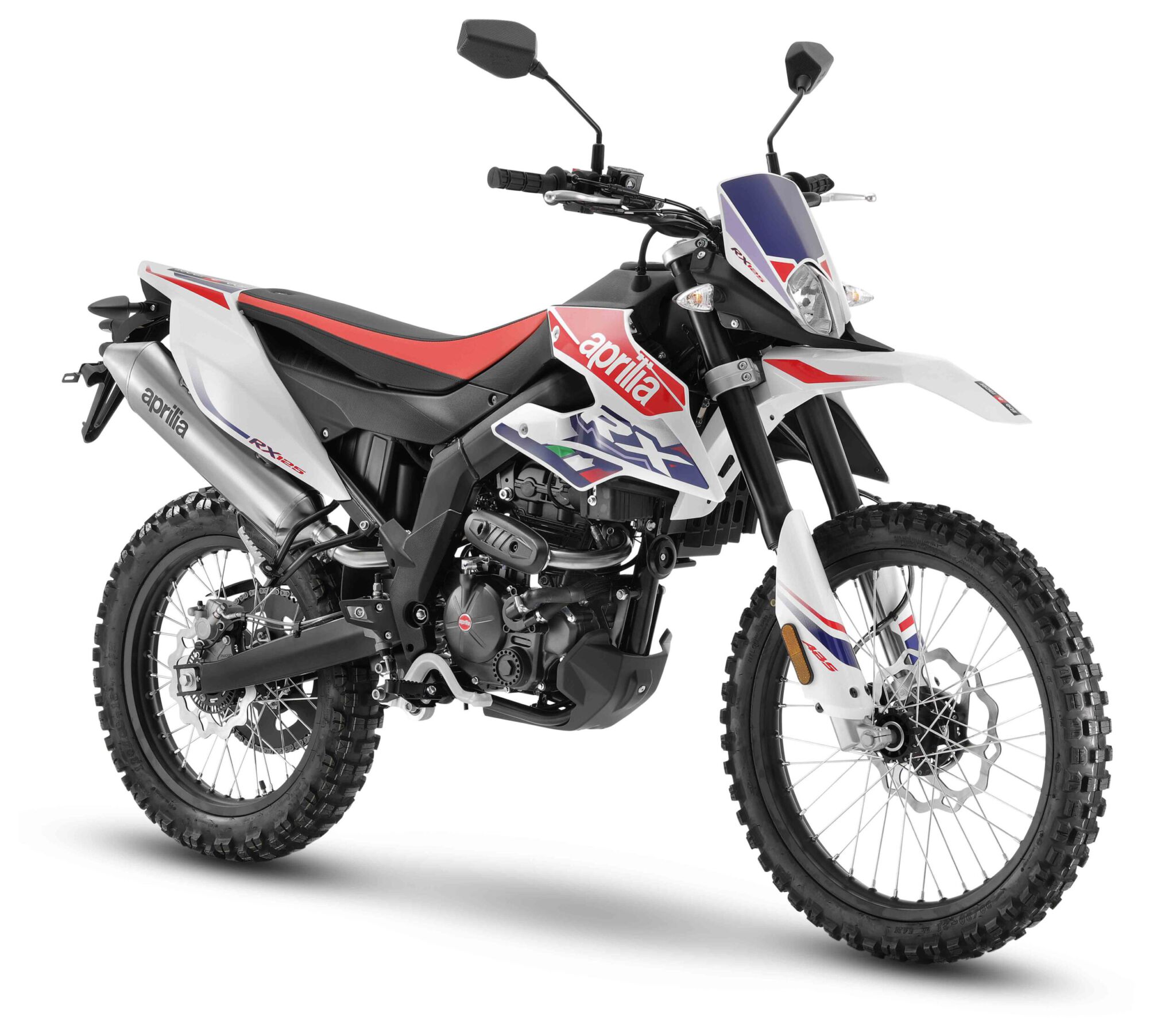
Aprilia Rx 125
Compare Kawasaki Kx125 Side-by-Side
compare_arrowsSpecs, power, weight & buyer verdict — head-to-head with the bikes most often cross-shopped.
Kawasaki Kx125 vs Ktm Sx 125
Specs · Power · Buyer verdict
Kawasaki Kx125 vs Fantic Xmf 125
Specs · Power · Buyer verdict
Kawasaki Kx125 vs Suzuki Ts125r
Specs · Power · Buyer verdict
Kawasaki Kx125 vs Yamaha Wr125r
Specs · Power · Buyer verdict
Kawasaki Kx125 vs Aprilia Rx 125
Specs · Power · Buyer verdict
More Kawasaki Kx125 Guides
More from Kawasaki
View all Kawasaki models →Community Reviews
Discussion
Frequently Asked Questions
What are common problems with the Kawasaki Kx125? +
Top end wear, piston and rings: Pull head, inspect piston skirt, measure bore diameter (serious) | Power valve seized or carboned up: Remove side cover, manually actuate valve for smooth movement (moderate) | Transmission wear, hard shifting: Cycle through all gears, listen for clunking or false neutrals (serious)
Is the Kawasaki Kx125 a good motorcycle? +
A brilliant buy if you inspect carefully and ride hard. Rating: 8.0/10. Best for: Experienced motocross riders wanting lightweight two-stroke thrills. Avoid if: Beginners or anyone fearing two-stroke maintenance.
What is the horsepower of the Kawasaki Kx125? +
The Kawasaki Kx125 produces ~38 hp @ 11,500 rpm (2003–2005 final spec), with ~29 Nm @ 10,500 rpm (estimate for late-model spec) of torque. Top speed: ~110 km/h (estimate — highly dependent on gearing and conditions).
Is the Kawasaki Kx125 good for beginners? +
Yes — the Kawasaki Kx125 is a reasonable choice for new riders (38 hp is manageable), weighing 88 kg. Experienced motocross riders wanting lightweight two-stroke thrills
Is the Kawasaki Kx125 reliable? +
Owners report 3 critical issues to watch for on the Kawasaki Kx125, notably: Top end wear, piston and rings (Pull head, inspect piston skirt, measure bore diameter). Buy with a pre-purchase inspection.
Is the Kawasaki Kx125 good for daily use? +
Experienced motocross riders wanting lightweight two-stroke thrills Fuel: ~4.0 L/100km or ~25 km/L (estimate — varies significantly with riding intensity; motocross use is higher consumption).
How fast is the Kawasaki Kx125? +
The Kawasaki Kx125 reaches a top speed of ~110 km/h (estimate — highly dependent on gearing and conditions), producing 38 hp at 88 kg curb weight. Real-world performance depends on rider weight, gearing, and road conditions.
What gear should I buy for a Kawasaki Kx125? +
Motoryk has curated a Top 10 gear list specifically for the Kawasaki Kx125, covering engine oil, tires, chain, battery, and brake pads — see motoryk.com/bikes/kawasaki/kx125/top10. Each pick is matched to this bike's spec.