Ktm Sx 125
The Ktm Sx 125 has a top speed of ~110 km/h (estimated; top speed varies significantly based on gearing and track conditions), produces ~34 hp and weighs ~98 kg. Motoryk rates it 8.5/10.
The KTM SX 125 was introduced in 1994 as part of KTM's motocross racing lineup, designed to compete in the 125cc two-stroke motocross class. Over the decades it became one of the most successful and dominant 125cc motocross bikes in the world, winning numerous championships and becoming a benchmark for performance in its class. It is highly regarded for its razor-sharp handling, powerful two-stroke engine, and continuous development, making it the go-to choice for amateur and professional riders alike.
~34 hp
Power
~25 Nm
Torque
~98 kg
Weight
~110 km/h (estimated; top speed varies significantly based on gearing and track conditions)
Top Speed
Estimated 4–6 L/100km (note: varies greatly depending on riding intensity; two-stroke motocross bikes are not typically measured by standard fuel economy metrics)
Fuel
Naked
Body
🔧 Service Schedule & Parts
Affiliate · we may earn| Service item | Every | Typical cost | Parts |
|---|---|---|---|
| 🛢️ Engine oil + oil filter | 15 km / 0 mi or 1 mo | $20-40 | 🛢️ Buy → ⚙️ Buy → |
| 🌬️ Air filter | 15 km / 0 mi | — | 🌬️ Buy → |
| ⚡ Spark plugs | 50 km / 0 mi | — | ⚡ Buy → |
| 🔧 Valve clearance check | 100 km / 0 mi | $150-300 | |
| 🔗 Chain & sprockets | 15000-25000 km (replace) | $100-200 | 🔗 Buy → |
| 🛑 Brake pads | 10000-20000 km | $20-50 | 🛑 Buy → |
| 💧 Brake fluid | 50 km / 0 mi or 2 yr | — | |
| 🧊 Coolant | 100 km / 0 mi | — | |
| 🛞 Tires | 8000-15000 km | $150-300 | 🛞 Buy → |
| 🔩 Major service | 100 km / 0 mi | $200-500 |
Video Review
What Buyers Should Know
Top-End Rebuild Intervals
The KTM SX 125 requires piston and ring replacement every 15-25 hours of hard riding due to its high-revving 2-stroke engine. Always ask sellers for maintenance logs to verify top-end history.
Strong Resale Value
KTM SX 125s hold their value exceptionally well compared to Japanese competitors, often retaining 70-80% of value after one season. Orange bikes with documented service history command a noticeable premium.
Power Valve Maintenance
The BVEP power valve system is a known weak point and must be cleaned every 40-50 hours to prevent carbon buildup and power loss. Neglected power valves are one of the most common issues found on used examples.
Generations & Specs by Year
Original liquid-cooled 125cc two-stroke motocross bike, steel frame, basic suspension, traditional KTM orange livery.
"Raw, honest 125 that punishes laziness and rewards commitment."
I raced one of these through '96 and the power delivery was nothing short of savage once you hit that 10,500 rpm wall — below it, you're pushing a shopping trolley; above it, you're holding on for your life. The steel frame flexes noticeably in fast ruts compared to what the Japanese were doing, but it communicates the front wheel beautifully, which I actually came to appreciate. The WP suspension was basic even by mid-90s standards — underdamped on square-edged hits and required constant revalving if you rode anything harder than a groomed track. Reliability was genuinely good for a screaming two-stroke race bike, but the power valve needed cleaning every few hours or the bottom end went soggy and you'd be wondering if the bike was sick or just protesting your maintenance schedule.
Pros
Cons
Updated chassis geometry, revised suspension linkage, improved power delivery, new bodywork styling introduced.
"Sharp, unforgiving, and deeply rewarding when mastered."
The revised chassis geometry genuinely changed how this bike corners — it tracks cleaner through rutted turns than the Gen 1 ever did, and the updated suspension linkage soaked up square-edged hits that used to rattle your fillings loose. The power delivery improvement is real too: less of that brutal on/off hit at 9,500 rpm, more of a usable spread that lets you actually drive out of corners instead of just hanging on. That said, 985mm of seat height means shorter riders are constantly fighting it on slow technical sections, and the new bodywork, while sharper looking, cracked around the subframe bolts if you weren't careful with torque specs. This is still a machine that demands you ride it with commitment — back off mentally and it punishes you immediately.
Pros
Cons
New chromoly steel frame, revised engine porting, updated WP suspension, improved ergonomics and bodywork.
"Razor-sharp screamer that rewards commitment over comfort."
The Gen 3 chassis was a genuine step forward — the chromoly frame stopped the flex-and-wander I'd cursed on the older bike, and the revised WP forks actually held their tune through a full moto rather than diving into mush by lap eight. That engine is still a narrow, demanding powerband that lives above 8,500 rpm; get lazy with the clutch and it bogs, stalls, and embarrasses you in corners where a CR125 would have already exited. Ergonomics improved enough that I stopped fighting the bars on long practice days, but the seat foam remains a cruel joke by hour two. If you can keep it singing, the power delivery through the top end is explosive and precise — this thing pulls hard enough that 88 kg feels genuinely fast against 250 four-strokes on tight tracks.
Pros
Cons
Significant engine update, new cylinder and head, revised frame, improved WP forks and shock absorber.
"Screaming, razor-sharp 125 that punishes lazy riders mercilessly."
The Gen 4 SX 125 is genuinely violent in the best possible way — that revised cylinder and head pushed the powerband into territory where you're either fully committed or getting left behind. I ran one through a full MX season and the WP forks were a revelation over the previous gen, holding up under hard braking into berms without the wallowing I'd felt before. The frame revision tightened steering response enough that you notice it immediately on tight, technical tracks, though it also amplifies every mistake at speed. Jetting still needs attention out of the box in cold weather, and the thing will detonate your confidence if you let the revs drop — but if you're willing to keep it screaming above 9,000 rpm, nothing in the 125 class touched it.
Pros
Cons
New frame design, updated engine internals, revised airbox, improved braking system, refreshed bodywork.
"The sharpest 125 you'll ever wrestle."
That new frame transformed everything — the Gen 4 always felt a touch nervous mid-corner, but this chassis plants the front wheel with real confidence on hard-pack and lets you hang it out on loose without the bike trying to swap ends on you. The revised engine internals tightened up the powerband noticeably; it still snaps onto the pipe like someone threw a switch around 8,500 rpm, but the hit feels more controllable, less like a caught-out moment. Braking got genuinely better — the updated front setup has actual feel instead of the binary on/off of previous gens, which matters when you're scrubbing speed into a rutted downhill. Honest weakness: that 995mm seat height is brutal for smaller riders, and the transmission is still a bit clunky shifting down under hard braking — something KTM never fully sorted this generation.
Pros
Cons
New hydro-formed aluminum frame, updated engine, improved WP AER suspension components, modern bodywork refresh.
WP AER 48 air fork introduced, updated engine mapping, revised ergonomics, new aggressive bodywork design.
New engine with transfer ports and power valve updates, revised frame, updated WP XACT suspension, new bodywork.
Completely new frame, updated engine, new bodywork inspired by factory race bikes, improved WP suspension settings.
Used Buyer Review
"An uncompromising race tool that rewards preparation and serious skill."
$3,500-$6,500 usedThe KTM SX 125 is genuinely one of the best two-stroke motocross bikes ever built, but buying one used is a serious exercise in due diligence. These engines live hard and die young in the wrong hands. Before handing over any cash, pull the pipe and inspect the power valve — gunk buildup tells you everything about how it was maintained. Check the reeds, ask for rebuild receipts, and budget another $500-800 regardless because something will need attention. When it's right, this thing is electric. The chassis is razor-sharp, the WP suspension punches well above its class, and that screaming 125cc two-stroke pulls harder than the displacement suggests once it hits the powerband. It rewards skilled riders massively but will punish anyone who hasn't earned their spurs on a proper dirt bike. Suspension setup matters enormously — a previous owner's spring rates might be completely wrong for your weight. Priced sensibly, a well-maintained example is outstanding value. But inspect ruthlessly, and walk away from anything that looks neglected.
Top 10 Accessories
Curated picks for the Ktm Sx 125 — owned, ridden, recommended.





Common Problems
🔥 2 CRITICALPull plug, check compression, listen for rattle
Inspect reeds for cracks or curling visually
Remove cover, check valve moves freely by hand
Look for oil residue on lower fork legs
✅Pre-Purchase Checklist
Reliable if maintained, neglect kills them fast
Full Specifications
Rivals & Alternatives
Bikes that buyers cross-shop with the Ktm Sx 125
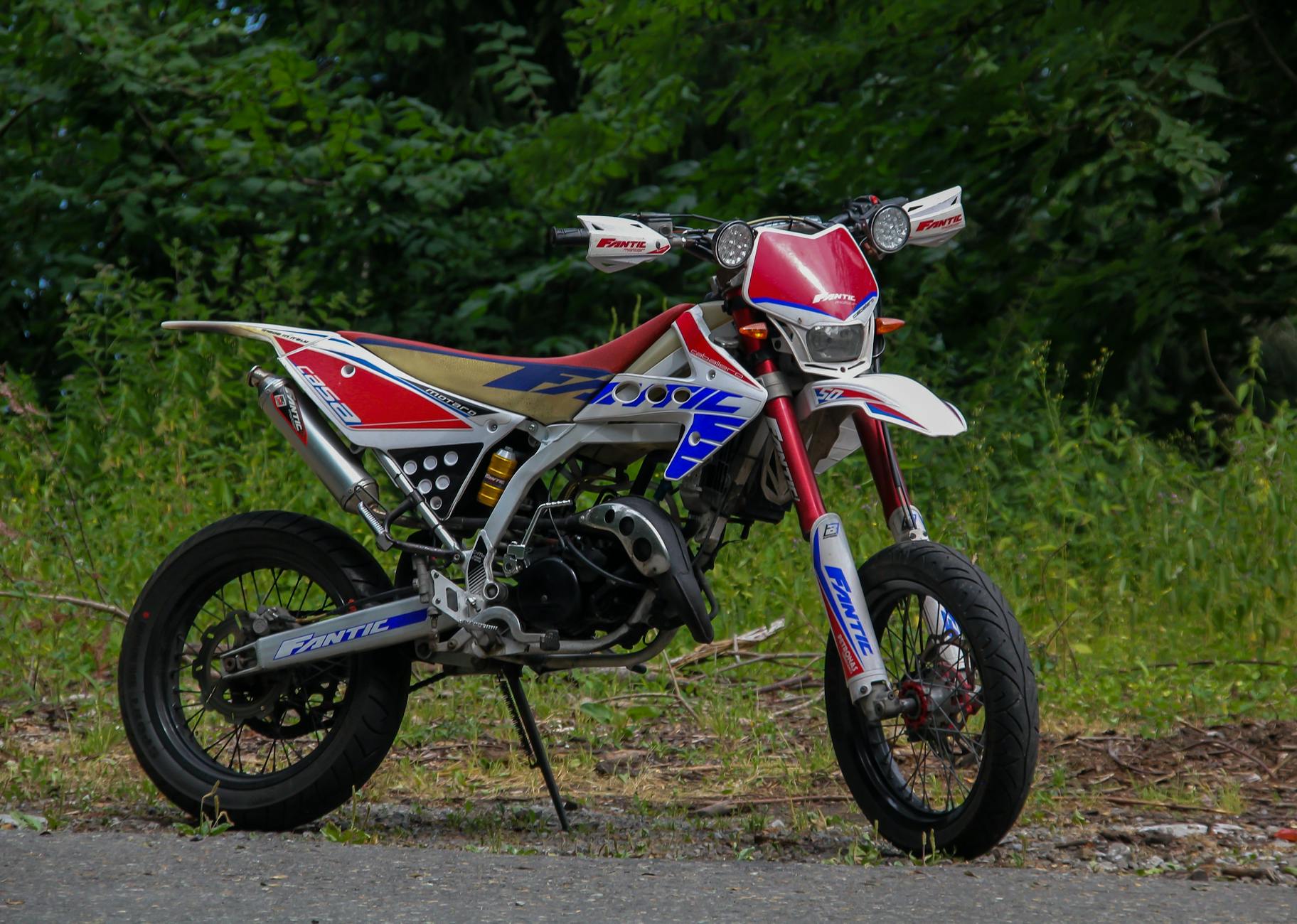
Fantic Xmf 125

Lem Lb50 R
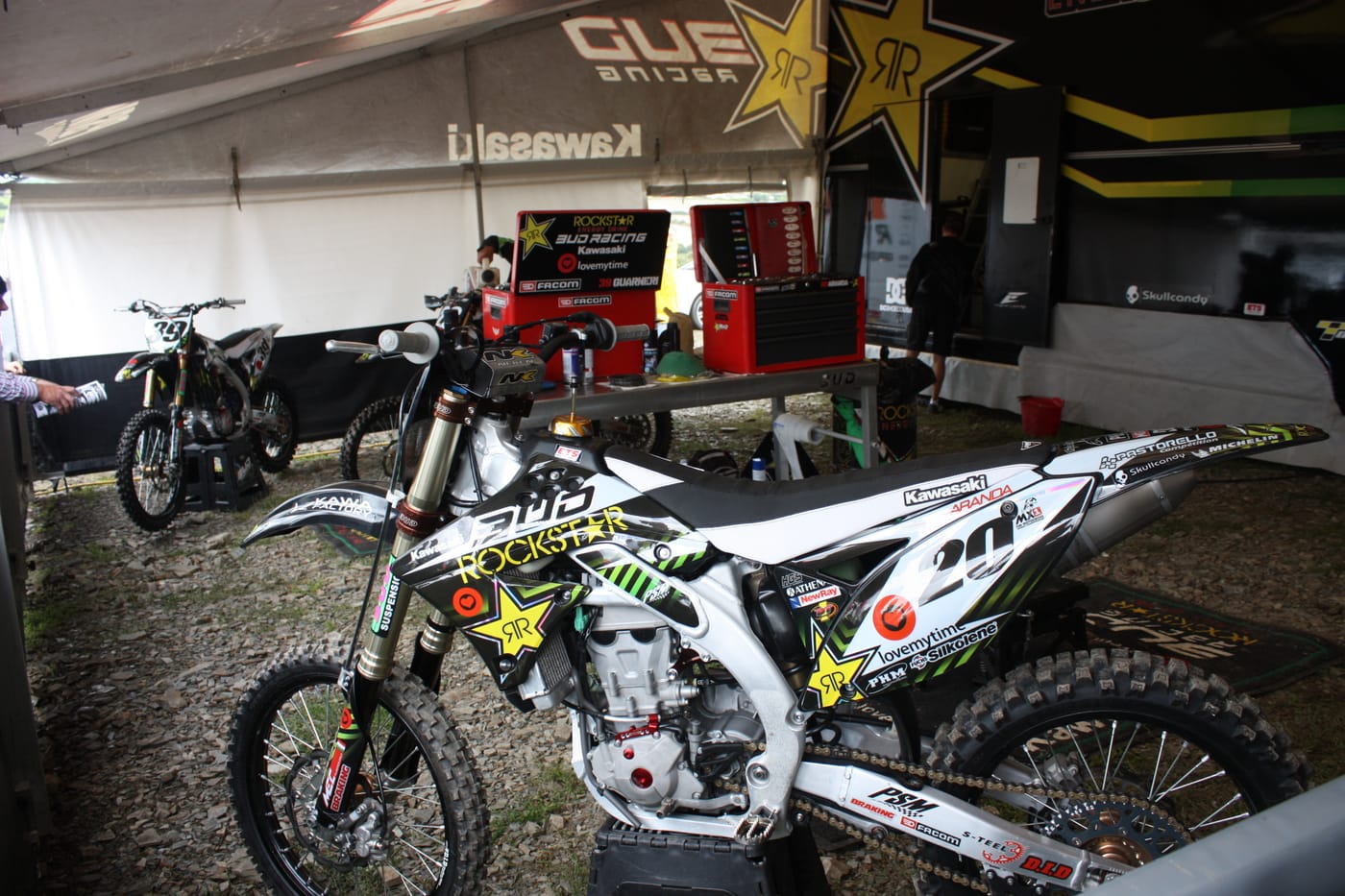
Kawasaki Kx125

Yamaha Ttr125
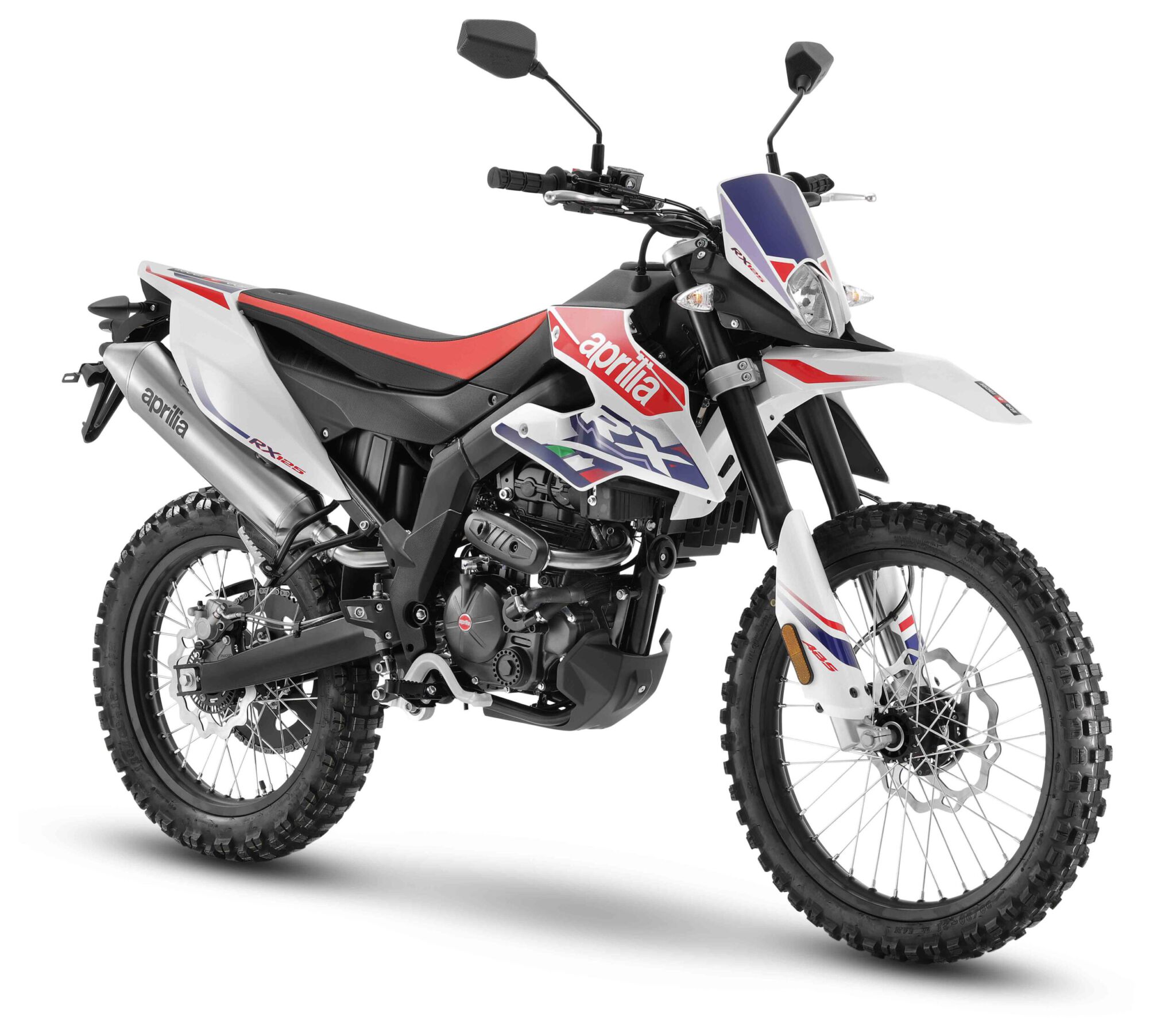
Aprilia Rx 125
Compare Ktm Sx 125 Side-by-Side
compare_arrowsSpecs, power, weight & buyer verdict — head-to-head with the bikes most often cross-shopped.
Ktm Sx 125 vs Fantic Xmf 125
Specs · Power · Buyer verdict
Ktm Sx 125 vs Lem Lb50 R
Specs · Power · Buyer verdict
Ktm Sx 125 vs Kawasaki Kx125
Specs · Power · Buyer verdict
Ktm Sx 125 vs Yamaha Ttr125
Specs · Power · Buyer verdict
Ktm Sx 125 vs Aprilia Rx 125
Specs · Power · Buyer verdict
More Ktm Sx 125 Guides
More from Ktm
View all Ktm models →Community Reviews
Discussion
Frequently Asked Questions
What are common problems with the Ktm Sx 125? +
Top end wear, piston and rings: Pull plug, check compression, listen for rattle (serious) | Reed valve deterioration reduces power: Inspect reeds for cracks or curling visually (moderate) | Power valve seized or carboned up: Remove cover, check valve moves freely by hand (serious)
Is the Ktm Sx 125 a good motorcycle? +
An uncompromising race tool that rewards preparation and serious skill. Rating: 8.5/10. Best for: Experienced motocross riders wanting genuine race performance. Avoid if: You're a beginner or hate wrenching.
What is the horsepower of the Ktm Sx 125? +
The Ktm Sx 125 produces ~34 hp @ 11,500 rpm (estimated for modern 2020+ era models), with ~25 Nm @ 10,500 rpm (estimated) of torque. Top speed: ~110 km/h (estimated; top speed varies significantly based on gearing and track conditions).
Is the Ktm Sx 125 good for beginners? +
Yes — the Ktm Sx 125 is a reasonable choice for new riders (34 hp is manageable), weighing 98 kg. Experienced motocross riders wanting genuine race performance
Is the Ktm Sx 125 reliable? +
Owners report 2 critical issues to watch for on the Ktm Sx 125, notably: Top end wear, piston and rings (Pull plug, check compression, listen for rattle). Buy with a pre-purchase inspection.
Is the Ktm Sx 125 good for daily use? +
Experienced motocross riders wanting genuine race performance Fuel: Estimated 4–6 L/100km (note: varies greatly depending on riding intensity; two-stroke motocross bikes are not typically measured by standard fuel economy metrics).
How fast is the Ktm Sx 125? +
The Ktm Sx 125 reaches a top speed of ~110 km/h (estimated; top speed varies significantly based on gearing and track conditions), producing 34 hp at 98 kg curb weight. Real-world performance depends on rider weight, gearing, and road conditions.
What gear should I buy for a Ktm Sx 125? +
Motoryk has curated a Top 10 gear list specifically for the Ktm Sx 125, covering engine oil, tires, chain, battery, and brake pads — see motoryk.com/bikes/ktm/sx-125/top10. Each pick is matched to this bike's spec.