Kawasaki Gpz900r
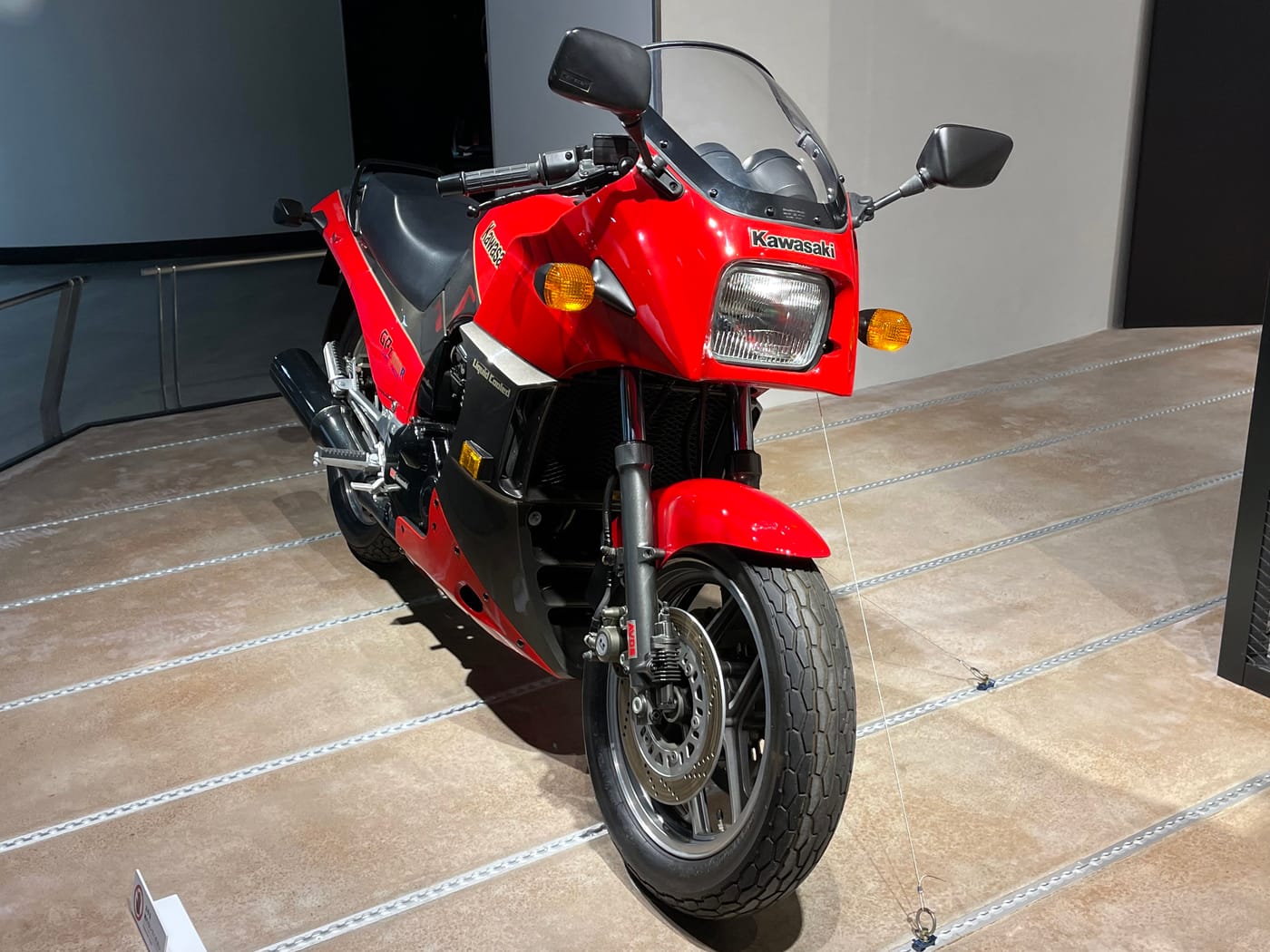
The Kawasaki Gpz900r has a top speed of 241 km/h, produces 115 hp and weighs 228 kg. Motoryk rates it 8/10.
The Kawasaki GPZ900R (ZX900-A) was introduced in 1984 as the world's first liquid-cooled, 16-valve inline-four production motorcycle, setting a new benchmark for sportbike performance. It gained global fame after being featured in the 1986 film 'Top Gun' ridden by Tom Cruise, cementing its iconic status. Produced until 2003 in some markets (notably Japan), it remained in production for nearly two decades and is widely regarded as the bike that launched the modern superbike era.
115 hp
Power
87 Nm
Torque
228 kg
Weight
241 km/h
Top Speed
6.5 L/100km (approximately 15.4 km/L, typical real-world average)
Fuel
Faired
Body
🔧 Service Schedule & Parts
Affiliate · we may earn| Service item | Every | Typical cost | Parts |
|---|---|---|---|
| 🛢️ Engine oil + oil filter | 6,000 km / 3,500 mi or 12 mo | $40-80 | 🛢️ Buy → ⚙️ Buy → |
| 🌬️ Air filter | 12,000 km / 7,500 mi | — | 🌬️ Buy → |
| ⚡ Spark plugs | 12,000 km / 7,500 mi | — | ⚡ Buy → |
| 🔧 Valve clearance check | 24,000 km / 15,000 mi | $200-400 | |
| 🔗 Chain & sprockets | 25000-40000 km (replace) | $150-300 | 🔗 Buy → |
| 🛑 Brake pads | 15000-30000 km | $30-60 | 🛑 Buy → |
| 💧 Brake fluid | 24,000 km / 15,000 mi or 2 yr | — | |
| 🧊 Coolant | 24,000 km / 15,000 mi | — | |
| 🛞 Tires | 10000-20000 km | $200-400 | 🛞 Buy → |
| 🔩 Major service | 24,000 km / 15,000 mi | $300-600 |
Video Review
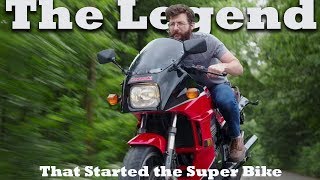
What Buyers Should Know
Top Gun Icon
The GPZ900R gained worldwide fame as Maverick's bike in the 1986 film Top Gun, making well-maintained examples highly sought after by collectors and driving strong resale values for original, unmodified bikes.
Watch the Camchain
The cam chain tensioner is a known weak point — a rattling cold start is a red flag. Always check service history for tensioner replacements, as neglect can lead to costly engine damage.
Surprisingly Tough Engine
The liquid-cooled 908cc inline-four is remarkably durable when properly maintained, with many examples surpassing 100,000 km. Regular oil changes and coolant flushes are the key to longevity on this 1984–2003 classic.
Generations & Specs by Year
Original launch. ZX900-A1/A2. Liquid-cooled 908cc inline-four, 115hp, revolutionary compact engine design.
"The bike that rewrote every rulebook overnight."
Nothing in 1984 prepared you for pulling back on that throttle and feeling 115 horsepower surge from an engine smaller than anything rival engineers thought possible — the GPz900R didn't just beat everything else, it embarrassed it. The chassis is taut and confidence-inspiring at pace, though that 228kg wet weight makes itself known in slow car parks and tight U-turns, where you earn every manoeuvre. Heat management is the dirty secret nobody mentions in period press: at traffic lights in summer, your right leg cooks gently against the exhaust header area, and the fairing traps engine warmth in a way that gets genuinely uncomfortable in city riding. But point it at an open A-road or a motorway and every compromise dissolves — the wind protection is excellent, the power delivery is smooth and savage in equal measure, and you arrive at your destination faster than you had any right to expect in 1984.
Pros
Cons
ZX900-A3 to A6. Minor carburetor and chassis refinements, updated graphics and color schemes.
"Still the real deal, refinements or not."
Three years into the A-series and Kawasaki hadn't broken what wasn't broken — the carb tweaks smoothed out a mild flat spot around 4,000 rpm that annoyed early owners, and honestly that's about as dramatic as the changes get. The 908cc motor still pulls hard from 5,500 rpm and doesn't quit until you're running out of road, and at 241 km/h the fairing actually does its job instead of just looking the part. Chassis-wise it's a big, heavy bike by modern standards — you feel every one of those 228 kilos in slow parking-lot maneuvers — but once it's leaned over and moving, it settles into a rhythm that forgives a lot of bad inputs. The seat will have your backside filing a complaint after 200 kilometers, and the mirrors vibrate themselves into uselessness above 120 km/h, but these are known quantities you either make peace with or fix.
Pros
Cons
ZX900-A7 to A10. Revised suspension settings, updated bodywork colors, minor mechanical refinements.
"Still dangerous fun, but age is showing."
The Gen 3 GPZ900R remains a genuinely thrilling machine — that 908cc inline-four pulls hard from 4,000 rpm and doesn't apologize until redline, and 113 horsepower still feels like enough to get you killed on a bad day. Kawasaki's revised suspension settings over the earlier gens are a modest improvement, but let's be honest: the front end still wallows under hard braking compared to anything Japanese made after 1995, and that 228kg wet weight telegraphs itself every time you're threading through slow traffic. The colors on the A8 and A10 are genuinely handsome — the red-and-black schemes age better than most — but the fairing plastics are 30-year-old brittle now, so budget accordingly. If you grew up on this bike or came to it from a GPz550, the ergonomics feel like home; if you're coming down from a ZX-6R, the steering will feel like piloting a very enthusiastic barge.
Pros
Cons
ZX900-A11 to A14. Larger 41mm forks, revised frame geometry, improved braking components.
"Still a genuine canyon weapon, but showing its age gracefully."
The Gen 4 forks made a real difference — less dive under hard braking and noticeably more planted mid-corner compared to the earlier bikes I'd ridden. That 908cc engine still pulls hard from 5,000 rpm and doesn't apologize for anything right through to the redline; it's not a peaky screamer, it's a purposeful, relentless shove that makes modern middleweight riders nervous. The weight is honest — 228 kg is 228 kg, and you feel every kilo in slow car parks or when you're caught off-guard on a greasy roundabout. What I couldn't forgive by the mid-90s was the wind protection, which is essentially theatrical — anything above 160 km/h and your helmet is trying to leave your shoulders.
Pros
Cons
ZX900-A15 to A20. Final production years, continued mainly for Japanese domestic market demand.
"Legend on borrowed time, still earns respect daily."
By 1998 the GPZ900R was already a museum piece wearing a price tag, but Kawasaki kept feeding Japan's nostalgia market and honestly the bike still delivered. That 908cc motor pulls hard from 4,000 rpm with a torque curve that makes modern supersports feel nervous and twitchy by comparison — it's effortless, confidence-building grunt rather than a peaky hit. The chassis, though, tells its age bluntly: the 16-inch front wheel turns in with a deliberate laziness that demands commitment on tight mountain roads, and the suspension is agricultural compared to anything contemporary. I lived with one for two years and loved the long-haul comfort and that engine's personality, but replacing consumables got frustrating as parts supply quietly dried up — this generation was already a farewell letter written in metal.
Pros
Cons
Used Buyer Review
"An iconic machine worth buying right, not buying cheap."
$4,500-$12,000 usedThe GPZ900R is genuinely special — this is the bike that put Kawasaki back on top in 1984 and starred in Top Gun, so prices have climbed accordingly. What you're getting is a supremely balanced sportbike that still feels alive and purposeful forty years later. The inline-four pulls cleanly from low revs and absolutely sings above 7,000rpm. Handling is predictable rather than razor-sharp, which actually makes it more enjoyable on real roads. Buying used, your biggest concerns are neglect and parts availability. These bikes were ridden hard and often poorly maintained. Check the cam chain tensioner obsessively — a rattly cold start is a red flag. Frame corrosion around the steering head is common, and front fork seals will almost certainly need replacing. Budget £500-£800 immediately for consumables regardless of how good it looks. Original examples with matching numbers command serious premiums now, partly from collectors who never ride them.
Top 10 Accessories
Curated picks for the Kawasaki Gpz900r — owned, ridden, recommended.




Common Problems
🔥 1 CRITICALLook for pink/green residue below water pump cover
Cold start quality, idle stability, throttle response
Inspect pivot area closely for cracks or rust
Oil film visible on lower fork legs
✅Pre-Purchase Checklist
Tough engine, aging parts need regular attention
Full Specifications
Rivals & Alternatives
Bikes that buyers cross-shop with the Kawasaki Gpz900r
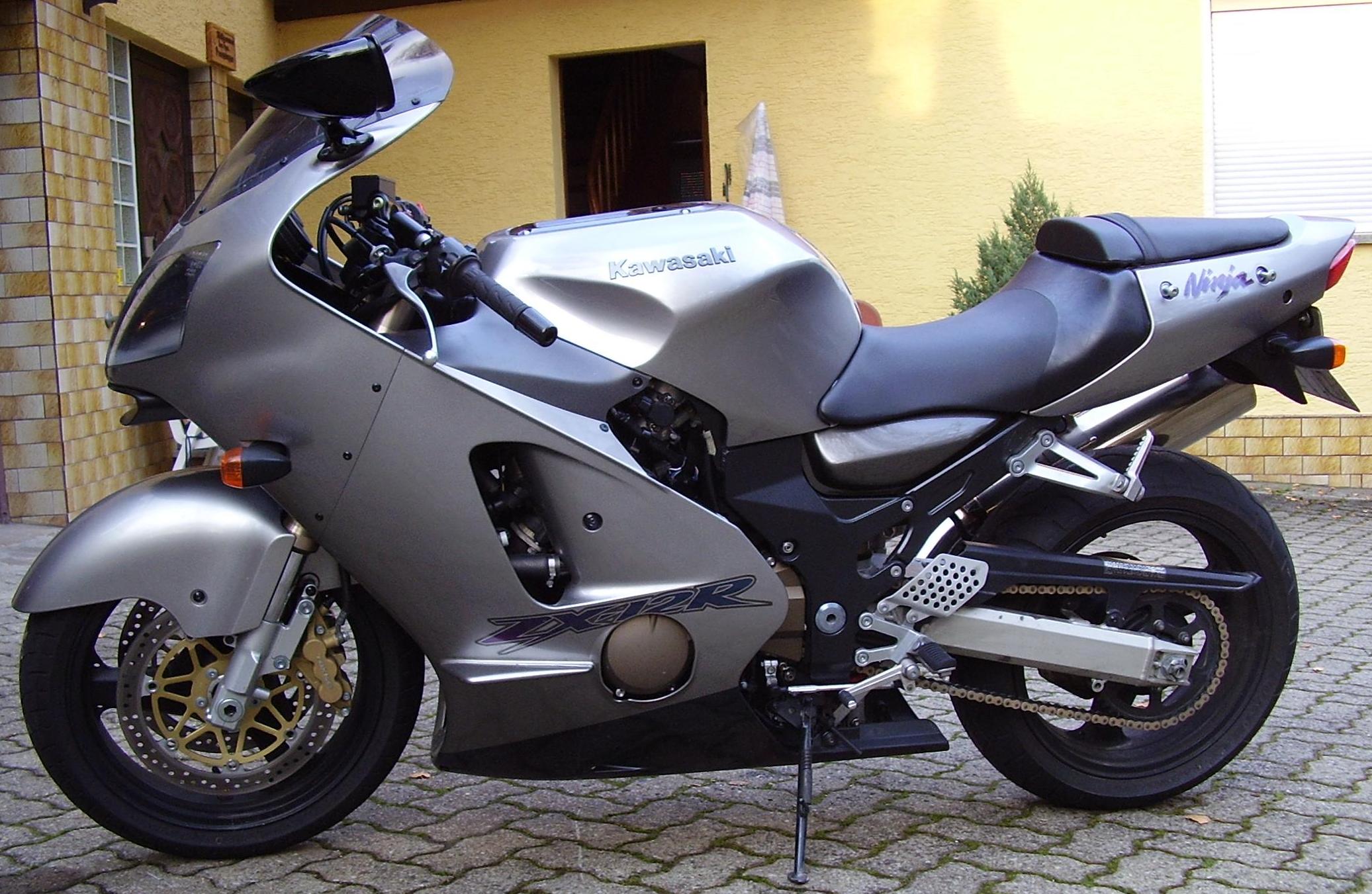
Kawasaki Zx-9r
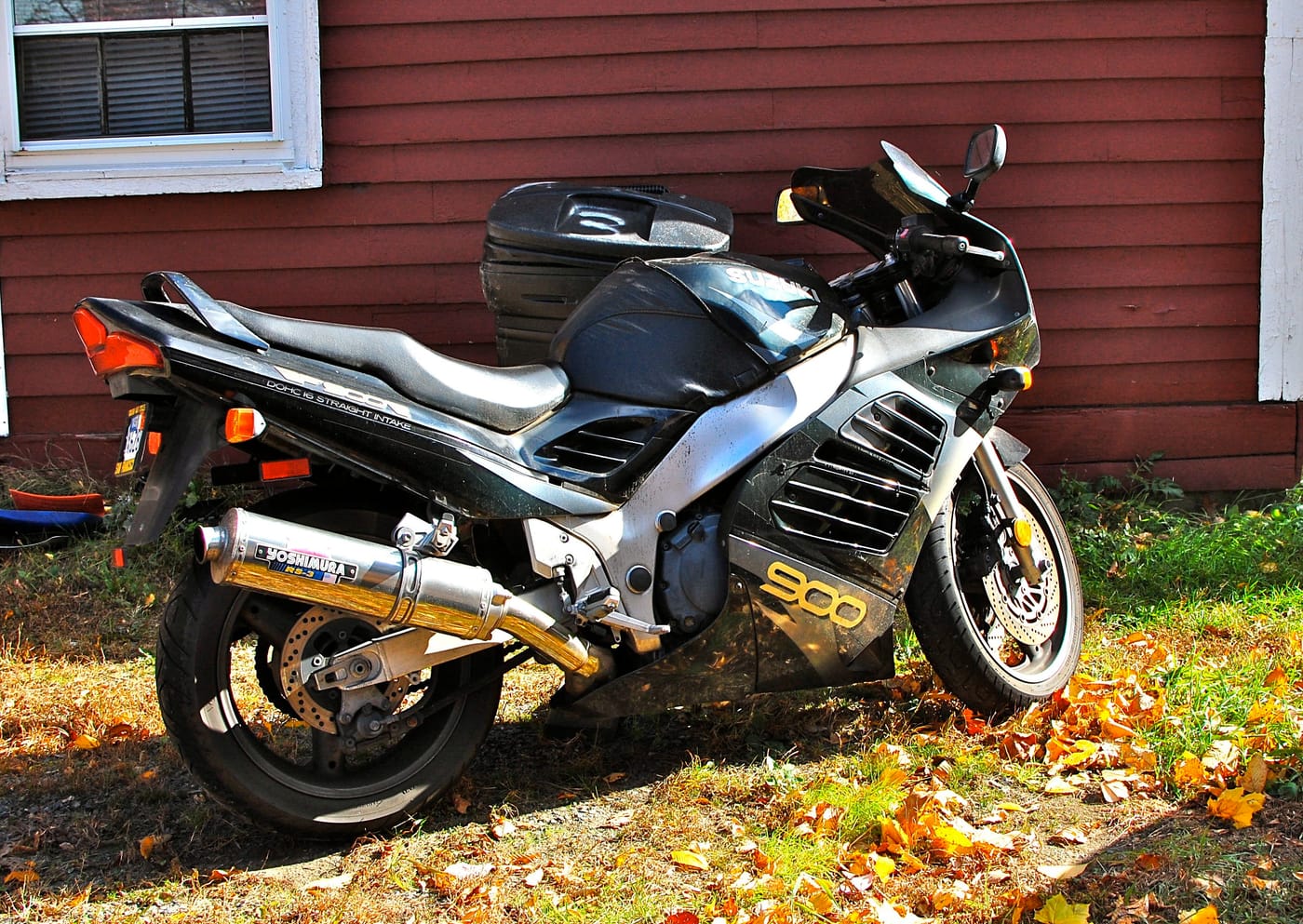
Suzuki Rf900r
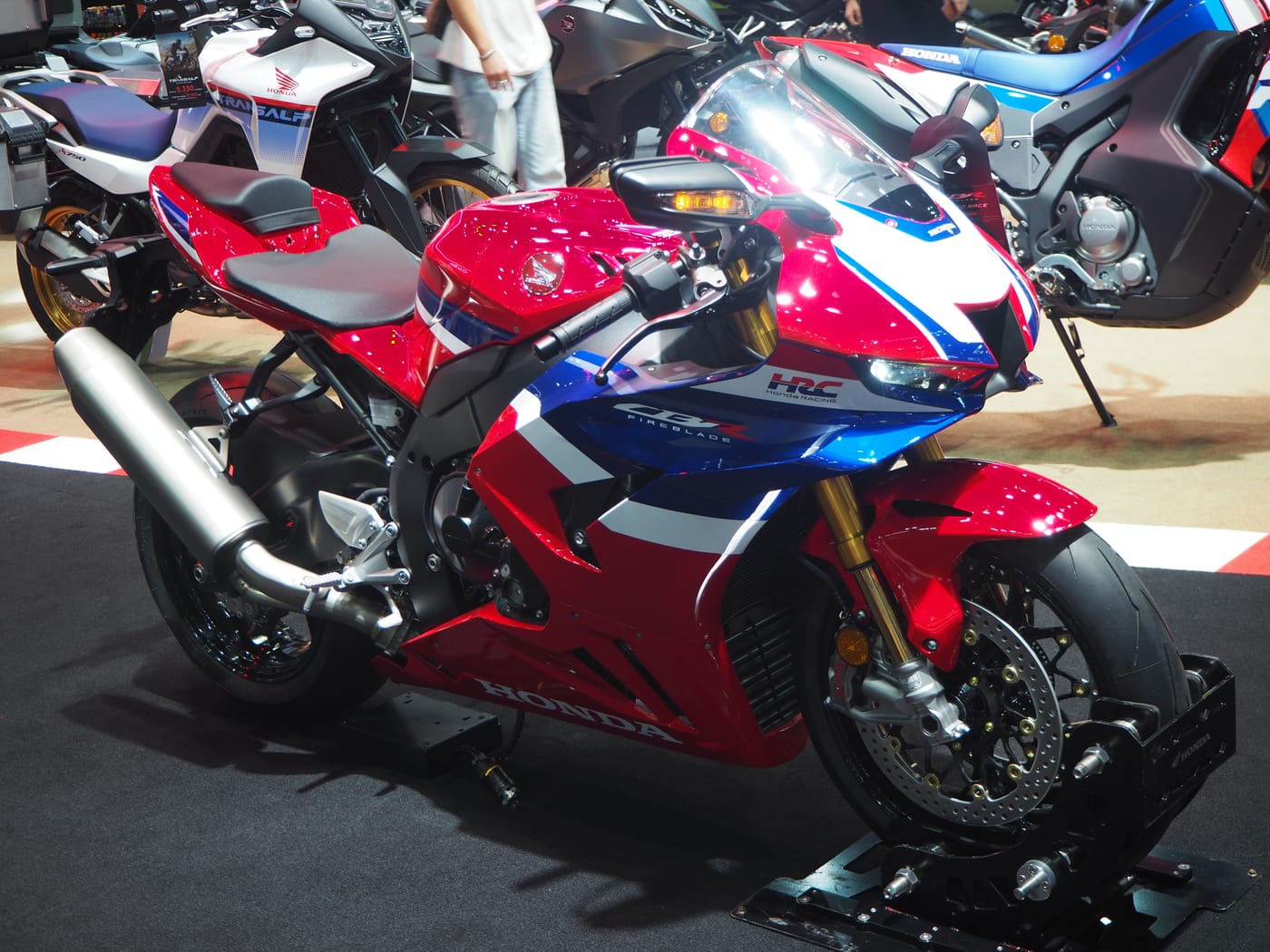
Honda Cbr900rr Fireblade
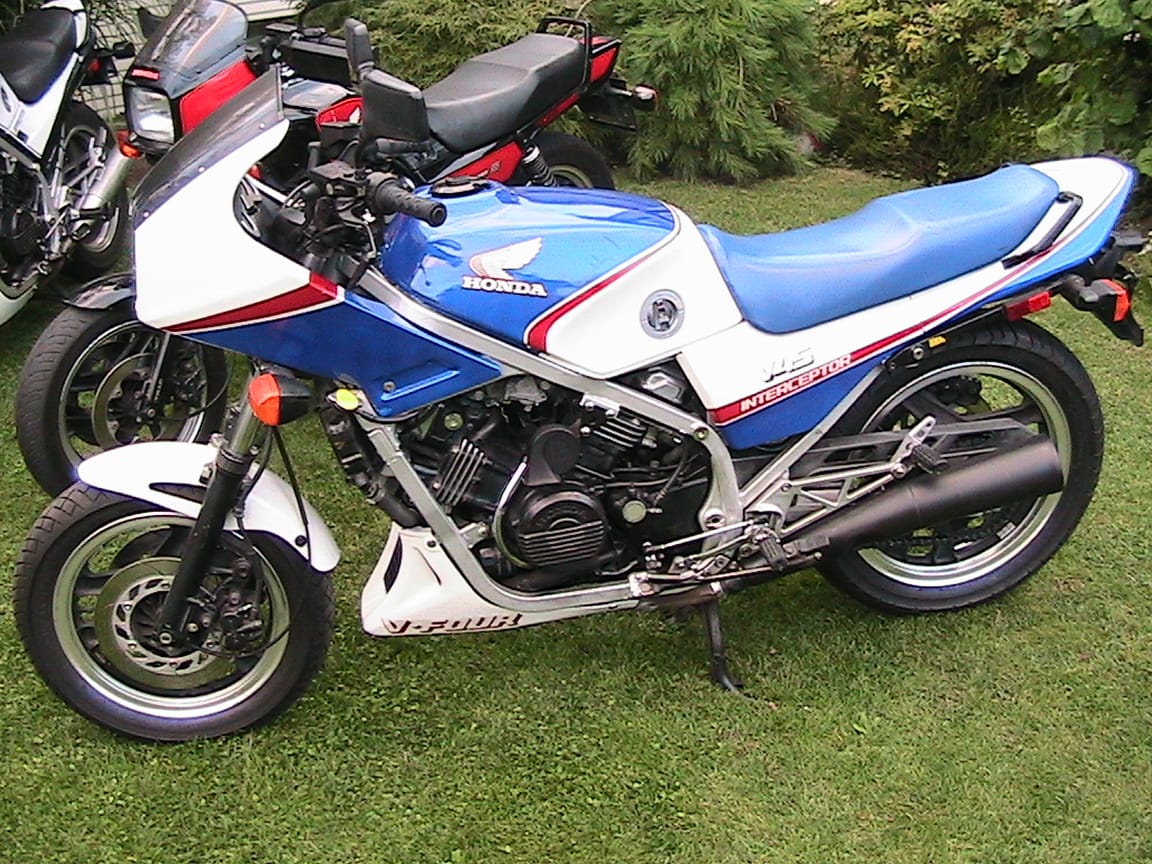
Honda Vf1000 Interceptor
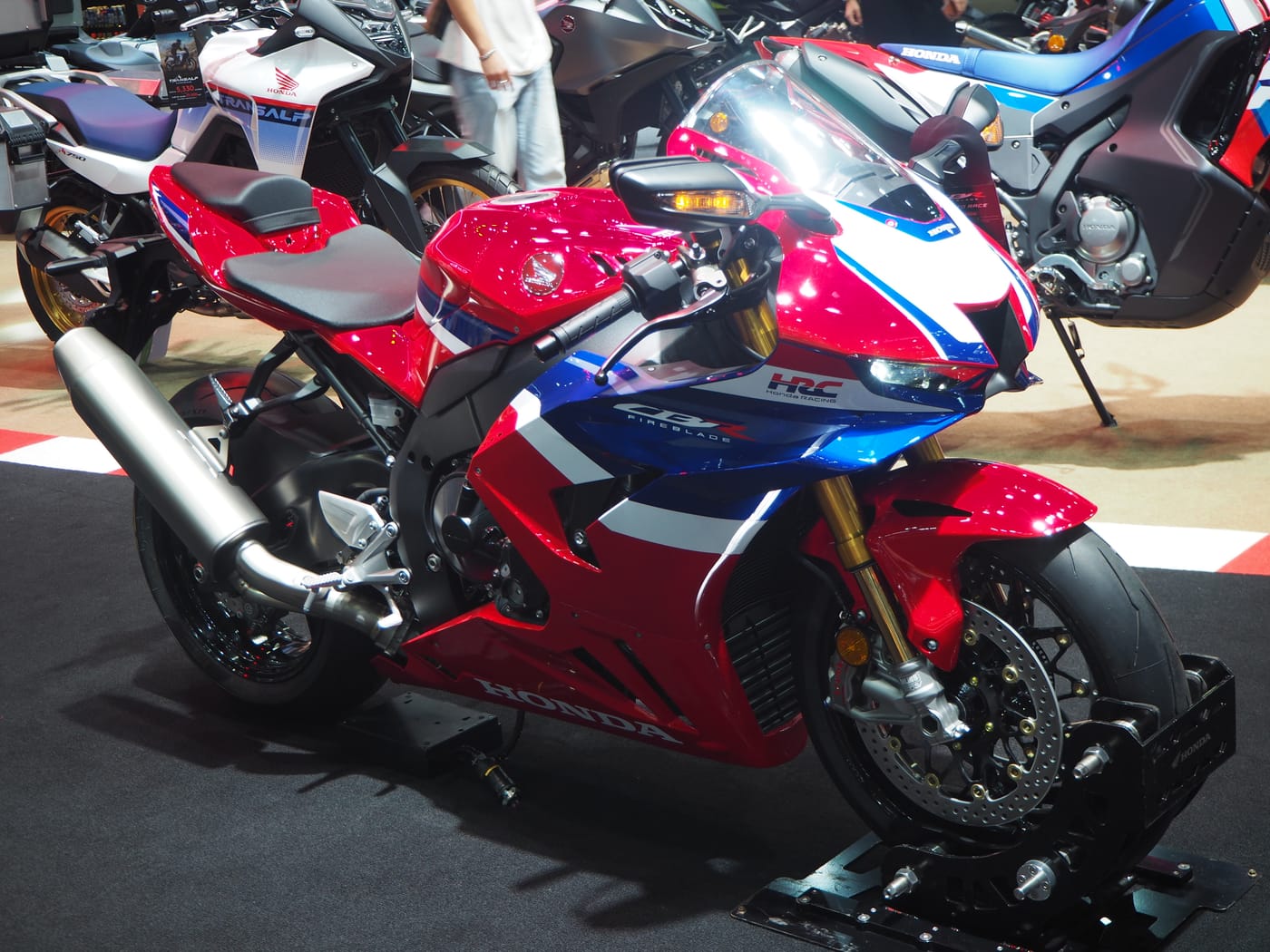
Honda Cbr1100xx Blackbird
Compare Kawasaki Gpz900r Side-by-Side
compare_arrowsSpecs, power, weight & buyer verdict — head-to-head with the bikes most often cross-shopped.
Kawasaki Gpz900r vs Kawasaki Zx-9r
Specs · Power · Buyer verdict
Kawasaki Gpz900r vs Suzuki Rf900r
Specs · Power · Buyer verdict
Kawasaki Gpz900r vs Honda Cbr900rr Fireblade
Specs · Power · Buyer verdict
Kawasaki Gpz900r vs Honda Vf1000 Interceptor
Specs · Power · Buyer verdict
Kawasaki Gpz900r vs Honda Cbr1100xx Blackbird
Specs · Power · Buyer verdict
More Kawasaki Gpz900r Guides
More from Kawasaki
View all Kawasaki models →Community Reviews
Discussion
Frequently Asked Questions
What are common problems with the Kawasaki Gpz900r? +
Coolant leaks from water pump seals: Look for pink/green residue below water pump cover (moderate) | Carburetors gummed up from old fuel: Cold start quality, idle stability, throttle response (moderate) | Frame corrosion around swingarm pivot: Inspect pivot area closely for cracks or rust (serious)
Is the Kawasaki Gpz900r a good motorcycle? +
An iconic machine worth buying right, not buying cheap. Rating: 8.0/10. Best for: Experienced riders wanting appreciating classic sportbike. Avoid if: You need reliable daily transport without mechanical involvement.
What is the horsepower of the Kawasaki Gpz900r? +
The Kawasaki Gpz900r produces 115 hp @ 9,500 rpm, with 87 Nm @ 8,500 rpm of torque. Top speed: 241 km/h.
Is the Kawasaki Gpz900r good for beginners? +
Not really — the Kawasaki Gpz900r is better for experienced riders (115 hp can be intimidating). Experienced riders wanting appreciating classic sportbike Avoid if: You need reliable daily transport without mechanical involvement
Is the Kawasaki Gpz900r reliable? +
Owners report 1 critical issue to watch for on the Kawasaki Gpz900r, notably: Frame corrosion around swingarm pivot (Inspect pivot area closely for cracks or rust). Buy with a pre-purchase inspection.
Is the Kawasaki Gpz900r good for daily use? +
Experienced riders wanting appreciating classic sportbike Fuel: 6.5 L/100km (approximately 15.4 km/L, typical real-world average).
How fast is the Kawasaki Gpz900r? +
The Kawasaki Gpz900r reaches a top speed of 241 km/h, producing 115 hp at 228 kg curb weight. Real-world performance depends on rider weight, gearing, and road conditions.
What gear should I buy for a Kawasaki Gpz900r? +
Motoryk has curated a Top 10 gear list specifically for the Kawasaki Gpz900r, covering engine oil, tires, chain, battery, and brake pads — see motoryk.com/bikes/kawasaki/gpz900r/top10. Each pick is matched to this bike's spec.