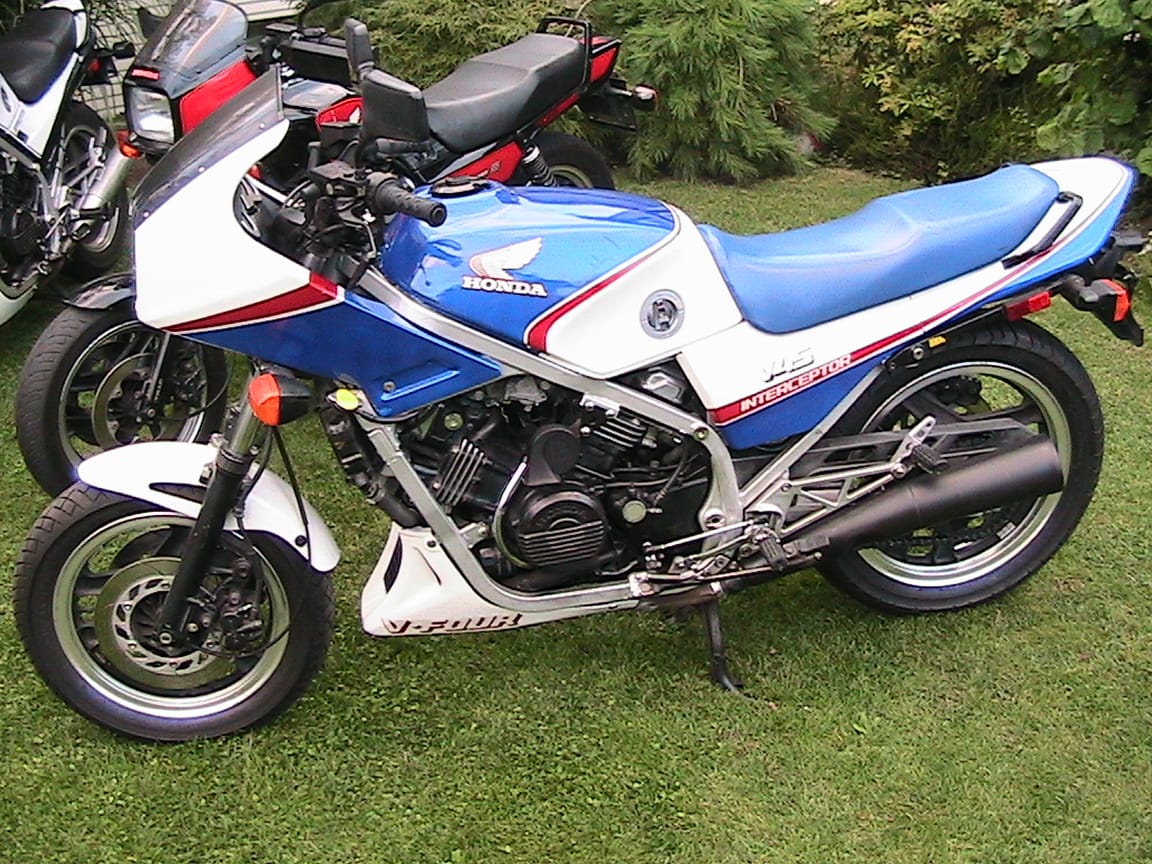
Honda Vf1000 Interceptor
The Honda Vf1000 Interceptor has a top speed of 240 km/h, produces 122 hp and weighs 238 kg. Motoryk rates it 7.5/10.
The Honda VF1000F Interceptor was introduced in 1984 as Honda's flagship superbike, featuring a liquid-cooled 90-degree V4 engine and representing the pinnacle of Honda's performance technology at the time. It was produced from 1984 to 1985 and was designed to compete directly with Kawasaki's GPz1100 and other open-class rivals of the era. The VF1000 is notable for its advanced (for the time) chassis, TRAC anti-dive fork system, and its role in establishing Honda's V4 legacy before the later VFR series took over.
122 hp
Power
91 Nm
Torque
238 kg
Weight
240 km/h
Top Speed
6.5 L/100km (approximately 15.4 km/L typical real-world average)
Fuel
Faired
Body
🔧 Service Schedule & Parts
Affiliate · we may earn| Service item | Every | Typical cost | Parts |
|---|---|---|---|
| 🛢️ Engine oil + oil filter | 6,000 km / 3,500 mi or 12 mo | $40-80 | 🛢️ Buy → ⚙️ Buy → |
| 🌬️ Air filter | 12,000 km / 7,500 mi | — | 🌬️ Buy → |
| ⚡ Spark plugs | 12,000 km / 7,500 mi | — | ⚡ Buy → |
| 🔧 Valve clearance check | 24,000 km / 15,000 mi | $250-500 | |
| 🔗 Chain & sprockets | 20000-35000 km (replace) | $150-300 | 🔗 Buy → |
| 🛑 Brake pads | 15000-25000 km | $40-80 | 🛑 Buy → |
| 💧 Brake fluid | 24,000 km / 15,000 mi or 2 yr | — | |
| 🧊 Coolant | 24,000 km / 15,000 mi | — | |
| 🛞 Tires | 10000-18000 km | $200-400 | 🛞 Buy → |
| 🔩 Major service | 24,000 km / 15,000 mi | $400-800 |
Video Review
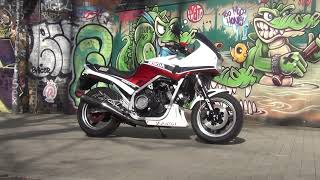
What Buyers Should Know
Watch the Cam Chains
The VF1000's V4 engine is known for cam chain tensioner wear, which can cause a rattling noise on startup. Always inspect service records and listen carefully before buying — neglected tensioners can lead to costly engine damage.
Rare Performance Icon
Produced only from 1984–1985, the VF1000R variant was Honda's premier homologation superbike, featuring a gear-driven cam system uncommon for its era. Its rarity makes well-maintained examples increasingly collectible and desirable.
Coolant System Upkeep
The liquid-cooled V4 requires diligent coolant maintenance — neglected systems can corrode water pump seals and cause overheating. Check for any signs of coolant leaks around the pump and radiator before purchasing.
Generations & Specs by Year
Original VF1000F Interceptor introduced with 998cc V4 engine, anti-dive forks, and dual front disc brakes.
"Honda's V4 flagship that rewrote the sportbike rulebook."
That 998cc V4 pulls hard from 5,000 rpm and doesn't stop until the redline — it's genuinely addictive, with a mechanical howl that shames most modern bikes for character. The anti-dive forks were cutting-edge in '84 and they actually work, keeping the nose composed under hard braking in a way that surprised me every time. At 238 kg it's no flyweight, and you feel that mass in slow-speed parking lot maneuvers, but once you're moving it carries its weight with real grace. The dark cloud hanging over this generation is the cam gear and bearing reliability — if the service history is sketchy, budget for a top-end rebuild before you fall in love.
Pros
Cons
VF1000F2 Interceptor introduced with revised bodywork, updated suspension, and refined engine cooling improvements.
"The V4 that almost got everything right."
Honda's F2 revision smoothed out the worst sins of the original — the bodywork is sharper, the suspension actually holds its composure through fast sweepers now, and that 998cc V4 pulls with a urgency that still surprises you a decade later. But the ghost of the cam-gear whine never fully left, and if you're not diligent about coolant changes and watching those rear cylinder temps, you're gambling with your engine. I put 18,000 miles on one across two years and loved about 90% of them; the other 10% was wrenching on a bike that demanded more mechanical sympathy than most riders gave it. At speed — genuinely honest, seat-of-the-pants 140 mph territory — the Interceptor feels planted and purposeful in a way the GPz900R never quite matched for me.
Pros
Cons
Used Buyer Review
"A genuinely rewarding classic if you buy the right one."
$3,500-$8,500 usedThe VF1000 Interceptor was Honda's serious shot at Kawasaki's GPz1100 throne, and honestly it nearly pulled it off. That 90-degree V4 is still one of the sweetest engines you'll find from the mid-80s — smooth power delivery, a gorgeous exhaust note, and enough grunt to embarrass plenty of modern middleweights in real-world riding. When one of these comes up in clean condition, it genuinely stops you in your tracks. Here's where you need to pay attention though: the cam chain tensioners and valve gear are notorious problem areas. Budget for a full cam chain tensioner inspection before you hand over any cash, and pull the fairings to check for evidence of previous repairs. The cooling system needs scrutiny too — these bikes sat for decades and rubber hoses go brittle. Wiring harness condition is everything on a 40-year-old Honda, so bring a multimeter or someone who knows how to use one. Find a sorted example and you've got one of the most characterful sport bikes of its era. Rush into a basket case and you'll spend more restoring it than it'll ever be worth.
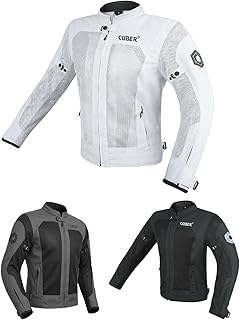
Top 10 Accessories
Curated picks for the Honda Vf1000 Interceptor — owned, ridden, recommended.




Common Problems
🔥 1 CRITICALRough idle, hesitation, black smoke under acceleration
Cold start rattle that persists, listen at idle
Check hose condition, reservoir level, weep hole drips
Test all lights, gauges, starter reliability when warm
✅Pre-Purchase Checklist
Solid but parts scarce, budget for maintenance
Full Specifications
Rivals & Alternatives
Bikes that buyers cross-shop with the Honda Vf1000 Interceptor
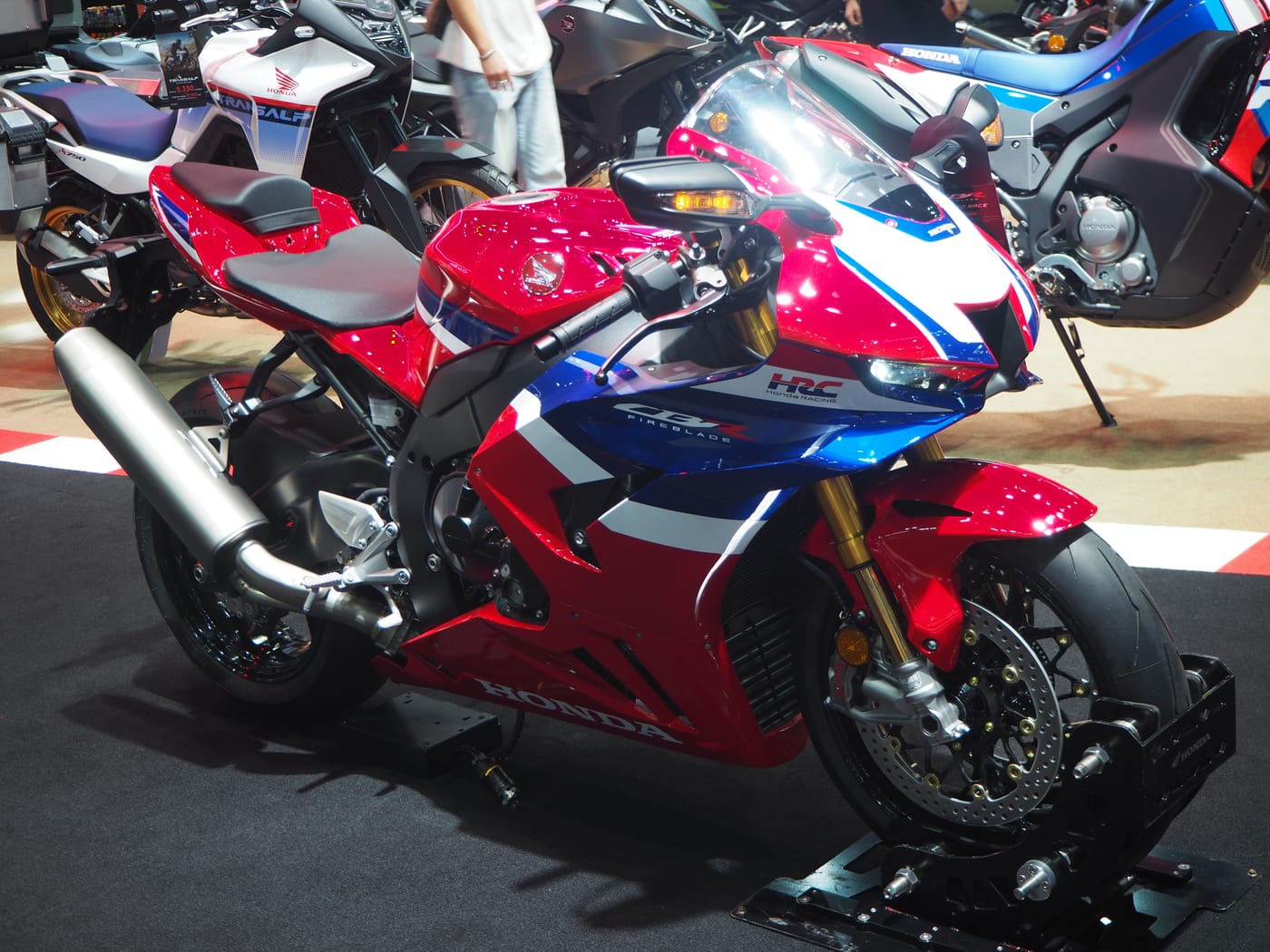
Honda Cbr900rr Fireblade
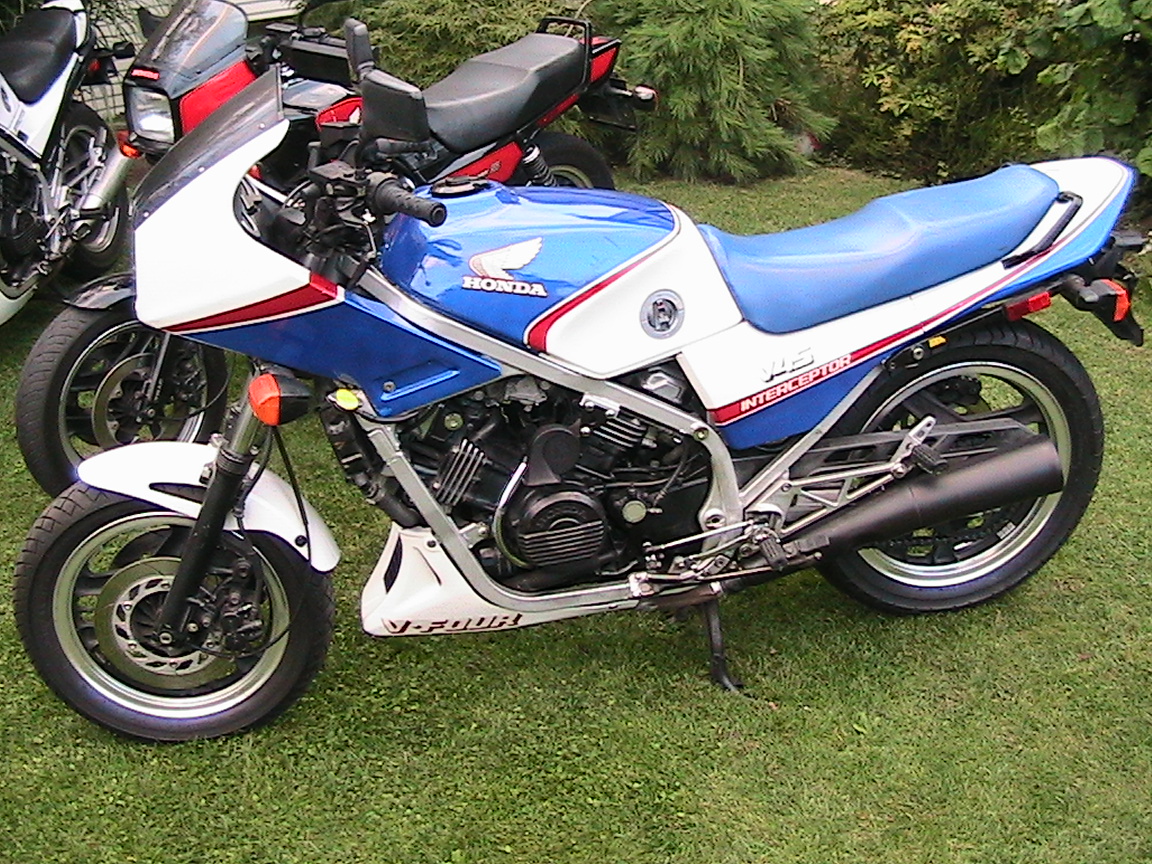
Honda Vf750 Interceptor
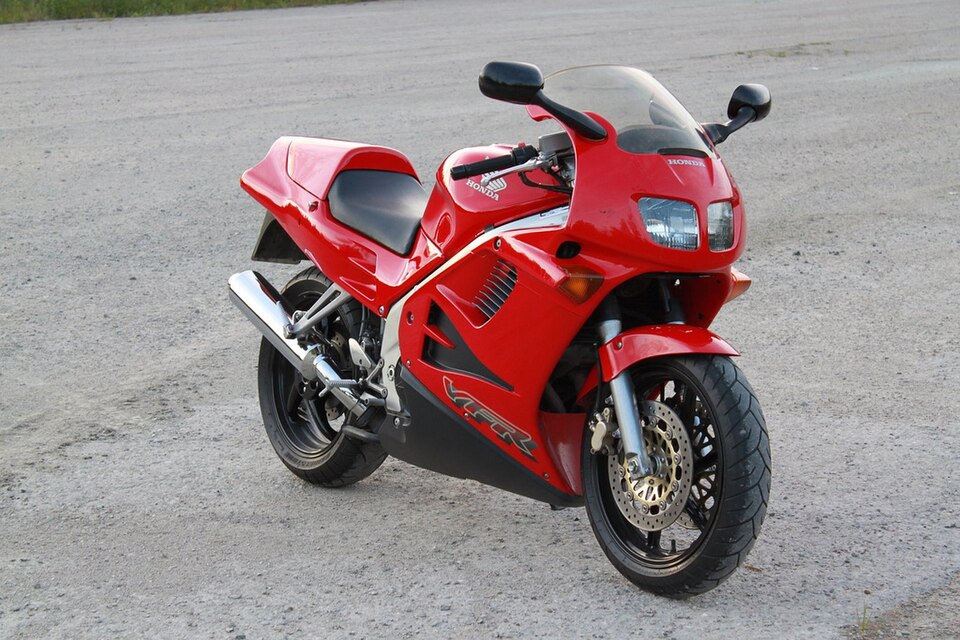
Honda Vfr750
Honda Cbr1100xx Blackbird
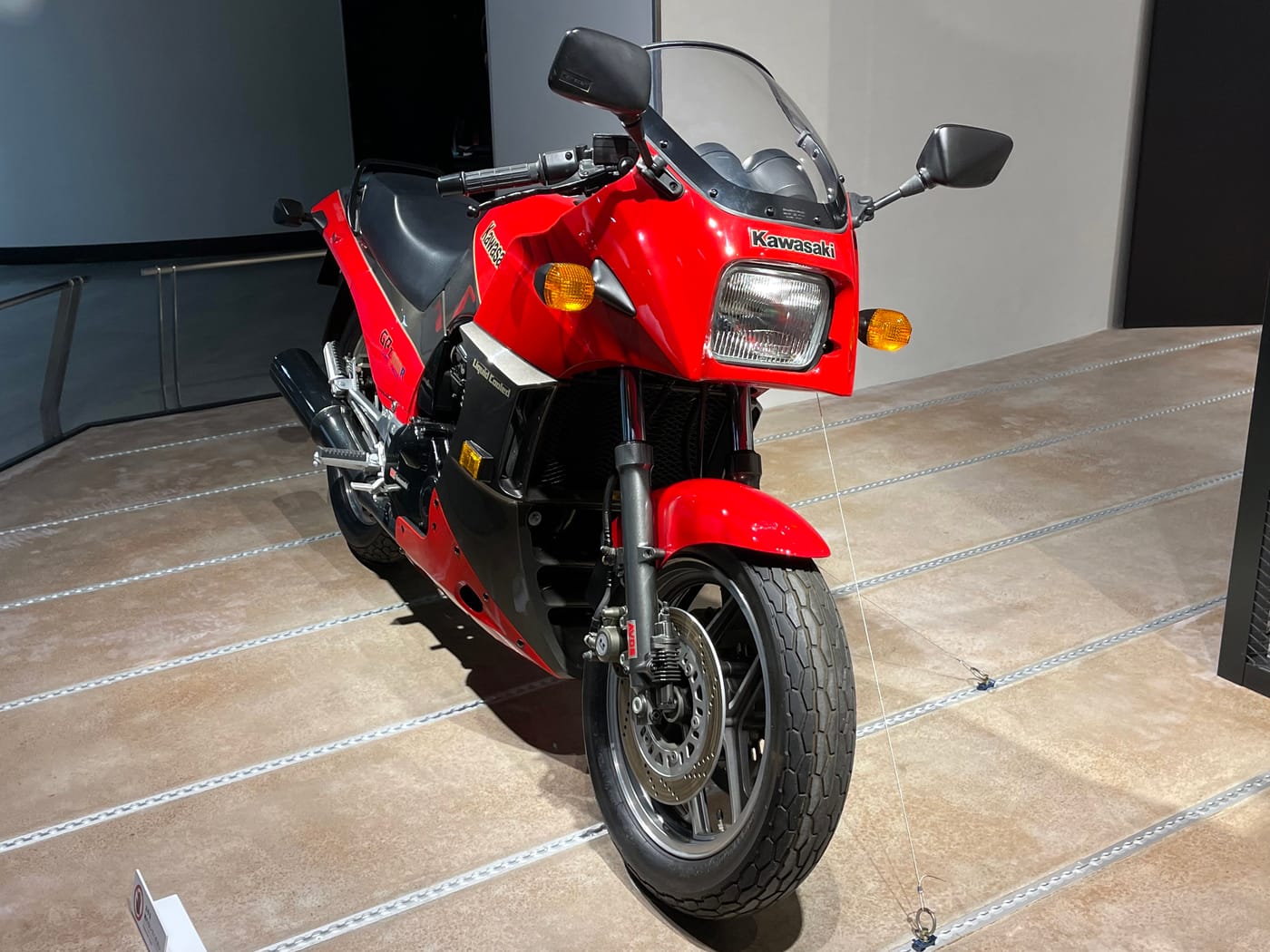
Kawasaki Gpz900r
Compare Honda Vf1000 Interceptor Side-by-Side
compare_arrowsSpecs, power, weight & buyer verdict — head-to-head with the bikes most often cross-shopped.
Honda Vf1000 Interceptor vs Honda Cbr900rr Fireblade
Specs · Power · Buyer verdict
Honda Vf1000 Interceptor vs Honda Vf750 Interceptor
Specs · Power · Buyer verdict
Honda Vf1000 Interceptor vs Honda Vfr750
Specs · Power · Buyer verdict
Honda Vf1000 Interceptor vs Honda Cbr1100xx Blackbird
Specs · Power · Buyer verdict
Honda Vf1000 Interceptor vs Kawasaki Gpz900r
Specs · Power · Buyer verdict
More Honda Vf1000 Interceptor Guides
More from Honda
View all Honda models →Community Reviews
Discussion
Frequently Asked Questions
What are common problems with the Honda Vf1000 Interceptor? +
Carb sync and jet clogging from old fuel: Rough idle, hesitation, black smoke under acceleration (moderate) | Cam chain tensioner wear causing engine rattle: Cold start rattle that persists, listen at idle (serious) | Coolant leaks from aging hoses and water pump: Check hose condition, reservoir level, weep hole drips (moderate)
Is the Honda Vf1000 Interceptor a good motorcycle? +
A genuinely rewarding classic if you buy the right one. Rating: 7.5/10. Best for: Patient classic sport bike enthusiasts with mechanical aptitude. Avoid if: You want trouble-free daily transportation without wrenching.
What is the horsepower of the Honda Vf1000 Interceptor? +
The Honda Vf1000 Interceptor produces 122 hp @ 10,000 rpm, with 91 Nm @ 8,000 rpm of torque. Top speed: 240 km/h.
Is the Honda Vf1000 Interceptor good for beginners? +
Not really — the Honda Vf1000 Interceptor is better for experienced riders (122 hp can be intimidating). Patient classic sport bike enthusiasts with mechanical aptitude Avoid if: You want trouble-free daily transportation without wrenching
Is the Honda Vf1000 Interceptor reliable? +
Owners report 1 critical issue to watch for on the Honda Vf1000 Interceptor, notably: Cam chain tensioner wear causing engine rattle (Cold start rattle that persists, listen at idle). Buy with a pre-purchase inspection.
Is the Honda Vf1000 Interceptor good for daily use? +
Patient classic sport bike enthusiasts with mechanical aptitude Fuel: 6.5 L/100km (approximately 15.4 km/L typical real-world average).
How fast is the Honda Vf1000 Interceptor? +
The Honda Vf1000 Interceptor reaches a top speed of 240 km/h, producing 122 hp at 238 kg curb weight. Real-world performance depends on rider weight, gearing, and road conditions.
What gear should I buy for a Honda Vf1000 Interceptor? +
Motoryk has curated a Top 10 gear list specifically for the Honda Vf1000 Interceptor, covering engine oil, tires, chain, battery, and brake pads — see motoryk.com/bikes/honda/vf1000-interceptor/top10. Each pick is matched to this bike's spec.