Honda Vfr800
The Honda Vfr800 has a top speed of 240 km/h (estimated; manufacturer limited), produces 107 hp and weighs 235 kg. Motoryk rates it 8.5/10.
The Honda VFR800 (Interceptor) was introduced in 1998 as a successor to the VFR750, featuring Honda's signature V4 engine with VTEC technology added in the 2002 redesign. It became renowned for its exceptional balance of sport performance and everyday usability, earning a reputation as one of the finest all-around motorcycles ever produced. The VFR800 remained in production through 2013 in its traditional form and is widely celebrated for its refined engineering, silky V4 soundtrack, and long-distance touring capability.
107 hp
Power
88 Nm
Torque
235 kg
Weight
240 km/h (estimated; manufacturer limited)
Top Speed
6.0–7.5 L/100km (typical real-world average)
Fuel
Faired
Body
🔧 Service Schedule & Parts
Affiliate · we may earn| Service item | Every | Typical cost | Parts |
|---|---|---|---|
| 🛢️ Engine oil + oil filter | 6,000 km / 3,500 mi or 12 mo | $40-80 | 🛢️ Buy → ⚙️ Buy → |
| 🌬️ Air filter | 12,000 km / 7,500 mi | — | 🌬️ Buy → |
| ⚡ Spark plugs | 16,000 km / 10,000 mi | — | ⚡ Buy → |
| 🔧 Valve clearance check | 24,000 km / 15,000 mi | $250-500 | |
| 🔗 Chain & sprockets | 25000-40000 km (replace) | $150-300 | 🔗 Buy → |
| 🛑 Brake pads | 15000-30000 km | $30-60 | 🛑 Buy → |
| 💧 Brake fluid | 24,000 km / 15,000 mi or 2 yr | — | |
| 🧊 Coolant | 24,000 km / 15,000 mi | — | |
| 🛞 Tires | 10000-20000 km | $200-450 | 🛞 Buy → |
| 🔩 Major service | 24,000 km / 15,000 mi | $400-700 |
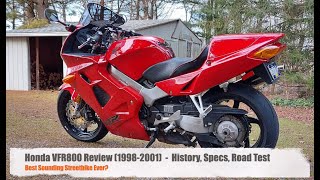
Video Review
What Buyers Should Know
Gear-Driven Cam Magic
The VFR800 uses a unique gear-driven camshaft system instead of a chain, producing a distinctive mechanical whine and eliminating the need for cam chain tensioner replacements that plague many competitors.
Watch the VTEC Solenoid
2002+ models with Honda's VTEC system can develop solenoid issues causing rough mid-range power delivery — a used-bike inspection should always include a VTEC engagement test between 6,500–7,000 RPM.
Strong Resale Value
The VFR800 holds its value exceptionally well due to its reputation for near-bulletproof reliability and loyal fanbase, often fetching 10–15% more than comparable sport-tourers of the same age.
Generations & Specs by Year
Introduced gear-driven cams, underseat exhausts, VTEC-free V4, revised from VFR750 platform.
"The benchmark sports-tourer that rivals still chase today."
I put 28,000 km on a '99 VFR800 and the gear-driven cams never let me forget I was riding something special — that mechanical whine building with revs is addictive in a way no chain-cam bike can replicate. The V4 pulls cleanly from 3,000 rpm but really wakes up past 7,000, and the underseat exhausts free up enough weight distribution to make the chassis feel sharper than 229 kg suggests through fast sweepers. Honestly, the Honda Dual Combined Braking System is the one thing I'd gladly remove — it adds front dive and a spongy feel that erodes confidence under hard stops, and it's expensive to sort. If you can live with the CBS and find a clean example before the rubber coolant hoses start weeping, this is still one of the most complete motorcycles ever built.
Pros
Cons
VTEC system added, revised bodywork, linked braking system updated, fuel injection introduced.
"The best touring sportbike ever built, with one asterisk."
I put 40,000 km on a 2004 VFR and still think about it. The V4 is intoxicating — that gear-driven cam howl builds into something almost operatic past 8,000 rpm, and the chassis feels like it was carved from a single piece of aluminium on a twisty B-road. The VTEC system, though, is genuinely annoying: below 6,800 rpm it's a lazy, flat commuter, then it snaps awake like someone flicked a switch, and you either learn to work around it or spend every ride fighting the transition. The linked brakes take some trust-building too — brake hard and early or accept that the system has its own opinion about weight distribution.
Pros
Cons
Combustion efficiency improvements, revised suspension, updated bodywork, combined ABS standard.
DCT dual-clutch transmission option added, revised chassis, updated electronics, new bodywork styling.
Used Buyer Review
"The ultimate all-rounder — if you buy a properly maintained example."
$4,500-$8,500 usedThe VFR800 is one of those bikes that rewards patience. Buy the wrong one and you'll be chasing electrical gremlins and VTEC hiccups until you want to torch it. Buy the right one and you've got arguably the most complete all-rounder ever built. The V4 gear-driven cams produce that distinctive mechanical whine that Honda fans worship, and the chassis balance is still class-leading decades on. It genuinely does everything well — long touring stints, canyon scratching, commuting — without excelling dramatically at any single discipline. For used buyers, the 5th gen (2002-2009) is the sweet spot. Avoid anything with a neglected VTEC transition — it should switch smoothly around 6,800rpm, not clunk or hesitate. Check the exhaust headers for bluing and cracks, inspect the rectifier-regulator carefully (known failure point), and pull the coolant cap. A properly maintained VFR with decent history is genuinely one of the best used buys in motorcycling. A rough one is an expensive headache you won't enjoy.
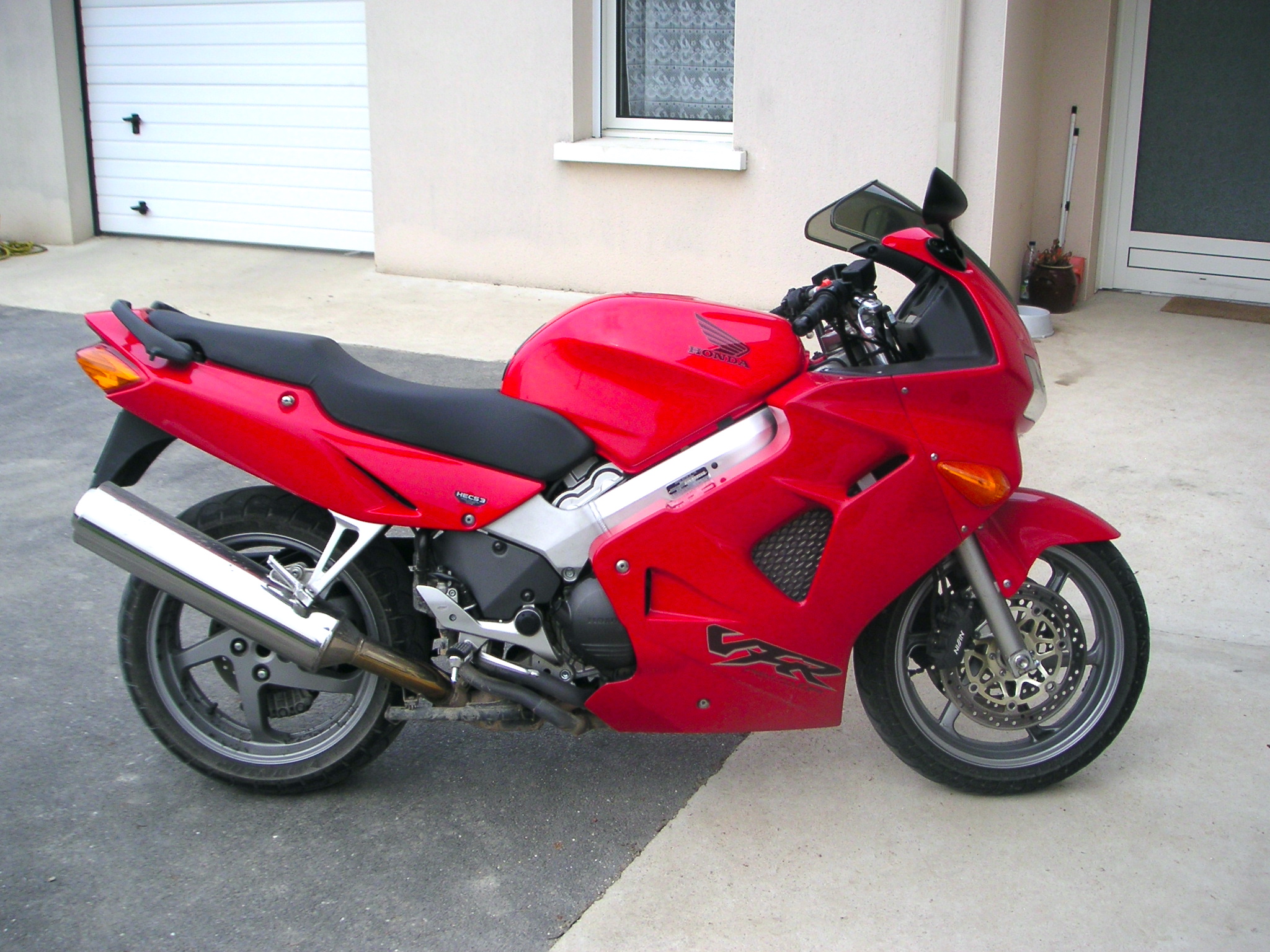
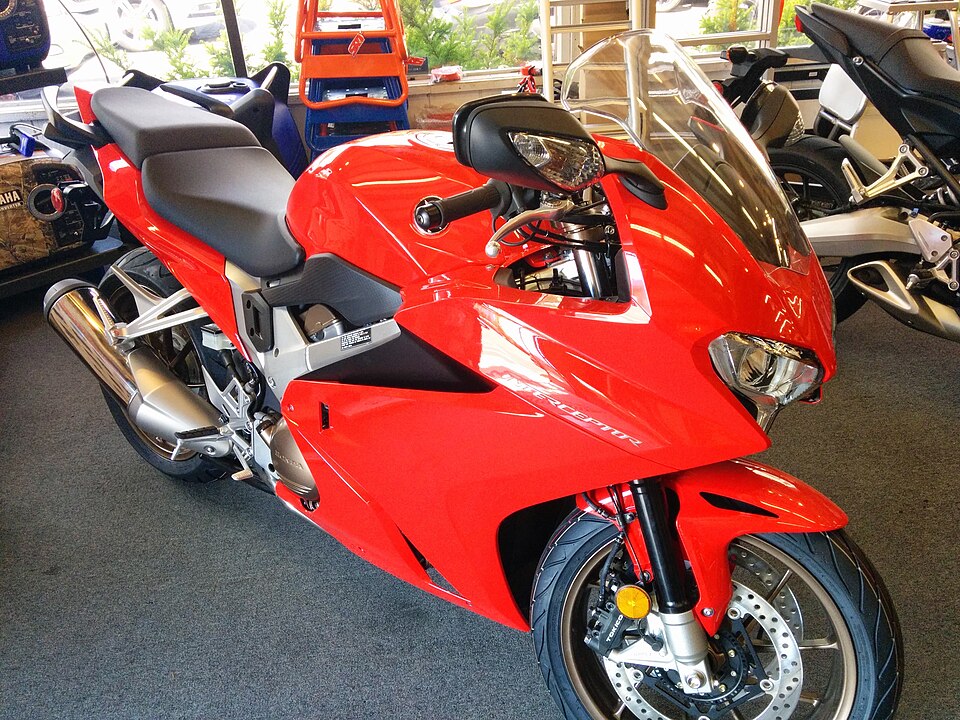
Variants of the Honda Vfr800
Same bike, different trim or year-range — pick the one matching the listing.
Top 10 Accessories
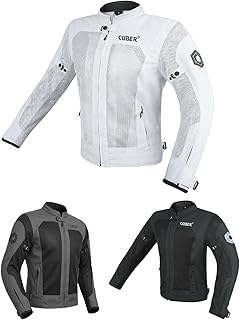
Curated picks for the Honda Vfr800 — owned, ridden, recommended.




Common Problems
🔥 1 CRITICALListen for hesitation at 6800rpm VTEC engagement point
Check charging voltage, look for melted connector near unit
Cold start rattling that disappears when warm
Inspect hoses and weep hole under water pump
✅Pre-Purchase Checklist
Excellent long-term bike, maintain regularly
Full Specifications
Rivals & Alternatives
Bikes that buyers cross-shop with the Honda Vfr800
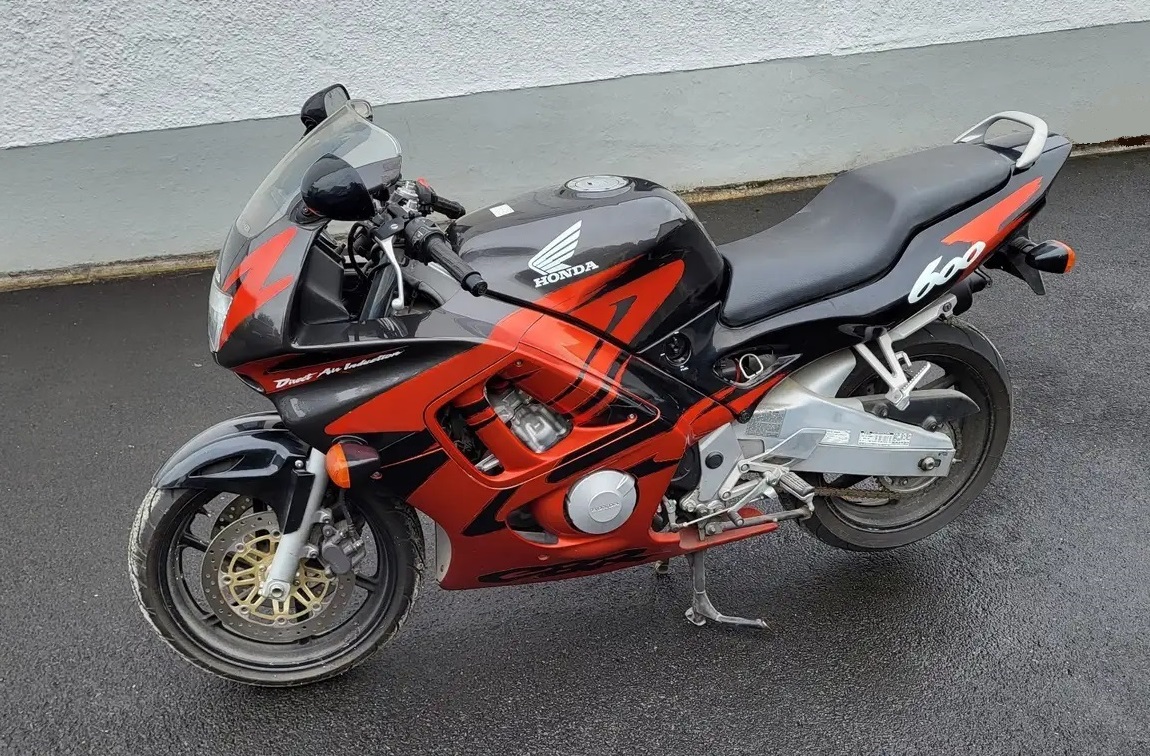
Honda Cbr600f
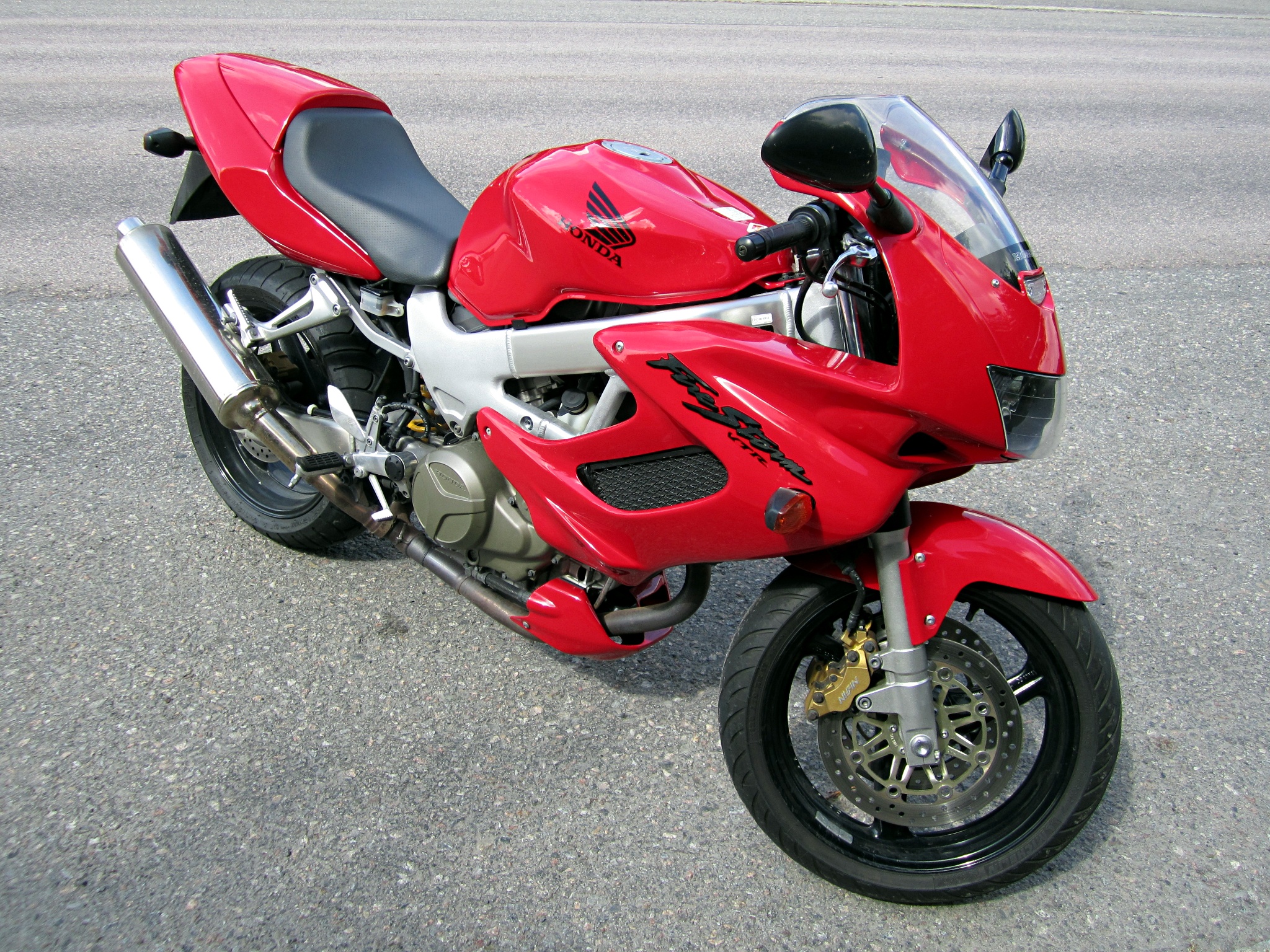
Honda Vtr1000 Firestorm
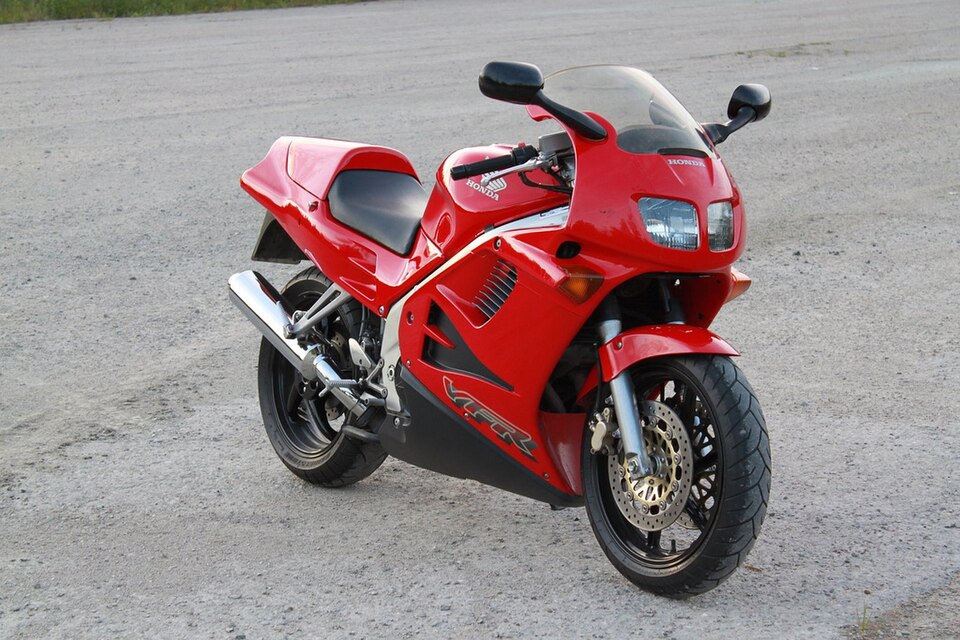
Honda Vfr750
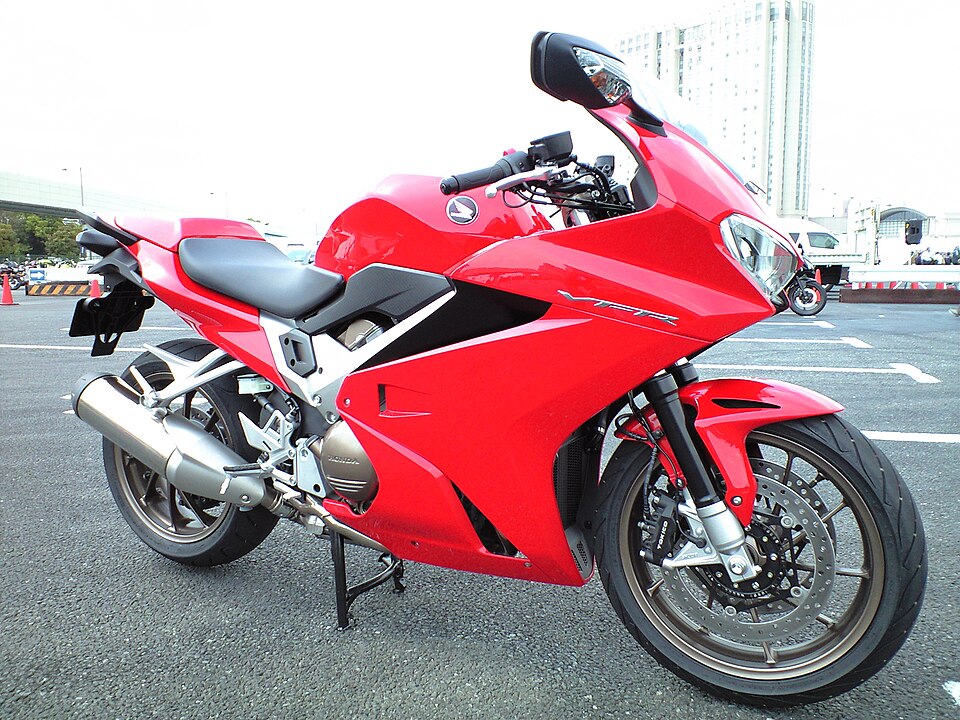
Honda Vfr800f
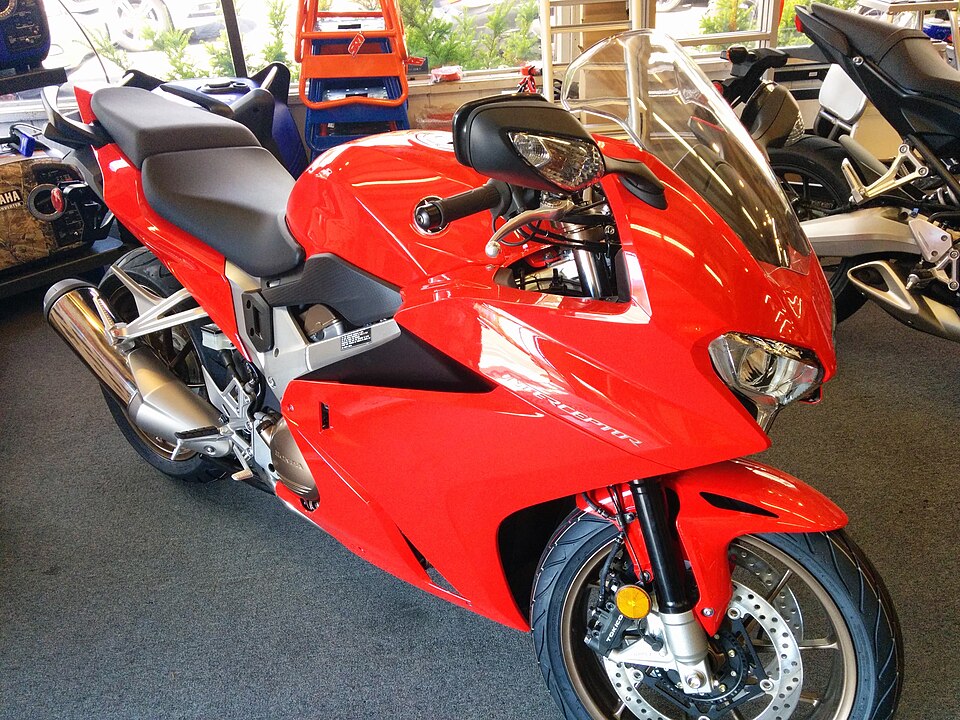
Honda Vfr800 Interceptor
Compare Honda Vfr800 Side-by-Side
compare_arrowsSpecs, power, weight & buyer verdict — head-to-head with the bikes most often cross-shopped.
Honda Vfr800 vs Honda Cbr600f
Specs · Power · Buyer verdict
Honda Vfr800 vs Honda Vtr1000 Firestorm
Specs · Power · Buyer verdict
Honda Vfr800 vs Honda Vfr750
Specs · Power · Buyer verdict
Honda Vfr800 vs Honda Vfr800f
Specs · Power · Buyer verdict
Honda Vfr800 vs Honda Vfr800 Interceptor
Specs · Power · Buyer verdict
More Honda Vfr800 Guides
More from Honda
View all Honda models →Community Reviews
Discussion
Honda Vfr800 Videos
Frequently Asked Questions
What are common problems with the Honda Vfr800? +
VTEC solenoid failure causing rough power delivery: Listen for hesitation at 6800rpm VTEC engagement point (moderate) | Rectifier/regulator overheating and failure: Check charging voltage, look for melted connector near unit (serious) | Cam chain tensioner wear causing engine noise: Cold start rattling that disappears when warm (moderate)
Is the Honda Vfr800 a good motorcycle? +
The ultimate all-rounder — if you buy a properly maintained example. Rating: 8.5/10. Best for: Experienced riders wanting one versatile, quality bike. Avoid if: You want a focused sportsbike or light commuter.
What is the horsepower of the Honda Vfr800? +
The Honda Vfr800 produces 107 hp @ 10,250 rpm, with 88 Nm @ 8,500 rpm of torque. Top speed: 240 km/h (estimated; manufacturer limited).
Is the Honda Vfr800 good for beginners? +
Not really — the Honda Vfr800 is better for experienced riders (107 hp can be intimidating). Experienced riders wanting one versatile, quality bike Avoid if: You want a focused sportsbike or light commuter
Is the Honda Vfr800 reliable? +
Owners report 1 critical issue to watch for on the Honda Vfr800, notably: Rectifier/regulator overheating and failure (Check charging voltage, look for melted connector near unit). Buy with a pre-purchase inspection.
Is the Honda Vfr800 good for daily use? +
Experienced riders wanting one versatile, quality bike Fuel: 6.0–7.5 L/100km (typical real-world average).
How fast is the Honda Vfr800? +
The Honda Vfr800 reaches a top speed of 240 km/h (estimated; manufacturer limited), producing 107 hp at 235 kg curb weight. Real-world performance depends on rider weight, gearing, and road conditions.
What gear should I buy for a Honda Vfr800? +
Motoryk has curated a Top 10 gear list specifically for the Honda Vfr800, covering engine oil, tires, chain, battery, and brake pads — see motoryk.com/bikes/honda/vfr800/top10. Each pick is matched to this bike's spec.