Honda Pan European 1000
The Honda Pan European 1000 has a top speed of 230 km/h (estimated, may be electronically limited on some variants), produces 100 hp and weighs 295 kg. Motoryk rates it 7.8/10.
The Honda ST1100 Pan European was introduced in 1990 as a flagship sport-touring motorcycle, featuring a transverse-mounted 1084cc V4 engine and Honda's first use of a linked braking system on a production motorcycle. It was designed specifically for long-distance European touring and quickly earned a strong reputation among touring riders for its comfort, reliability, and stability. It was succeeded in 2002 by the ST1300 Pan European, which continued the lineage with improved power and refined aerodynamics until production ended around 2016.
100 hp
Power
103 Nm
Torque
295 kg
Weight
230 km/h (estimated, may be electronically limited on some variants)
Top Speed
5.5 L/100km (approx. 18 km/L typical real-world average)
Fuel
Faired
Body
🔧 Service Schedule & Parts
Affiliate · we may earn| Service item | Every | Typical cost | Parts |
|---|---|---|---|
| 🛢️ Engine oil + oil filter | 6,000 km / 3,500 mi or 12 mo | $40-80 | 🛢️ Buy → ⚙️ Buy → |
| 🌬️ Air filter | 12,000 km / 7,500 mi | — | 🌬️ Buy → |
| ⚡ Spark plugs | 12,000 km / 7,500 mi | — | ⚡ Buy → |
| 🔧 Valve clearance check | 24,000 km / 15,000 mi | $250-450 | |
| 🛑 Brake pads | 15000-25000 km | $40-80 | 🛑 Buy → |
| 💧 Brake fluid | 24,000 km / 15,000 mi or 2 yr | — | |
| 🧊 Coolant | 24,000 km / 15,000 mi | — | |
| 🛞 Tires | 15000-25000 km | $250-450 | 🛞 Buy → |
| 🔩 Major service | 24,000 km / 15,000 mi | $350-650 |
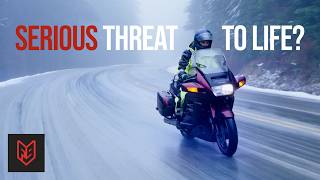
Video Review
What Buyers Should Know
Known Reliability Workhorse
The ST1100 Pan European is widely regarded as one of Honda's most bulletproof touring engines, with many examples surpassing 150,000 miles with basic maintenance. Its V4 motor rarely suffers catastrophic failures when serviced regularly.
Watch the ABS System
Early ABS-equipped models (pre-1996) are prone to ABS modulator failures, which are expensive and increasingly difficult to source. Always verify ABS function before purchasing and budget for potential repairs.
Strong Residual Value
The Pan European holds its value exceptionally well in the used touring market due to its legendary durability and loyal following. A well-maintained example can retain 60-70% of its value over a decade, making it a smart long-term buy.
Generations & Specs by Year
Original ST1100 launched with V4 1084cc engine, shaft drive, linked brakes, and integrated fairing.
"Honda built a touring fortress that actually loves corners."
The ST1100 arrived in 1990 feeling like Honda had finally gotten serious about long-distance motorcycling — the V4 pulls with a relentless, turbine-like smoothness from 3,000 rpm that swallows motorways whole, and at 200 km/h it's quieter and more composed than bikes half its weight. That 305 kg kerb weight is real and you'll feel every kilo in slow car-park manoeuvres, but once rolling it simply disappears; the chassis is neutral and planted in a way that genuinely surprised me on mountain passes in southern France. The linked braking system was ahead of its time and works well in normal riding, though trail-braking purists will find it meddlesome. My only recurring frustration was fuel range — the tank feels modest for a tourer, and on the autobahn you're stopping for petrol before your backside demands a break.
Pros
Cons
ABS introduced as option, minor refinements to suspension and ergonomics, revised colour options.
"Europe's finest mile-eater, just ignore the scales."
I put 18,000 kilometres on a '93 Pan European back-to-back with a BMW K1100LT, and Honda's V4 simply felt more alive — that engine pulls with real urgency from 4,000 rpm and doesn't quit until well past legal speeds on any motorway in Europe. The optional ABS was a genuine revelation for 1992, saved me on a wet roundabout outside Lyon, and I'd never spec a tourer without it again. That said, 305 kg is not a suggestion — low-speed manoeuvring in a packed ferry queue or a tight hotel car park demands respect and a bit of upper-body honesty about your own strength. The wind protection is excellent, the integrated luggage swallows a week's kit without blinking, and the seat stays comfortable for five-hour stints, but the suspension still errs on the soft side when you load it up with a passenger and full panniers.
Pros
Cons
Updated fuel system, revised fairing styling, improved luggage capacity, enhanced linked ABS braking system.
"The sensible tourer that secretly never bores you."
I put 18,000 kilometres on a '98 Pan European and came away genuinely impressed — the V4 pulls cleanly from 2,500 rpm and never feels strained, even loaded to the gunnels with a passenger and full bags. The revised linked ABS is reassuringly competent in the wet, though it intervenes a touch early for my taste on loose surfaces, which can feel intrusive rather than helpful. At 296 kg you feel the weight rolling out of a petrol station, but once moving it practically disappears; the fairing bubble is wide and effective, and the updated luggage swallows a week's gear without drama. Honda's obsession with reliability means this thing will outlast most of its owners, but the engine note is pure accountant — efficient, correct, and utterly devoid of theatre.
Pros
Cons
New ST1300 model replaces ST1100, larger 1261cc V4, fuel injection standard, revised chassis and aerodynamics.
"The benchmark sport-tourer that quietly does everything right."
After 40,000 kilometres on a 2004 ST1300, I can tell you this bike is less exciting and more confidence-inspiring than anything else in its class — and that's a compliment. The fuel-injected V4 pulls cleanly from 2,500 rpm and absolutely surges past 6,000, eating autobahn stints without drama while the integrated fairing keeps wind blast genuinely manageable for hours. The linked ABS braking is reassuringly competent and the semi-integrated panniers are brilliant, but 289 kilograms means slow car-park manoeuvres demand respect, and the stock seat turns your backside to concrete after about 300 kilometres. Honda fixed the ST1100's heat soak problem only partially — summer traffic still cooks your right leg from the exhaust routing, which remains a legitimate gripe on a bike this polished.
Pros
Cons
Updated electronics, revised suspension tuning, improved ABS and HESD steering damper, cosmetic updates throughout.
"The touring workhorse that refuses to embarrass you."
I've put 40,000 km on a 2011 Pan European and it's earned every grey hair on my head — in the best way. The V4 pulls with quiet authority from 3,000 rpm, never dramatic but relentlessly competent, and that HESD damper genuinely earns its keep when a truck blast hits you at 160 on the autobahn. The updated ABS in this generation is confidence-inspiring on wet Alpine passes, though at 296 kg you're always aware of the mass when threading slow town traffic or dropping it onto the sidestand on a camber. My honest gripe: the infotainment feels dated within three years of purchase and the fairing lower panels creak like an old ship on cold mornings, but nothing has ever stranded me.
Pros
Cons
Used Buyer Review
"The sensible tourer that quietly embarrasses bikes costing twice as much."
$3,500-$7,500 usedThe Pan European 1000 is one of those bikes that rewards patience. It's not glamorous, it won't make your mates jealous, but it will cover serious miles without complaint. Honda built these things to last, and most examples you'll find used have genuinely earned their mileage. The parallel twin is butter-smooth, the fairing actually works above 70mph, and the integrated luggage means you're touring-ready from day one. Bargain territory for what you're getting. That said, go in with eyes open. The ABS pump on pre-2002 models is a known money pit — budget £300-400 if it needs attention. Suspension is soft from factory, borderline wallowy with a pillion and luggage, so check for worn linkage bearings. Service history matters enormously here; neglected valve clearances will cost you. Electrics on high-mileage examples can get gremlins. Always check the heated grips and ABS warning lights actually work. Buy a well-documented one and you'll struggle to spend your money more wisely in the used touring market.
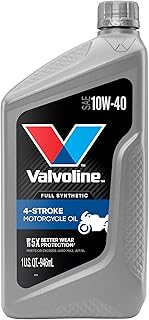
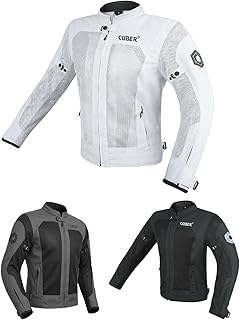
Top 10 Accessories
Curated picks for the Honda Pan European 1000 — owned, ridden, recommended.




Common Problems
🔥 2 CRITICALLook for oil residue around rear drive unit
Listen for loud backfiring when rolling off throttle
Check battery voltage at idle, inspect regulator mounting
Wiggle all panels, inspect plastic tabs for cracks
✅Pre-Purchase Checklist
Generally bulletproof if properly maintained
Full Specifications
Rivals & Alternatives
Bikes that buyers cross-shop with the Honda Pan European 1000
Yamaha Fjr1300
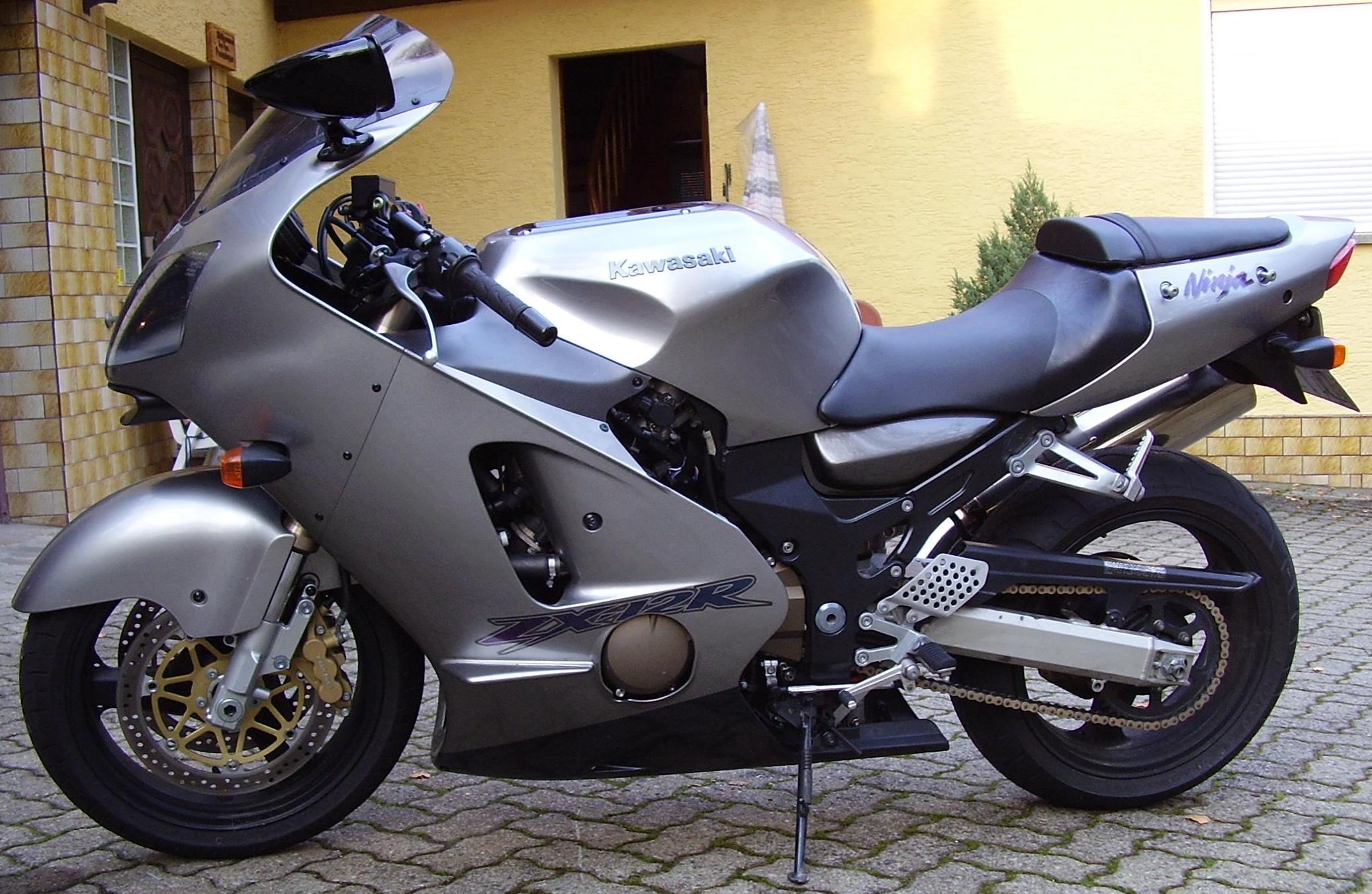
Kawasaki Concours 14
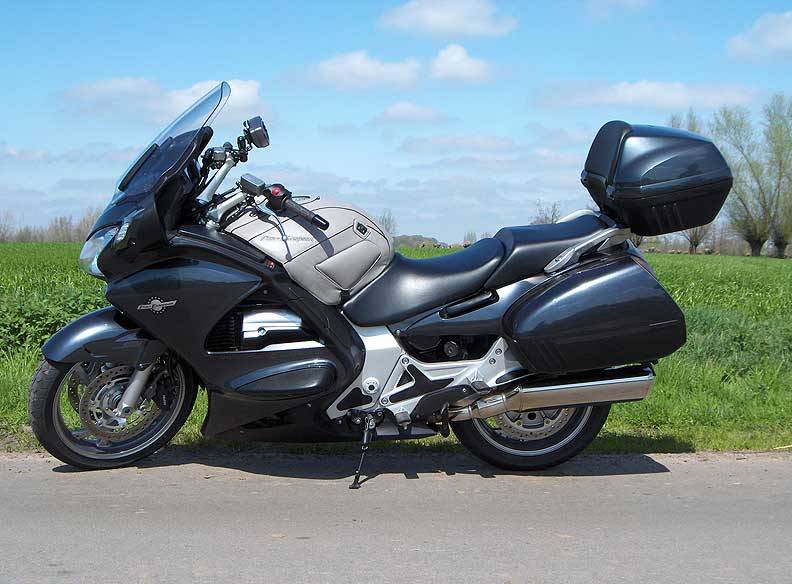
Honda St1300 Pan European
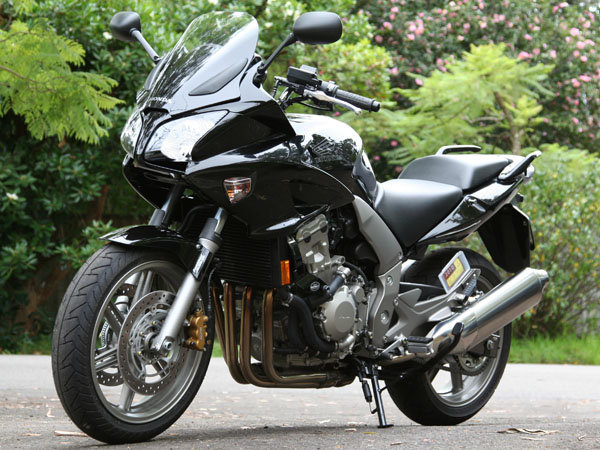
Honda Cbf1000

Honda Deauville 700
Compare Honda Pan European 1000 Side-by-Side
compare_arrowsSpecs, power, weight & buyer verdict — head-to-head with the bikes most often cross-shopped.
Honda Pan European 1000 vs Yamaha Fjr1300
Specs · Power · Buyer verdict
Honda Pan European 1000 vs Kawasaki Concours 14
Specs · Power · Buyer verdict
Honda Pan European 1000 vs Honda St1300 Pan European
Specs · Power · Buyer verdict
Honda Pan European 1000 vs Honda Cbf1000
Specs · Power · Buyer verdict
Honda Pan European 1000 vs Honda Deauville 700
Specs · Power · Buyer verdict
More Honda Pan European 1000 Guides
More from Honda
View all Honda models →Community Reviews
Discussion
Frequently Asked Questions
What are common problems with the Honda Pan European 1000? +
Final drive seal failure, oil leaks onto rear wheel: Look for oil residue around rear drive unit (serious) | PAIR valve failure causing popping on deceleration: Listen for loud backfiring when rolling off throttle (minor) | Rectifier regulator overheating and failing: Check battery voltage at idle, inspect regulator mounting (serious)
Is the Honda Pan European 1000 a good motorcycle? +
The sensible tourer that quietly embarrasses bikes costing twice as much. Rating: 7.8/10. Best for: Long-distance commuters and budget-conscious touring riders. Avoid if: You need excitement or care about image.
What is the horsepower of the Honda Pan European 1000? +
The Honda Pan European 1000 produces 100 hp @ 7,500 rpm, with 103 Nm @ 6,000 rpm of torque. Top speed: 230 km/h (estimated, may be electronically limited on some variants).
Is the Honda Pan European 1000 good for beginners? +
Not really — the Honda Pan European 1000 is better for experienced riders. Long-distance commuters and budget-conscious touring riders Avoid if: You need excitement or care about image
Is the Honda Pan European 1000 reliable? +
Owners report 2 critical issues to watch for on the Honda Pan European 1000, notably: Final drive seal failure, oil leaks onto rear wheel (Look for oil residue around rear drive unit). Buy with a pre-purchase inspection.
Is the Honda Pan European 1000 good for daily use? +
Long-distance commuters and budget-conscious touring riders Fuel: 5.5 L/100km (approx. 18 km/L typical real-world average).
How fast is the Honda Pan European 1000? +
The Honda Pan European 1000 reaches a top speed of 230 km/h (estimated, may be electronically limited on some variants), producing 100 hp at 295 kg curb weight. Real-world performance depends on rider weight, gearing, and road conditions.
What gear should I buy for a Honda Pan European 1000? +
Motoryk has curated a Top 10 gear list specifically for the Honda Pan European 1000, covering engine oil, tires, chain, battery, and brake pads — see motoryk.com/bikes/honda/pan-european-1000/top10. Each pick is matched to this bike's spec.