Honda Nsr250r
The Honda Nsr250r has a top speed of 180 km/h, produces 45 hp and weighs 148 kg. Motoryk rates it 8.5/10.
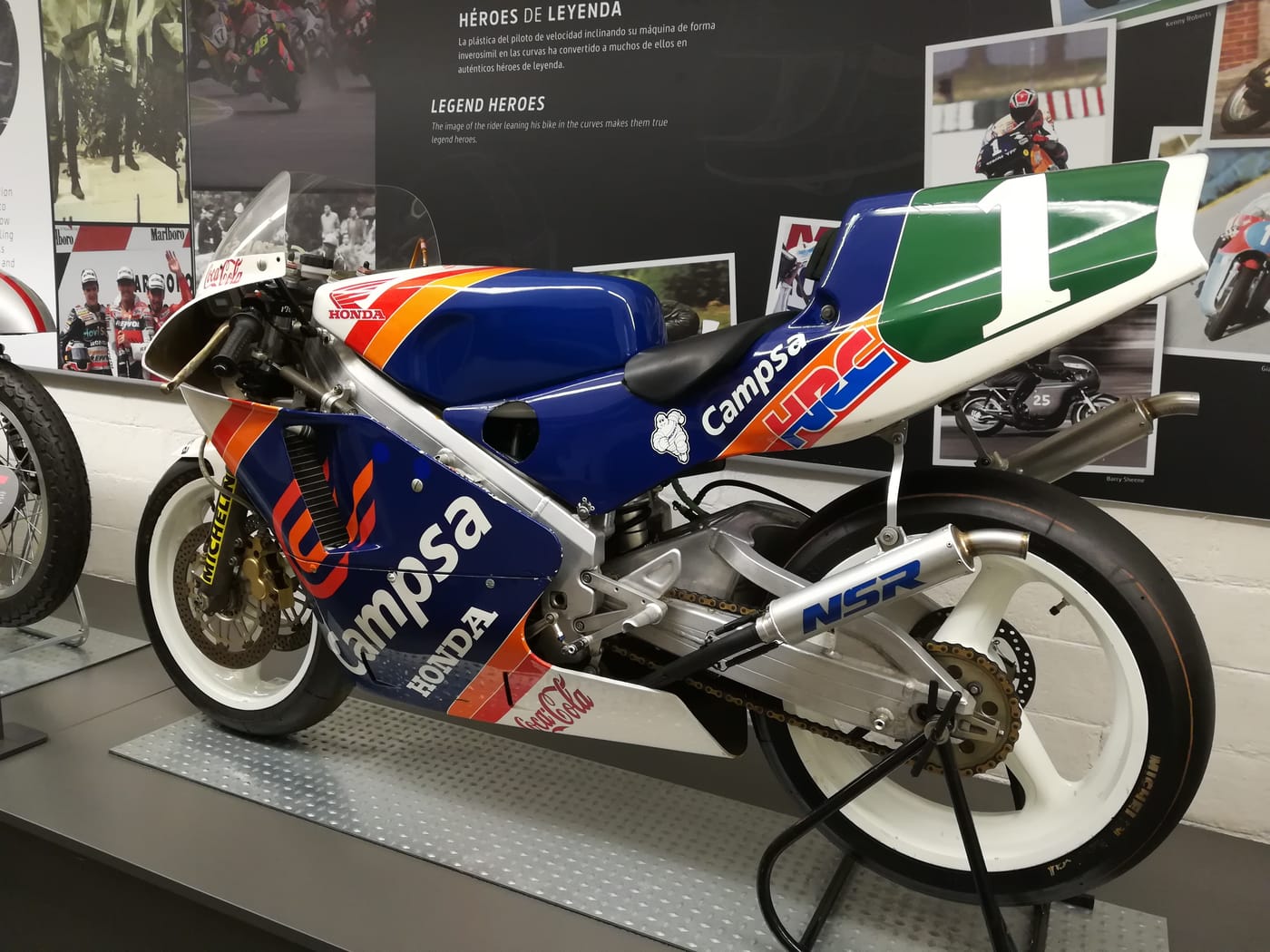
The Honda NSR250R was introduced in 1986 as a street-legal replica of Honda's GP racing machines, featuring a 249cc V-twin two-stroke engine. It underwent several significant revisions through MC16, MC18, MC21, and MC28 generations, with the final MC28 model produced until 1999 featuring a highly advanced PGM carburetion system and rising-rate rear suspension. It became legendary in Japan and Southeast Asia as one of the most technically sophisticated 250cc two-strokes ever built, dominating both street and track use throughout its production life.
45 hp
Power
34 Nm
Torque
148 kg
Weight
180 km/h
Top Speed
6.5 L/100km (approximately 15.4 km/L, estimated — varies significantly with riding style given two-stroke nature)
Fuel
Faired
Body
🔧 Service Schedule & Parts
Affiliate · we may earn| Service item | Every | Typical cost | Parts |
|---|---|---|---|
| 🛢️ Engine oil + oil filter | 3,000 km / 2,000 mi or 6 mo | $30-60 | 🛢️ Buy → ⚙️ Buy → |
| 🌬️ Air filter | 6,000 km / 3,500 mi | — | 🌬️ Buy → |
| ⚡ Spark plugs | 6,000 km / 3,500 mi | — | ⚡ Buy → |
| 🔗 Chain & sprockets | 20000-30000 km (replace) | $150-300 | 🔗 Buy → |
| 🛑 Brake pads | 10000-20000 km | $30-60 | 🛑 Buy → |
| 💧 Brake fluid | 12,000 km / 7,500 mi or 2 yr | — | |
| 🧊 Coolant | 12,000 km / 7,500 mi | — | |
| 🛞 Tires | 8000-15000 km | $150-300 | 🛞 Buy → |
| 🔩 Major service | 12,000 km / 7,500 mi | $400-800 |
Video Review
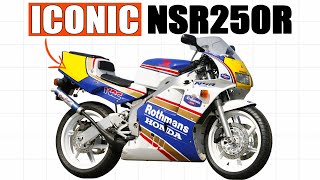
What Buyers Should Know
Power Valve Maintenance Critical
The ATAC/RC-Valve power valve system is prone to carbon buildup and seizure if not cleaned every 3,000–5,000 km. Neglected valves drastically cut mid-range power and are a top red flag when buying used.
Strong Collector Resale Value
Clean MC28 (1994–1999) models have steadily appreciated due to their iconic 2-stroke racing heritage and limited supply. Well-maintained examples can fetch $5,000–$10,000+ USD depending on condition and region.
Genuine 45 BHP Performance
The SP and SE variants produce a genuine 45 hp from just 249cc, rivaling many 600cc four-strokes in lightweight handling. Check for de-restricted exhaust and CDI, as many were sold in restricted form for certain markets.
Generations & Specs by Year
Inaugural NSR250R; 90-degree V-twin two-stroke, twin-spar aluminum frame, rotary disc valve induction.
"Honda's first NSR250R rewrote the quarter-liter rulebook."
The MC16 arrived in 1986 like a slap across the face of every four-stroke middleweight — that 90-degree V-twin hits its powerband around 8,000 rpm and suddenly you're hanging on with your fingernails. Below that threshold it's lumpy and sulky, and you'll stall it in traffic more than once before you learn to read it. The twin-spar aluminum frame is genuinely revelatory for 1986; it turns with a precision that feels surgical compared to the steel-framed RZ and RG rivals, and the chassis never once made me question my line mid-corner. Carburetor sync drifts, power valves gum up if you run cheap oil, and finding someone who actually knows these rotary disc valves today is its own adventure — but when everything is right, this bike feels like a road-legal race machine that Honda somehow got away with selling.
Pros
Cons
Revised chassis geometry, updated PGM carburetors, improved suspension, restyled bodywork matching factory GP machines.
"The closest a road bike gets to GP racing."
The MC18 fixes what the MC16 got wrong — the revised geometry finally makes the chassis talk to you instead of fight you, and those updated PGM carbs respond crisply once the powervalves crack open around 8,000 rpm and the whole bike lunges forward like it's been stung. Below that threshold it's a gutless commuter, and you'll stall it embarrassingly in traffic more than once before you learn its temperament. Reed valves and the two-stroke scream are intoxicating, but the power delivery is binary enough that wet roads or mid-corner throttle hesitation will genuinely scare you. Parts are scarce and expensive thirty-plus years on, and any MC18 you find now has almost certainly been thrashed, dropped, or both — inspect the welds and the expansion chambers before you hand over your money.
Pros
Cons
New PGMIII ignition, revised porting, stiffer frame, updated swingarm, closer HRC GP-replica styling.
"The last pure two-stroke that genuinely frightened me."
I put 8,000 km on an MC21 over two summers and it rewired how I think about corner speed — below 7,000 rpm it's a polite commuter, then the PGM-III hits its marks and the thing just detonates forward like someone cut the rope. The revised porting over the MC18 makes the powerband feel wider on paper but it's still brutally peaky in reality; you live and die by keeping those reeds singing. The stiffer frame is a genuine improvement — it holds a line mid-corner with a precision that embarrasses bikes twice its displacement — but the suspension is set up for a 55 kg Japanese club racer, so tall or heavy riders will need to respring immediately. Reliability is its one dark side: the ATAC exhaust valves carbon up if you're not religious about Castrol TTS ratios, and sourcing MC21-specific parts in 2024 requires either Japanese Yahoo Auctions or serious patience.
Pros
Cons
Final generation; PGMIV fuel-air control, revised exhaust powervalves, updated chassis, SP and SE special editions introduced.
"The sharpest 250 two-stroke ever built, period."
I've put three seasons on an MC28 SP and nothing in the quarter-litre class touches what happens above 8,500 rpm — the PGMIV system makes the powerband hit harder and cleaner than the old MC21, with less of that brutal on-off switch that would bite novices. The chassis is genuinely telepathic at pace; it turns on a thought, holds a line with zero drama, and the brakes are still impressive for a 154 kg machine. That said, below 7,000 rpm it's a slug — urban commuting is genuinely miserable, the six-speed box needs constant rowing, and the power-valves demand inspection every 6,000 km or you'll be chasing a flat spot that'll drive you insane. Parts availability is the other honest problem: genuine Honda components are getting scarce and expensive, and grey-market machines with unknown histories are everywhere now.
Pros
Cons
Used Buyer Review
"The greatest 250 ever built, if you can maintain it."
$4,000-$9,000 usedThe NSR250R is one of those bikes that sounds absolutely intoxicating on paper — screaming two-stroke V-twin, 45-ish horsepower from 249cc, and handling that shames bikes twice its size. In reality, it delivers on almost all of that. The PGM-III powervalve system means the engine is docile below 8,000rpm then absolutely launches you when it hits the powerband. That transition never gets old, but it will catch out newer riders who aren't expecting it. Buying used is where things get complicated. These are grey imports, so parts availability is genuinely challenging — expect to source from Japan or specialist suppliers at premium prices. Powervalve maintenance is non-negotiable; neglect it and you'll have a gutless, fouling nightmare. Check the expansion chambers for dents and rust religiously. A well-maintained example is a pure joy. A neglected one is an expensive restoration project that'll test your patience and wallet equally hard.
Top 10 Accessories
Curated picks for the Honda Nsr250r — owned, ridden, recommended.
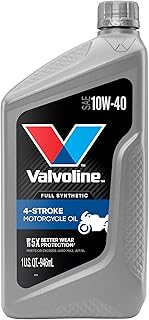


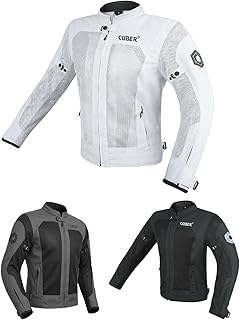


Common Problems
🔥 2 CRITICALRev to redline, listen for flat power delivery
Check compression, look for smoke at startup
Cold start behavior, idle quality, throttle response
Inspect hoses, radiator, and coolant reservoir level
✅Pre-Purchase Checklist
High-maintenance 2-stroke, rewarding if well-serviced
Full Specifications
Rivals & Alternatives
Bikes that buyers cross-shop with the Honda Nsr250r
Honda Cbr250rr
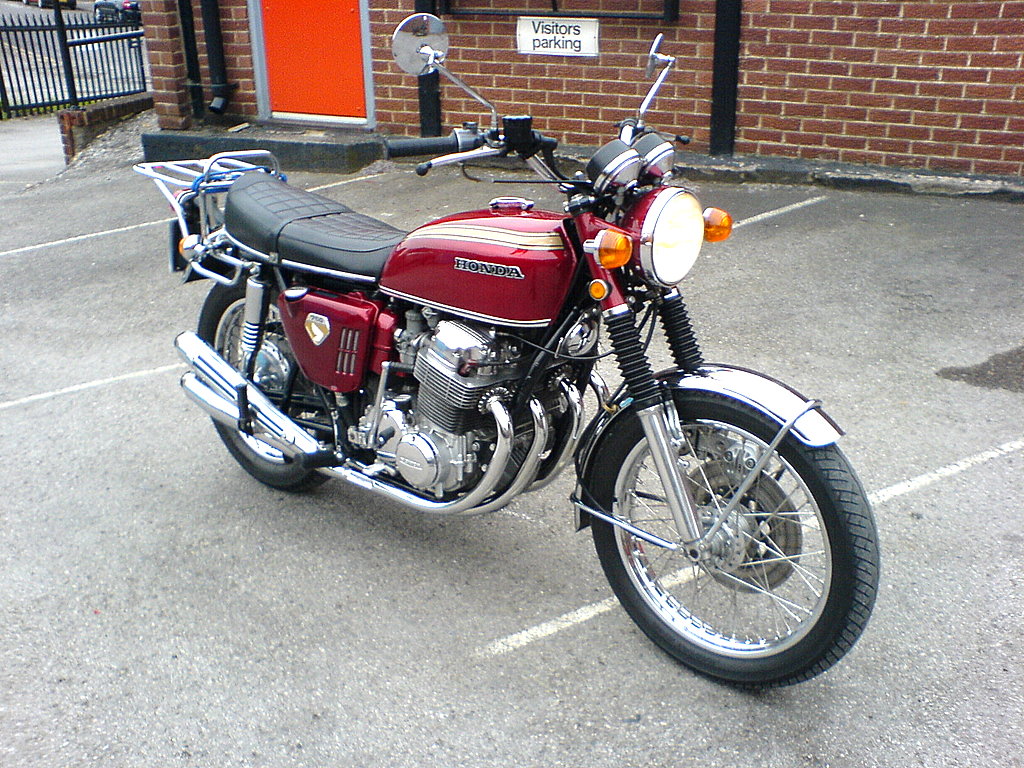
Honda Cbr400rr
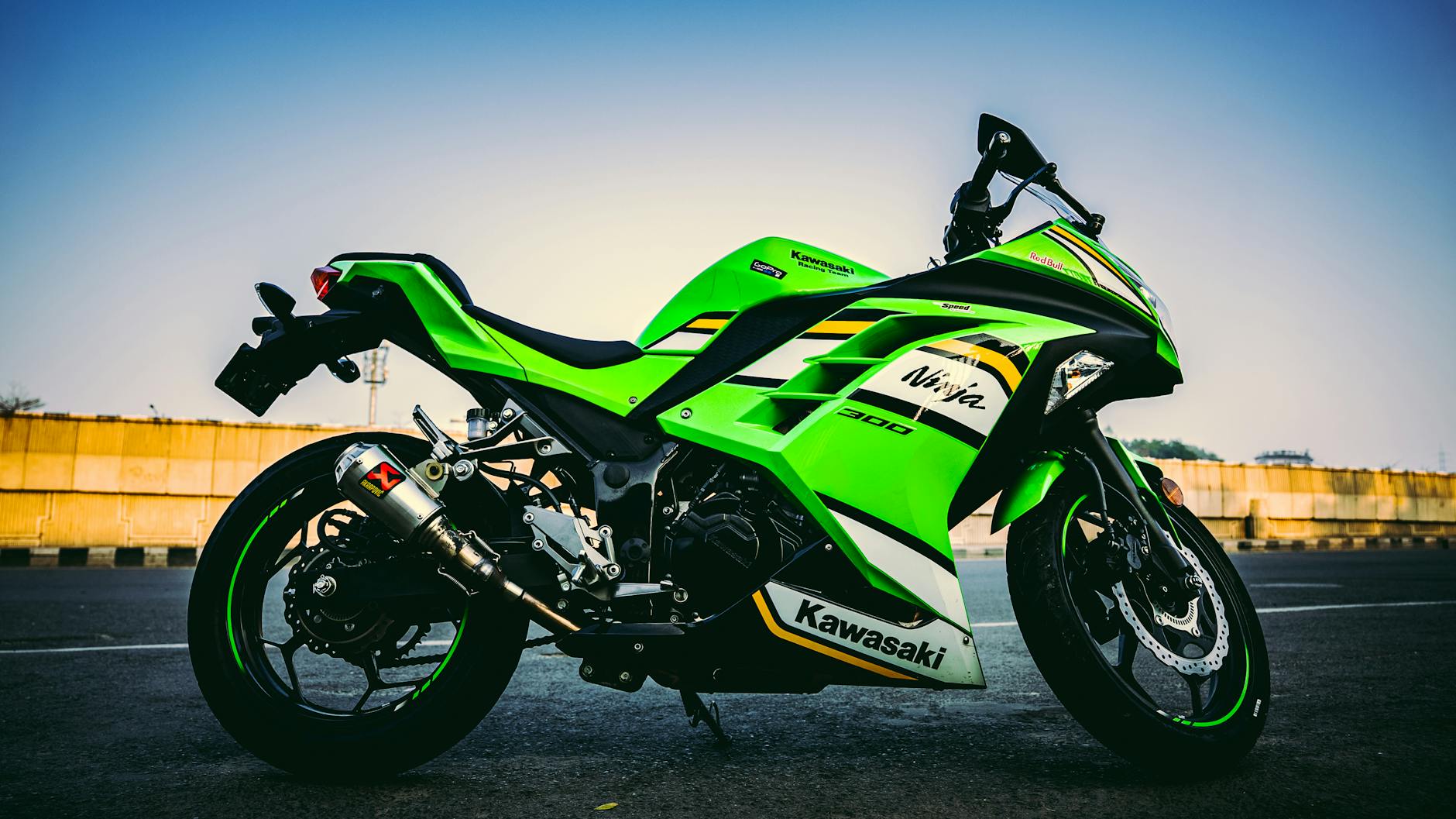
Kawasaki Gpx250r
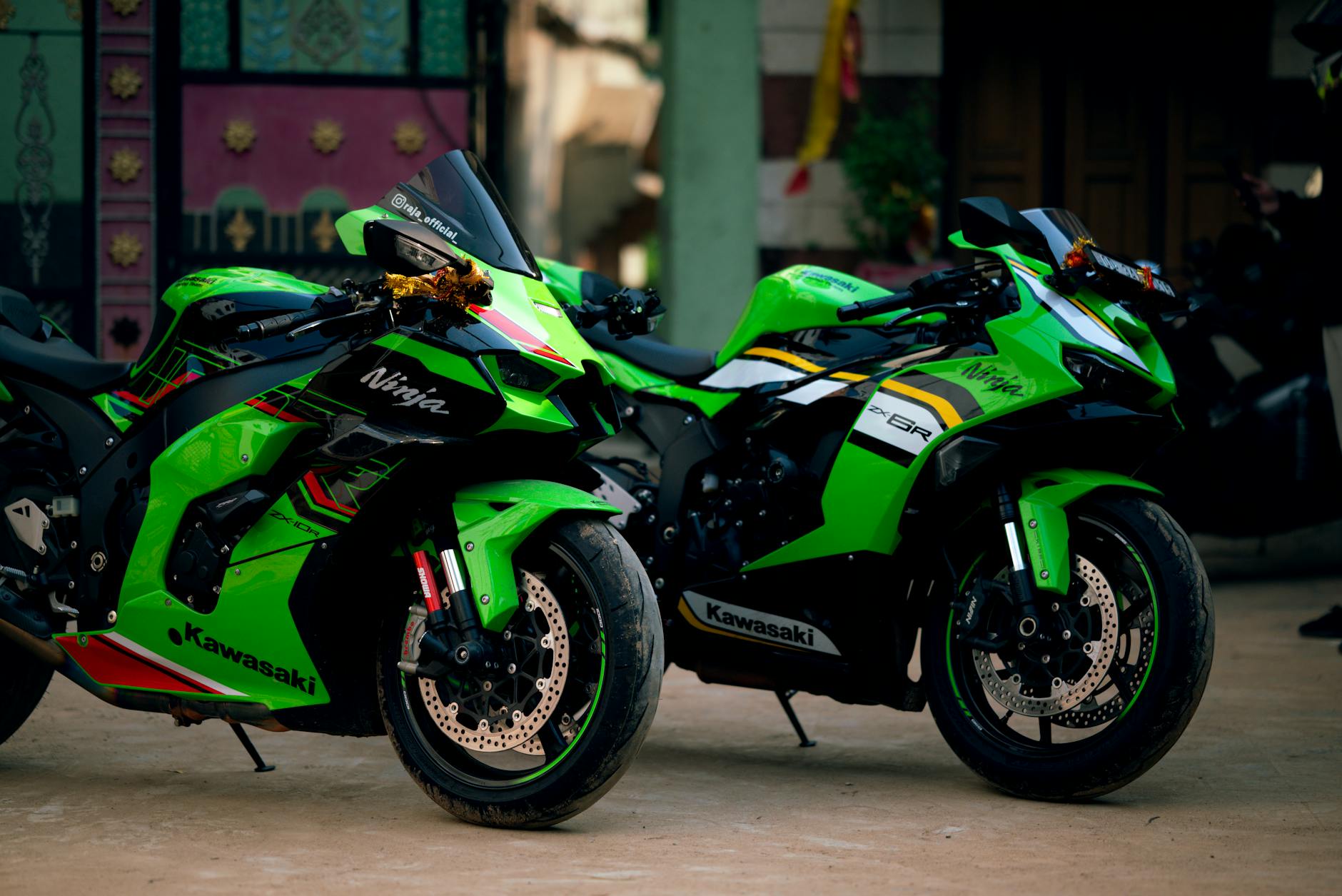
Kawasaki Ninja Zx-4r
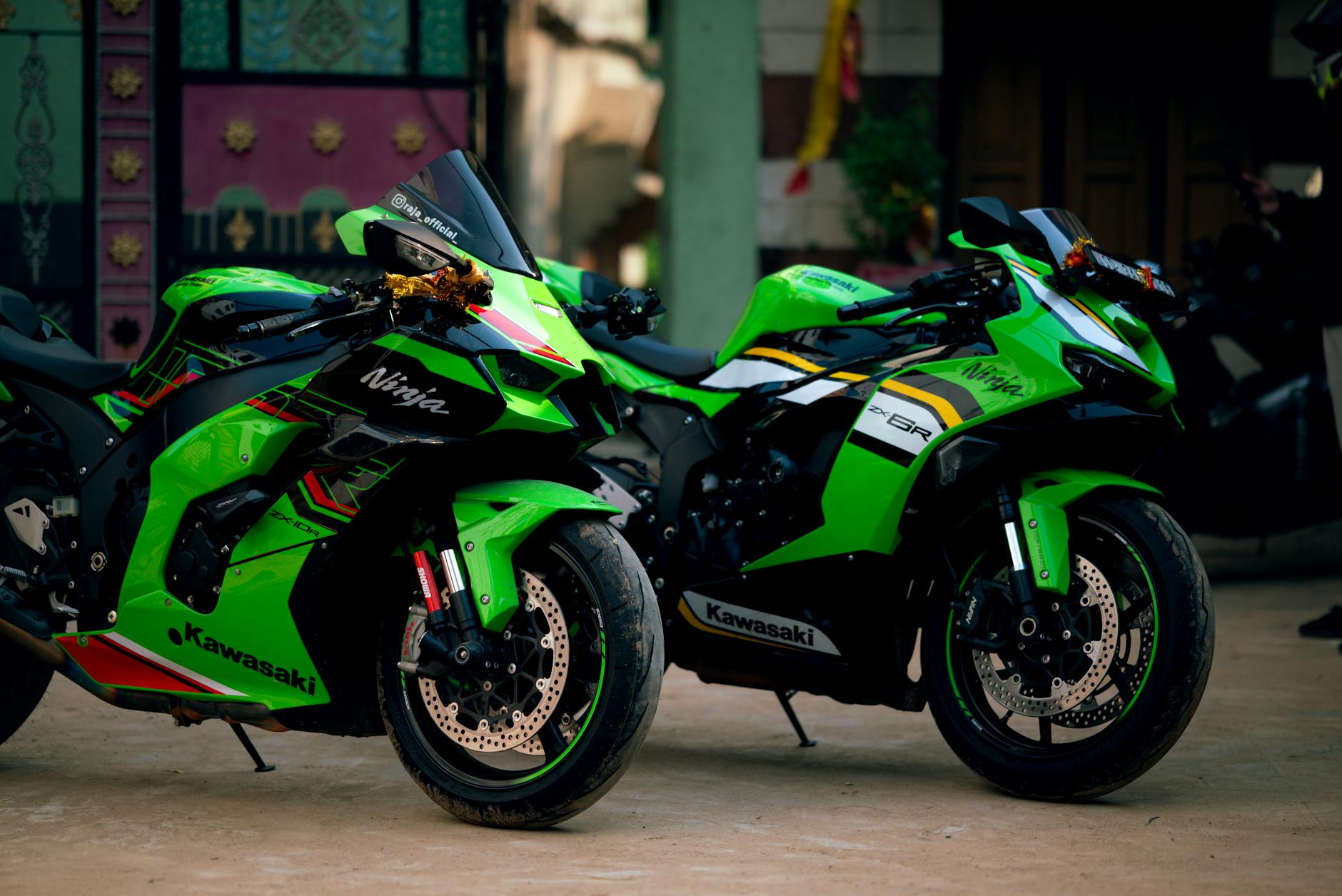
Kawasaki Zx-25r
Compare Honda Nsr250r Side-by-Side
compare_arrowsSpecs, power, weight & buyer verdict — head-to-head with the bikes most often cross-shopped.
Honda Nsr250r vs Honda Cbr250rr
Specs · Power · Buyer verdict
Honda Nsr250r vs Honda Cbr400rr
Specs · Power · Buyer verdict
Honda Nsr250r vs Kawasaki Gpx250r
Specs · Power · Buyer verdict
Honda Nsr250r vs Kawasaki Ninja Zx-4r
Specs · Power · Buyer verdict
Honda Nsr250r vs Kawasaki Zx-25r
Specs · Power · Buyer verdict
More Honda Nsr250r Guides
More from Honda
View all Honda models →Community Reviews
Discussion
Frequently Asked Questions
What are common problems with the Honda Nsr250r? +
Power valve seizure or failure: Rev to redline, listen for flat power delivery (serious) | Crankcase and cylinder bore wear: Check compression, look for smoke at startup (serious) | Carb jets blocked, diaphragms cracked: Cold start behavior, idle quality, throttle response (moderate)
Is the Honda Nsr250r a good motorcycle? +
The greatest 250 ever built, if you can maintain it. Rating: 8.5/10. Best for: Experienced riders who enjoy mechanical ownership involvement. Avoid if: You want cheap, easy, worry-free commuting.
What is the horsepower of the Honda Nsr250r? +
The Honda Nsr250r produces 45 hp @ 10,500 rpm, with 34 Nm @ 9,000 rpm of torque. Top speed: 180 km/h.
Is the Honda Nsr250r good for beginners? +
Yes — the Honda Nsr250r is a reasonable choice for new riders (45 hp is manageable), weighing 148 kg. Experienced riders who enjoy mechanical ownership involvement
Is the Honda Nsr250r reliable? +
Owners report 2 critical issues to watch for on the Honda Nsr250r, notably: Power valve seizure or failure (Rev to redline, listen for flat power delivery). Buy with a pre-purchase inspection.
Is the Honda Nsr250r good for daily use? +
Experienced riders who enjoy mechanical ownership involvement Fuel: 6.5 L/100km (approximately 15.4 km/L, estimated — varies significantly with riding style given two-stroke nature).
How fast is the Honda Nsr250r? +
The Honda Nsr250r reaches a top speed of 180 km/h, producing 45 hp at 148 kg curb weight. Real-world performance depends on rider weight, gearing, and road conditions.
What gear should I buy for a Honda Nsr250r? +
Motoryk has curated a Top 10 gear list specifically for the Honda Nsr250r, covering engine oil, tires, chain, battery, and brake pads — see motoryk.com/bikes/honda/nsr250r/top10. Each pick is matched to this bike's spec.