Honda Cbr400rr
The Honda Cbr400rr has a top speed of 180 km/h (approx. — estimated, may vary by generation and conditions), produces 59 hp and weighs 168 kg. Motoryk rates it 8.5/10.
The Honda CBR400RR was introduced in 1988 as a high-revving, race-replica sportbike primarily targeting the Japanese domestic market, featuring a liquid-cooled inline four-cylinder engine with Honda's HYPER V-TEC system introduced in the NC29 generation (1990). It went through three main generations (NC23, NC29) and became legendary for its exceptional handling, screaming high-rpm power delivery, and race-bred engineering packed into a 400cc package. It remains highly sought after as a collector and track bike due to its sophisticated construction and performance that punched well above its displacement class.
59 hp
Power
38 Nm
Torque
168 kg
Weight
180 km/h (approx. — estimated, may vary by generation and conditions)
Top Speed
5.5–6.5 L/100km (approx. 15–18 km/L typical real-world average)
Fuel
Faired
Body
🔧 Service Schedule & Parts
Affiliate · we may earn| Service item | Every | Typical cost | Parts |
|---|---|---|---|
| 🛢️ Engine oil + oil filter | 6,000 km / 3,500 mi or 12 mo | $40-80 | 🛢️ Buy → ⚙️ Buy → |
| 🌬️ Air filter | 12,000 km / 7,500 mi | — | 🌬️ Buy → |
| ⚡ Spark plugs | 12,000 km / 7,500 mi | — | ⚡ Buy → |
| 🔧 Valve clearance check | 24,000 km / 15,000 mi | $200-400 | |
| 🔗 Chain & sprockets | 25000-40000 km (replace) | $150-300 | 🔗 Buy → |
| 🛑 Brake pads | 15000-25000 km | $30-60 | 🛑 Buy → |
| 💧 Brake fluid | 24,000 km / 15,000 mi or 2 yr | — | |
| 🧊 Coolant | 24,000 km / 15,000 mi | — | |
| 🛞 Tires | 10000-18000 km | $150-300 | 🛞 Buy → |
| 🔩 Major service | 24,000 km / 15,000 mi | $300-600 |
Video Review
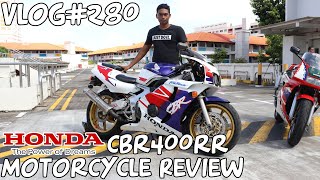
What Buyers Should Know
Carb Sync Is Critical
The NC29's 4-carb setup requires regular synchronization — neglected carbs cause rough idle, poor throttle response, and reduced power. Always ask for recent carb maintenance history before buying.
Rev-Happy 59hp Engine
The 399cc inline-four produces around 59hp and loves to be revved past 10,000rpm, making it genuinely exciting for its displacement class. It's one of the most technically sophisticated 400cc sportbikes ever built.
Strong Grey-Import Value
As a Japan-market-only model, clean examples hold value well and are sought after by collectors and track riders. Prices for well-maintained NC29s have been steadily climbing, making condition everything at purchase.
Generations & Specs by Year
Inline four-cylinder 399cc engine, 16-inch front wheel, twin-shock rear suspension, gear-driven cams.
"The little screamer that taught a generation to ride properly."
That gear-driven cam whine at 10,000 rpm is unlike anything else from the era — it sounds expensive and mechanical and alive, and it pulls hard right through 12,500 without drama. The 16-inch front wheel gives the steering a darty, nervous quality that demands respect on corner entry, especially on worn tarmac; it took me a full season to fully trust it. Weight is nothing — 168 kg feels lighter in practice because the mass sits so centrally, and the twin shocks, while not adjustable enough for track work, suit fast B-roads surprisingly well. Parts are the real pain: cam chain tensioners and carb diaphragms are genuinely scarce now, and finding a clean example without a bodged wiring loom is half the battle.
Pros
Cons
New aluminum frame, 17-inch wheels, revised bodywork, improved suspension, twin-spar design introduced.
"The 400 that embarrasses litre bikes through corners."
The NC29 is what happens when Honda's engineers stop compromising — that aluminum twin-spar frame transformed the old NC23's slightly soggy feel into something genuinely telepathic, and the 17-inch wheel swap means you're running real sportbike rubber instead of those outdated 18-inch sizes. At 12,000 rpm the inline-four starts screaming and you genuinely forget you're on a 400; the power delivery is so linear and eager that you're always hunting for the next rev. The weakness is honest: below 8,000 rpm it's a gutless commuter, and if you're used to torquey middleweights the constant gearbox workout on urban roads gets old fast. Parts availability outside Japan is still a legitimate headache — budget for patience and a good importer relationship before you fall in love.
Pros
Cons
Used Buyer Review
"The finest 400cc sportsbike ever built, if you can find a good one."
$3,500-$7,500 usedThe CBR400RR is one of those bikes that makes you grin every single time you ride it. Honda's NC23 inline-four revs to 14,000rpm and sounds absolutely glorious doing it — this is a proper miniature FireBlade experience, not some watered-down commuter dressed up in sportsbike clothing. The chassis is sharp and communicative, steering feels telepathic at pace, and the whole package just encourages you to push harder than you probably should on public roads. Buying used means navigating the grey import minefield, though. These are all JDM machines and parts availability is genuinely painful — budget extra for sourcing fairings, carb rebuild kits, and cam chain tensioners before you need them. Check the carburetors obsessively; neglected ones are a nightmare to sort. Cam chains and engine wear are real concerns on anything north of 30,000km. Service history in Japanese doesn't help either. That said, find a clean one with documented maintenance and you've got something truly special. Nothing in this displacement class touches it for pure riding engagement.
Top 10 Accessories
Curated picks for the Honda Cbr400rr — owned, ridden, recommended.




Common Problems
🔥 2 CRITICALRough idle, hesitation, poor throttle response at low RPM
Battery not charging, dim lights, voltage above 15V
Rattling on startup, chain noise at high RPM
Oil residue on fork legs, spongy front suspension
✅Pre-Purchase Checklist
Solid if maintained, neglect kills these fast
Full Specifications
Rivals & Alternatives
Bikes that buyers cross-shop with the Honda Cbr400rr
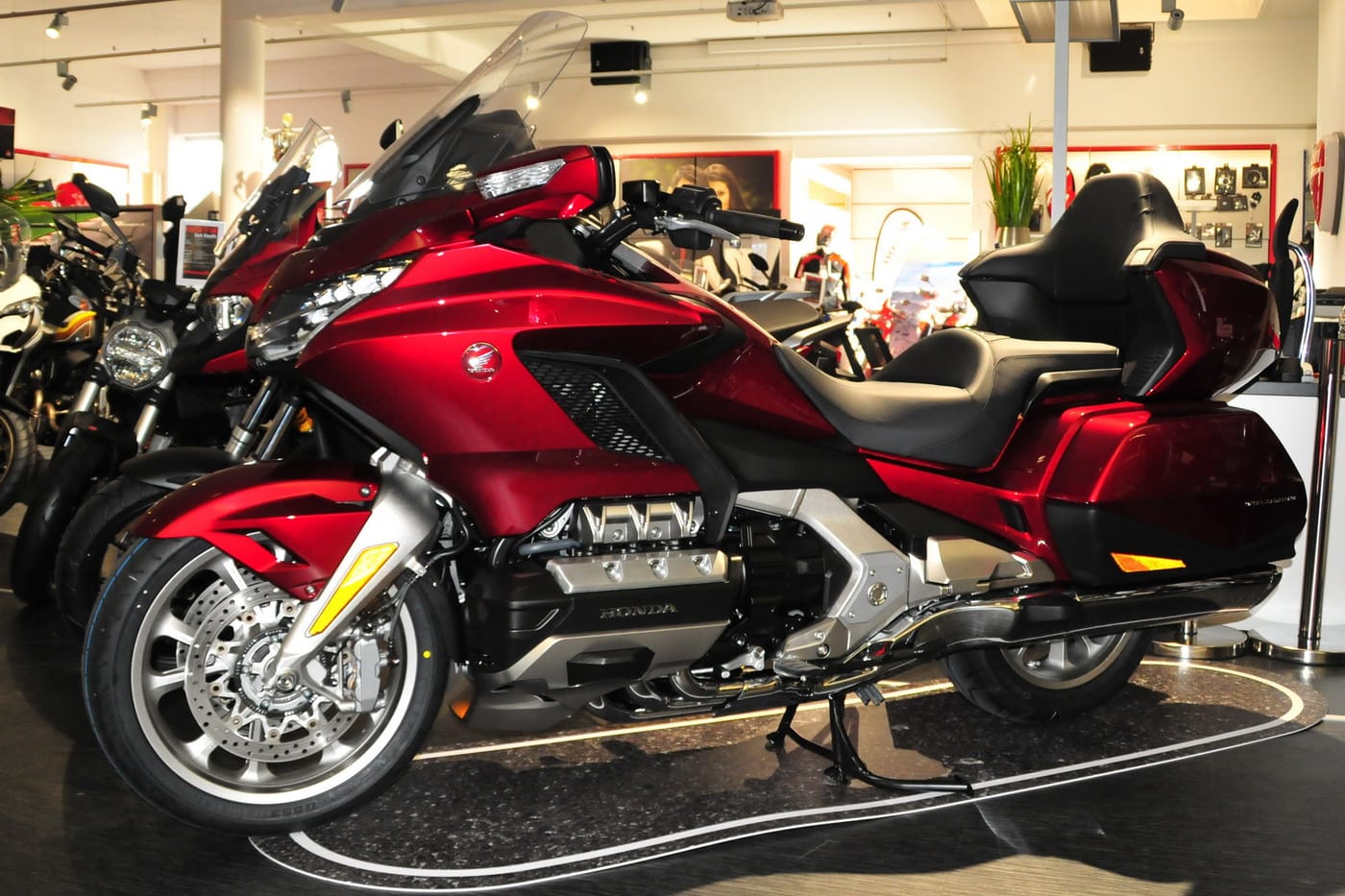
Honda Cbr250rr
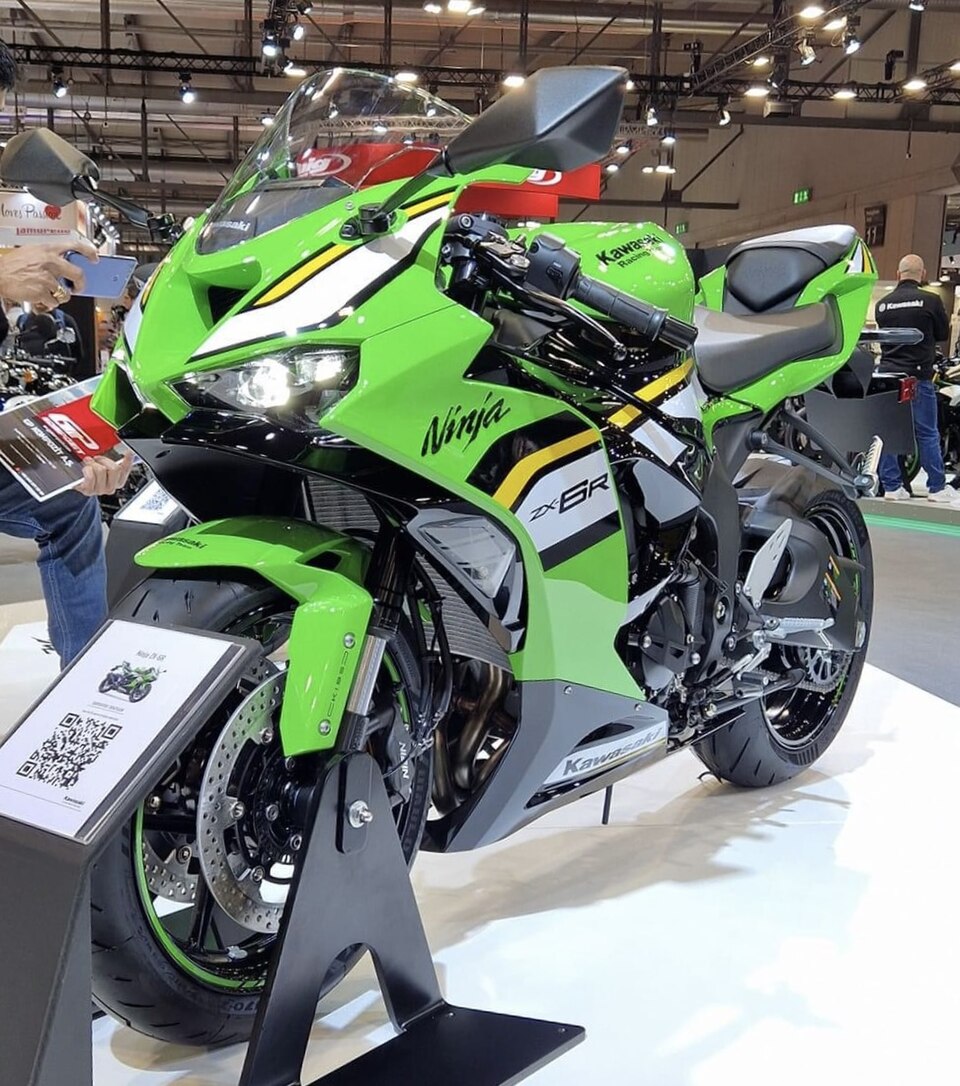
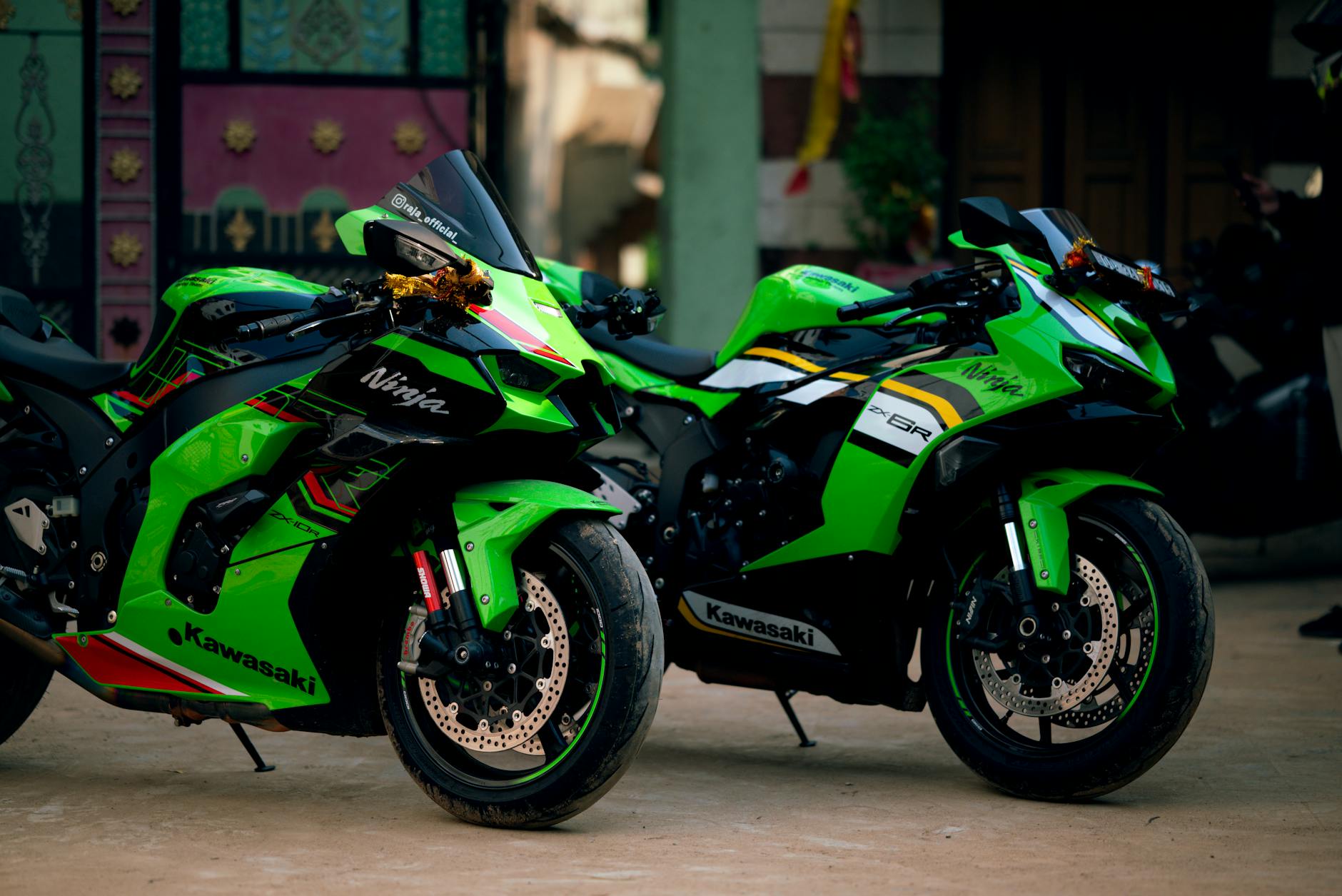
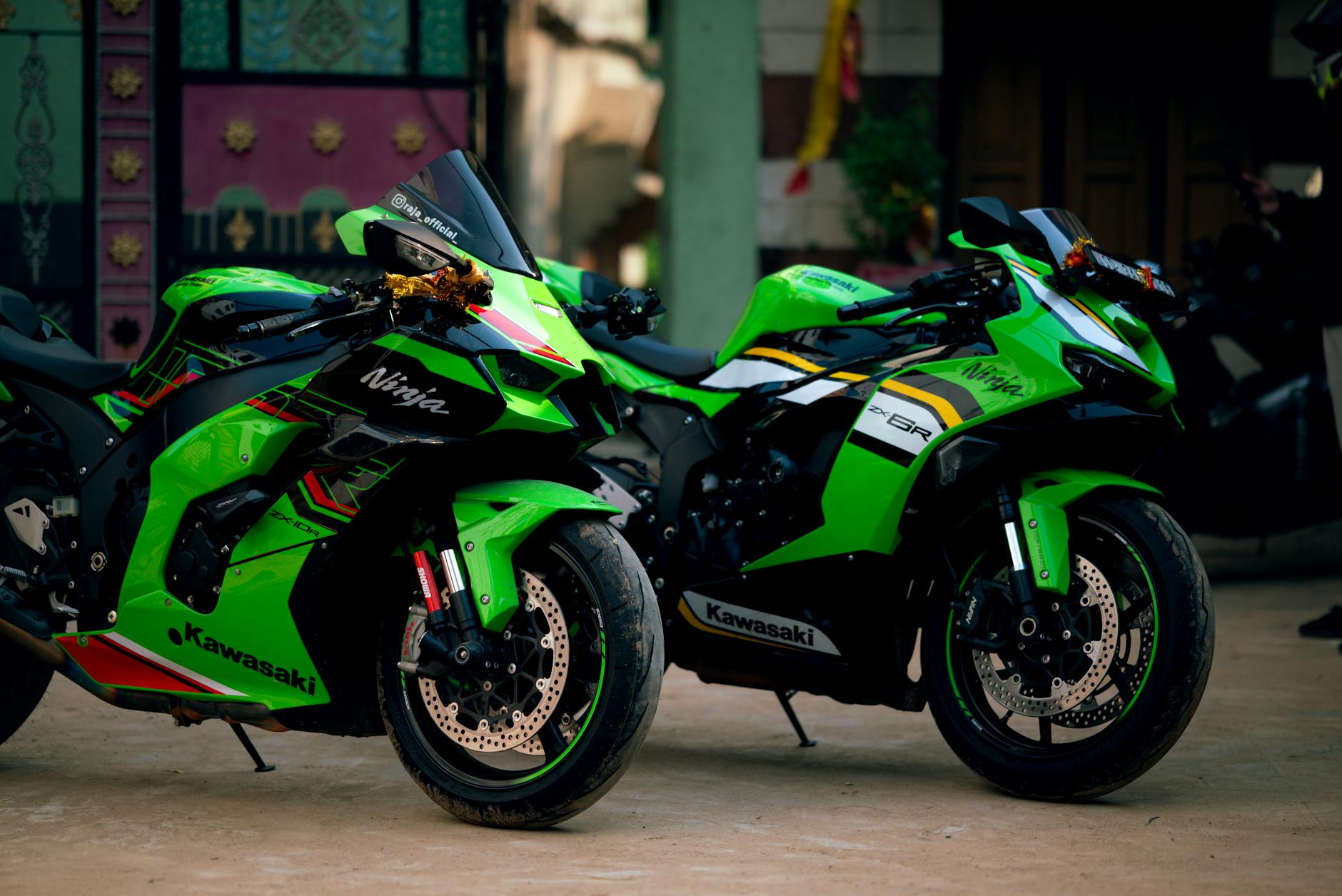
Kawasaki Ninja Zx-6r
Honda Nsr250r
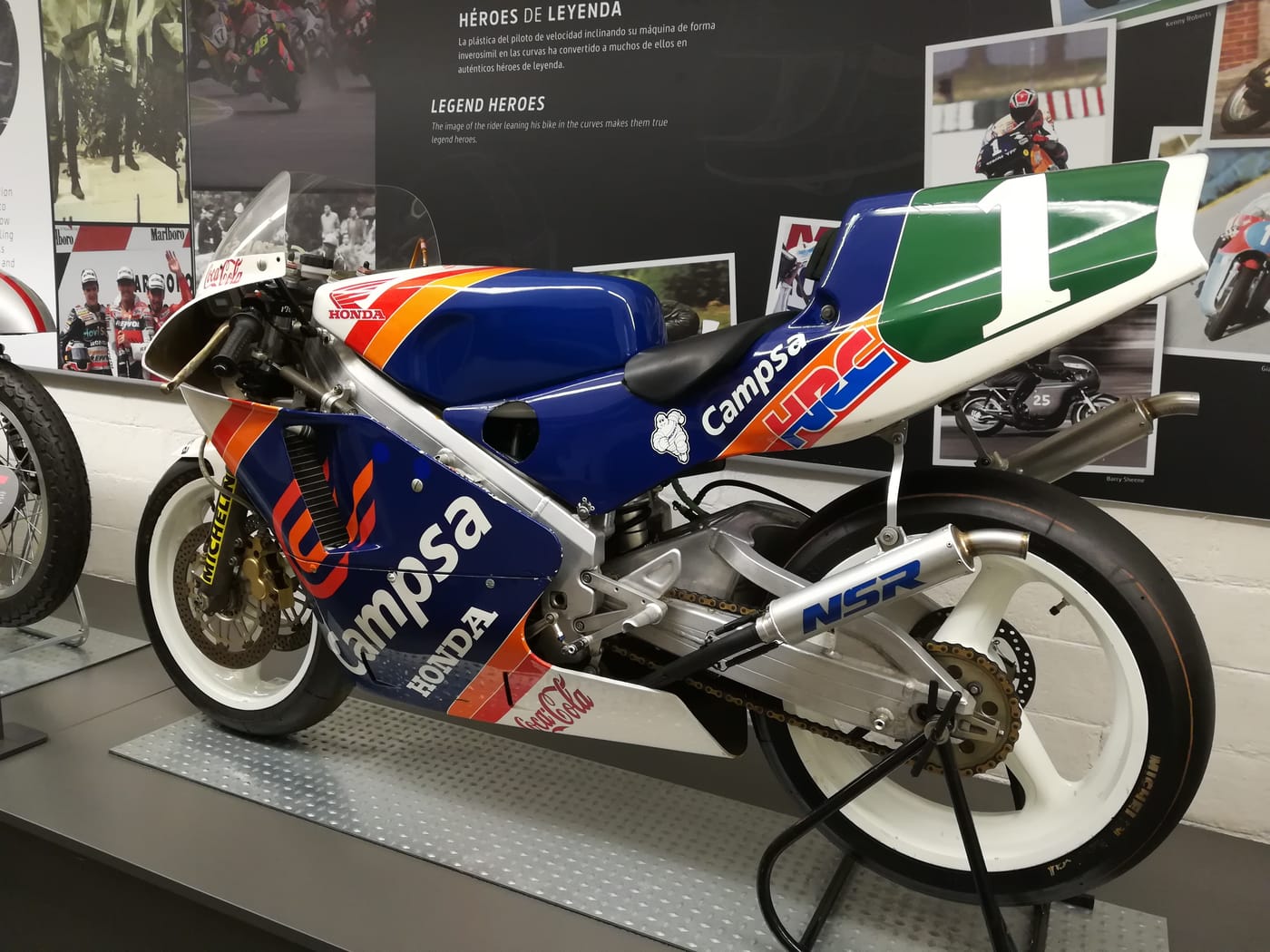
Kawasaki Ninja Zx-4r
Kawasaki Zx-25r
Compare Honda Cbr400rr Side-by-Side
compare_arrowsSpecs, power, weight & buyer verdict — head-to-head with the bikes most often cross-shopped.
Honda Cbr400rr vs Honda Cbr250rr
Specs · Power · Buyer verdict
Honda Cbr400rr vs Kawasaki Ninja Zx-6r
Specs · Power · Buyer verdict
Honda Cbr400rr vs Honda Nsr250r
Specs · Power · Buyer verdict
Honda Cbr400rr vs Kawasaki Ninja Zx-4r
Specs · Power · Buyer verdict
Honda Cbr400rr vs Kawasaki Zx-25r
Specs · Power · Buyer verdict
More Honda Cbr400rr Guides
More from Honda
View all Honda models →Community Reviews
Discussion
Frequently Asked Questions
What are common problems with the Honda Cbr400rr? +
Carb sync and jetting issues: Rough idle, hesitation, poor throttle response at low RPM (moderate) | Rectifier/regulator failure: Battery not charging, dim lights, voltage above 15V (serious) | Cam chain tensioner wear: Rattling on startup, chain noise at high RPM (serious)
Is the Honda Cbr400rr a good motorcycle? +
The finest 400cc sportsbike ever built, if you can find a good one. Rating: 8.5/10. Best for: Experienced riders wanting affordable high-revving thrills. Avoid if: You need easy parts availability and dealer support.
What is the horsepower of the Honda Cbr400rr? +
The Honda Cbr400rr produces 59 hp @ 12,500 rpm (NC29 with HYPER V-TEC; note: Japanese domestic market figure), with 38 Nm @ 10,000 rpm of torque. Top speed: 180 km/h (approx. — estimated, may vary by generation and conditions).
Is the Honda Cbr400rr good for beginners? +
Not really — the Honda Cbr400rr is better for experienced riders. Experienced riders wanting affordable high-revving thrills Avoid if: You need easy parts availability and dealer support
Is the Honda Cbr400rr reliable? +
Owners report 2 critical issues to watch for on the Honda Cbr400rr, notably: Rectifier/regulator failure (Battery not charging, dim lights, voltage above 15V). Buy with a pre-purchase inspection.
Is the Honda Cbr400rr good for daily use? +
Experienced riders wanting affordable high-revving thrills Fuel: 5.5–6.5 L/100km (approx. 15–18 km/L typical real-world average).
How fast is the Honda Cbr400rr? +
The Honda Cbr400rr reaches a top speed of 180 km/h (approx. — estimated, may vary by generation and conditions), producing 59 hp at 168 kg curb weight. Real-world performance depends on rider weight, gearing, and road conditions.
What gear should I buy for a Honda Cbr400rr? +
Motoryk has curated a Top 10 gear list specifically for the Honda Cbr400rr, covering engine oil, tires, chain, battery, and brake pads — see motoryk.com/bikes/honda/cbr400rr/top10. Each pick is matched to this bike's spec.