Honda Gold Wing
The Honda Gold Wing has a top speed of 180–200 km/h (electronically influenced; est. ~190 km/h for GL1800), produces 126 hp and weighs 383 kg. Motoryk rates it 8.5/10.
The Honda Gold Wing was introduced in 1975 as a 1000cc flat-four touring motorcycle, quickly establishing itself as the benchmark for long-distance comfort touring. Over the decades it evolved through a flat-six 1500cc engine (GL1500, 1988) and eventually the current 1833cc flat-six GL1800 (introduced 2001, significantly redesigned in 2018), adding features like airbags, dual-clutch transmission, and advanced electronics. It is widely regarded as the pinnacle of touring motorcycles, celebrated for its car-like comfort, refinement, and technology.
126 hp
Power
170 Nm
Torque
383 kg
Weight
180–200 km/h (electronically influenced; est. ~190 km/h for GL1800)
Top Speed
6.0–7.0 L/100km (approximately 14–17 km/L, based on 2018+ GL1800 real-world average)
Fuel
Faired
Body
🔧 Service Schedule & Parts
Affiliate · we may earn| Service item | Every | Typical cost | Parts |
|---|---|---|---|
| 🛢️ Engine oil + oil filter | 8,000 km / 5,000 mi or 12 mo | $60-100 | 🛢️ Buy → ⚙️ Buy → |
| 🌬️ Air filter | 16,000 km / 10,000 mi | — | 🌬️ Buy → |
| ⚡ Spark plugs | 16,000 km / 10,000 mi | — | ⚡ Buy → |
| 🔧 Valve clearance check | 16,000 km / 10,000 mi | $400-800 | |
| 🛑 Brake pads | 20000-40000 km | $80-150 | 🛑 Buy → |
| 💧 Brake fluid | 24,000 km / 15,000 mi or 2 yr | — | |
| 🧊 Coolant | 48,000 km / 30,000 mi | — | |
| 🛞 Tires | 15000-25000 km | $300-600 | 🛞 Buy → |
| 🔩 Major service | 32,000 km / 20,000 mi | $600-1200 |
Video Review
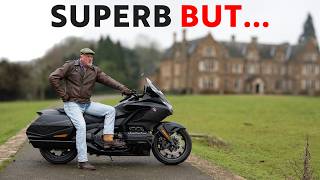
What Buyers Should Know
Exceptional Long-Term Reliability
Gold Wings routinely exceed 200,000 miles with proper maintenance, making them one of the most reliable touring motorcycles ever built. Honda's flat-six engine is known for outlasting the frame itself when serviced regularly.
Watch the Final Drive
The shaft drive on older models (pre-2018) can develop seal leaks and wear issues around 80,000–100,000 miles — always check for oil seepage near the rear wheel before buying used. A rebuild can cost $500–$1,500 if neglected.
Strong Resale Value
Gold Wings hold their value exceptionally well compared to most touring bikes, often retaining 70–80% of their value after five years. The 2018+ redesign (lighter, DCT option) commands a noticeable premium on the used market.
Generations & Specs by Year
Original flat-four 999cc engine, shaft drive, no fairing, established touring platform.
"The bike that rewrote what touring could mean."
When Honda dropped the GL1000 on an unsuspecting world in 1975, nothing else on two wheels felt remotely like it — that flat-four sits so low in the frame that cornering clearance is genuinely generous, and the shaft drive means you stop thinking about chain maintenance entirely. At highway speeds the motor is almost eerily smooth, a mechanical whisper where everything else was shouting, though push past 160 km/h and the unfaired rider becomes a human windsock fast. The 266 kg wet weight is real and unforgiving in tight parking lots or gravel — drop it once and you'll remember exactly how heavy civilized engineering can be. It's not a sports bike pretending to tour; it's a genuinely new idea, slightly rough around the edges because Honda was inventing the category as they went.
Pros
Cons
Enlarged to 1085cc, improved carburetion, Interstate fairing and saddlebags option introduced.
"The interstate tourer that rewrote long-distance motorcycling's rulebook."
That 1085cc flat-four pulls with an almost unsettling smoothness from 2,000 rpm — no vibration, no drama, just relentless forward momentum that makes 500-mile days feel almost reasonable. The Interstate package changed everything; suddenly you had integrated bags and a fairing that actually blocked wind instead of just decorating the front end, and I rode mine from Chicago to the Rockies without once wishing I'd taken a car. Weight is real and non-negotiable — drop it in a parking lot and you're reorganizing your spine getting it back up, and low-speed maneuvers in tight spaces require genuine concentration from a new rider. Carbs on early examples gum up if the bike sits more than a few weeks, and the air-cooling means you're noticeably cooking your right leg in city traffic on a hot August afternoon.
Pros
Cons
Bored to 1182cc, fuel injection on Aspencade, improved suspension and audio system.
"The touring benchmark that redefined long-distance motorcycling forever."
That 1182cc flat-four pulls from 2,000 rpm like a freight train in silk gloves — smooth, relentless, and utterly confidence-inspiring on an 800-mile day. The fuel-injected Aspencade variant genuinely surprised me; cold starts in November just worked, no choke fiddling, no stumbling through the first ten miles. Where it hurts you is at slow speed and parking — 368 kg is not a suggestion, it's a reckoning, and more than one rider has dropped one in a gas station simply misjudging a curb. The revised suspension over the GL1100 is noticeably better loaded two-up, but push it hard into decreasing-radius corners and the bike reminds you firmly that it's a touring machine, not a canyon carver.
Pros
Cons
New flat-six 1520cc engine, six-speed with reverse gear, integrated full touring bodywork.
"The definitive two-wheeled living room, earned honestly."
Sixty thousand miles across three continents taught me the GL1500 isn't really a motorcycle — it's a philosophical statement about long-distance travel. That flat-six pulls from idle with a turbine smoothness that makes inline-fours feel agricultural, and the reverse gear stops being a gimmick the moment you're nose-in on a San Francisco hill at 365 kilograms. The integrated fairing genuinely blocks wind at highway speeds better than most aftermarket setups I've tried, though parking it in a tight urban spot requires the spatial reasoning of a chess grandmaster. My one honest gripe: throttle response below 2,500 rpm can feel slightly woolly, and if you drop it — and eventually, you will — budget for a full afternoon of reassembly.
Pros
Cons
New 1832cc flat-six, aluminum frame, updated chassis, airbag option added in 2006.
"The only motorcycle that makes you forget it weighs 365kg."
I've put over 40,000 km on a 2008 Wing and the flat-six pulls with such seamless, turbine-like authority that you genuinely stop thinking about the engine — it just works, everywhere, always. The low center of gravity is a genuine engineering achievement; at parking speeds it feels like a fat barge threatening to topple, but the moment you're moving, that weight disappears and it carves sweeping bends with an almost eerie planted confidence. Long-haul comfort is legitimately world-class — eight hours in the saddle and my back felt better than after a day on most so-called touring bikes, though I'll be honest that the radio and nav system aged badly and the infotainment feels like a 2003 Buick by 2015. The one brutal truth nobody tells you: if you drop it in a parking lot, and statistically you will at some point, you are calling someone for help because 365 kg does not get up on its own.
Pros
Cons
Complete redesign, lighter weight, DCT option, Apple CarPlay, revised suspension and styling.
Used Buyer Review
"The gold standard in touring bikes, if you can handle the weight."
$12,000-$28,000 usedThe Gold Wing is basically a rolling luxury apartment, and that's not hyperbole. Honda built this thing to embarrass cars on long-distance comfort, and it largely succeeds. The DCT transmission on newer models is genuinely brilliant once you stop fighting it, and the suspension soaks up highway miles like nothing else in the segment. Used examples hold value stubbornly, but they're worth it when the ownership costs are this predictable. Buy used with confidence, but do your homework first. Check the front fairing for stress cracks around the lower mounts — that's usually evidence of a tip-over, which happens embarrassingly often in parking lots with a bike this heavy. The DCT unit needs fresh fluid every 30,000 miles; most previous owners skipped it. Pull maintenance records or walk away. Tire condition matters enormously here because replacing rubber runs $400-600 installed. This is not a beginner's machine. At 833 pounds fully loaded, you'll know about it the second your foot slips on gravel. Respect the weight, respect the investment, and nothing else touches it for touring.
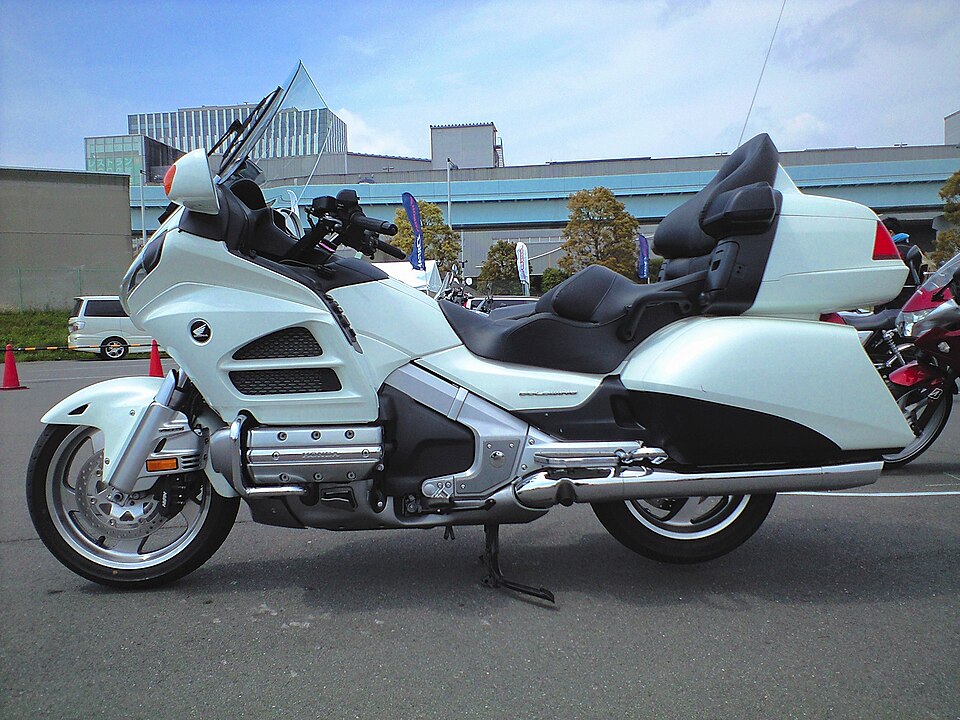
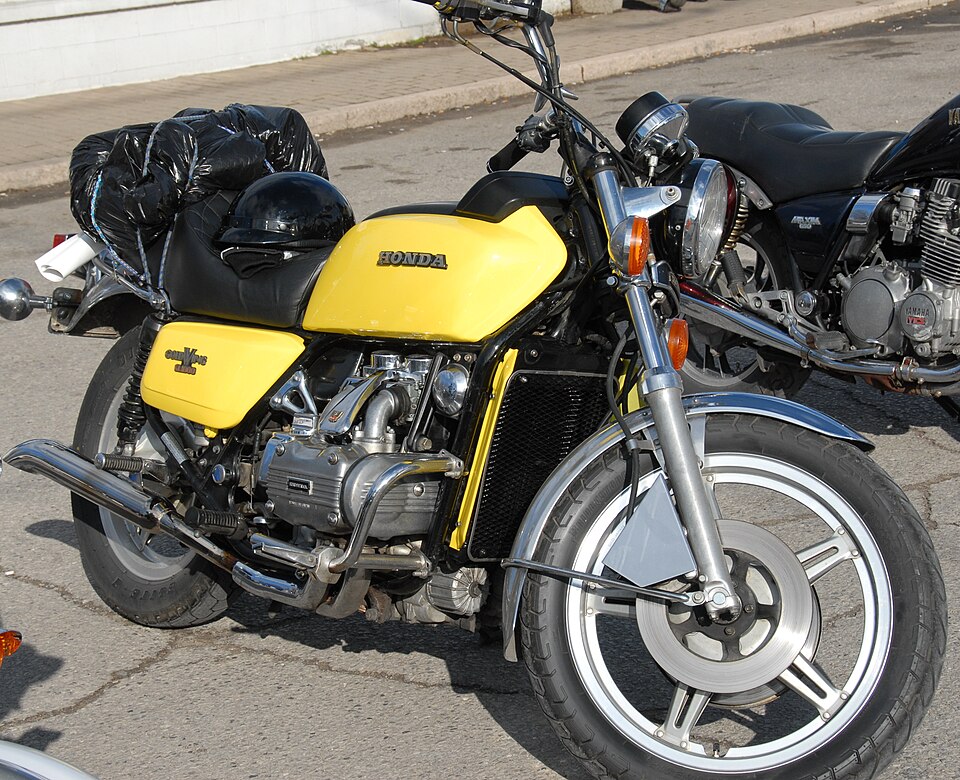
Variants of the Honda Gold Wing
Same bike, different trim or year-range — pick the one matching the listing.
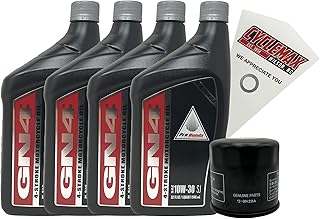
Top 10 Accessories
Curated picks for the Honda Gold Wing — owned, ridden, recommended.




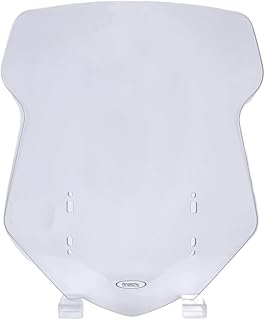


Common Problems
🔥 2 CRITICALBattery voltage at idle, dimming lights, electrical gremlins
Oil residue around rear cylinder base and head
Clunk during acceleration/deceleration, rear wheel play
Coolant stains under engine, low reservoir level
✅Pre-Purchase Checklist
Very reliable long-term with proper maintenance history
Full Specifications
Rivals & Alternatives
Bikes that buyers cross-shop with the Honda Gold Wing
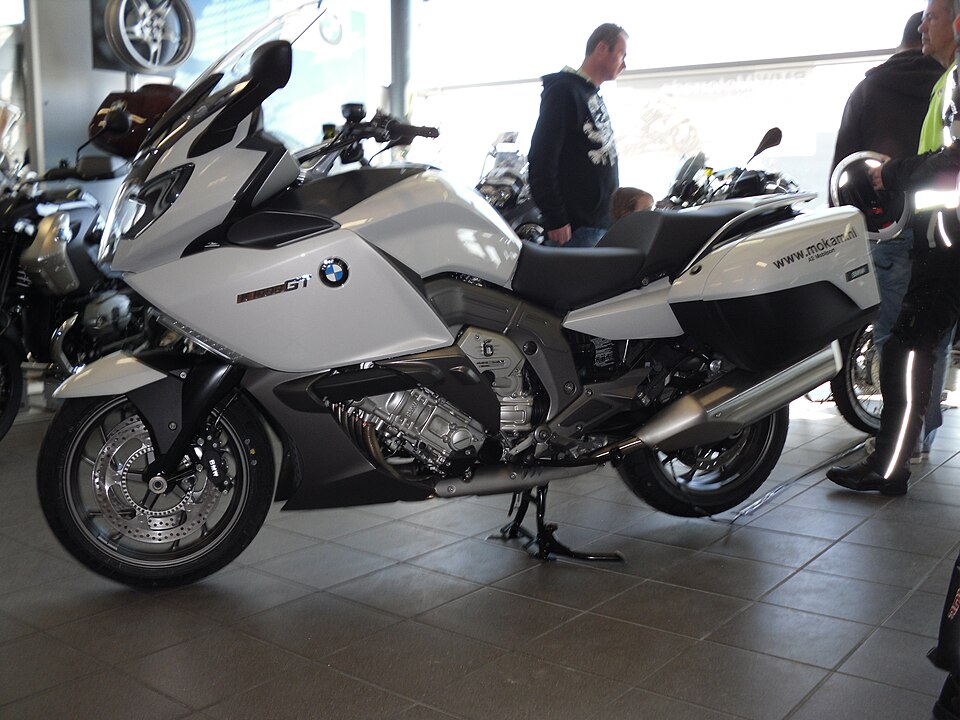
Bmw K 1600 Gt
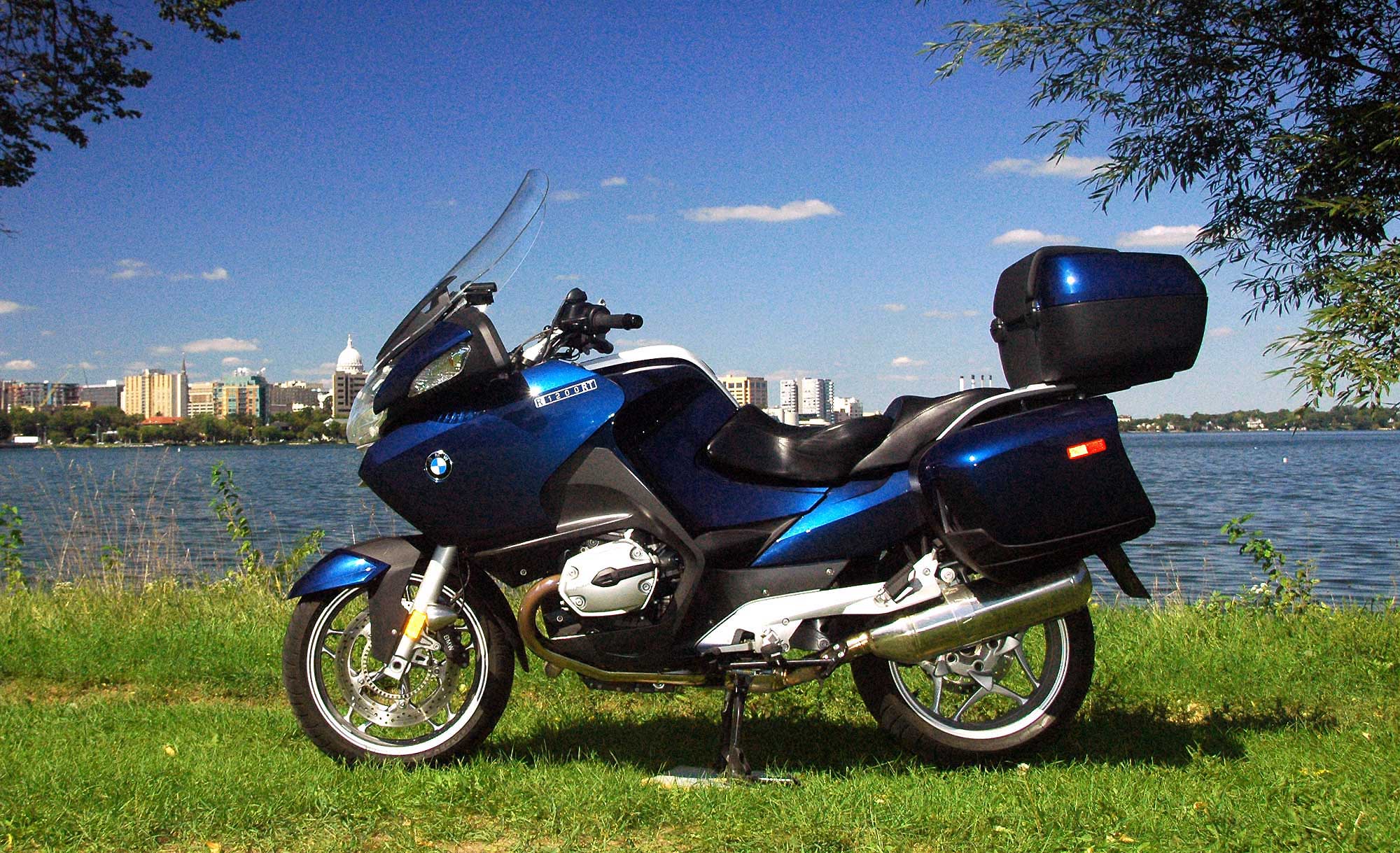
Bmw R 1250 Rt
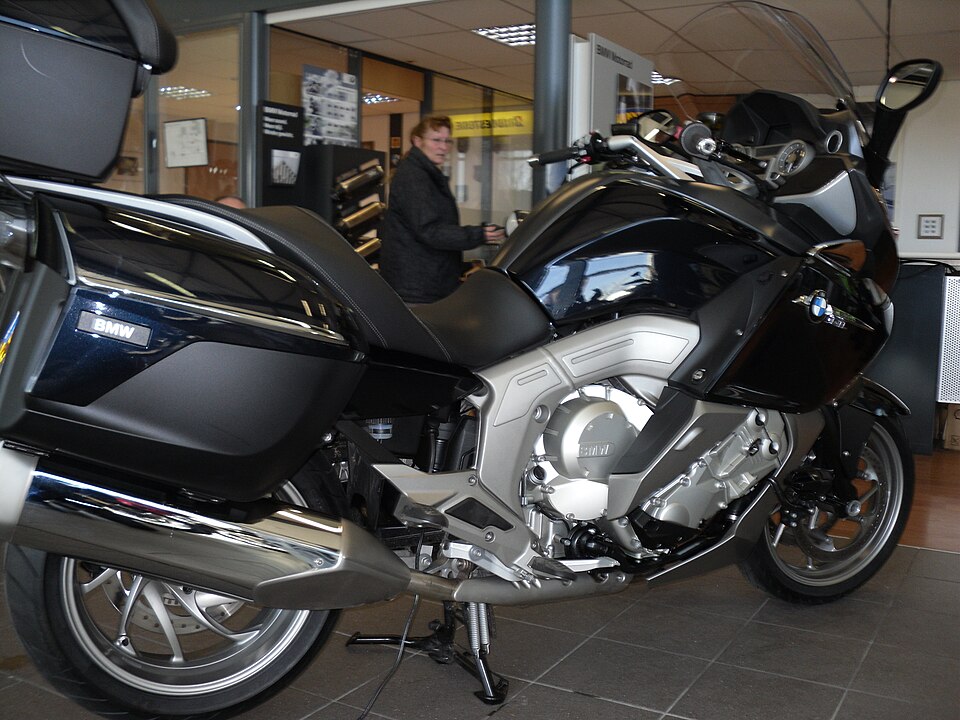
Bmw K 1600 Gtl
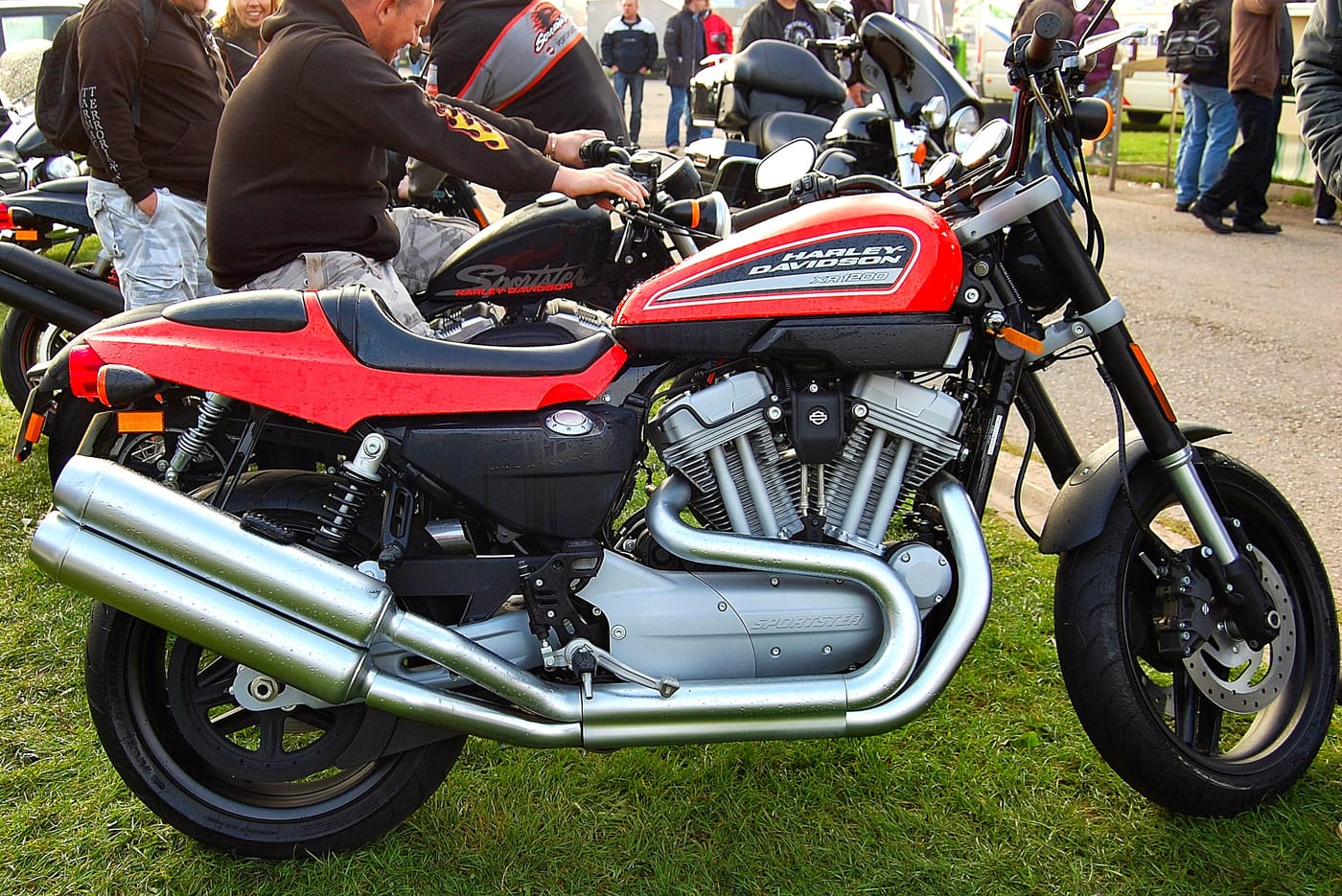
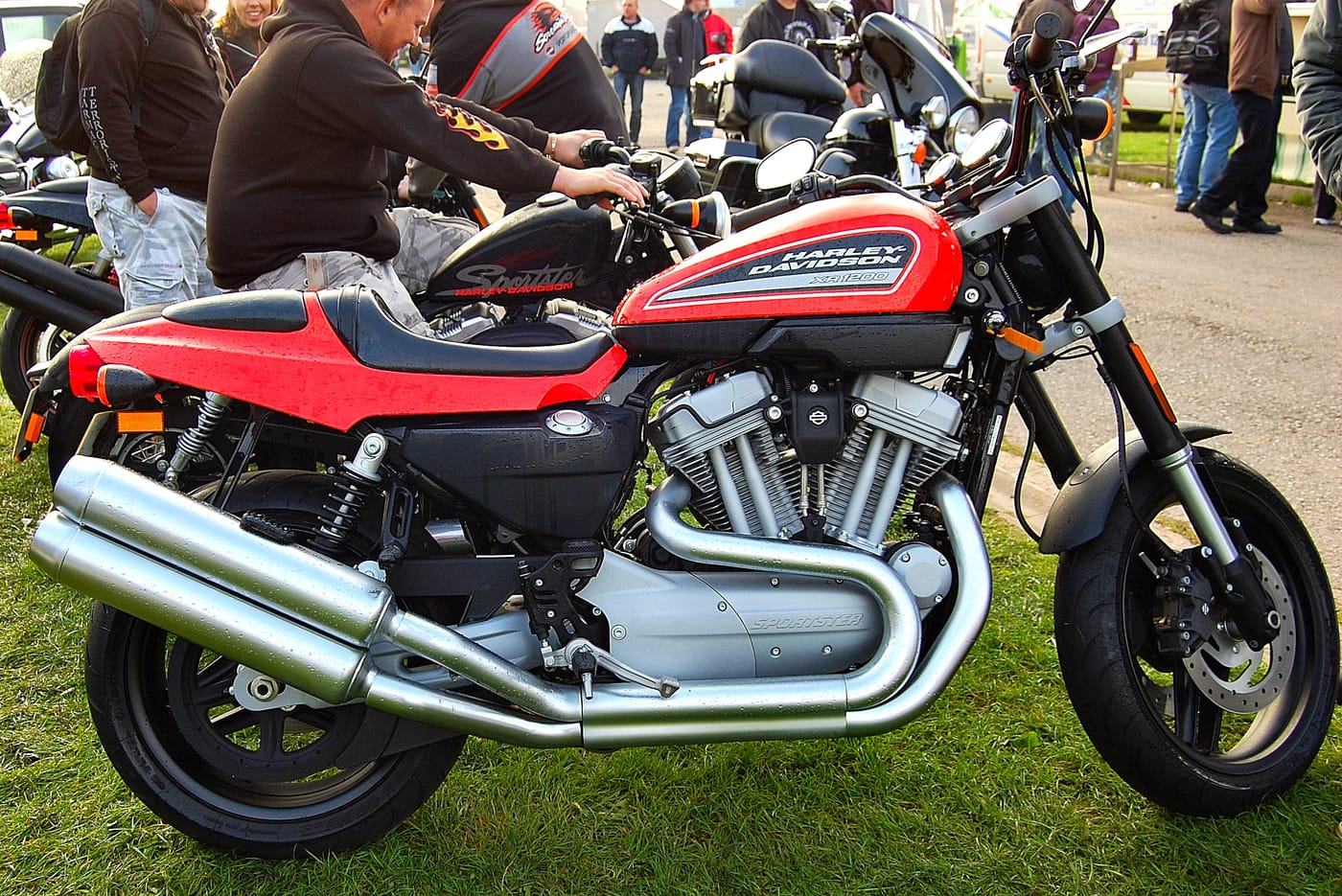
Harley-davidson Ultra Limited
Yamaha Star Venture 1900
Compare Honda Gold Wing Side-by-Side
compare_arrowsSpecs, power, weight & buyer verdict — head-to-head with the bikes most often cross-shopped.
Honda Gold Wing vs Bmw K 1600 Gt
Specs · Power · Buyer verdict
Honda Gold Wing vs Bmw R 1250 Rt
Specs · Power · Buyer verdict
Honda Gold Wing vs Bmw K 1600 Gtl
Specs · Power · Buyer verdict
Honda Gold Wing vs Harley-davidson Ultra Limited
Specs · Power · Buyer verdict
Honda Gold Wing vs Yamaha Star Venture 1900
Specs · Power · Buyer verdict
More Honda Gold Wing Guides
More from Honda
View all Honda models →Community Reviews
Discussion
Frequently Asked Questions
What are common problems with the Honda Gold Wing? +
Stator failure causing charging system breakdown: Battery voltage at idle, dimming lights, electrical gremlins (serious) | Rear cylinder head gasket oil leaks: Oil residue around rear cylinder base and head (moderate) | Final drive spline wear causing clunking: Clunk during acceleration/deceleration, rear wheel play (serious)
Is the Honda Gold Wing a good motorcycle? +
The gold standard in touring bikes, if you can handle the weight. Rating: 8.5/10. Best for: Experienced riders craving serious long-distance touring comfort. Avoid if: New riders or those lacking confident low-speed control.
What is the horsepower of the Honda Gold Wing? +
The Honda Gold Wing produces 126 hp @ 5,500 rpm (2018+ GL1800), with 170 Nm @ 4,500 rpm (2018+ GL1800) of torque. Top speed: 180–200 km/h (electronically influenced; est. ~190 km/h for GL1800).
Is the Honda Gold Wing good for beginners? +
Not really — the Honda Gold Wing is better for experienced riders (126 hp can be intimidating). Experienced riders craving serious long-distance touring comfort Avoid if: New riders or those lacking confident low-speed control
Is the Honda Gold Wing reliable? +
Owners report 2 critical issues to watch for on the Honda Gold Wing, notably: Stator failure causing charging system breakdown (Battery voltage at idle, dimming lights, electrical gremlins). Buy with a pre-purchase inspection.
Is the Honda Gold Wing good for daily use? +
Experienced riders craving serious long-distance touring comfort Fuel: 6.0–7.0 L/100km (approximately 14–17 km/L, based on 2018+ GL1800 real-world average).
How fast is the Honda Gold Wing? +
The Honda Gold Wing reaches a top speed of 180–200 km/h (electronically influenced; est. ~190 km/h for GL1800), producing 126 hp at 383 kg curb weight. Real-world performance depends on rider weight, gearing, and road conditions.
What gear should I buy for a Honda Gold Wing? +
Motoryk has curated a Top 10 gear list specifically for the Honda Gold Wing, covering engine oil, tires, chain, battery, and brake pads — see motoryk.com/bikes/honda/gold-wing/top10. Each pick is matched to this bike's spec.