Honda Cx500 Turbo
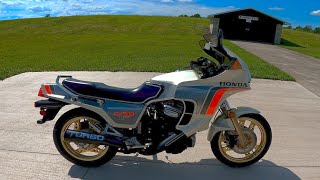
The Honda Cx500 Turbo has a top speed of 195 km/h, produces 82 hp and weighs 232 kg. Motoryk rates it 6.5/10.
Der Honda CX500 Turbo wurde 1982 als eines der weltweit ersten Serienmotorräder mit Turbolader vorgestellt und war ein Meilenstein in der Motorradtechnik. Er verfügte über das fortschrittliche elektronische Kraftstoffeinspritzsystem von Honda (eines der frühesten an einem Serienmotorrad) in Kombination mit einem IHI-Turbolader, der an den vorhandenen CX500-V-Twin-Motor angeschraubt war. Obwohl er nur zwei Jahre lang (1982-1983) produziert wurde, bevor er durch den CX650 Turbo ersetzt wurde, wird er als technologische Pionierleistung und Sammlerikone gefeiert.
82 hp
Leistung
75 Nm
Drehmoment
232 kg
Gewicht
195 km/h
Höchstgeschwindigkeit
6.5 L/100km (approximately 15.4 km/L, estimated real-world average)
Treibstoff
Ausgeleitet
Körper
🔧 Service Schedule & Parts
Affiliate · we may earn| Service item | Every | Typical cost | Parts |
|---|---|---|---|
| 🛢️ Engine oil + oil filter | 6,000 km / 3,500 mi or 12 mo | $40-80 | 🛢️ Buy → ⚙️ Buy → |
| 🌬️ Air filter | 8,000 km / 5,000 mi | — | 🌬️ Buy → |
| ⚡ Spark plugs | 8,000 km / 5,000 mi | — | ⚡ Buy → |
| 🔧 Valve clearance check | 16,000 km / 10,000 mi | $300-600 | |
| 🔗 Chain & sprockets | N/A - shaft drive km (replace) | $N/A | 🔗 Buy → |
| 🛑 Brake pads | 15000-25000 km | $40-80 | 🛑 Buy → |
| 💧 Brake fluid | 24,000 km / 15,000 mi or 2 yr | — | |
| 🧊 Coolant | 24,000 km / 15,000 mi | — | |
| 🛞 Tires | 10000-18000 km | $250-450 | 🛞 Buy → |
| 🔩 Major service | 16,000 km / 10,000 mi | $400-800 |
Video Review
Was Käufer wissen sollten
Complex Turbo System
The CX500 Turbo uses a small IHI turbocharger with a sophisticated fuel injection system — one of the first production motorcycles to do so. This complexity means aging sensors, injectors, and boost hoses are common failure points that can be expensive to source and repair.
Rising Collector Value
As a rare, pioneering piece of motorcycle history (only ~13,000 units built worldwide from 1981–1982), clean examples have steadily climbed in value. Well-maintained bikes in good condition regularly fetch $5,000–$9,000+, making condition and originality critical for buyers.
Watch the Cam Chain
The underlying CX500 V-twin engine is known to develop cam chain tensioner wear over time, which can lead to noisy, rattling engines if neglected. Always listen for a ticking or slapping noise on startup before buying.
Generationen und Spezifikationen nach Jahr
Erstes Serienmotorrad mit Turbolader und 500-cm3-V-Twin, 22 PSI-Boost, digitaler Kraftstoffeinspritzung, 82 PS.
"Genialer Wahnsinn, den Honda nie ganz beendet hat."
Unter 3.500 U/min ist dieses Ding eine Schnecke — du schleppst 232 Kilo Future-Tech, das sich anfühlt wie ein müder Pendler, dann spult der Turbo und plötzlich hältst du durch, während 1982 in einem Tempo vorübergeht, das moderne Mittelgewichte immer noch in Verlegenheit bringt. Die digitale Kraftstoffeinspritzung war wirklich revolutionär, bedeutete aber auch, dass man, wenn etwas schief ging — und frühe Geräte mit Lademagneten ausgestattet waren — einem Händler ausgeliefert war, in einer Zeit, in der niemand das System verstand. Ich bin mit meiner Maschine zwei Saisons lang hart gefahren, und die Drehmomentsteuerung bei voller Ladung sorgte dafür, dass jede Kurve auf eine Weise interessant war, die ich nicht immer gewählt hatte. Es ist ein Stück Ingenieurgeschichte, das Respekt verdient, nicht das tägliche Pendeln.
Profis
Nachteile
Überarbeitete Karosserie, aktualisiertes Fahrwerk, verbesserte Abbildung der Kraftstoffeinspritzung, verfeinerte Schubsteuerung, kleinere kosmetische Änderungen.
"Ein echtes Wunderwerk der Technik, das die Zeit überflüssig gemacht hat."
Die überarbeitete Abbildung der Kraftstoffeinspritzung in diesem 83er Update macht einen echten Unterschied — der Schub kommt sanfter an als beim ursprünglichen CX500T, obwohl Sie immer noch die Überspannung im mittleren Bereich respektieren müssen, sonst bekommt das Vorderrad Ideen. Mit 232 kg ist es wie ein Boot im Stadtverkehr, und der Kardanantrieb sorgt bei Übergängen mit harter Drosselklappe für ein spürbares Ruckeln, das nie ganz verschwindet. Aber wenn man es auf einer offenen Bundesstraße aufmacht, hat man hier einen echten Schockwert von 1983 — 100 Pferdestärken aus einem 500-cm3-V-Twin sind immer noch ein Partytrick, den es wert ist, angegeben zu werden. Die Karosserie-Updates gaben ihm ein etwas integrierteres Aussehen, obwohl die Verkleidung immer noch Seitenwind abfängt wie ein Scheunentor über 140 km/h.
Profis
Nachteile
Bewertung von gebrauchten Käufern
"Fascinating collectible that demands patience, money, and mechanical respect."
$4,500-$9,000 usedLet's be straight — you're not buying a CX500 Turbo for performance. Honda's pioneering 1982-83 turbocharged experiment produces 82hp, which was genuinely impressive then but feels modest now. What you're really buying is history. This was the world's first production turbocharged motorcycle, and Honda engineered it with typical obsessive attention, complete with custom fuel injection, intercooling, and a beautifully integrated fairing. It's genuinely exotic hardware dressed in sensible clothes. The problems are real though. Turbo lag is significant — there's a noticeable pause before boost hits, which feels unsettling in corners. Parts availability ranges from difficult to eye-wateringly expensive. Specialist knowledge matters here; a backstreet mechanic touching the fuel injection system is a recipe for disaster. Find one with documented service history and verify the turbo seals aren't weeping oil. These have appreciated sharply as collector pieces. You'll pay collector prices but live with 1980s reliability. Expect to spend as much maintaining it as you did buying it, and keep mileage modest. Ride it occasionally, show it often.
Top 10 Accessories
Curated picks for the Honda Cx500 Turbo — owned, ridden, recommended.





Häufig auftretende Probleme
🔥 2 CRITICALListen for turbo whine, check oil lines for blockage
Cold start behavior, injector response, vacuum leaks
Inspect rubber diaphragm for cracks or collapse
Inspect shields around turbo and exhaust for damage
✅Checkliste vor dem Kauf
Fragile classic, parts scarce, buy cautiously
Full Specifications
Rivals & Alternatives
Bikes that buyers cross-shop with the Honda Cx500 Turbo
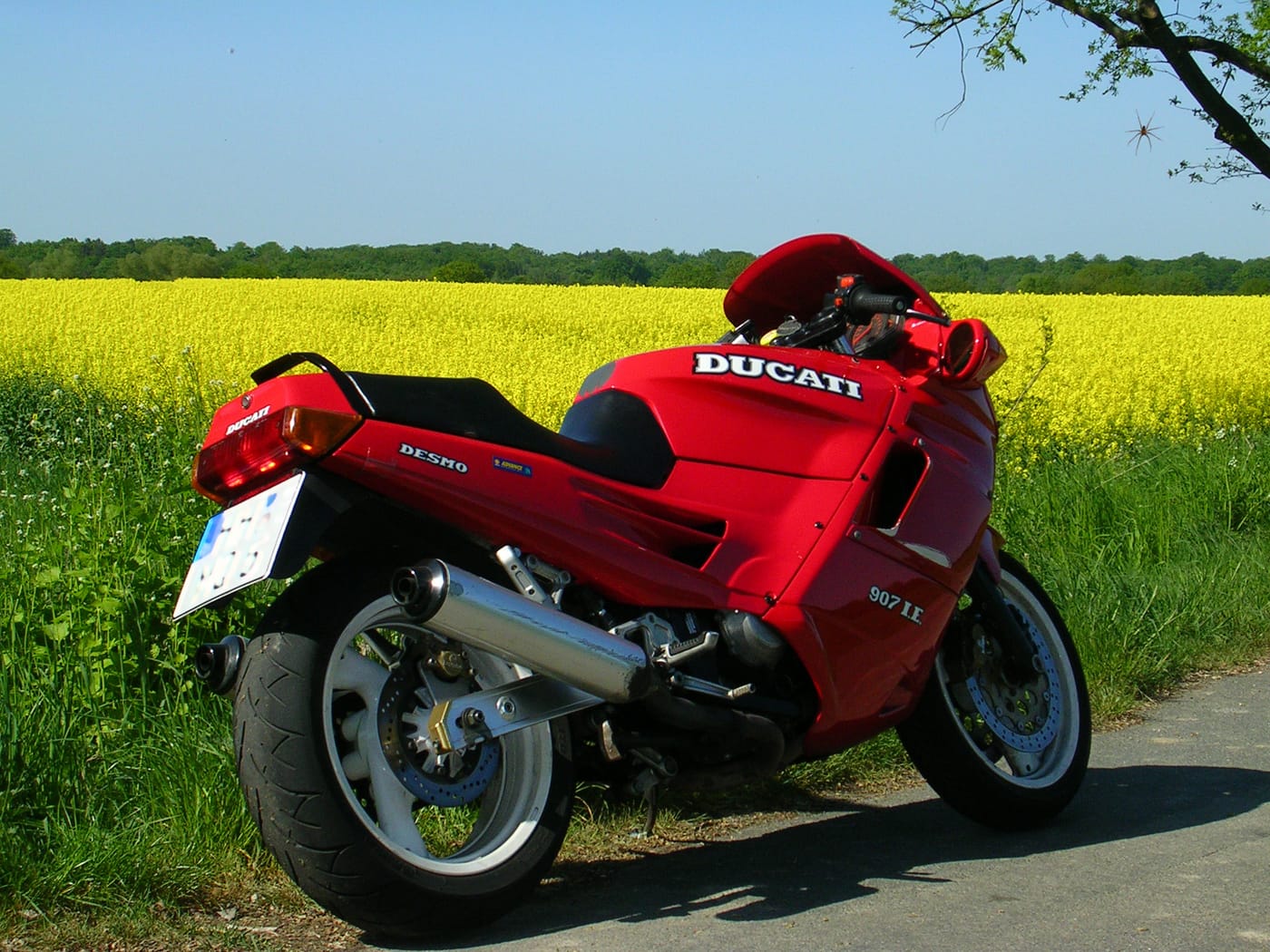
Ducati Paso 907
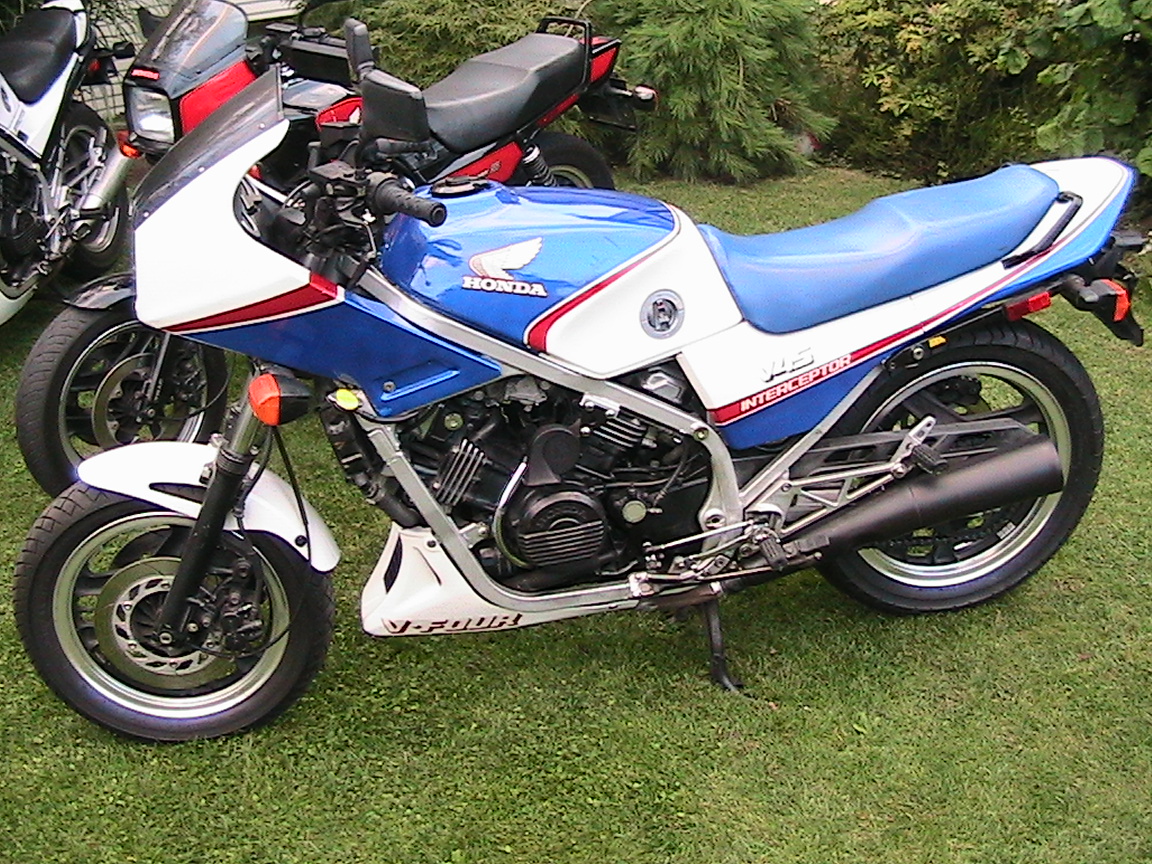
Honda Vf750 Interceptor
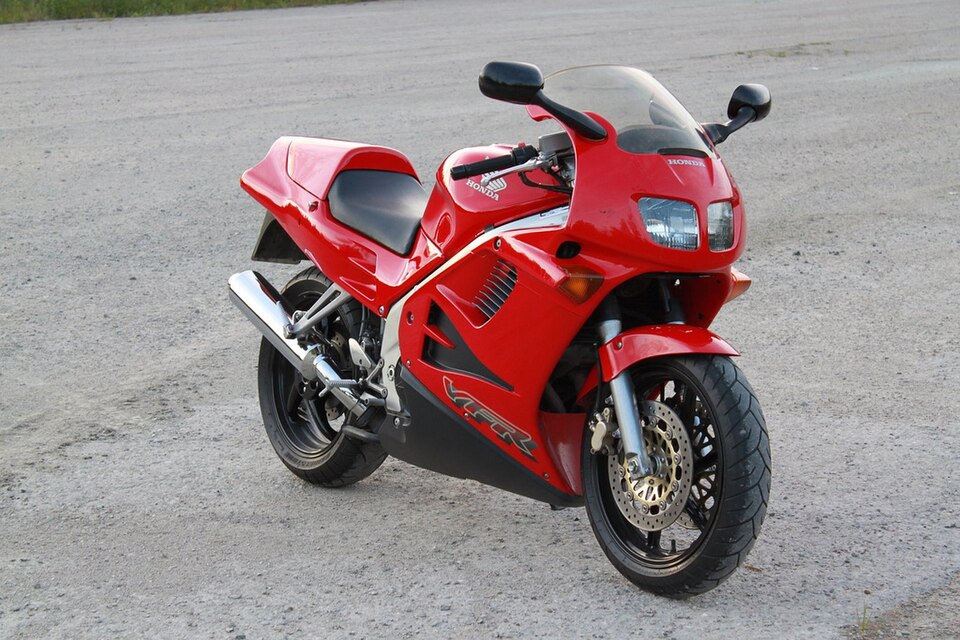
Honda Vfr750
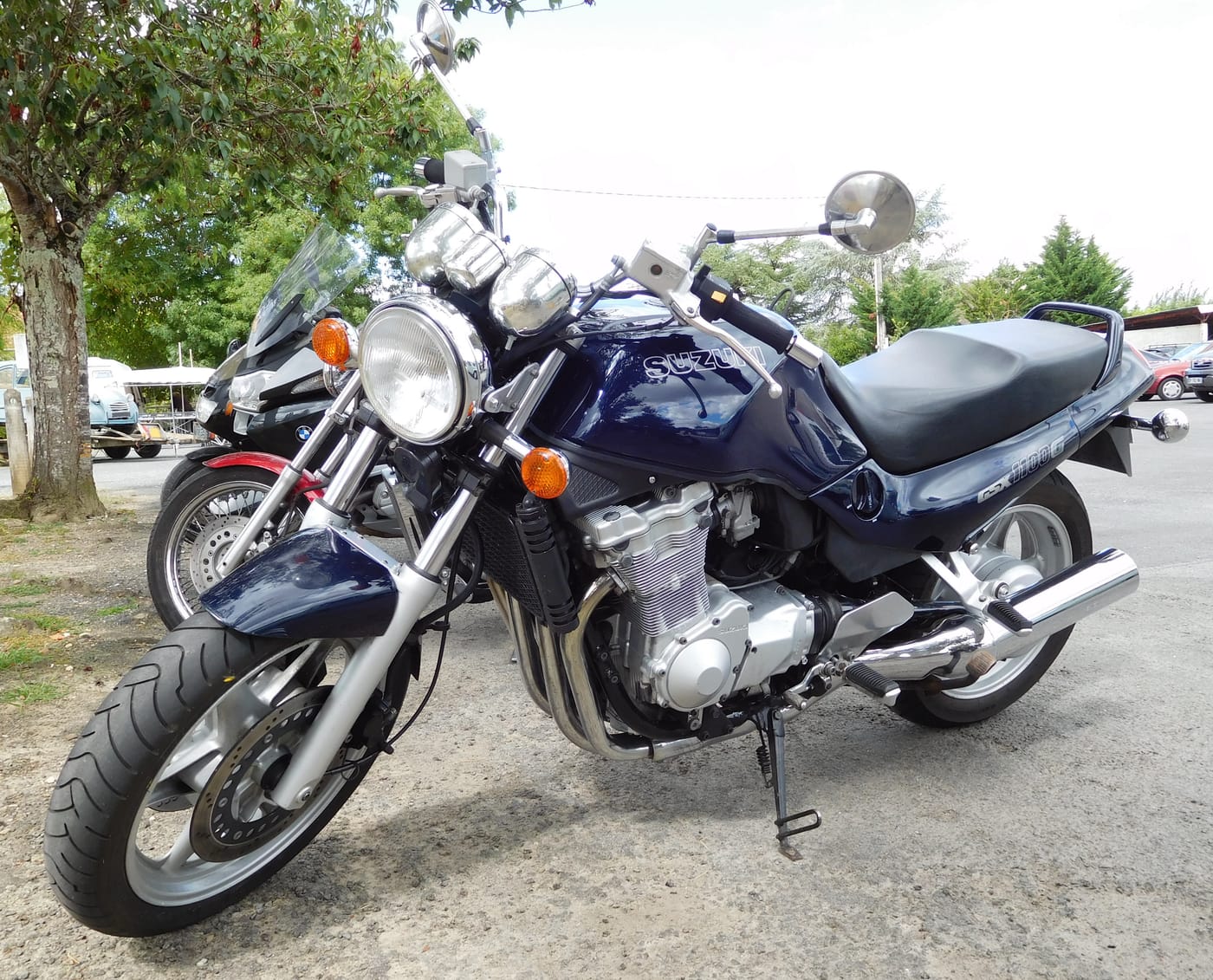
Suzuki Gsx600f Katana
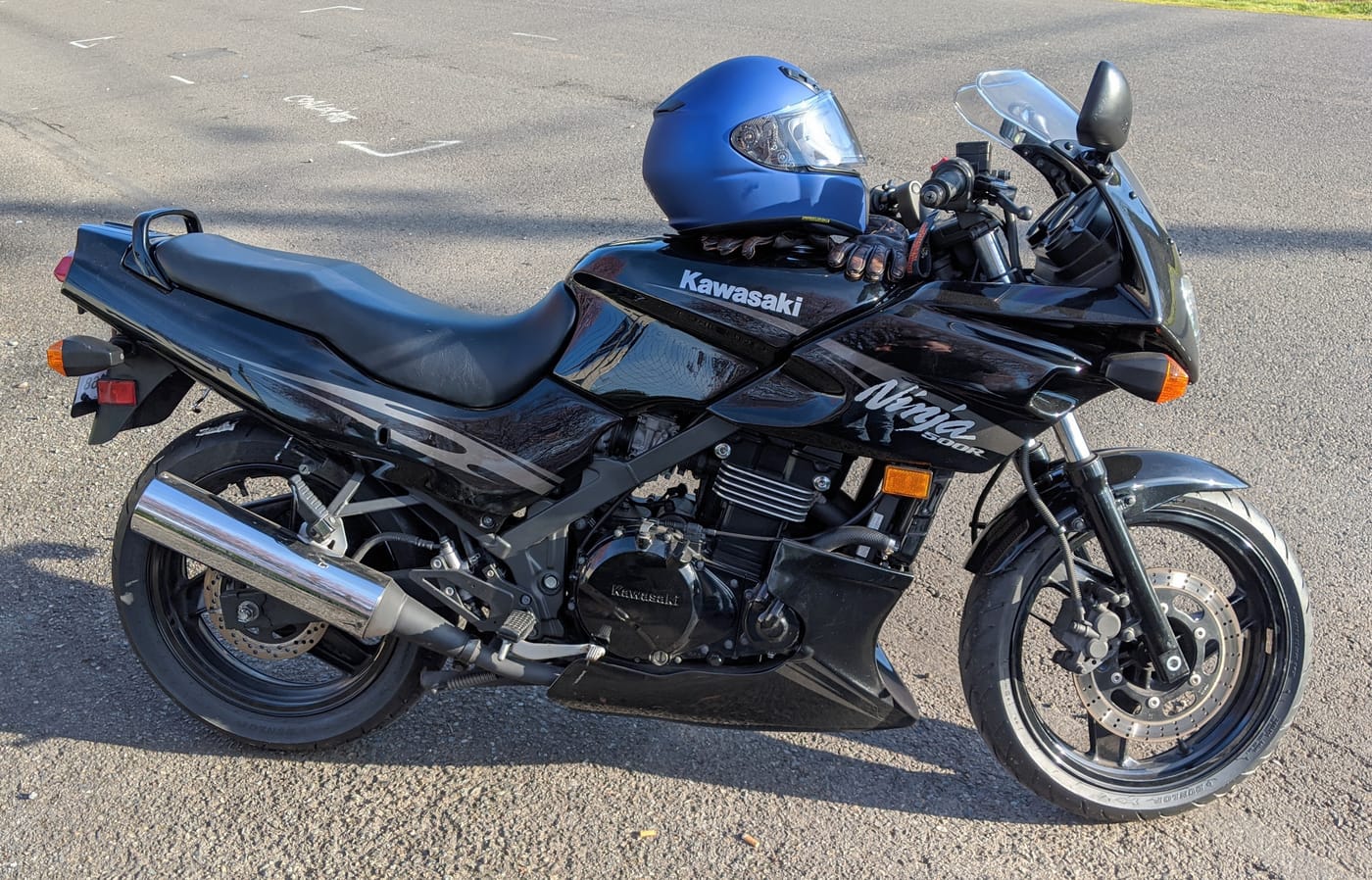
Kawasaki Gpz500s
Compare Honda Cx500 Turbo Side-by-Side
compare_arrowsSpecs, power, weight & buyer verdict — head-to-head with the bikes most often cross-shopped.
Honda Cx500 Turbo vs Ducati Paso 907
Specs · Power · Buyer verdict
Honda Cx500 Turbo vs Honda Vf750 Interceptor
Specs · Power · Buyer verdict
Honda Cx500 Turbo vs Honda Vfr750
Specs · Power · Buyer verdict
Honda Cx500 Turbo vs Suzuki Gsx600f Katana
Specs · Power · Buyer verdict
Honda Cx500 Turbo vs Kawasaki Gpz500s
Specs · Power · Buyer verdict
More Honda Cx500 Turbo Guides
More from Honda
View all Honda models →Community Reviews
Discussion
Frequently Asked Questions
What are common problems with the Honda Cx500 Turbo? +
Turbo failure or oil feed blockage: Listen for turbo whine, check oil lines for blockage (serious) | Fuel injection system faults: Cold start behavior, injector response, vacuum leaks (serious) | Boost pressure control diaphragm cracking: Inspect rubber diaphragm for cracks or collapse (moderate)
Is the Honda Cx500 Turbo a good motorcycle? +
Fascinating collectible that demands patience, money, and mechanical respect. Rating: 6.5/10. Best for: Collectors wanting significant, appreciating moto history. Avoid if: You need reliable, affordable daily transportation.
What is the horsepower of the Honda Cx500 Turbo? +
The Honda Cx500 Turbo produces 82 hp @ 8,000 rpm, with 75 Nm @ 5,000 rpm of torque. Top speed: 195 km/h.
Is the Honda Cx500 Turbo good for beginners? +
Not really — the Honda Cx500 Turbo is better for experienced riders. Collectors wanting significant, appreciating moto history Avoid if: You need reliable, affordable daily transportation
Is the Honda Cx500 Turbo reliable? +
Owners report 2 critical issues to watch for on the Honda Cx500 Turbo, notably: Turbo failure or oil feed blockage (Listen for turbo whine, check oil lines for blockage). Buy with a pre-purchase inspection.
Is the Honda Cx500 Turbo good for daily use? +
Collectors wanting significant, appreciating moto history Fuel: 6.5 L/100km (approximately 15.4 km/L, estimated real-world average).
How fast is the Honda Cx500 Turbo? +
The Honda Cx500 Turbo reaches a top speed of 195 km/h, producing 82 hp at 232 kg curb weight. Real-world performance depends on rider weight, gearing, and road conditions.
What gear should I buy for a Honda Cx500 Turbo? +
Motoryk has curated a Top 10 gear list specifically for the Honda Cx500 Turbo, covering engine oil, tires, chain, battery, and brake pads — see motoryk.com/bikes/honda/cx500-turbo/top10. Each pick is matched to this bike's spec.