Honda Cbr600f3
The Honda Cbr600f3 has a top speed of 241 km/h, produces 100 hp and weighs 185 kg. Motoryk rates it 7.8/10.
La Honda CBR600F3 a été produite de 1995 à 1996 en tant qu'évolution de la CBR600F2, avec une aérodynamique révisée, une suspension actualisée et un moteur quatre cylindres en ligne raffiné de 599 cm3. Elle était une force dominante dans les courses de série et est largement considérée comme l'une des motos sportives 600 cc les plus maniables de son époque. Le F3 a été remplacé par le CBR600F4 en 1999 et demeure un modèle très respecté par les passionnés pour son équilibre entre performances et fiabilité.
100 hp
Pouvoir
63 Nm
Torque
185 kg
Poids
241 km/h
Vitesse maximale
6.5 L/100km (approximately 15.4 km/L)
Carburant
Caréné
Corps
🔧 Service Schedule & Parts
Affiliate · we may earn| Service item | Every | Typical cost | Parts |
|---|---|---|---|
| 🛢️ Engine oil + oil filter | 6,000 km / 3,500 mi or 12 mo | $40-80 | 🛢️ Buy → ⚙️ Buy → |
| 🌬️ Air filter | 12,000 km / 7,500 mi | — | 🌬️ Buy → |
| ⚡ Spark plugs | 12,000 km / 7,500 mi | — | ⚡ Buy → |
| 🔧 Valve clearance check | 24,000 km / 15,000 mi | $150-300 | |
| 🔗 Chain & sprockets | 20000-35000 km (replace) | $150-300 | 🔗 Buy → |
| 🛑 Brake pads | 15000-25000 km | $30-60 | 🛑 Buy → |
| 💧 Brake fluid | 24,000 km / 15,000 mi or 2 yr | — | |
| 🧊 Coolant | 24,000 km / 15,000 mi | — | |
| 🛞 Tires | 10000-18000 km | $200-400 | 🛞 Buy → |
| 🔩 Major service | 24,000 km / 15,000 mi | $250-500 |
Video Review
Ce que les acheteurs doivent savoir
Honda Reliability Legend
The CBR600F3 is renowned for exceptional reliability, with many examples surpassing 50,000+ miles when properly maintained. Its conservative engine tuning means fewer catastrophic failures compared to more aggressive sport bikes of the era.
Watch the Carburetors
The four-carb setup is the most common pain point — ethanol-blended fuel causes gumming if left sitting, leading to costly cleaning or rebuilding. Always inspect for smooth throttle response and check the last carb sync before buying.
Strong Resale Stability
The F3 holds value surprisingly well as a popular beginner-to-intermediate sport bike, keeping demand steady in the used market. Clean, low-mileage examples are increasingly sought after as a nostalgic 90s classic.
Générations et spécifications par année
Présenté sous le nom de F3, nouveau cadre, quatre cylindres en ligne de 599 cm3, aérodynamisme amélioré par rapport à son prédécesseur F2.
"Honda a atteint le point idéal du quatre cylindres en ligne en 1995."
La F3 était une véritable avancée par rapport à la F2 : ce nouveau cadre a transformé la maniabilité de « compétente » en une « source de confiance », avec une partie avant qui communiquait réellement ce que faisait le pneu en milieu de virage. Le moteur de 599 cm3 tourne proprement à environ 6 000 tr/min, mais s'active correctement au-delà de 9 000 tr/min, alors que ce plafond de 12 000 tr/min vous donne une raison légitime de passer les vitesses à toute vitesse. Il ne s'agit pas d'une alimentation brutale, c'est exactement pourquoi vous pouvez la conduire rapidement sur une vraie route sans avoir à le bousculer constamment. Ce que je reproche, c'est que la suspension est réglée en usine, et si vous pesez plus de 80 kg ou si vous prévoyez de la suivre, vous allez bientôt dépenser de l'argent en ressorts et en huile.
Pros
Les inconvénients
Mises à jour mineures, notamment une carburation révisée, un réglage de la suspension et des combinaisons de couleurs mises à jour.
"Le poids moyen le plus honnête de Honda surpasse toujours la nostalgie."
Les carburateurs révisés de la F3 Gen 2 ont fait une différence notable par rapport à la F2 : la réponse de l'accélérateur à partir de 6 000 tr/min est plus nette, moins hésitante, et le moteur tire suffisamment fort pour vraiment vous surprendre à vitesse d'autoroute. Le réglage de la suspension est plus souple que celui de la moto précédente sans pour autant être souple ; il passe à travers les balayeuses avec une confiance qui vous fait oublier que ce châssis a presque trente ans. L'ergonomie est un véritable atout : elle est suffisamment agressive pour donner l'impression d'être sur une moto de sport, et suffisamment indulgente pour avoir passé quatre heures par jour sans vouloir mourir. Le point faible, c'est la puissance maximale : 100 chevaux étaient en compétition en 1997, mais la R6 est arrivée l'année suivante et a donné l'impression qu'il s'agissait d'un accord entre hommes et performances plutôt que d'une déclaration de guerre.
Pros
Les inconvénients
Évaluation d'un acheteur d'occasion
"A genuinely rewarding classic sportbike that punishes neglect hard."
$2,000-$4,500 usedThe CBR600F3 is one of those bikes that aged better than it had any right to. Honda built these things like tanks between 1995 and 1998, and a well-maintained example will still embarrass plenty of modern middleweights on a twisty back road. The 599cc inline-four pulls cleanly from about 6,000rpm and absolutely sings past 10,000 — it's not lazy power, it rewards commitment. Ergonomics sit between sport and sport-touring, so you can actually survive a two-hour ride without needing spinal surgery. That said, buying used means playing detective. Stator failures are the F3's dirty secret — check charging voltage before handing over cash. Carbs need clean fuel and regular attention, and if the bike's been sitting, budget for a full rebuild. Fork seals and rear shock bushings are often neglected on older examples. These aren't dealbreakers, just homework. Parts availability is still reasonable thanks to Honda's parts network and the active F-series community online.
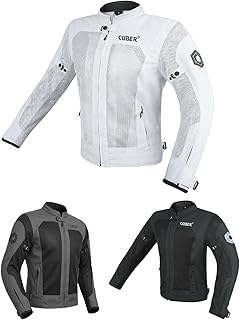
Top 10 Accessories
Curated picks for the Honda Cbr600f3 — owned, ridden, recommended.




Problèmes courants
🔥 2 CRITICALRough idle, hesitation, look for varnish in carbs
Oil streaks on fork tubes below seals
Rattling on cold start, check service history
Dim lights, battery drain, check charging voltage
✅Liste de contrôle préalable à l'achat
Solid, reliable sportbike if well maintained
Full Specifications
Rivals & Alternatives
Bikes that buyers cross-shop with the Honda Cbr600f3
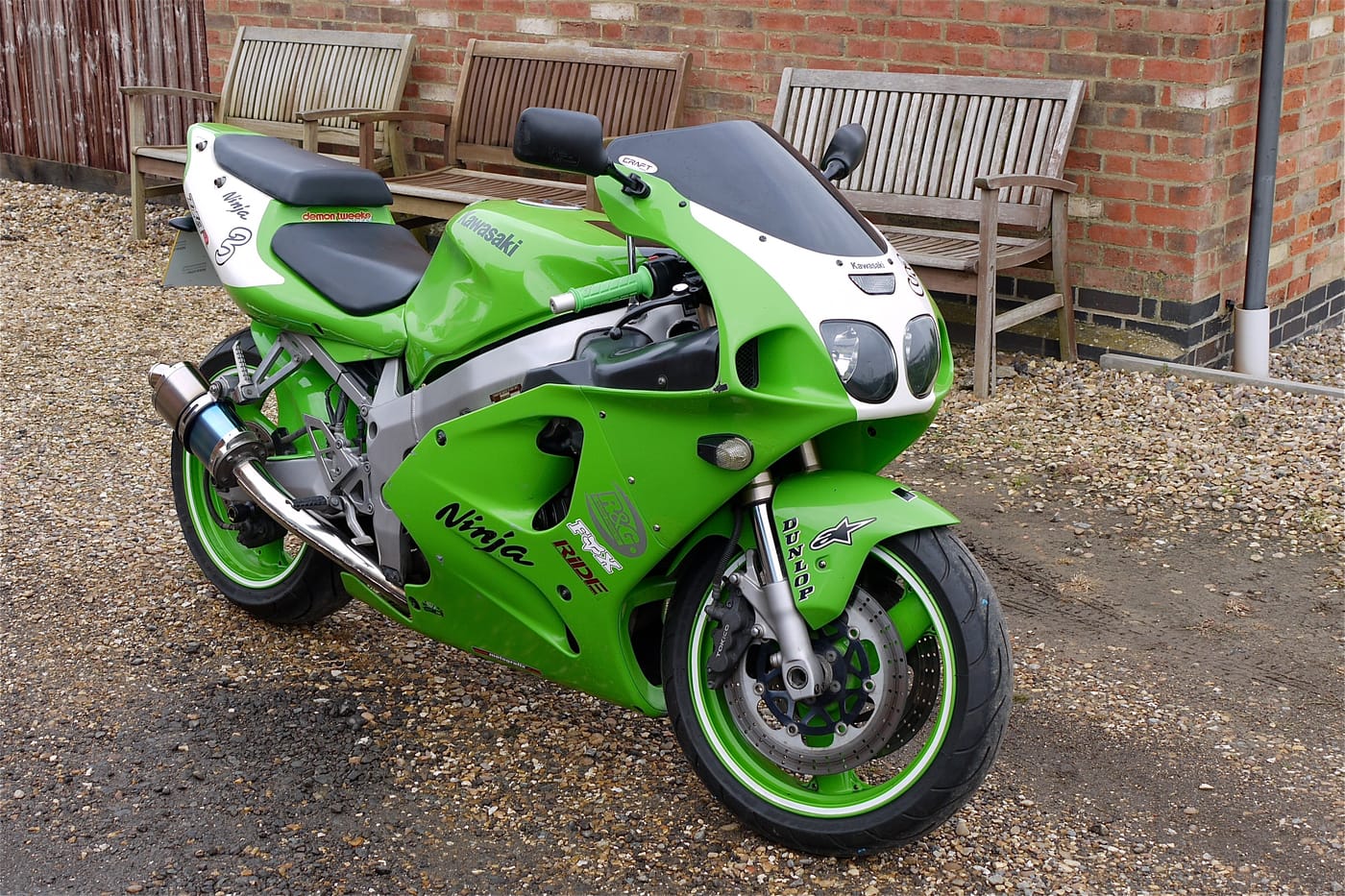
Kawasaki Zx-7r
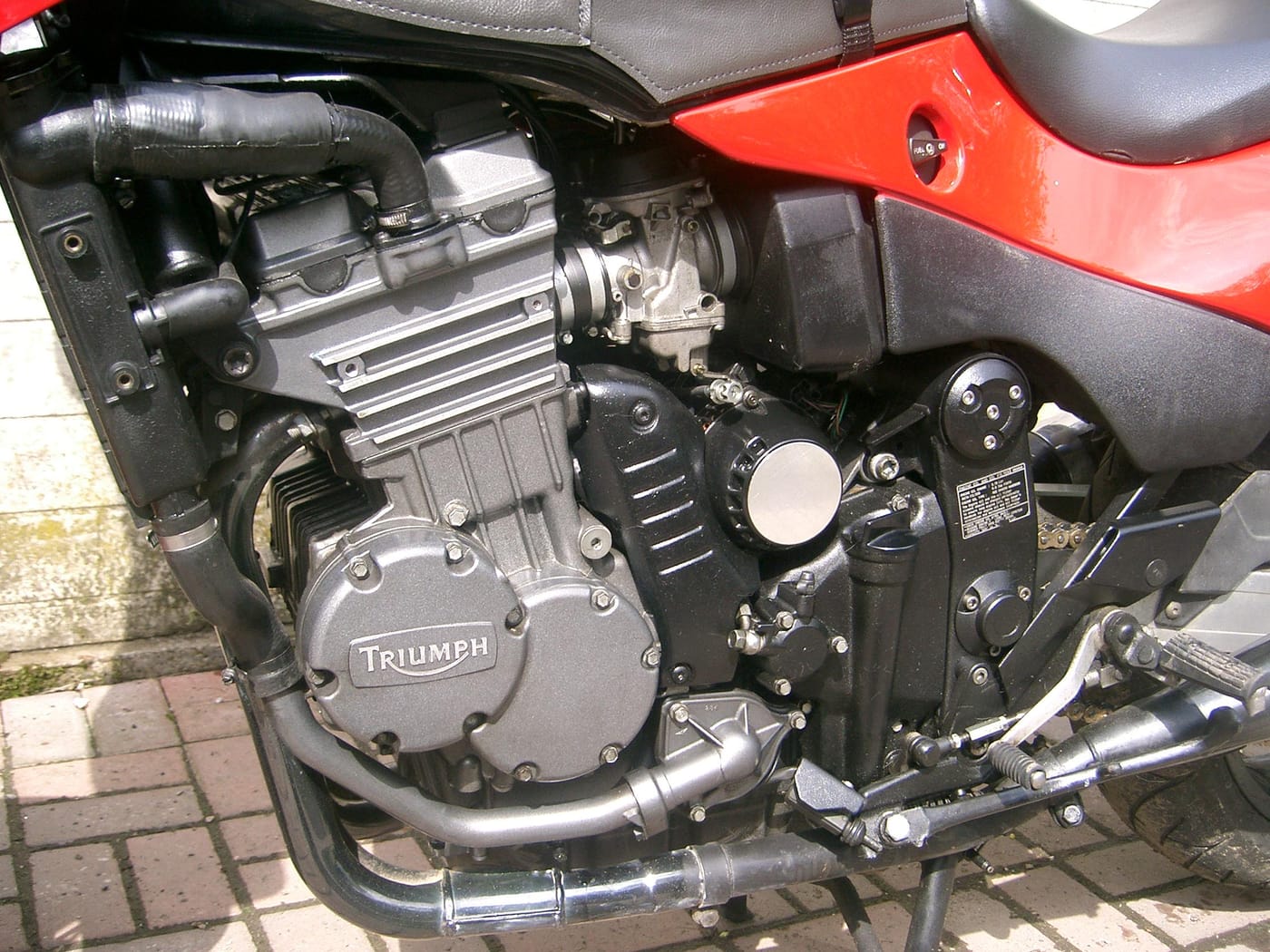
Triumph Daytona 675
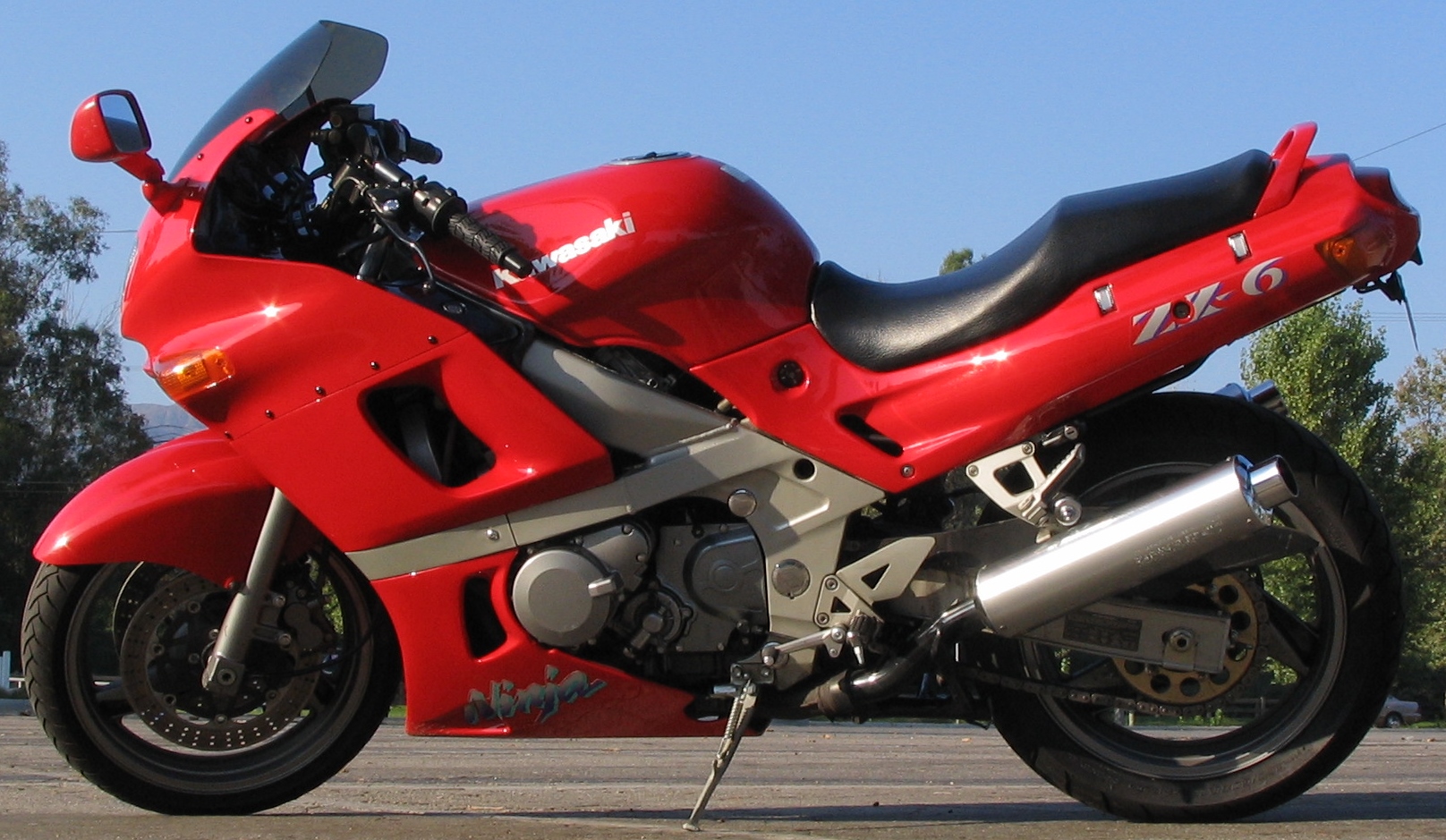
Kawasaki Zzr600
Yamaha Fzr600
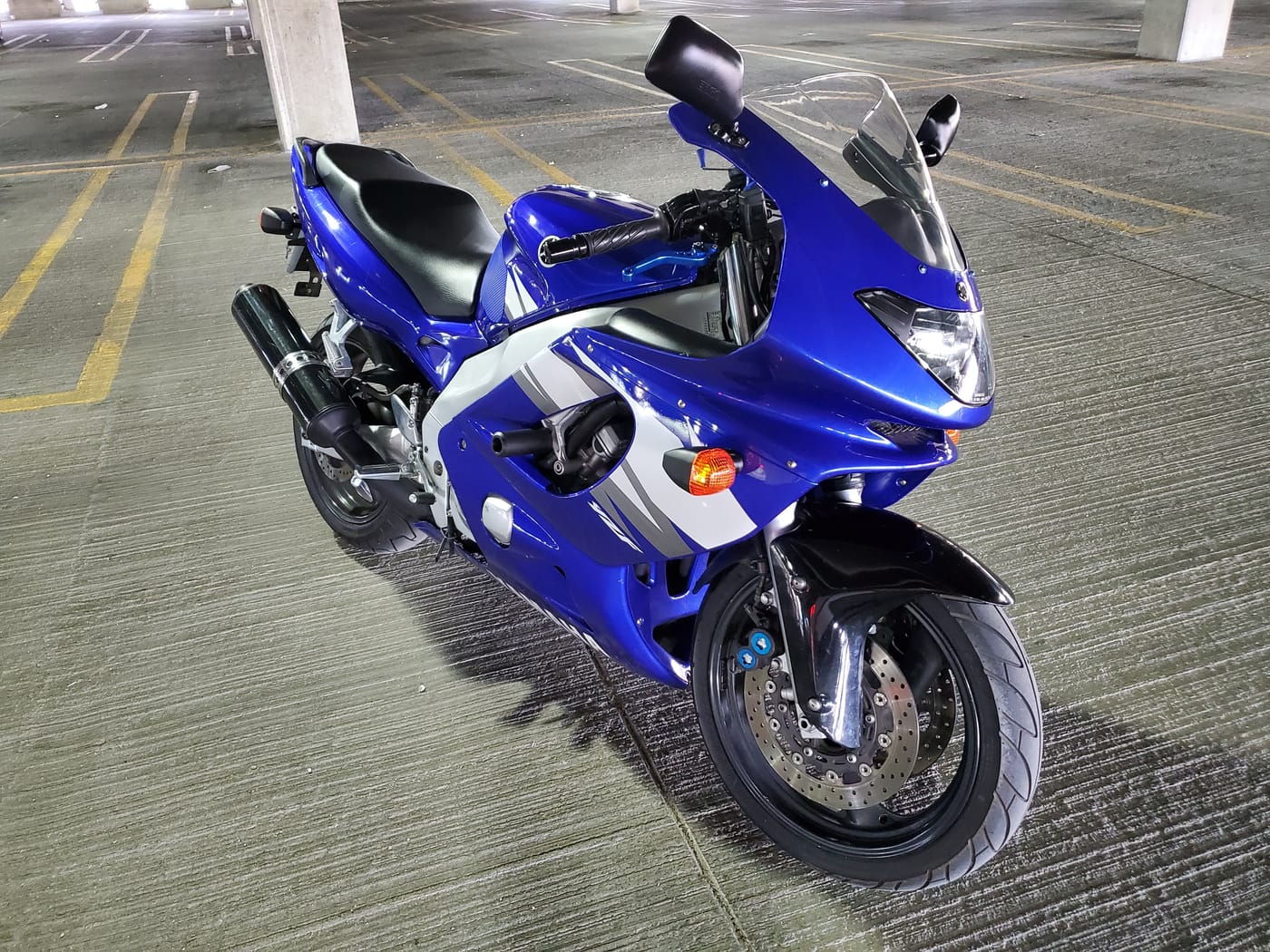
Yamaha Yzf600r Thundercat
Compare Honda Cbr600f3 Side-by-Side
compare_arrowsSpecs, power, weight & buyer verdict — head-to-head with the bikes most often cross-shopped.
Honda Cbr600f3 vs Kawasaki Zx-7r
Specs · Power · Buyer verdict
Honda Cbr600f3 vs Triumph Daytona 675
Specs · Power · Buyer verdict
Honda Cbr600f3 vs Kawasaki Zzr600
Specs · Power · Buyer verdict
Honda Cbr600f3 vs Yamaha Fzr600
Specs · Power · Buyer verdict
Honda Cbr600f3 vs Yamaha Yzf600r Thundercat
Specs · Power · Buyer verdict
More Honda Cbr600f3 Guides
More from Honda
View all Honda models →Community Reviews
Discussion
Frequently Asked Questions
What are common problems with the Honda Cbr600f3? +
Carb sync/jetting issues from sitting: Rough idle, hesitation, look for varnish in carbs (moderate) | Leaking fork seals: Oil streaks on fork tubes below seals (moderate) | Worn cam chain tensioner: Rattling on cold start, check service history (serious)
Is the Honda Cbr600f3 a good motorcycle? +
A genuinely rewarding classic sportbike that punishes neglect hard. Rating: 7.8/10. Best for: Experienced riders wanting affordable, rewarding sportbike fun. Avoid if: You want modern electronics and zero maintenance headaches.
What is the horsepower of the Honda Cbr600f3? +
The Honda Cbr600f3 produces 100 hp @ 12,000 rpm, with 63 Nm @ 9,500 rpm of torque. Top speed: 241 km/h.
Is the Honda Cbr600f3 good for beginners? +
Not really — the Honda Cbr600f3 is better for experienced riders. Experienced riders wanting affordable, rewarding sportbike fun Avoid if: You want modern electronics and zero maintenance headaches
Is the Honda Cbr600f3 reliable? +
Owners report 2 critical issues to watch for on the Honda Cbr600f3, notably: Worn cam chain tensioner (Rattling on cold start, check service history). Buy with a pre-purchase inspection.
Is the Honda Cbr600f3 good for daily use? +
Experienced riders wanting affordable, rewarding sportbike fun Fuel: 6.5 L/100km (approximately 15.4 km/L).
How fast is the Honda Cbr600f3? +
The Honda Cbr600f3 reaches a top speed of 241 km/h, producing 100 hp at 185 kg curb weight. Real-world performance depends on rider weight, gearing, and road conditions.
What gear should I buy for a Honda Cbr600f3? +
Motoryk has curated a Top 10 gear list specifically for the Honda Cbr600f3, covering engine oil, tires, chain, battery, and brake pads — see motoryk.com/bikes/honda/cbr600f3/top10. Each pick is matched to this bike's spec.