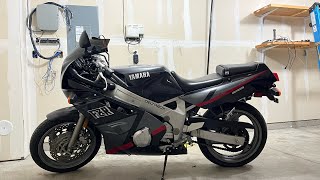
Yamaha Fzr600
The Yamaha Fzr600 has a top speed of 225 km/h, produces 95 hp and weighs 179 kg. Motoryk rates it 7.5/10.
The Yamaha FZR600 was introduced in 1989 as a mid-displacement sportbike derived from the FZR1000, featuring Yamaha's Deltabox aluminum frame and EXUP exhaust valve system. It underwent a significant redesign in 1994 with updated styling, revised suspension, and improved aerodynamics, competing directly with the Honda CBR600F and Kawasaki ZX-6R. The FZR600 was notable for bringing near-superbike technology to the 600cc class and remained in production until 1999 when it was phased out in favor of the YZF-R6.
95 hp
Power
63 Nm
Torque
179 kg
Weight
225 km/h
Top Speed
5.5 L/100km (approximately 18 km/L typical real-world average)
Fuel
Faired
Body
🔧 Service Schedule & Parts
Affiliate · we may earn| Service item | Every | Typical cost | Parts |
|---|---|---|---|
| 🛢️ Engine oil + oil filter | 6,000 km / 3,500 mi or 12 mo | $40-80 | 🛢️ Buy → ⚙️ Buy → |
| 🌬️ Air filter | 12,000 km / 7,500 mi | — | 🌬️ Buy → |
| ⚡ Spark plugs | 12,000 km / 7,500 mi | — | ⚡ Buy → |
| 🔧 Valve clearance check | 24,000 km / 15,000 mi | $150-300 | |
| 🔗 Chain & sprockets | 20000-35000 km (replace) | $150-300 | 🔗 Buy → |
| 🛑 Brake pads | 15000-25000 km | $30-60 | 🛑 Buy → |
| 💧 Brake fluid | 24,000 km / 15,000 mi or 2 yr | — | |
| 🧊 Coolant | 24,000 km / 15,000 mi | — | |
| 🛞 Tires | 10000-18000 km | $180-350 | 🛞 Buy → |
| 🔩 Major service | 24,000 km / 15,000 mi | $250-500 |
Video Review
What Buyers Should Know
Bulletproof Engine Reputation
The FZR600's inline-4 engine is known for exceptional longevity, often surpassing 60,000 miles with basic maintenance. Regular oil changes and valve clearance checks are the key to keeping it running strong.
Watch the Carburetors
Sitting fuel is the FZR600's biggest enemy — dried-out carb jets and float valves are the most common issue found on used examples. Always ask for a recent carb clean or budget around $150–$300 for a rebuild before buying.
Affordable Entry-Level Value
The FZR600 holds modest resale value, typically trading between $1,500–$3,500 depending on condition, making it an excellent affordable sportbike. Parts are still widely available and cheap, keeping long-term ownership costs low.
Generations & Specs by Year
Original 599cc Genesis engine, deltabox frame, 20-valve EXUP system introduced, upright ergonomics.
"The 600 that rewrote the rulebook overnight."
I rode an '89 FZR600 back-to-back with a CBR600F of the same year and the Yamaha felt like it was from a different decade — the Deltabox chassis telegraphs everything through your wrists without beating you up, and that Genesis inline-four pulls clean from 7,000 rpm right to the 11,500 redline with a mechanical urgency that still gets my attention. The EXUP valve makes a genuine difference mid-range; you notice it most hauling out of tight corners where the older 600s would bog before hitting their powerband. Ergonomics are more upright than later FZRs, which means your wrists thank you on a two-hour run but you're catching more wind than you'd like above 160 km/h. Only real complaint after 8,000 miles on one: the stock suspension is soft for anyone over 80 kg, and the front forks dive hard under braking until you sort the damping.
Pros
Cons
Revised bodywork, updated suspension, improved brakes, refined carburetion, minor engine and chassis tweaks.
"Razor-sharp middleweight that rewards commitment over comfort."
The Gen 2 FZR600 is what happens when Yamaha tightens the screws on an already competent package — the revised suspension actually works on real roads, not just Suzuka, and the brakes no longer feel like a polite suggestion when you're coming in hot. That 599cc Deltabox motor pulls hard from about 7,000 rpm and doesn't stop until the tacho needle is buried, though below 5,000 you're essentially just steering a very pretty paperweight. I put 18,000 kilometres on mine over two seasons and the refined carbs made cold starts genuinely painless, but the riding position will remind your lower back of every choice you've ever made after about ninety minutes on the motorway.
Pros
Cons
Significantly restyled bodywork, revised frame geometry, updated forks, improved aerodynamics and ergonomics.
"Sharp, eager middleweight that rewards committed riders."
The Gen 3 FZR600 is where Yamaha finally got the ergonomics right — the revised bodywork actually fits a human body, and the updated forks give you genuine feedback through corners instead of that vague, slightly numb feeling the earlier cars had. That 599cc inline-four pulls hard from about 7,000 rpm and absolutely screams past 9,500, and on a tight B-road it feels genuinely quick rather than just fast on paper. The flip side is that below 6,000 rpm in urban traffic it's lazy and slightly irritating, and the seat — while improved — will still have your backside complaining on anything over a two-hour motorway slog. It's not a CBR600F killer in outright friendliness, but if you're willing to ride it on its terms, the FZR rewards you with a focused, almost old-school intensity that softer bikes of the era simply couldn't match.
Pros
Cons
Used Buyer Review
"A rewarding, characterful sportbike that demands mechanical respect and attention."
$1,500-$4,000 usedThe FZR600 is a proper nineties sportbike that hasn't forgotten how to be fun. That 599cc inline-four pulls cleanly from around 6,000rpm and absolutely screams past 10,000 — it's addictive in a way modern middleweights somehow aren't. The chassis is sharp and communicative, and at sensible road speeds it rewards smooth riders rather than punishing beginners. Just don't expect modern comfort; the clip-ons will have your wrists aching on anything over an hour. Buying used is where you need your wits. These bikes are old enough that most have been thrashed, dropped, or neglected at some point. Check the frame around the headstock for cracks, inspect the forks for pitting, and pull the carb tops off to look for varnish deposits — dried-out fuel turns FZR carbs into expensive paperweights fast. Cam chain tensioners are a known weak point; listen for rattling on cold starts. Parts availability is decent but shrinking. Japanese suppliers and eBay are your friends, dealers aren't. Budget for a full service immediately after purchase regardless of what the seller claims.
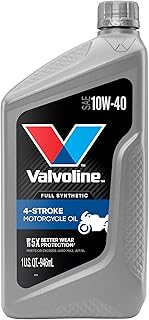
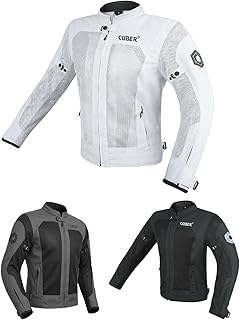
Top 10 Accessories
Curated picks for the Yamaha Fzr600 — owned, ridden, recommended.




Common Problems
🔥 1 CRITICALIdle quality, throttle response, check for flat spots
Inspect all hoses and water pump for seepage
Oil streaks on fork legs, soft front end feel
Check starter, lights, and gauge cluster function
✅Pre-Purchase Checklist
Solid older sportbike if well maintained
Full Specifications
Rivals & Alternatives
Bikes that buyers cross-shop with the Yamaha Fzr600
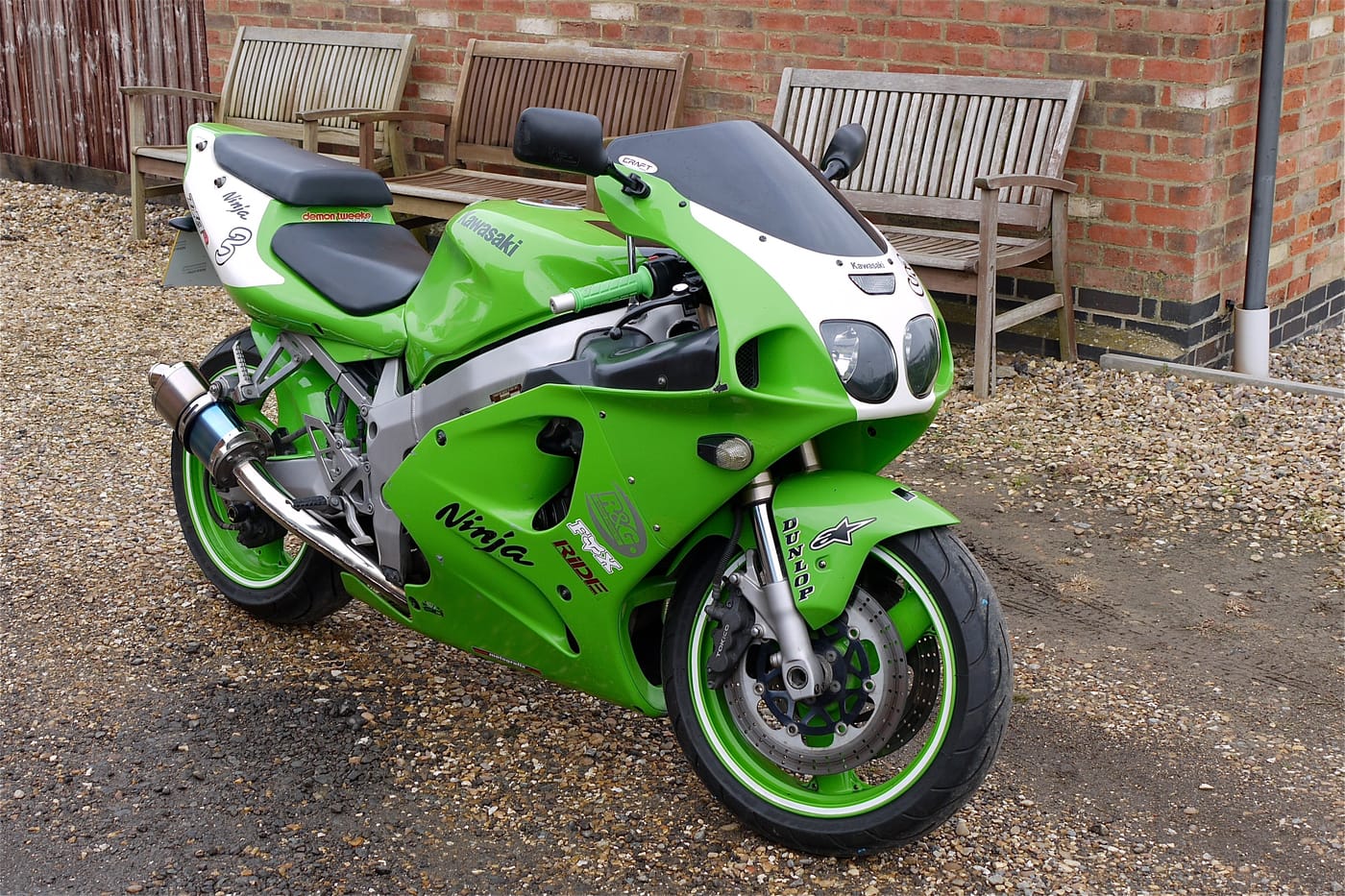
Kawasaki Zx-7r
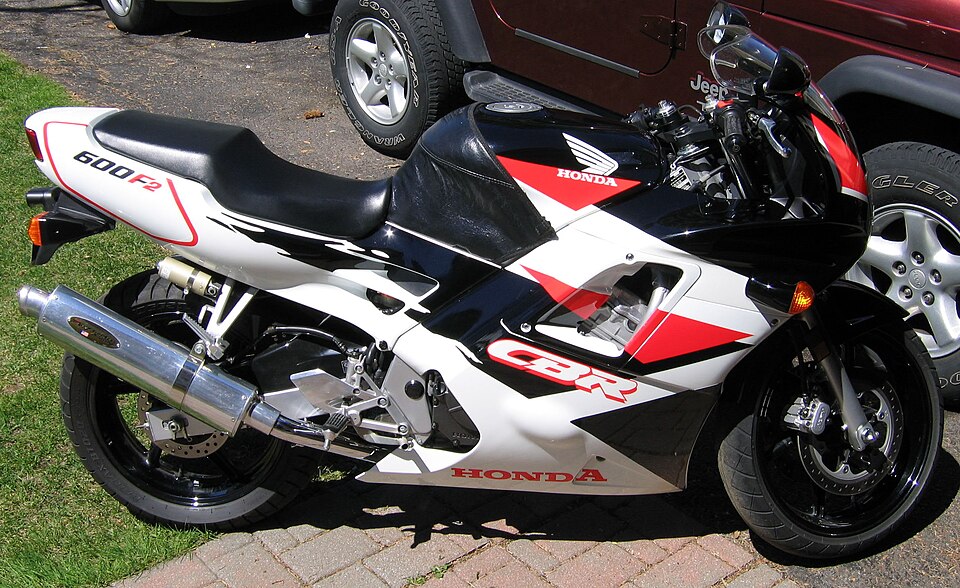
Honda Cbr600f2

Honda Cbr600f3
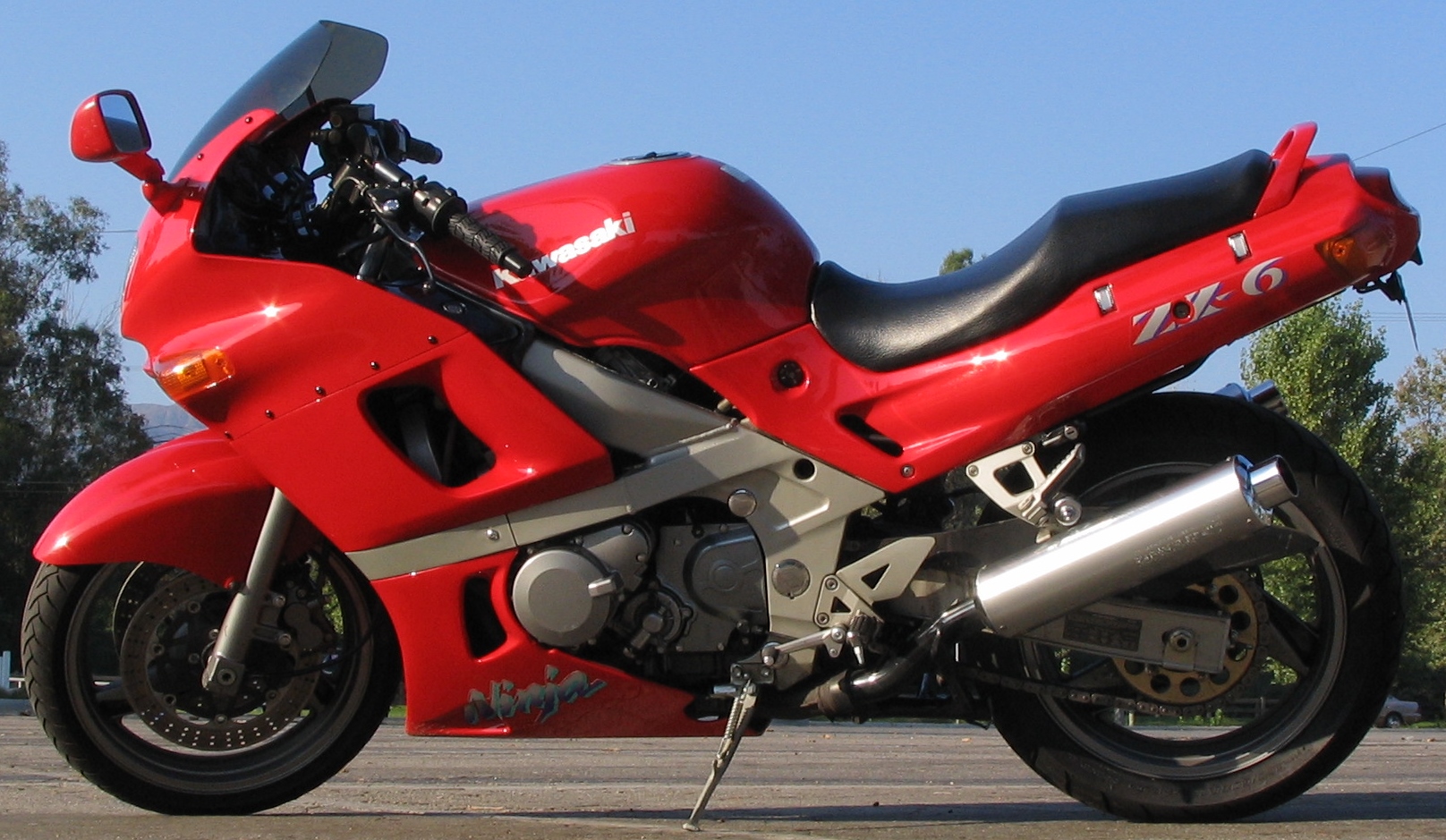
Kawasaki Zzr600
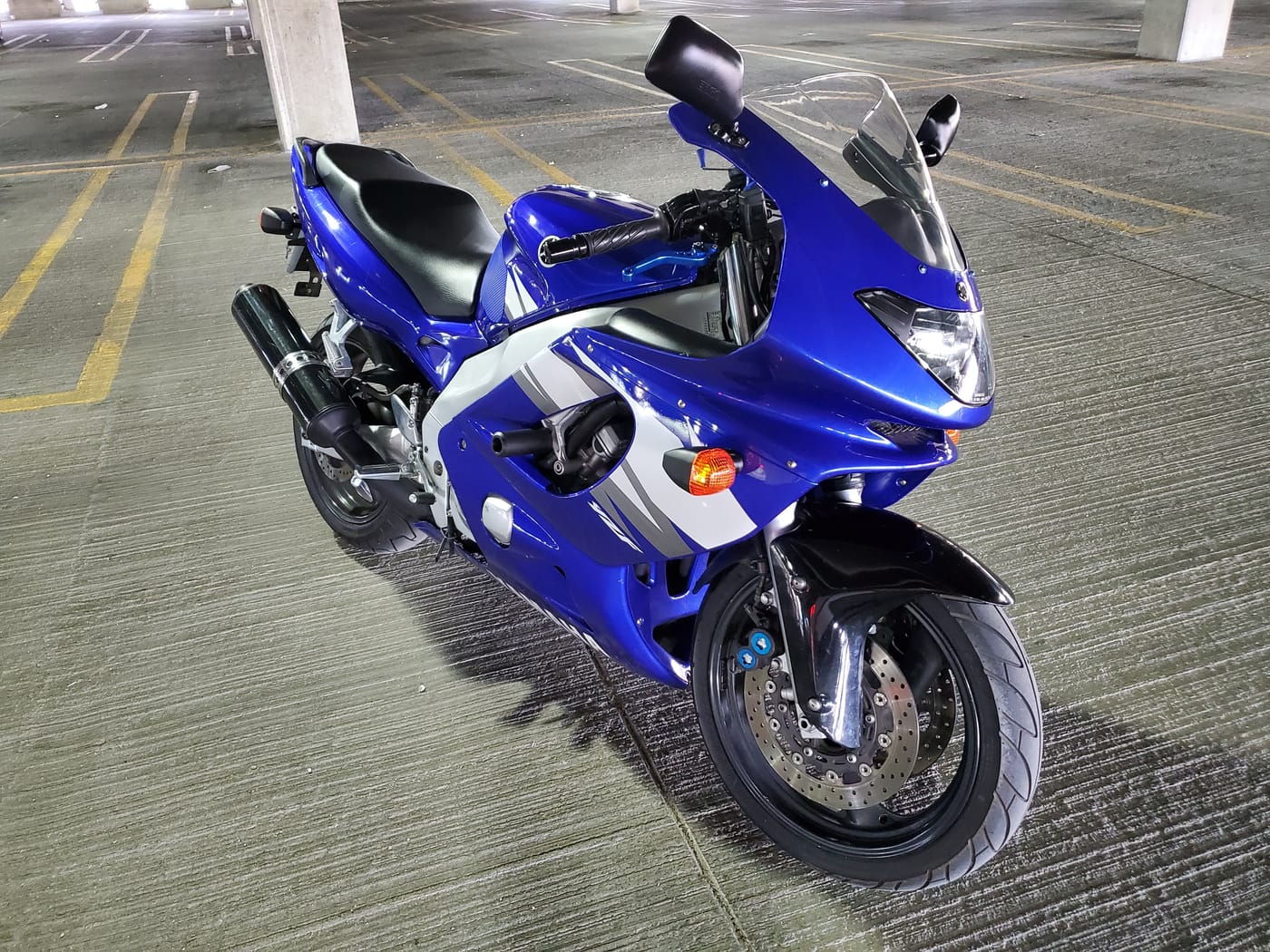
Yamaha Yzf600r Thundercat
Compare Yamaha Fzr600 Side-by-Side
compare_arrowsSpecs, power, weight & buyer verdict — head-to-head with the bikes most often cross-shopped.
Yamaha Fzr600 vs Kawasaki Zx-7r
Specs · Power · Buyer verdict
Yamaha Fzr600 vs Honda Cbr600f2
Specs · Power · Buyer verdict
Yamaha Fzr600 vs Honda Cbr600f3
Specs · Power · Buyer verdict
Yamaha Fzr600 vs Kawasaki Zzr600
Specs · Power · Buyer verdict
Yamaha Fzr600 vs Yamaha Yzf600r Thundercat
Specs · Power · Buyer verdict
More Yamaha Fzr600 Guides
More from Yamaha
View all Yamaha models →Community Reviews
Discussion
Frequently Asked Questions
What are common problems with the Yamaha Fzr600? +
Carb sync and jetting issues: Idle quality, throttle response, check for flat spots (moderate) | Coolant leaks from aging hoses: Inspect all hoses and water pump for seepage (moderate) | Worn fork seals and leaking forks: Oil streaks on fork legs, soft front end feel (serious)
Is the Yamaha Fzr600 a good motorcycle? +
A rewarding, characterful sportbike that demands mechanical respect and attention. Rating: 7.5/10. Best for: Experienced riders wanting affordable 90s sportbike thrills. Avoid if: New riders or those fearing mechanical DIY work.
What is the horsepower of the Yamaha Fzr600? +
The Yamaha Fzr600 produces 95 hp @ 12,000 rpm, with 63 Nm @ 10,000 rpm of torque. Top speed: 225 km/h.
Is the Yamaha Fzr600 good for beginners? +
Not really — the Yamaha Fzr600 is better for experienced riders. Experienced riders wanting affordable 90s sportbike thrills Avoid if: New riders or those fearing mechanical DIY work
Is the Yamaha Fzr600 reliable? +
Owners report 1 critical issue to watch for on the Yamaha Fzr600, notably: Worn fork seals and leaking forks (Oil streaks on fork legs, soft front end feel). Buy with a pre-purchase inspection.
Is the Yamaha Fzr600 good for daily use? +
Experienced riders wanting affordable 90s sportbike thrills Fuel: 5.5 L/100km (approximately 18 km/L typical real-world average).
How fast is the Yamaha Fzr600? +
The Yamaha Fzr600 reaches a top speed of 225 km/h, producing 95 hp at 179 kg curb weight. Real-world performance depends on rider weight, gearing, and road conditions.
What gear should I buy for a Yamaha Fzr600? +
Motoryk has curated a Top 10 gear list specifically for the Yamaha Fzr600, covering engine oil, tires, chain, battery, and brake pads — see motoryk.com/bikes/yamaha/fzr600/top10. Each pick is matched to this bike's spec.