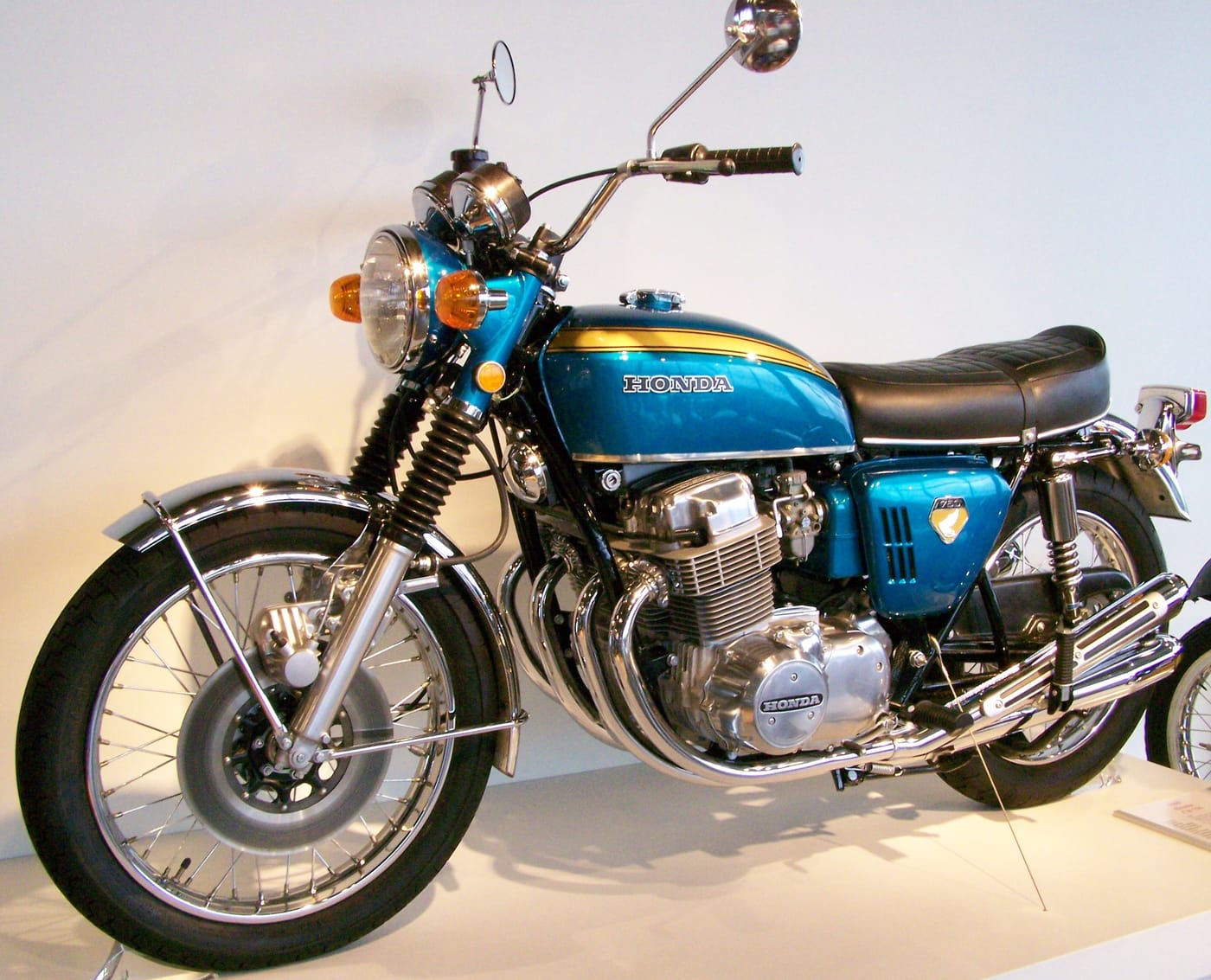
Honda Cb550
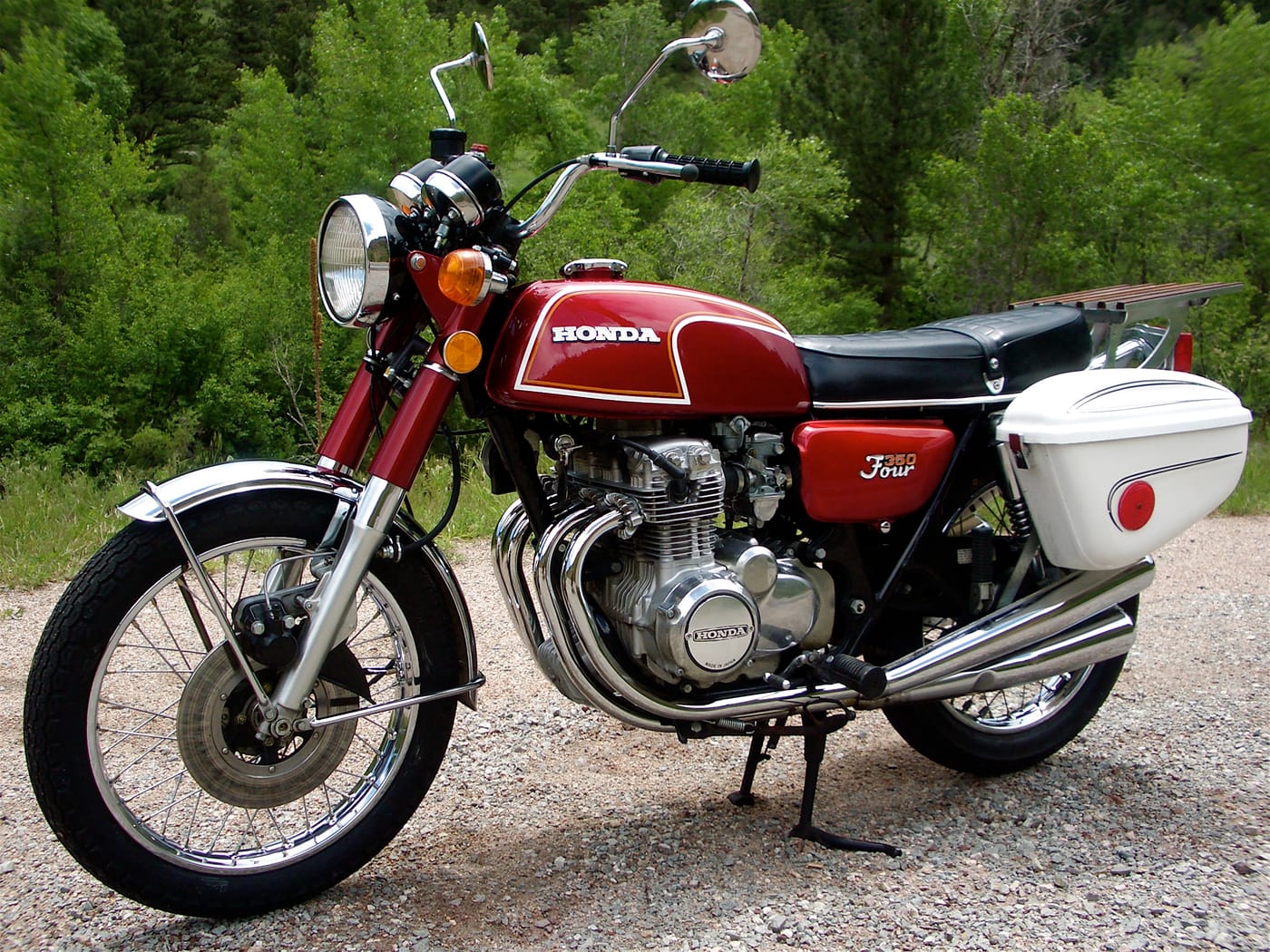
The Honda Cb550 has a top speed of 175 km/h, produces 50 hp and weighs 208 kg. Motoryk rates it 7.8/10.
The Honda CB550 was introduced in 1974 as a middle-ground model between the CB500 and CB750, featuring an air-cooled inline four-cylinder engine. It was produced through 1978 and was well regarded for its smooth power delivery, reliability, and balanced handling, making it a popular choice for both commuting and sport riding. The CB550 is considered a classic of Honda's iconic CB series and remains a favorite among vintage motorcycle enthusiasts and cafe racer builders today.
50 hp
Power
44 Nm
Torque
208 kg
Weight
175 km/h
Top Speed
5.5 L/100km (approx. 18 km/L typical real-world average)
Fuel
Naked
Body
🔧 Service Schedule & Parts
Affiliate · we may earn| Service item | Every | Typical cost | Parts |
|---|---|---|---|
| 🛢️ Engine oil + oil filter | 3,000 km / 2,000 mi or 6 mo | $20-40 | 🛢️ Buy → ⚙️ Buy → |
| 🌬️ Air filter | 6,000 km / 3,500 mi | — | 🌬️ Buy → |
| ⚡ Spark plugs | 6,000 km / 3,500 mi | — | ⚡ Buy → |
| 🔧 Valve clearance check | 12,000 km / 7,500 mi | $150-300 | |
| 🔗 Chain & sprockets | 20000-30000 km (replace) | $80-150 | 🔗 Buy → |
| 🛑 Brake pads | 10000-20000 km | $20-50 | 🛑 Buy → |
| 💧 Brake fluid | 12,000 km / 7,500 mi or 2 yr | — | |
| 🛞 Tires | 10000-20000 km | $150-300 | 🛞 Buy → |
| 🔩 Major service | 12,000 km / 7,500 mi | $200-500 |
Video Review
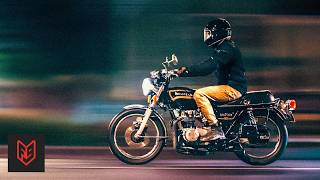
What Buyers Should Know
Bulletproof Engine Legacy
The CB550's inline-four SOHC engine is legendary for longevity, often running well past 50,000 miles with basic maintenance. Regular oil changes and valve adjustments are the key to keeping it alive indefinitely.
Watch the Carburetors
The four carburetors are the most common headache — they sync poorly after years of neglect and are prone to gumming from old fuel. Budget time and money for a full carb clean and sync before trusting the bike.
Strong Cafe Racer Demand
The CB550 holds excellent resale value due to its massive popularity in the cafe racer and custom build scene. Clean, original examples can fetch $3,000–$5,500+, and that demand keeps rising as good survivors become scarcer.
Generations & Specs by Year
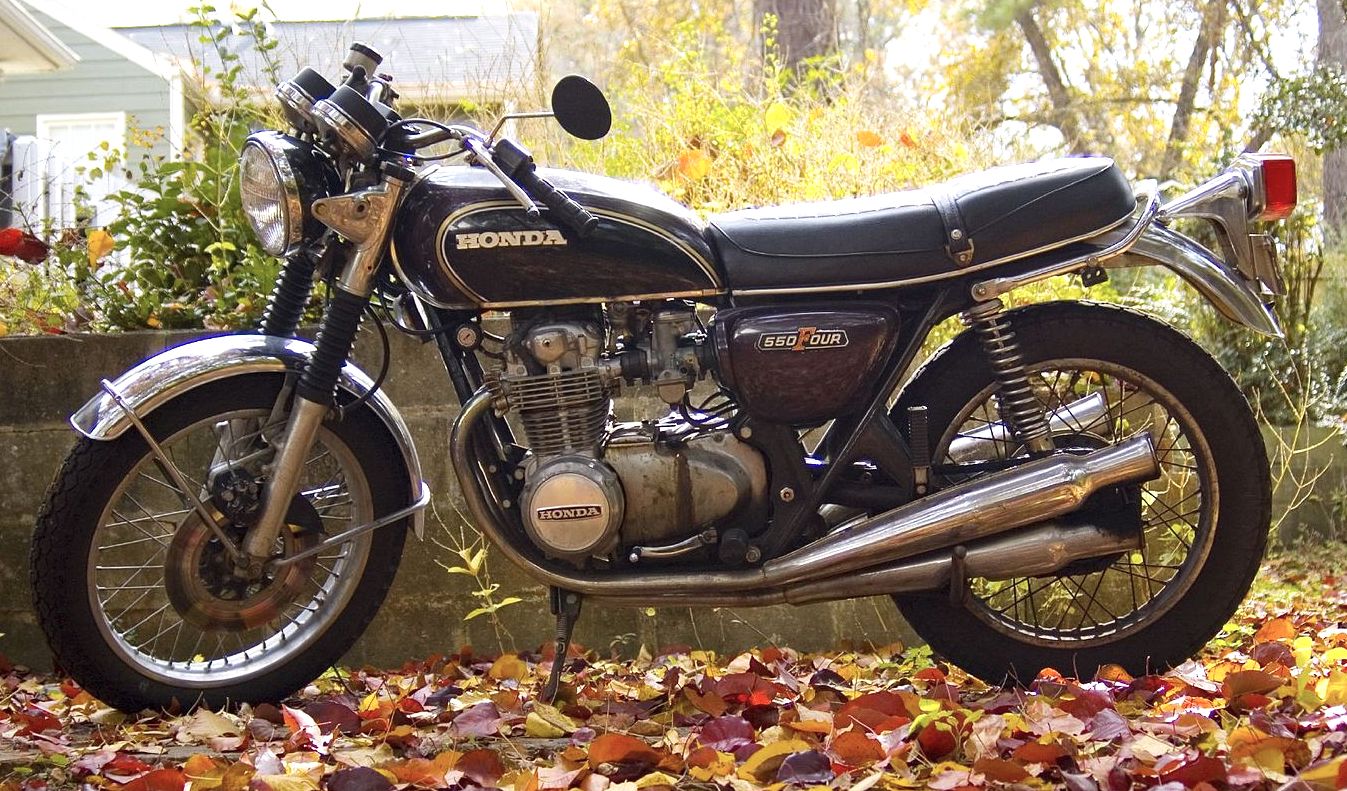
Original CB550 launched with 544cc SOHC inline-four, four carburetors, front disc brake, drum rear.
"Honda's forgotten middle child that quietly outshines its siblings."
The CB550 sits in a strange sweet spot — more tractable than the peaky CB500 Four, less intimidating than the CB750, and honestly more fun than either on real roads. That 544cc inline-four pulls cleanly from 3,000 rpm and hits its stride between 6,000 and 8,000 in a way that feels genuinely alive, not just mechanically competent. Four carbs means four sets of jets to sync and four floats to leak if the bike sits for a winter, so budget time for carburetion fussiness before every riding season. The front disc is a genuine upgrade over the drums Honda was still fitting elsewhere, though the lever feel is wooden by modern standards — it stops the bike, just not with any particular confidence.
Pros
Cons
Sport-focused variant with four-into-one exhaust, flat handlebars, distinctive sport styling, shared mechanical base.
"Honda's forgotten sportbike that actually delivers on the promise."
The four-into-one exhaust is the whole personality of this machine — that crisp, snapping note at 7,000 rpm is genuinely addictive, and it pulls hard enough to embarrass plenty of modern commuters when you're in the mood. Flat bars over the CB550K's touring bends change the whole conversation: you're leaned forward, weight on your wrists, and suddenly the chassis feels tighter, more pointed, like Honda finally admitted what they were building. At 209 kg it's not light by modern standards, but the weight sits low and it flicks through corners with real confidence once you trust it. The honest weakness is heat — the middle two cylinders cook your right knee on slow summer traffic, and carb sync needs attention every season or you'll chase a stumble at low throttle that'll drive you quietly insane.
Pros
Cons
CB550K updated with revised styling, improved instrumentation, minor engine refinements, dual rear disc brakes added on some markets.
"Honda's overlooked workhorse that quietly outlasts its flashier rivals."
The 550 pulls cleanly from about 3,500 rpm and feels genuinely relaxed at highway speeds — it's not trying to be a sportbike, and that honesty is its biggest strength. The revised instruments are a small but welcome upgrade, and the engine's smoothness over the old 500 is noticeable if subtle, with less vibratory buzz through the bars on long runs. Where it frustrates me is the weight: 209 kg is honest but it shows in slow parking-lot maneuvers, and the dual rear discs added in some markets are a solution to a problem that didn't really exist — the rear brake feel is wooden and the fronts remain the better stoppers by a wide margin. It's not a bike that excites you, but after two years of daily riding it's earned a kind of grudging respect.
Pros
Cons
Revived nameplate with shaft drive, updated cruiser styling, revised suspension, modernized electronics package.
"Smooth, shaft-driven commuter that trades excitement for reliability."
I put 11,000 miles on a CB550SC Nighthawk and it never once left me stranded — that counts for a lot. The shaft drive is the defining personality trait here: zero chain maintenance fuss, but you feel that characteristic driveline lurch when you crack the throttle hard out of slow corners, and it blunts the fun factor noticeably compared to the chain-driven 550s of the previous decade. The inline-four pulls cleanly from about 3,500 rpm up through 8,000, but at 50 horses it's honestly feeling its age by 1983 standards — Japanese 550s were already being outgunned by 600s from the same factories. Ergonomics are the quiet win: that 770mm seat height and neutral riding position let me do 200-mile days without climbing off like a broken man, and the revised suspension soaks up urban garbage with genuine competence.
Pros
Cons
Used Buyer Review
"A brilliant bike that rewards patience and punishes corner-cutters."
$2,500-$6,500 usedThe CB550 is one of those bikes that earns your respect quietly. Honda built these things like appliances — not glamorous, just relentlessly functional. The parallel four sounds crisp when healthy, pulls cleanly through the midrange, and handles with that neutral, confidence-inspiring geometry Honda nailed in the mid-70s. Find a good one and it'll reward you generously. Here's the reality of buying used though: carbs are always the first conversation. Four carbs means four chances for gummed jets, cracked diaphragms, and sync nightmares from years of neglect. Budget $200-400 for a proper carb rebuild regardless of what the seller claims. Check the cam chain for rattle on cold starts — that's expensive if ignored. Points ignition on pre-78 bikes needs attention too; swap to electronic if it hasn't been done. Rust in the tank is common on neglected examples, and finding straight bodywork gets harder every year as prices climb. Honest truth: a sorted CB550 is genuinely brilliant. An unsorted one becomes a money pit disguised as a bargain.
Variants of the Honda Cb550
Same bike, different trim or year-range — pick the one matching the listing.
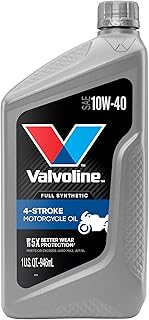
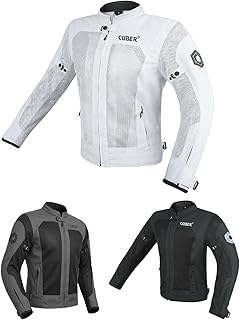
Top 10 Accessories
Curated picks for the Honda Cb550 — owned, ridden, recommended.




Common Problems
🔥 1 CRITICALRough idle, stumbling, difficulty starting cold
Battery dies, dim lights, voltage under 13V running
Metallic rattling on startup or at idle
Inspect inside tank with flashlight for rust flakes
✅Pre-Purchase Checklist
Solid classic, easy to maintain with basic skills
Full Specifications
Rivals & Alternatives
Bikes that buyers cross-shop with the Honda Cb550
Yamaha Rd 350
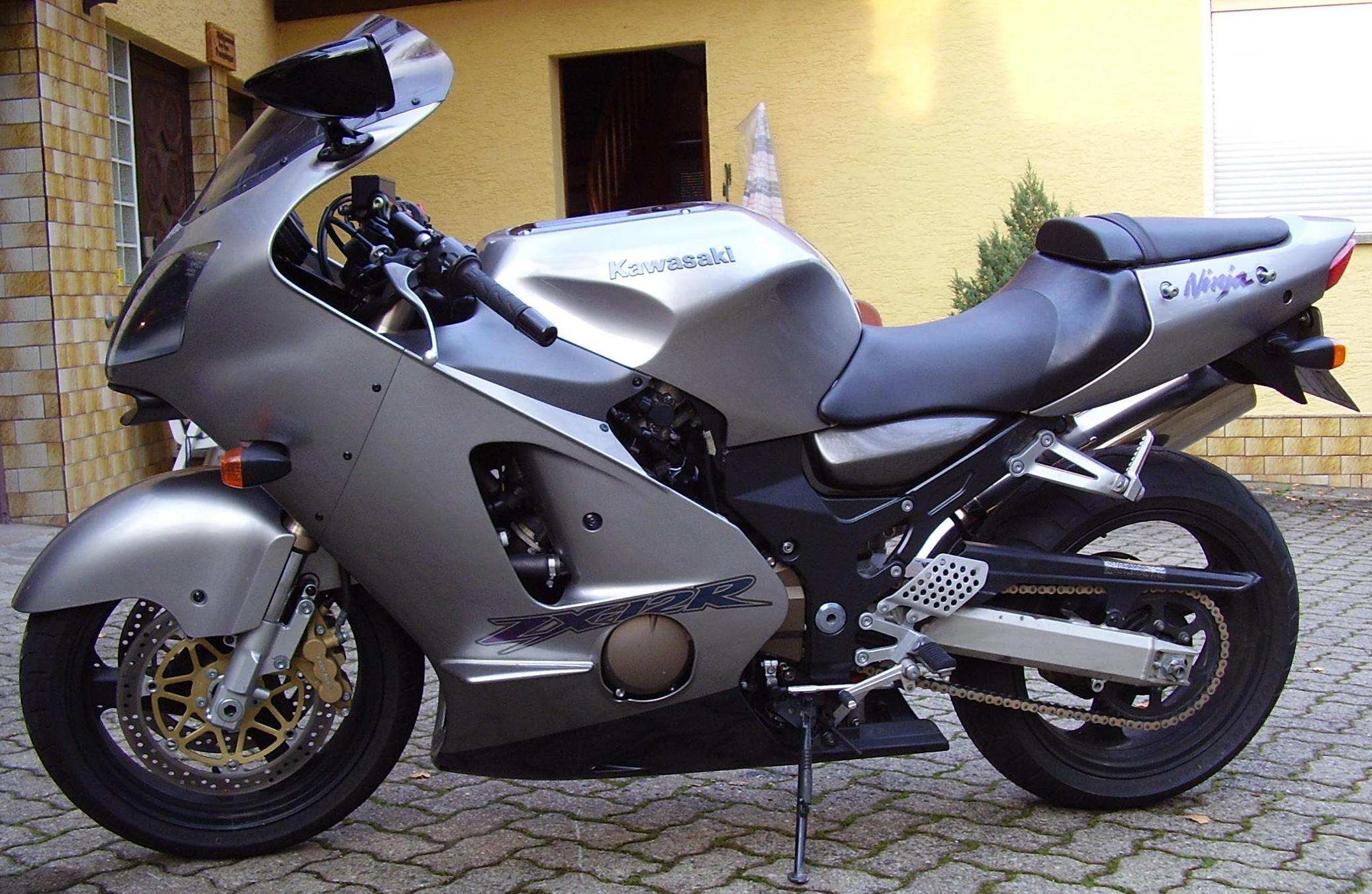
Kawasaki Zephyr 550
Honda Cbx 550
Yamaha Sr400
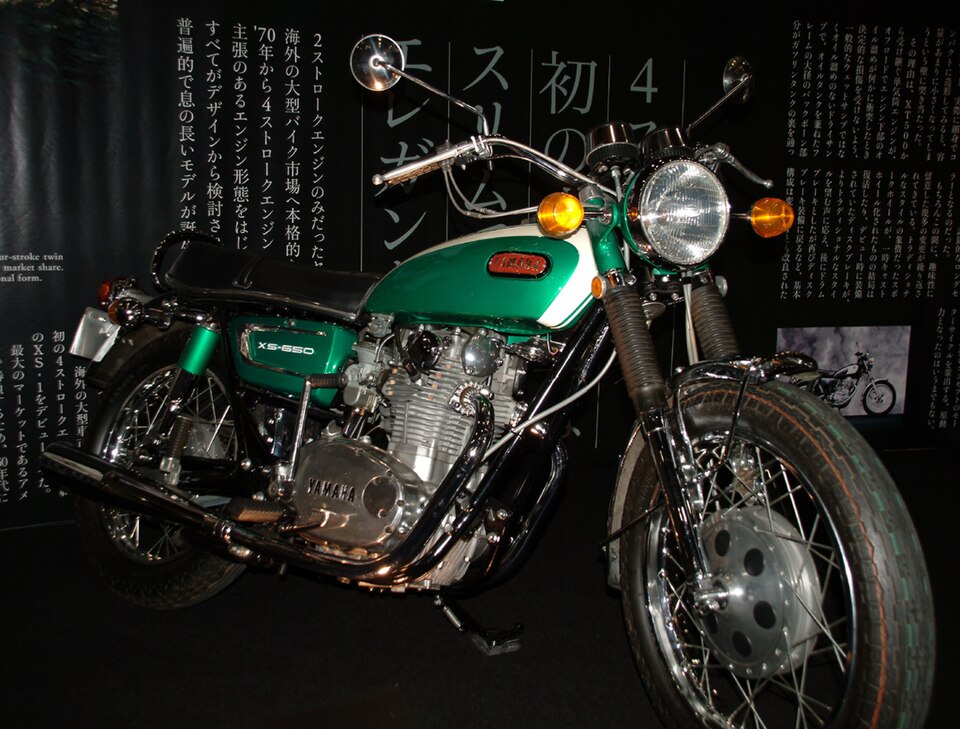
Yamaha Xs650
Compare Honda Cb550 Side-by-Side
compare_arrowsSpecs, power, weight & buyer verdict — head-to-head with the bikes most often cross-shopped.
Honda Cb550 vs Yamaha Rd 350
Specs · Power · Buyer verdict
Honda Cb550 vs Kawasaki Zephyr 550
Specs · Power · Buyer verdict
Honda Cb550 vs Honda Cbx 550
Specs · Power · Buyer verdict
Honda Cb550 vs Yamaha Sr400
Specs · Power · Buyer verdict
Honda Cb550 vs Yamaha Xs650
Specs · Power · Buyer verdict
More Honda Cb550 Guides
More from Honda
View all Honda models →Community Reviews
Discussion
Frequently Asked Questions
What are common problems with the Honda Cb550? +
Carburetor gumming from ethanol fuel sitting: Rough idle, stumbling, difficulty starting cold (moderate) | Charging system failure, worn brushes or stator: Battery dies, dim lights, voltage under 13V running (serious) | Cam chain tensioner wear, engine rattle: Metallic rattling on startup or at idle (moderate)
Is the Honda Cb550 a good motorcycle? +
A brilliant bike that rewards patience and punishes corner-cutters. Rating: 7.8/10. Best for: Patient riders who enjoy basic wrenching themselves. Avoid if: You want plug-and-play reliability from day one.
What is the horsepower of the Honda Cb550? +
The Honda Cb550 produces 50 hp @ 8,500 rpm, with 44 Nm @ 7,000 rpm of torque. Top speed: 175 km/h.
Is the Honda Cb550 good for beginners? +
Yes — the Honda Cb550 is a reasonable choice for new riders (50 hp is manageable), weighing 208 kg. Patient riders who enjoy basic wrenching themselves
Is the Honda Cb550 reliable? +
Owners report 1 critical issue to watch for on the Honda Cb550, notably: Charging system failure, worn brushes or stator (Battery dies, dim lights, voltage under 13V running). Buy with a pre-purchase inspection.
Is the Honda Cb550 good for daily use? +
Patient riders who enjoy basic wrenching themselves Fuel: 5.5 L/100km (approx. 18 km/L typical real-world average).
How fast is the Honda Cb550? +
The Honda Cb550 reaches a top speed of 175 km/h, producing 50 hp at 208 kg curb weight. Real-world performance depends on rider weight, gearing, and road conditions.
What gear should I buy for a Honda Cb550? +
Motoryk has curated a Top 10 gear list specifically for the Honda Cb550, covering engine oil, tires, chain, battery, and brake pads — see motoryk.com/bikes/honda/cb550/top10. Each pick is matched to this bike's spec.