Honda Cb1000 Big One
The Honda Cb1000 Big One has a top speed of 225 km/h, produces 98 hp and weighs 244 kg. Motoryk rates it 7.5/10.
El Honda CB1000 'Big One' se presentó en 1993 como un roadster desnudo de gran cilindrada, construido sobre el chasis y el motor derivados del sport-tourer CBR1000F. Fue diseñada para cubrir un vacío en la gama Honda de ofrecer una moto vertical y potente, y se hizo popular en Europa y Japón por su combinación de prestaciones puras y facilidad de uso para el día a día. La producción duró hasta 1997, tras lo cual fue sustituida por las variantes posteriores de la CB1000 en la década de 2000.
98 hp
Potencia
89 Nm
Torsión
244 kg
Peso
225 km/h
Velocidad máxima
6.5–7.5 L/100km (typical real-world average)
Combustible
Desnudo
Cuerpo
🔧 Service Schedule & Parts
Affiliate · we may earn| Service item | Every | Typical cost | Parts |
|---|---|---|---|
| 🛢️ Engine oil + oil filter | 6,000 km / 3,500 mi or 12 mo | $40-80 | 🛢️ Buy → ⚙️ Buy → |
| 🌬️ Air filter | 12,000 km / 7,500 mi | — | 🌬️ Buy → |
| ⚡ Spark plugs | 12,000 km / 7,500 mi | — | ⚡ Buy → |
| 🔧 Valve clearance check | 24,000 km / 15,000 mi | $200-400 | |
| 🔗 Chain & sprockets | 25000-40000 km (replace) | $150-300 | 🔗 Buy → |
| 🛑 Brake pads | 15000-30000 km | $30-60 | 🛑 Buy → |
| 💧 Brake fluid | 24,000 km / 15,000 mi or 2 yr | — | |
| 🧊 Coolant | 24,000 km / 15,000 mi | — | |
| 🛞 Tires | 10000-20000 km | $200-400 | 🛞 Buy → |
| 🔩 Major service | 24,000 km / 15,000 mi | $300-600 |
Video Review
Lo que los compradores deben saber
Honda Bulletproof Engine
The CB1000 Big One's inline-four engine is renowned for exceptional reliability, often exceeding 100,000km with basic maintenance. It shares DNA with Honda's CBR lineage, meaning parts availability remains strong decades later.
Watch the Carburetors
The four Keihin carburetors are the most common trouble spot — neglected examples suffer from gummed jets and poor idle from sitting. Always request a recent carb sync and check for smooth throttle response across all RPM ranges before buying.
Rising Collector Value
As a 1990s naked bike icon sold only from 1993–1997, clean low-mileage examples are steadily appreciating in value. Buying a well-maintained Big One now is increasingly seen as a smart investment, not just a purchase.
Generaciones y especificaciones por año
Se presentó el CB1000 Big One original; cuatro faros en línea refrigerados por aire, estilo vertical y desnudo, faros con carenado grande.
"El moretón de Honda desnudo está bien hecho, en su mayoría."
La Big One aterriza en algún lugar entre un paseo marítimo y una bicicleta deportiva de verdad, y esa tensión es exactamente lo que hace que sea interesante vivir con ella. Esa moto en línea de 998 cc arranca con fuerza desde las 4.000 rpm y no deja de crecer. Adelantar en las carreteras A es casi perezoso, pero superar las 8.000 es un recordatorio de que va en serio. Los faros delanteros tipo carenado y las barras verticales hacen que los días más largos sean realmente cómodos, aunque los 247 kg se vuelven más reales a velocidades lentas en los aparcamientos y la sensación de ancho y peso nunca desaparece por completo. Mi principal problema es la suspensión: las unidades de serie son blandas para cualquier aficionado, y las horquillas delanteras se hunden notablemente al frenar bruscamente, lo que merma la confianza en carreteras con curvas hasta que no se haya presupuestado la posibilidad de volver a correr.
Pros
Contras
CB1000 Super Four actualizado para el mercado japonés; estilo revisado, pequeñas mejoras en el motor y el chasis.
"Un matón callejero honesto, pasado de moda y absolutamente competente."
El Big One de segunda generación nunca recibió el respeto que se merecía, sobre todo porque parecía que Honda lo había diseñado para adultos sensatos y no para portadas de revistas, que es exactamente lo que es. Ese motor de cuatro cilindros en línea de 998 cc arranca limpiamente desde las 3000 rpm y no te hace perder la espalda a las 8000; es un caballo de batalla rico en par que hace que la conducción urbana sea realmente relajante y que los recorridos por autopista sean realmente sencillos. Su peso en superficie mojada de 256 kg es honesto más que halagador (lo sientes en los giros en U a baja velocidad y cuando lo sacas de una posición lateral en posición inclinada), pero una vez que rueda, soporta esa masa sorprendentemente bien. La ergonomía es la de la vieja escuela en posición vertical y es cómoda durante horas, pero la suspensión es lo suficientemente blanda como para que, al trabajar en barranco, tengas que elegir las líneas con más cuidado de lo que sugeriría la potencia por sí sola.
Pros
Contras
Reseña de un comprador usado
"A honest, heavy bruiser that rewards patient, experienced buyers."
$2,500-$5,500 usedThe CB1000 Big One is Honda's bruiser from the early 90s that never quite got the respect it deserved. That big air-cooled inline-four pulls hard from low down and sounds properly meaty when you crack it open. It's not sophisticated — there's no fancy electronics here — but that's exactly why people love them. Dead reliable if maintained, and Honda built these things to last forever. Used examples vary wildly. Check the cam chain tensioner religiously — it's the known weak spot and a noisy one will cost you. Forks leak on high-mileage bikes, and these things are heavy enough that worn suspension makes itself known fast. Look for full service history and avoid anything that's been standing for years without being properly recommissioned. Riding one today feels genuinely old-school. Upright position, decent grunt, zero fuss. It won't embarrass you on a twisty road but it won't flatter you either — it's honest in a way modern bikes simply aren't.
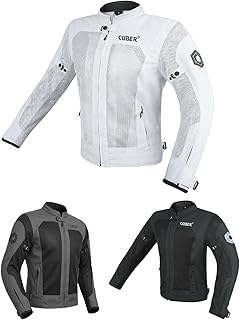
Top 10 Accessories
Curated picks for the Honda Cb1000 Big One — owned, ridden, recommended.




Problemas comunes
🔥 1 CRITICALCold start behavior, idle quality, throttle response consistency
Cold start rattle near top end, disappears when warm
Oil residue on fork legs, soft or bouncy suspension
Crack coolant hoses, check reservoir level and color
✅Lista de verificación previa a la compra
Solid workhorse if regularly serviced and maintained
Full Specifications
Rivals & Alternatives
Bikes that buyers cross-shop with the Honda Cb1000 Big One
Compare Honda Cb1000 Big One Side-by-Side
compare_arrowsSpecs, power, weight & buyer verdict — head-to-head with the bikes most often cross-shopped.
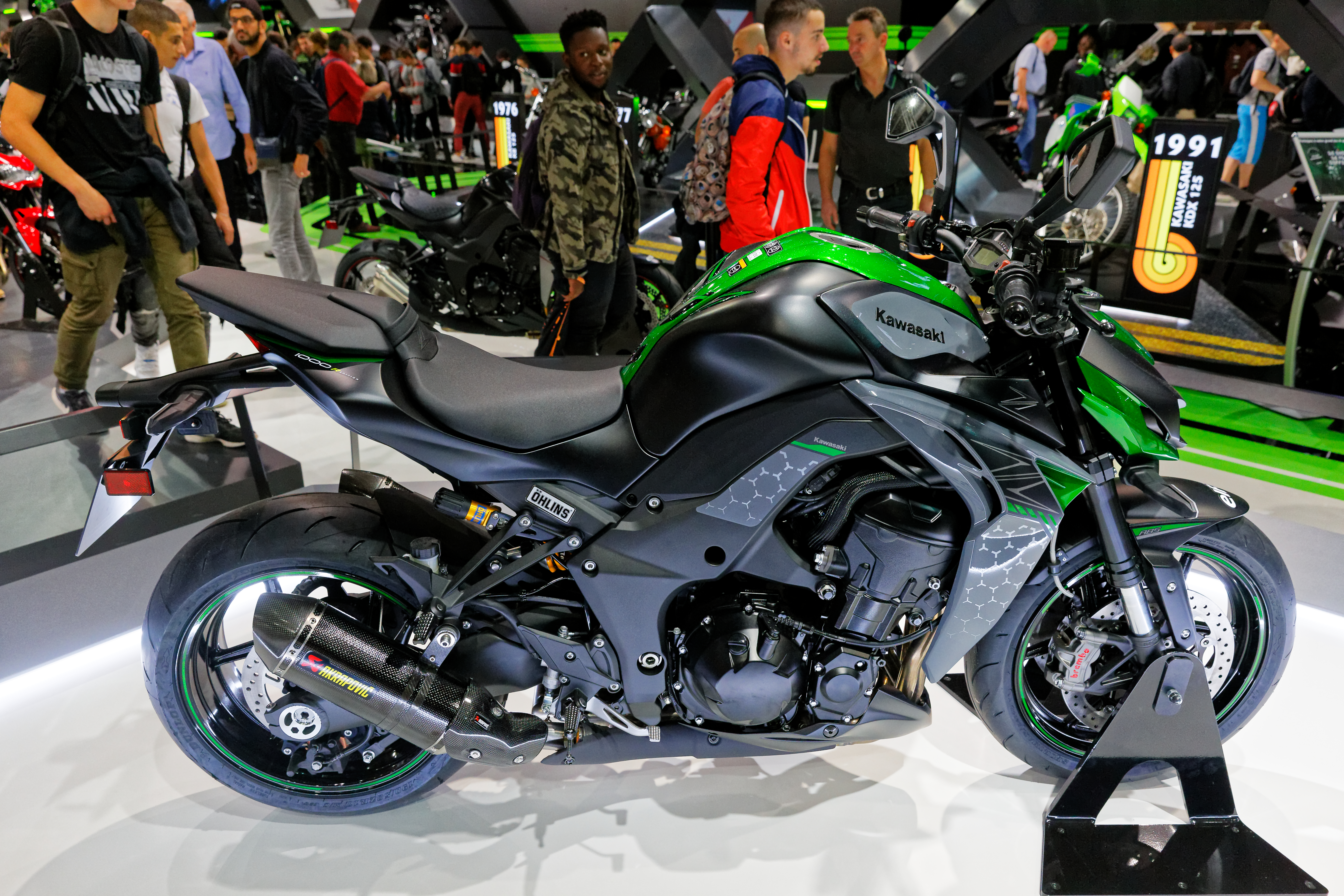
Honda Cb1000 Big One vs Kawasaki Z1000
Specs · Power · Buyer verdict
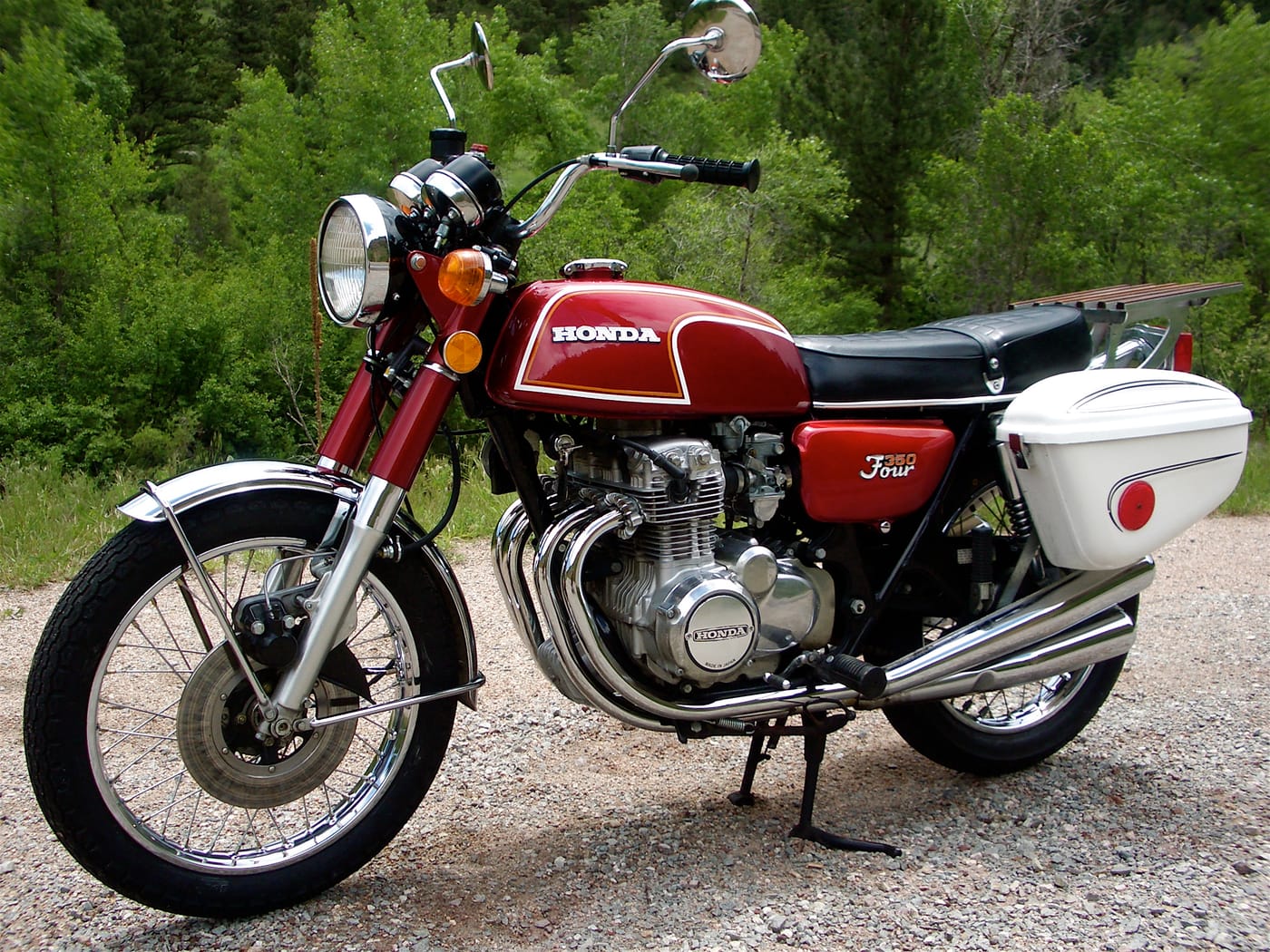
Honda Cb1000 Big One vs Honda Cb1300
Specs · Power · Buyer verdict
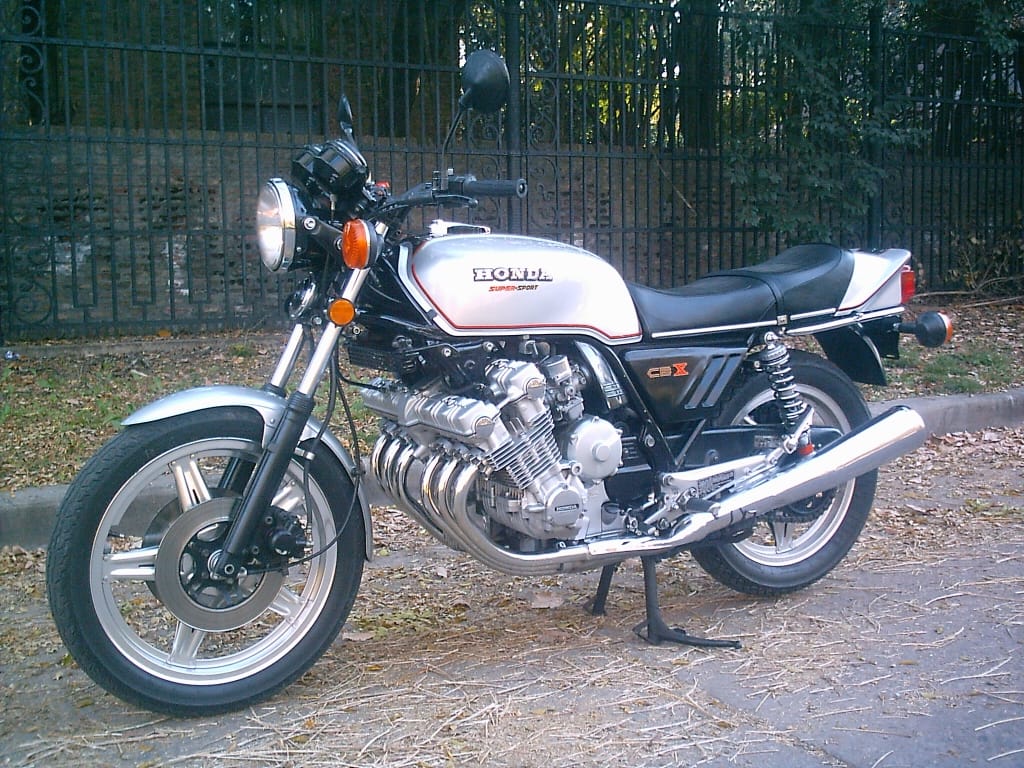
Honda Cb1000 Big One vs Honda X4 1300
Specs · Power · Buyer verdict
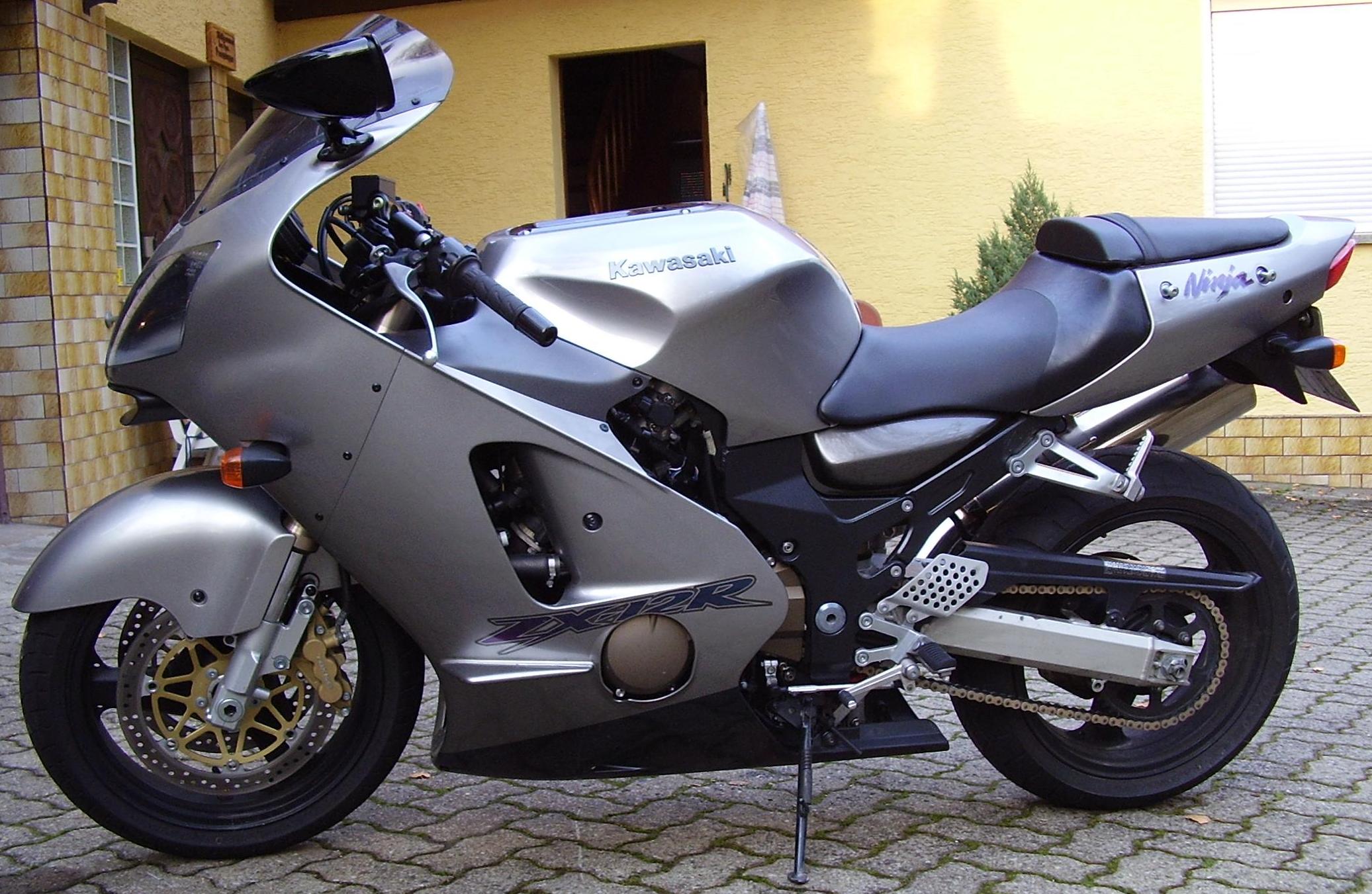
Honda Cb1000 Big One vs Kawasaki Zrx1200r
Specs · Power · Buyer verdict
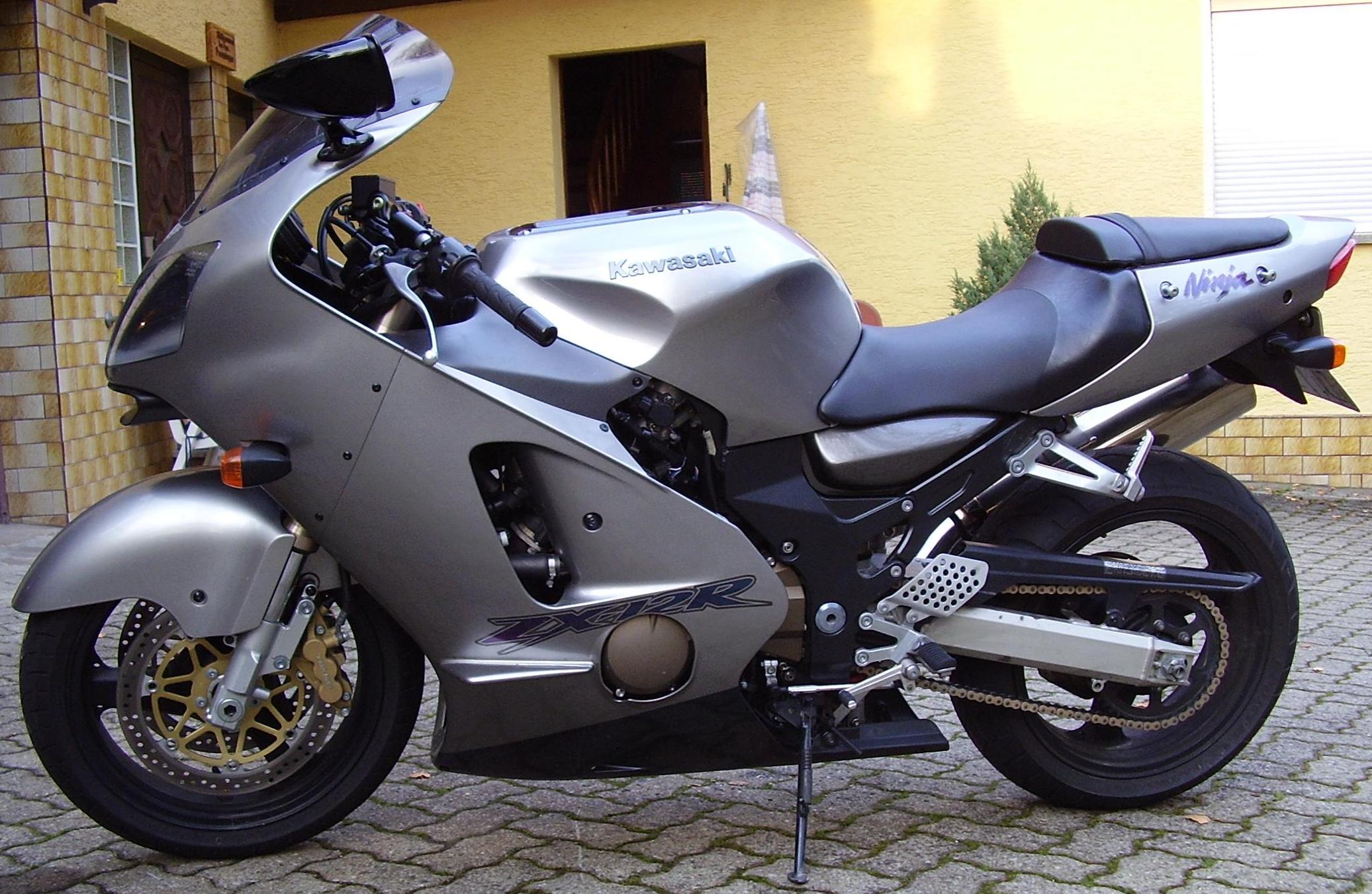
Honda Cb1000 Big One vs Kawasaki Zephyr 1100
Specs · Power · Buyer verdict
More Honda Cb1000 Big One Guides
More from Honda
View all Honda models →Community Reviews
Discussion
Frequently Asked Questions
What are common problems with the Honda Cb1000 Big One? +
Carburetor clogging and fuel delivery issues: Cold start behavior, idle quality, throttle response consistency (moderate) | Cam chain tensioner wear and rattle: Cold start rattle near top end, disappears when warm (serious) | Front fork seal leaks and oil weeping: Oil residue on fork legs, soft or bouncy suspension (moderate)
Is the Honda Cb1000 Big One a good motorcycle? +
A honest, heavy bruiser that rewards patient, experienced buyers. Rating: 7.5/10. Best for: Experienced riders wanting affordable, characterful naked biking. Avoid if: New riders or anyone scared of heavy bikes.
What is the horsepower of the Honda Cb1000 Big One? +
The Honda Cb1000 Big One produces 98 hp @ 8,500 rpm, with 89 Nm @ 7,000 rpm of torque. Top speed: 225 km/h.
Is the Honda Cb1000 Big One good for beginners? +
Yes — the Honda Cb1000 Big One is a reasonable choice for new riders (98 hp is manageable), weighing 244 kg. Experienced riders wanting affordable, characterful naked biking
Is the Honda Cb1000 Big One reliable? +
Owners report 1 critical issue to watch for on the Honda Cb1000 Big One, notably: Cam chain tensioner wear and rattle (Cold start rattle near top end, disappears when warm). Buy with a pre-purchase inspection.
Is the Honda Cb1000 Big One good for daily use? +
Experienced riders wanting affordable, characterful naked biking Fuel: 6.5–7.5 L/100km (typical real-world average).
How fast is the Honda Cb1000 Big One? +
The Honda Cb1000 Big One reaches a top speed of 225 km/h, producing 98 hp at 244 kg curb weight. Real-world performance depends on rider weight, gearing, and road conditions.
What gear should I buy for a Honda Cb1000 Big One? +
Motoryk has curated a Top 10 gear list specifically for the Honda Cb1000 Big One, covering engine oil, tires, chain, battery, and brake pads — see motoryk.com/bikes/honda/cb1000-big-one/top10. Each pick is matched to this bike's spec.