Honda Cb1000 Big One
The Honda Cb1000 Big One has a top speed of 225 km/h, produces 98 hp and weighs 244 kg. Motoryk rates it 7.5/10.
Der Honda CB1000 „Big One“ wurde 1993 als nackter Roadster mit großem Hubraum vorgestellt, der auf dem Chassis und dem Motor des Sporttourers CBR1000F basierte. Er wurde entwickelt, um eine Lücke in der Produktpalette von Honda für ein leistungsstarkes, aufgerichtetes Nakedbike zu schließen, und wurde in Europa und Japan wegen seiner Kombination aus roher Leistung und Alltagstauglichkeit beliebt. Die Produktion lief bis 1997, danach folgten in den 2000er Jahren schließlich spätere CB1000-Varianten.
98 hp
Leistung
89 Nm
Drehmoment
244 kg
Gewicht
225 km/h
Höchstgeschwindigkeit
6.5–7.5 L/100km (typical real-world average)
Treibstoff
Nackt
Körper
🔧 Service Schedule & Parts
Affiliate · we may earn| Service item | Every | Typical cost | Parts |
|---|---|---|---|
| 🛢️ Engine oil + oil filter | 6,000 km / 3,500 mi or 12 mo | $40-80 | 🛢️ Buy → ⚙️ Buy → |
| 🌬️ Air filter | 12,000 km / 7,500 mi | — | 🌬️ Buy → |
| ⚡ Spark plugs | 12,000 km / 7,500 mi | — | ⚡ Buy → |
| 🔧 Valve clearance check | 24,000 km / 15,000 mi | $200-400 | |
| 🔗 Chain & sprockets | 25000-40000 km (replace) | $150-300 | 🔗 Buy → |
| 🛑 Brake pads | 15000-30000 km | $30-60 | 🛑 Buy → |
| 💧 Brake fluid | 24,000 km / 15,000 mi or 2 yr | — | |
| 🧊 Coolant | 24,000 km / 15,000 mi | — | |
| 🛞 Tires | 10000-20000 km | $200-400 | 🛞 Buy → |
| 🔩 Major service | 24,000 km / 15,000 mi | $300-600 |
Video Review
Was Käufer wissen sollten
Honda Bulletproof Engine
The CB1000 Big One's inline-four engine is renowned for exceptional reliability, often exceeding 100,000km with basic maintenance. It shares DNA with Honda's CBR lineage, meaning parts availability remains strong decades later.
Watch the Carburetors
The four Keihin carburetors are the most common trouble spot — neglected examples suffer from gummed jets and poor idle from sitting. Always request a recent carb sync and check for smooth throttle response across all RPM ranges before buying.
Rising Collector Value
As a 1990s naked bike icon sold only from 1993–1997, clean low-mileage examples are steadily appreciating in value. Buying a well-maintained Big One now is increasingly seen as a smart investment, not just a purchase.
Generationen und Spezifikationen nach Jahr
Der originale CB1000 Big One wurde vorgestellt; luftgekühlter Reihenvierzylinder, aufrechter, nackter Stil, großer Verkleidungsscheinwerfer.
"Hondas Bruiser nackt ist meistens richtig gemacht."
Der Big One landet irgendwo zwischen Boulevardcruiser und richtigem Sportbike, und genau diese Spannung macht es interessant, damit zu leben. Dieser 998-cm3-Reihenvierzylinder zieht ab 4.000 U/min kräftig an und baut sich einfach weiter auf — Überholen auf Bundesstraßen fühlt sich fast faul an, aber wenn Sie über 8.000 hinausgehen, erinnert es Sie daran, dass es ernst ist. Der Frontscheinwerfer im Verkleidungsstil und die aufrechten Lenker sorgen dafür, dass längere Tage wirklich bequem sind, obwohl 247 kg bei langsamer Geschwindigkeit auf dem Parkplatz sehr real werden und das breite, schwere Gefühl nie ganz verschwindet. Mein Hauptproblem ist die Federung: Die Serieneinheiten sind weich für alles, was begeistert, und die Vorderradgabeln rutschen bei starkem Bremsen merklich durch, was das Selbstvertrauen auf kurvigen Straßen untergräbt, bis Sie eine Nachfederung eingeplant haben.
Profis
Nachteile
Aktualisierter CB1000 Super Four für den japanischen Markt; überarbeitetes Design, kleinere Motor- und Fahrwerksverbesserungen.
"Ehrlicher, unmoderner, absolut kompetenter Straßenschläger."
Der Gen 2 Big One hat nie den Respekt bekommen, den er verdient hat, vor allem, weil er so aussah, als hätte Honda ihn für vernünftige Erwachsene entworfen und nicht für Zeitschriftencover — was genau das ist, was er ist. Dieser 998-cm3-Reihenvierzylinder zieht sauber ab 3.000 U/min und spuckt einem bei 8.000 nicht aus dem Hintern. Er ist ein drehmomentreiches Arbeitspferd, das Stadtfahren wirklich entspannend und Autobahnfahrten wirklich mühelos macht. Das 256 kg Nassgewicht ist ehrlich und nicht schmeichelhaft — man spürt es in langsamen Kehrtkurven und wenn man es mit einem Sturz vom Seitenständer abstützt — aber wenn man es einmal rollt, trägt es diese Masse überraschend gut. Die Ergonomie ist altmodisch, aufrecht und stundenlang bequem, aber die Federung ist weich genug, dass Sie bei temperamentvoller Canyon-Arbeit irgendwann Ihre Linien sorgfältiger wählen müssen, als es die Leistung allein vermuten lässt.
Profis
Nachteile
Bewertung von gebrauchten Käufern
"A honest, heavy bruiser that rewards patient, experienced buyers."
$2,500-$5,500 usedThe CB1000 Big One is Honda's bruiser from the early 90s that never quite got the respect it deserved. That big air-cooled inline-four pulls hard from low down and sounds properly meaty when you crack it open. It's not sophisticated — there's no fancy electronics here — but that's exactly why people love them. Dead reliable if maintained, and Honda built these things to last forever. Used examples vary wildly. Check the cam chain tensioner religiously — it's the known weak spot and a noisy one will cost you. Forks leak on high-mileage bikes, and these things are heavy enough that worn suspension makes itself known fast. Look for full service history and avoid anything that's been standing for years without being properly recommissioned. Riding one today feels genuinely old-school. Upright position, decent grunt, zero fuss. It won't embarrass you on a twisty road but it won't flatter you either — it's honest in a way modern bikes simply aren't.
Top 10 Accessories
Curated picks for the Honda Cb1000 Big One — owned, ridden, recommended.




Häufig auftretende Probleme
🔥 1 CRITICALCold start behavior, idle quality, throttle response consistency
Cold start rattle near top end, disappears when warm
Oil residue on fork legs, soft or bouncy suspension
Crack coolant hoses, check reservoir level and color
✅Checkliste vor dem Kauf
Solid workhorse if regularly serviced and maintained
Full Specifications
Rivals & Alternatives
Bikes that buyers cross-shop with the Honda Cb1000 Big One
Compare Honda Cb1000 Big One Side-by-Side
compare_arrowsSpecs, power, weight & buyer verdict — head-to-head with the bikes most often cross-shopped.
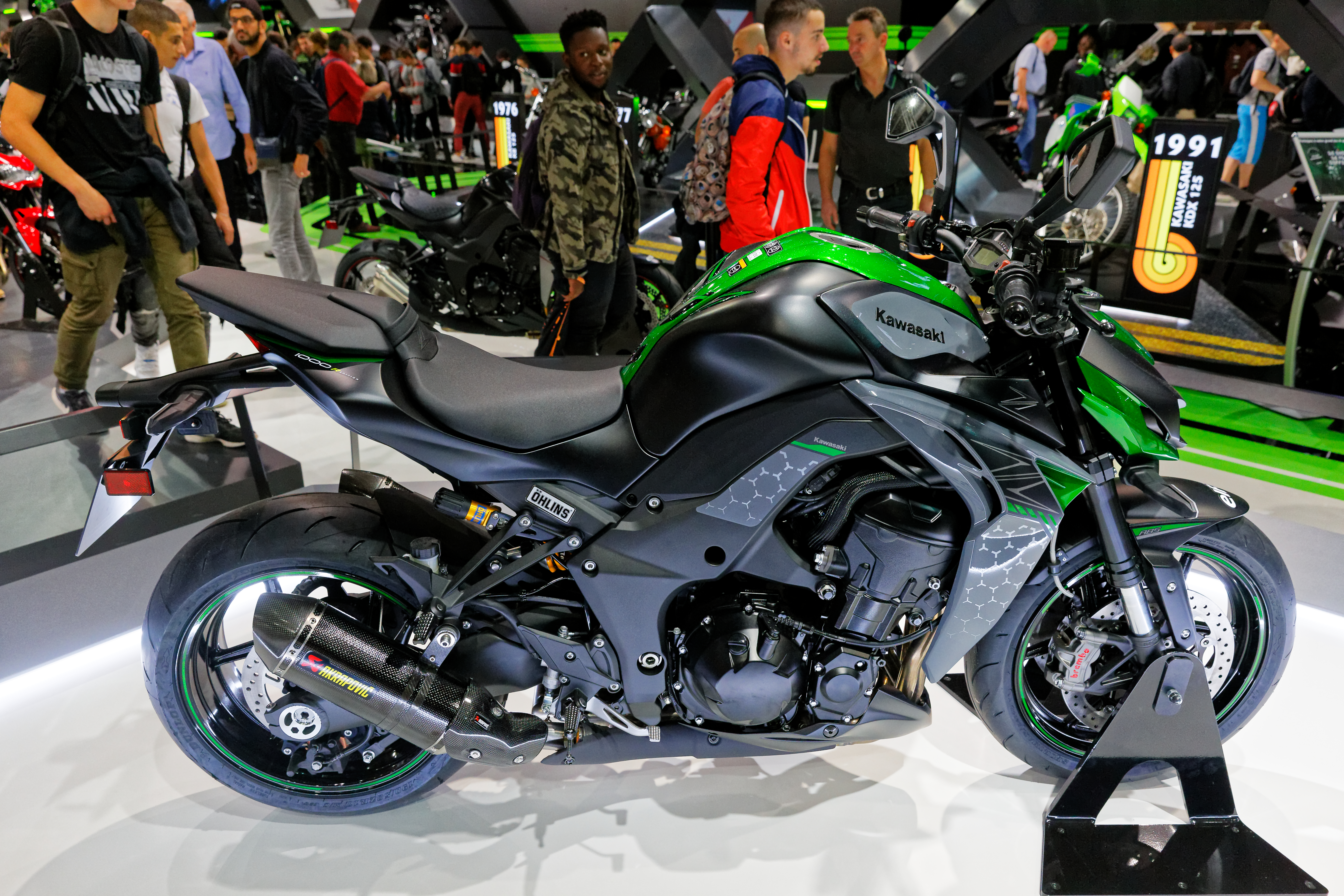
Honda Cb1000 Big One vs Kawasaki Z1000
Specs · Power · Buyer verdict
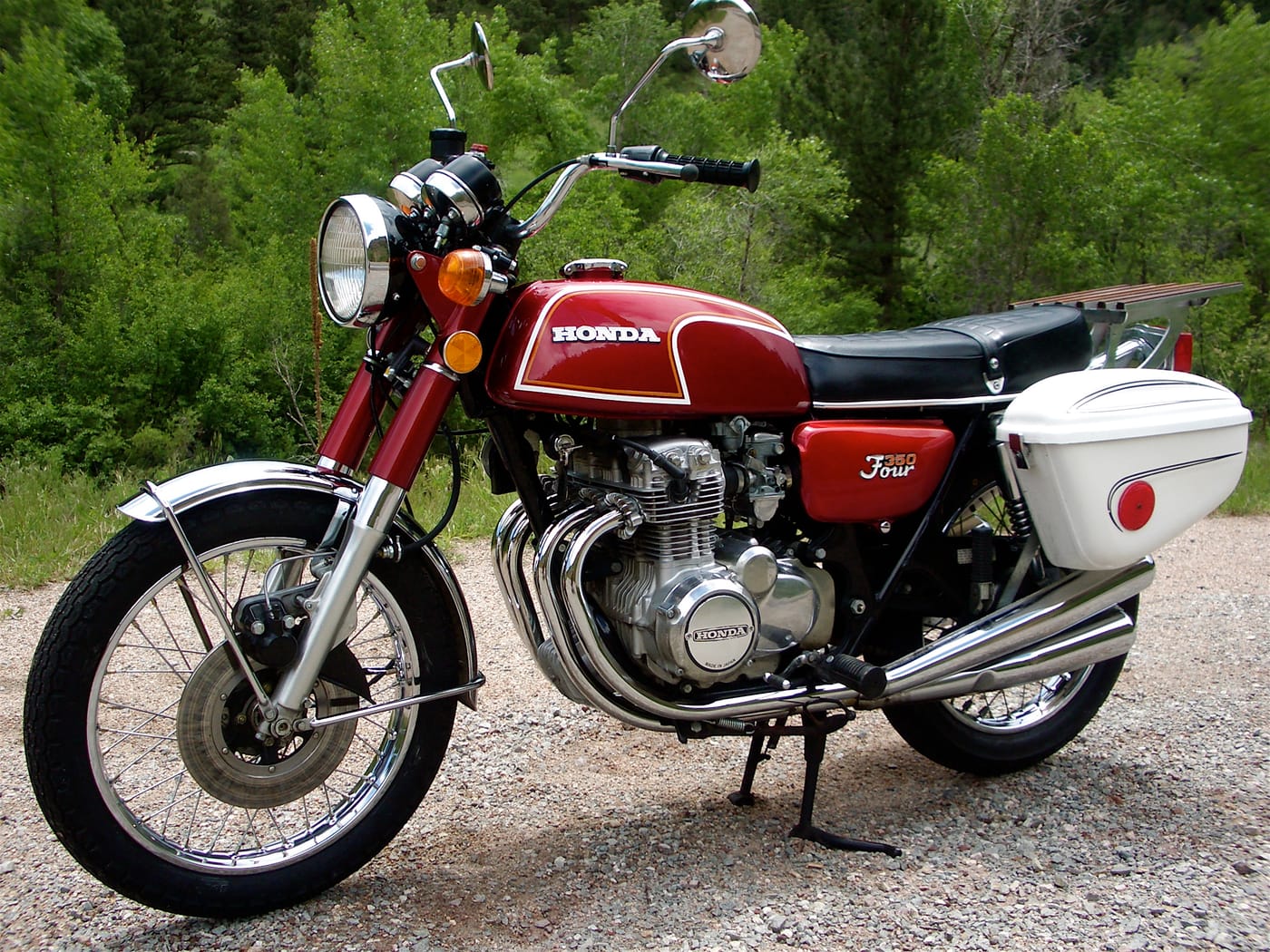
Honda Cb1000 Big One vs Honda Cb1300
Specs · Power · Buyer verdict
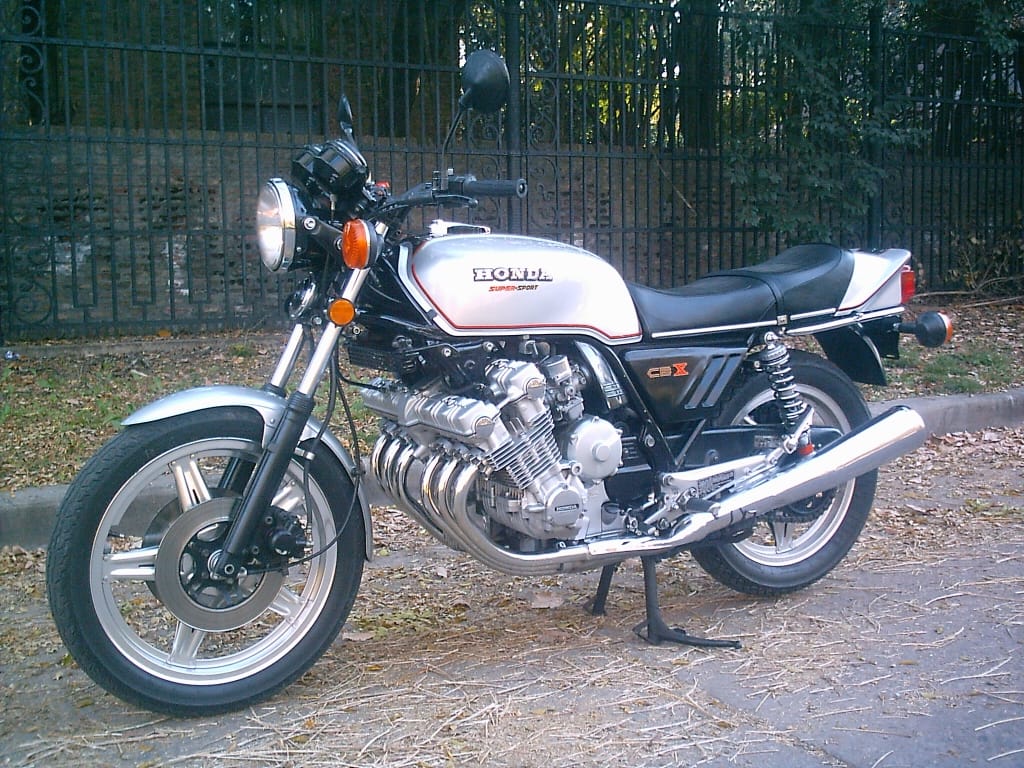
Honda Cb1000 Big One vs Honda X4 1300
Specs · Power · Buyer verdict
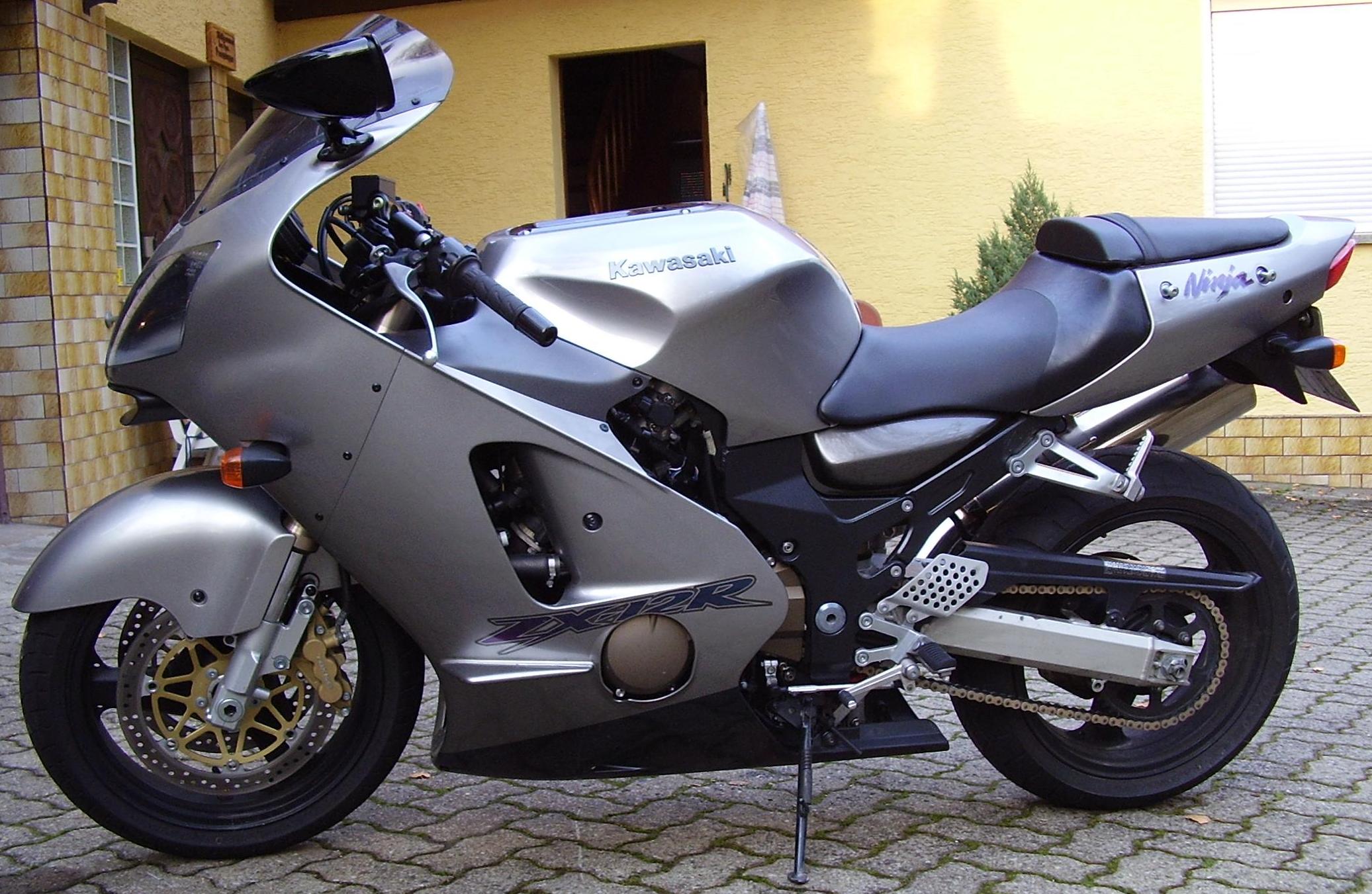
Honda Cb1000 Big One vs Kawasaki Zrx1200r
Specs · Power · Buyer verdict
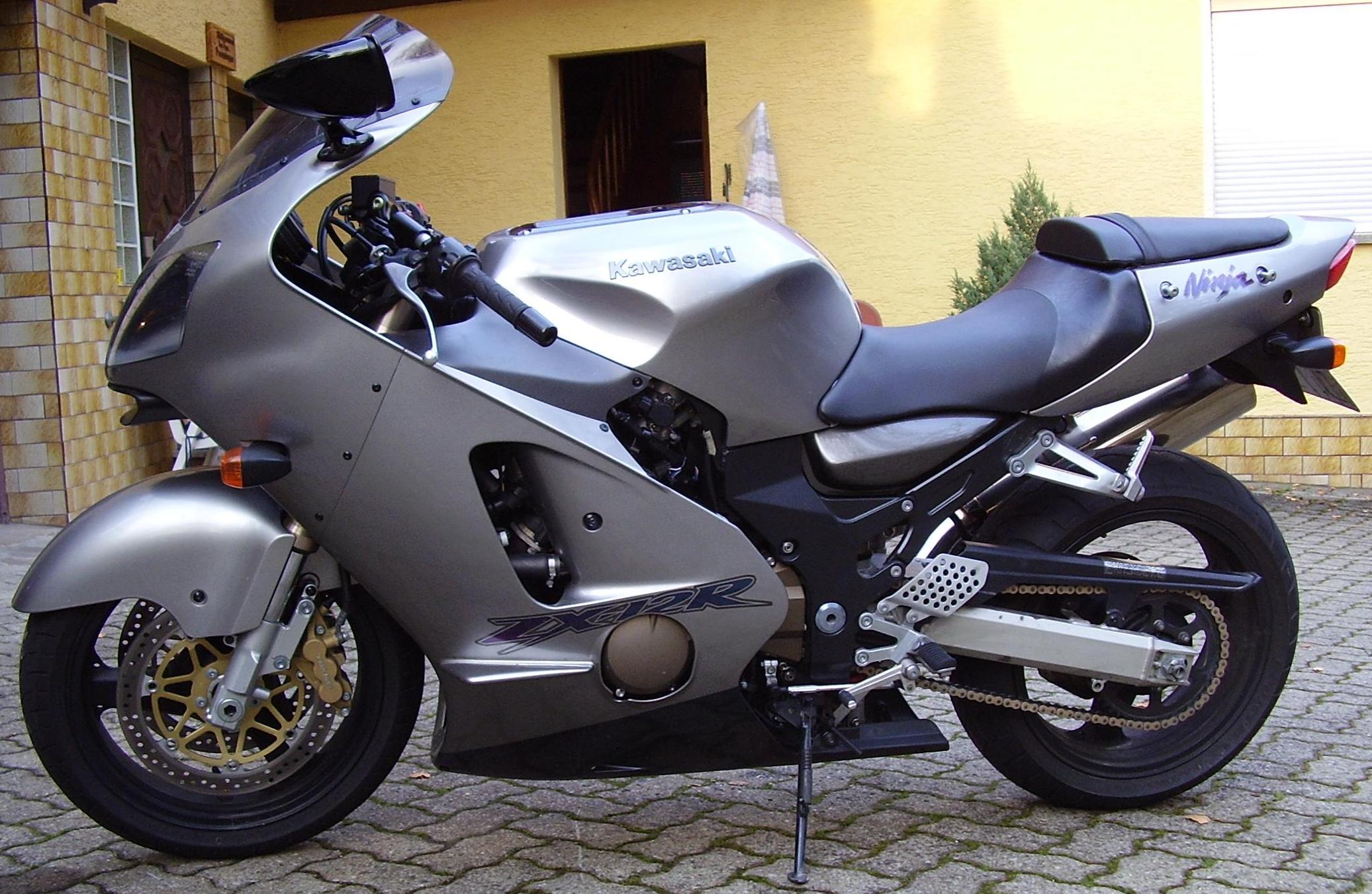
Honda Cb1000 Big One vs Kawasaki Zephyr 1100
Specs · Power · Buyer verdict
More Honda Cb1000 Big One Guides
More from Honda
View all Honda models →Community Reviews
Discussion
Frequently Asked Questions
What are common problems with the Honda Cb1000 Big One? +
Carburetor clogging and fuel delivery issues: Cold start behavior, idle quality, throttle response consistency (moderate) | Cam chain tensioner wear and rattle: Cold start rattle near top end, disappears when warm (serious) | Front fork seal leaks and oil weeping: Oil residue on fork legs, soft or bouncy suspension (moderate)
Is the Honda Cb1000 Big One a good motorcycle? +
A honest, heavy bruiser that rewards patient, experienced buyers. Rating: 7.5/10. Best for: Experienced riders wanting affordable, characterful naked biking. Avoid if: New riders or anyone scared of heavy bikes.
What is the horsepower of the Honda Cb1000 Big One? +
The Honda Cb1000 Big One produces 98 hp @ 8,500 rpm, with 89 Nm @ 7,000 rpm of torque. Top speed: 225 km/h.
Is the Honda Cb1000 Big One good for beginners? +
Yes — the Honda Cb1000 Big One is a reasonable choice for new riders (98 hp is manageable), weighing 244 kg. Experienced riders wanting affordable, characterful naked biking
Is the Honda Cb1000 Big One reliable? +
Owners report 1 critical issue to watch for on the Honda Cb1000 Big One, notably: Cam chain tensioner wear and rattle (Cold start rattle near top end, disappears when warm). Buy with a pre-purchase inspection.
Is the Honda Cb1000 Big One good for daily use? +
Experienced riders wanting affordable, characterful naked biking Fuel: 6.5–7.5 L/100km (typical real-world average).
How fast is the Honda Cb1000 Big One? +
The Honda Cb1000 Big One reaches a top speed of 225 km/h, producing 98 hp at 244 kg curb weight. Real-world performance depends on rider weight, gearing, and road conditions.
What gear should I buy for a Honda Cb1000 Big One? +
Motoryk has curated a Top 10 gear list specifically for the Honda Cb1000 Big One, covering engine oil, tires, chain, battery, and brake pads — see motoryk.com/bikes/honda/cb1000-big-one/top10. Each pick is matched to this bike's spec.