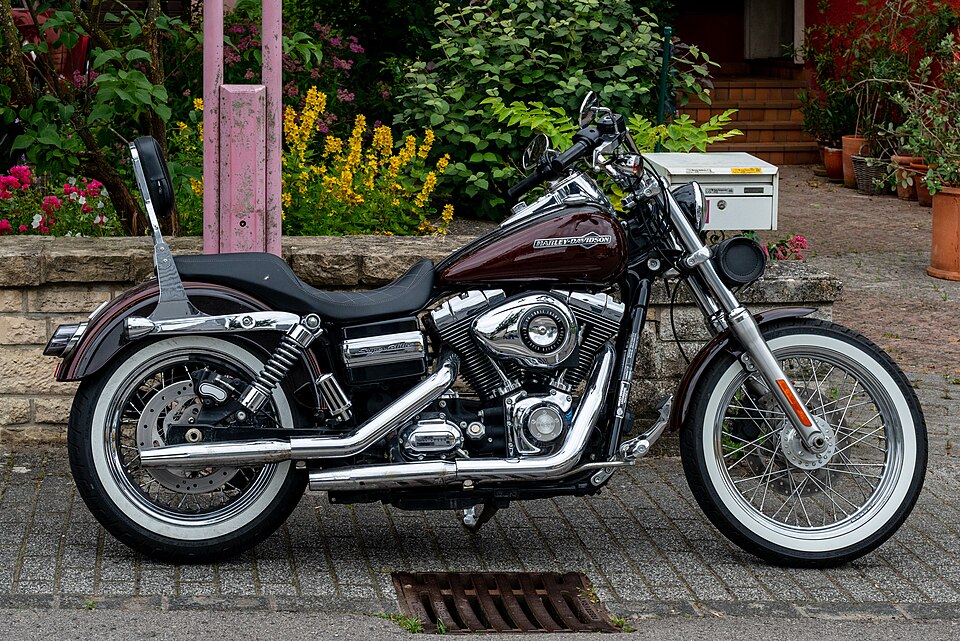
Harley-davidson Dyna Super Glide
The Harley-davidson Dyna Super Glide has a top speed of 175 km/h, produces 67 hp and weighs 295 kg. Motoryk rates it 7.5/10.
The Dyna Super Glide was introduced in 1971 as the FX Super Glide, combining the large FL frame with the lighter Sportster front end, making it one of Harley-Davidson's first factory custom motorcycles. It transitioned to the Dyna chassis platform in 1991, which featured a rubber-mounted engine to reduce vibration while retaining a traditional hardtail appearance. The Super Glide remained a cornerstone of Harley's lineup as an accessible, stripped-down cruiser until the Dyna family was discontinued and replaced by the Softail platform in 2018.
67 hp
Power
110 Nm
Torque
295 kg
Weight
175 km/h
Top Speed
5.5 L/100km (approx. 18 km/L typical real-world average)
Fuel
Naked
Body
🔧 Service Schedule & Parts
Affiliate · we may earn| Service item | Every | Typical cost | Parts |
|---|---|---|---|
| 🛢️ Engine oil + oil filter | 8,000 km / 5,000 mi or 12 mo | $60-120 | 🛢️ Buy → ⚙️ Buy → |
| 🌬️ Air filter | 16,000 km / 10,000 mi | — | 🌬️ Buy → |
| ⚡ Spark plugs | 16,000 km / 10,000 mi | — | ⚡ Buy → |
| 🛑 Brake pads | 15000-25000 km | $40-80 | 🛑 Buy → |
| 💧 Brake fluid | 24,000 km / 15,000 mi or 2 yr | — | |
| 🛞 Tires | 15000-25000 km | $250-450 | 🛞 Buy → |
| 🔩 Major service | 16,000 km / 10,000 mi | $400-800 |
Video Review

What Buyers Should Know
Watch the Cam Chain
Twin Cam 88/96 engines (1999–2017) are prone to cam chain tensioner wear, which can cause costly engine damage if ignored. Always check service records and listen for ticking at startup before buying.
Strong Resale Value
Dyna Super Glides hold their value exceptionally well, often retaining 60–70% of original price after five years. The model's discontinuation in 2017 has actually increased collector interest and demand.
Unique Rubber-Mount Frame
The Dyna platform uses a distinctive two-point rubber engine mounting system that reduces vibration while preserving a raw, classic feel not found on Softails or Touring models. This makes it a favorite for long-distance riders who want old-school style with modern comfort.
Generations & Specs by Year
Original Super Glide debuted; FX frame combined Sportster front end with Big Twin engine, fiberglass boattail rear.
"Flawed, polarizing, and genuinely important American iron."
The Shovelhead pulls hard in that lazy, loping way that makes you grin through third gear, but you'd better know how to use that kicker because cold starts are a negotiation, not a guarantee. That boattail fiberglass rear section looks like someone bolted a kayak to a motorcycle — Willie G. himself eventually agreed, and Harley quietly killed it after two years. Handling is exactly what you'd expect from a 272-kg bike with a Sportster front end shoehorned into service: it works fine in a straight line, turns reluctantly, and reminds you it exists every time you hit a mid-corner bump. What this machine gave motorcycling was the concept itself — the factory custom, the chopper-adjacent big twin that didn't require a hacksaw — and that idea proved worth more than its wobbly execution.
Pros
Cons
Boattail dropped; conventional rear fender adopted; kickstart only early years; Shovelhead engine throughout generation.
"Raw American iron that rewards patience over perfection."
Harley finally killed that polarizing boattail and gave the Super Glide a proper rear end — thank God. The Shovelhead pulls hard from 2,500 rpm with that unmistakable loping cadence, and on a long straight two-lane highway it genuinely feels alive under you. But let's be honest: early kickstart-only models will humble you in a parking lot, the primary chain needs checking every few hundred miles, and oil weeping from various gaskets is basically a feature, not a fault. If you're wrenching-averse or riding in heavy traffic daily, this bike will test your commitment fast.
Pros
Cons
Shovelhead engine continued; optional electric start added; frame and styling refinements introduced.
"Raw American iron that rewards patience over speed."
I put nearly 18,000 miles on an '82 Super Glide, and that Shovelhead will either convert you or break you — there's no middle ground. The optional electric start was genuinely life-changing after kick-starting the thing on cold Nebraska mornings, though the charging system still sweats when you lean too hard on accessories. That low 686mm seat and relaxed ergonomics make it surprisingly comfortable for 200-mile days, but the 272kg wet weight becomes very real the moment you need to maneuver in a parking lot or catch a low-speed wobble. Vibration above 110 km/h is a full-body conversation with the engine, and the drum brake setup asks you to plan your stops like you're landing a cargo plane.
Pros
Cons
Evolution engine introduced 1984; significant reliability improvement; new primary drive; five-speed transmission added 1987.
"The Evo saved Harley's soul from oblivion."
After years of riding Shoveheads that sweated oil like a nervous accountant, the Evolution engine felt like a genuine engineering miracle — tight, dry, and willing to spin past 4,000 rpm without drama. The low 686mm seat and that long, flat Dyna chassis give you a planted, confidence-inspiring ride on the highway, though the rubber-mounted engine setup still transmits enough vibration at 110 km/h to blur your mirrors and numb your throttle hand on long hauls. The five-speed gearbox that arrived in '87 was a serious quality-of-life upgrade; before that, four-speed highway cruising meant the engine was working harder than it should at any sustained speed. It weighs what it weighs — 278 kilograms is honest mass that you feel the moment you're walking it backward into a parking spot on a slope.
Pros
Cons
Dyna chassis introduced 1991 on FXD; rubber-mounted twin-cam predecessor; revised frame geometry reducing vibration.
"The Evo Dyna that finally ironed out the shakes."
After years on a Softail, switching to the Dyna chassis genuinely surprised me — the rubber-mounted engine transforms the old Evo from a hand-numbering buzzbox into something you can actually ride four hours straight without wanting to amputate your wrists. That 1340cc pushes out its torque low and lazy, exactly where you want it on the highway, and the lower seat height makes it far more accessible than Harley's own marketing would suggest. The weak points are real though: 48 horsepower is honest work at best, braking is an embarrassment by any objective standard, and the gearbox still has the mechanical subtlety of a farm implement. What you're buying is a specific feeling — that loping, unhurried American cadence — and on those terms, this generation of the Super Glide delivers it cleaner than anything before it.
Pros
Cons
Twin Cam 88 engine replaced Evolution; new frame; improved breathing and power output; EFI option available.
"The Twin Cam finally gave Dyna riders something real."
The TC88 swap was a genuine step forward — that extra grunt off the bottom end transforms highway passing from a prayer into an actual event, and the new frame soaks up freeway cracks better than the old FXR-derived setup ever managed. I've put about 18,000 miles on a 2002 Super Glide and the motor is noticeably smoother at cruise RPM than my old Evo, though it runs hot enough in slow summer traffic to blister your right calf through a leather boot. Handling is competent but don't kid yourself — 293 kilos of unhurried American iron isn't something you hustle through mountain switchbacks with any real confidence, and the front brake still feels like it was specced by someone who has never ridden a sportbike. The carbureted models vibrate through the footpegs above 110 km/h in a way that's characterful at first and fatiguing on a long day; if you can find an EFI-equipped example, take it.
Pros
Cons
Six-speed Cruise Drive transmission introduced; revised engine mounts; updated styling and instrumentation.
"The Twin Cam 96 finally made the Dyna feel complete."
The jump to 1584cc and the six-speed Cruise Drive gearbox transformed the Super Glide from a bike that felt slightly breathless on the highway into something genuinely comfortable for long hauls — sixth gear drops revs to a calm 2,800 rpm at 110 km/h, and the engine stops feeling like it's working so hard. Low-speed torque is honest and accessible; you're never hunting for power in city traffic, and that 113 Nm pulls cleanly from 2,000 rpm without drama. The revised engine mounts helped significantly with vibration compared to older generations, though your hands will still know they're on a Harley after two hours on a straight highway slab. At 298 kg wet, it's heavier than it looks, and anyone under average height will feel that weight the moment they try to maneuver it in a tight parking lot.
Pros
Cons
Final generation; ABS available; security system standard; production ended 2017 as Dyna line discontinued.
Used Buyer Review
"Honest, capable cruiser — buy smart and it won't disappoint."
$6,500-$12,000 usedThe Dyna Super Glide is Harley's no-nonsense, stripped-back cruiser — and honestly, that's exactly why it works. You're getting the twin-cam grunt without the chrome overload of a Heritage or the premium price tag of a Street Glide. It handles better than most Harleys because it isn't weighed down with touring luggage and extra bodywork. The rubber-mounted engine in later models genuinely tamed the vibration problem older Dynas had, so don't ignore year differences when shopping. Used examples are everywhere, which cuts both ways. Lots of choice, but also plenty of bikes that've been dropped, neglected, or fitted with garbage aftermarket parts by someone who watched too many YouTube build videos. Check the frame near the swing arm pivot — rust collects there. Inspect the primary chain tensioner and look for oil weeping around the cam chest. These aren't dealbreakers, but they're negotiating chips. Buy one with service history, factory exhaust intact, and under 40,000 miles and you're getting genuinely good value for a proper American V-twin.
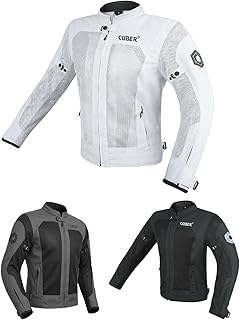
Top 10 Accessories
Curated picks for the Harley-davidson Dyna Super Glide — owned, ridden, recommended.




Common Problems
🔥 1 CRITICALListen for clunking on cold start at idle
Check oil pressure, look for sludge in oil
Test voltage at idle and rev, should hit 14v
Look for oil streaks on lower fork legs
✅Pre-Purchase Checklist
Solid if maintained, avoid neglected high-mileage examples
Full Specifications
Rivals & Alternatives
Bikes that buyers cross-shop with the Harley-davidson Dyna Super Glide
Harley-davidson Dyna Low Rider
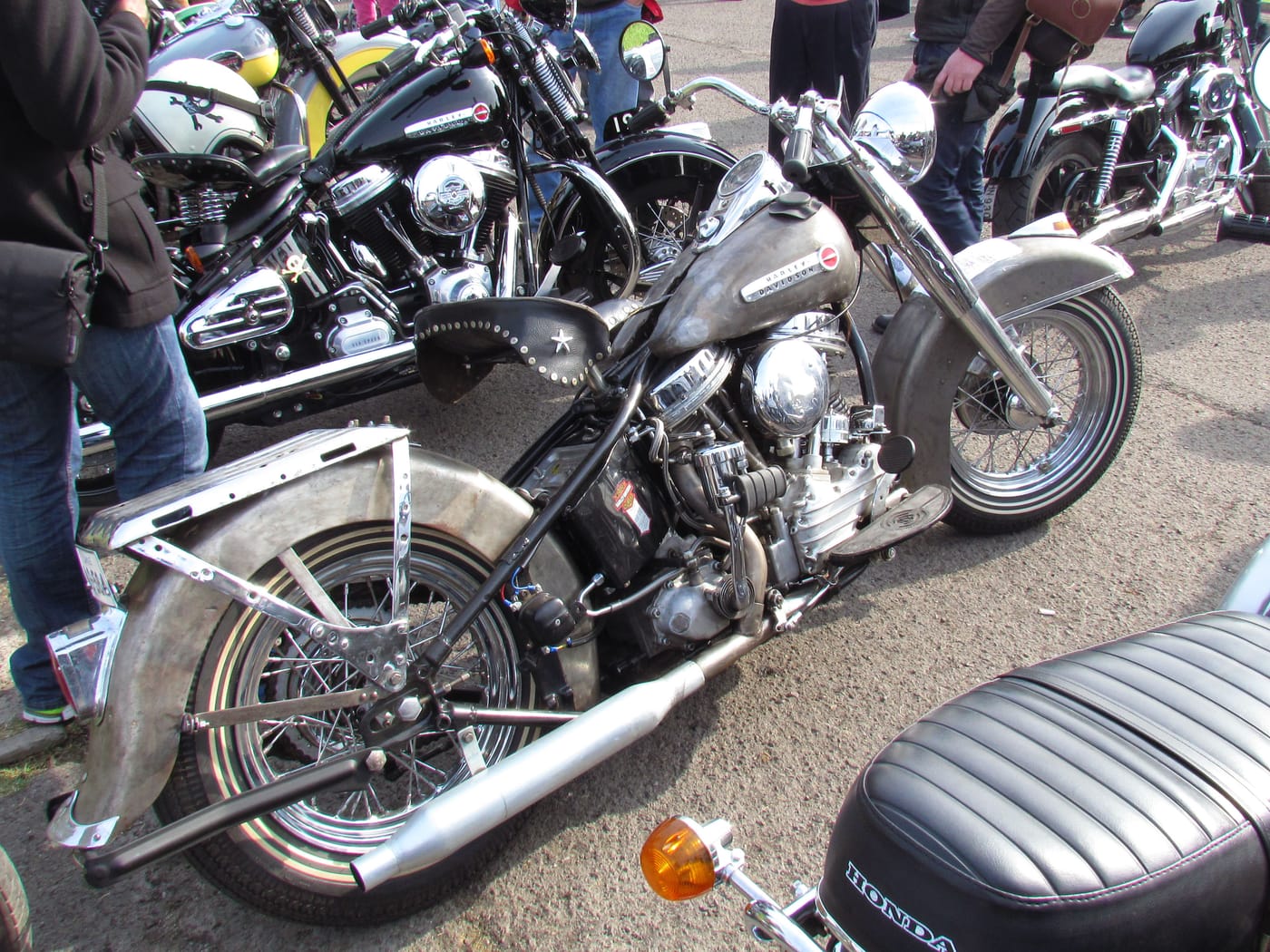
Harley-davidson Dyna Street Bob
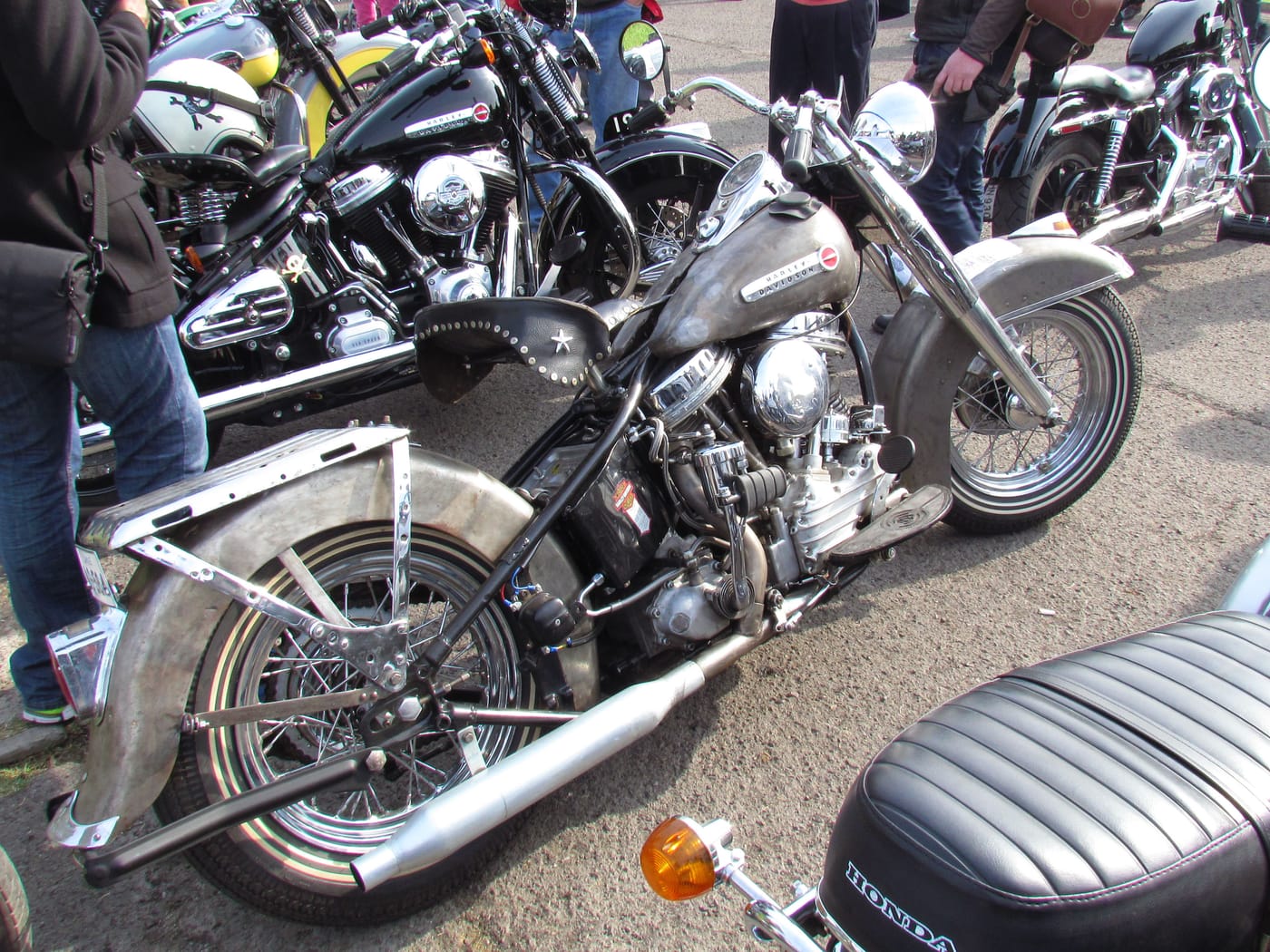
Harley-davidson Dyna Fat Bob
Harley-davidson Dyna Wide Glide
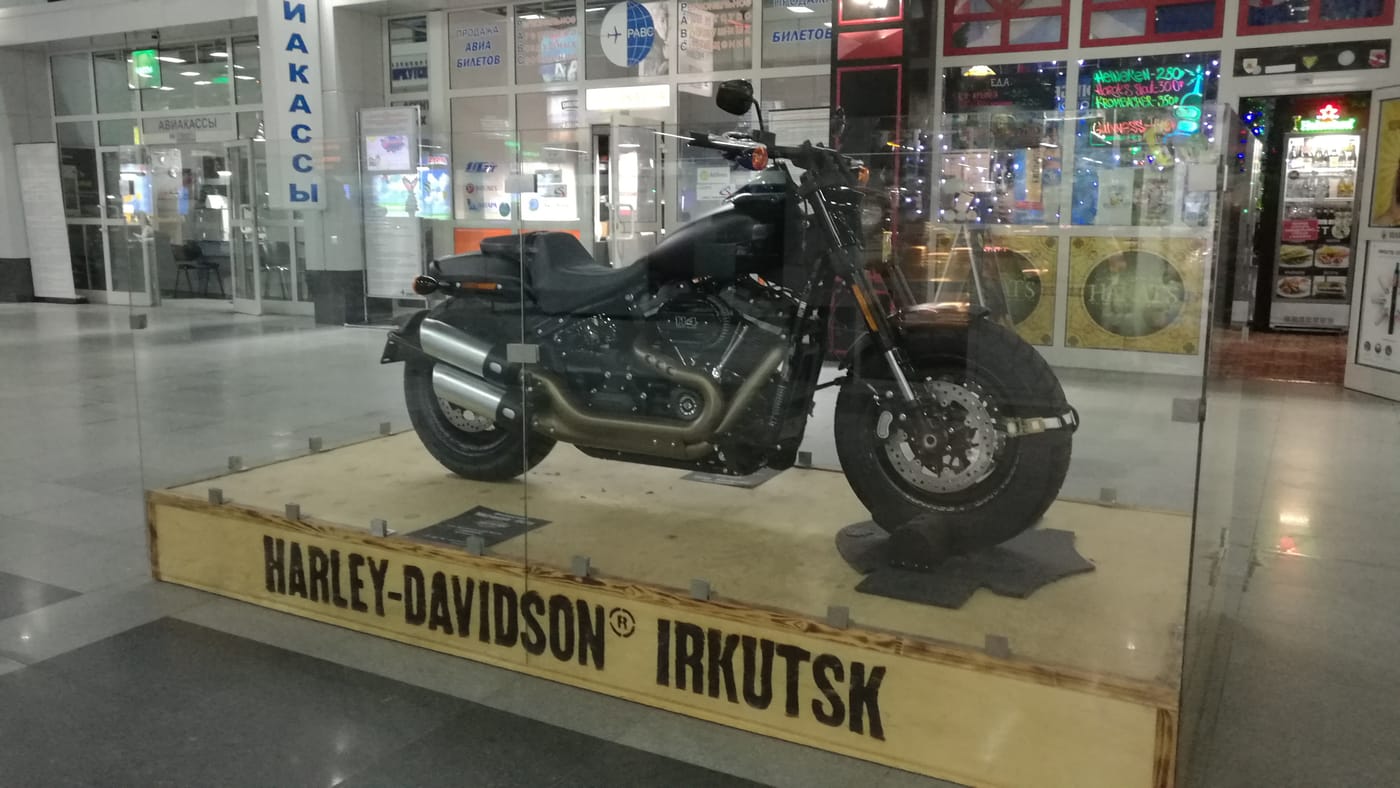
Harley-davidson Fat Bob 114
Compare Harley-davidson Dyna Super Glide Side-by-Side
compare_arrowsSpecs, power, weight & buyer verdict — head-to-head with the bikes most often cross-shopped.
Harley-davidson Dyna Super Glide vs Harley-davidson Dyna Low Rider
Specs · Power · Buyer verdict
Harley-davidson Dyna Super Glide vs Harley-davidson Dyna Street Bob
Specs · Power · Buyer verdict
Harley-davidson Dyna Super Glide vs Harley-davidson Dyna Fat Bob
Specs · Power · Buyer verdict
Harley-davidson Dyna Super Glide vs Harley-davidson Dyna Wide Glide
Specs · Power · Buyer verdict
Harley-davidson Dyna Super Glide vs Harley-davidson Fat Bob 114
Specs · Power · Buyer verdict
More Harley-davidson Dyna Super Glide Guides
More from Harley-davidson
View all Harley-davidson models →Community Reviews
Discussion
Frequently Asked Questions
What are common problems with the Harley-davidson Dyna Super Glide? +
Primary chain tensioner wear and noise: Listen for clunking on cold start at idle (moderate) | Cam plate oil pump failure on Twin Cam: Check oil pressure, look for sludge in oil (serious) | Stator and charging system failure: Test voltage at idle and rev, should hit 14v (moderate)
Is the Harley-davidson Dyna Super Glide a good motorcycle? +
Honest, capable cruiser — buy smart and it won't disappoint. Rating: 7.5/10. Best for: Experienced riders wanting classic American V-twin simplicity. Avoid if: You want sporty handling or hate regular maintenance.
What is the horsepower of the Harley-davidson Dyna Super Glide? +
The Harley-davidson Dyna Super Glide produces 67 hp @ 5,500 rpm, with 110 Nm @ 3,500 rpm of torque. Top speed: 175 km/h.
Is the Harley-davidson Dyna Super Glide good for beginners? +
Yes — the Harley-davidson Dyna Super Glide is a reasonable choice for new riders (67 hp is manageable), weighing 295 kg. Experienced riders wanting classic American V-twin simplicity
Is the Harley-davidson Dyna Super Glide reliable? +
Owners report 1 critical issue to watch for on the Harley-davidson Dyna Super Glide, notably: Cam plate oil pump failure on Twin Cam (Check oil pressure, look for sludge in oil). Buy with a pre-purchase inspection.
Is the Harley-davidson Dyna Super Glide good for daily use? +
Experienced riders wanting classic American V-twin simplicity Fuel: 5.5 L/100km (approx. 18 km/L typical real-world average).
How fast is the Harley-davidson Dyna Super Glide? +
The Harley-davidson Dyna Super Glide reaches a top speed of 175 km/h, producing 67 hp at 295 kg curb weight. Real-world performance depends on rider weight, gearing, and road conditions.
What gear should I buy for a Harley-davidson Dyna Super Glide? +
Motoryk has curated a Top 10 gear list specifically for the Harley-davidson Dyna Super Glide, covering engine oil, tires, chain, battery, and brake pads — see motoryk.com/bikes/harley-davidson/dyna-super-glide/top10. Each pick is matched to this bike's spec.