Harley-davidson Dyna Low Rider
The Harley-davidson Dyna Low Rider has a top speed of 175 km/h (estimated; note: varies by year and engine displacement), produces 67 hp and weighs 307 kg. Motoryk rates it 7.5/10.
The Harley-Davidson Dyna Low Rider was introduced in 1993 as part of the Dyna chassis family, reviving the iconic Low Rider nameplate that originally debuted in 1977. It featured the rubber-mounted Twin Cam engine and a low, stretched profile that became synonymous with American custom cruiser styling. The model was continuously refined through its production run until the Dyna line was discontinued in 2017, when it was absorbed into the Softail family as the updated Low Rider S.
67 hp
Power
130 Nm
Torque
307 kg
Weight
175 km/h (estimated; note: varies by year and engine displacement)
Top Speed
6.0 L/100km (approx. 16.7 km/L, typical real-world average)
Fuel
Naked
Body
🔧 Service Schedule & Parts
Affiliate · we may earn| Service item | Every | Typical cost | Parts |
|---|---|---|---|
| 🛢️ Engine oil + oil filter | 8,000 km / 5,000 mi or 12 mo | $60-120 | 🛢️ Buy → ⚙️ Buy → |
| 🌬️ Air filter | 16,000 km / 10,000 mi | — | 🌬️ Buy → |
| ⚡ Spark plugs | 16,000 km / 10,000 mi | — | ⚡ Buy → |
| 🔧 Valve clearance check | 24,000 km / 15,000 mi | $250-500 | |
| 🛑 Brake pads | 20000-30000 km | $40-80 | 🛑 Buy → |
| 💧 Brake fluid | 24,000 km / 15,000 mi or 2 yr | — | |
| 🛞 Tires | 15000-25000 km | $250-450 | 🛞 Buy → |
| 🔩 Major service | 24,000 km / 15,000 mi | $400-800 |
Video Review

What Buyers Should Know
Watch for Oil Leaks
The Twin Cam engine (1999–2017) is known for primary chain tensioner wear and rocker box gasket leaks, especially on higher-mileage bikes. Always inspect these areas carefully before buying.
Strong Resale Value
The Dyna Low Rider holds its value exceptionally well, often retaining 70–80% of its original price after several years. Its discontinuation after 2017 has made clean examples increasingly desirable to collectors.
Unique Dual-Shock Platform
Unlike most modern Harleys, the Dyna frame uses a traditional dual rear shock setup, giving it a classic look and surprisingly nimble handling compared to the heavier Softail models.
Generations & Specs by Year
Original Low Rider on Shovelhead engine, cast wheels, low seat height, drag bars, AMF era.
"Raw American icon built by distracted management."
The Low Rider arrived in 1977 looking genuinely cool — drag bars, cast Kelsey-Hayes wheels, and that slammed 686mm seat height made it the most streetwise Harley in the lineup. The Shovelhead thumps with real character, that 100Nm torque surge between 2,500 and 3,500 rpm is addictive on the highway, and the low center of gravity actually helps in traffic despite the 297kg kerb weight. But AMF-era quality control will humble you fast — oil leaks are a rite of passage, primary chains need adjustment embarrassingly often, and I've watched perfectly good weekends disappear into roadside valve adjustments. Ride one restored and well-maintained and it's a legitimate piece of American motorcycling history; ride a neglected survivor and you'll understand why Harley nearly went bankrupt.
Pros
Cons
Evolution engine introduced 1984, improved reliability and oil tightness, refined chassis and electrics.
"Raw American iron that rewards patience over perfection."
If you got a '83 or early '84 with the Shovelhead, budget time for oil leaks and carburetor fussiness — that engine has character the way a difficult ex has character. The '84-onward Evolution changed everything: suddenly you had a big V-twin that actually started on cold mornings without a ritual and kept its oil mostly inside the cases. Torque comes on low and lazy, that 95 Nm pulling hard from 2,500 rpm in a way that makes highway riding genuinely satisfying, though the 278 kg wet weight means you'll feel every slow-speed maneuver in your forearms. The low 686mm seat is a genuine asset for shorter riders, but don't mistake accessibility for sportiness — this bike wants to cruise, not hustle.
Pros
Cons
Moved to FXR then Dyna frame 1991, rubber-mounted Evolution engine, improved handling and vibration isolation.
"The Evo Dyna finally made Harley handle properly."
The rubber-mounted Evolution engine changed everything — you can actually cruise at highway speeds without your hands going numb after 40 minutes. The Dyna frame swap in '91 tightened up the chassis noticeably over the old FXR; it corners with real confidence for a 284kg bike sitting this low to the ground. That 1340cc Evo pulls hard from 2,500 rpm and just keeps delivering torque in a way that makes traffic irrelevant — you roll it open and the bike answers without drama. Weak points are real though: the front brake is embarrassingly underspecced for the weight, and anything below 15°C you'd better have choke figured out because cold starts are a ritual, not a routine.
Pros
Cons
Twin Cam 88 engine replaced Evo, updated frame geometry, improved braking and fuel system options.
"Twin Cam woke up a classic without ruining it."
The Twin Cam 88 was the right call — that extra displacement over the old Evo translates to noticeably better highway pull, and you stop white-knuckling merges onto the interstate. Low slung at 660mm, this bike fits shorter riders properly without feeling cramped, and the Dyna's separate frame-mounted rubber isolators actually soak up vibration better than Milwaukee marketing would have you believe. That said, 295kg is honest weight you feel in slow parking-lot maneuvers, and early carbureted models can be cold-start grumpy until the motor warms through. Braking was upgraded over its predecessor but still feels like an afterthought — one firm front squeeze in a panic situation reminds you this era Harley expected you to plan ahead.
Pros
Cons
Six-speed Cruise Drive transmission, larger Twin Cam 96 engine 2007, ABS available, revised styling.
"Blue-collar Harley that actually earns its reputation."
I put 18,000 miles on a 2009 Low Rider and the Twin Cam 96 never once let me down — that torque curve between 2,500 and 4,000 rpm is genuinely addictive on two-lane highways, pulling hard without drama. The six-speed Cruise Drive was a real upgrade over the old five-speed; sixth gear drops revs enough that cross-country stints don't cook your right leg off the header. That said, 302 kg is honest work in parking lots and slow traffic, and the stock suspension is tuned for pavement that apparently only exists in Harley's test facility — hit a mid-corner pothole and it'll remind you who's boss. Heat management is the dirty secret nobody mentions in the brochure: summer city riding turns your inner thighs into pulled pork.
Pros
Cons
Used Buyer Review
"A genuinely capable cruiser if you buy the right one."
$8,500-$14,000 usedThe Dyna Low Rider is one of Harley's better balanced packages — genuinely low seat height, proper riding position that doesn't murder your wrists, and that 103ci Twin Cam (post-2012) pulls with real authority from low revs. It's not trying to be a bagger or a chopper, just a solid middleground cruiser that actually handles reasonably well for a Milwaukee iron. Pre-2012 96ci bikes are fine but hunt hard for the upgraded cams and heads before buying. Used, you're almost certainly inheriting someone's custom vision. Stage 1 kits and slip-ons are usually benign, but watch for botched electrical work from amateur installs. Check the primary chain tensioner religiously on higher-mileage examples — it's the Dyna's known weak point. Frame welds on pre-2014 models got scrutiny too, so inspect carefully around the neck. Buy one with service history, low customization debt, and under 30,000 miles and you've got a genuinely characterful machine that won't hemorrhage money. Skip the tarted-up bar-hopper specials.
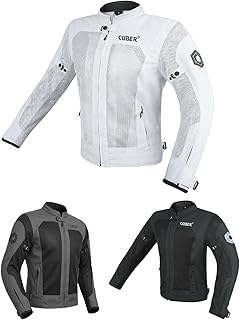
Top 10 Accessories
Curated picks for the Harley-davidson Dyna Low Rider — owned, ridden, recommended.




Common Problems
🔥 2 CRITICALListen for clunking at idle, inspect primary cover
Loud bang or clunk when starting cold engine
Ticking noise, check service records for cam upgrade
Oil residue on lower fork legs, check handling
✅Pre-Purchase Checklist
Solid but requires proactive cam system maintenance
Full Specifications
Rivals & Alternatives
Bikes that buyers cross-shop with the Harley-davidson Dyna Low Rider
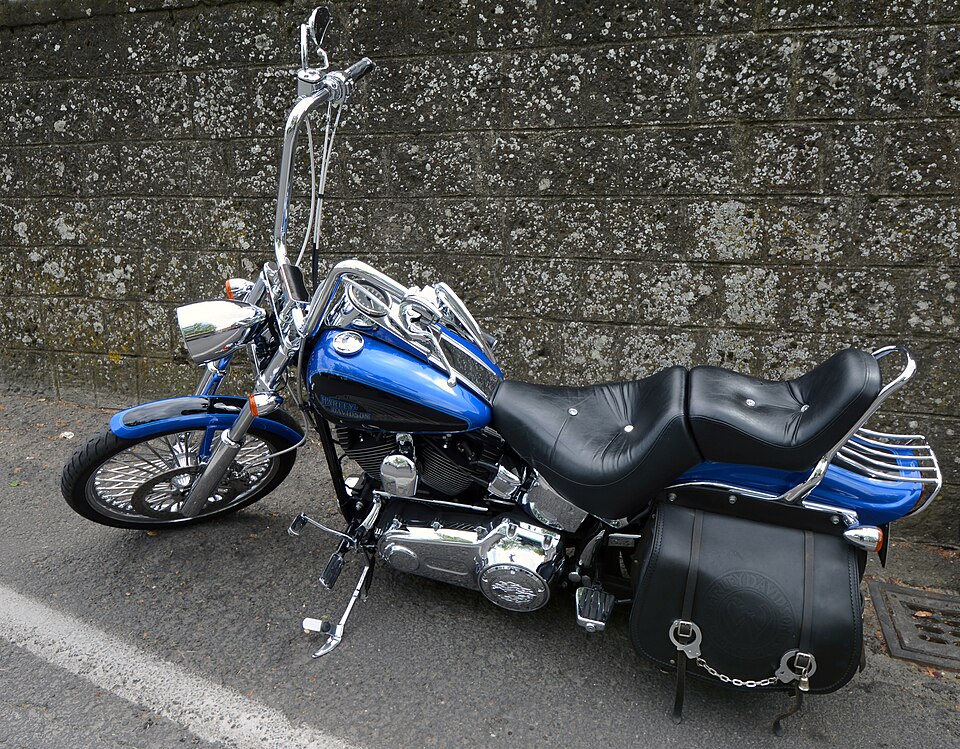
Harley-davidson Street Bob
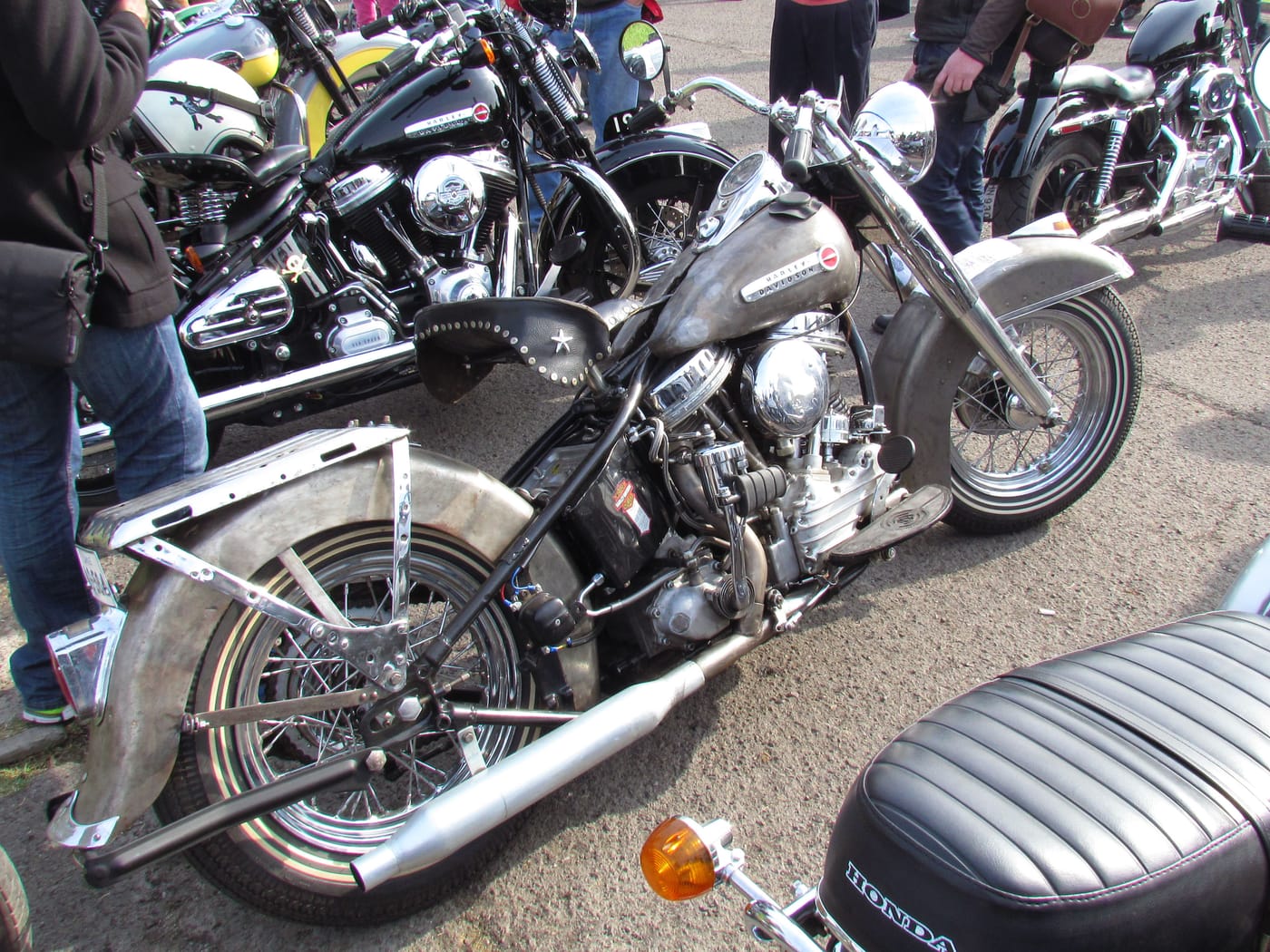
Harley-davidson Dyna Street Bob
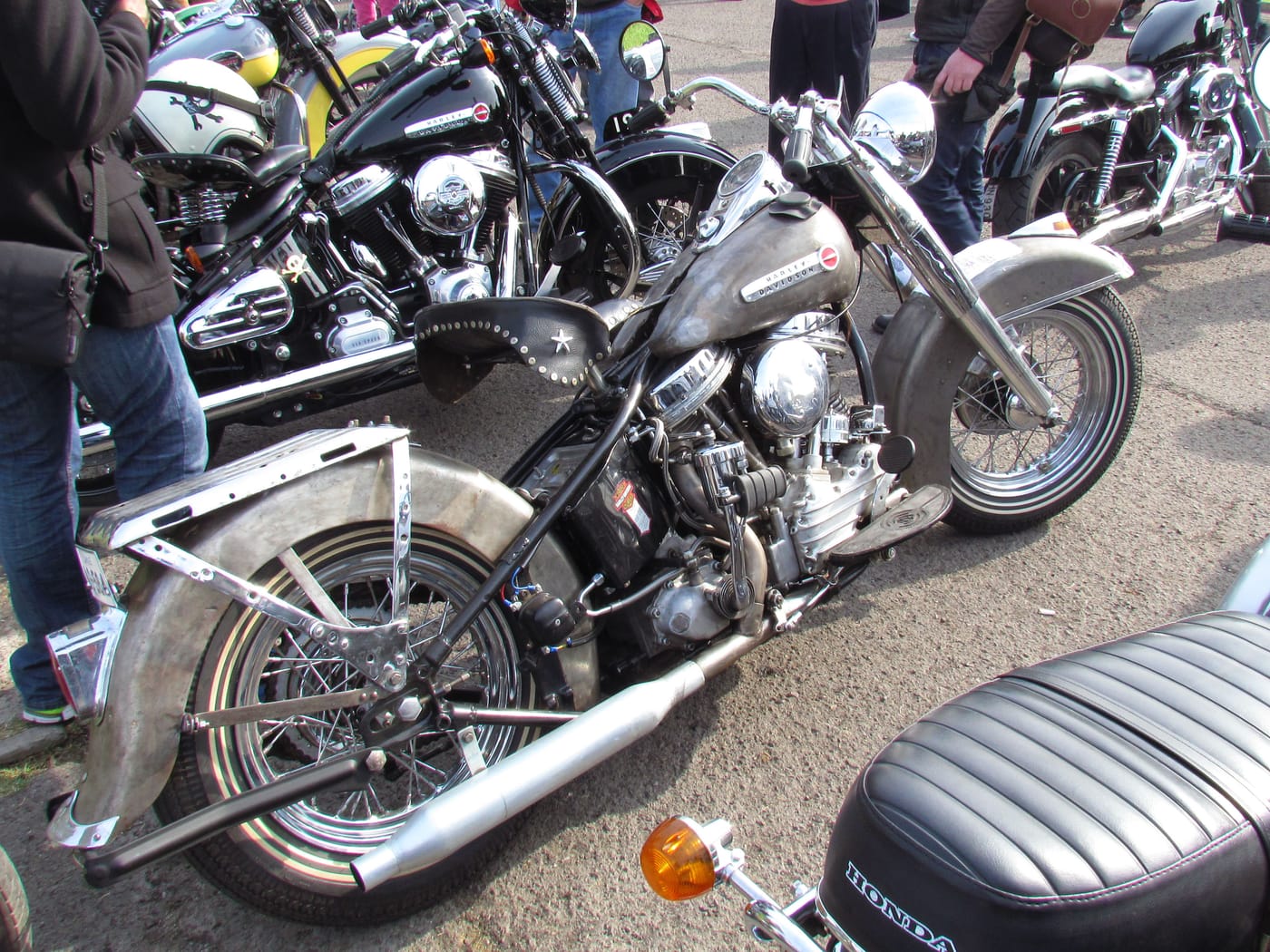
Harley-davidson Dyna Fat Bob
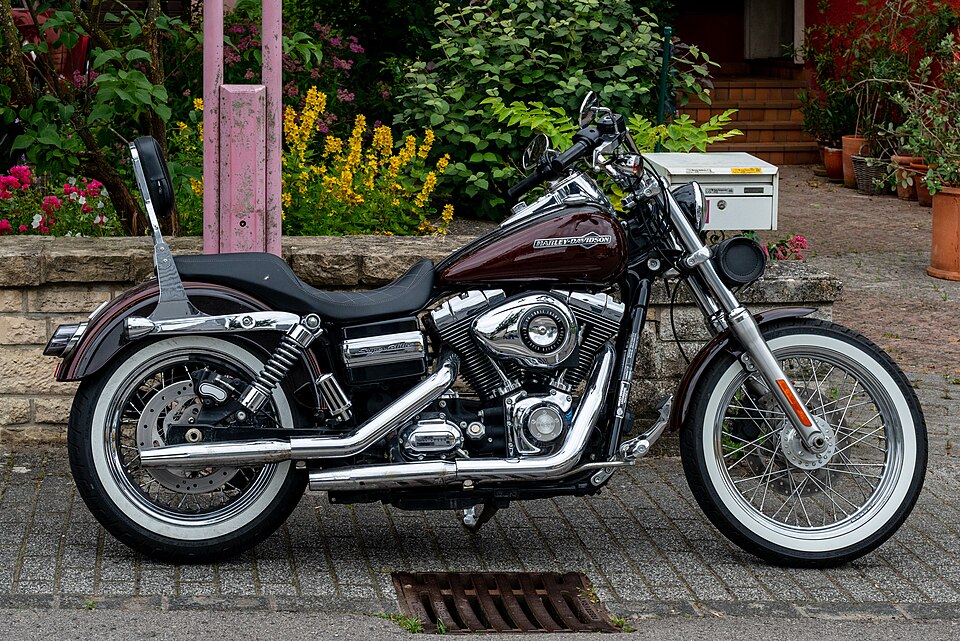
Harley-davidson Dyna Super Glide
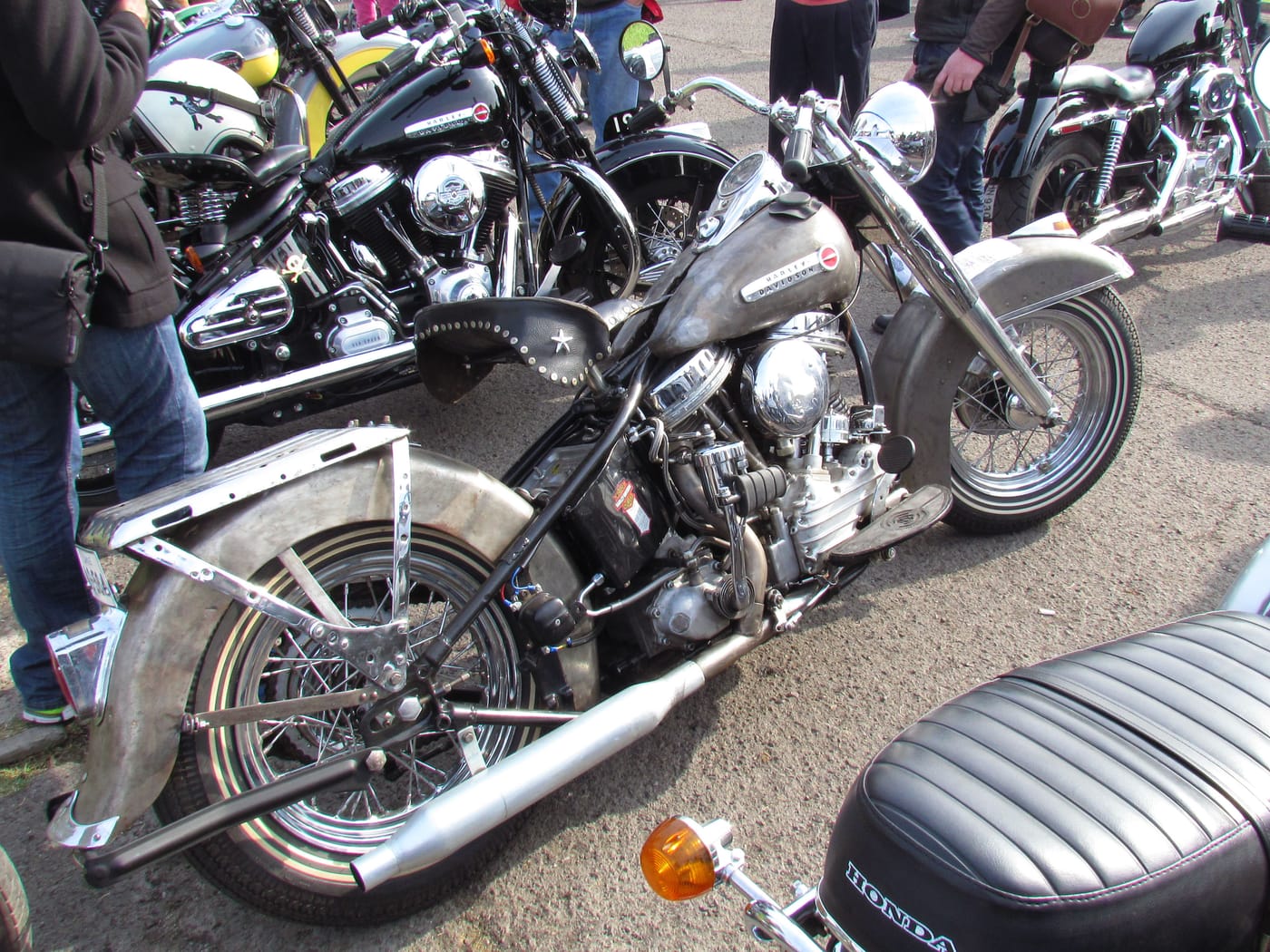
Harley-davidson Dyna Wide Glide
Compare Harley-davidson Dyna Low Rider Side-by-Side
compare_arrowsSpecs, power, weight & buyer verdict — head-to-head with the bikes most often cross-shopped.
Harley-davidson Dyna Low Rider vs Harley-davidson Street Bob
Specs · Power · Buyer verdict
Harley-davidson Dyna Low Rider vs Harley-davidson Dyna Street Bob
Specs · Power · Buyer verdict
Harley-davidson Dyna Low Rider vs Harley-davidson Dyna Fat Bob
Specs · Power · Buyer verdict
Harley-davidson Dyna Low Rider vs Harley-davidson Dyna Super Glide
Specs · Power · Buyer verdict
Harley-davidson Dyna Low Rider vs Harley-davidson Dyna Wide Glide
Specs · Power · Buyer verdict
More Harley-davidson Dyna Low Rider Guides
More from Harley-davidson
View all Harley-davidson models →Community Reviews
Discussion
Frequently Asked Questions
What are common problems with the Harley-davidson Dyna Low Rider? +
Primary chain tensioner wear and noise: Listen for clunking at idle, inspect primary cover (moderate) | Compensator sprocket failure and rough startup: Loud bang or clunk when starting cold engine (serious) | Cam bearing failure on Twin Cam engines: Ticking noise, check service records for cam upgrade (serious)
Is the Harley-davidson Dyna Low Rider a good motorcycle? +
A genuinely capable cruiser if you buy the right one. Rating: 7.5/10. Best for: Experienced riders wanting authentic V-twin character daily. Avoid if: You hate vibration or want sport-touring capability.
What is the horsepower of the Harley-davidson Dyna Low Rider? +
The Harley-davidson Dyna Low Rider produces 67 hp @ 5,500 rpm (2014 103ci Twin Cam; earlier models may differ), with 130 Nm @ 3,500 rpm (2014 103ci Twin Cam; estimated for representative model year) of torque. Top speed: 175 km/h (estimated; note: varies by year and engine displacement).
Is the Harley-davidson Dyna Low Rider good for beginners? +
Yes — the Harley-davidson Dyna Low Rider is a reasonable choice for new riders (67 hp is manageable), weighing 307 kg. Experienced riders wanting authentic V-twin character daily
Is the Harley-davidson Dyna Low Rider reliable? +
Owners report 2 critical issues to watch for on the Harley-davidson Dyna Low Rider, notably: Compensator sprocket failure and rough startup (Loud bang or clunk when starting cold engine). Buy with a pre-purchase inspection.
Is the Harley-davidson Dyna Low Rider good for daily use? +
Experienced riders wanting authentic V-twin character daily Fuel: 6.0 L/100km (approx. 16.7 km/L, typical real-world average).
How fast is the Harley-davidson Dyna Low Rider? +
The Harley-davidson Dyna Low Rider reaches a top speed of 175 km/h (estimated; note: varies by year and engine displacement), producing 67 hp at 307 kg curb weight. Real-world performance depends on rider weight, gearing, and road conditions.
What gear should I buy for a Harley-davidson Dyna Low Rider? +
Motoryk has curated a Top 10 gear list specifically for the Harley-davidson Dyna Low Rider, covering engine oil, tires, chain, battery, and brake pads — see motoryk.com/bikes/harley-davidson/dyna-low-rider/top10. Each pick is matched to this bike's spec.