-cafe-racer-custom.jpg)
Bmw R Series (r80 Or R100) Cafe Racer Custom
The Bmw R Series (r80 Or R100) Cafe Racer Custom has a top speed of 175–200 km/h (R100-based builds; varies by gearing and fairing), produces R80: ~50 hp and weighs 195–215 kg wet/curb weight. Motoryk rates it 7.8/10.
BMW's R-series airhead boxers, including the R80 and R100, were produced from the mid-1970s through the early 1990s, carrying on BMW's iconic horizontally-opposed twin-cylinder legacy that dates back to 1923. The R100RS (1976) was the world's first production motorcycle with a full fairing developed in a wind tunnel, while the R80G/S (1980) pioneered the modern adventure-touring segment. These robust, long-lived engines became a favorite platform for café racer customs due to their low center of gravity, torquey character, classic aesthetics, and virtually indestructible nature, inspiring a thriving custom scene that continues today.
R80: ~50 hp
Power
195–215 kg wet/curb weight
Weight
175–200 km/h (R100-based builds; varies by gearing and fairing)
Top Speed
5.0–6.5 L/100km (approximately 15–20 km/L, typical real-world average)
Fuel
Naked
Body
🔧 Service Schedule & Parts
Affiliate · we may earn| Service item | Every | Typical cost | Parts |
|---|---|---|---|
| 🛢️ Engine oil + oil filter | 6,000 km / 3,500 mi or 12 mo | $40-80 | 🛢️ Buy → ⚙️ Buy → |
| 🌬️ Air filter | 12,000 km / 7,500 mi | — | 🌬️ Buy → |
| ⚡ Spark plugs | 12,000 km / 7,500 mi | — | ⚡ Buy → |
| 🔧 Valve clearance check | 12,000 km / 7,500 mi | $150-300 | |
| 🔗 Chain & sprockets | N/A - shaft drive km (replace) | $N/A - shaft drive | 🔗 Buy → |
| 🛑 Brake pads | 15000-25000 km | $30-60 | 🛑 Buy → |
| 💧 Brake fluid | 24,000 km / 15,000 mi or 2 yr | — | |
| 🛞 Tires | 10000-18000 km | $150-300 | 🛞 Buy → |
| 🔩 Major service | 12,000 km / 7,500 mi | $250-500 |
Video Review
What Buyers Should Know
Bulletproof Airhead Engine
The air-cooled boxer twin engine in the R80/R100 is legendary for reliability, with many examples exceeding 200,000 miles when properly maintained. Valve adjustments every 6,000 miles are critical to longevity.
Watch the Airhead Seals
Common issues include leaking rocker cover gaskets, worn final drive seals, and cracked rubber carb boots that cause rough running. Always inspect for oil weeping around the heads before buying.
Strong Cafe Racer Value
Quality café racer customs built on the R80/R100 platform hold and appreciate in value, with well-executed builds fetching $8,000–$15,000+. Originality of the café conversion and quality of components greatly impact resale price.
Generations & Specs by Year
BMW's first factory cafe racer, 898cc boxer twin, bikini fairing, dual leading front brake, 67hp.
"BMW finally grew a spine and built a legend."
The R90S was the bike that made me realise BMW engineers could actually feel speed — that 898cc boxer pulls with a lazy, authoritative surge from 3,000 rpm that makes you grin and worry simultaneously. The smoke-grey or Daytona orange paintwork aged me badly because I kept stopping to look at it instead of riding it. Handling is honest rather than sharp; those big cylinder heads catch air in crosswinds and the steering is deliberate, not nervous, which suits the bike's character perfectly. The drum rear brake is adequate, but the dual leading front disc-drum setup inspires real confidence for its era — though your wrist will know about the vibration above 5,500 rpm after an hour on the motorway.
Pros
Cons
Enlarged to 980cc, improved carburetion, updated fairing styling, 70hp output, Brembo brakes adopted.
"The boxer that rewired how Europeans thought about sport touring."
I put 14,000 kilometers on an R100S over two summers and came away with a complicated kind of respect — the 980cc boxer pulls with real authority from 3,500 rpm upward, and that fairing actually earns its keep above 140 km/h in a way the old S fairing never quite did. The Brembo front disc was a genuine upgrade over the drum it replaced, though you still need to plan your stops; it bites well but doesn't inspire the same confidence as anything made after 1990. The real problem is the Bing carburetors: cold starts are a ritual, synchronization drifts after hard riding, and you'll learn to carry a flathead screwdriver if you care about smooth throttle response. None of that killed the experience — the shaft drive is silky, the boxer's lateral cylinder heads make every coffee stop a conversation, and at highway speeds this thing is a genuinely composed, comfortable machine that doesn't feel like it's from 1977.
Pros
Cons
Revised 800cc engine, monolever rear suspension, simplified airhead platform, reduced weight focus.
"The boxer that earns every mile you put in."
I ran an '89 R80 for three years and about 40,000 kilometres, and the thing that sticks with me is how honest it is — no tricks, no drama, just a machine that does exactly what you ask. The monolever rear suspension was a genuine upgrade over the old twin-shock setup; it settled the bike down on rough tarmac and made long days in the saddle actually bearable. The 800cc boxer punches below its displacement number on paper, but that fat mid-range torque at 3,750 rpm means you're almost never hunting for the right gear on back roads. The cold-start ritual, the occasional carb sync headache, and the fact that highway cruising above 140 km/h turns it into a vibration machine are the honest costs of entry — but none of that stopped me from riding it every single day.
Pros
Cons
Naked roadster revival, 60hp, Paralever rear suspension, spoke wheels, retro styling, Mystic edition added.
"Honest, characterful Boxer that earns every mile."
The R100R is the bike BMW should have been building all along instead of the bloated touring rigs of the late '80s — it strips things back and actually asks you to ride. That 980cc Boxer punches with real low-end torque, the 74 Nm arriving early enough that you're rolling throttle in third through village bends like you own the place. Paralever rear suspension was a genuine leap over the old monoshock Airheads; it killed the notorious driveshaft snatch that used to unsettle mid-corner, and suddenly the chassis felt honest rather than treacherous. Where it frustrates: 60 hp is enough but not exciting, the 218 kg wet weight reminds you it's no café racer despite the marketing, and those spoke wheels — gorgeous as they are — meant you're running tubes and hunting for a repair kit on a Sunday when everyone else is at brunch.
Pros
Cons
Used Buyer Review
"A beautiful, characterful classic — but inspect every custom modification ruthlessly."
$4,500-$14,000 usedLet's be honest — you're not buying an R80 or R100 cafe racer for practicality. You're buying it because it looks absolutely stunning sitting in your garage and turns heads on every run to the coffee shop. That's fine, own it. These airheads are genuinely characterful machines, with that classic boxer thump and silky smooth power delivery that modern bikes just can't replicate. The 1000cc R100 especially pulls with real purpose once it's on song. Here's what nobody tells you though — most of these customs have been butchered by someone with more ambition than skill. Chopped wiring looms, poorly routed brake lines, and exhausts welded by a guy who watched two YouTube videos. Budget serious inspection money before handing over cash. Find a bike built by a reputable shop or someone with receipts. The mechanical side — Bing carbs, final drive, valve clearances — is actually straightforward if the previous owner wasn't an idiot. Parts availability is surprisingly decent through Motorrad Elektrik and various specialists. These engines genuinely last forever with basic maintenance. Just don't buy someone else's rushed weekend project.
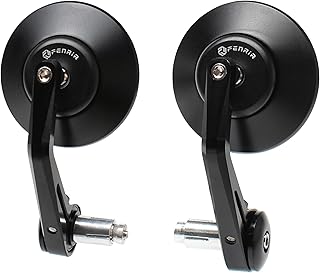
Top 10 Accessories
Curated picks for the Bmw R Series (r80 Or R100) Cafe Racer Custom — owned, ridden, recommended.


Common Problems
🔥 2 CRITICALIdle quality, throttle response, black smoke at exhaust
Clunking on acceleration, inspect spline grease condition
Blue smoke on startup, check spark plugs for oil fouling
Inspect wiring harness for splices, tape, DIY connectors
✅Pre-Purchase Checklist
Solid if maintained, cafe mods add risk
Full Specifications
Rivals & Alternatives
Bikes that buyers cross-shop with the Bmw R Series (r80 Or R100) Cafe Racer Custom
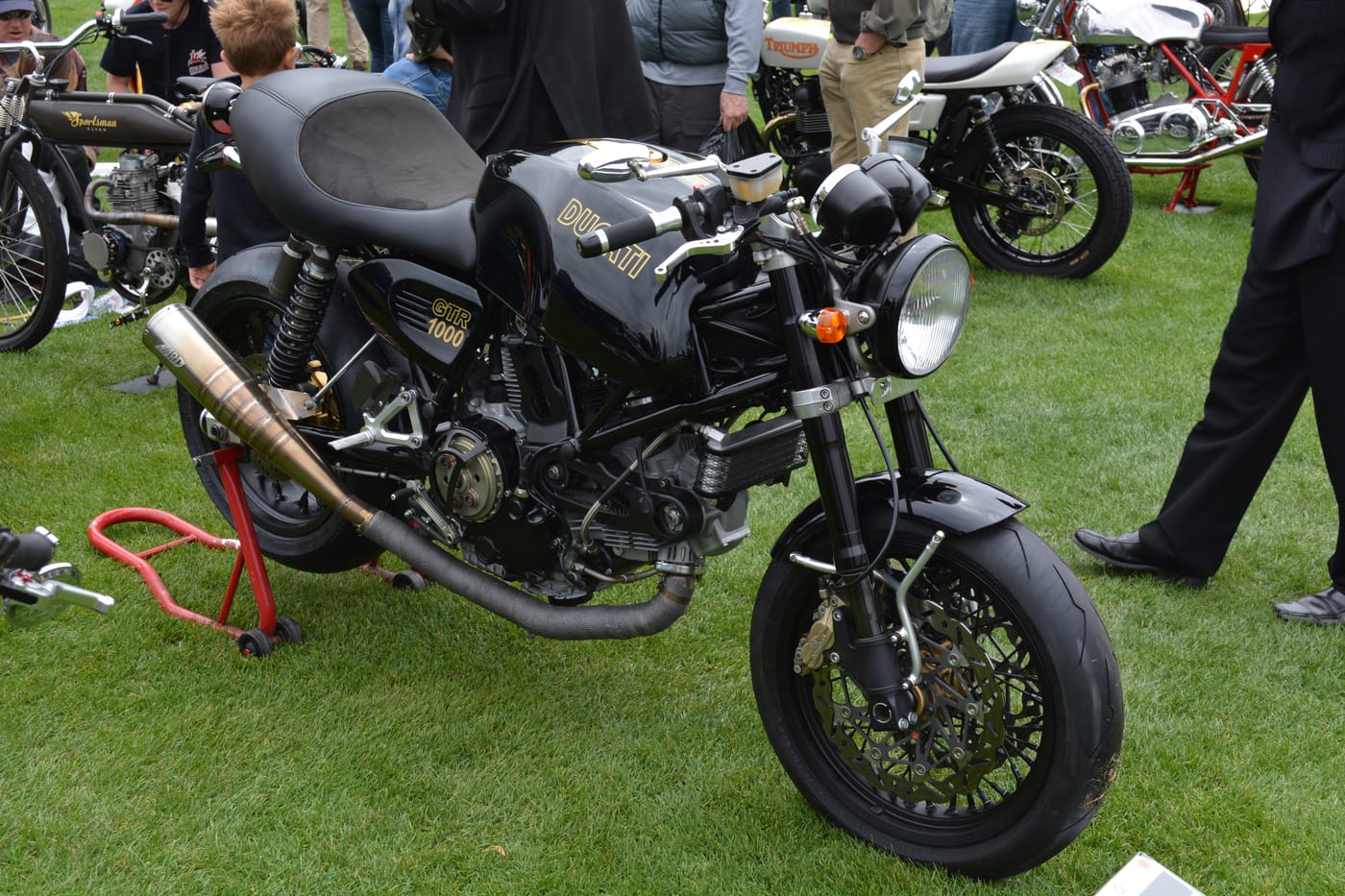
Ducati Mh900e
Triumph Thruxton 900
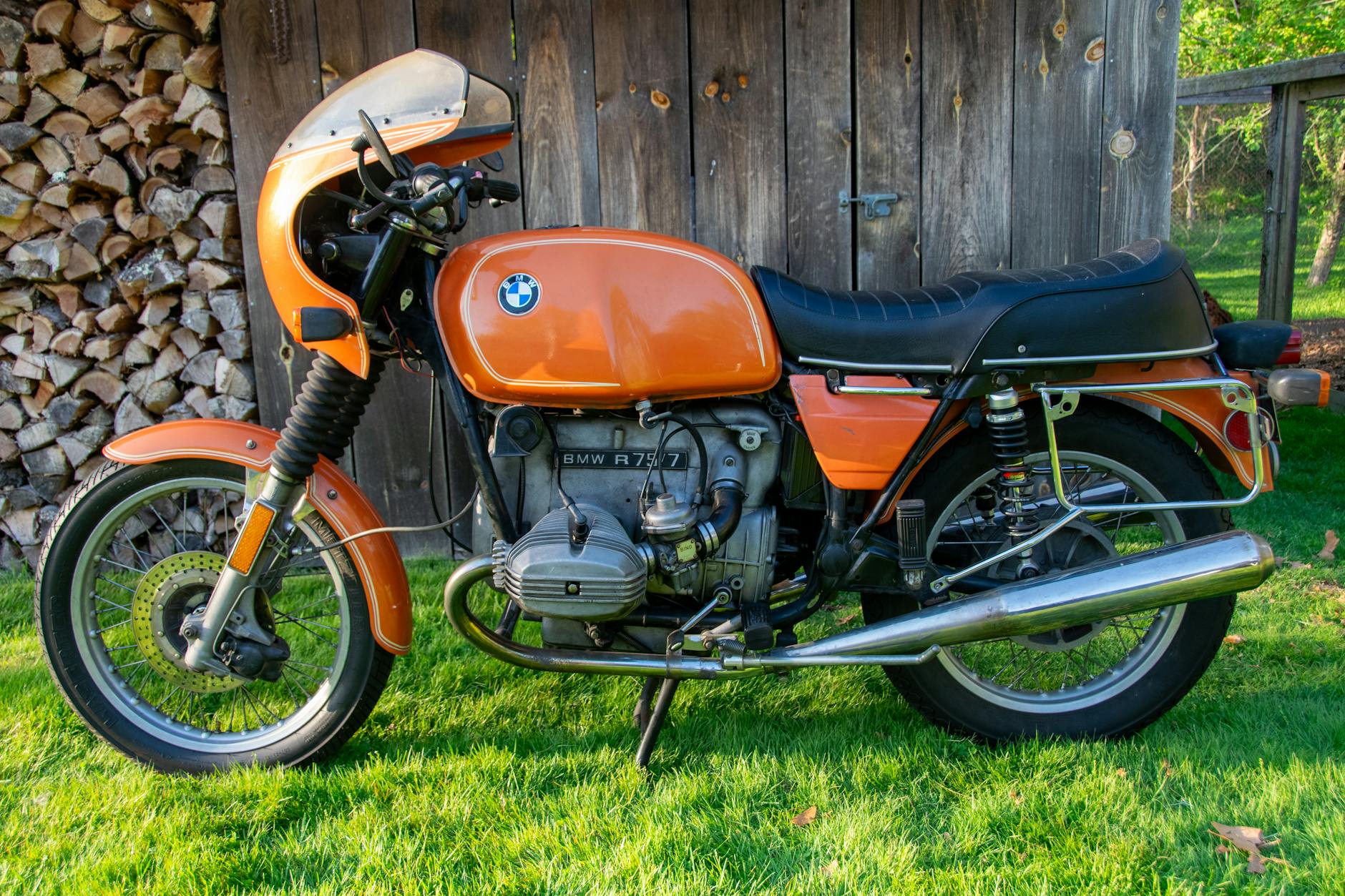
Bmw R 90 S
Moto Guzzi Le Mans 1000
Bmw R Ninet Racer
Compare Bmw R Series (r80 Or R100) Cafe Racer Custom Side-by-Side
compare_arrowsSpecs, power, weight & buyer verdict — head-to-head with the bikes most often cross-shopped.
Bmw R Series (r80 Or R100) Cafe Racer Custom vs Ducati Mh900e
Specs · Power · Buyer verdict
Bmw R Series (r80 Or R100) Cafe Racer Custom vs Triumph Thruxton 900
Specs · Power · Buyer verdict
Bmw R Series (r80 Or R100) Cafe Racer Custom vs Bmw R 90 S
Specs · Power · Buyer verdict
Bmw R Series (r80 Or R100) Cafe Racer Custom vs Moto Guzzi Le Mans 1000
Specs · Power · Buyer verdict
Bmw R Series (r80 Or R100) Cafe Racer Custom vs Bmw R Ninet Racer
Specs · Power · Buyer verdict
More Bmw R Series (r80 Or R100) Cafe Racer Custom Guides
More from Bmw
View all Bmw models →Community Reviews
Discussion
Frequently Asked Questions
What are common problems with the Bmw R Series (r80 Or R100) Cafe Racer Custom? +
Airhead carb sync and jetting issues: Idle quality, throttle response, black smoke at exhaust (moderate) | Rear drive splines worn or dry: Clunking on acceleration, inspect spline grease condition (serious) | Valve guides worn, burning oil: Blue smoke on startup, check spark plugs for oil fouling (moderate)
Is the Bmw R Series (r80 Or R100) Cafe Racer Custom a good motorcycle? +
A beautiful, characterful classic — but inspect every custom modification ruthlessly. Rating: 7.8/10. Best for: Style-conscious riders wanting attainable classic cool. Avoid if: You need reliable daily transport without mechanical fuss.
What is the horsepower of the Bmw R Series (r80 Or R100) Cafe Racer Custom? +
The Bmw R Series (r80 Or R100) Cafe Racer Custom produces R80: ~50 hp @ 7,000 rpm / R100: ~70 hp @ 7,250 rpm (stock figures; café builds may vary slightly). Top speed: 175–200 km/h (R100-based builds; varies by gearing and fairing).
Is the Bmw R Series (r80 Or R100) Cafe Racer Custom good for beginners? +
Not really — the Bmw R Series (r80 Or R100) Cafe Racer Custom is better for experienced riders. Style-conscious riders wanting attainable classic cool Avoid if: You need reliable daily transport without mechanical fuss
Is the Bmw R Series (r80 Or R100) Cafe Racer Custom reliable? +
Owners report 2 critical issues to watch for on the Bmw R Series (r80 Or R100) Cafe Racer Custom, notably: Rear drive splines worn or dry (Clunking on acceleration, inspect spline grease condition). Buy with a pre-purchase inspection.
Is the Bmw R Series (r80 Or R100) Cafe Racer Custom good for daily use? +
Style-conscious riders wanting attainable classic cool Fuel: 5.0–6.5 L/100km (approximately 15–20 km/L, typical real-world average).
How fast is the Bmw R Series (r80 Or R100) Cafe Racer Custom? +
The Bmw R Series (r80 Or R100) Cafe Racer Custom reaches a top speed of 175–200 km/h (R100-based builds; varies by gearing and fairing), producing 80 hp at 195 kg curb weight. Real-world performance depends on rider weight, gearing, and road conditions.
What gear should I buy for a Bmw R Series (r80 Or R100) Cafe Racer Custom? +
Motoryk has curated a Top 10 gear list specifically for the Bmw R Series (r80 Or R100) Cafe Racer Custom, covering engine oil, tires, chain, battery, and brake pads — see motoryk.com/bikes/bmw/r-series-r80-or-r100-cafe-racer-custom/top10. Each pick is matched to this bike's spec.