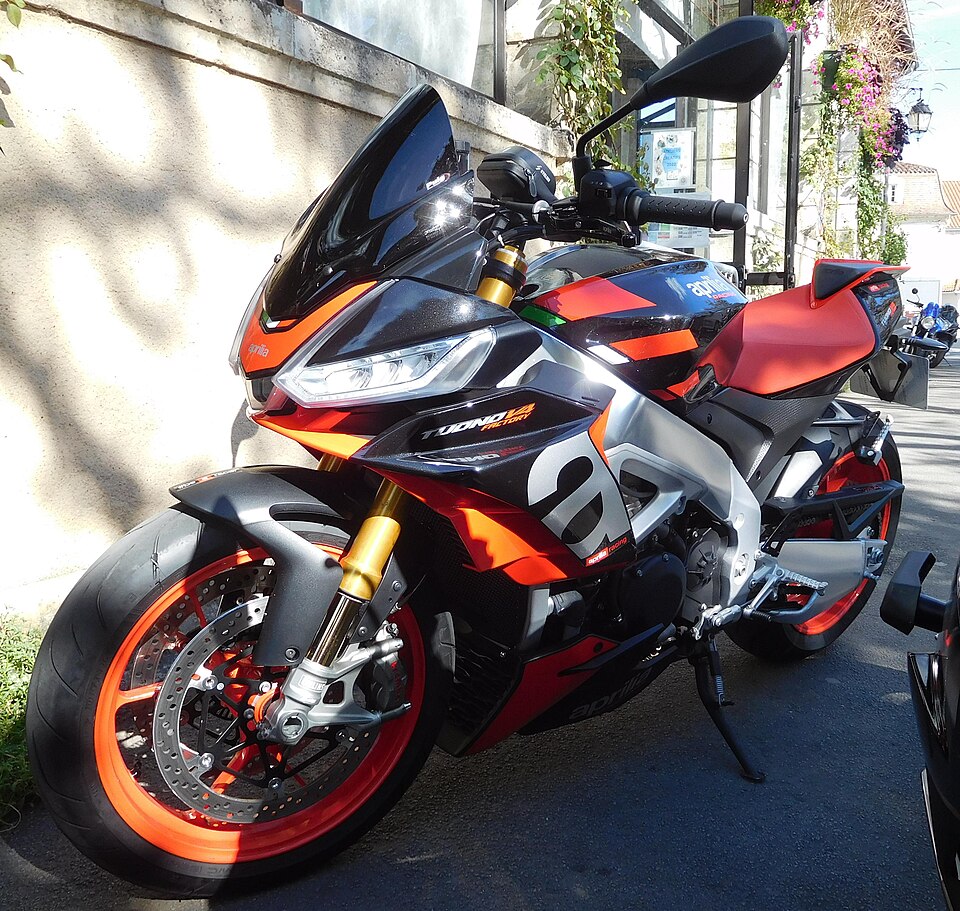
Aprilia Tuono V4
The Aprilia Tuono V4 has a top speed of 270 km/h (estimated; manufacturer does not officially publish top speed), produces 175 hp and weighs 209 kg. Motoryk rates it 8.5/10.
The Aprilia Tuono V4 was introduced in 2011 as a naked/streetfighter derivative of the RSV4 superbike, sharing its 65-degree V4 engine architecture. It quickly earned a reputation as one of the most powerful and thrilling naked motorcycles in the world, winning numerous 'Best Naked Bike' awards throughout the 2010s. The 2021 Tuono V4 Factory represented a major evolution with 175 hp, a six-axis IMU, and advanced electronics, cementing its status as the benchmark for high-performance naked bikes.
175 hp
Power
121 Nm
Torque
209 kg
Weight
270 km/h (estimated; manufacturer does not officially publish top speed)
Top Speed
7.5 L/100km (approximately 13.3 km/L, typical real-world average)
Fuel
Naked
Body
🔧 Service Schedule & Parts
Affiliate · we may earn| Service item | Every | Typical cost | Parts |
|---|---|---|---|
| 🛢️ Engine oil + oil filter | 6,000 km / 3,500 mi or 12 mo | $50-90 | 🛢️ Buy → ⚙️ Buy → |
| 🌬️ Air filter | 12,000 km / 7,500 mi | — | 🌬️ Buy → |
| ⚡ Spark plugs | 12,000 km / 7,500 mi | — | ⚡ Buy → |
| 🔧 Valve clearance check | 24,000 km / 15,000 mi | $300-600 | |
| 🔗 Chain & sprockets | 20000-35000 km (replace) | $200-350 | 🔗 Buy → |
| 🛑 Brake pads | 15000-25000 km | $40-80 | 🛑 Buy → |
| 💧 Brake fluid | 24,000 km / 15,000 mi or 2 yr | — | |
| 🧊 Coolant | 24,000 km / 15,000 mi | — | |
| 🛞 Tires | 8000-15000 km | $300-500 | 🛞 Buy → |
| 🔩 Major service | 24,000 km / 15,000 mi | $400-800 |
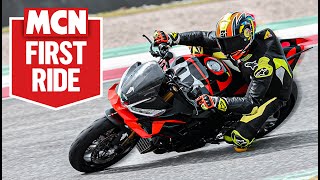
Video Review
What Buyers Should Know
V4 Engine Reliability
The 1077cc V4 engine is derived from Aprilia's RSV4 superbike and is generally robust when properly maintained. Regular valve clearance checks every 15,000 km are critical — skipping this service is the most common cause of expensive engine issues.
Watch the Electronics
Earlier models (2011–2014) are known for occasional APRC electronics glitches and throttle body sensor failures that can trigger warning lights. Always check service history and ensure the ECU software has been updated to the latest version before buying.
Strong Resale Value
The Tuono V4 holds its value exceptionally well compared to most naked bikes, typically retaining 70–80% of its value after three years. Low-mileage examples with full service history command a premium, making it a smart long-term ownership choice.
Generations & Specs by Year
First Tuono V4; 1000cc V4 engine, 167hp, derived from RSV4 superbike platform.
Updated electronics, revised chassis geometry, improved traction control and ABS introduced.
1077cc engine upgrade, 175hp, new frame, Öhlins suspension, cornering ABS, full electronics suite.
Revised aerodynamics, updated Euro4 compliance, refined electronics, new TFT dash introduced.
Major redesign, 185hp Euro5 engine, winglets, new chassis, six-axis IMU, updated electronics package.
Used Buyer Review
"The best used supernaked available, if you budget honestly."
$7,500-$13,000 usedThe Tuono V4 is genuinely one of the greatest used bike bargains available right now, but you need to go in with your eyes open. That 1000cc V4 engine is ferocious and characterful in ways that Japanese supernaked rivals simply aren't — it revs like a screaming animal and pulls hard from 4,000rpm all the way to the redline. The electronics package on post-2015 models is genuinely class-leading even by today's standards. Here's the honest part though — Aprilia ownership demands patience and budget. Coolant hoses degrade, the throttle bodies need periodic balancing, and finding a dealer who actually knows these bikes can be genuinely frustrating outside major cities. Service intervals are expensive. Always check the rear linkage bearings are smooth, inspect the subframe for stress cracks if it's been down, and verify the full service history religiously. Neglected examples will punish you financially. Buy a well-documented, single-owner example and you'll have a motorcycle that embarrasses bikes costing twice as much. Buy a mystery-history bargain and you'll regret every penny saved.
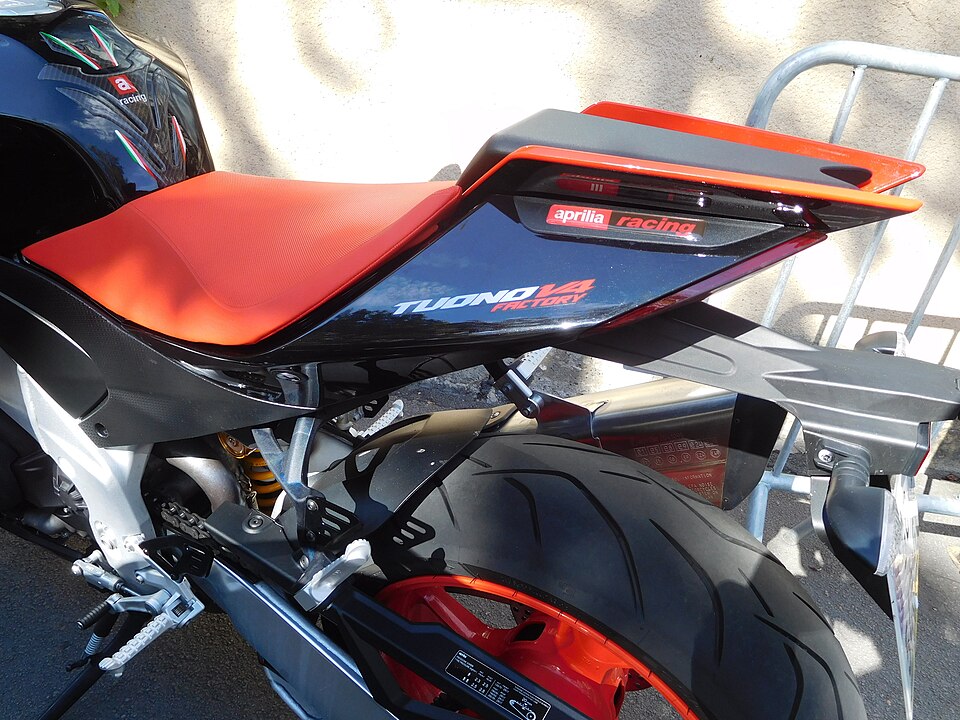
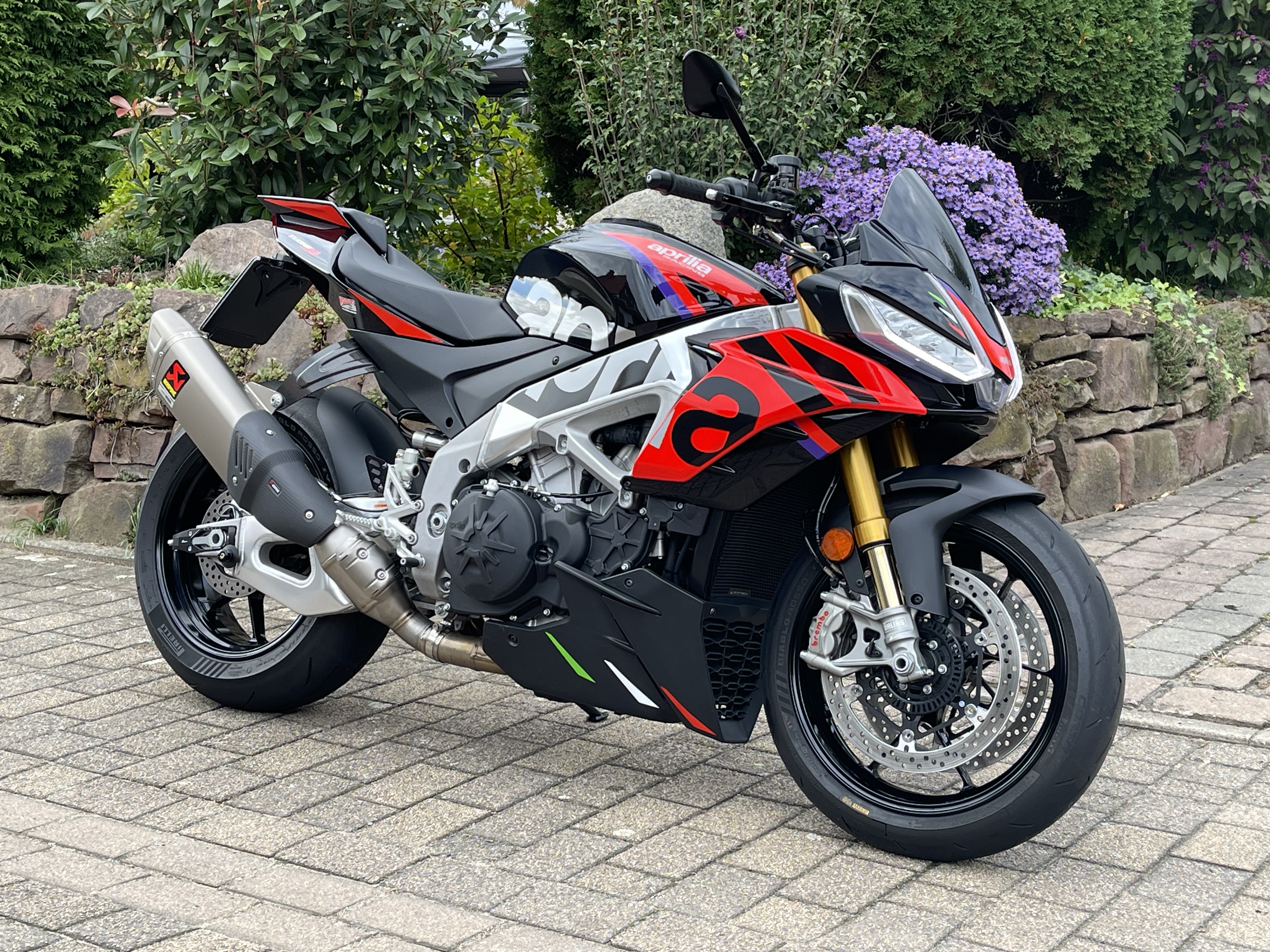
Variants of the Aprilia Tuono V4
Same bike, different trim or year-range — pick the one matching the listing.
Top 10 Accessories
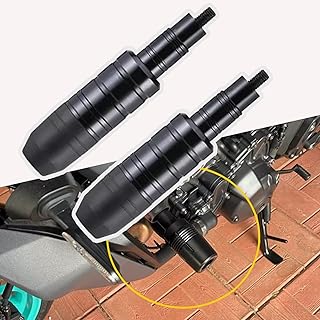
Curated picks for the Aprilia Tuono V4 — owned, ridden, recommended.


Common Problems
🔥 1 CRITICALBattery voltage at idle, flickering dash lights
Uneven idle, surging at low RPM
Inspect hose connections for residue or staining
Grabby engagement, chatter during downshifts
✅Pre-Purchase Checklist
Good if maintained, electrical gremlins watch out
Full Specifications
Rivals & Alternatives
Bikes that buyers cross-shop with the Aprilia Tuono V4
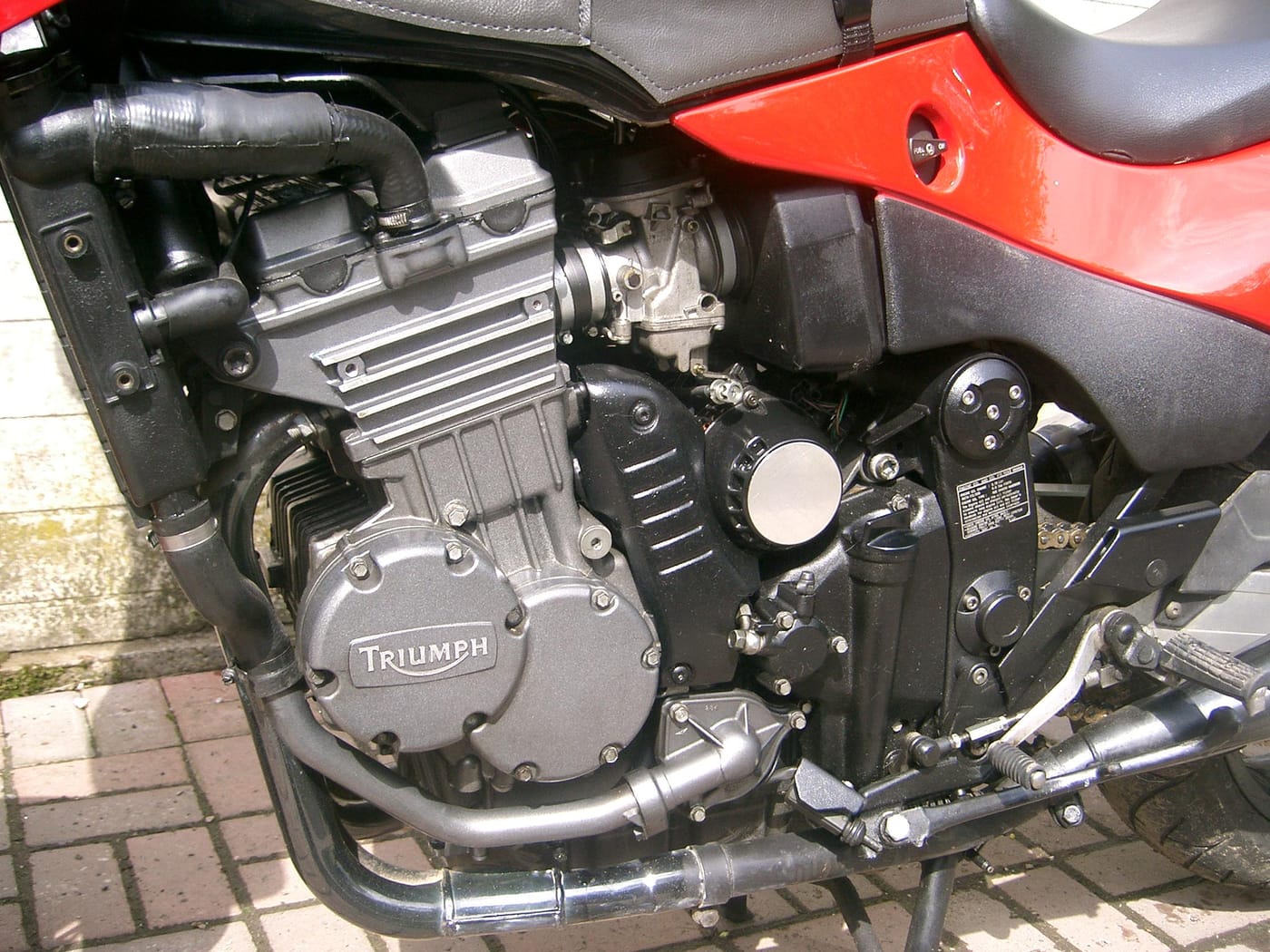
Triumph Speed Triple 1200
Ktm Super Duke 1290
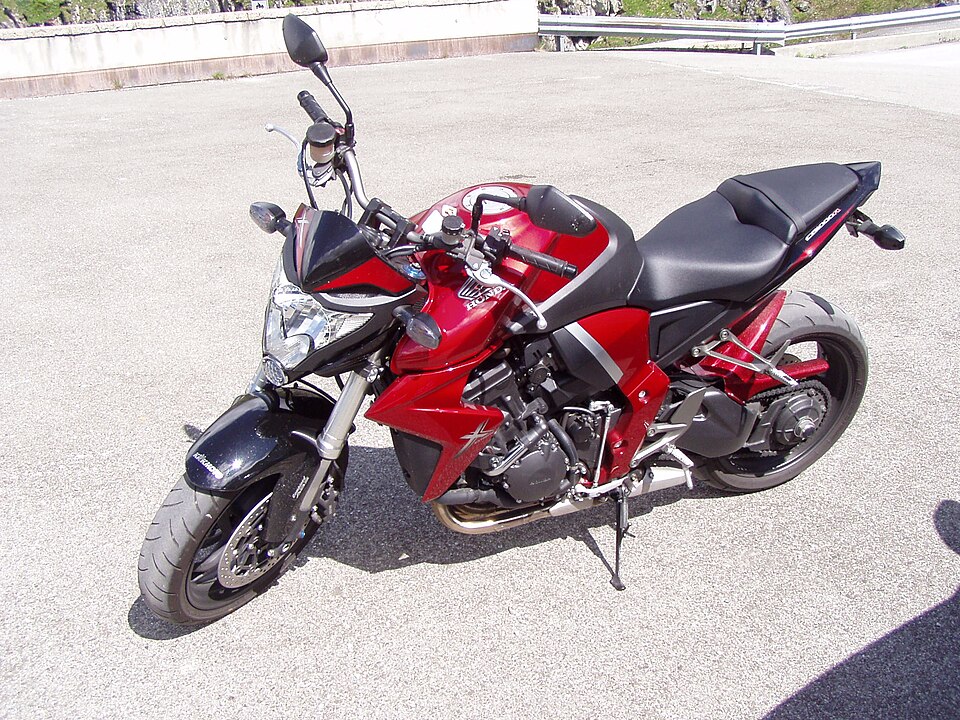
Honda Cb1000r
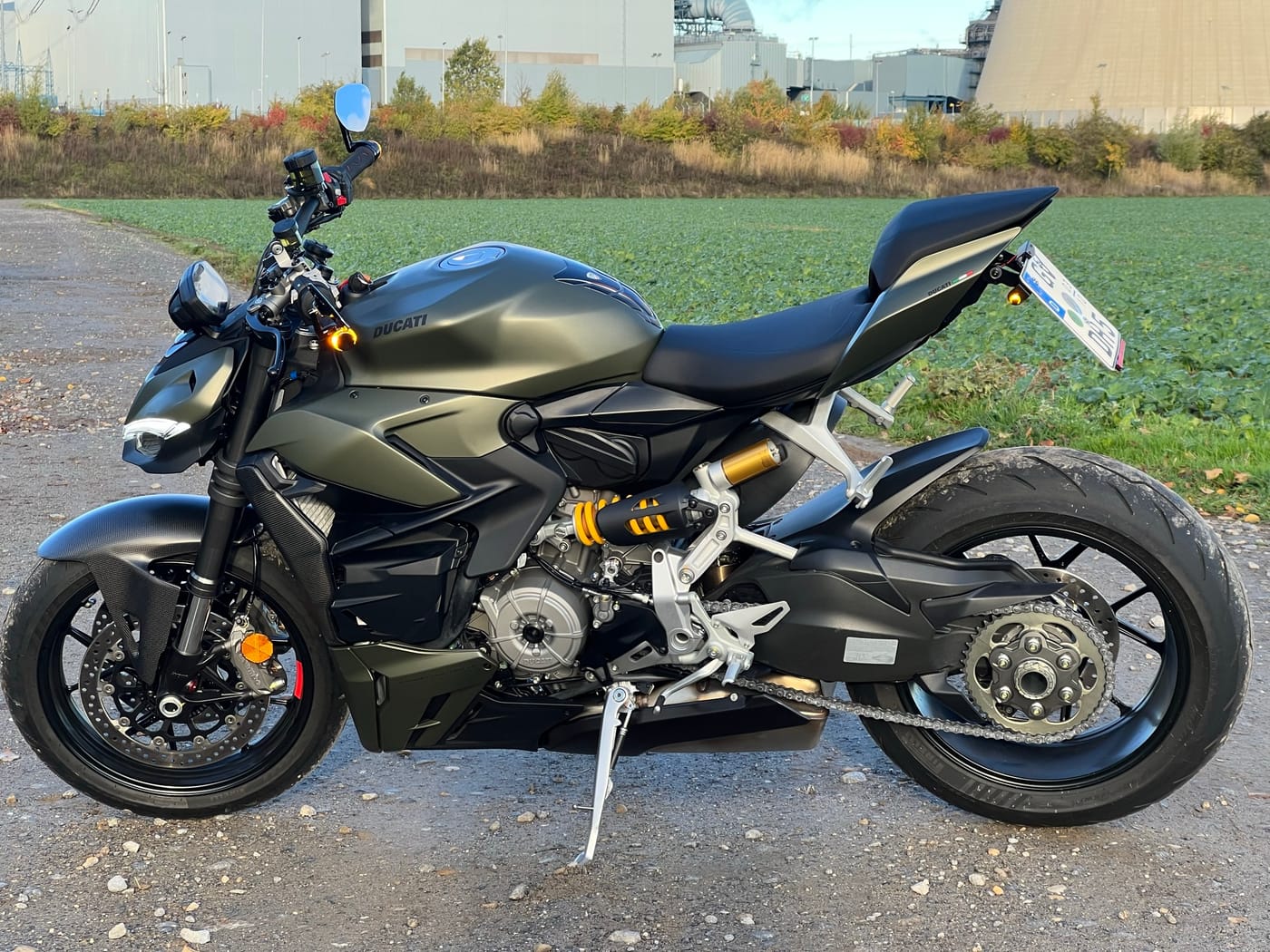
Ducati Streetfighter V4
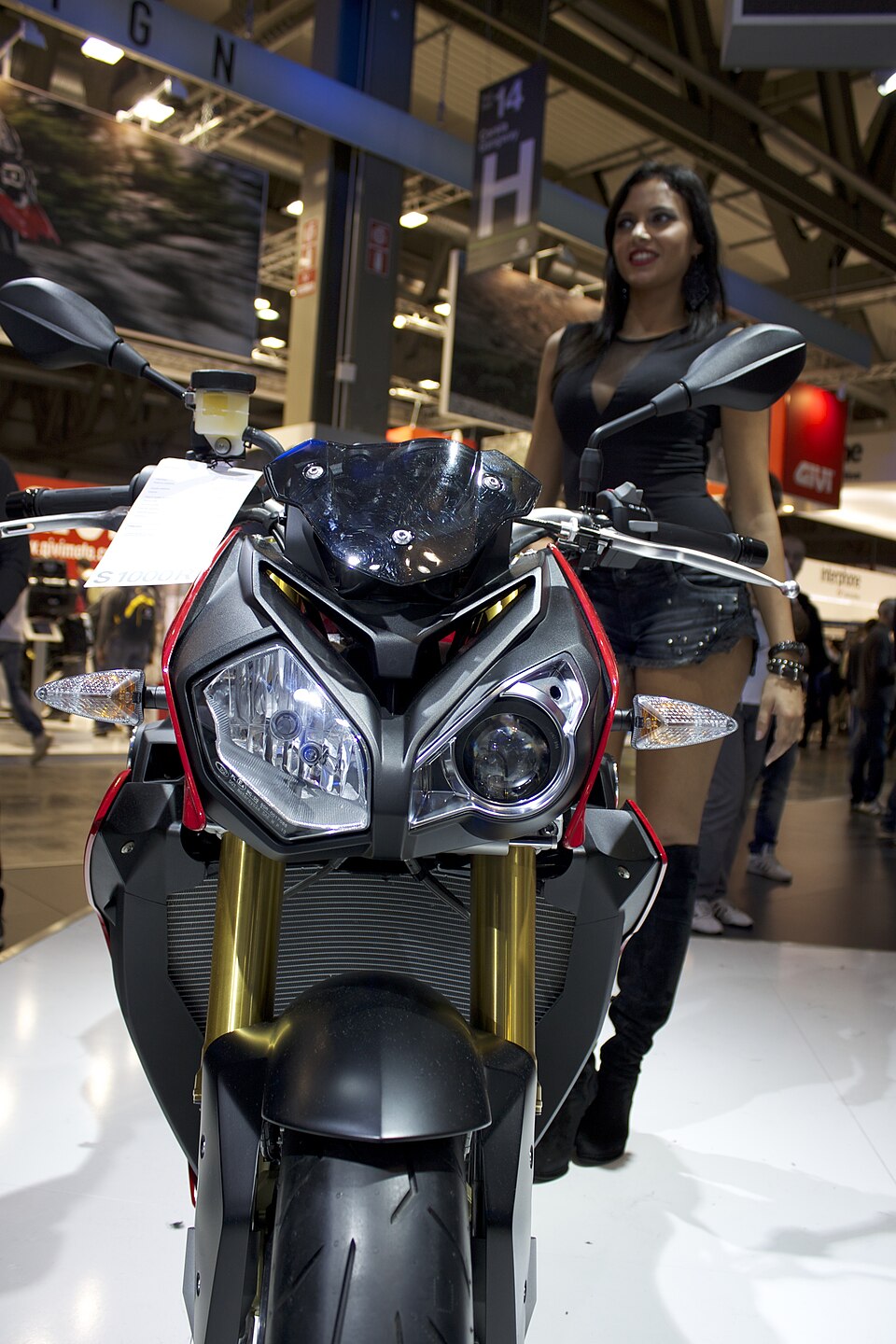
Bmw S 1000 R
Compare Aprilia Tuono V4 Side-by-Side
compare_arrowsSpecs, power, weight & buyer verdict — head-to-head with the bikes most often cross-shopped.
Aprilia Tuono V4 vs Triumph Speed Triple 1200
Specs · Power · Buyer verdict
Aprilia Tuono V4 vs Ktm Super Duke 1290
Specs · Power · Buyer verdict
Aprilia Tuono V4 vs Honda Cb1000r
Specs · Power · Buyer verdict
Aprilia Tuono V4 vs Ducati Streetfighter V4
Specs · Power · Buyer verdict
Aprilia Tuono V4 vs Bmw S 1000 R
Specs · Power · Buyer verdict
More Aprilia Tuono V4 Guides
More from Aprilia
View all Aprilia models →Community Reviews
Discussion
Frequently Asked Questions
What are common problems with the Aprilia Tuono V4? +
Stator/charging system failure: Battery voltage at idle, flickering dash lights (serious) | Throttle body sync issues causing rough idle: Uneven idle, surging at low RPM (moderate) | Coolant hose leaks near radiator: Inspect hose connections for residue or staining (moderate)
Is the Aprilia Tuono V4 a good motorcycle? +
The best used supernaked available, if you budget honestly. Rating: 8.5/10. Best for: Experienced riders wanting exotic performance cheaply. Avoid if: You want cheap, reliable, hassle-free transport.
What is the horsepower of the Aprilia Tuono V4? +
The Aprilia Tuono V4 produces 175 hp @ 11,000 rpm (2021+ model; earlier 2011-2016 models produced ~167 hp), with 121 Nm @ 9,000 rpm of torque. Top speed: 270 km/h (estimated; manufacturer does not officially publish top speed).
Is the Aprilia Tuono V4 good for beginners? +
Yes — the Aprilia Tuono V4 is a reasonable choice for new riders (175 hp is manageable), weighing 209 kg. Experienced riders wanting exotic performance cheaply
Is the Aprilia Tuono V4 reliable? +
Owners report 1 critical issue to watch for on the Aprilia Tuono V4, notably: Stator/charging system failure (Battery voltage at idle, flickering dash lights). Buy with a pre-purchase inspection.
Is the Aprilia Tuono V4 good for daily use? +
Experienced riders wanting exotic performance cheaply Fuel: 7.5 L/100km (approximately 13.3 km/L, typical real-world average).
How fast is the Aprilia Tuono V4? +
The Aprilia Tuono V4 reaches a top speed of 270 km/h (estimated; manufacturer does not officially publish top speed), producing 175 hp at 209 kg curb weight. Real-world performance depends on rider weight, gearing, and road conditions.
What gear should I buy for a Aprilia Tuono V4? +
Motoryk has curated a Top 10 gear list specifically for the Aprilia Tuono V4, covering engine oil, tires, chain, battery, and brake pads — see motoryk.com/bikes/aprilia/tuono-v4/top10. Each pick is matched to this bike's spec.