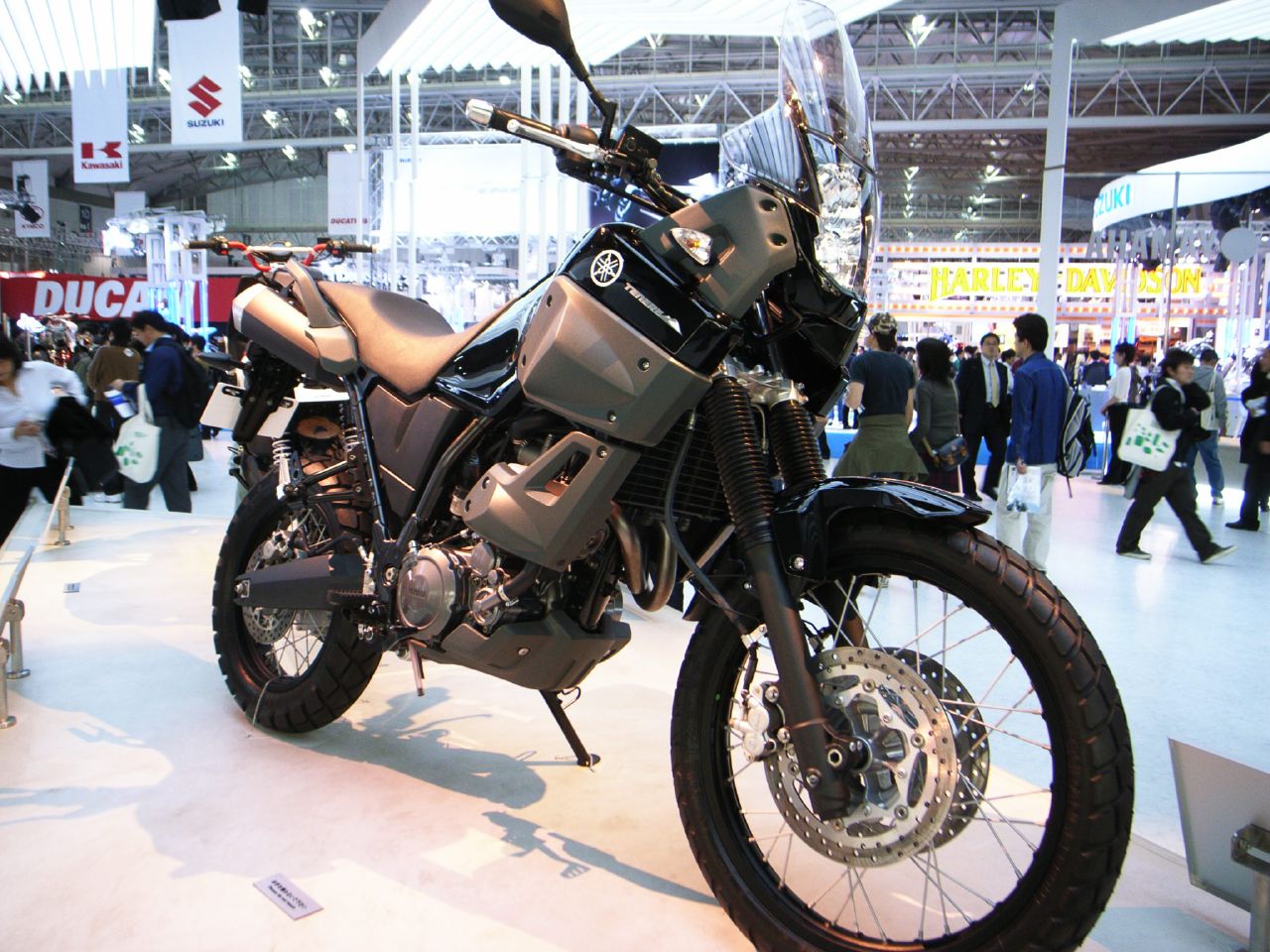
Yamaha Xt 660
The Yamaha Xt 660 has a top speed of 165 km/h, produces 48 hp and weighs 179 kg. Motoryk rates it 7.5/10.
La Yamaha XT660R se presentó en 2004 como sucesora de la longeva serie XT600, con un motor monocilíndrico modernizado y un chasis actualizado para competir en el segmento de deportes duales. Se ofrecía en dos variantes: la XT660R (enduro/dual-sport) y la XT660X (supermoto), ambas con la misma plataforma de motor principal. El modelo ganó popularidad por su confiabilidad, bajos costos de mantenimiento y versatilidad, y se mantuvo en producción prácticamente sin cambios hasta alrededor de 2016-2017.
48 hp
Potencia
60 Nm
Torsión
179 kg
Peso
165 km/h
Velocidad máxima
4.5 L/100km (approx. 22 km/L typical real-world average)
Combustible
Desnudo
Cuerpo
🔧 Service Schedule & Parts
Affiliate · we may earn| Service item | Every | Typical cost | Parts |
|---|---|---|---|
| 🛢️ Engine oil + oil filter | 6,000 km / 3,500 mi or 12 mo | $40-80 | 🛢️ Buy → ⚙️ Buy → |
| 🌬️ Air filter | 12,000 km / 7,500 mi | — | 🌬️ Buy → |
| ⚡ Spark plugs | 12,000 km / 7,500 mi | — | ⚡ Buy → |
| 🔧 Valve clearance check | 24,000 km / 15,000 mi | $150-350 | |
| 🔗 Chain & sprockets | 20000-35000 km (replace) | $120-250 | 🔗 Buy → |
| 🛑 Brake pads | 15000-25000 km | $30-60 | 🛑 Buy → |
| 💧 Brake fluid | 24,000 km / 15,000 mi or 2 yr | — | |
| 🧊 Coolant | 24,000 km / 15,000 mi | — | |
| 🛞 Tires | 15000-25000 km | $200-400 | 🛞 Buy → |
| 🔩 Major service | 24,000 km / 15,000 mi | $250-500 |
Video Review

Lo que los compradores deben saber
Rock-Solid Engine Reliability
The XT660's single-cylinder 660cc engine is renowned for longevity, often exceeding 100,000 km with basic maintenance. It shares DNA with Yamaha's proven XT lineage, making parts widely available and affordable.
Watch the Cooling System
The XT660R/X models can run hot in heavy city traffic, so inspect the radiator and coolant hoses carefully on used bikes. Overheating issues are common when the cooling system is neglected.
Strong Resale Value
The XT660 holds its value exceptionally well due to its dual-sport versatility and cult following among adventure riders. A well-maintained example typically retains 60-70% of its value after five years.
Generaciones y especificaciones por año
Modelo de una sola generación; motor monocilíndrico de 659 cc, lanzado simultáneamente como variantes XT660R (doble deporte) y XT660X (supermoto).
"Golpe a prueba de balas que premia la paciencia por encima de la velocidad."
El 660 single arranca con fuerza desde las 3000 rpm con ese sonido sordo satisfactorio que tanto amas como si odias, y en las carreteras B se siente realmente rápido a pesar de los modestos 48 caballos de fuerza. Recorrí 40 000 km recorriendo España y Marruecos y el motor nunca tuvo más problemas: cambié el aceite, comprobé las válvulas, listo. Sin embargo, los puntos débiles son reales: ese asiento de banco se convierte en una tortura después de dos horas, el repostaje puede aumentar de forma molesta a toda velocidad en la ciudad, y los 870 mm de altura del sillín hacen que los ciclistas más bajos bailen de puntillas en los semáforos. La versión XT660R se empapa de pistas de tierra con una compostura razonable, pero no te engañes pensando que sustituirá a una bicicleta de enduro de verdad una vez que la pista se torna técnica.
Pros
Contras
Reseña de un comprador usado
"A dependable workhorse that rewards sensible buyers willing to inspect carefully."
$3,500-$6,500 usedThe XT660 is one of those bikes that quietly gets the job done without any drama. Yamaha built these things like tanks — the 660cc single thumps along reliably for years if the previous owner wasn't an idiot about oil changes. Check the valve clearances first thing, because they get neglected and a tight valve will ruin your day faster than anything else. The fuel tap O-rings are a known weak point too, so smell the airbox before you hand over cash. Riding it honestly? It's not exciting. The single-cylinder character is satisfying in a workhorse way, but don't expect it to set your pulse racing on a Sunday blast. It handles competently, sits upright and comfortable, and will genuinely do light trails if you're not being stupid about it. The Z model with spoked wheels is the one to hunt for used — far more versatile than the cast-wheel version. Prices have crept up because reliability reputation travels. Don't overpay for high-mileage examples — these aren't rare, patient shopping rewards you.
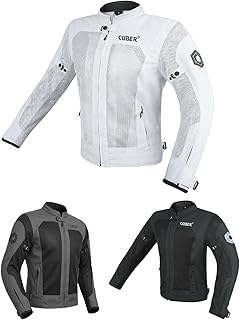
Top 10 Accessories
Curated picks for the Yamaha Xt 660 — owned, ridden, recommended.




Problemas comunes
🔥 1 CRITICALListen for ticking noise on cold start
Inspect welds and joints for cracks or soot
Test idle stability and throttle response
Look for oil residue below fork tubes
✅Lista de verificación previa a la compra
Solid thumper, reliable with basic maintenance
Full Specifications
Rivals & Alternatives
Bikes that buyers cross-shop with the Yamaha Xt 660
Compare Yamaha Xt 660 Side-by-Side
compare_arrowsSpecs, power, weight & buyer verdict — head-to-head with the bikes most often cross-shopped.
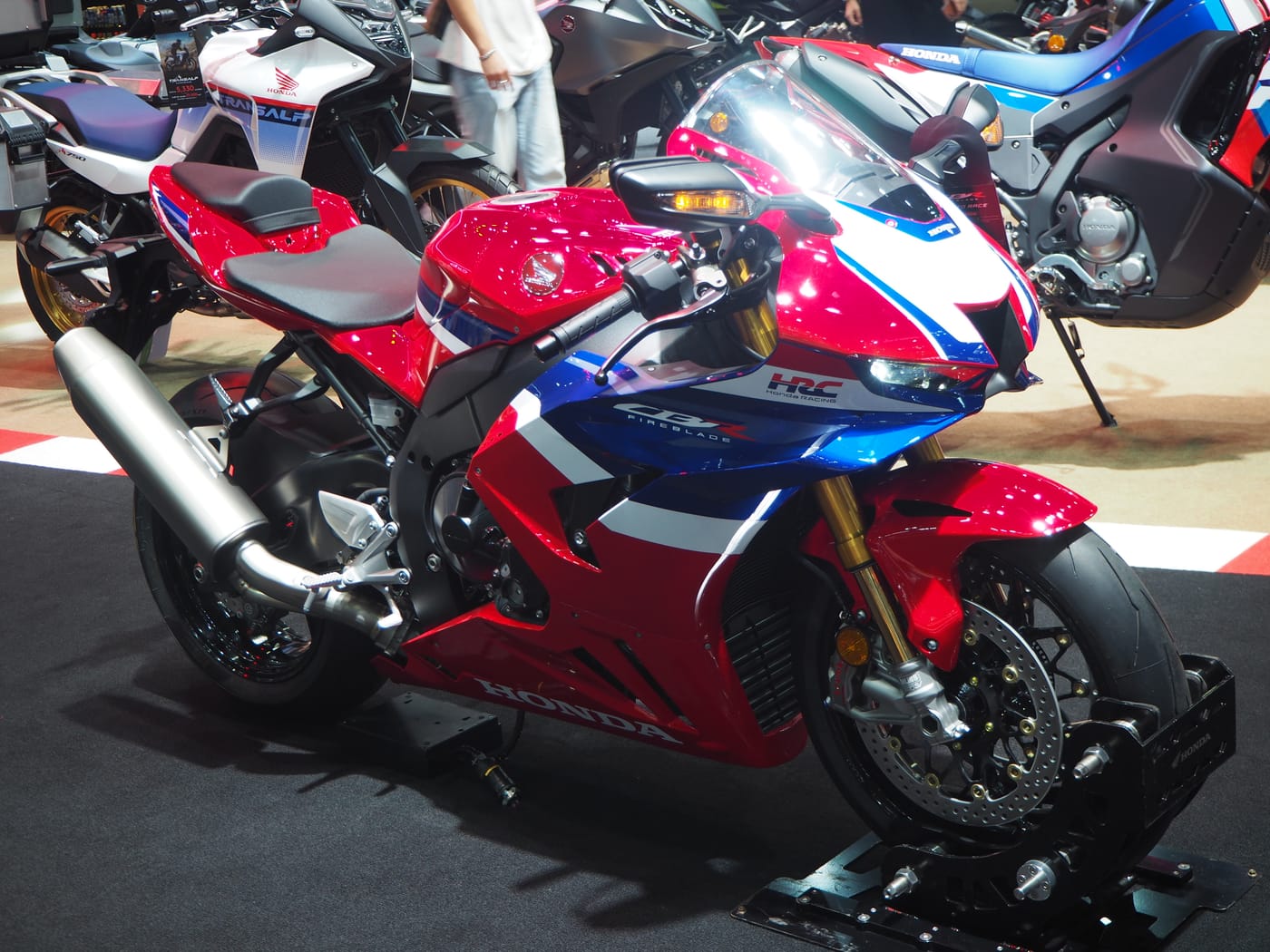
Yamaha Xt 660 vs Honda Xr650l
Specs · Power · Buyer verdict
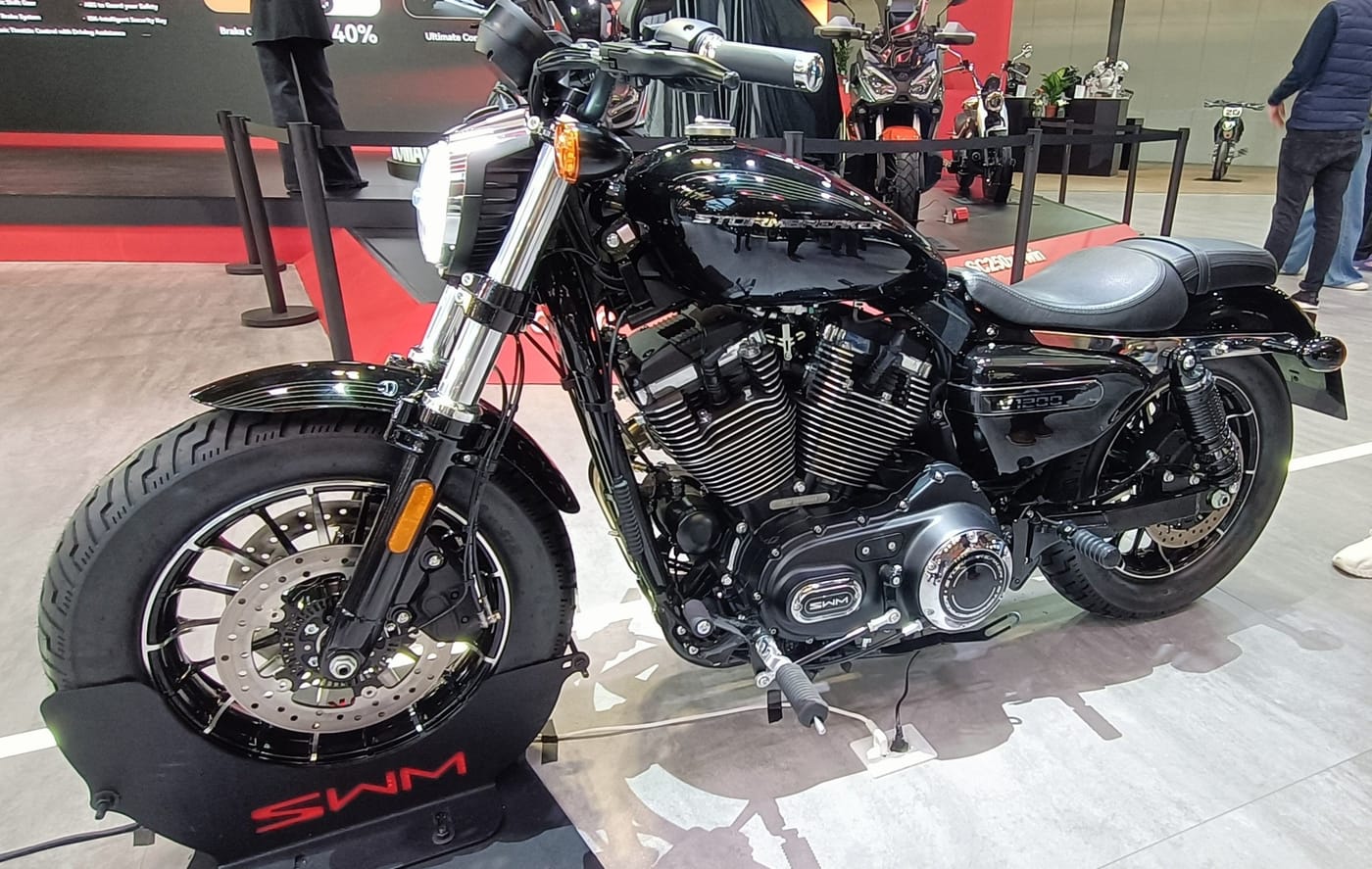
Yamaha Xt 660 vs Swm Superdual 650
Specs · Power · Buyer verdict
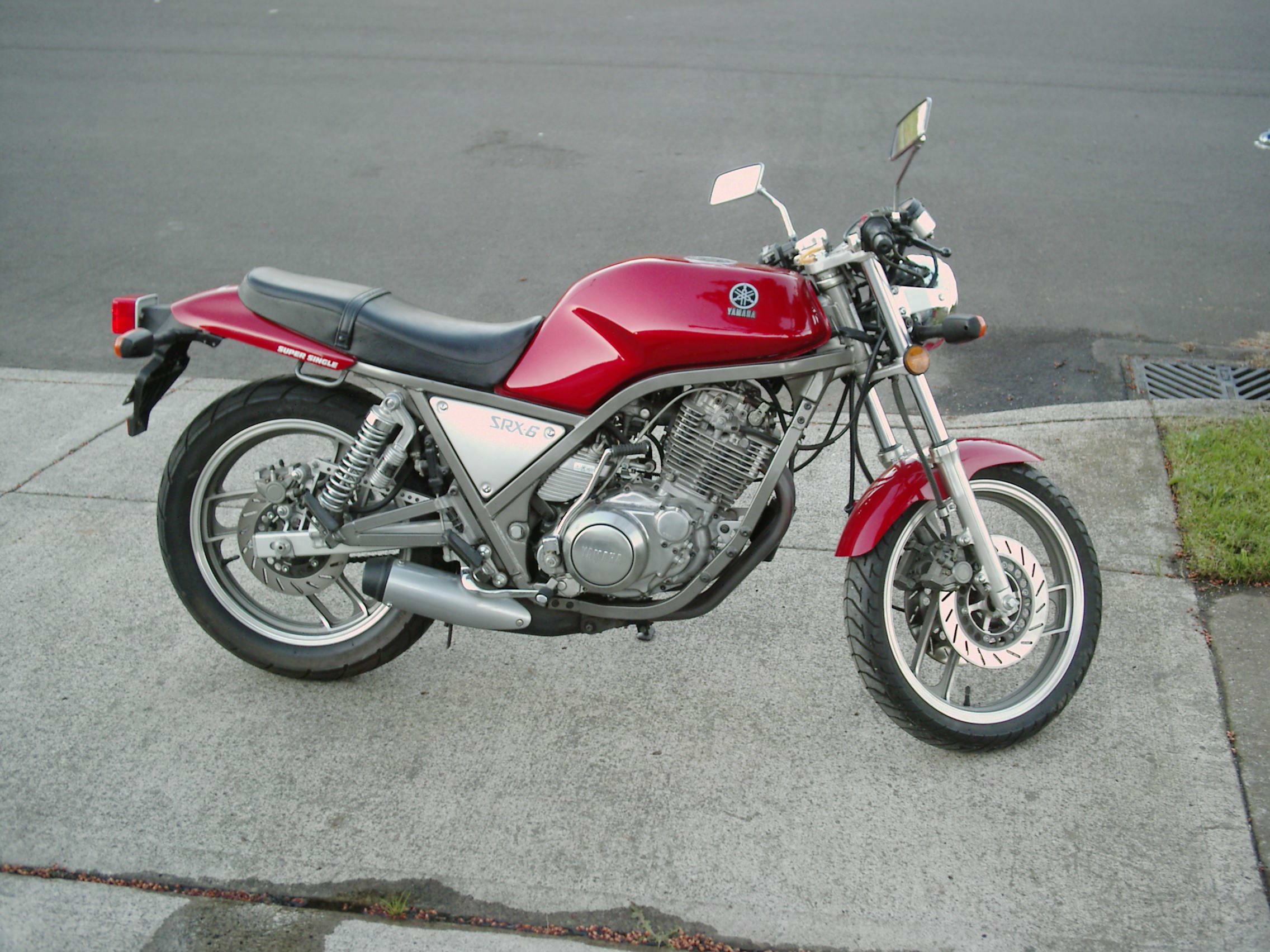
Yamaha Xt 660 vs Yamaha Xt600
Specs · Power · Buyer verdict
Yamaha Xt 660 vs Yamaha Xt660r
Specs · Power · Buyer verdict
More Yamaha Xt 660 Guides
More from Yamaha
View all Yamaha models →Community Reviews
Discussion
Frequently Asked Questions
What are common problems with the Yamaha Xt 660? +
Cam chain tensioner rattle on startup: Listen for ticking noise on cold start (moderate) | Cracked or warped exhaust header pipe: Inspect welds and joints for cracks or soot (moderate) | Throttle position sensor failure causing rough idle: Test idle stability and throttle response (serious)
Is the Yamaha Xt 660 a good motorcycle? +
A dependable workhorse that rewards sensible buyers willing to inspect carefully. Rating: 7.5/10. Best for: Commuters and light adventure riders wanting reliability. Avoid if: You want thrills or serious off-road capability.
What is the horsepower of the Yamaha Xt 660? +
The Yamaha Xt 660 produces 48 hp @ 6,000 rpm, with 60 Nm @ 5,250 rpm of torque. Top speed: 165 km/h.
Is the Yamaha Xt 660 good for beginners? +
Yes — the Yamaha Xt 660 is a reasonable choice for new riders (48 hp is manageable), weighing 179 kg. Commuters and light adventure riders wanting reliability
Is the Yamaha Xt 660 reliable? +
Owners report 1 critical issue to watch for on the Yamaha Xt 660, notably: Throttle position sensor failure causing rough idle (Test idle stability and throttle response). Buy with a pre-purchase inspection.
Is the Yamaha Xt 660 good for daily use? +
Commuters and light adventure riders wanting reliability Fuel: 4.5 L/100km (approx. 22 km/L typical real-world average).
How fast is the Yamaha Xt 660? +
The Yamaha Xt 660 reaches a top speed of 165 km/h, producing 48 hp at 179 kg curb weight. Real-world performance depends on rider weight, gearing, and road conditions.
What gear should I buy for a Yamaha Xt 660? +
Motoryk has curated a Top 10 gear list specifically for the Yamaha Xt 660, covering engine oil, tires, chain, battery, and brake pads — see motoryk.com/bikes/yamaha/xt-660/top10. Each pick is matched to this bike's spec.