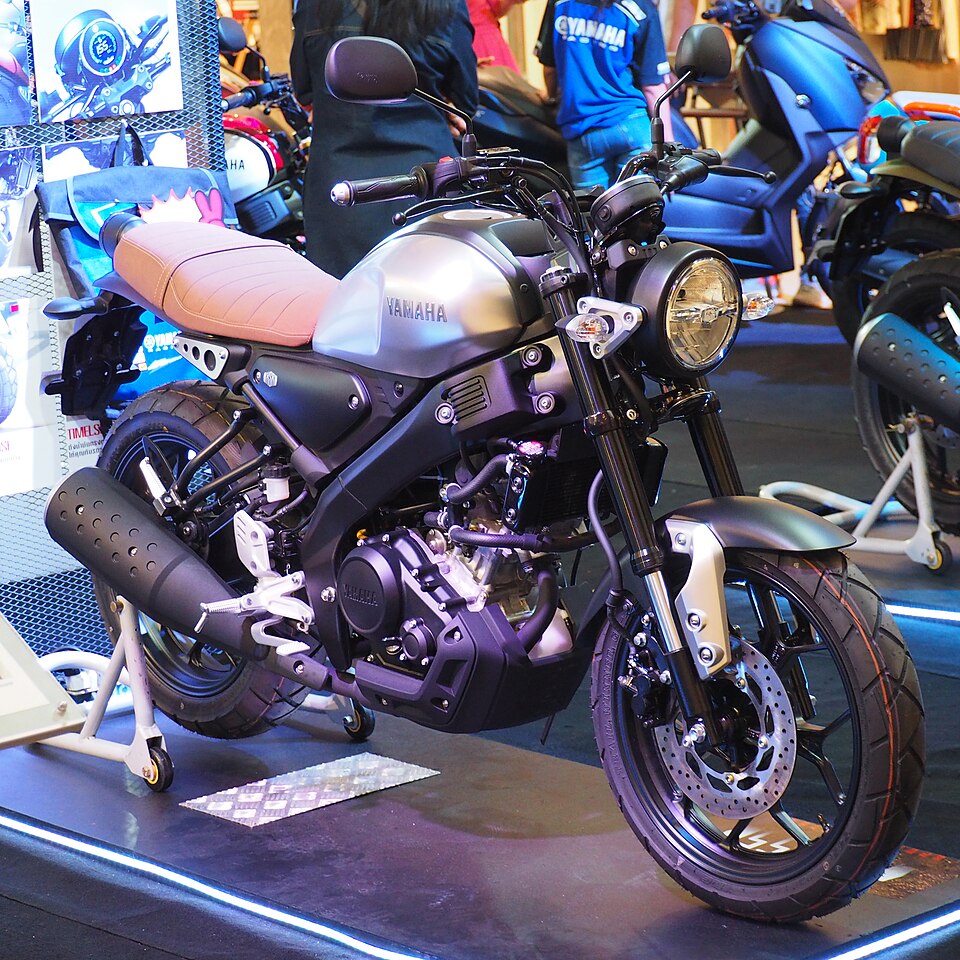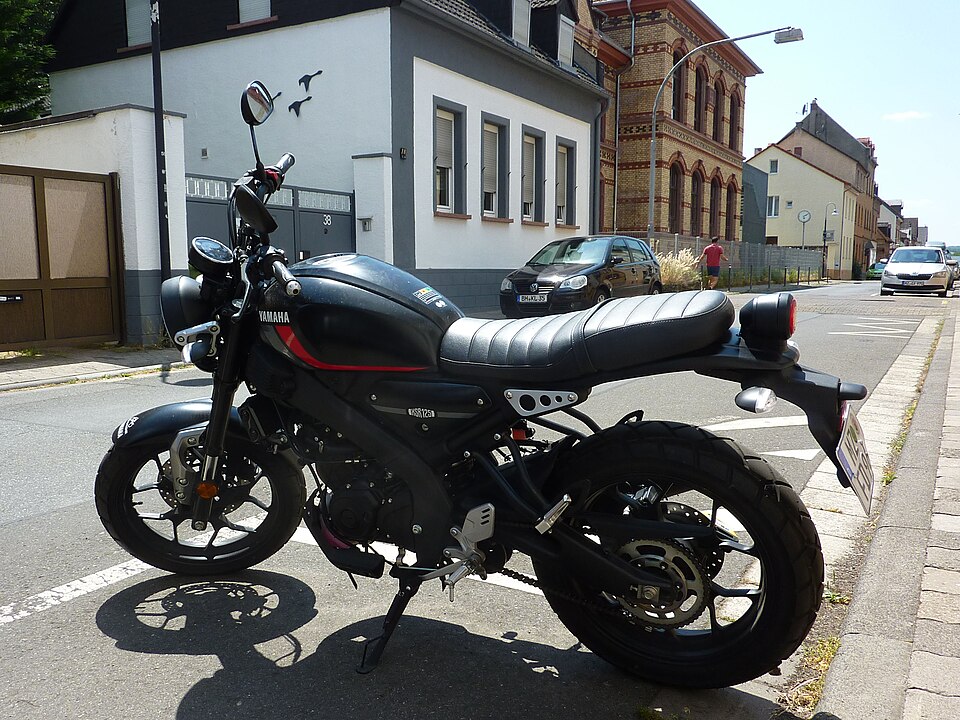
Yamaha Sr400
The Yamaha Sr400 has a top speed of 145 km/h, produces 24 hp and weighs 175 kg. Motoryk rates it 7.5/10.
Der Yamaha SR400 wurde 1978 als einfacher, leichter Einzylinder-Roadster vorgestellt, der von klassischen britischen Stoßfängern inspiriert war. Sein Charakter blieb während seiner gesamten Produktion weitgehend unverändert. Er wurde in einigen Märkten nicht mehr angeboten, aber 2010 mit zusätzlicher Kraftstoffeinspritzung wiederbelebt, um die Emissionsstandards zu erfüllen. Er wurde zu einem Kultklassiker, der für sein minimalistisches Design und die reine Kickstart-Bedienung beliebt ist. Die SR400 zeichnet sich durch ihre außergewöhnliche Langlebigkeit und zeitlose Ästhetik aus und ist damit weltweit ein Eckpfeiler der Cafe-Racer- und Custom-Motorradkultur.
24 hp
Leistung
28 Nm
Drehmoment
175 kg
Gewicht
145 km/h
Höchstgeschwindigkeit
2.7 L/100km (approximately 37 km/L)
Treibstoff
Nackt
Körper
🔧 Service Schedule & Parts
Affiliate · we may earn| Service item | Every | Typical cost | Parts |
|---|---|---|---|
| 🛢️ Engine oil + oil filter | 3,000 km / 2,000 mi or 6 mo | $30-60 | 🛢️ Buy → ⚙️ Buy → |
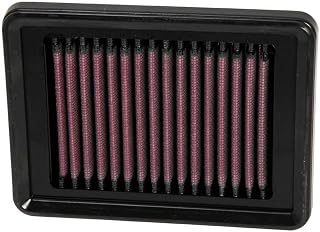
| 🌬️ Air filter | 6,000 km / 3,500 mi | — | 🌬️ Buy → |
| ⚡ Spark plugs | 6,000 km / 3,500 mi | — | ⚡ Buy → |
| 🔧 Valve clearance check | 12,000 km / 7,500 mi | $150-300 | |
| 🔗 Chain & sprockets | 20000-35000 km (replace) | $120-250 | 🔗 Buy → |
| 🛑 Brake pads | 15000-25000 km | $25-50 | 🛑 Buy → |
| 💧 Brake fluid | 24,000 km / 15,000 mi or 2 yr | — | |
| 🛞 Tires | 10000-18000 km | $150-300 | 🛞 Buy → |
| 🔩 Major service | 12,000 km / 7,500 mi | $200-450 |
Video Review
Was Käufer wissen sollten
Kick-Start Only Engine
The SR400 uses a traditional kick-starter with a decompression lever, requiring a learned technique to start reliably. Once mastered, the air-cooled 399cc single is famously durable and simple to maintain.
Strong Resale Value
The SR400 holds its value exceptionally well due to its cult following and retro appeal, often selling used for close to original MSRP. Limited US availability (2014–2016 import window) makes clean examples especially sought after.
Watch for Carburetor Issues
Bikes left sitting often develop clogged carburetors from stale fuel, a common issue on used examples. Always inspect for smooth throttle response and ask about storage history before buying.
Generationen und Spezifikationen nach Jahr
Der originale SR400 wurde mit luftgekühltem Einzylinder-SOHC-Motor, Trommelvorderradbremse und klassischem Design auf den Markt gebracht.
"Ehrliche, charaktervolle Single, die geduldige, fähige Fahrer belohnt."
Der SR400 schlägt zurück, wenn Sie ihn nicht respektieren — im wahrsten Sinne des Wortes. Wenn Sie die Hebelfolge des Dekompressors festnageln, feuert er mit einem befriedigenden Schlag. Wenn Sie es verpfuschen, zahlt Ihr Schienbein den Preis, ein Ritual, das Sie entweder an das Fahrrad bindet oder Sie kaputt macht. Einmal rollt das drehmomentstarke, gemächliche Einzelrad sauber aus niedrigen Drehzahlen mit einer mechanischen Intimität, die man von einer Mehrzylinder-Maschine einfach nicht bekommt, obwohl 27 Pferdestärken bedeuten, dass Autobahnüberholmanöver Planung erfordern, nicht Impuls. Die Trommel-Vorderradbremse ist in der Stadt ausreichend, vermittelt aber bei einem harten Stopp kein Selbstvertrauen, und bei 174 kg Nässe ist sie schwerer als sie aussieht, was neue Fahrer bei Geschwindigkeiten auf dem Parkplatz überrascht. Dennoch sorgen die schmale, aufrechte Sitzposition, die einfache Rahmengeometrie und der markante Auspuffsound dafür, dass sich jede kurze bis mittlere Fahrt bewusst und lohnend anfühlt, auf eine Weise, die moderne Singles mit Kraftstoffeinspritzung nicht ganz replizieren können.
Profis
Nachteile
Vordere Scheibenbremse eingeführt, kleinere Aktualisierungen im Laufe der Produktion, Markt hauptsächlich in Japan.
"Ehrliche, gemächliche Einfachheit, die einem tatsächlich etwas beibringt."
Als ich zwei Jahre lang mit dem Gen 2 SR400 im Verkehr in Tokio gelebt habe, habe ich mehr über Gassteuerung gelernt als jedes andere Fahrrad, das ich besaß — dieses Kickstart-Ritual erzwingt Präsenz, ob man es will oder nicht. Die Frontscheibe war ein echtes Upgrade gegenüber der alten Trommel, aber verwechseln Sie sie nicht als vertrauenerweckend. Sie ist ausreichend, nicht stark und erfordert Planung bei allem, was über 80 km/h liegt. Die Drehmomentkurve des Thumpers ist ehrlich und schmal. Er zieht sauber zwischen 3.500 und 5.500 U/min, bevor ihm die Puste ausgeht, was bedeutet, dass die Autobahn überlebensfähig, aber nie bequem über 110 ist. Nach 30.000 km läuft ein wenig Öl aus, die Spiegel vibrieren, sodass sie nutzlos sind, und die Elektrik ist ungefähr so robust wie eine Budget-Uhr aus den 80ern — aber das hindert Sie nicht daran, sie jeden Tag fahren zu wollen.
Profis
Nachteile
Kraftstoffeinspritzung hinzugefügt, aktualisiert, um die Emissionsstandards zu erfüllen, Elektrostarter-Option weltweit eingeführt.
Weitere Aktualisierungen der Emissionsvorschriften, Euro 4 und japanische Inlandsstandards wurden erfüllt, subtile Verbesserungen.
Bewertung von gebrauchten Käufern
"A beautiful, rewarding machine — but only for committed, patient riders."
$4,500-$7,500 usedThe SR400 is a genuinely charming machine, but don't let the retro aesthetics fool you into ignoring what you're actually buying. This is a kickstart-only, carbureted single-cylinder from a different era, and that's both its greatest strength and its most significant commitment. Learning to kick it properly takes genuine technique — flood it once in traffic and you're pushing it to the kerb looking sheepish. Mechanically these things are bulletproof when maintained, but neglected examples are surprisingly common. Check the carb thoroughly — flat spots and rough idling usually mean a dirty pilot jet. The seat foam collapses quickly on older examples, turning any ride over an hour into genuine punishment. Cables, chain, and sprockets wear predictably but get ignored by owners who think minimal use means minimal maintenance. What you actually get for your money is legitimately beautiful styling, a peaky little motor that rewards rev-happy riding, and handling that's surprisingly competent despite the vintage suspension. It's honest, simple, and enormously satisfying when everything works right.
Top 10 Accessories
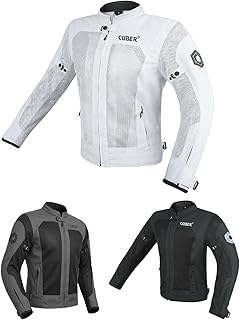
Curated picks for the Yamaha Sr400 — owned, ridden, recommended.






Häufig auftretende Probleme
🔥 2 CRITICALCold start behavior, idle quality, fuel petcock condition
Kick feel for sponginess, ratchet engagement consistency
Service history records, compression test result
Smell for fuel leaks, inspect lines visually
✅Checkliste vor dem Kauf
Bulletproof if maintained, fragile when neglected
Full Specifications
Rivals & Alternatives
Bikes that buyers cross-shop with the Yamaha Sr400
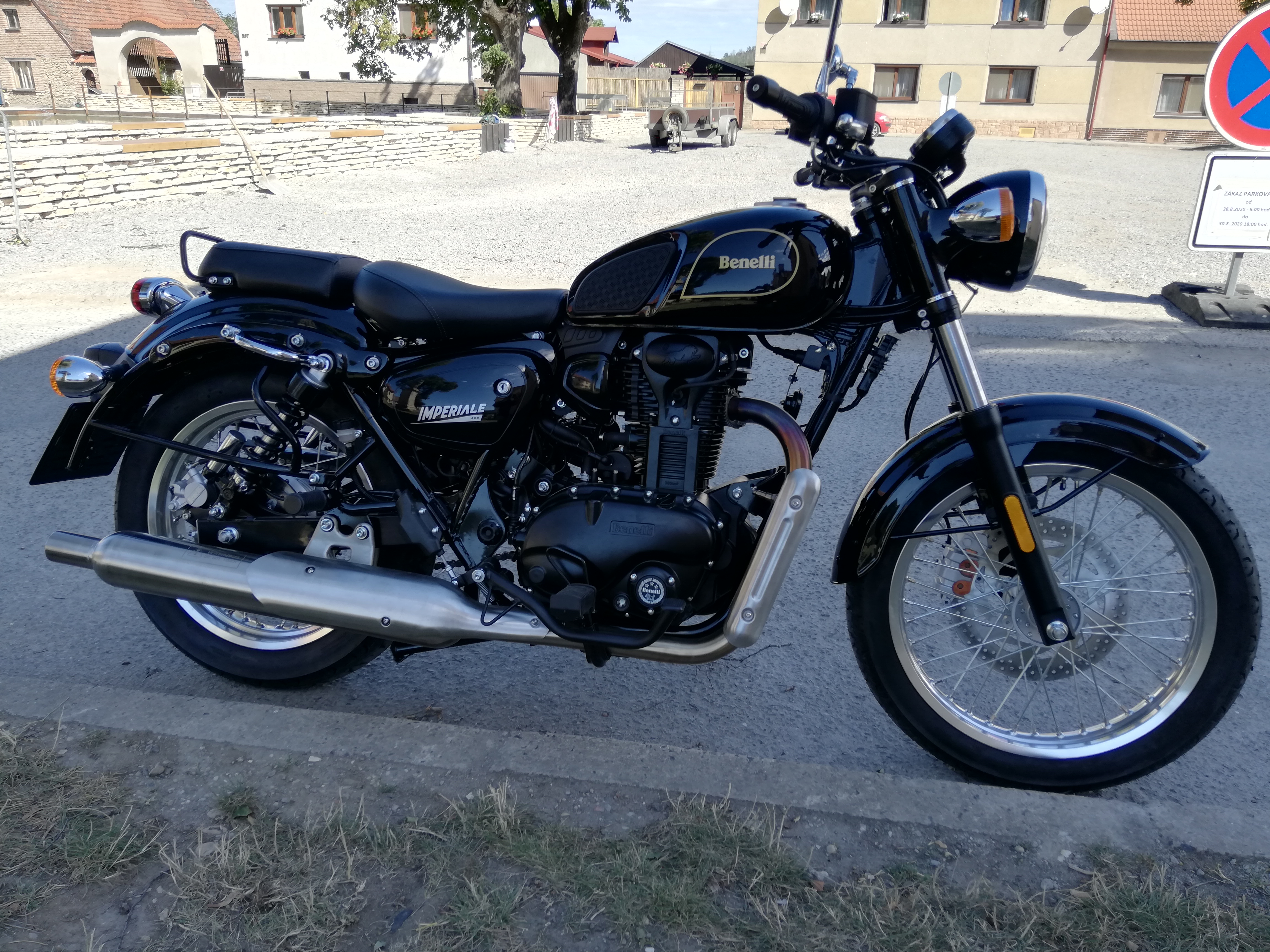
Benelli Imperiale 400
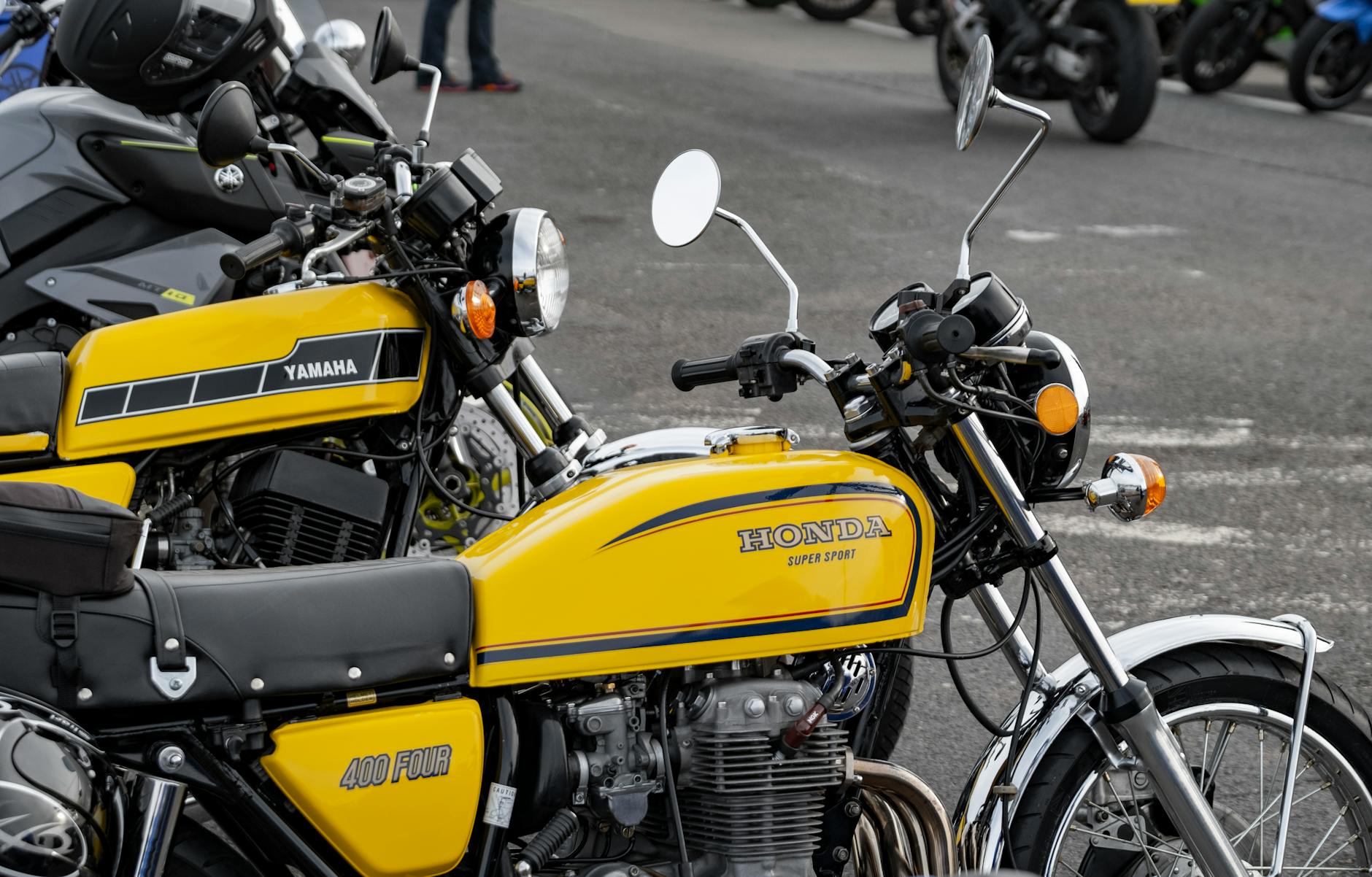
Honda Cb350h'ness
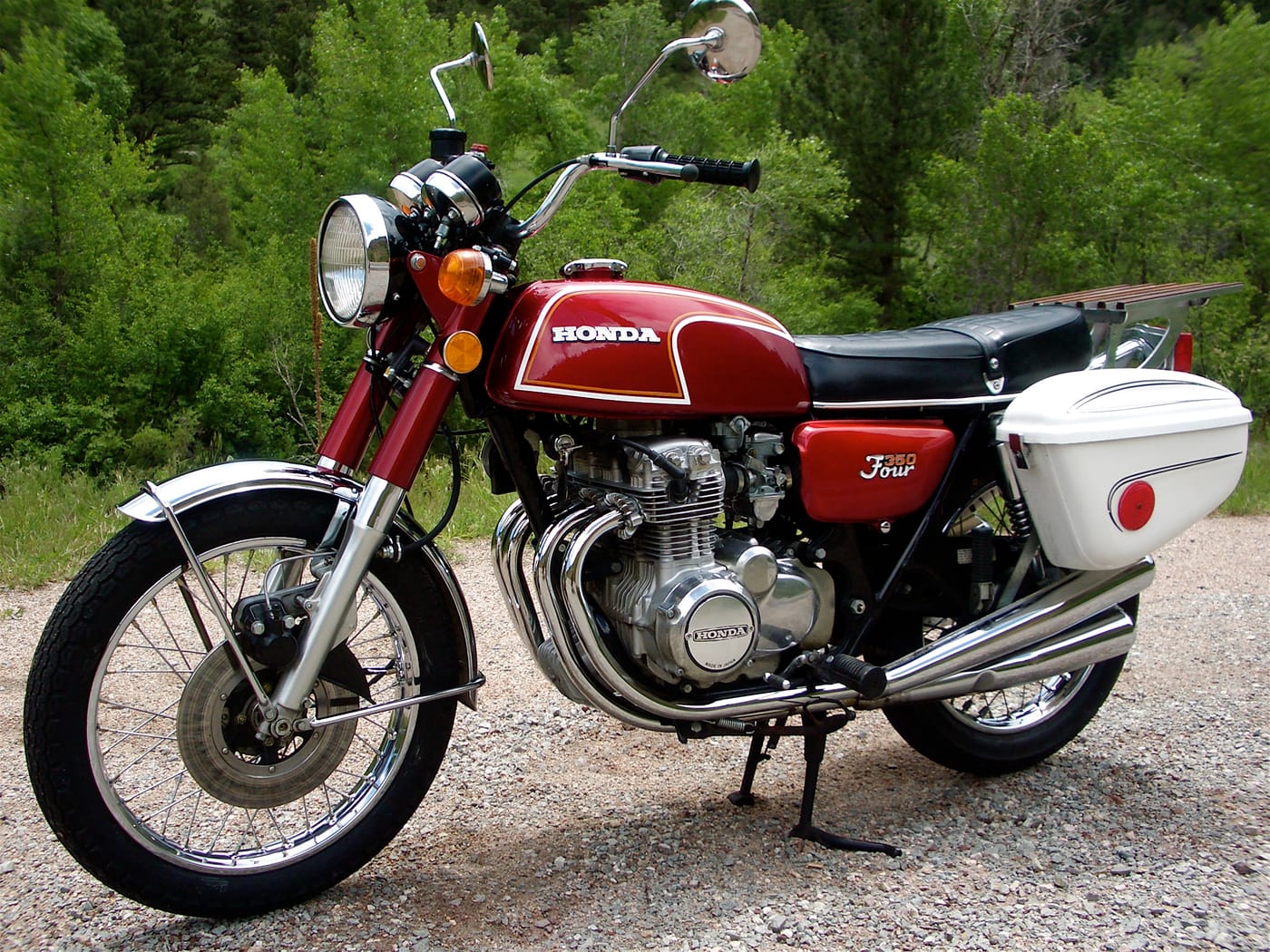
Honda Cb550
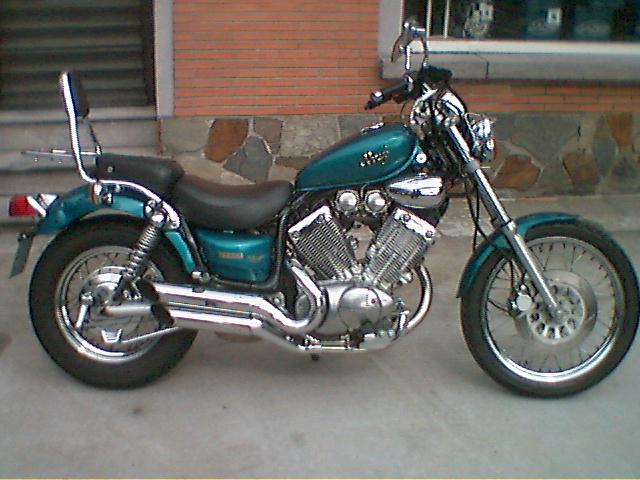
Yamaha Sr500
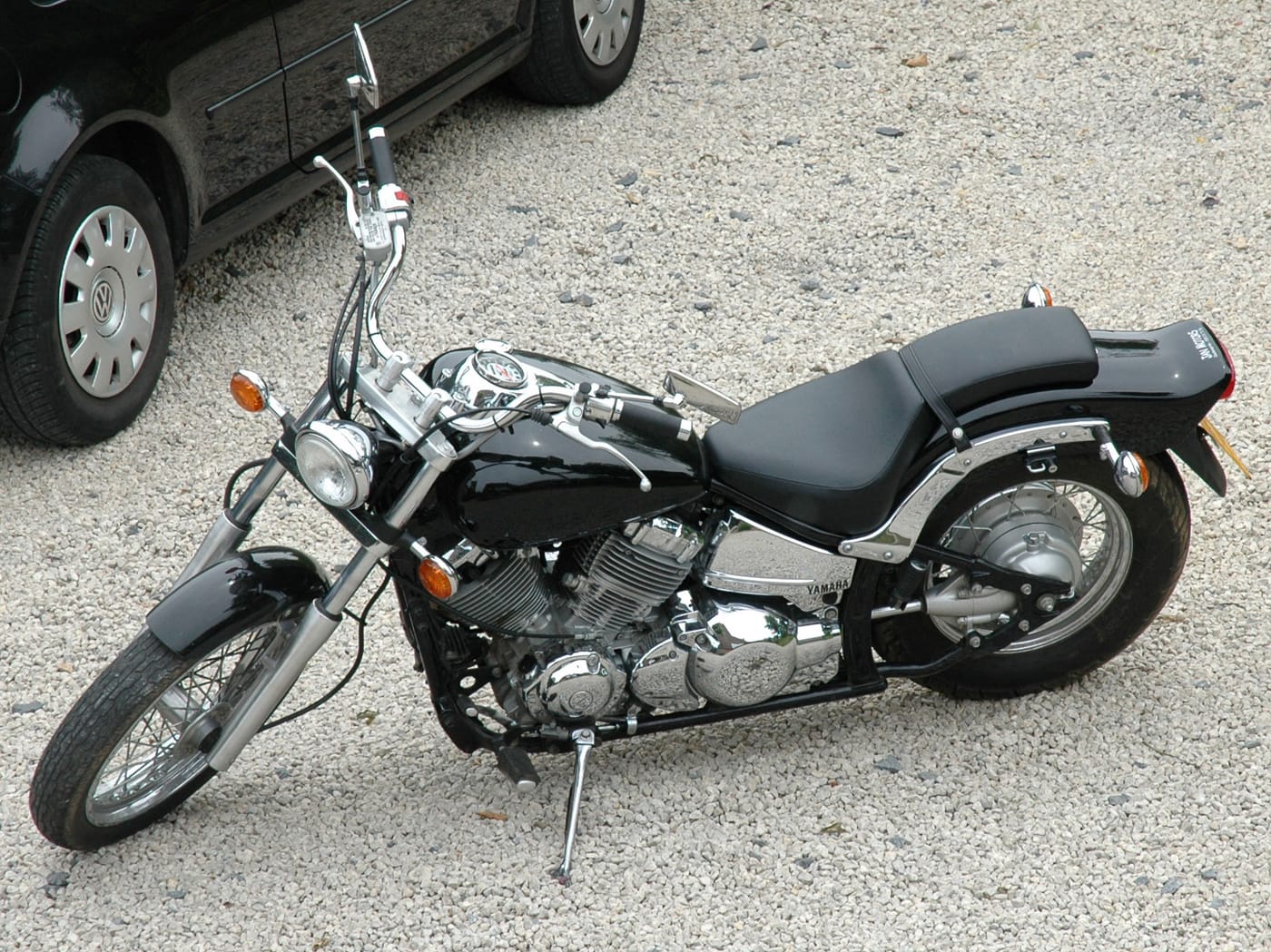
Yamaha Srx 600
Compare Yamaha Sr400 Side-by-Side
compare_arrowsSpecs, power, weight & buyer verdict — head-to-head with the bikes most often cross-shopped.
Yamaha Sr400 vs Benelli Imperiale 400
Specs · Power · Buyer verdict
Yamaha Sr400 vs Honda Cb350h'ness
Specs · Power · Buyer verdict
Yamaha Sr400 vs Honda Cb550
Specs · Power · Buyer verdict
Yamaha Sr400 vs Yamaha Sr500
Specs · Power · Buyer verdict
Yamaha Sr400 vs Yamaha Srx 600
Specs · Power · Buyer verdict
More Yamaha Sr400 Guides
More from Yamaha
View all Yamaha models →Community Reviews
Discussion
Frequently Asked Questions
What are common problems with the Yamaha Sr400? +
Carb gumming from ethanol fuel sitting: Cold start behavior, idle quality, fuel petcock condition (moderate) | Kickstart mechanism wear or slipping: Kick feel for sponginess, ratchet engagement consistency (moderate) | Valve clearance neglect causing hard starts: Service history records, compression test result (serious)
Is the Yamaha Sr400 a good motorcycle? +
A beautiful, rewarding machine — but only for committed, patient riders. Rating: 7.5/10. Best for: Urban riders wanting style and mechanical simplicity. Avoid if: You need reliable daily highway commuting sorted.
What is the horsepower of the Yamaha Sr400? +
The Yamaha Sr400 produces 24 hp @ 6,500 rpm, with 28 Nm @ 3,000 rpm of torque. Top speed: 145 km/h.
Is the Yamaha Sr400 good for beginners? +
Yes — the Yamaha Sr400 is a reasonable choice for new riders (24 hp is manageable), weighing 175 kg. Urban riders wanting style and mechanical simplicity
Is the Yamaha Sr400 reliable? +
Owners report 2 critical issues to watch for on the Yamaha Sr400, notably: Valve clearance neglect causing hard starts (Service history records, compression test result). Buy with a pre-purchase inspection.
Is the Yamaha Sr400 good for daily use? +
Urban riders wanting style and mechanical simplicity Fuel: 2.7 L/100km (approximately 37 km/L).
How fast is the Yamaha Sr400? +
The Yamaha Sr400 reaches a top speed of 145 km/h, producing 24 hp at 175 kg curb weight. Real-world performance depends on rider weight, gearing, and road conditions.
What gear should I buy for a Yamaha Sr400? +
Motoryk has curated a Top 10 gear list specifically for the Yamaha Sr400, covering engine oil, tires, chain, battery, and brake pads — see motoryk.com/bikes/yamaha/sr400/top10. Each pick is matched to this bike's spec.