Yamaha Fs1
The Yamaha Fs1 has a top speed of 45–50 km/h (stock; restricted to legal limits in most markets), produces ~1.5 hp and weighs ~59 kg. Motoryk rates it 7.5/10.
The Yamaha FS1 (also known as the FS1-E or 'Fizzie') was introduced in 1971 as a 49cc moped designed to comply with UK and European regulations allowing 16-year-olds to ride without a full motorcycle license. It became a cultural icon in the UK and Scandinavia throughout the 1970s, offering young riders their first taste of motorcycling. Its sporty styling, reliability, and tunability made it enormously popular and it is still celebrated as a classic moped today.
~1.5 hp
Power
~2.0 Nm
Torque
~59 kg
Weight
45–50 km/h (stock; restricted to legal limits in most markets)
Top Speed
Approximately 1.5–2.0 L/100km (50–65 km/L typical real-world average)
Fuel
Naked
Body
🔧 Service Schedule & Parts
Affiliate · we may earn| Service item | Every | Typical cost | Parts |
|---|---|---|---|
| 🛢️ Engine oil + oil filter | 1,000 km / 500 mi or 6 mo | $20-40 | 🛢️ Buy → ⚙️ Buy → |
| 🌬️ Air filter | 3,000 km / 2,000 mi | — | 🌬️ Buy → |
| ⚡ Spark plugs | 3,000 km / 2,000 mi | — | ⚡ Buy → |
| 🔗 Chain & sprockets | 10000-20000 km (replace) | $60-120 | 🔗 Buy → |
| 🛞 Tires | 8000-15000 km | $80-160 | 🛞 Buy → |
| 🔩 Major service | 6,000 km / 3,500 mi | $100-200 |
Video Review
What Buyers Should Know
Simple, Reliable Engine
The FS1's 49cc 2-stroke single-cylinder engine is mechanically straightforward, making it easy and cheap to maintain. Parts are still widely available through specialist suppliers, keeping running costs low.
Watch for Rust & Rot
Being a 1970s-era bike, frame corrosion, rusty fuel tanks, and deteriorated rubber seals are the most common issues to inspect before buying. Always check the fuel tap and carburettor for blockages caused by old fuel residue.
Strong Collector Appeal
The FS1 (often called the 'Fizzie') holds strong sentimental value in the UK, keeping resale prices surprisingly firm for a 50cc moped. Well-restored examples can command significantly higher prices than comparable machines from the same era.
Generations & Specs by Year
Original FS1 introduced with 49cc piston-port two-stroke engine, chrome fenders, round headlight, pedals for UK moped compliance.
"The moped that taught a generation to ride."
I rode a '71 FS1 through two British winters and it genuinely changed how I understood motorcycles — every throttle input, every corner entry, mattered on something this small and honest. The piston-port motor pulls cleanly from about 5,000 rpm and that four-speed gearbox rewards proper technique; short-shift it and you're crawling, hit the powerband and that 70 km/h top speed feels genuinely earned. The chrome fenders rust if you look at them sideways, and the pedals are a joke — they're there for the law, not locomotion — but the chassis is surprisingly planted for a 63 kg machine. Carb jetting is sensitive to temperature and you'll be stripping the pilot jet every autumn, but find a clean original example and there's a purity here that most modern machinery can't touch.
Pros
Cons
Revised styling, torque induction reed valve engine introduced, improved carburetion, updated graphics and color schemes.
"The reed valve saved this fizzing little screamer."
The torque induction reed valve makes a genuine, measurable difference over the older piston-port setup — throttle response off the bottom is crisper, and the flat midrange spot that used to bog you mid-corner is mostly gone. At full chat you're sitting somewhere between 60 and 65 km/h in reality, not the optimistic 70 on the spec sheet, but for a 49cc two-stroke that's genuinely buzzing through suburban traffic on a learner plate, it felt like enough. The carburetion update is real too — cold starts are less of a ritual, and it doesn't four-stroke and blubber on a closed throttle the way earlier FS1s did in the wet. Weakness is still the front drum, which is polite in dry conditions and quietly terrifying in the rain, and at 63 kg wet you feel every pothole through a frame that was never pretending to be anything other than budget steel.
Pros
Cons
Angular sports styling adopted, new frame geometry, revised exhaust, modernized instrument cluster and controls.
"Angular looks hide the same humble soul underneath."
The Gen 3 FS1 is the one that finally looked the part — those sharp, angular lines borrowed from Yamaha's RD series made teenage me feel genuinely cool pulling up outside school. Underneath the restyled tin, though, it's the same breathless 49cc two-stroke you've always known: 40 km/h flat-out with a tailwind, and a power delivery that requires nursing the throttle around 4,500 rpm or it falls flat on its face. The revised frame geometry is a real improvement — steering feels more planted through corners than the earlier round-tank bikes, and the new exhaust note has a slightly meaner bark to it, even if the performance difference is negligible. Instruments are now actually legible at a glance, which sounds trivial until you've squinted at a fogged-over Gen 1 speedo in the rain.
Pros
Cons
Further refined angular bodywork, updated suspension components, improved braking, continued minor cosmetic updates through production end.
"The moped that taught a generation to ride."
I put two summers on a '84 FS1 and it never once let me down, which sounds like faint praise until you remember I was a teenager treating it like a motocross bike. The angular Gen 4 bodywork felt genuinely purposeful compared to the rounded earlier versions — it looked like a proper motorcycle, and that mattered enormously at sixteen. That 49cc two-stroke pulls cleanly to its 40 km/h restricted ceiling and sits there all day, though you'll feel every headwind like a physical insult. The updated front forks were a noticeable improvement over earlier FS1s, soaking up road edges without the vague, noodly feel that plagued the Gen 2, but don't expect miracles — this is still a 62 kg learner tool, not a sports bike.
Pros
Cons
Used Buyer Review
"A rewarding classic if you buy smart and budget realistically."
$800-$3,500 usedThe FS1 is a proper little two-stroke classic that'll put a grin on your face every single time you crack the throttle past the powerband. That 50cc engine either runs beautifully or it doesn't run at all — there's no middle ground with these things. Find one with fresh seals, a recent top-end rebuild, and a clean carb, and you've got yourself something genuinely special. Here's the honest part: most used examples are basket cases. Decades of teenage abuse, incorrect jetting, and questionable homemade modifications mean you need to inspect every single one carefully. Check the frame for cracks around the headstock, look for seized brake cables, and run the engine until it's properly warm before committing to anything. Electrics are usually a nightmare. That said, parts availability from specialists like Motoparts2u is surprisingly decent, and the community knowledge online is deep. Budget at least as much again as the purchase price for restoration costs unless you're buying a fully sorted example from a known enthusiast.
Top 10 Accessories
Curated picks for the Yamaha Fs1 — owned, ridden, recommended.
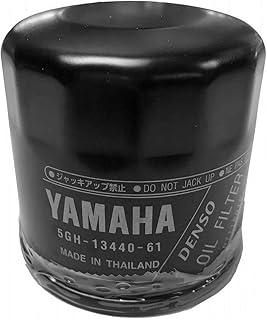


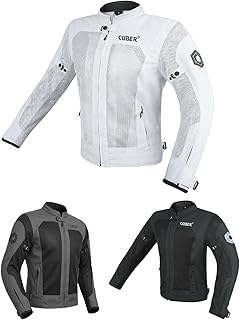


Common Problems
🔥 1 CRITICALTest cold start, look for rough idle or hesitation
Pull kickstart slowly, feel for tight spots or knocking
Check lights, horn, and ignition response carefully
Inspect chain tension, look for rust or loose links
✅Pre-Purchase Checklist
Solid if maintained, avoid neglected examples
Full Specifications
Rivals & Alternatives
Bikes that buyers cross-shop with the Yamaha Fs1
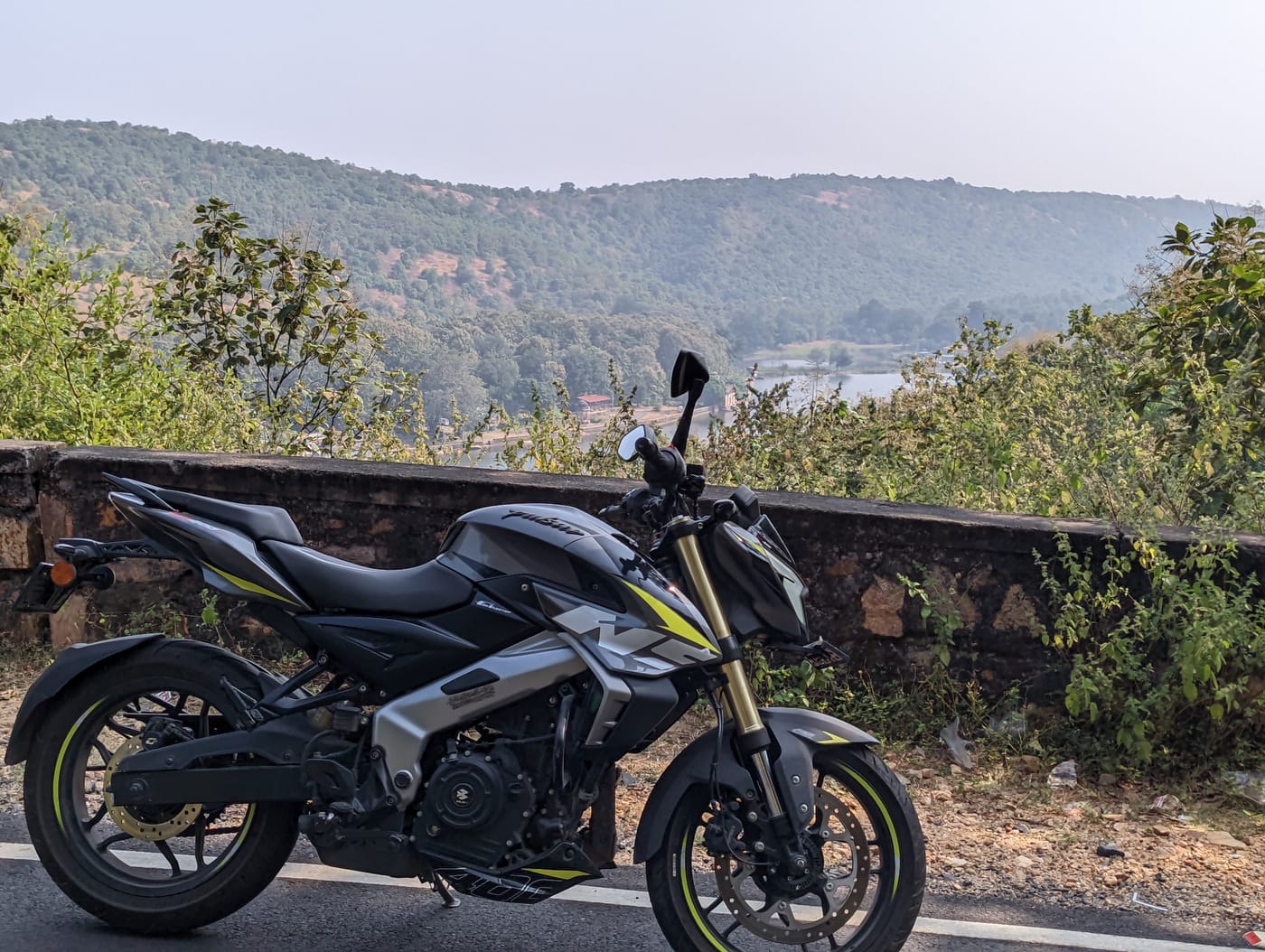
Tvs Sport 110

Hero Hf Deluxe
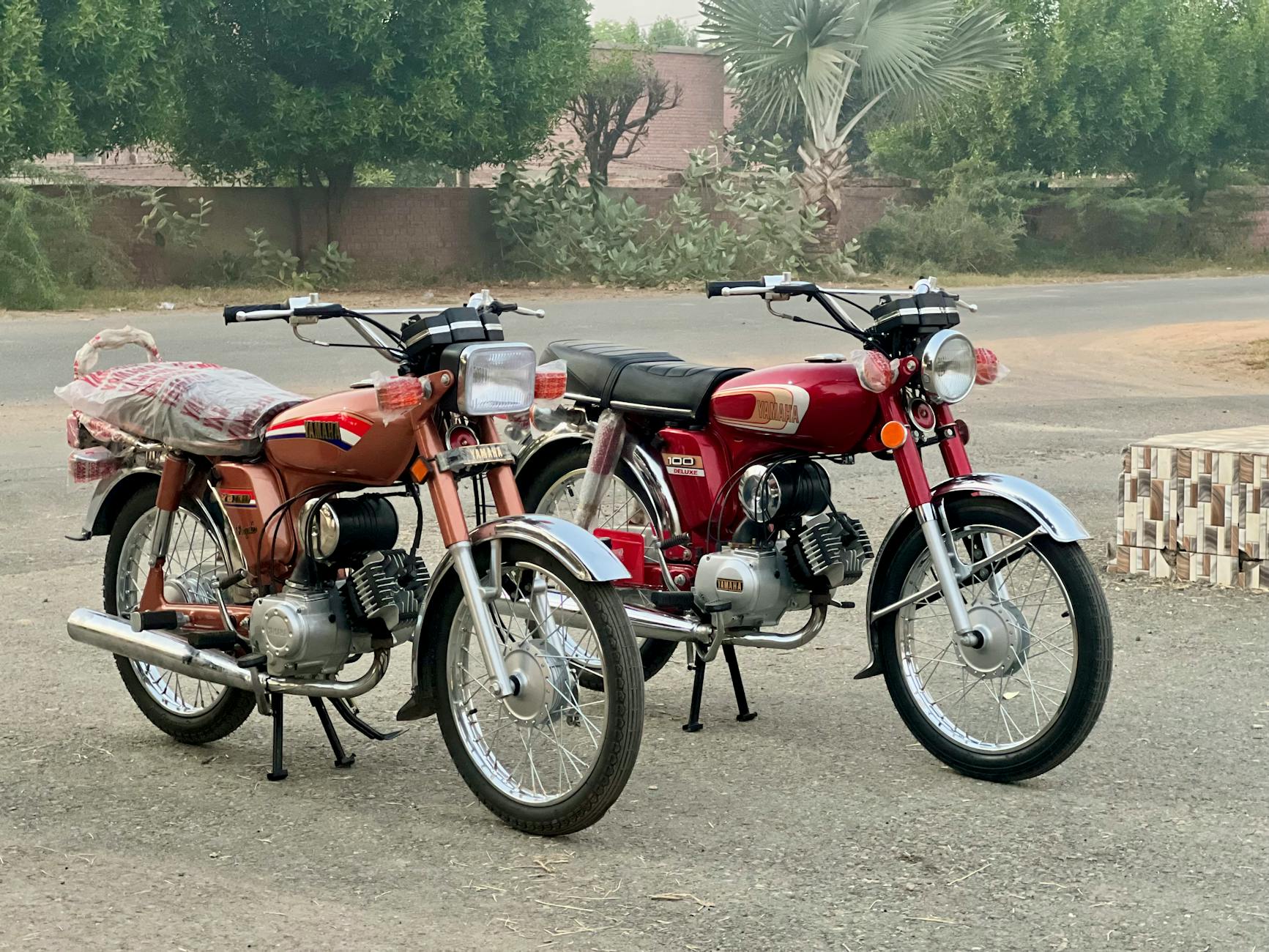
Yamaha Crypton 110
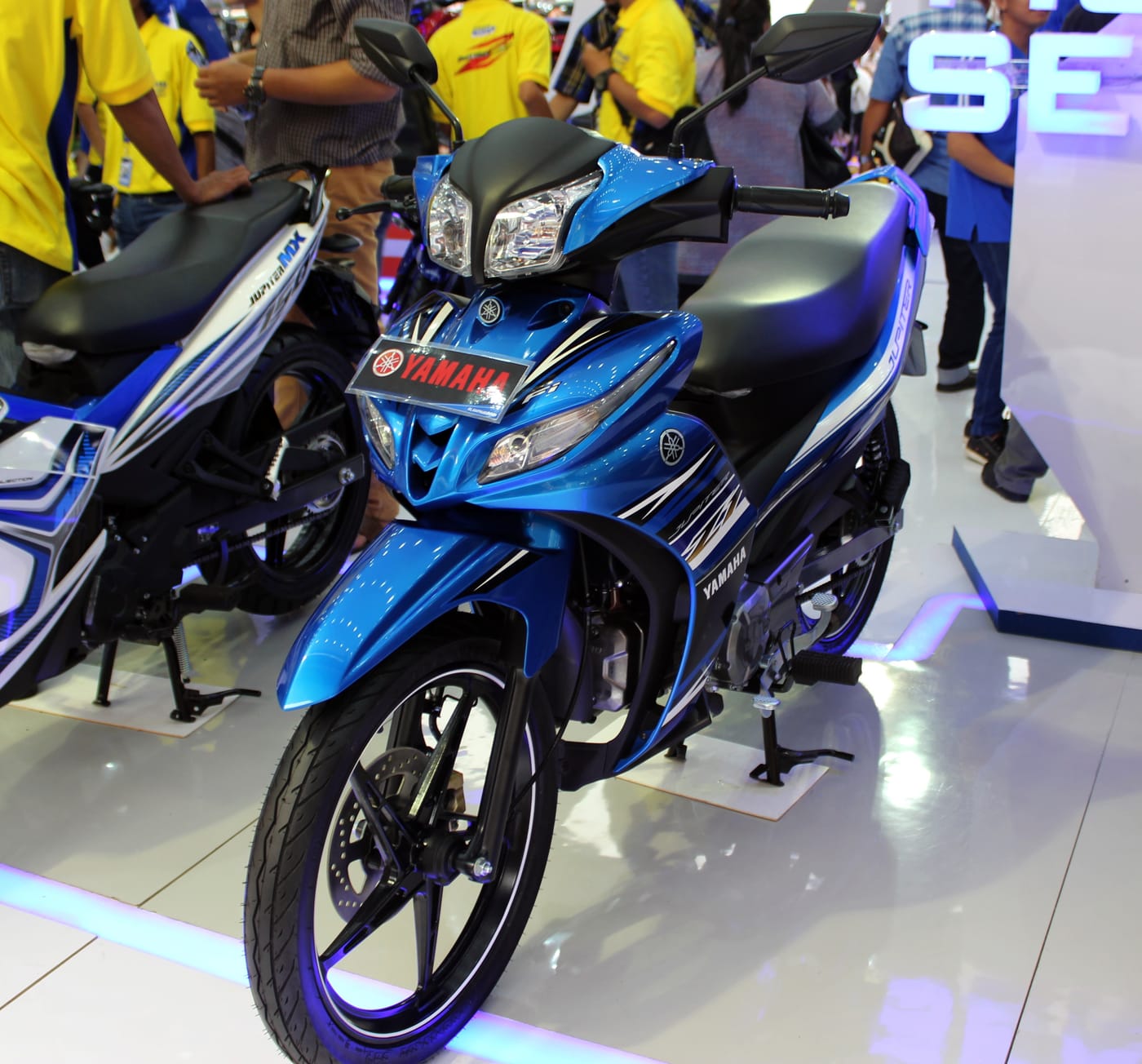
Yamaha Jupiter Z1
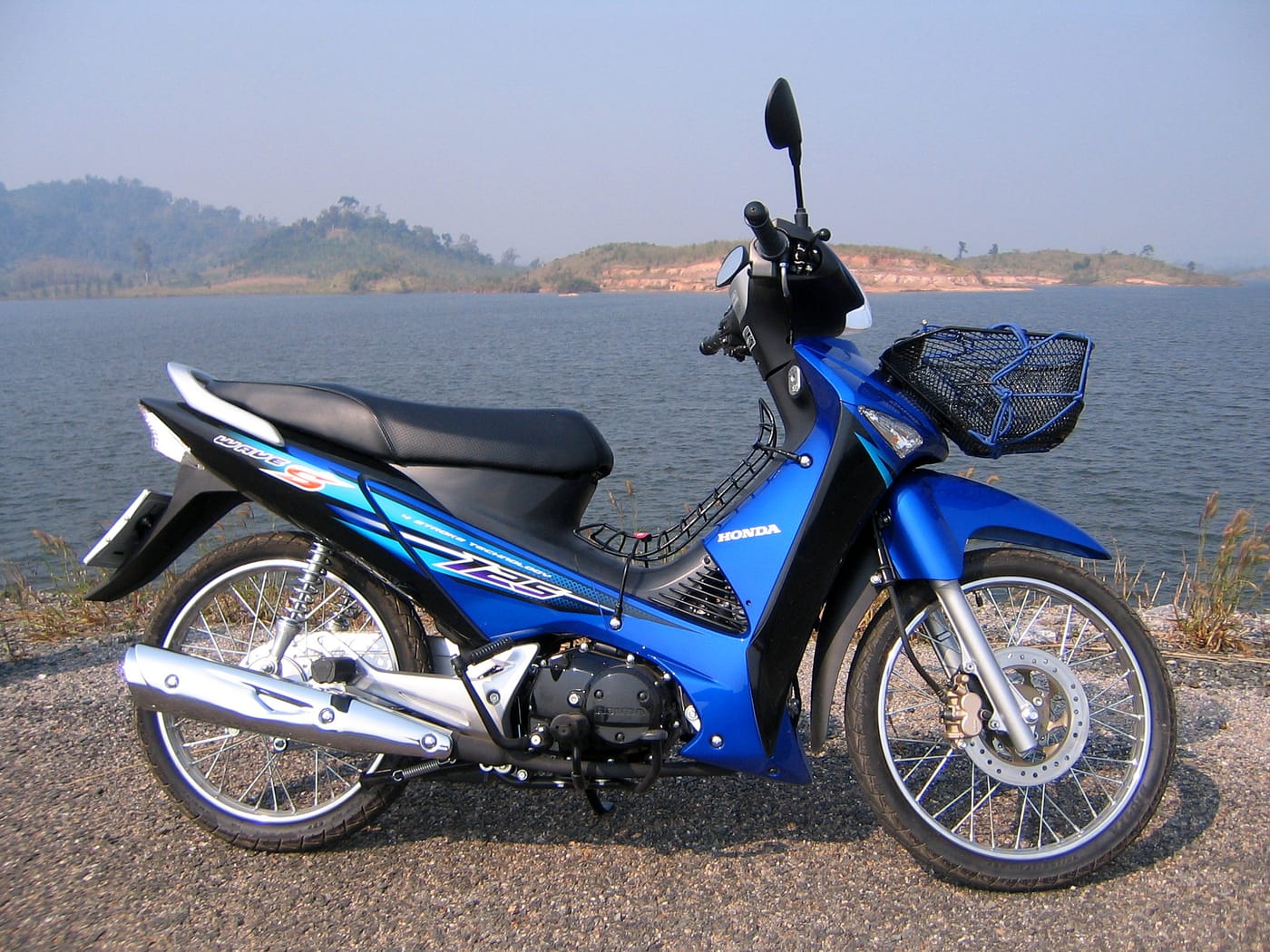
Honda Revo 110
Compare Yamaha Fs1 Side-by-Side
compare_arrowsSpecs, power, weight & buyer verdict — head-to-head with the bikes most often cross-shopped.
Yamaha Fs1 vs Tvs Sport 110
Specs · Power · Buyer verdict
Yamaha Fs1 vs Hero Hf Deluxe
Specs · Power · Buyer verdict
Yamaha Fs1 vs Yamaha Crypton 110
Specs · Power · Buyer verdict
Yamaha Fs1 vs Yamaha Jupiter Z1
Specs · Power · Buyer verdict
Yamaha Fs1 vs Honda Revo 110
Specs · Power · Buyer verdict
More Yamaha Fs1 Guides
More from Yamaha
View all Yamaha models →Community Reviews
Discussion
Frequently Asked Questions
What are common problems with the Yamaha Fs1? +
Carburetor clogged from old fuel: Test cold start, look for rough idle or hesitation (moderate) | Seized or weak two-stroke engine: Pull kickstart slowly, feel for tight spots or knocking (serious) | Corroded or broken electrical wiring: Check lights, horn, and ignition response carefully (moderate)
Is the Yamaha Fs1 a good motorcycle? +
A rewarding classic if you buy smart and budget realistically. Rating: 7.5/10. Best for: Patient enthusiasts wanting an iconic learner classic. Avoid if: You need reliable daily transport right now.
What is the horsepower of the Yamaha Fs1? +
The Yamaha Fs1 produces ~1.5 hp @ 5,500 rpm (note: figures vary slightly by market year and restriction; unrestricted versions produced up to ~4–5 hp), with ~2.0 Nm @ 5,000 rpm (estimated; official figures rarely published for this class) of torque. Top speed: 45–50 km/h (stock; restricted to legal limits in most markets).
Is the Yamaha Fs1 good for beginners? +
Yes — the Yamaha Fs1 is a reasonable choice for new riders (1.5 hp is manageable), weighing 59 kg. Patient enthusiasts wanting an iconic learner classic
Is the Yamaha Fs1 reliable? +
Owners report 1 critical issue to watch for on the Yamaha Fs1, notably: Seized or weak two-stroke engine (Pull kickstart slowly, feel for tight spots or knocking). Buy with a pre-purchase inspection.
Is the Yamaha Fs1 good for daily use? +
Patient enthusiasts wanting an iconic learner classic Fuel: Approximately 1.5–2.0 L/100km (50–65 km/L typical real-world average).
How fast is the Yamaha Fs1? +
The Yamaha Fs1 reaches a top speed of 45–50 km/h (stock; restricted to legal limits in most markets), producing 1.5 hp at 59 kg curb weight. Real-world performance depends on rider weight, gearing, and road conditions.
What gear should I buy for a Yamaha Fs1? +
Motoryk has curated a Top 10 gear list specifically for the Yamaha Fs1, covering engine oil, tires, chain, battery, and brake pads — see motoryk.com/bikes/yamaha/fs1/top10. Each pick is matched to this bike's spec.