Vespa Gtv 300
The Vespa Gtv 300 has a top speed of 115 km/h, produces 21.4 hp and weighs 160 kg. Motoryk rates it 7.8/10.
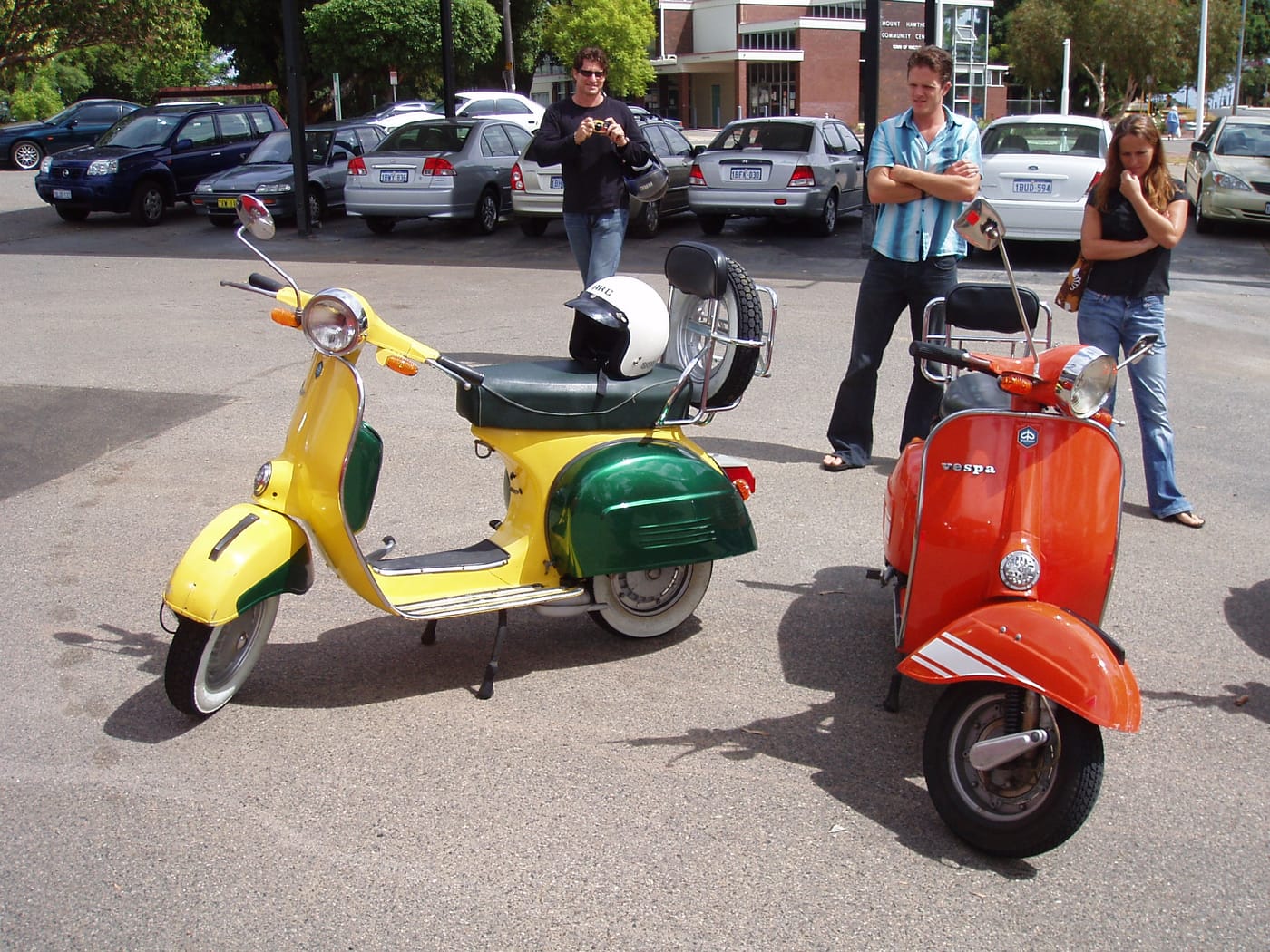
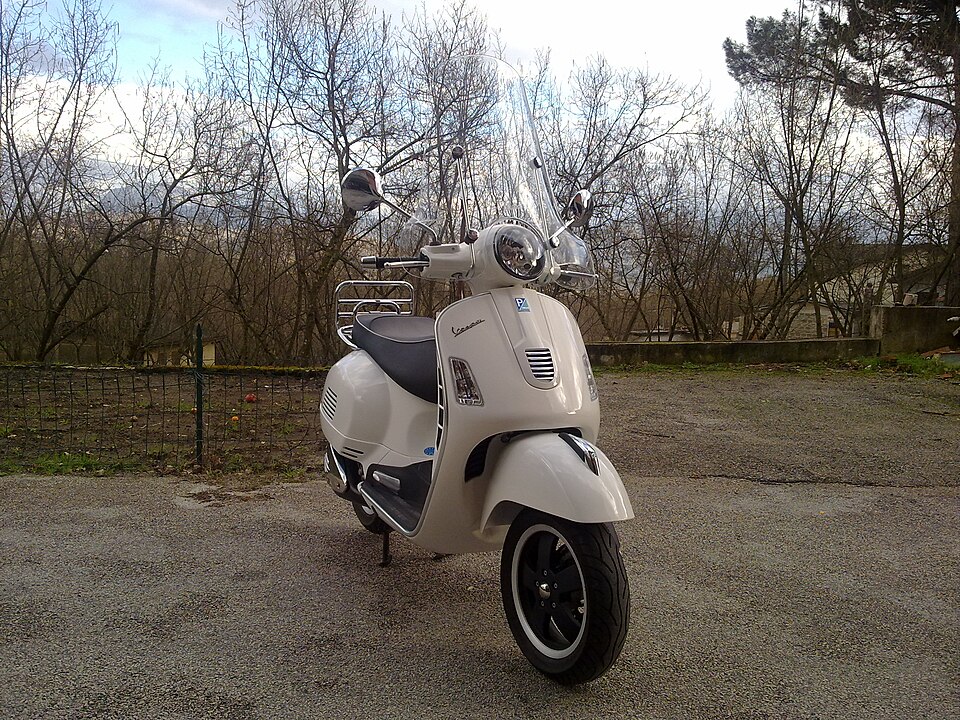
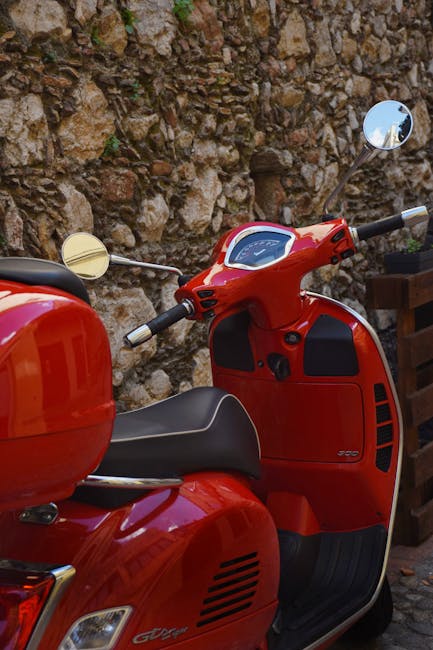
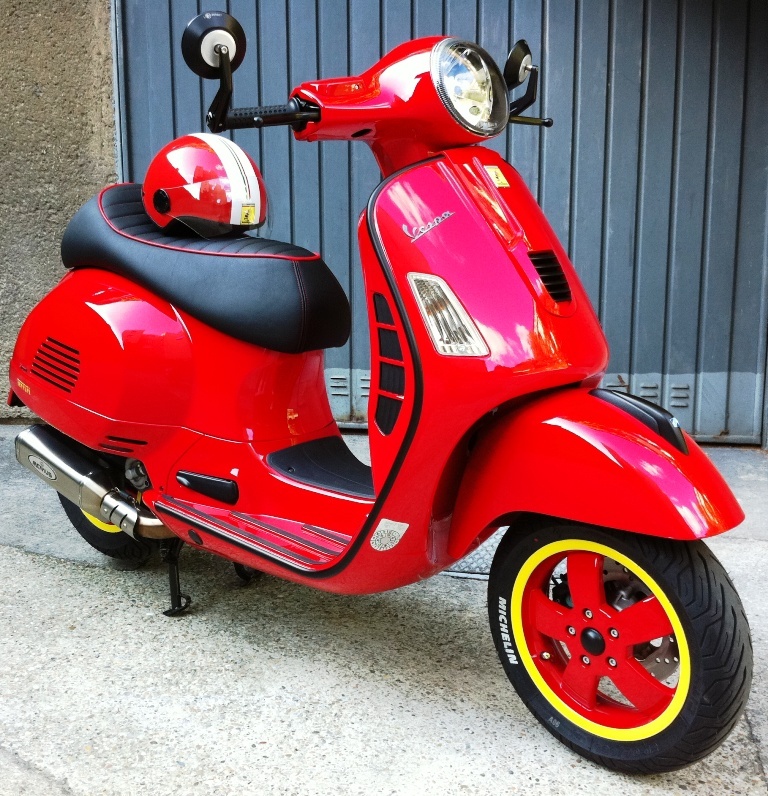
La Vespa GTV 300 fue presentada por Piaggio en 2006 como parte de la familia GTS/GTV, y la variante de motor de 300 cc llegó alrededor de 2008-2009, lo que representa el scooter Vespa más potente de la gama moderna. El GTV (Gran Turismo Vintage) se distingue del GTS por su estilo retro inspirado en las Vespas clásicas de la década de 1960, que incluye una góndola redondeada para los faros delanteros, espejos en forma de lágrima y distintivos vintage. Destaca por ser uno de los patinetes de gran cilindrada más potentes y de mayor calidad de la historia de Vespa, ya que combina la moderna tecnología de inyección de combustible y ABS con la icónica herencia del diseño italiano.
21.4 hp
Potencia
22.3 Nm
Torsión
160 kg
Peso
115 km/h
Velocidad máxima
3.0–3.5 L/100km (approx. 29–33 km/L real-world average)
Combustible
Carenado
Cuerpo
🔧 Service Schedule & Parts
Affiliate · we may earn| Service item | Every | Typical cost | Parts |
|---|---|---|---|
| 🛢️ Engine oil + oil filter | 6,000 km / 3,500 mi or 12 mo | $40-80 | 🛢️ Buy → ⚙️ Buy → |
| 🌬️ Air filter | 12,000 km / 7,500 mi | — | 🌬️ Buy → |
| ⚡ Spark plugs | 12,000 km / 7,500 mi | — | ⚡ Buy → |
| 🔧 Valve clearance check | 24,000 km / 15,000 mi | $150-300 | |
| 🛑 Brake pads | 15000-25000 km | $40-80 | 🛑 Buy → |
| 💧 Brake fluid | 24,000 km / 15,000 mi or 2 yr | — | |
| 🧊 Coolant | 24,000 km / 15,000 mi | — | |
| 🛞 Tires | 15000-25000 km | $150-300 | 🛞 Buy → |
| 🔩 Major service | 24,000 km / 15,000 mi | $250-500 |
Video Review
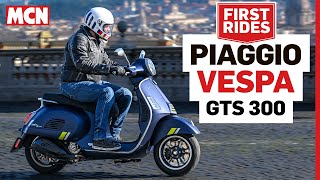
Lo que los compradores deben saber
Reliable Fuel-Injected Engine
The GTV 300 uses a proven 278cc single-cylinder fuel-injected engine that requires minimal maintenance and delivers consistent performance. With proper servicing every 3,000–4,000 miles, owners report engines lasting well beyond 30,000 miles.
Watch the CVT Belt
The continuously variable transmission (CVT) drive belt is a known wear item that should be inspected every 8,000 miles and replaced around 12,000–15,000 miles. A neglected belt can snap unexpectedly, leaving you stranded and causing secondary damage.
Strong Resale Value
Vespa's iconic brand recognition and the GTV 300's retro styling help it hold resale value significantly better than most scooters — often retaining 60–70% of its value after three years. Limited production numbers compared to mainstream models also support higher used pricing.
Generaciones y especificaciones por año
Introdujo el motor monocilíndrico de 4 tiempos y 278 cc, estilo GTV retro, inyección de combustible y conformidad con la norma Euro 2/3.
"La moto más bonita que el dinero podría comprar, en su mayoría."
La GTV 300 es realmente impresionante en su metal: la Vespa clavó los detalles cromados, los paneles de la carrocería tipo alforja y la silueta de Audrey Hepburn de una manera que hace que la gente te detenga en los semáforos. En carretera, el motor QUASAR funciona con suavidad a bajas revoluciones y la CVT se adapta perfectamente al ritmo urbano, aunque por encima de los 90 km/h se queda notablemente sin aliento y las rampas de acceso a las autopistas requieren paciencia. La combinación de un solo disco delantero y tambor trasero es apropiada para la época, pero es decepcionante en condiciones húmedas, y el chasis monocasco de acero transmite las imperfecciones de la carretera más de lo que cabría esperar de una máquina de 161 kg. Los costes de propiedad son un problema: el mantenimiento en el concesionario es caro, las piezas no son baratas, y los primeros sistemas de inyección de combustible generaban dudas al arrancar en frío, algo que Vespa tardó en reconocer.
Pros
Contras
Se actualizó para cumplir con la norma Euro 4, se revisó el mapa de inyección de combustible, se realizaron pequeñas actualizaciones estéticas y se mejoró el sistema de frenos ABS.
Refinamientos del motor que cumplen con la normativa Euro 5, electrónica actualizada, ajuste revisado de la suspensión e instrumentación modernizada.
Reseña de un comprador usado
"Buy the best example you can find and enjoy every mile."
$4,500-$7,500 usedThe GTV 300 is Vespa's fashion statement wearing a motorcycle price tag, and honestly? It earns most of that premium. The 278cc single pulls smoothly through town and holds 70mph on the highway without drama, though it starts breathing hard above that. Build quality is genuinely impressive — cast aluminum bodywork, quality switchgear, and that gorgeous retro chrome work holds up beautifully on well-maintained examples. It rides on a proper steel monocoque frame, not cheap plastic like most scoots, and you feel that solidity immediately. Buying used, inspect the body panels obsessively — they're expensive to replace and owners treat these as fashion accessories, not tools. Check the automatic transmission fluid history and look for jerky low-speed engagement, a sign of neglect. The CVT belt needs replacing every 12,000 miles and many previous owners skip it. Also budget for the dealer-only service schedule; independent mechanics avoid them.
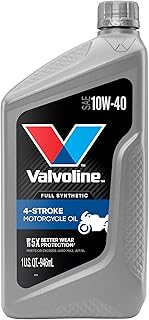
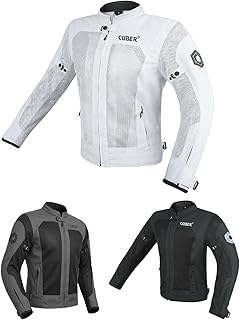
Top 10 Accessories
Curated picks for the Vespa Gtv 300 — owned, ridden, recommended.




Problemas comunes
🔥 1 CRITICALTest acceleration smoothness, listen for belt slipping noise
Cold start hesitation, rough idle at low RPM
Check dashboard warning lights, test all electrics
Oil residue on lower fork legs near seals
✅Lista de verificación previa a la compra
Solid scooter, maintenance-sensitive above 10k miles
Full Specifications
Rivals & Alternatives
Bikes that buyers cross-shop with the Vespa Gtv 300
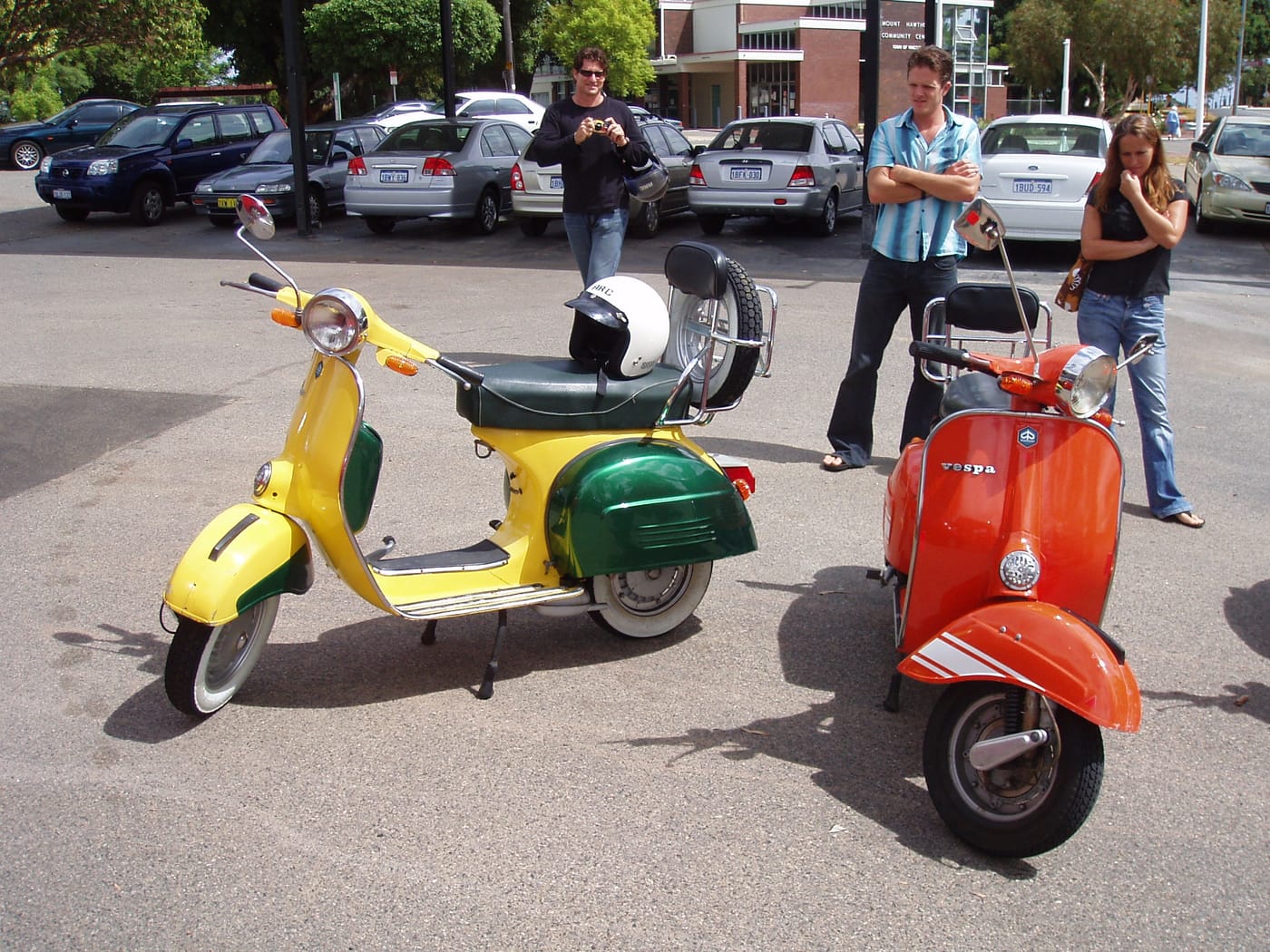
Vespa 946
Piaggio Vespa Gts 300
Piaggio Vespa Gts 300 Hpe
Piaggio Vespa Gts Super 300
Piaggio Vespa Gtv 300
Compare Vespa Gtv 300 Side-by-Side
compare_arrowsSpecs, power, weight & buyer verdict — head-to-head with the bikes most often cross-shopped.
Vespa Gtv 300 vs Vespa 946
Specs · Power · Buyer verdict
Vespa Gtv 300 vs Piaggio Vespa Gts 300
Specs · Power · Buyer verdict
Vespa Gtv 300 vs Piaggio Vespa Gts 300 Hpe
Specs · Power · Buyer verdict
Vespa Gtv 300 vs Piaggio Vespa Gts Super 300
Specs · Power · Buyer verdict
Vespa Gtv 300 vs Piaggio Vespa Gtv 300
Specs · Power · Buyer verdict
More Vespa Gtv 300 Guides
More from Vespa
View all Vespa models →Community Reviews
Discussion
Frequently Asked Questions
What are common problems with the Vespa Gtv 300? +
CVT variator wear causes rough acceleration: Test acceleration smoothness, listen for belt slipping noise (moderate) | Fuel injector clogging on older units: Cold start hesitation, rough idle at low RPM (moderate) | Corroded electrical connectors cause random faults: Check dashboard warning lights, test all electrics (serious)
Is the Vespa Gtv 300 a good motorcycle? +
Buy the best example you can find and enjoy every mile. Rating: 7.8/10. Best for: Style-conscious urban commuters wanting genuine Italian quality. Avoid if: You need cargo capacity or highway touring comfort.
What is the horsepower of the Vespa Gtv 300? +
The Vespa Gtv 300 produces 21.4 hp @ 7,500 rpm, with 22.3 Nm @ 5,000 rpm of torque. Top speed: 115 km/h.
Is the Vespa Gtv 300 good for beginners? +
Yes — the Vespa Gtv 300 is a reasonable choice for new riders (21.4 hp is manageable), weighing 160 kg. Style-conscious urban commuters wanting genuine Italian quality
Is the Vespa Gtv 300 reliable? +
Owners report 1 critical issue to watch for on the Vespa Gtv 300, notably: Corroded electrical connectors cause random faults (Check dashboard warning lights, test all electrics). Buy with a pre-purchase inspection.
Is the Vespa Gtv 300 good for daily use? +
Style-conscious urban commuters wanting genuine Italian quality Fuel: 3.0–3.5 L/100km (approx. 29–33 km/L real-world average).
How fast is the Vespa Gtv 300? +
The Vespa Gtv 300 reaches a top speed of 115 km/h, producing 21.4 hp at 160 kg curb weight. Real-world performance depends on rider weight, gearing, and road conditions.
What gear should I buy for a Vespa Gtv 300? +
Motoryk has curated a Top 10 gear list specifically for the Vespa Gtv 300, covering engine oil, tires, chain, battery, and brake pads — see motoryk.com/bikes/vespa/gtv-300/top10. Each pick is matched to this bike's spec.