Triumph T120
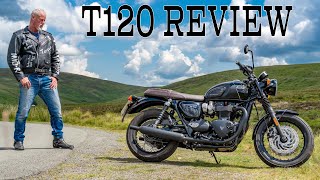
The Triumph T120 has a top speed of 193 km/h, produces 79 hp and weighs 224 kg. Motoryk rates it 8.5/10.
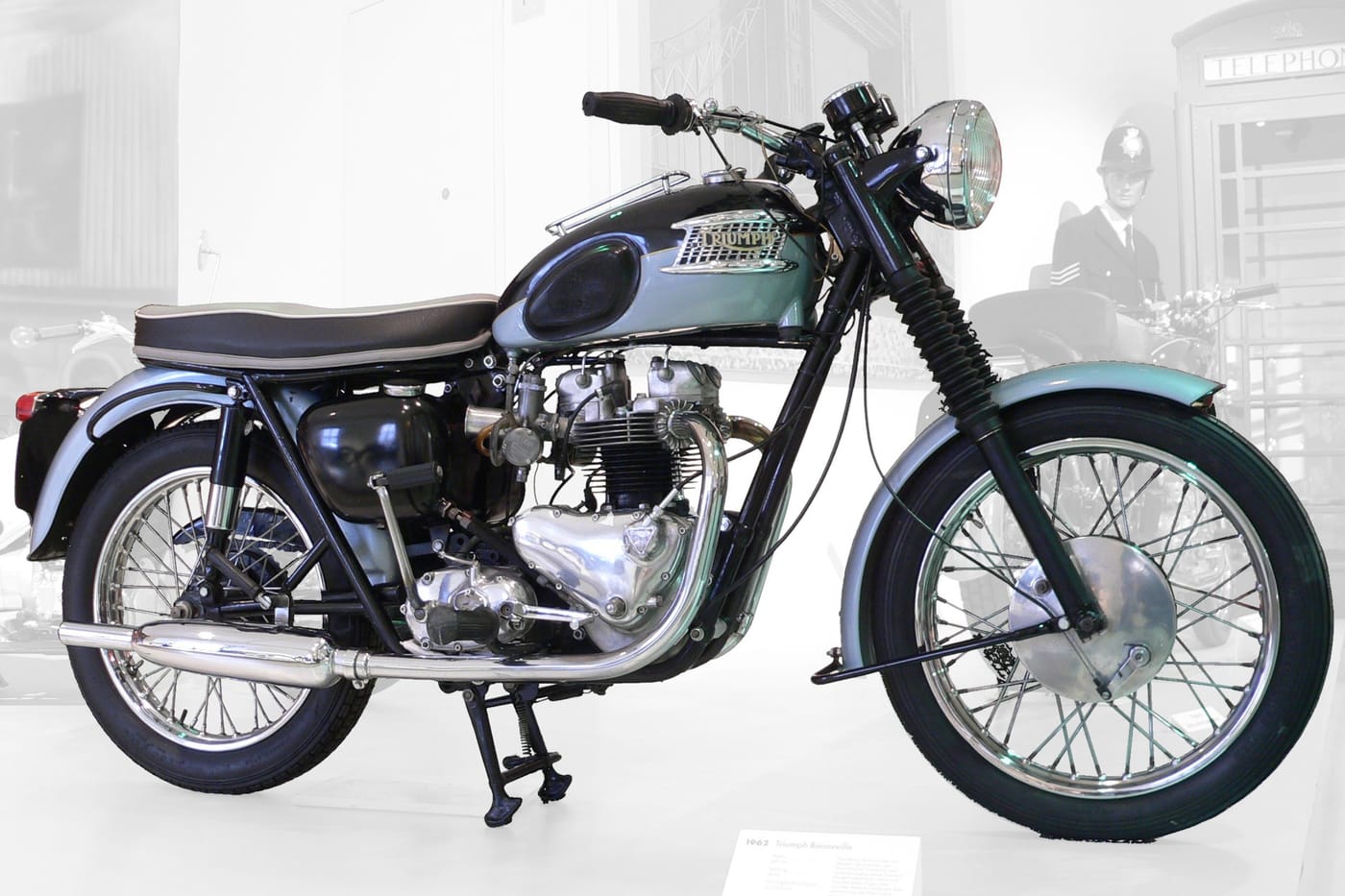
The Triumph Bonneville T120 was first introduced in 1959, named after the Bonneville Salt Flats where Johnny Allen set a land speed record on a Triumph-powered streamliner in 1956. It became one of the most iconic British motorcycles of the 1960s and 70s, beloved for its twin-cylinder performance and classic styling, cementing Triumph's global reputation. The modern T120 was relaunched in 2016 as part of Triumph's new liquid-cooled Bonneville family, blending classic aesthetics with contemporary engineering.
79 hp
Power
105 Nm
Torque
224 kg
Weight
193 km/h
Top Speed
4.5 L/100km (approx. 22 km/L, typical real-world average for 2016+ model)
Fuel
Naked
Body
🔧 Service Schedule & Parts
Affiliate · we may earn| Service item | Every | Typical cost | Parts |
|---|---|---|---|
| 🛢️ Engine oil + oil filter | 6,000 km / 3,500 mi or 12 mo | $40-80 | 🛢️ Buy → ⚙️ Buy → |
| 🌬️ Air filter | 12,000 km / 7,500 mi | — | 🌬️ Buy → |
| ⚡ Spark plugs | 12,000 km / 7,500 mi | — | ⚡ Buy → |
| 🔧 Valve clearance check | 24,000 km / 15,000 mi | $200-400 | |
| 🔗 Chain & sprockets | 25000-40000 km (replace) | $150-300 | 🔗 Buy → |
| 🛑 Brake pads | 15000-30000 km | $30-60 | 🛑 Buy → |
| 💧 Brake fluid | 24,000 km / 15,000 mi or 2 yr | — | |
| 🧊 Coolant | 24,000 km / 15,000 mi | — | |
| 🛞 Tires | 10000-20000 km | $200-400 | 🛞 Buy → |
| 🔩 Major service | 24,000 km / 15,000 mi | $300-600 |
Video Review
What Buyers Should Know
Modern Engine Reliability
The T120's 1200cc parallel-twin uses liquid cooling and ride-by-wire, making it far more reliable than older Bonnevilles. Regular valve checks every 10,000 miles are the main maintenance item to budget for.
Watch for Recalls
Early 2016–2018 models had known issues with fuel leaks and throttle body faults covered under Triumph recalls — always verify recall work was completed before buying used.
Strong Resale Value
The T120 holds its value exceptionally well compared to Japanese rivals, often retaining 70–80% of its value after three years. Special editions like the Bud Ekins command an even higher premium on the used market.
Generations & Specs by Year
650cc parallel twin, separate gearbox, nacelle headlight, first T120 Bonneville production models introduced.
"The bike that invented the template everything else copies."
I've put serious miles on a '61 Bonnie and the pre-unit motor has a rawness that later unit-construction bikes honestly lost — there's a mechanical directness to the way that 649cc twin pulls from 3,500 rpm that feels almost conversational, like the engine is talking back to you through the pegs and bars. The separate gearbox is a legitimate maintenance headache, two oil compartments to fuss over, and early examples leak with a persistence that borders on personality, so budget for gaskets and patience before you ride, not after. At genuine highway speeds the chassis tracks honestly and the front drum, while period-correct, requires planning ahead in the wet — this isn't a bike that forgives late decisions. What nobody tells you is how light 182 kilos feels when the engine is spinning right; park a modern twin next to it and the Bonneville makes the new bike look overcomplicated.
Pros
Cons
Engine and gearbox unified into single unit construction, improved oil system, new frame design.
"Unit construction fixed the leaks, kept the soul."
The shift to unit construction was the best thing Triumph did to this motor — the old pre-unit bikes sweated oil like a nervous accountant, and this one is genuinely tighter, more refined, and quieter through the gearbox. At 110 km/h on the A-roads it feels absolutely planted, that 649cc parallel twin pulling with a meaty, purposeful thrum that no modern twin has quite replicated. The new frame geometry adds a confidence to cornering that the earlier generation lacked, though you still feel every road imperfection through your kidneys by the time you hit 160 km/h. My one genuine complaint is the front drum brake — it works until the moment you really need it, and then it quietly reminds you that 1964 metallurgy has limits.
Pros
Cons
Twin leading shoe front brake, new duplex frame, revised cylinder head, US and UK specs diverged.
"The best Bonnie yet, but still leaks oil."
The duplex frame transformed this bike from a nervous handful into something you could genuinely trust on a fast A-road — the geometry stopped that unsettling high-speed weave the earlier singles had and put real confidence under your hands. That revised cylinder head breathes better and the midrange pull between 3,500 and 5,500 rpm is where this engine lives best, not the top end the spec sheet implies. The twin leading shoe front brake is a genuine upgrade over what came before — still not something you'd call powerful by any measure, but progressive enough that you stop embarrassing yourself in traffic. What I can't forgive is the primary chaincase and rocker cover still weeping oil onto your boot at any excuse, and the US-spec carb tuning shipped over to a UK owner left me chasing a lean stumble for the better part of a summer.
Pros
Cons
Controversial new oil-bearing frame, conical hub brakes, revised ergonomics, criticized handling initially.
"A flawed icon that rewards patience over blind loyalty."
The oil-in-frame was Triumph's desperate modernization gamble, and you feel that desperation every time the handling goes vague mid-corner — the new frame trades the old featherbed-adjacent crispness for something that feels simultaneously heavier and less planted, especially with a pillion aboard. That 649cc parallel twin still pulls beautifully between 3,500 and 6,000 rpm, that classic burble-into-roar soundtrack unchanged and genuinely moving, but the conical hubs — billed as an upgrade — require more lever pressure and better planning than the old full-width drums they replaced, which is saying something. I've owned mine for four years and the oil-in-frame has never actually leaked, so that particular horror story seems bike-specific rather than systemic, but the frame's slightly high oil filler cap has burned my right knee twice. Mechanically it's still a Bonnie underneath — points, carbs, regular valve checks — but the ergonomic revision pushed the pegs back just enough to make spirited riding feel like an argument rather than a conversation.
Pros
Cons
Revised frame geometry, electronic ignition option, disc brakes introduced, production disrupted by factory troubles.
"A legend slowly dying from a thousand cuts."
I ran a '79 T120 for three years and loved and cursed it in equal measure — the engine still pulls with that unmistakable British twin bark when the carbs are dialed in, but getting them dialed in is practically a part-time job. The electronic ignition retrofit was a genuine improvement over the old points setup, and the front disc finally gave me stopping power I could trust in the wet, but the build quality from the Meriden co-op years is genuinely inconsistent: my bike had a frame weld that looked like a student's first attempt. At 47 horsepower it's no rocket, but the torque in the midrange feels meaty and honest, and on a good day threading B-roads it still delivers that soul the Japanese bikes of the era simply couldn't fake.
Pros
Cons
New Hinckley 1200cc liquid-cooled parallel twin, ride-by-wire, traction control, modern electronics platform.
Used Buyer Review
"A genuinely great modern classic that earns its asking price."
$7,500-$11,500 usedThe Bonneville T120 is one of those bikes that actually delivers on its retro promise rather than just looking the part. The 1200cc parallel twin pulls cleanly from low revs, rides are genuinely comfortable for a full day in the saddle, and the quality of finish on these things puts most Japanese rivals to shame. Dealers charged a premium when new, but depreciation has been kind to buyers — you can find solid examples from 2016-2019 for real money now. That said, go in with eyes open. Early models had some fueling hiccups at low speeds that Triumph largely sorted through dealer updates, so always ask for service history. Check the exhaust headers for surface rust — it appears faster than it should on a bike this expensive. The switchgear feels premium but the infotainment-free simplicity means no TFT nonsense to go wrong either, which is honestly refreshing.
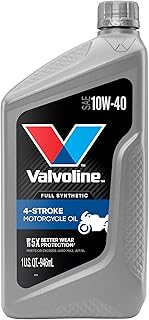
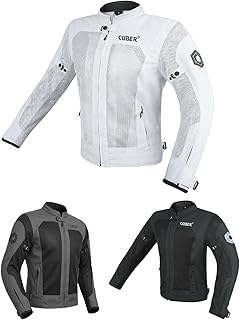
Top 10 Accessories
Curated picks for the Triumph T120 — owned, ridden, recommended.




Common Problems
🔥 1 CRITICALListen for ticking noise on cold startup immediately
Rough idle or uneven power delivery between cylinders
Check battery voltage at idle, should read 13.8-14.5v
Inspect lower fork legs for oil residue or staining
✅Pre-Purchase Checklist
Generally solid, maintenance matters above all
Full Specifications
Rivals & Alternatives
Bikes that buyers cross-shop with the Triumph T120
Triumph Bonneville T100
Triumph Bonneville Se
Triumph Bonneville Street Twin
Triumph Speed Twin 900
Triumph Bonneville T120 Black
Compare Triumph T120 Side-by-Side
compare_arrowsSpecs, power, weight & buyer verdict — head-to-head with the bikes most often cross-shopped.
Triumph T120 vs Triumph Bonneville T100
Specs · Power · Buyer verdict
Triumph T120 vs Triumph Bonneville Se
Specs · Power · Buyer verdict
Triumph T120 vs Triumph Bonneville Street Twin
Specs · Power · Buyer verdict
Triumph T120 vs Triumph Speed Twin 900
Specs · Power · Buyer verdict
Triumph T120 vs Triumph Bonneville T120 Black
Specs · Power · Buyer verdict
More Triumph T120 Guides
More from Triumph
View all Triumph models →Community Reviews
Discussion
Frequently Asked Questions
What are common problems with the Triumph T120? +
Cam chain tensioner rattle on cold start: Listen for ticking noise on cold startup immediately (moderate) | Throttle bodies require balancing and sync: Rough idle or uneven power delivery between cylinders (minor) | Regulator rectifier failure causing charging issues: Check battery voltage at idle, should read 13.8-14.5v (serious)
Is the Triumph T120 a good motorcycle? +
A genuinely great modern classic that earns its asking price. Rating: 8.5/10. Best for: Riders wanting style without sacrificing real-world usability. Avoid if: You need pegs-up highway touring bike.
What is the horsepower of the Triumph T120? +
The Triumph T120 produces 79 hp @ 7,400 rpm, with 105 Nm @ 3,500 rpm of torque. Top speed: 193 km/h.
Is the Triumph T120 good for beginners? +
Not really — the Triumph T120 is better for experienced riders. Riders wanting style without sacrificing real-world usability Avoid if: You need pegs-up highway touring bike
Is the Triumph T120 reliable? +
Owners report 1 critical issue to watch for on the Triumph T120, notably: Regulator rectifier failure causing charging issues (Check battery voltage at idle, should read 13.8-14.5v). Buy with a pre-purchase inspection.
Is the Triumph T120 good for daily use? +
Riders wanting style without sacrificing real-world usability Fuel: 4.5 L/100km (approx. 22 km/L, typical real-world average for 2016+ model).
How fast is the Triumph T120? +
The Triumph T120 reaches a top speed of 193 km/h, producing 79 hp at 224 kg curb weight. Real-world performance depends on rider weight, gearing, and road conditions.
What gear should I buy for a Triumph T120? +
Motoryk has curated a Top 10 gear list specifically for the Triumph T120, covering engine oil, tires, chain, battery, and brake pads — see motoryk.com/bikes/triumph/t120/top10. Each pick is matched to this bike's spec.