Suzuki Sv650
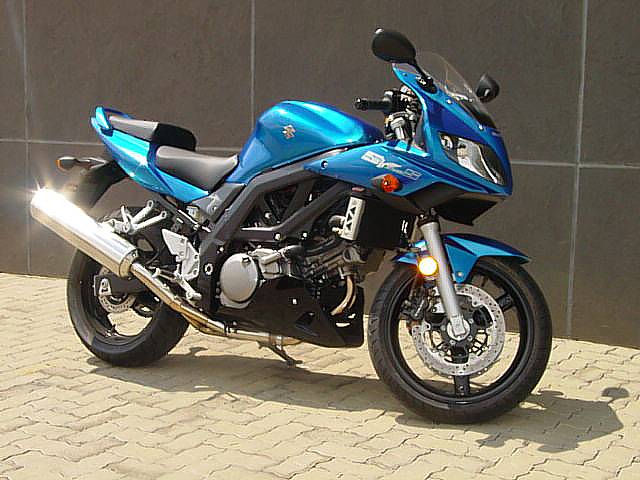
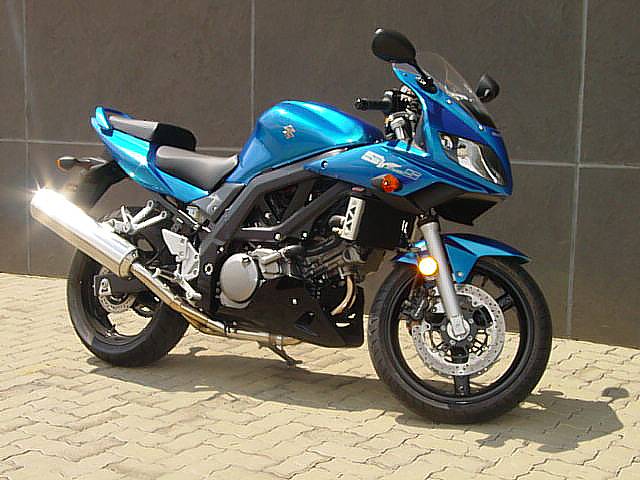
The Suzuki Sv650 has a top speed of 200 km/h (est. — note: manufacturer limited; some sources report up to 210 km/h), produces 73 hp and weighs 197 kg. Motoryk rates it 8.5/10.
O Suzuki SV650 foi lançado em 1999 como um peso médio V-twin acessível, acessível e acessível, conquistando rapidamente um culto de seguidores por seu desempenho e valor equilibrados. Ele foi atualizado em 2003 (segunda geração) e novamente significativamente revisado em 2016 (terceira geração) com injeção de combustível moderna, estilo revisado e ergonomia aprimorada. É amplamente considerada uma das melhores motocicletas iniciantes a intermediárias já fabricadas, dominando as corridas de clubes de nível básico e amada por seu característico torque V-twin.
73 hp
Poder
64 Nm
Torque
197 kg
Peso
200 km/h (est. — note: manufacturer limited; some sources report up to 210 km/h)
Velocidade máxima
5.5 L/100km or ~18 km/L (typical real-world average)
Combustível
Nua
Corpo
🔧 Service Schedule & Parts
Affiliate · we may earn| Service item | Every | Typical cost | Parts |
|---|---|---|---|
| 🛢️ Engine oil + oil filter | 6,000 km / 3,500 mi or 12 mo | $40-80 | 🛢️ Buy → ⚙️ Buy → |
| 🌬️ Air filter | 12,000 km / 7,500 mi | — | 🌬️ Buy → |
| ⚡ Spark plugs | 12,000 km / 7,500 mi | — | ⚡ Buy → |
| 🔧 Valve clearance check | 24,000 km / 15,000 mi | $150-300 | |
| 🔗 Chain & sprockets | 25000-40000 km (replace) | $150-300 | 🔗 Buy → |
| 🛑 Brake pads | 15000-30000 km | $30-60 | 🛑 Buy → |
| 💧 Brake fluid | 24,000 km / 15,000 mi or 2 yr | — | |
| 🧊 Coolant | 24,000 km / 15,000 mi | — | |
| 🛞 Tires | 10000-20000 km | $200-400 | 🛞 Buy → |
| 🔩 Major service | 24,000 km / 15,000 mi | $300-600 |
Video Review
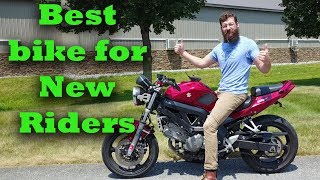
O que os compradores devem saber
Bulletproof V-Twin Engine
The SV650's 645cc V-twin is renowned for its longevity, commonly reaching 60,000–100,000 miles with basic maintenance. It's one of the most reliable middleweight engines ever produced.
Watch the Regulator/Rectifier
Early models (1999–2002) are prone to regulator/rectifier failure, which can kill the battery or damage the stator. Always verify charging system health before buying a used first-gen SV650.
Strong Resale Value
The SV650 holds its value exceptionally well due to high demand from beginners and track riders alike. A well-maintained example rarely sits on the market long, making it easy to resell.
Gerações e especificações por ano
Lançado o SV650 original. Estrutura em aço tubular em V de 645 cc carburada, variante S nua e com meia haste.
"A bicicleta que fez com que todo o resto parecesse muito caro."
Eu percorri 22.000 quilômetros em uma SV650 nua entre 2000 e 2003 e ainda penso nesse motor — aquele V-twin de 645 cc tem um ruído de médio alcance que envergonha bicicletas que custam o dobro, e a forma como ele puxa de 4.000 rpm até a linha vermelha parece viva de uma forma que as quatro em linha raramente fazem. A estrutura tubular de aço telegrafa tudo através de seus pulsos sem bater em você e, com 198 kg de umidade, muda de direção como se estivesse lendo sua mente em vez de suas entradas. Os carboidratos são a única frustração honesta: as manhãs frias significavam um ritual de estrangulamento e pelo menos dois minutos de inatividade irregular. Se o proprietário anterior pulasse o serviço de sincronização, você o sentiria como um ponto fixo persistente de 4.000 rpm. Mas nada nessa moto parece um compromisso — a Suzuki acidentalmente construiu uma motocicleta quase perfeita enquanto tentava atingir um preço.
Prós
Contras
Carroçaria reestilizada, geometria revisada do chassi, suspensão atualizada, motor carburado transferido com pequenos refinamentos.
"O peso médio de referência que ainda envergonha as motos mais novas."
Eu coloquei 34.000 quilômetros em um SV650S 2006 e a coisa simplesmente se recusou a ser entediante: aquele V-twin de 90 graus puxa com força a partir de 4.000 rpm com um ruído que substitutos com injeção de combustível realmente não conseguem replicar. A geometria do chassi Gen 2 reforçou notavelmente a direção em relação à original; as estradas do cânion parecem intuitivas em vez de nervosas, e o peso úmido de 169 kg significa que você está realmente usando a bicicleta em vez de gerenciá-la. Os carboidratos são a única ressalva honesta: manhãs frias abaixo de 5° C exigem paciência com o engasgo, e fumar se torna uma conversa que você eventualmente terá. A carroceria da segunda geração divide as pessoas — o modelo S com cabelos parece proposital, o nu parece estar faltando alguma coisa — mas nenhuma opinião importa quando você está se movendo.
Prós
Contras
Injeção de combustível introduzida, chassi atualizado, controle de tração adicionado, ergonomia revisada, atualizações de conformidade Euro4 e Euro5.
Avaliação do comprador usado
"The most sensible used sportbike money can buy, full stop."
$2,500-$5,500 usedThe SV650 is the used bike market's worst-kept secret, and for good reason. That 645cc V-twin punches well above its displacement — torquey, characterful, and genuinely fun rather than just fast. On used examples, check the fairings on naked models for stress cracks around the headlight ears, and poke around the fuel injectors on post-2003 bikes if it's been sitting. The subframe corrosion issue is real on neglected examples, so get underneath and look. First-gen carbed models (1999-2002) are simpler to maintain but harder to start cold; second-gen fuel-injected bikes are the sweet spot for reliability without modern electronics complexity. Suspension is serviceable stock but genuinely benefits from a fork spring upgrade — budget another $150 if you're buying cheap. Reliability is genuinely excellent when maintained, and parts are dirt cheap. This is a bike that rewards skilled riders while forgiving beginners, which almost nothing else does at this price point.
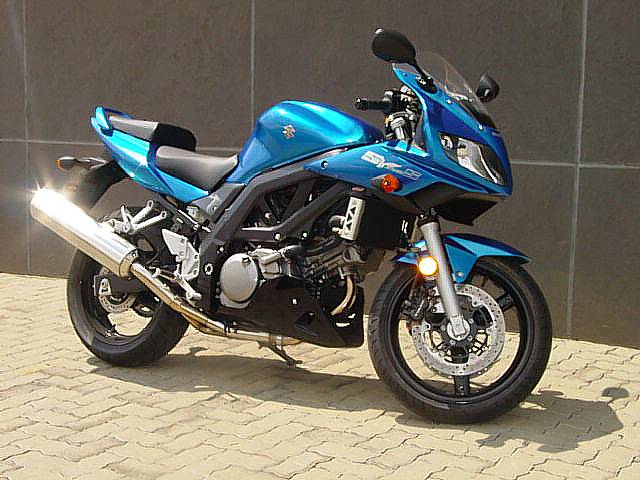
Variants of the Suzuki Sv650
Same bike, different trim or year-range — pick the one matching the listing.
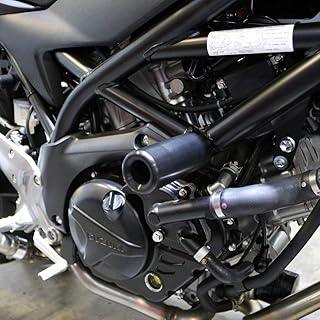
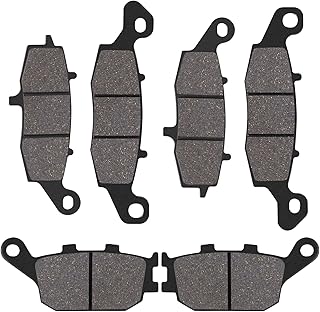
Top 10 Accessories
Curated picks for the Suzuki Sv650 — owned, ridden, recommended.




Problemas comuns
🔥 1 CRITICALBattery voltage at idle, flickering lights, charging output
Rough idle, hunting RPMs, vacuum leaks on carb boots
Oil residue on lower fork legs, soggy handling
Soft/cracked hoses, coolant stains near engine
✅Lista de verificação de pré-compra
Excellent reliability, minor electrical weak spots only
Full Specifications
Rivals & Alternatives
Bikes that buyers cross-shop with the Suzuki Sv650
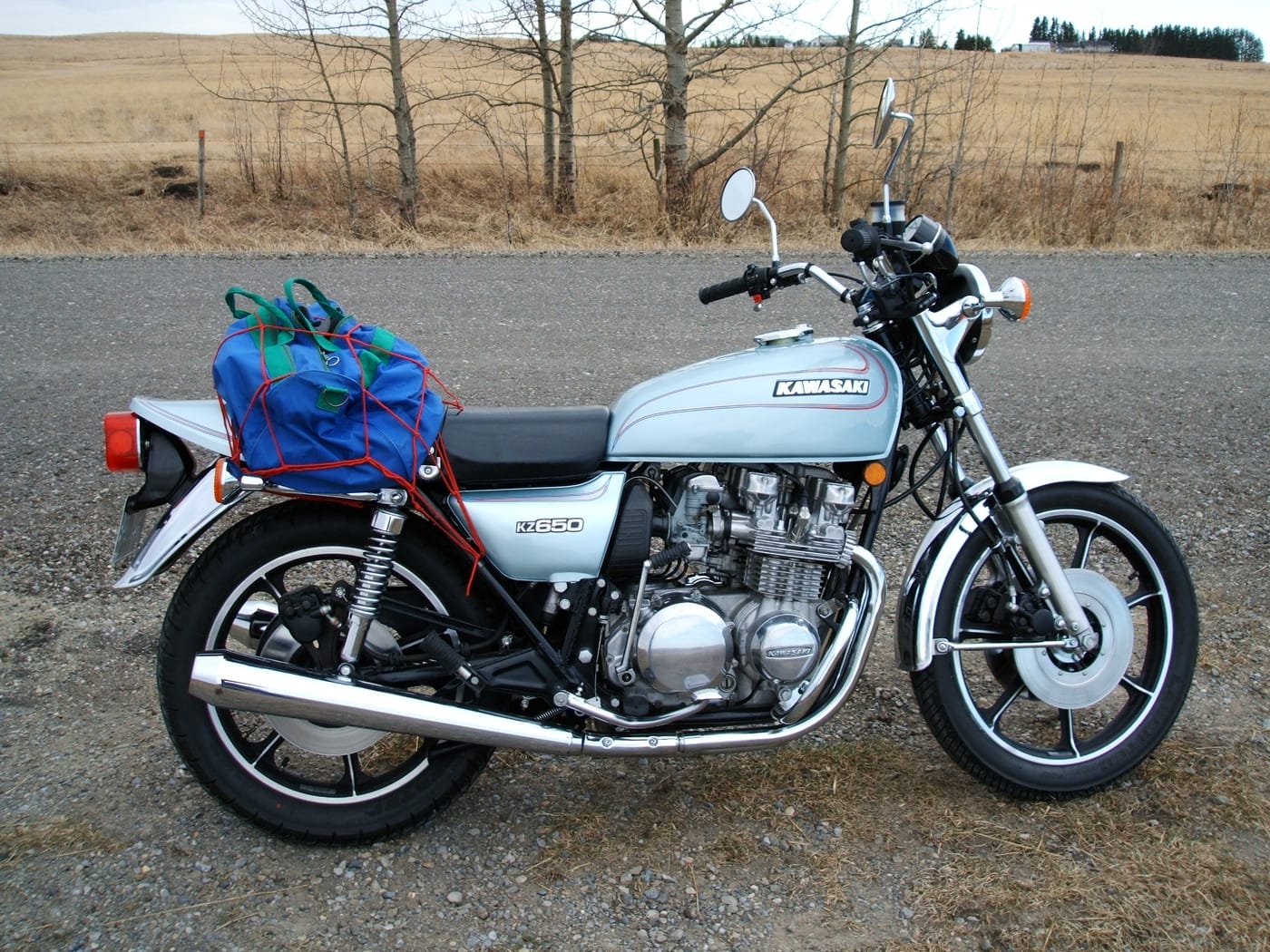
Kawasaki Z650
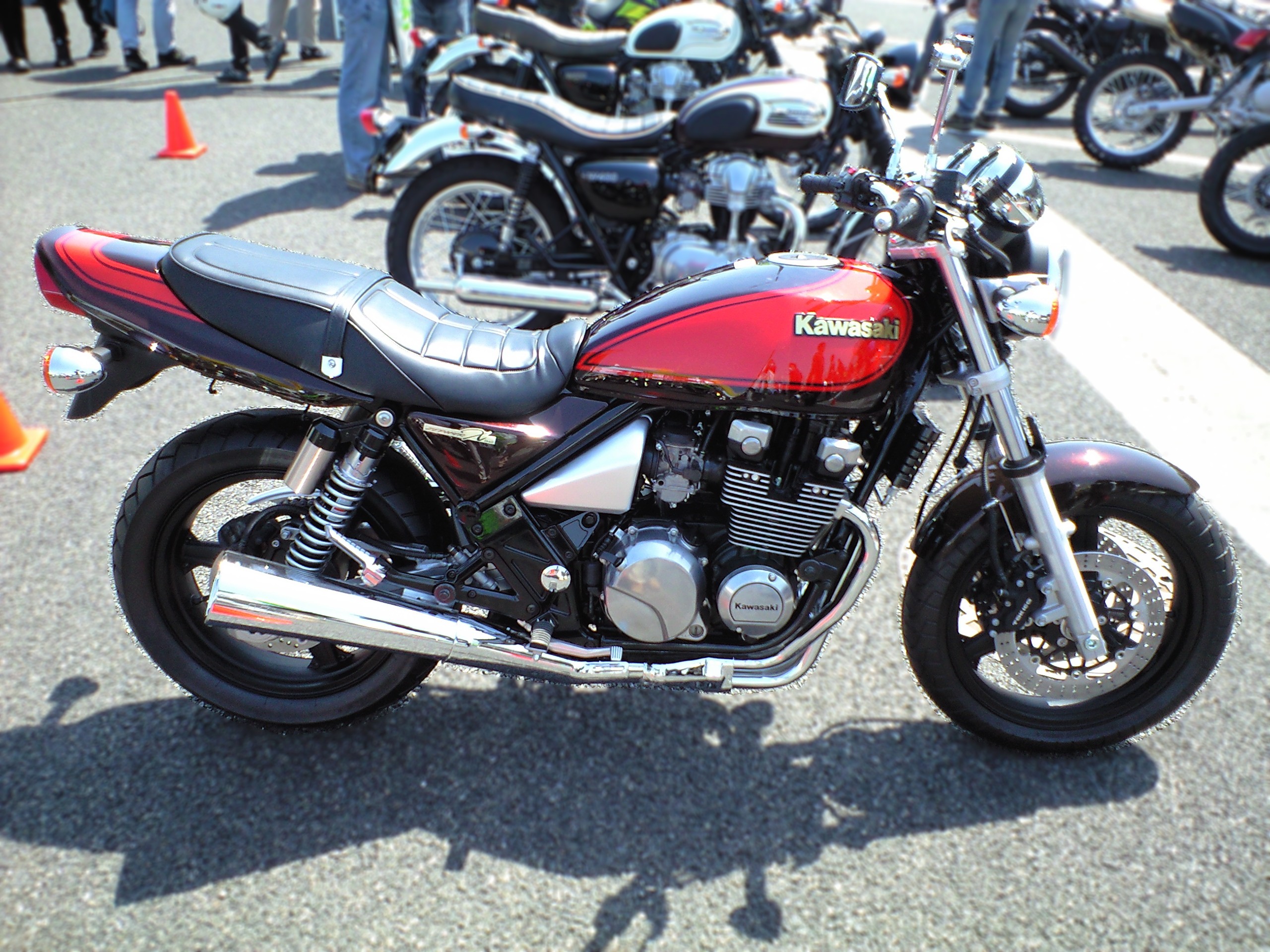
Kawasaki Z400
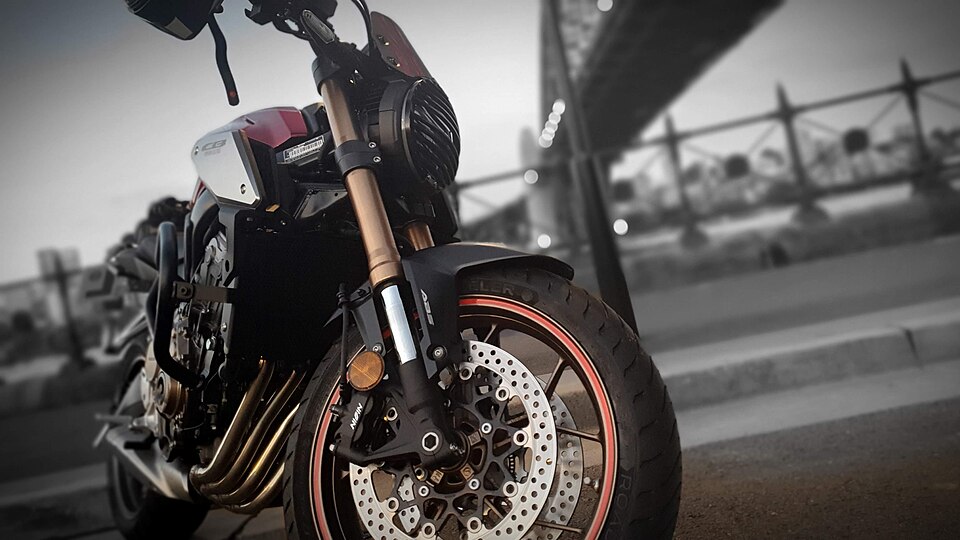
Honda Cb650r
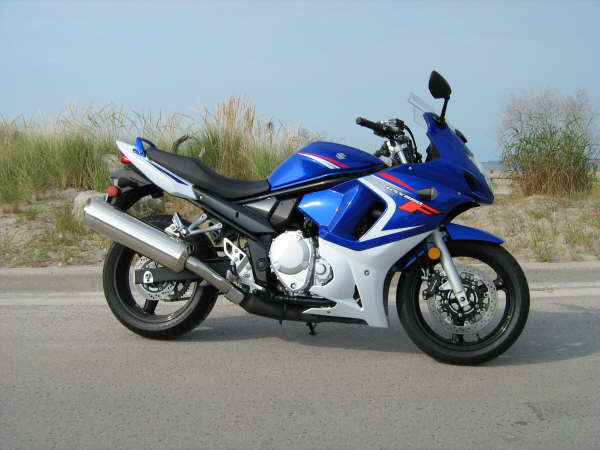
Suzuki Bandit 650
Suzuki Gladius 650
Compare Suzuki Sv650 Side-by-Side
compare_arrowsSpecs, power, weight & buyer verdict — head-to-head with the bikes most often cross-shopped.
Suzuki Sv650 vs Kawasaki Z650
Specs · Power · Buyer verdict
Suzuki Sv650 vs Kawasaki Z400
Specs · Power · Buyer verdict
Suzuki Sv650 vs Honda Cb650r
Specs · Power · Buyer verdict
Suzuki Sv650 vs Suzuki Bandit 650
Specs · Power · Buyer verdict
Suzuki Sv650 vs Suzuki Gladius 650
Specs · Power · Buyer verdict
More Suzuki Sv650 Guides
More from Suzuki
View all Suzuki models →Community Reviews
Discussion
Frequently Asked Questions
What are common problems with the Suzuki Sv650? +
Stator/regulator-rectifier failure: Battery voltage at idle, flickering lights, charging output (serious) | Throttle body sync and idle issues: Rough idle, hunting RPMs, vacuum leaks on carb boots (moderate) | Front fork seal leaks: Oil residue on lower fork legs, soggy handling (moderate)
Is the Suzuki Sv650 a good motorcycle? +
The most sensible used sportbike money can buy, full stop. Rating: 8.5/10. Best for: New riders wanting a long-term capable machine. Avoid if: You need touring comfort or genuine wind protection.
What is the horsepower of the Suzuki Sv650? +
The Suzuki Sv650 produces 73 hp @ 8,500 rpm, with 64 Nm @ 7,400 rpm of torque. Top speed: 200 km/h (est. — note: manufacturer limited; some sources report up to 210 km/h).
Is the Suzuki Sv650 good for beginners? +
Yes — the Suzuki Sv650 is a reasonable choice for new riders (73 hp is manageable), weighing 197 kg. New riders wanting a long-term capable machine
Is the Suzuki Sv650 reliable? +
Owners report 1 critical issue to watch for on the Suzuki Sv650, notably: Stator/regulator-rectifier failure (Battery voltage at idle, flickering lights, charging output). Buy with a pre-purchase inspection.
Is the Suzuki Sv650 good for daily use? +
New riders wanting a long-term capable machine Fuel: 5.5 L/100km or ~18 km/L (typical real-world average).
How fast is the Suzuki Sv650? +
The Suzuki Sv650 reaches a top speed of 200 km/h (est. — note: manufacturer limited; some sources report up to 210 km/h), producing 73 hp at 197 kg curb weight. Real-world performance depends on rider weight, gearing, and road conditions.
What gear should I buy for a Suzuki Sv650? +
Motoryk has curated a Top 10 gear list specifically for the Suzuki Sv650, covering engine oil, tires, chain, battery, and brake pads — see motoryk.com/bikes/suzuki/sv650/top10. Each pick is matched to this bike's spec.