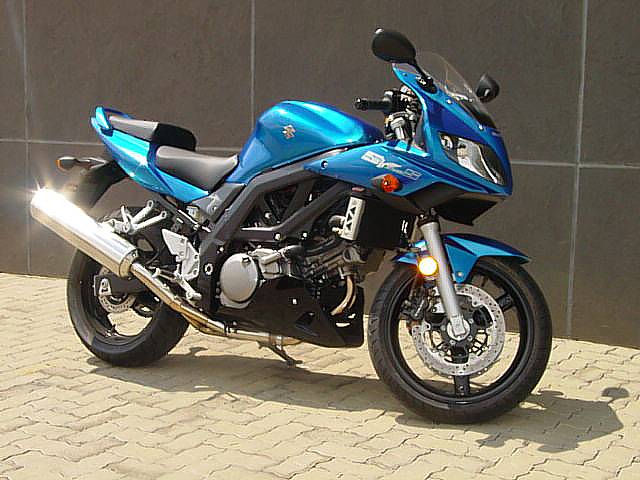
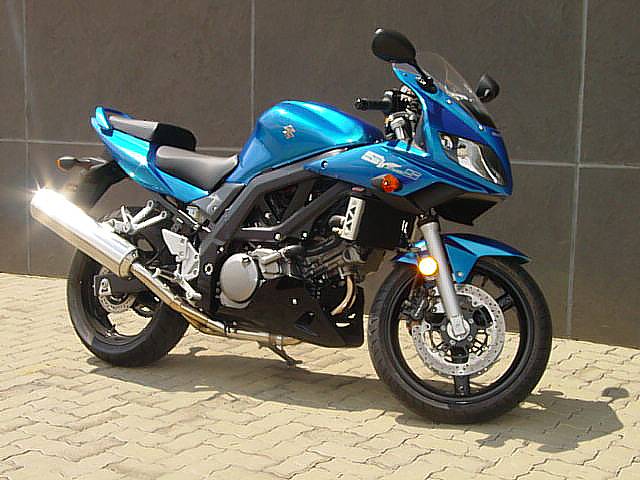
Suzuki Sv650
The Suzuki Sv650 has a top speed of 200 km/h (est. — note: manufacturer limited; some sources report up to 210 km/h), produces 73 hp and weighs 197 kg. Motoryk rates it 8.5/10.
Suzuki SV650 został wprowadzony w 1999 roku jako niedrogi, zabawny i dostępny model V-twin wagi średniej, szybko zdobywając kultowych zwolenników dzięki zrównoważonej wydajności i wartości. Został zaktualizowany w 2003 roku (druga generacja) i ponownie znacznie poprawiony w 2016 r. (trzecia generacja) z nowoczesnym wtryskiem paliwa, poprawioną stylistyką i ulepszoną ergonomią. Jest powszechnie uważany za jeden z najlepszych motocykli dla początkujących i średniozaawansowanych, jakie kiedykolwiek wyprodukowano, dominujący w wyścigach klubowych klasy podstawowej i uwielbiany ze względu na charakterystyczny moment obrotowy V-twin.
73 hp
Moc
64 Nm
Moment obrotowy
197 kg
Waga
200 km/h (est. — note: manufacturer limited; some sources report up to 210 km/h)
Prędkość maksymalna
5.5 L/100km or ~18 km/L (typical real-world average)
Paliwo
Nagie
Ciało
🔧 Service Schedule & Parts
Affiliate · we may earn| Service item | Every | Typical cost | Parts |
|---|---|---|---|
| 🛢️ Engine oil + oil filter | 6,000 km / 3,500 mi or 12 mo | $40-80 | 🛢️ Buy → ⚙️ Buy → |
| 🌬️ Air filter | 12,000 km / 7,500 mi | — | 🌬️ Buy → |
| ⚡ Spark plugs | 12,000 km / 7,500 mi | — | ⚡ Buy → |
| 🔧 Valve clearance check | 24,000 km / 15,000 mi | $150-300 | |
| 🔗 Chain & sprockets | 25000-40000 km (replace) | $150-300 | 🔗 Buy → |
| 🛑 Brake pads | 15000-30000 km | $30-60 | 🛑 Buy → |
| 💧 Brake fluid | 24,000 km / 15,000 mi or 2 yr | — | |
| 🧊 Coolant | 24,000 km / 15,000 mi | — | |
| 🛞 Tires | 10000-20000 km | $200-400 | 🛞 Buy → |
| 🔩 Major service | 24,000 km / 15,000 mi | $300-600 |
Video Review
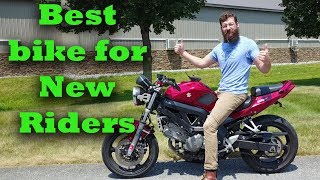
Co kupujący powinni wiedzieć
Bulletproof V-Twin Engine
The SV650's 645cc V-twin is renowned for its longevity, commonly reaching 60,000–100,000 miles with basic maintenance. It's one of the most reliable middleweight engines ever produced.
Watch the Regulator/Rectifier
Early models (1999–2002) are prone to regulator/rectifier failure, which can kill the battery or damage the stator. Always verify charging system health before buying a used first-gen SV650.
Strong Resale Value
The SV650 holds its value exceptionally well due to high demand from beginners and track riders alike. A well-maintained example rarely sits on the market long, making it easy to resell.
Pokolenia i specyfikacje według roku
Uruchomiono oryginalny SV650. Gaźnik 645cc V-twin, stalowa rama rurowa, wariant S z gołym i półokrągłym.
"Rower, który sprawił, że wszystko inne wyglądało na zawyżone."
W latach 2000-2003 przejechałem 22 000 kilometrów na nagim SV650 i wciąż myślę o tym silniku — ten V-twin o pojemności 645 cm3 ma chrumk średniego zasięgu, który zawstydza motocykle kosztujące dwa razy więcej, a sposób, w jaki przebiega z 4000 obr./min do czerwonej linii, wydaje się żywy w sposób, w jaki rzadko robią to inline-four. Rurowa stalowa rama telegrafuje wszystko przez nadgarstki bez bicia cię, a przy mokrym 198 kg zmienia kierunek, jakby czytała twoje myśli, a nie dane wejściowe. Węglowodany to jedyna uczciwa frustracja: zimne poranki oznaczały rytuał dławienia i co najmniej dwie minuty grudkowatego biegu jałowego, a gdyby poprzedni właściciel pominął usługę synchronizacji, poczujesz to jako uporczywy płaski punkt 4000 obr./min. Ale nic w tym rowerze nie wydaje się kompromisem - Suzuki przypadkowo zbudował prawie idealny motocykl, próbując osiągnąć punkt cenowy.
Plusy
Wady
Zmieniona karoseria, poprawiona geometria ramy, zaktualizowane zawieszenie, silnik gaźnika przeniesiony z drobnymi udoskonaleniami.
"Benchowa waga średnia, która wciąż zawstydza nowsze rowery."
Pojechałem 34 000 kilometrów na SV650S z 2006 roku i sprawa po prostu odmówiła nudy - ten 90-stopniowy bliźniak V-twin mocno ciągnie z 4000 obr./min z warczeniem, którego zamienniki wtryskiwane paliwem naprawdę nie mogą się powtórzyć. Geometria ramy Gen 2 wyraźnie wzmocniła układ kierowniczy w stosunku do oryginału; drogi kanionowe są raczej intuicyjne niż nerwowe, a ciężar mokry 169 kg oznacza, że faktycznie używasz roweru zamiast nim zarządzać. Węglowodany są jedynym uczciwym zastrzeżeniem: zimne poranki poniżej 5°C wymagają cierpliwości w przypadku dławika, a odrzucanie staje się rozmową, którą w końcu będziesz prowadzić. Nadwozie gen-2 dzieli ludzi - piękny model S wygląda celowo, naga wygląda jakby czegoś brakowało - ale żadna opinia nie ma znaczenia, gdy się poruszasz.
Plusy
Wady
Wprowadzono wtrysk paliwa, zaktualizowane podwozie, dodana kontrola trakcji, poprawiona ergonomia, aktualizacje zgodności z Euro4 i Euro5.
Recenzja używanego kupującego
"The most sensible used sportbike money can buy, full stop."
$2,500-$5,500 usedThe SV650 is the used bike market's worst-kept secret, and for good reason. That 645cc V-twin punches well above its displacement — torquey, characterful, and genuinely fun rather than just fast. On used examples, check the fairings on naked models for stress cracks around the headlight ears, and poke around the fuel injectors on post-2003 bikes if it's been sitting. The subframe corrosion issue is real on neglected examples, so get underneath and look. First-gen carbed models (1999-2002) are simpler to maintain but harder to start cold; second-gen fuel-injected bikes are the sweet spot for reliability without modern electronics complexity. Suspension is serviceable stock but genuinely benefits from a fork spring upgrade — budget another $150 if you're buying cheap. Reliability is genuinely excellent when maintained, and parts are dirt cheap. This is a bike that rewards skilled riders while forgiving beginners, which almost nothing else does at this price point.
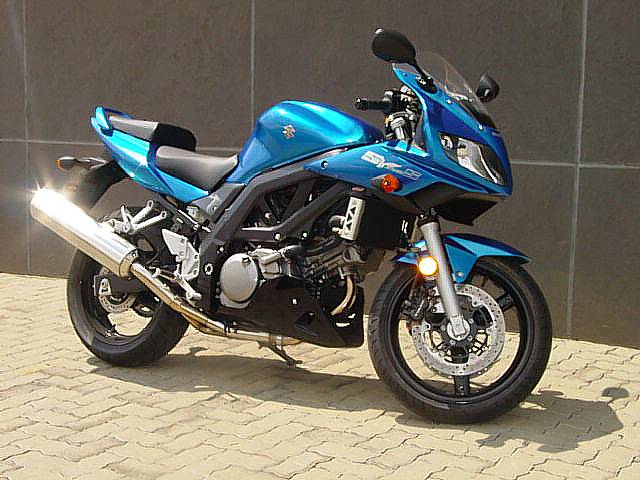
Variants of the Suzuki Sv650
Same bike, different trim or year-range — pick the one matching the listing.
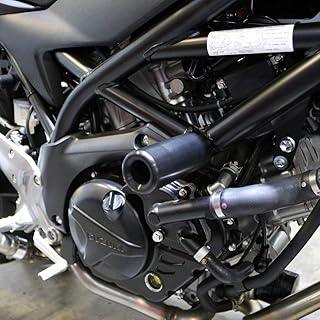
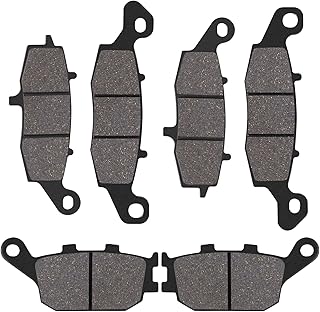
Top 10 Accessories
Curated picks for the Suzuki Sv650 — owned, ridden, recommended.




Typowe problemy
🔥 1 CRITICALBattery voltage at idle, flickering lights, charging output
Rough idle, hunting RPMs, vacuum leaks on carb boots
Oil residue on lower fork legs, soggy handling
Soft/cracked hoses, coolant stains near engine
✅Lista kontrolna przed zakupem
Excellent reliability, minor electrical weak spots only
Full Specifications
Rivals & Alternatives
Bikes that buyers cross-shop with the Suzuki Sv650
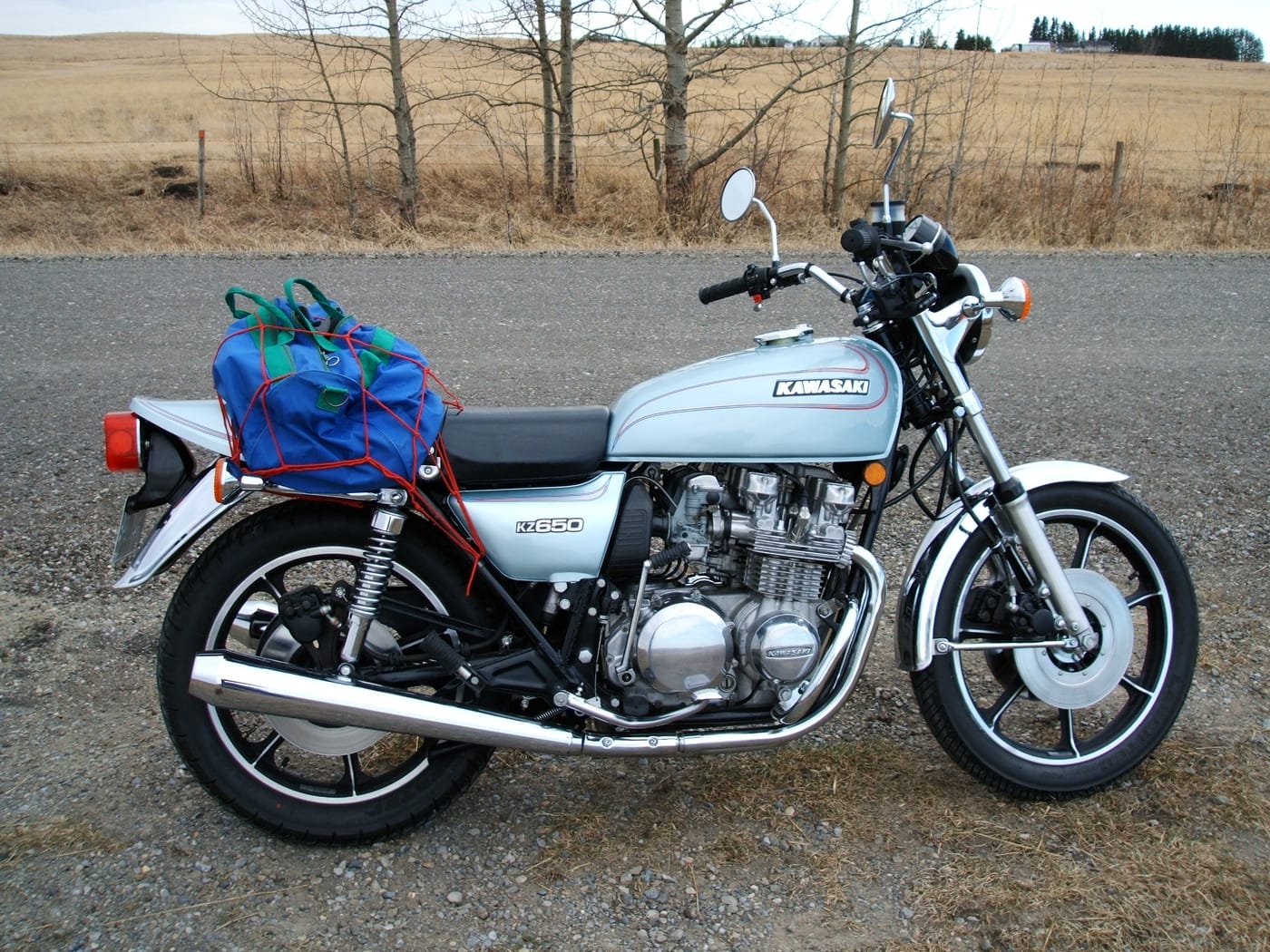
Kawasaki Z650
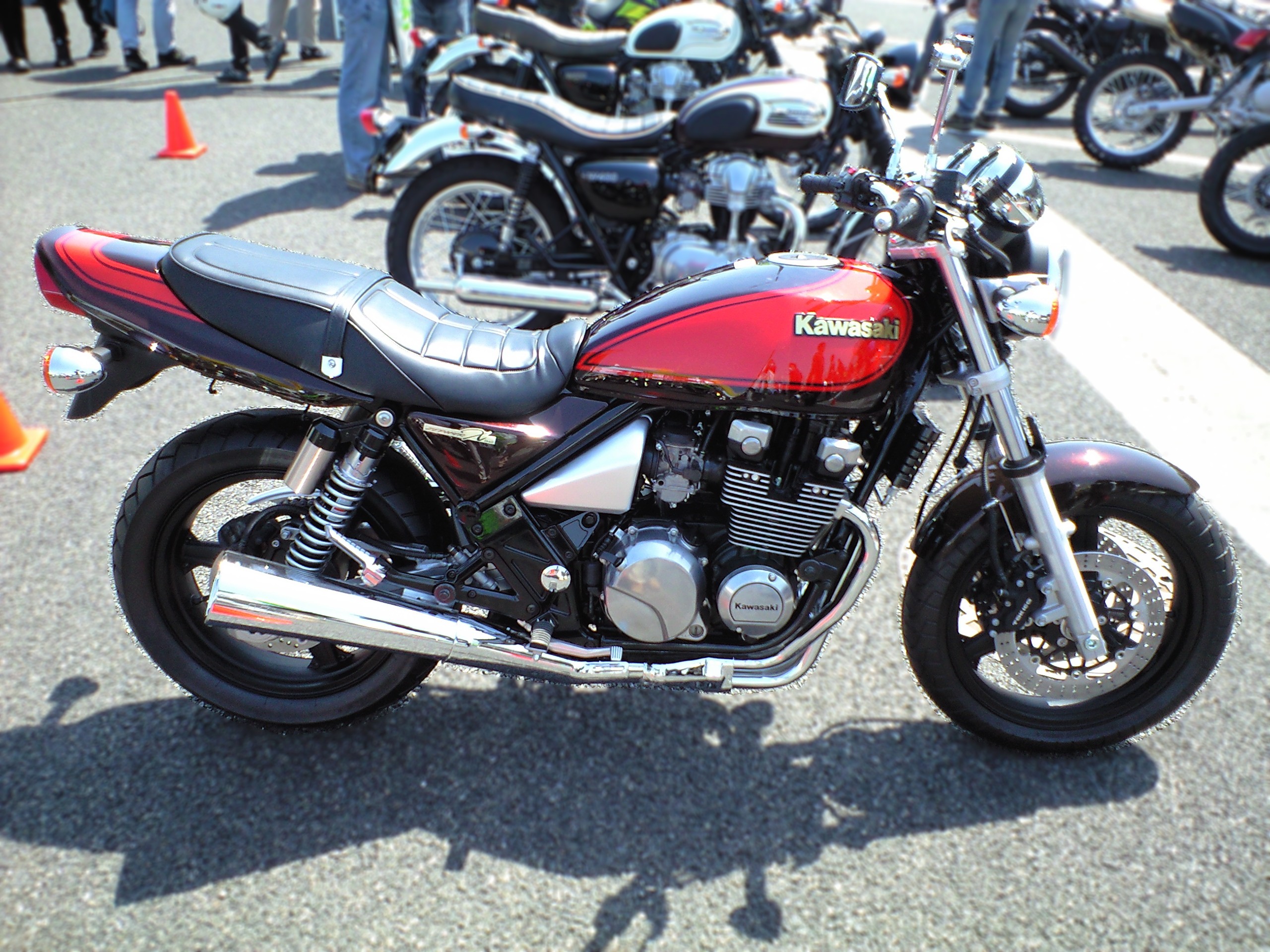
Kawasaki Z400
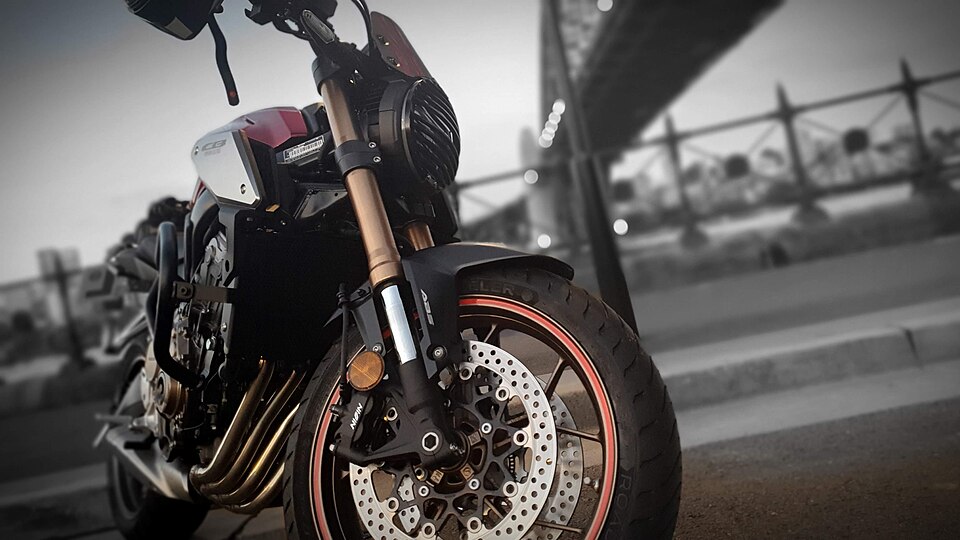
Honda Cb650r
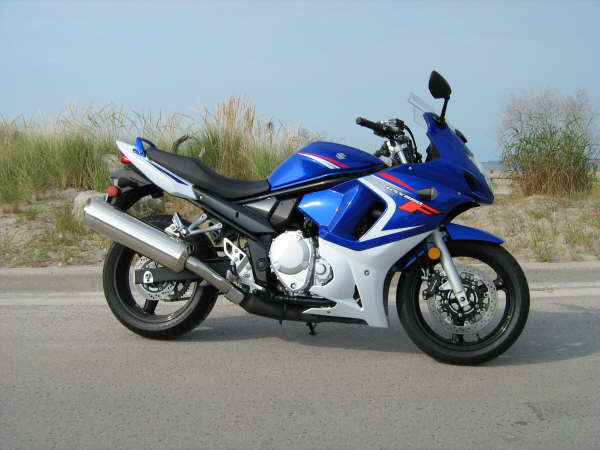
Suzuki Bandit 650
Suzuki Gladius 650
Compare Suzuki Sv650 Side-by-Side
compare_arrowsSpecs, power, weight & buyer verdict — head-to-head with the bikes most often cross-shopped.
Suzuki Sv650 vs Kawasaki Z650
Specs · Power · Buyer verdict
Suzuki Sv650 vs Kawasaki Z400
Specs · Power · Buyer verdict
Suzuki Sv650 vs Honda Cb650r
Specs · Power · Buyer verdict
Suzuki Sv650 vs Suzuki Bandit 650
Specs · Power · Buyer verdict
Suzuki Sv650 vs Suzuki Gladius 650
Specs · Power · Buyer verdict
More Suzuki Sv650 Guides
More from Suzuki
View all Suzuki models →Community Reviews
Discussion
Frequently Asked Questions
What are common problems with the Suzuki Sv650? +
Stator/regulator-rectifier failure: Battery voltage at idle, flickering lights, charging output (serious) | Throttle body sync and idle issues: Rough idle, hunting RPMs, vacuum leaks on carb boots (moderate) | Front fork seal leaks: Oil residue on lower fork legs, soggy handling (moderate)
Is the Suzuki Sv650 a good motorcycle? +
The most sensible used sportbike money can buy, full stop. Rating: 8.5/10. Best for: New riders wanting a long-term capable machine. Avoid if: You need touring comfort or genuine wind protection.
What is the horsepower of the Suzuki Sv650? +
The Suzuki Sv650 produces 73 hp @ 8,500 rpm, with 64 Nm @ 7,400 rpm of torque. Top speed: 200 km/h (est. — note: manufacturer limited; some sources report up to 210 km/h).
Is the Suzuki Sv650 good for beginners? +
Yes — the Suzuki Sv650 is a reasonable choice for new riders (73 hp is manageable), weighing 197 kg. New riders wanting a long-term capable machine
Is the Suzuki Sv650 reliable? +
Owners report 1 critical issue to watch for on the Suzuki Sv650, notably: Stator/regulator-rectifier failure (Battery voltage at idle, flickering lights, charging output). Buy with a pre-purchase inspection.
Is the Suzuki Sv650 good for daily use? +
New riders wanting a long-term capable machine Fuel: 5.5 L/100km or ~18 km/L (typical real-world average).
How fast is the Suzuki Sv650? +
The Suzuki Sv650 reaches a top speed of 200 km/h (est. — note: manufacturer limited; some sources report up to 210 km/h), producing 73 hp at 197 kg curb weight. Real-world performance depends on rider weight, gearing, and road conditions.
What gear should I buy for a Suzuki Sv650? +
Motoryk has curated a Top 10 gear list specifically for the Suzuki Sv650, covering engine oil, tires, chain, battery, and brake pads — see motoryk.com/bikes/suzuki/sv650/top10. Each pick is matched to this bike's spec.