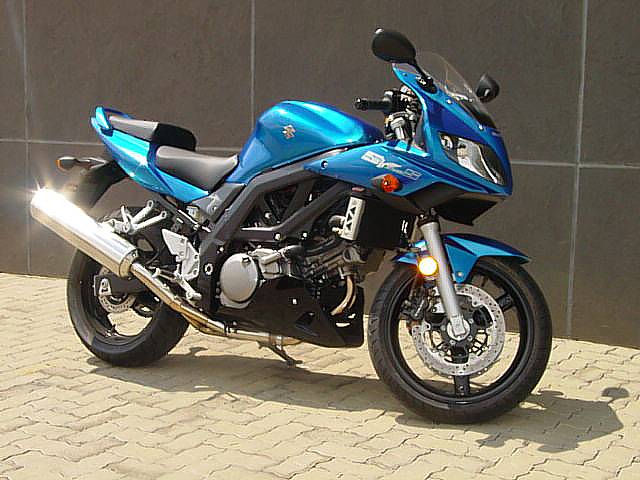
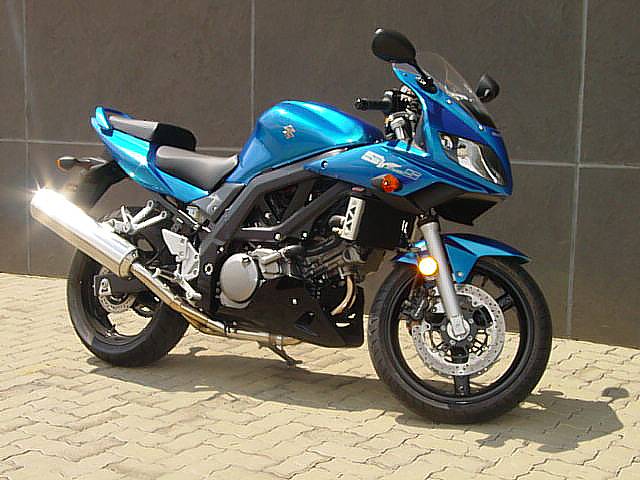
Suzuki Sv650
The Suzuki Sv650 has a top speed of 200 km/h (est. — note: manufacturer limited; some sources report up to 210 km/h), produces 73 hp and weighs 197 kg. Motoryk rates it 8.5/10.
The Suzuki SV650 was introduced in 1999 as an affordable, fun, and accessible V-twin middleweight, quickly earning a cult following for its balanced performance and value. It was updated in 2003 (second generation) and again significantly revised in 2016 (third generation) with modern fuel injection, revised styling, and improved ergonomics. It is widely regarded as one of the best beginner-to-intermediate motorcycles ever made, dominating entry-level club racing and beloved for its characterful V-twin torque.
73 hp
Power
64 Nm
Torque
197 kg
Weight
200 km/h (est. — note: manufacturer limited; some sources report up to 210 km/h)
Top Speed
5.5 L/100km or ~18 km/L (typical real-world average)
Fuel
Naked
Body
🔧 Service Schedule & Parts
Affiliate · we may earn| Service item | Every | Typical cost | Parts |
|---|---|---|---|
| 🛢️ Engine oil + oil filter | 6,000 km / 3,500 mi or 12 mo | $40-80 | 🛢️ Buy → ⚙️ Buy → |
| 🌬️ Air filter | 12,000 km / 7,500 mi | — | 🌬️ Buy → |
| ⚡ Spark plugs | 12,000 km / 7,500 mi | — | ⚡ Buy → |
| 🔧 Valve clearance check | 24,000 km / 15,000 mi | $150-300 | |
| 🔗 Chain & sprockets | 25000-40000 km (replace) | $150-300 | 🔗 Buy → |
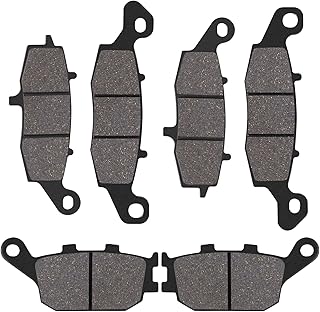
| 🛑 Brake pads | 15000-30000 km | $30-60 | 🛑 Buy → |
| 💧 Brake fluid | 24,000 km / 15,000 mi or 2 yr | — | |
| 🧊 Coolant | 24,000 km / 15,000 mi | — | |
| 🛞 Tires | 10000-20000 km | $200-400 | 🛞 Buy → |
| 🔩 Major service | 24,000 km / 15,000 mi | $300-600 |
Video Review
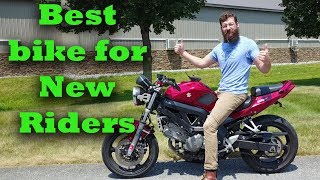
What Buyers Should Know
Bulletproof V-Twin Engine
The SV650's 645cc V-twin is renowned for its longevity, commonly reaching 60,000–100,000 miles with basic maintenance. It's one of the most reliable middleweight engines ever produced.
Watch the Regulator/Rectifier
Early models (1999–2002) are prone to regulator/rectifier failure, which can kill the battery or damage the stator. Always verify charging system health before buying a used first-gen SV650.
Strong Resale Value
The SV650 holds its value exceptionally well due to high demand from beginners and track riders alike. A well-maintained example rarely sits on the market long, making it easy to resell.
Generations & Specs by Year
Original SV650 launched. Carbureted 645cc V-twin, tubular steel frame, naked and half-faired S variant.
"The bike that made everything else look overpriced."
I put 22,000 kilometres on a naked SV650 between 2000 and 2003 and I still think about that engine — that 645cc V-twin has a mid-range grunt that shames bikes costing twice as much, and the way it pulls from 4,000 rpm through to the redline feels alive in a way that inline-fours rarely do. The tubular steel frame telegraphs everything through your wrists without beating you up, and at 198 kg wet it changes direction like it's reading your mind rather than your inputs. The carbs are the one honest frustration: cold mornings meant a choke ritual and at least two minutes of lumpy idling, and if the previous owner skipped the sync service you'd feel it as a persistent 4,000 rpm flat spot. But nothing about this bike feels like a compromise — Suzuki accidentally built a nearly perfect motorcycle while trying to hit a price point.
Pros
Cons
Restyled bodywork, revised frame geometry, updated suspension, carbureted engine carried over with minor refinements.
"The benchmark middleweight that still embarrasses newer bikes."
I put 34,000 kilometers on a 2006 SV650S and the thing simply refused to be boring — that 90-degree V-twin pulls hard from 4,000 rpm with a growl that fuel-injected replacements genuinely can't replicate. The Gen 2 frame geometry tightened up the steering noticeably over the original; canyon roads feel intuitive rather than nervous, and the 169 kg wet weight means you're actually using the bike rather than managing it. Carbs are the one honest caveat: cold mornings under 5°C require patience with the choke, and jetting becomes a conversation you'll have eventually. The gen-2 bodywork divides people — the faired S model looks purposeful, the naked looks like it's missing something — but neither opinion matters once you're moving.
Pros
Cons
Fuel injection introduced, updated chassis, traction control added, revised ergonomics, Euro4 and Euro5 compliance updates.
Used Buyer Review
"The most sensible used sportbike money can buy, full stop."
$2,500-$5,500 usedThe SV650 is the used bike market's worst-kept secret, and for good reason. That 645cc V-twin punches well above its displacement — torquey, characterful, and genuinely fun rather than just fast. On used examples, check the fairings on naked models for stress cracks around the headlight ears, and poke around the fuel injectors on post-2003 bikes if it's been sitting. The subframe corrosion issue is real on neglected examples, so get underneath and look. First-gen carbed models (1999-2002) are simpler to maintain but harder to start cold; second-gen fuel-injected bikes are the sweet spot for reliability without modern electronics complexity. Suspension is serviceable stock but genuinely benefits from a fork spring upgrade — budget another $150 if you're buying cheap. Reliability is genuinely excellent when maintained, and parts are dirt cheap. This is a bike that rewards skilled riders while forgiving beginners, which almost nothing else does at this price point.
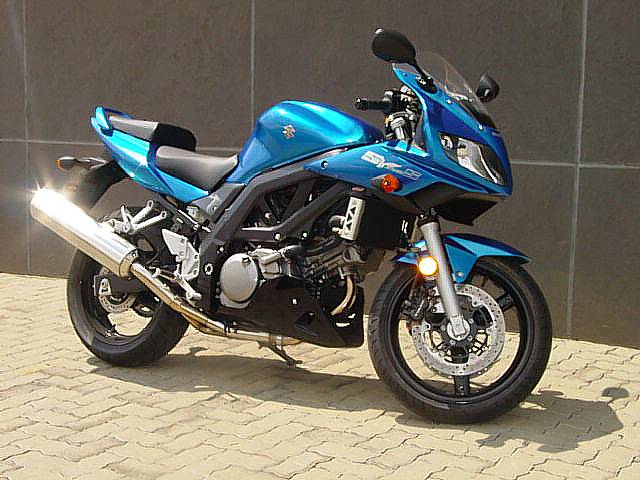
Variants of the Suzuki Sv650
Same bike, different trim or year-range — pick the one matching the listing.
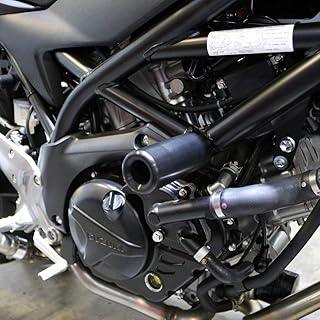
Top 10 Accessories
Curated picks for the Suzuki Sv650 — owned, ridden, recommended.




Common Problems
🔥 1 CRITICALBattery voltage at idle, flickering lights, charging output
Rough idle, hunting RPMs, vacuum leaks on carb boots
Oil residue on lower fork legs, soggy handling
Soft/cracked hoses, coolant stains near engine
✅Pre-Purchase Checklist
Excellent reliability, minor electrical weak spots only
Full Specifications
Rivals & Alternatives
Bikes that buyers cross-shop with the Suzuki Sv650
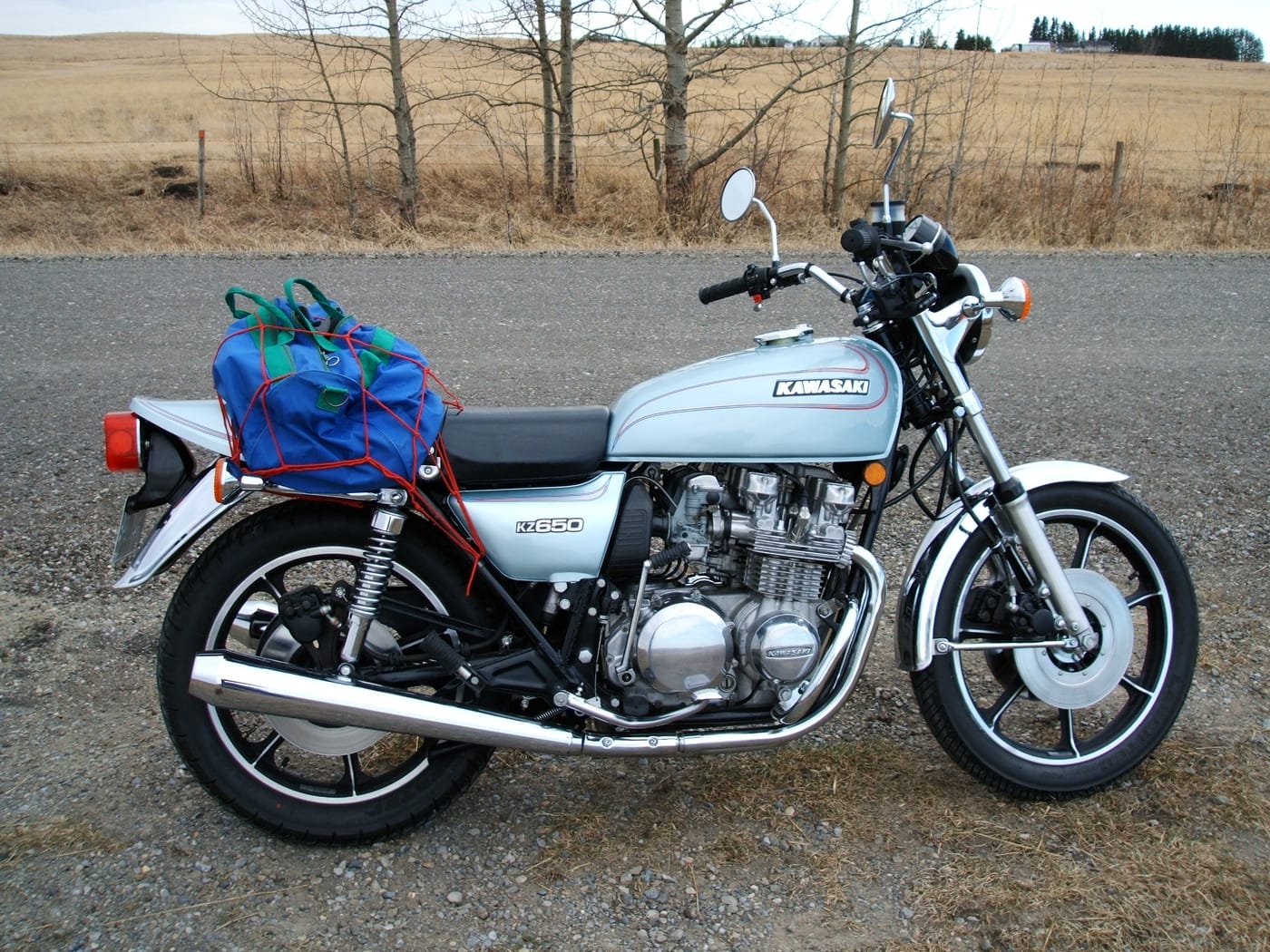
Kawasaki Z650
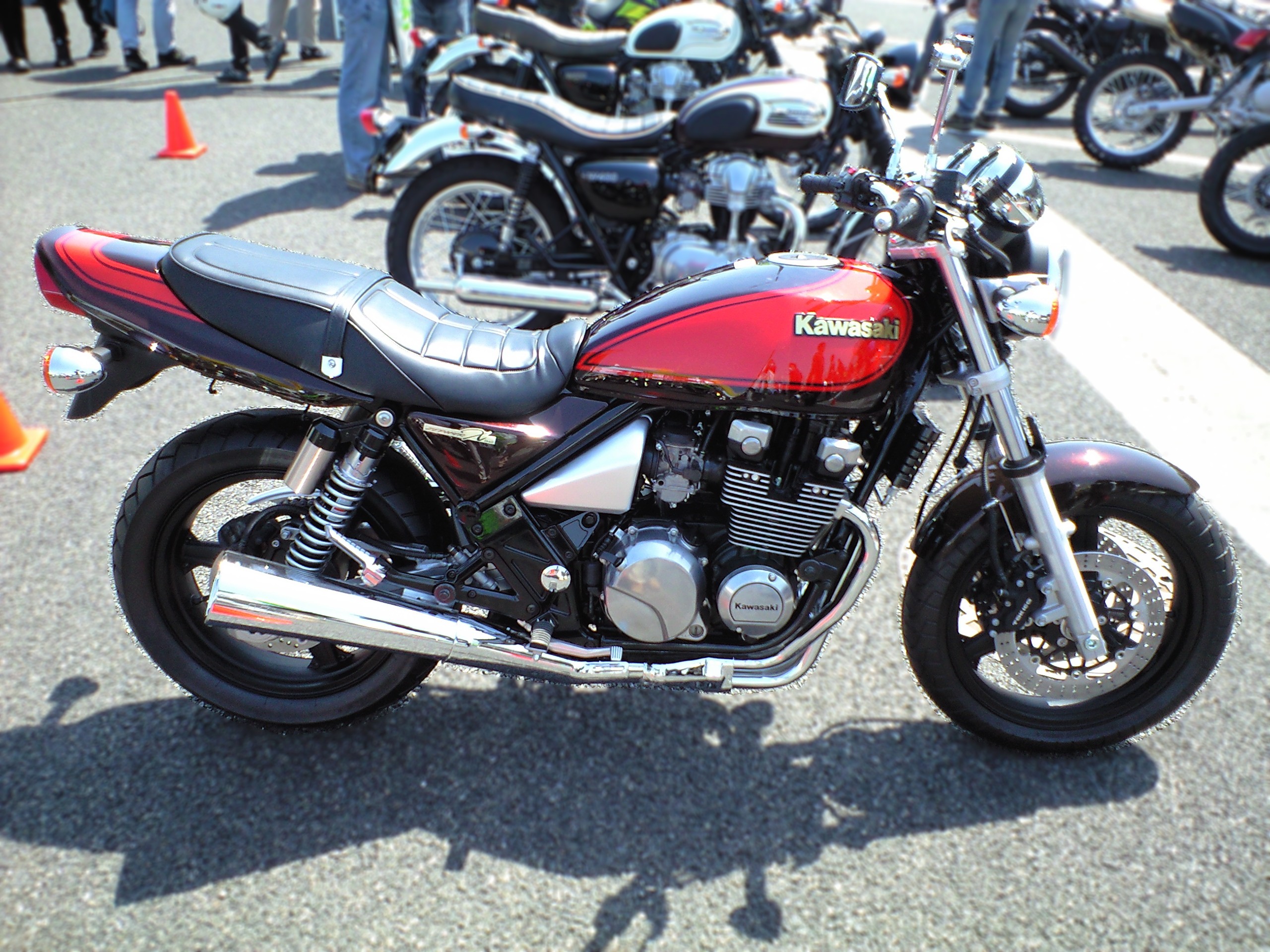
Kawasaki Z400
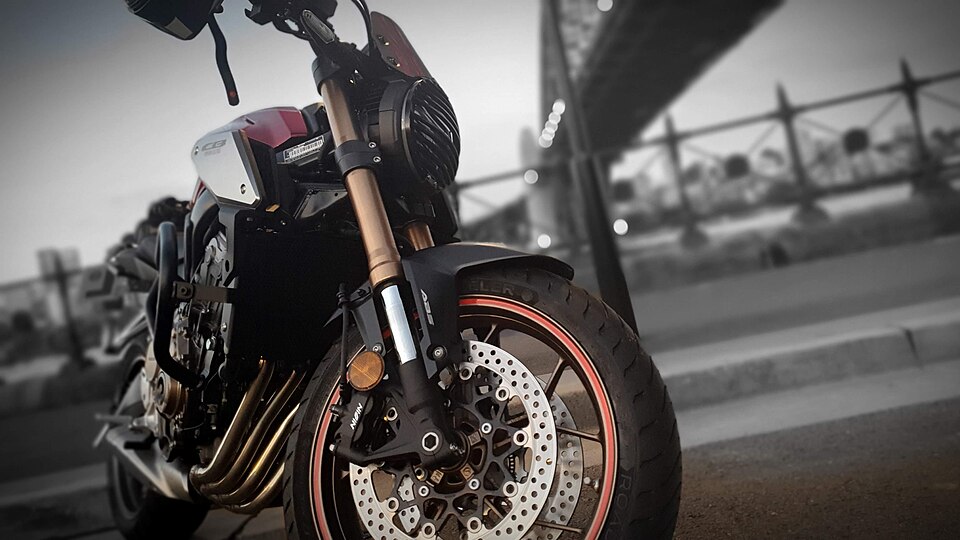
Honda Cb650r
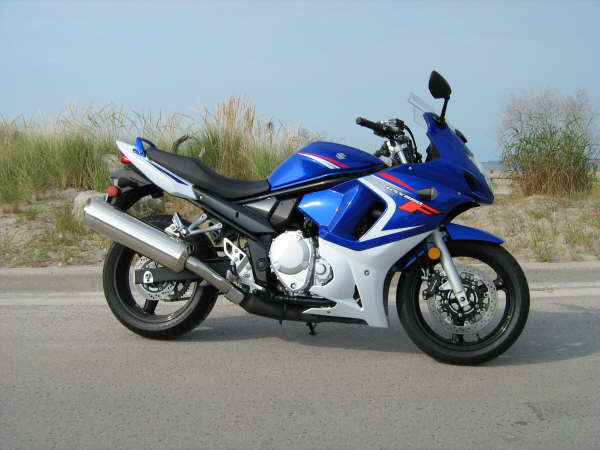
Suzuki Bandit 650
Suzuki Gladius 650
Compare Suzuki Sv650 Side-by-Side
compare_arrowsSpecs, power, weight & buyer verdict — head-to-head with the bikes most often cross-shopped.
Suzuki Sv650 vs Kawasaki Z650
Specs · Power · Buyer verdict
Suzuki Sv650 vs Kawasaki Z400
Specs · Power · Buyer verdict
Suzuki Sv650 vs Honda Cb650r
Specs · Power · Buyer verdict
Suzuki Sv650 vs Suzuki Bandit 650
Specs · Power · Buyer verdict
Suzuki Sv650 vs Suzuki Gladius 650
Specs · Power · Buyer verdict
More Suzuki Sv650 Guides
More from Suzuki
View all Suzuki models →Community Reviews
Discussion
Frequently Asked Questions
What are common problems with the Suzuki Sv650? +
Stator/regulator-rectifier failure: Battery voltage at idle, flickering lights, charging output (serious) | Throttle body sync and idle issues: Rough idle, hunting RPMs, vacuum leaks on carb boots (moderate) | Front fork seal leaks: Oil residue on lower fork legs, soggy handling (moderate)
Is the Suzuki Sv650 a good motorcycle? +
The most sensible used sportbike money can buy, full stop. Rating: 8.5/10. Best for: New riders wanting a long-term capable machine. Avoid if: You need touring comfort or genuine wind protection.
What is the horsepower of the Suzuki Sv650? +
The Suzuki Sv650 produces 73 hp @ 8,500 rpm, with 64 Nm @ 7,400 rpm of torque. Top speed: 200 km/h (est. — note: manufacturer limited; some sources report up to 210 km/h).
Is the Suzuki Sv650 good for beginners? +
Yes — the Suzuki Sv650 is a reasonable choice for new riders (73 hp is manageable), weighing 197 kg. New riders wanting a long-term capable machine
Is the Suzuki Sv650 reliable? +
Owners report 1 critical issue to watch for on the Suzuki Sv650, notably: Stator/regulator-rectifier failure (Battery voltage at idle, flickering lights, charging output). Buy with a pre-purchase inspection.
Is the Suzuki Sv650 good for daily use? +
New riders wanting a long-term capable machine Fuel: 5.5 L/100km or ~18 km/L (typical real-world average).
How fast is the Suzuki Sv650? +
The Suzuki Sv650 reaches a top speed of 200 km/h (est. — note: manufacturer limited; some sources report up to 210 km/h), producing 73 hp at 197 kg curb weight. Real-world performance depends on rider weight, gearing, and road conditions.
What gear should I buy for a Suzuki Sv650? +
Motoryk has curated a Top 10 gear list specifically for the Suzuki Sv650, covering engine oil, tires, chain, battery, and brake pads — see motoryk.com/bikes/suzuki/sv650/top10. Each pick is matched to this bike's spec.