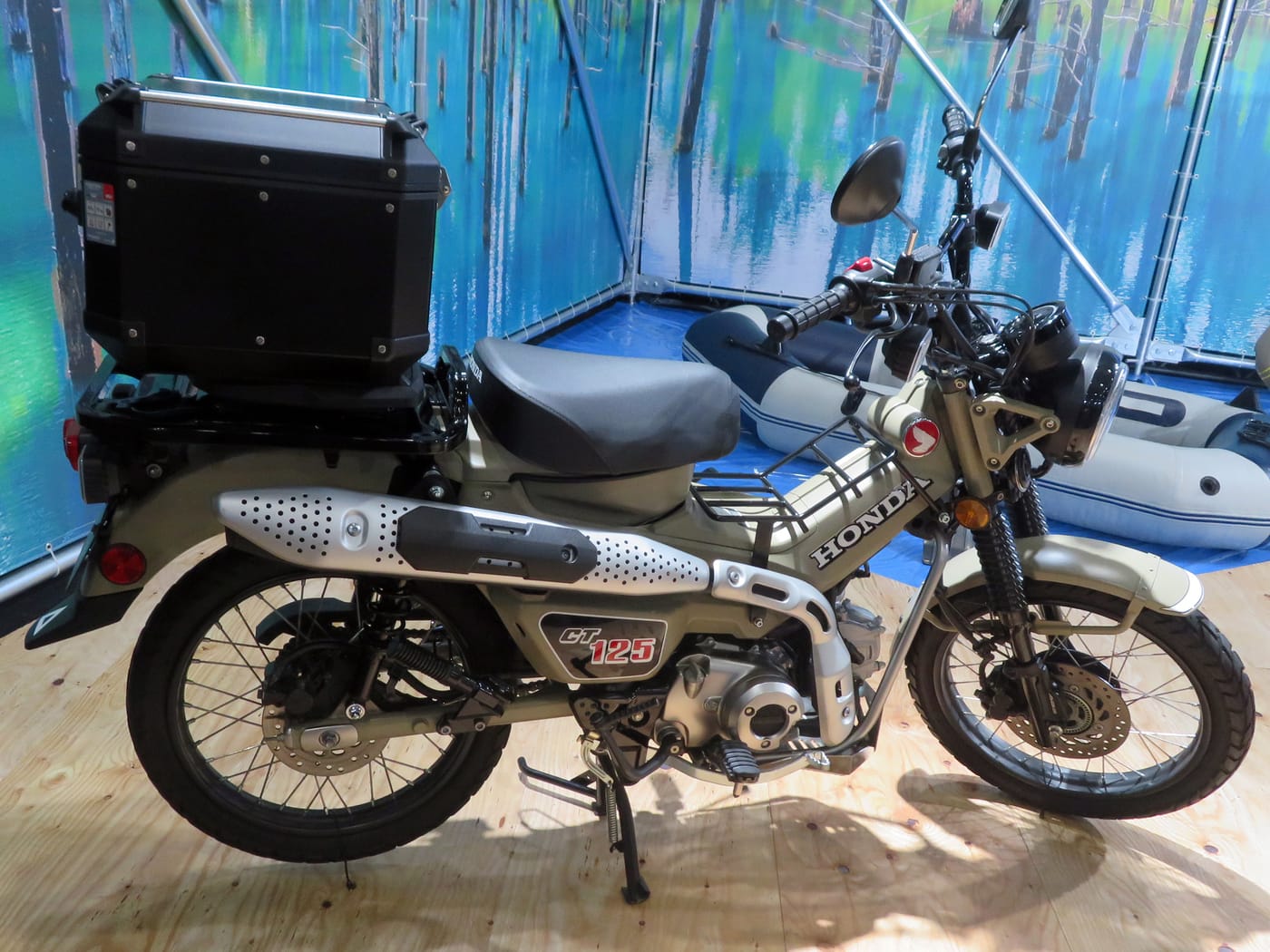
Suzuki Raider J Crossover
The Suzuki Raider J Crossover has a top speed of ~120 km/h (estimated; NOTE: manufacturer top speed not officially published for this variant), produces ~13.5 hp and weighs ~105 kg. Motoryk rates it 7.2/10.
The Suzuki Raider J Crossover is a variant of the popular Raider J series, developed primarily for Southeast Asian markets, particularly the Philippines, where the Raider lineup has been a strong seller since the mid-2000s. It builds on the Raider R150's legacy by adding semi-off-road styling cues such as knobby tires, raised suspension, and rugged bodywork to appeal to riders needing versatility between urban and light trail use. The Crossover variant represents Suzuki's effort to compete in the growing adventure-underbone segment popularized by models like the Honda XRM and Yamaha Sniper MX.
~13.5 hp
Power
~9.5 Nm
Torque
~105 kg
Weight
~120 km/h (estimated; NOTE: manufacturer top speed not officially published for this variant)
Top Speed
~2.2 L/100km or approximately 45 km/L (estimated real-world average; NOTE: official Suzuki figures not independently verified for this specific variant)
Fuel
Faired
Body
🔧 Service Schedule & Parts
Affiliate · we may earn| Service item | Every | Typical cost | Parts |
|---|---|---|---|
| 🛢️ Engine oil + oil filter | 3,000 km / 2,000 mi or 6 mo | $40-80 | 🛢️ Buy → ⚙️ Buy → |
| 🌬️ Air filter | 6,000 km / 3,500 mi | — | 🌬️ Buy → |
| ⚡ Spark plugs | 6,000 km / 3,500 mi | — | ⚡ Buy → |
| 🔧 Valve clearance check | 12,000 km / 7,500 mi | $200-400 | |
| 🔗 Chain & sprockets | 20000-35000 km (replace) | $150-300 | 🔗 Buy → |
| 🛑 Brake pads | 15000-25000 km | $30-60 | 🛑 Buy → |
| 💧 Brake fluid | 24,000 km / 15,000 mi or 2 yr | — | |
| 🛞 Tires | 15000-25000 km | $200-400 | 🛞 Buy → |
| 🔩 Major service | 12,000 km / 7,500 mi | $300-500 |
Video Review

What Buyers Should Know
Proven Engine Reliability
The Raider J Crossover uses Suzuki's proven 113cc single-cylinder engine known for low maintenance and long service life. Regular oil changes every 1,000–1,500 km are key to keeping it running strong for years.
Watch the Carburetor
A common issue reported by owners is carburetor clogging, especially when the bike sits unused for extended periods. Regular cleaning or upgrading to a fuel-injected variant can prevent rough idling and hard starting.
Strong Resale Value
Suzuki Raider models hold their value well in the Philippine used market due to strong brand trust and widespread parts availability. A well-maintained unit typically retains 60–75% of its value after 2–3 years.
Generations & Specs by Year
Initial launch in Southeast Asia; 113cc single-cylinder engine, semi-automatic transmission, underbone crossover styling.
"Scrappy urban commuter that punches above its displacement."
I rode one of these daily for nearly two years through Metro Manila traffic and it genuinely surprised me — the semi-auto gearbox clicks through ratios quickly enough that you never feel trapped in the wrong gear, and that 113cc engine pulls cleanly from low revs without hunting. It's not fast, but 110 km/h is honest and the bike holds 90 km/h on expressways without feeling like it's about to shake apart. The crossover stance looks aggressive but it's mostly aesthetic — ground clearance is decent for broken city roads, though the suspension goes soft and wallowy if you're carrying a pillion regularly. My main gripe was heat buildup on the right leg in stop-and-go traffic; that air-cooled single radiates directly onto your calf, which gets old fast.
Pros
Cons
Revised bodywork, updated graphics, improved fuel system, refined chassis geometry, and enhanced braking components.
Fuel injection introduced, updated LED lighting, modernized styling, improved fuel efficiency and emissions compliance.
Used Buyer Review
"A genuinely smart city tool if you're honest about your needs."
$1,200-$2,800 usedThe Raider J Crossover sits in that odd middle ground between scooter convenience and proper motorcycle — and honestly, it pulls it off better than you'd expect. The 113cc engine is genuinely peppy for city work, fuel economy is ridiculous in the best way, and that semi-automatic gearbox means you're not fumbling with a clutch in traffic. Surprisingly confidence-inspiring for newer riders. Buying used, check the variator belt first — neglected ones snap without warning and strand you. Chain tension is another overlooked item on higher-mileage units. Parts availability is solid across Southeast Asia and decent stateside, so don't lose sleep over that. The suspension is soft by design, which metro riders love but anyone tackling actual rough roads will find limiting. It's not a machine that'll excite you on an empty highway, and that's fine — it was never meant to. What it does is commute with minimal fuss and maximum efficiency, which for the right buyer is exactly enough.
Top 10 Accessories
Curated picks for the Suzuki Raider J Crossover — owned, ridden, recommended.





Common Problems
🔥 1 CRITICALCold start behavior, idle smoothness, throttle response
Chain slack, sprocket teeth sharpness, drivetrain noise
Oil stains on fork tubes, bottoming out over bumps
✅Pre-Purchase Checklist
Decent budget bike, maintenance-dependent longevity
Full Specifications
Rivals & Alternatives
Bikes that buyers cross-shop with the Suzuki Raider J Crossover
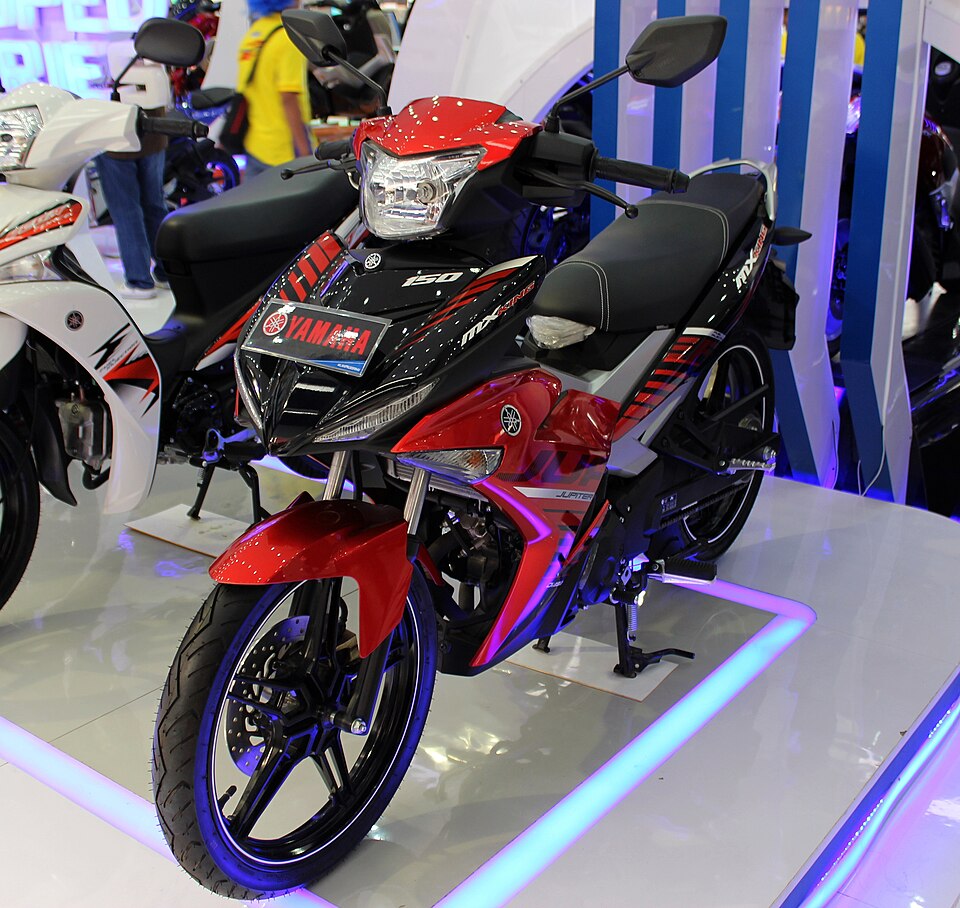
Yamaha Jupiter Mx 150
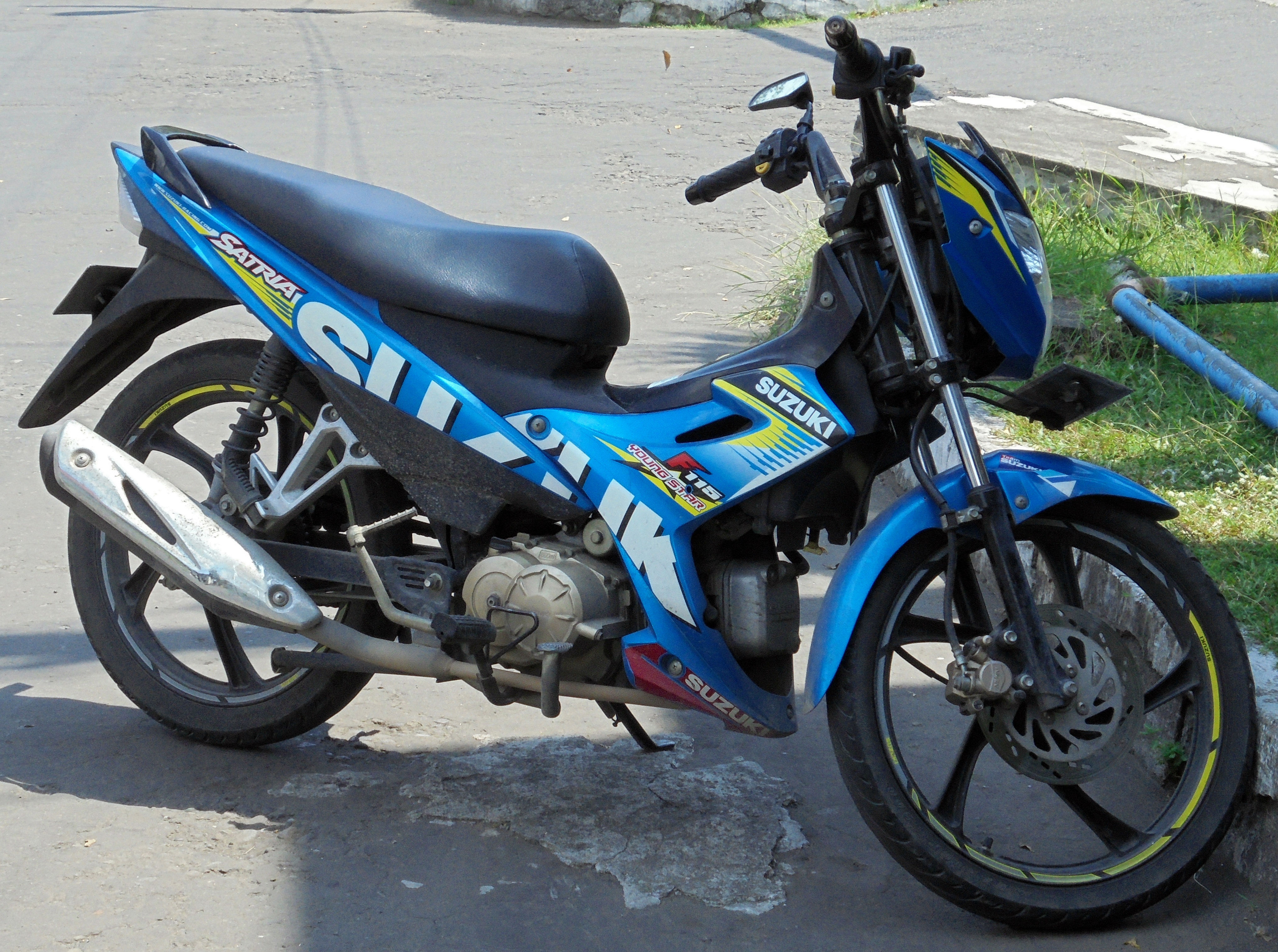
Suzuki Raider R150

Honda Unicorn 150
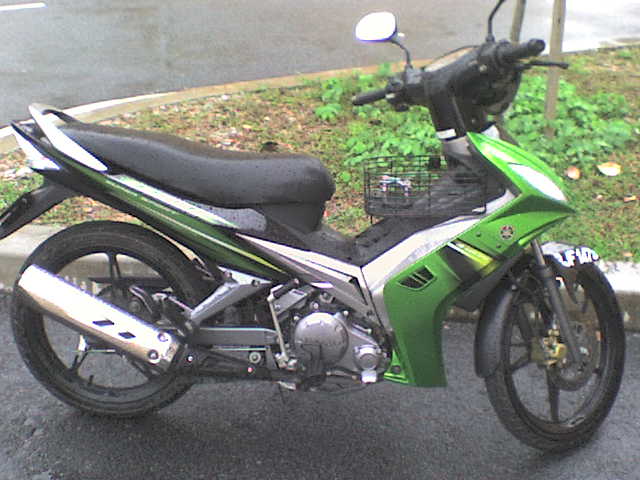
Yamaha Lc135

Yamaha Sz-rr 150
Compare Suzuki Raider J Crossover Side-by-Side
compare_arrowsSpecs, power, weight & buyer verdict — head-to-head with the bikes most often cross-shopped.
Suzuki Raider J Crossover vs Yamaha Jupiter Mx 150
Specs · Power · Buyer verdict
Suzuki Raider J Crossover vs Suzuki Raider R150
Specs · Power · Buyer verdict
Suzuki Raider J Crossover vs Honda Unicorn 150
Specs · Power · Buyer verdict
Suzuki Raider J Crossover vs Yamaha Lc135
Specs · Power · Buyer verdict
Suzuki Raider J Crossover vs Yamaha Sz-rr 150
Specs · Power · Buyer verdict
More Suzuki Raider J Crossover Guides
More from Suzuki
View all Suzuki models →Community Reviews
Discussion
Frequently Asked Questions
What are common problems with the Suzuki Raider J Crossover? +
Carburetor clogging and rough idle: Cold start behavior, idle smoothness, throttle response (moderate) | Worn sprocket and chain stretch: Chain slack, sprocket teeth sharpness, drivetrain noise (moderate) | Fork seal leaks and soft suspension: Oil stains on fork tubes, bottoming out over bumps (serious)
Is the Suzuki Raider J Crossover a good motorcycle? +
A genuinely smart city tool if you're honest about your needs. Rating: 7.2/10. Best for: Urban commuters wanting efficient, low-stress daily transport. Avoid if: You crave weekend thrills or open highway cruising.
What is the horsepower of the Suzuki Raider J Crossover? +
The Suzuki Raider J Crossover produces ~13.5 hp @ 9,000 rpm (NOTE: estimated based on Raider J 115 platform; verify with local Suzuki dealer), with ~9.5 Nm @ 7,000 rpm (NOTE: estimated based on related 115cc engine family) of torque. Top speed: ~120 km/h (estimated; NOTE: manufacturer top speed not officially published for this variant).
Is the Suzuki Raider J Crossover good for beginners? +
Yes — the Suzuki Raider J Crossover is a reasonable choice for new riders (13.5 hp is manageable), weighing 105 kg. Urban commuters wanting efficient, low-stress daily transport
Is the Suzuki Raider J Crossover reliable? +
Owners report 1 critical issue to watch for on the Suzuki Raider J Crossover, notably: Fork seal leaks and soft suspension (Oil stains on fork tubes, bottoming out over bumps). Buy with a pre-purchase inspection.
Is the Suzuki Raider J Crossover good for daily use? +
Urban commuters wanting efficient, low-stress daily transport Fuel: ~2.2 L/100km or approximately 45 km/L (estimated real-world average; NOTE: official Suzuki figures not independently verified for this specific variant).
How fast is the Suzuki Raider J Crossover? +
The Suzuki Raider J Crossover reaches a top speed of ~120 km/h (estimated; NOTE: manufacturer top speed not officially published for this variant), producing 13.5 hp at 105 kg curb weight. Real-world performance depends on rider weight, gearing, and road conditions.
What gear should I buy for a Suzuki Raider J Crossover? +
Motoryk has curated a Top 10 gear list specifically for the Suzuki Raider J Crossover, covering engine oil, tires, chain, battery, and brake pads — see motoryk.com/bikes/suzuki/raider-j-crossover/top10. Each pick is matched to this bike's spec.