Suzuki Let's 50
The Suzuki Let's 50 has a top speed of ~60 km/h (estimated, governed for 50cc class compliance), produces ~3.5 hp and weighs ~68 kg. Motoryk rates it 6.5/10.
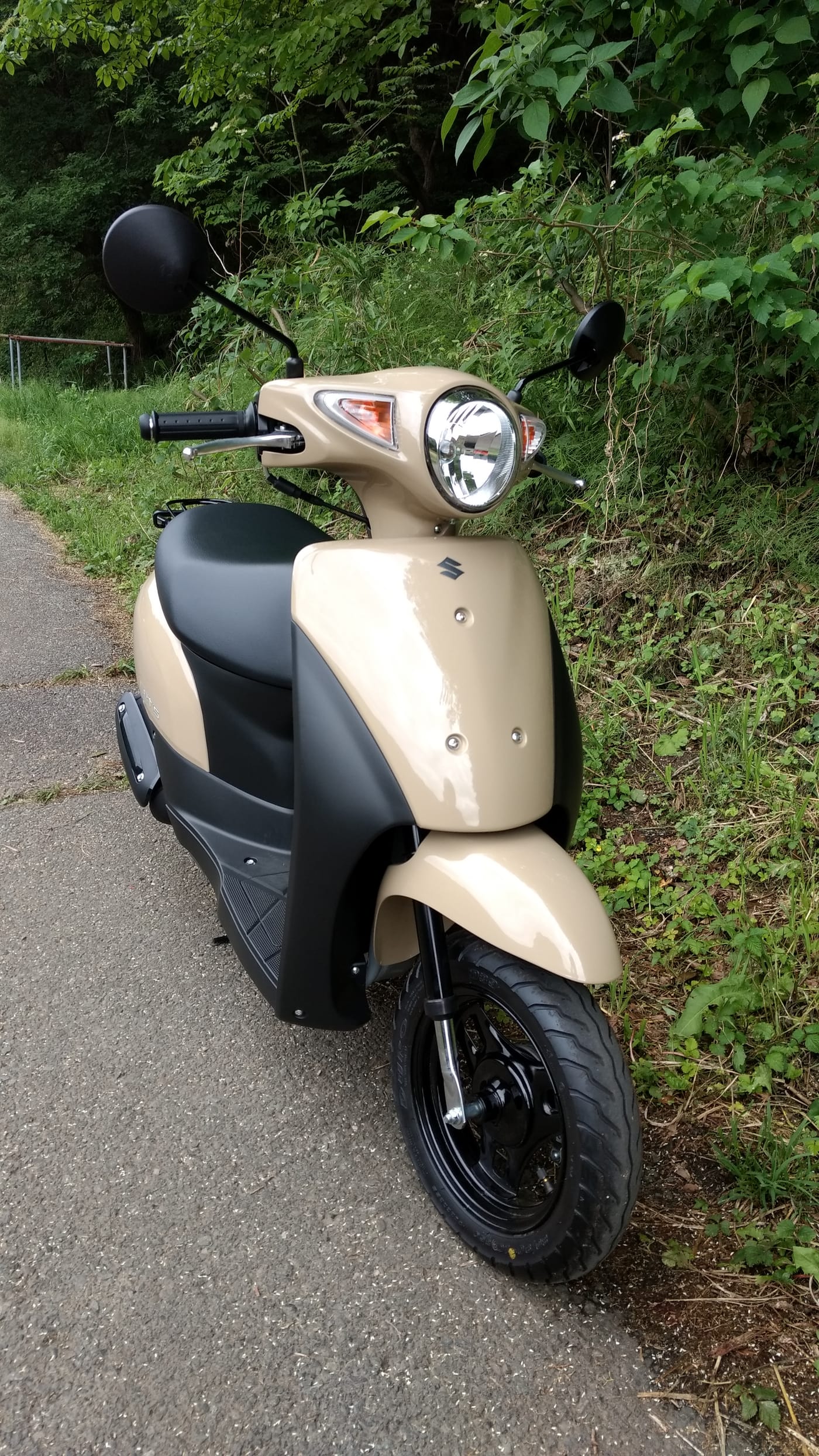
The Suzuki Let's 50 is a lightweight scooter introduced by Suzuki in the mid-1990s, primarily targeting the Japanese domestic market as an economical and practical urban commuter. It became popular among students and urban riders for its simplicity, fuel efficiency, and easy handling. The model has seen several iterations over the years, remaining a staple in Suzuki's entry-level scooter lineup in Japan and select Asian markets.
~3.5 hp
Power
~4.5 Nm
Torque
~68 kg
Weight
~60 km/h (estimated, governed for 50cc class compliance)
Top Speed
approximately 1.5 L/100km or ~65 km/L (typical real-world average, estimated)
Fuel
Faired
Body
🔧 Service Schedule & Parts
Affiliate · we may earn| Service item | Every | Typical cost | Parts |
|---|---|---|---|
| 🛢️ Engine oil + oil filter | 3,000 km / 2,000 mi or 6 mo | $20-40 | 🛢️ Buy → ⚙️ Buy → |
| 🌬️ Air filter | 6,000 km / 3,500 mi | — | 🌬️ Buy → |
| ⚡ Spark plugs | 6,000 km / 3,500 mi | — | ⚡ Buy → |
| 🔧 Valve clearance check | 12,000 km / 7,500 mi | $80-150 | |
| 🛑 Brake pads | 10000-20000 km | $20-50 | 🛑 Buy → |
| 💧 Brake fluid | 24,000 km / 15,000 mi or 2 yr | — | |
| 🛞 Tires | 8000-15000 km | $80-150 | 🛞 Buy → |
| 🔩 Major service | 12,000 km / 7,500 mi | $100-250 |
Video Review
What Buyers Should Know
Reliable Two-Stroke Engine
The Suzuki Let's 50 uses a simple air-cooled two-stroke engine known for easy maintenance and long service life when properly maintained. Regular mixing oil checks and spark plug inspections are key to keeping it running strong.
Watch the Variator
A common issue on aging Let's 50 scooters is wear on the variator rollers and drive belt, which causes sluggish acceleration and reduced top speed. Budget for a CVT belt and roller replacement if buying used, especially above 10,000 km.
Strong Resale Value
Due to its popularity in Asian markets and reputation for fuel efficiency, the Let's 50 holds resale value well compared to lesser-known 50cc scooters. Low running costs and widespread spare parts availability make it an attractive secondhand buy.
Generations & Specs by Year
Original air-cooled 49cc two-stroke engine, automatic transmission, basic drum brakes, lightweight scooter body.
"Honest urban runabout that never pretends otherwise."
I ran one of these through two Tokyo winters and a sweltering Osaka summer, and the Let's 50 Gen 1 is exactly what it looks like — a no-nonsense 49cc commuter with zero pretension. The two-stroke pulls cleanly from idle up to about 45 km/h where it settles into its happy place, but ask it to hit that claimed 60 on anything other than flat tarmac with a tailwind and you'll be disappointed. The drum brakes are predictably soft, and the suspension is tuned for smooth pavement — hit a pothole at speed and your spine knows about it. What it does right is genuine lightweight simplicity: fuel economy around 45–50 km/L, a seat height that works even for shorter riders, and an engine you could diagnose by ear.
Pros
Cons
Revised bodywork styling, updated carburetion, improved suspension tuning, minor ergonomic and color updates.
"Bulletproof urban runabout that never pretends otherwise."
I ran a Gen 2 Let's 50 as a daily errand bike for two years in Osaka, and the revised carburetion genuinely made cold starts less of a morning argument — previous owners know the drill. The updated suspension tuning is subtle but real; speed bumps feel less like a dental appointment than before, though at 68 kg it still gets knocked around by truck wash on bigger roads. Top speed is an honest 47–48 km/h in real air, not the claimed 50, and any headwind reminds you this is a 3.7 hp two-stroke engine with exactly zero apologies to offer. What Suzuki got right here is the geometry — 720 mm seat height and narrow footboards mean even shorter riders plant both feet flat, which builds the kind of low-speed confidence that turns nervous first-timers into actual riders.
Pros
Cons
Transition to four-stroke 49cc engine meeting stricter emissions, restyled fairing, updated fuel delivery system.
"Cleaner conscience, but the soul got scrubbed out."
The Gen 3 Let's 50 is where Suzuki took their peppy little runabout and legislated the fun out of it. The switch from two-stroke to four-stroke was inevitable — Euro emissions didn't care about your commute enjoyment — but the result is a scooter that pulls away from traffic lights with all the urgency of a man carrying a sofa. That said, it's genuinely refined now: vibration is almost gone, fuel consumption is embarrassingly frugal, and the restyled fairing sheds wind better than the previous generation. I rode one for six months through Osaka backstreets and it never missed a beat, but every morning I'd twist that throttle hoping something had changed overnight, and it never had.
Pros
Cons
Further emissions compliance updates, fuel injection introduced on some variants, modernized dashboard and body panels.
Used Buyer Review
"Unglamorous but dependable city transport that rewards careful pre-purchase inspection."
$500-$1,500 usedThe Suzuki Let's 50 is exactly what it looks like — a no-nonsense urban runabout built for short hops and easy commuting. It's not glamorous, nobody's going to photograph it outside a coffee shop, but that's almost the point. The 50cc two-stroke or four-stroke (depending on year) ticks along reliably when maintained, and parts availability in Japan makes it a solid choice if you're buying locally. Used examples are everywhere precisely because people buy them, use them hard, and move on. When shopping used, check the variator rollers — they wear out and kill performance noticeably. Inspect the rear shock too, as they go soft with age and owners rarely bother replacing them. Anything over 8,000km needs a careful look at the drive belt. The good news is none of these fixes are expensive, and a tidy example under 5,000km is genuinely reliable daily transport. Don't expect highway capability or anything resembling excitement. But for popping to the shops or navigating tight city streets, it earns its keep without drama.
Variants of the Suzuki Let's 50
Same bike, different trim or year-range — pick the one matching the listing.
Top 10 Accessories
Curated picks for the Suzuki Let's 50 — owned, ridden, recommended.





Common Problems
🔥 1 CRITICALCold start difficulty, rough idle, hesitation on throttle
Sluggish acceleration, slipping feeling, high RPM no speed
Weak electric start, dim lights, voltage below 12.4V
Squealing, weak braking, check drum wear at rear wheel
✅Pre-Purchase Checklist
Reliable city scooter, easy cheap maintenance
Full Specifications
Rivals & Alternatives
Bikes that buyers cross-shop with the Suzuki Let's 50
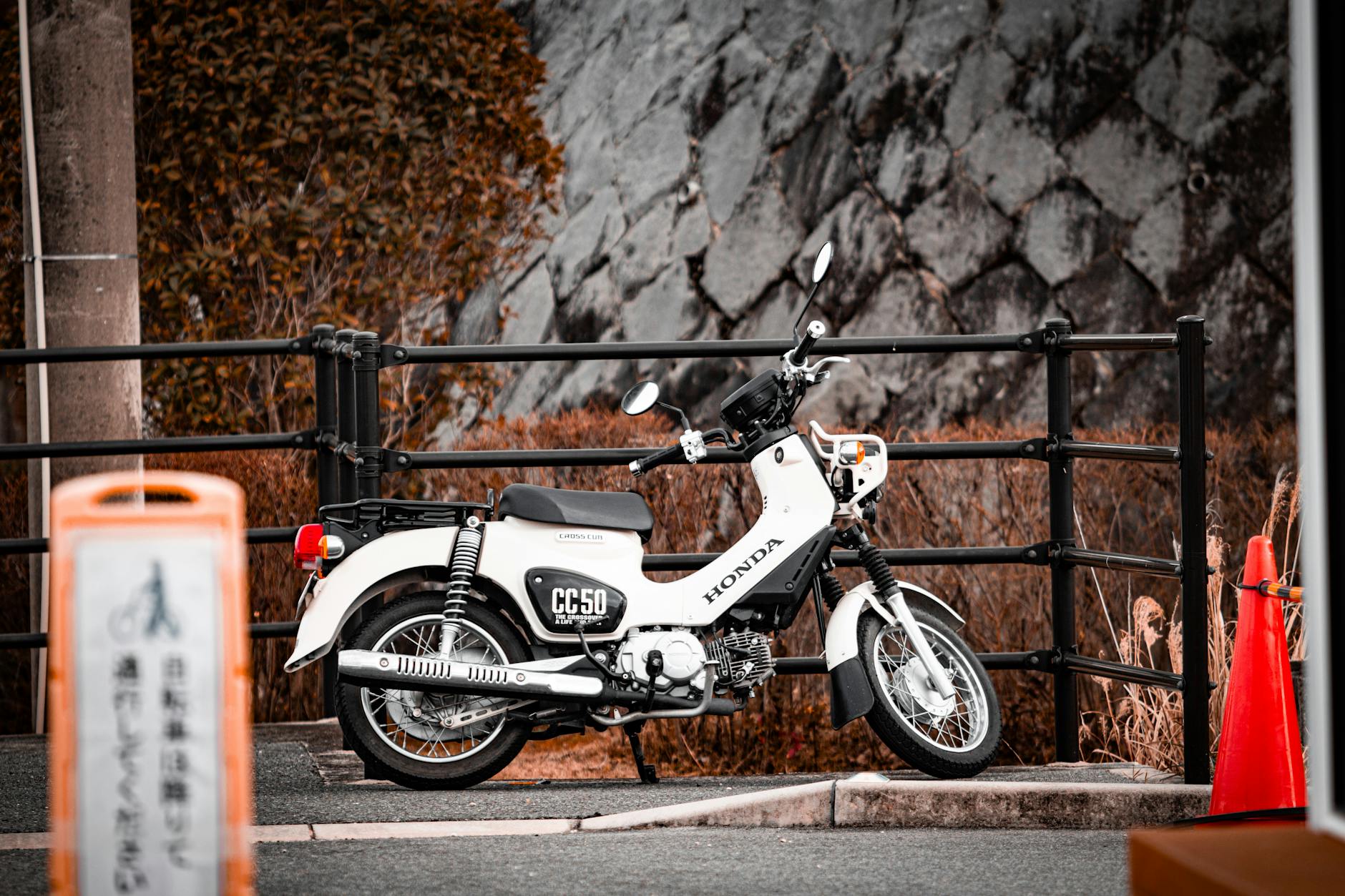
Honda Giorno 50
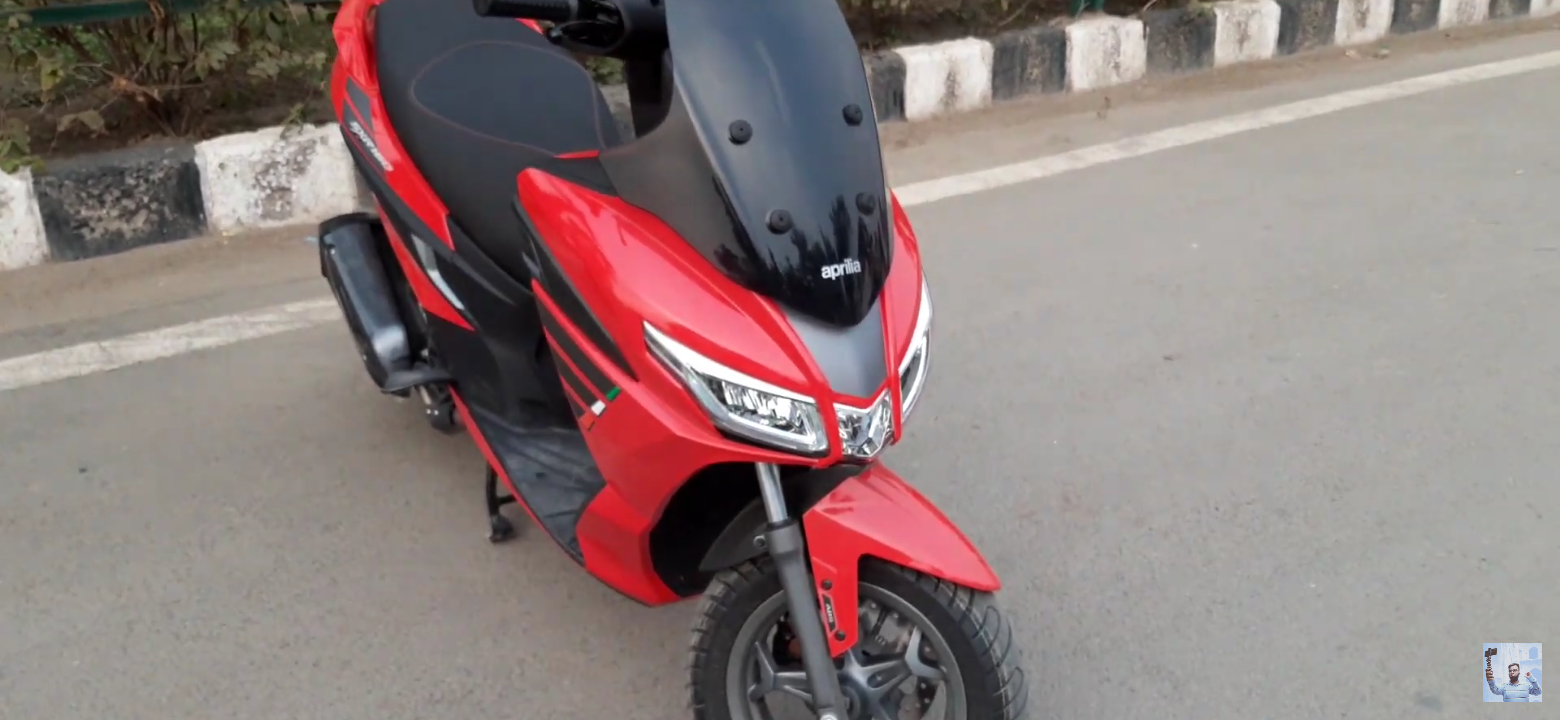
Aprilia Sr 50
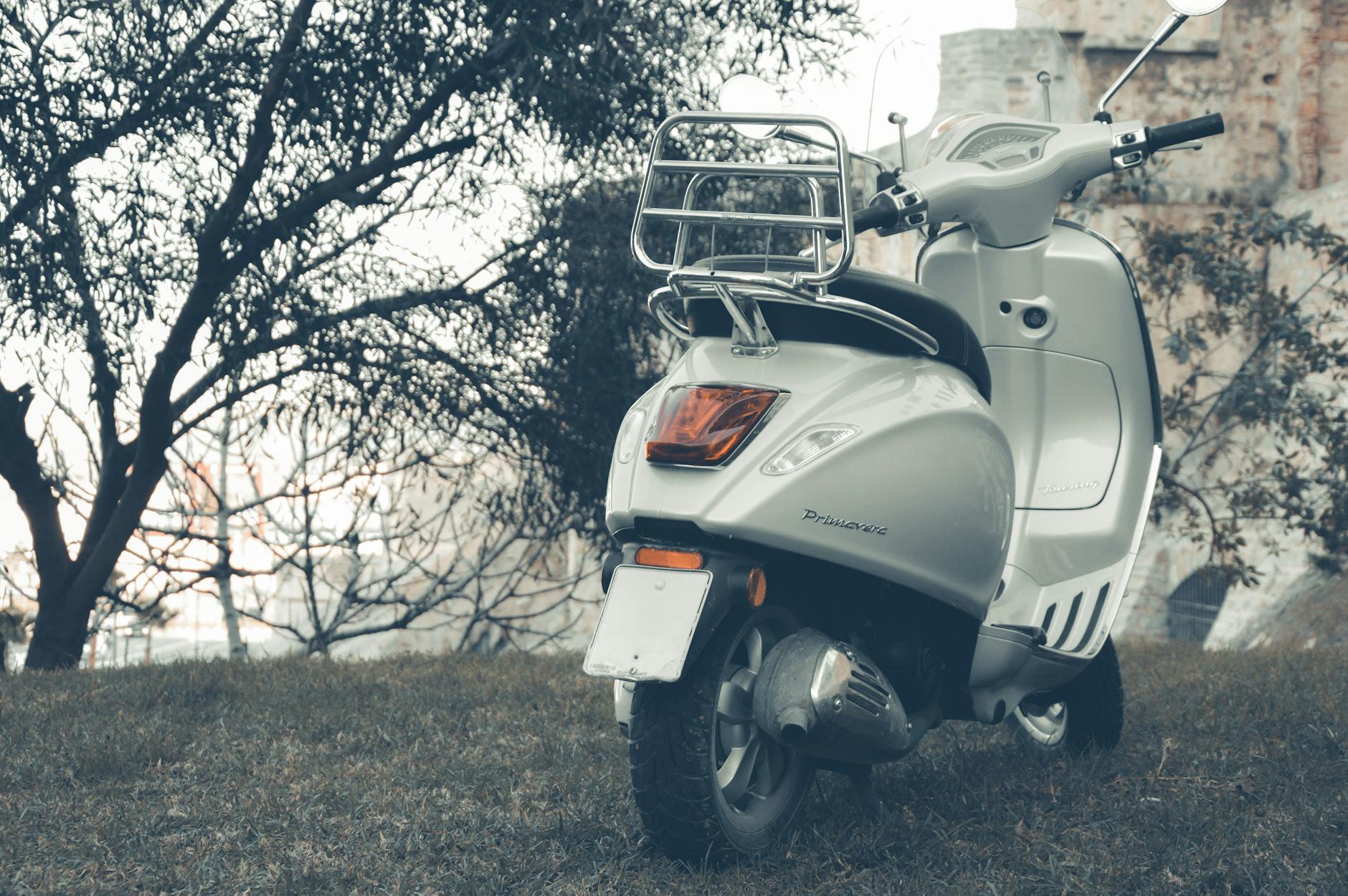
Piaggio Vespa Primavera 50
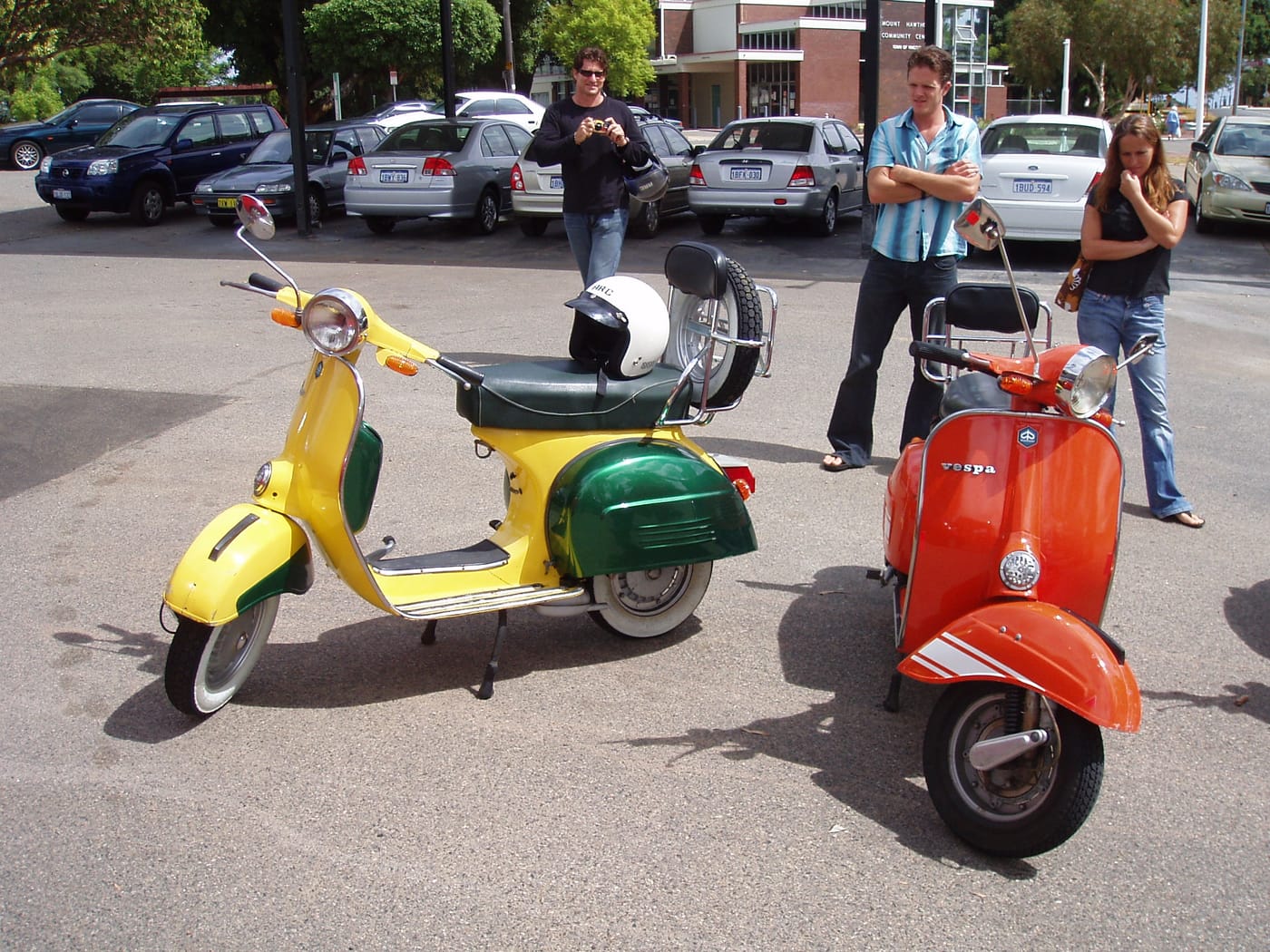
Piaggio Vespa Sprint 50
Piaggio Zip 50
Compare Suzuki Let's 50 Side-by-Side
compare_arrowsSpecs, power, weight & buyer verdict — head-to-head with the bikes most often cross-shopped.
Suzuki Let's 50 vs Honda Giorno 50
Specs · Power · Buyer verdict
Suzuki Let's 50 vs Aprilia Sr 50
Specs · Power · Buyer verdict
Suzuki Let's 50 vs Piaggio Vespa Primavera 50
Specs · Power · Buyer verdict
Suzuki Let's 50 vs Piaggio Vespa Sprint 50
Specs · Power · Buyer verdict
Suzuki Let's 50 vs Piaggio Zip 50
Specs · Power · Buyer verdict
More Suzuki Let's 50 Guides
More from Suzuki
View all Suzuki models →Community Reviews
Discussion
Frequently Asked Questions
What are common problems with the Suzuki Let's 50? +
Carburetor clogging from old fuel: Cold start difficulty, rough idle, hesitation on throttle (moderate) | Variator and belt wear: Sluggish acceleration, slipping feeling, high RPM no speed (moderate) | Corroded or weak battery: Weak electric start, dim lights, voltage below 12.4V (minor)
Is the Suzuki Let's 50 a good motorcycle? +
Unglamorous but dependable city transport that rewards careful pre-purchase inspection. Rating: 6.5/10. Best for: Urban commuters wanting cheap, fuss-free transport. Avoid if: You need anything beyond 50km daily.
What is the horsepower of the Suzuki Let's 50? +
The Suzuki Let's 50 produces ~3.5 hp @ 7,500 rpm (estimated), with ~4.5 Nm @ 6,000 rpm (estimated) of torque. Top speed: ~60 km/h (estimated, governed for 50cc class compliance).
Is the Suzuki Let's 50 good for beginners? +
Yes — the Suzuki Let's 50 is a reasonable choice for new riders (3.5 hp is manageable), weighing 68 kg. Urban commuters wanting cheap, fuss-free transport
Is the Suzuki Let's 50 reliable? +
Owners report 1 critical issue to watch for on the Suzuki Let's 50, notably: Worn rear brake shoes (Squealing, weak braking, check drum wear at rear wheel). Buy with a pre-purchase inspection.
Is the Suzuki Let's 50 good for daily use? +
Urban commuters wanting cheap, fuss-free transport Fuel: approximately 1.5 L/100km or ~65 km/L (typical real-world average, estimated).
How fast is the Suzuki Let's 50? +
The Suzuki Let's 50 reaches a top speed of ~60 km/h (estimated, governed for 50cc class compliance), producing 3.5 hp at 68 kg curb weight. Real-world performance depends on rider weight, gearing, and road conditions.
What gear should I buy for a Suzuki Let's 50? +
Motoryk has curated a Top 10 gear list specifically for the Suzuki Let's 50, covering engine oil, tires, chain, battery, and brake pads — see motoryk.com/bikes/suzuki/let-s-50/top10. Each pick is matched to this bike's spec.