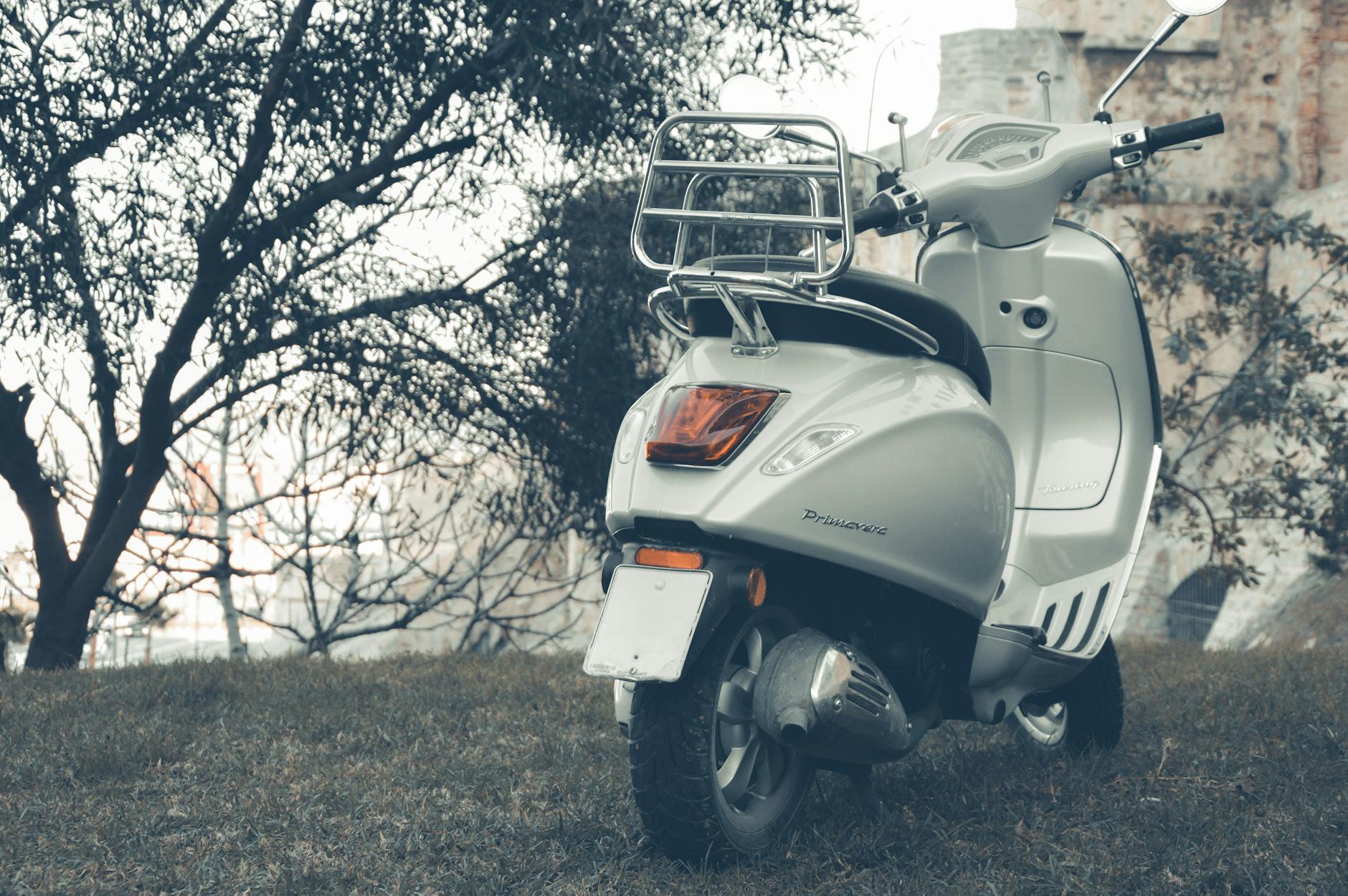
Piaggio Vespa Primavera 50
The Piaggio Vespa Primavera 50 has a top speed of ~45 km/h (restricted for A1/moped compliance; unrestricted versions ~75 km/h), produces ~3.0 hp and weighs ~115 kg. Motoryk rates it 7/10.
The Vespa Primavera name was originally introduced in 1967 as a lightweight 50cc scooter aimed at younger riders, becoming iconic in European urban mobility. The modern Primavera was relaunched by Piaggio in 2013 as a retro-styled successor to the ET series, blending classic Vespa design cues with modern engineering. It has become one of Vespa's best-selling models globally, praised for its timeless aesthetics, practicality, and accessible A1 license category compliance.
~3.0 hp
Power
~4.0 Nm
Torque
~115 kg
Weight
~45 km/h (restricted for A1/moped compliance; unrestricted versions ~75 km/h)
Top Speed
~2.0 L/100km or ~50 km/L (typical real-world average)
Fuel
Faired
Body
🔧 Service Schedule & Parts
Affiliate · we may earn| Service item | Every | Typical cost | Parts |
|---|---|---|---|
| 🛢️ Engine oil + oil filter | 3,000 km / 2,000 mi or 12 mo | $30-60 | 🛢️ Buy → ⚙️ Buy → |
| 🌬️ Air filter | 6,000 km / 3,500 mi | — | 🌬️ Buy → |
| ⚡ Spark plugs | 6,000 km / 3,500 mi | — | ⚡ Buy → |
| 🛑 Brake pads | 10000-20000 km | $30-60 | 🛑 Buy → |
| 💧 Brake fluid | 24,000 km / 15,000 mi or 2 yr | — | |
| 🛞 Tires | 10000-15000 km | $150-250 | 🛞 Buy → |
| 🔩 Major service | 12,000 km / 7,500 mi | $150-300 |
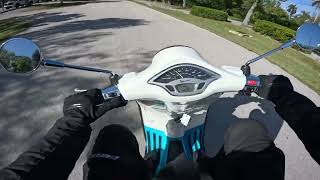
Video Review
What Buyers Should Know
Watch the Variator Belt
The CVT drive belt and variator rollers are wear items that need inspection every 6,000–8,000 km. Neglected belts can snap and leave you stranded, so always check service history before buying.
Strong Resale Value
The Vespa Primavera 50 holds its value exceptionally well compared to rival 50cc scooters, thanks to the iconic Vespa brand appeal and all-metal body construction. A well-kept example can retain 60–70% of its value after three years.
Modern 4-Stroke Engine
The Primavera 50 uses a fuel-injected 50cc 4-stroke single-cylinder engine, making it cleaner, more fuel-efficient, and lower maintenance than older 2-stroke Vespas. However, the fuel injector and throttle body should be cleaned periodically to avoid rough idling.
Generations & Specs by Year
Original 49cc two-stroke engine, classic steel body, manual mix lubrication, drum brakes front and rear.
"Charming urban relic that rewards patience over speed."
I spent a summer threading this little Primavera through Florentine traffic, and the experience is genuinely addictive — the steel bodywork has a solidity modern plastic scooters can't fake, and the handlebar-mounted gear shifter becomes second nature within an afternoon. That 1.5 horsepower is not irony; it is simply the truth, and any hill steeper than a Roman curb will have you dropping a gear and accepting your fate gracefully. The manual oil mixing is the real test of ownership — get lazy with the premix ratio and you'll learn exactly what a seized two-stroke sounds like. But when it's properly tuned and the engine settles into that buzzy, reedy two-stroke song around 4,000 rpm, there's nothing quite like it for under-30 km/h city riding.
Pros
Cons
Updated 49cc two-stroke, autolube oil injection introduced, minor styling revisions, improved carburetion.
"Charming city tool, but patience is mandatory."
The autolube injection was a genuine quality-of-life upgrade — no more pre-mixing, no more fouled plugs from eyeballing ratios in a petrol station car park. Around town at 30–35 km/h it feels perfectly at home, the small wheels surprisingly confident on smooth tarmac, and the low seat suits shorter riders well. But that 1.5 hp is not a misprint: any incline steeper than a gentle slope has you instinctively leaning forward as if body weight will help, and merging with anything faster than a bicycle lane requires nerve. The carburetion improvements over Gen 1 are real — cold starts are more forgiving — but the two-stroke still needs a good five minutes of warmup before it stops hunting at idle.
Pros
Cons
Modern revival on new platform, 49cc four-stroke engine, fuel injection, ABS option, updated frame.
Euro 4 compliance, refined fuel injection mapping, updated LED lighting, connectivity features added.
Euro 5 compliance, updated 49cc four-stroke engine tune, revised instrument cluster, improved emissions control.
Used Buyer Review
"A charming urban toy that demands realistic expectations before buying."
$1,500-$3,500 usedLet's be honest — the Primavera 50 isn't a motorcycle, it's a lifestyle accessory that happens to move. And there's nothing wrong with that if you go in with eyes open. The build quality is genuinely impressive for a small scooter; the pressed steel bodywork feels substantial, the chrome details hold up well, and Piaggio's fit and finish embarrasses most competitors at this price point. Used examples from 2014 onwards are generally solid if they've been treated decently. The 50cc four-stroke engine is your main concern here. They're reliable if serviced, but previous owners often neglect the variator, drive belt, and rollers — budget $200-300 for that immediately on any used purchase. Check for crash damage around the legshield and side panels because bodywork is expensive. Also verify the 30mph restricted top speed is acceptable for your commute — this thing will frustrate you on anything beyond quiet urban streets. For city coffee runs and short urban hops, it's genuinely delightful. Just don't kid yourself into thinking it's more than that.
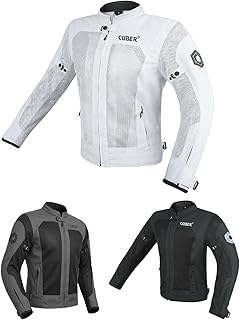
Top 10 Accessories
Curated picks for the Piaggio Vespa Primavera 50 — owned, ridden, recommended.




Common Problems
Rough idle, hard starting, hesitation during acceleration
Sluggish takeoff, slipping, unusual CVT noise
Check under footboard and rear frame welds closely
Intermittent no-start, flickering lights, dead dash
✅Pre-Purchase Checklist
Decent if maintained, neglect causes costly repairs
Full Specifications
Rivals & Alternatives
Bikes that buyers cross-shop with the Piaggio Vespa Primavera 50
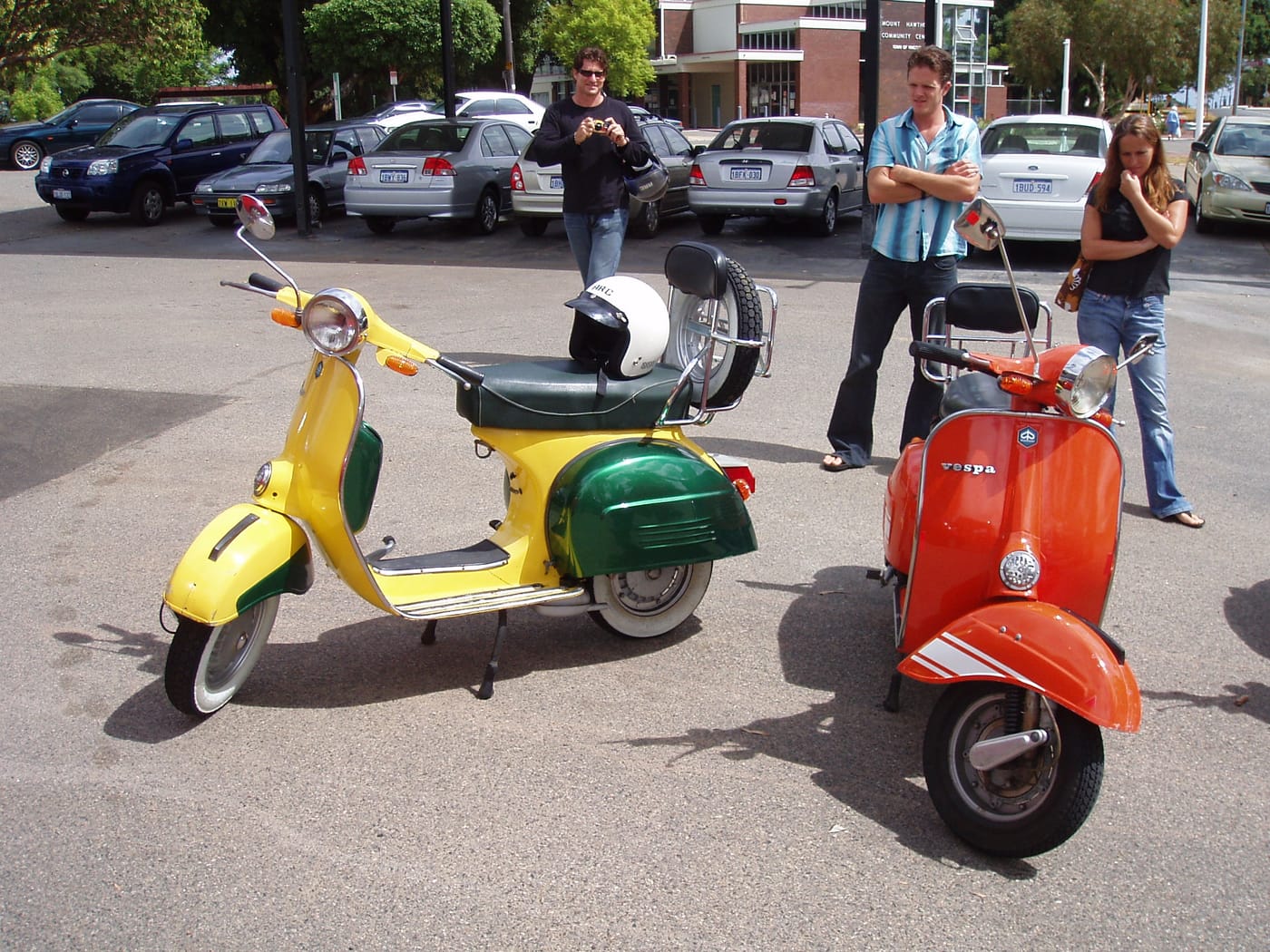
Piaggio Vespa Sprint 50
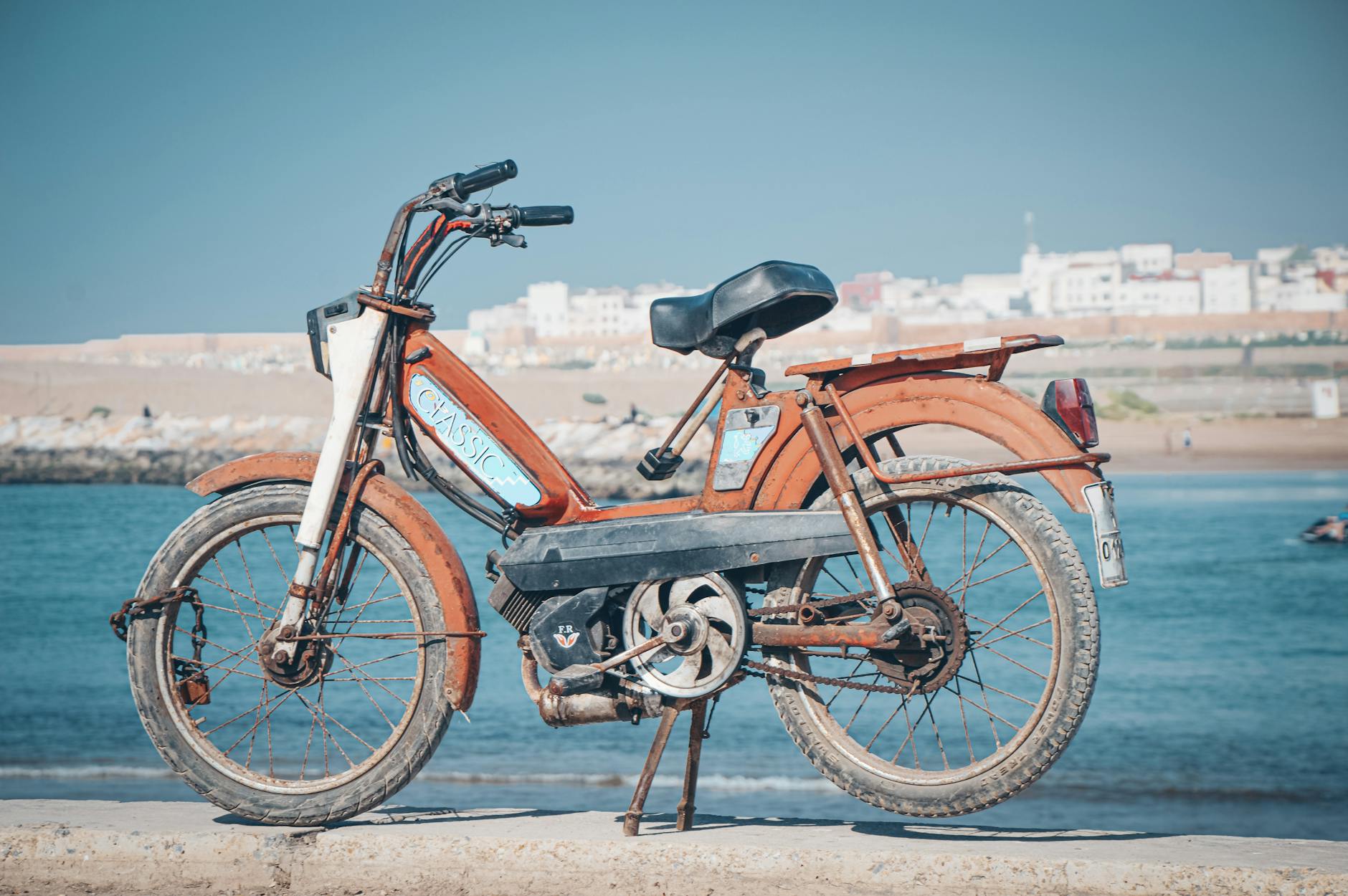
Peugeot Kisbee 50
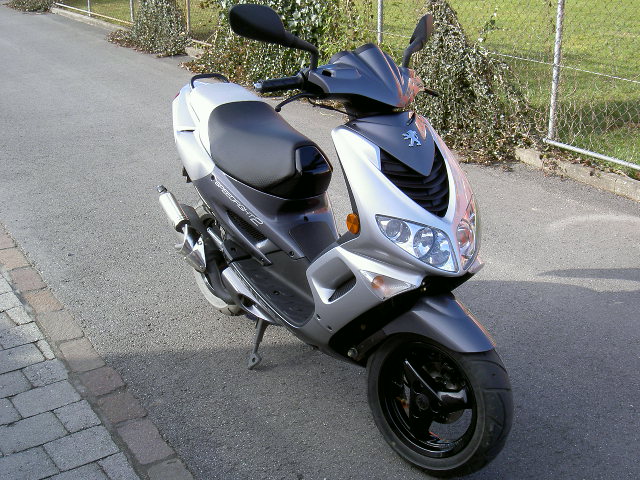
Peugeot Speedfight 4 50
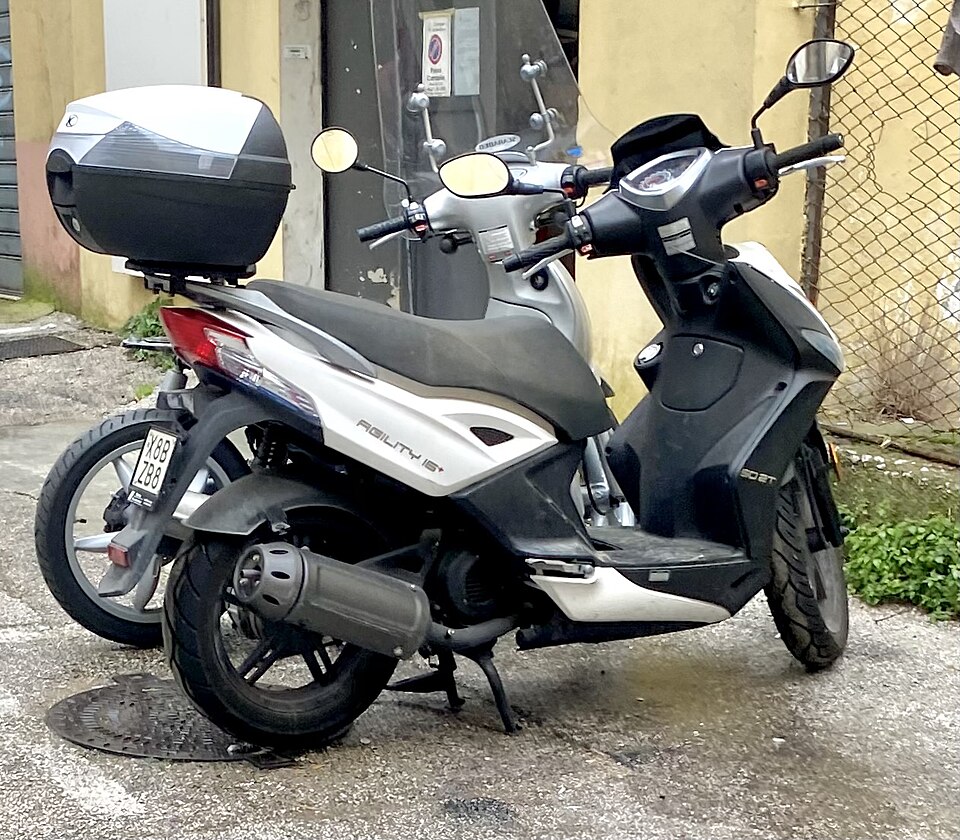
Kymco Agility 50
Kymco Super 8 50
Compare Piaggio Vespa Primavera 50 Side-by-Side
compare_arrowsSpecs, power, weight & buyer verdict — head-to-head with the bikes most often cross-shopped.
Piaggio Vespa Primavera 50 vs Piaggio Vespa Sprint 50
Specs · Power · Buyer verdict
Piaggio Vespa Primavera 50 vs Peugeot Kisbee 50
Specs · Power · Buyer verdict
Piaggio Vespa Primavera 50 vs Peugeot Speedfight 4 50
Specs · Power · Buyer verdict
Piaggio Vespa Primavera 50 vs Kymco Agility 50
Specs · Power · Buyer verdict
Piaggio Vespa Primavera 50 vs Kymco Super 8 50
Specs · Power · Buyer verdict
More Piaggio Vespa Primavera 50 Guides
More from Piaggio
View all Piaggio models →Community Reviews
Discussion
Frequently Asked Questions
What are common problems with the Piaggio Vespa Primavera 50? +
Carburetor clogging from ethanol fuel: Rough idle, hard starting, hesitation during acceleration (moderate) | Variator and belt wear: Sluggish takeoff, slipping, unusual CVT noise (moderate) | Rust on frame and underbody panels: Check under footboard and rear frame welds closely (minor)
Is the Piaggio Vespa Primavera 50 a good motorcycle? +
A charming urban toy that demands realistic expectations before buying. Rating: 7.0/10. Best for: Urban commuters wanting stylish, fuss-free city transport. Avoid if: You need speeds exceeding 30mph regularly.
What is the horsepower of the Piaggio Vespa Primavera 50? +
The Piaggio Vespa Primavera 50 produces ~3.0 hp @ 7,500 rpm (restricted moped version; note: unrestricted 50cc variant produces ~3.4 hp), with ~4.0 Nm @ 6,000 rpm of torque. Top speed: ~45 km/h (restricted for A1/moped compliance; unrestricted versions ~75 km/h).
Is the Piaggio Vespa Primavera 50 good for beginners? +
Yes — the Piaggio Vespa Primavera 50 is a reasonable choice for new riders (3 hp is manageable), weighing 115 kg. Urban commuters wanting stylish, fuss-free city transport
Is the Piaggio Vespa Primavera 50 reliable? +
The Piaggio Vespa Primavera 50 has no widely-reported critical reliability issues. 4 minor issues are documented — see the Common Problems section above.
Is the Piaggio Vespa Primavera 50 good for daily use? +
Urban commuters wanting stylish, fuss-free city transport Fuel: ~2.0 L/100km or ~50 km/L (typical real-world average).
How fast is the Piaggio Vespa Primavera 50? +
The Piaggio Vespa Primavera 50 reaches a top speed of ~45 km/h (restricted for A1/moped compliance; unrestricted versions ~75 km/h), producing 3 hp at 115 kg curb weight. Real-world performance depends on rider weight, gearing, and road conditions.
What gear should I buy for a Piaggio Vespa Primavera 50? +
Motoryk has curated a Top 10 gear list specifically for the Piaggio Vespa Primavera 50, covering engine oil, tires, chain, battery, and brake pads — see motoryk.com/bikes/piaggio/vespa-primavera-50/top10. Each pick is matched to this bike's spec.