Suzuki Lets 4
The Suzuki Lets 4 has a top speed of ~60 km/h (estimated, note: limited as a 50cc class scooter), produces ~3.5 hp and weighs ~68 kg. Motoryk rates it 6.5/10.
Suzuki Let's 4 là một chiếc xe tay ga có dung tích nhỏ do Suzuki giới thiệu tại Nhật Bản vào đầu những năm 2000, nhắm vào những người đi làm trong đô thị tìm kiếm phương tiện giao thông tiết kiệm và nhẹ. Nó là một phần của dòng xe tay ga 'Let's' nổi tiếng của Suzuki, vốn đã trở thành một mặt hàng chủ lực tại thị trường nội địa Nhật Bản trong nhiều thập kỷ do độ tin cậy và hiệu quả nhiên liệu của nó. Let's 4 đặc biệt đáng chú ý với thiết kế lưu trữ phía trước được trang bị giỏ và sự hấp dẫn của nó đối với những người đi làm hàng ngày và những người lái xe lớn tuổi ở Nhật Bản.
~3.5 hp
Quyền lực
~4.0 Nm
Mô-men xoắn
~68 kg
Cân nặng
~60 km/h (estimated, note: limited as a 50cc class scooter)
Tốc độ tối đa
approximately 1.5 L/100km or ~67 km/L (estimated real-world average)
Nhiên liệu
Đã thành công
Cơ thể
🔧 Service Schedule & Parts
Affiliate · we may earn| Service item | Every | Typical cost | Parts |
|---|---|---|---|
| 🛢️ Engine oil + oil filter | 6,000 km / 3,500 mi or 12 mo | $40-80 | 🛢️ Buy → ⚙️ Buy → |
| 🌬️ Air filter | 12,000 km / 7,500 mi | — | 🌬️ Buy → |
| ⚡ Spark plugs | 12,000 km / 7,500 mi | — | ⚡ Buy → |
| 🔧 Valve clearance check | 24,000 km / 15,000 mi | $200-400 | |
| 🔗 Chain & sprockets | 25000-40000 km (replace) | $150-300 | 🔗 Buy → |
| 🛑 Brake pads | 15000-30000 km | $30-60 | 🛑 Buy → |
| 💧 Brake fluid | 24,000 km / 15,000 mi or 2 yr | — | |
| 🧊 Coolant | 24,000 km / 15,000 mi | — | |
| 🛞 Tires | 10000-20000 km | $200-400 | 🛞 Buy → |
| 🔩 Major service | 24,000 km / 15,000 mi | $300-600 |
Video Review
Những điều người mua nên biết
Reliable 50cc Engine
The Suzuki Let's 4 uses a proven air-cooled 50cc 2-stroke or 4-stroke engine known for longevity when properly maintained. Regular oil changes and clean air filter checks are key to keeping it running strong.
Watch the Variator Belt
The CVT drive belt and variator rollers are common wear items that can cause sluggish acceleration or jerky riding if neglected. Inspect and replace these every 10,000–15,000 km to avoid being stranded.
Strong Resale Value
The Let's 4 holds its value well in Asian and European used scooter markets due to its Suzuki brand reputation and low running costs. A well-maintained example can retain 60–70% of its value after several years.
Các thế hệ & Thông số kỹ thuật theo năm
Ra mắt xe tay ga 4 thì 49CC ban đầu; khung bước cơ bản, động cơ xi-lanh đơn, phanh tang trống.
"Một cuộc chạy bộ thành thị trung thực mà không bao giờ giả vờ khác."
Let's 4 chính xác trông giống như nó: một chiếc xe tay ga thành phố nhẹ, không phiền phức, đưa bạn đến cửa hàng tiện lợi và trở lại mà không gây kịch tính. Chiếc xe hai thì 49ccm có khả năng kéo khá rõ ràng - tốt hơn bạn mong đợi ở các giao lộ nặng nhàn rỗi - nhưng việc kết hợp với bất cứ thứ gì nhanh hơn một chiếc xe đạp nhanh hơn xe đạp đòi hỏi phải có kế hoạch trước. Hệ thống phanh tang trống phù hợp với tốc độ liên quan, và ở mức 73 kg, thật sự dễ dàng để vào một vị trí đỗ xe chật hẹp. Nơi thiếu là trên bất cứ thứ gì giống như đường chính; 60 km/h là mức trần lý thuyết, không phải là tốc độ bay thoải mái, và đường hầm đường cao tốc với bất kỳ độ dốc thực nào sẽ khiến bạn lăn ga đến điểm dừng và cầu nguyện.
Ưu điểm
Nhược điểm
Thân xe được trang bị lại, hệ thống nhiên liệu cập nhật, điều chỉnh hệ thống treo sửa đổi, ngăn chứa được cải thiện.
"Runabout đô thị chống đạn không đòi hỏi gì từ bạn."
Tôi đã lái chiếc Gen 2 Let's 4 hàng ngày trong hai năm qua giao thông Osaka và nó không bao giờ làm tôi thất vọng một lần - việc điều chỉnh hệ thống treo đã được sửa đổi so với thế hệ đầu tiên thực sự đáng chú ý, hấp thụ đường ray xe điện và đường băng bị nứt mà không làm bạn khó chịu khi đi làm. Chiếc xe 2 thì kéo mạnh dưới 40 km/h nơi bạn thực sự sống trong cưỡi ngựa thành phố, nhưng yêu cầu nó duy trì 60 km/h trên một đường dốc nhẹ và bạn sẽ cảm thấy 3,7 con ngựa đang thở hổn hển. Phần thân xe được thiết kế lại gọn gàng hơn và ngăn chứa được cải tiến cuối cùng cũng vừa vặn với mũ bảo hiểm toàn diện mà không buộc nắp xuống - chiến thắng nhỏ, sự khác biệt thực sự mỗi ngày. Tiêu thụ dầu và khói hai thì là sự thật của cuộc sống ở đây, không phải là những kẻ phá hoại, mà hãy lên kế hoạch cho lịch trình bảo trì của bạn xung quanh chúng.
Ưu điểm
Nhược điểm
Phun nhiên liệu được giới thiệu trên một số biến thể, cụm công cụ hiện đại hóa, các yếu tố chiếu sáng LED cập nhật.
Tuân thủ khí thải Euro 4/5, phun nhiên liệu tinh tế, hình dạng khung gầm được cập nhật, làm mới phong cách hiện đại.
Đánh giá người mua đã qua sử dụng
"Brilliant city runabout if you never leave town."
$800-$2,200 usedLook, the Let's 4 is a 50cc Japanese scooter built for one thing: urban survival. And at that narrow job description, it actually delivers. The 49cc single-cylinder is bulletproof if maintained properly — these things rack up serious kilometres without drama. The underseat storage is genuinely useful, fuel economy is absurd in the best way, and it's light enough that even complete beginners won't feel intimidated. Suzuki quality shines through in the switchgear and general build integrity. That said, be honest with yourself about what you're buying. Anything over 50km/h feels genuinely uncomfortable, and merging with faster traffic requires serious optimism. Used examples often suffer neglected variator belts and rollers — budget for a CVT service immediately. Check for corrosion around the frame welds and inspect the front brake carefully; previous owners rarely give these machines the attention they deserve.
Top 10 Accessories
Curated picks for the Suzuki Lets 4 — owned, ridden, recommended.





Các vấn đề thường gặp
🔥 2 CRITICALUndercarriage, wheel wells, door sills for bubbling paint
Fluid color, listen for clunking during gear shifts
Rattling noise on cold startup near engine front
Check engine light, rough idle, black smoke at startup
✅Danh sách kiểm tra trước khi mua hàng
Decent if maintained, rust is biggest enemy
Full Specifications
Rivals & Alternatives
Bikes that buyers cross-shop with the Suzuki Lets 4

Suzuki Address 125
Suzuki Address 110
Suzuki Access 125
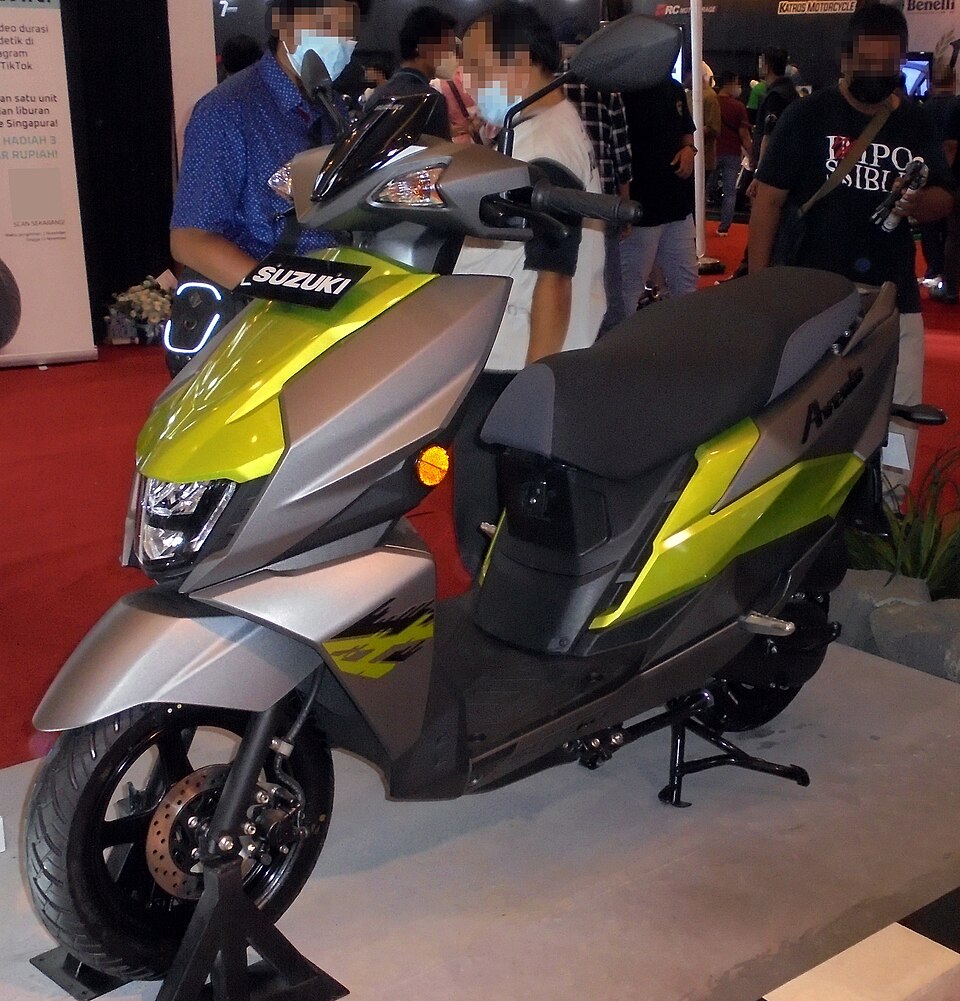
Suzuki Avenis 125
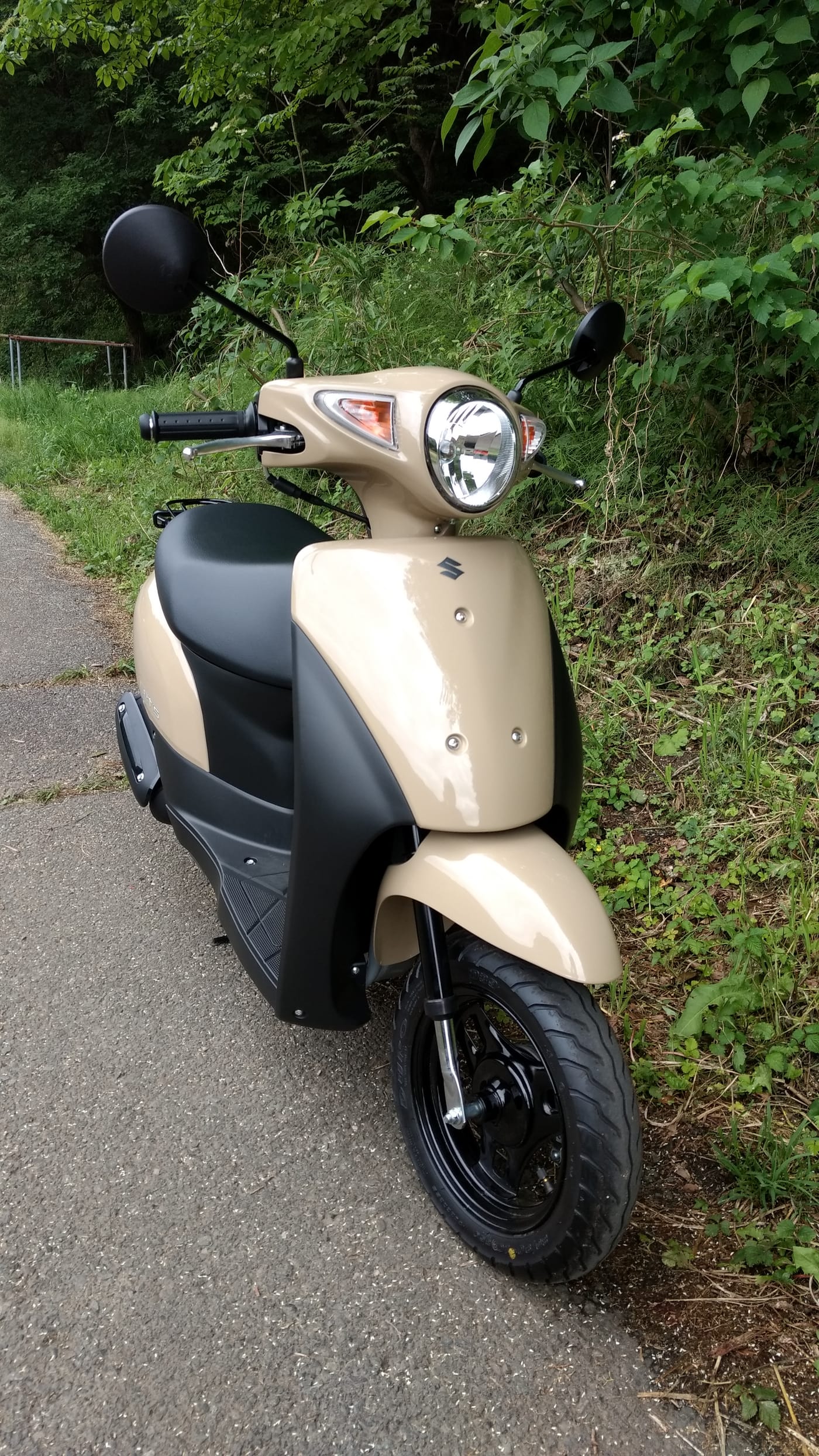
Suzuki Lets 50
Compare Suzuki Lets 4 Side-by-Side
compare_arrowsSpecs, power, weight & buyer verdict — head-to-head with the bikes most often cross-shopped.
Suzuki Lets 4 vs Suzuki Address 125
Specs · Power · Buyer verdict
Suzuki Lets 4 vs Suzuki Address 110
Specs · Power · Buyer verdict
Suzuki Lets 4 vs Suzuki Access 125
Specs · Power · Buyer verdict
Suzuki Lets 4 vs Suzuki Avenis 125
Specs · Power · Buyer verdict
Suzuki Lets 4 vs Suzuki Lets 50
Specs · Power · Buyer verdict
More Suzuki Lets 4 Guides
More from Suzuki
View all Suzuki models →Community Reviews
Discussion
Frequently Asked Questions
What are common problems with the Suzuki Lets 4? +
Rust on frame and body panels: Undercarriage, wheel wells, door sills for bubbling paint (serious) | Automatic transmission slipping or hesitation: Fluid color, listen for clunking during gear shifts (serious) | Timing chain stretch causing rough idle: Rattling noise on cold startup near engine front (moderate)
Is the Suzuki Lets 4 a good motorcycle? +
Brilliant city runabout if you never leave town. Rating: 6.5/10. Best for: Urban commuters doing short, low-speed daily runs. Avoid if: You ride anything beyond quiet city streets.
What is the horsepower of the Suzuki Lets 4? +
The Suzuki Lets 4 produces ~3.5 hp @ 7,000 rpm (estimated for 50cc engine), with ~4.0 Nm @ 5,000 rpm (estimated) of torque. Top speed: ~60 km/h (estimated, note: limited as a 50cc class scooter).
Is the Suzuki Lets 4 good for beginners? +
Yes — the Suzuki Lets 4 is a reasonable choice for new riders (3.5 hp is manageable), weighing 68 kg. Urban commuters doing short, low-speed daily runs
Is the Suzuki Lets 4 reliable? +
Owners report 2 critical issues to watch for on the Suzuki Lets 4, notably: Rust on frame and body panels (Undercarriage, wheel wells, door sills for bubbling paint). Buy with a pre-purchase inspection.
Is the Suzuki Lets 4 good for daily use? +
Urban commuters doing short, low-speed daily runs Fuel: approximately 1.5 L/100km or ~67 km/L (estimated real-world average).
How fast is the Suzuki Lets 4? +
The Suzuki Lets 4 reaches a top speed of ~60 km/h (estimated, note: limited as a 50cc class scooter), producing 3.5 hp at 68 kg curb weight. Real-world performance depends on rider weight, gearing, and road conditions.
What gear should I buy for a Suzuki Lets 4? +
Motoryk has curated a Top 10 gear list specifically for the Suzuki Lets 4, covering engine oil, tires, chain, battery, and brake pads — see motoryk.com/bikes/suzuki/lets-4/top10. Each pick is matched to this bike's spec.