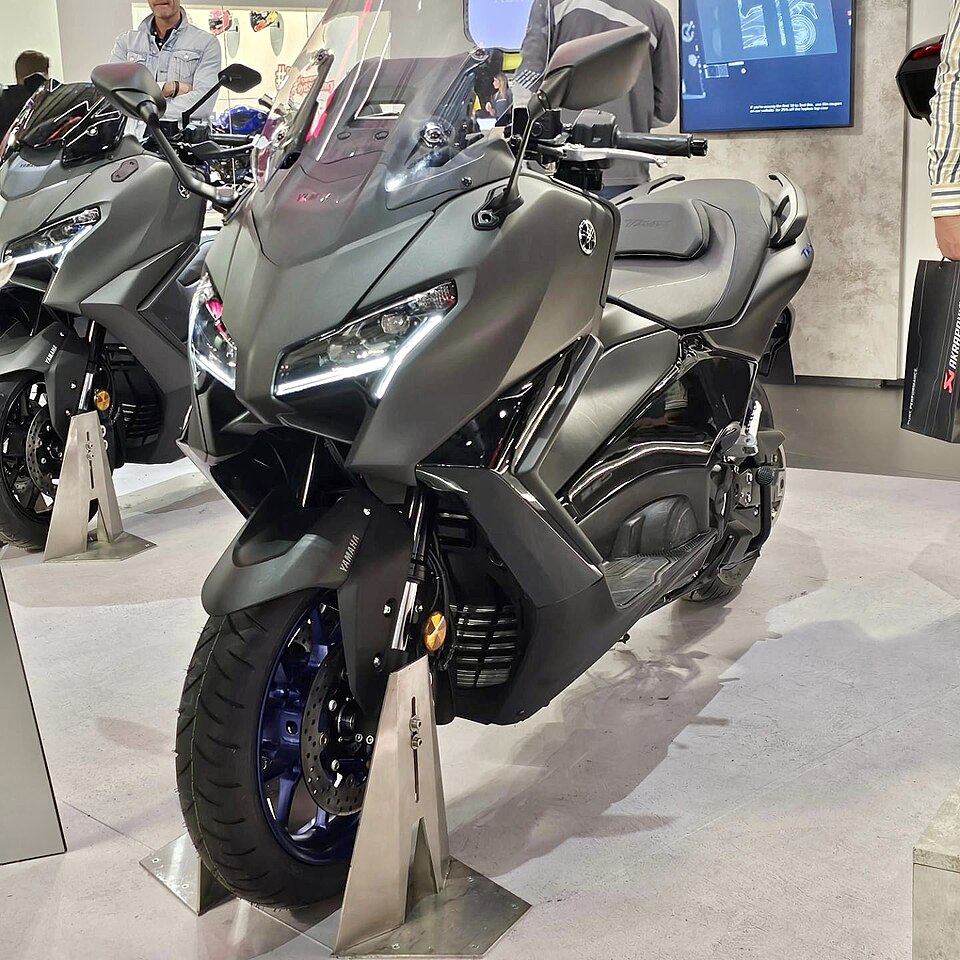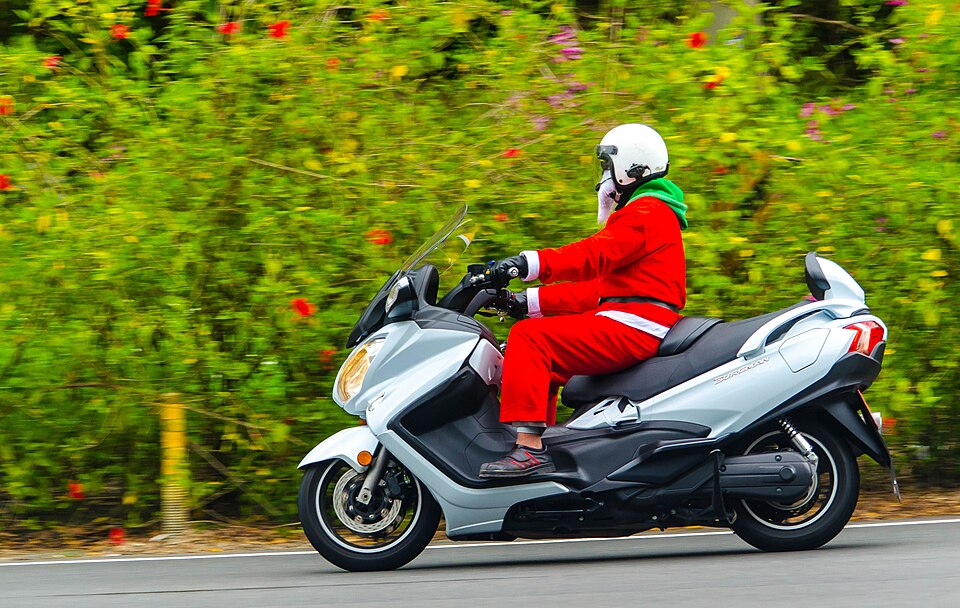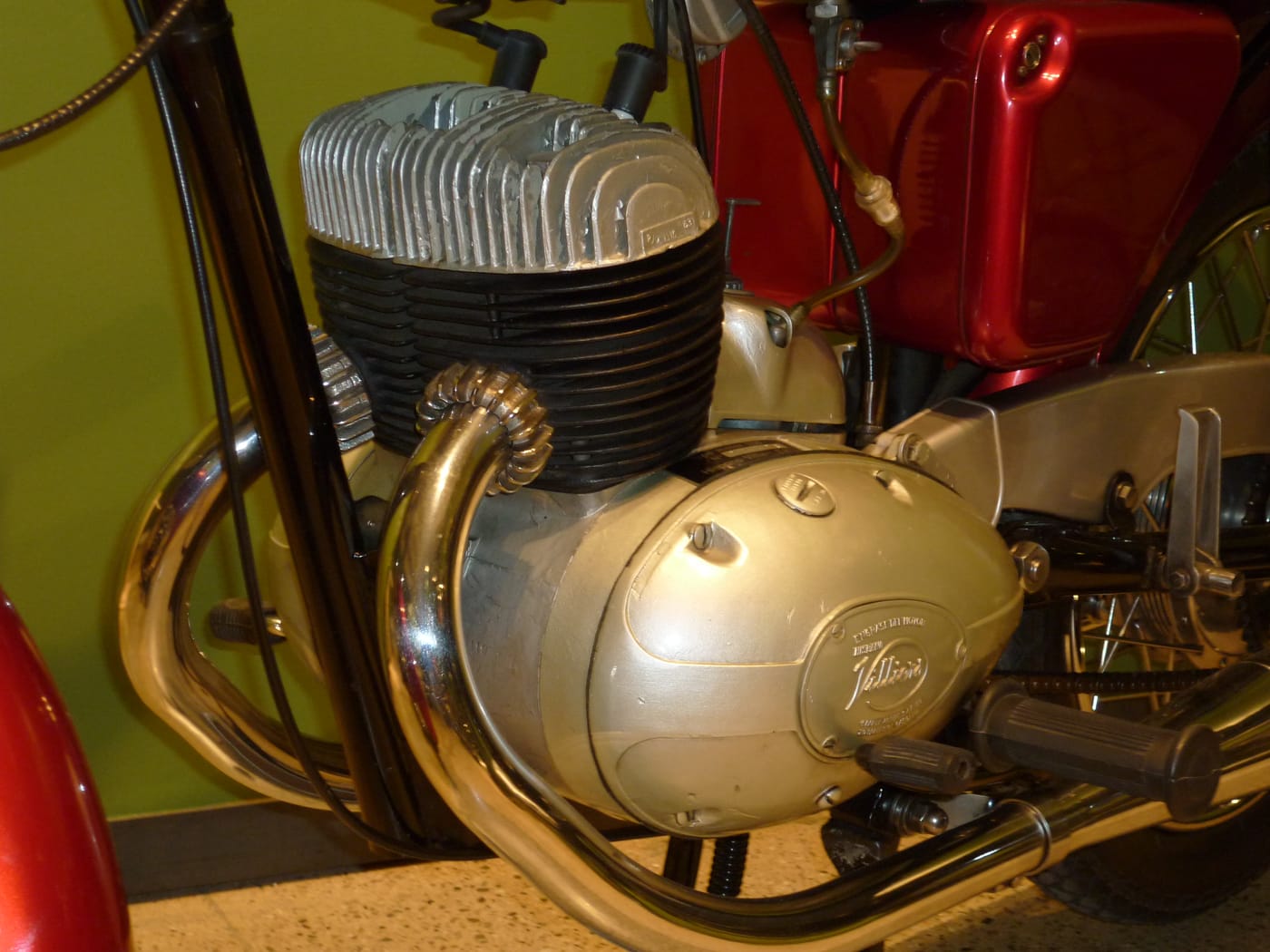
Suzuki Lets 4
The Suzuki Lets 4 has a top speed of ~60 km/h (estimated, note: limited as a 50cc class scooter), produces ~3.5 hp and weighs ~68 kg. Motoryk rates it 6.5/10.
Suzuki Let's 4 to skuter o małej pojemności, wprowadzony przez Suzuki w Japonii na początku 2000 roku, skierowany do osób dojeżdżających do pracy w miastach poszukujących ekonomicznego i lekkiego transportu. Jest częścią popularnej oferty skuterów Suzuki „Let's”, która od dziesięcioleci jest podstawą na japońskim rynku krajowym ze względu na swoją niezawodność i oszczędność paliwa. Let's 4 jest szczególnie godny uwagi ze względu na konstrukcję przedniego schowka wyposażonego w koszyk i atrakcyjność dla codziennych osób dojeżdżających do pracy i starszych jeźdźców w Japonii.
~3.5 hp
Moc
~4.0 Nm
Moment obrotowy
~68 kg
Waga
~60 km/h (estimated, note: limited as a 50cc class scooter)
Prędkość maksymalna
approximately 1.5 L/100km or ~67 km/L (estimated real-world average)
Paliwo
Fair
Ciało
🔧 Service Schedule & Parts
Affiliate · we may earn| Service item | Every | Typical cost | Parts |
|---|---|---|---|
| 🛢️ Engine oil + oil filter | 6,000 km / 3,500 mi or 12 mo | $40-80 | 🛢️ Buy → ⚙️ Buy → |
| 🌬️ Air filter | 12,000 km / 7,500 mi | — | 🌬️ Buy → |
| ⚡ Spark plugs | 12,000 km / 7,500 mi | — | ⚡ Buy → |
| 🔧 Valve clearance check | 24,000 km / 15,000 mi | $200-400 | |
| 🔗 Chain & sprockets | 25000-40000 km (replace) | $150-300 | 🔗 Buy → |
| 🛑 Brake pads | 15000-30000 km | $30-60 | 🛑 Buy → |
| 💧 Brake fluid | 24,000 km / 15,000 mi or 2 yr | — | |
| 🧊 Coolant | 24,000 km / 15,000 mi | — | |
| 🛞 Tires | 10000-20000 km | $200-400 | 🛞 Buy → |
| 🔩 Major service | 24,000 km / 15,000 mi | $300-600 |
Video Review
Co kupujący powinni wiedzieć
Reliable 50cc Engine
The Suzuki Let's 4 uses a proven air-cooled 50cc 2-stroke or 4-stroke engine known for longevity when properly maintained. Regular oil changes and clean air filter checks are key to keeping it running strong.
Watch the Variator Belt
The CVT drive belt and variator rollers are common wear items that can cause sluggish acceleration or jerky riding if neglected. Inspect and replace these every 10,000–15,000 km to avoid being stranded.
Strong Resale Value
The Let's 4 holds its value well in Asian and European used scooter markets due to its Suzuki brand reputation and low running costs. A well-maintained example can retain 60–70% of its value after several years.
Pokolenia i specyfikacje według roku
Początkowe uruchomienie 4-suwowego skutera o pojemności 49 cm3; podstawowa rama krokowa, jednocylindrowy silnik, hamulce bębnowe.
"Uczciwy miejski bieg, który nigdy nie udaje inaczej."
Let's 4 jest dokładnie tym, jak wygląda: lekka, bezproblemowa hulajnoga miejska, która bez dramatów zabierze Cię do sklepu spożywczego iz powrotem. Ten dwusuwowy o pojemności 49 cm3 dość ostro odciąga się z linii - lepiej niż można by się spodziewać na skrzyżowaniach o dużej biegu jałowym - ale połączenie z czymkolwiek szybciej niż kurier rowerowy wymaga planowania z wyprzedzeniem. Hamulce bębnowe są odpowiednie dla wymaganych prędkości, a przy 73 kg naprawdę łatwo jest dotrzeć do ciasnego miejsca postojowego. Tam, gdzie brakuje, to wszystko, co przypomina główną drogę; 60 km/h to teoretyczny pułap, a nie wygodna prędkość przelotowa, a przejścia podziemne na autostradzie z jakimkolwiek rzeczywistym nachyleniem sprawią, że toczysz przepustnicę do przystanku i modlisz się.
Plusy
Wady
Zmieniona karoseria, zaktualizowany układ paliwowy, poprawiony tuning zawieszenia, ulepszony schowek.
"Kuloodporny miejski bieg, który niczego od ciebie nie prosi."
Codziennie przez dwa lata jeździłem Gen 2 Let's 4 przez ruch w Osace i nigdy mnie to nie zawiodło - poprawione strojenie zawieszenia w stosunku do pierwszej generacji jest naprawdę zauważalne, pochłaniając tory tramwajowe i pęknięty asfalt bez bicia cię podczas dojazdów do pracy. Dwusuwowy silnik ciągnie się ostro poniżej 40 km/h, gdzie faktycznie mieszkasz w jeździe miejskiej, ale poproś go o utrzymanie 60 km/h na lekkiej podgórze, a poczujesz, że 3,7 koni sapną. Zmieniona nadwozia jest bardziej uporządkowana, a ulepszony schowek w końcu pasuje do kasku na całą twarz bez zmuszania pokrywy - mała wygrana, prawdziwa różnica każdego dnia. Zużycie oleju i dwusuwowy dym to tutaj fakty z życia, a nie dealerzy, ale zaplanuj swój harmonogram konserwacji wokół nich.
Plusy
Wady
Wtrysk paliwa wprowadzony w niektórych wariantach, zmodernizowany zestaw wskaźników, zaktualizowane elementy oświetleniowe LED.
Zgodność z emisjami Euro 4/5, wyrafinowany wtrysk paliwa, zaktualizowana geometria podwozia, nowoczesne odświeżenie stylizacji.
Recenzja używanego kupującego
"Brilliant city runabout if you never leave town."
$800-$2,200 usedLook, the Let's 4 is a 50cc Japanese scooter built for one thing: urban survival. And at that narrow job description, it actually delivers. The 49cc single-cylinder is bulletproof if maintained properly — these things rack up serious kilometres without drama. The underseat storage is genuinely useful, fuel economy is absurd in the best way, and it's light enough that even complete beginners won't feel intimidated. Suzuki quality shines through in the switchgear and general build integrity. That said, be honest with yourself about what you're buying. Anything over 50km/h feels genuinely uncomfortable, and merging with faster traffic requires serious optimism. Used examples often suffer neglected variator belts and rollers — budget for a CVT service immediately. Check for corrosion around the frame welds and inspect the front brake carefully; previous owners rarely give these machines the attention they deserve.
Top 10 Accessories
Curated picks for the Suzuki Lets 4 — owned, ridden, recommended.





Typowe problemy
🔥 2 CRITICALUndercarriage, wheel wells, door sills for bubbling paint
Fluid color, listen for clunking during gear shifts
Rattling noise on cold startup near engine front
Check engine light, rough idle, black smoke at startup
✅Lista kontrolna przed zakupem
Decent if maintained, rust is biggest enemy
Full Specifications
Rivals & Alternatives
Bikes that buyers cross-shop with the Suzuki Lets 4

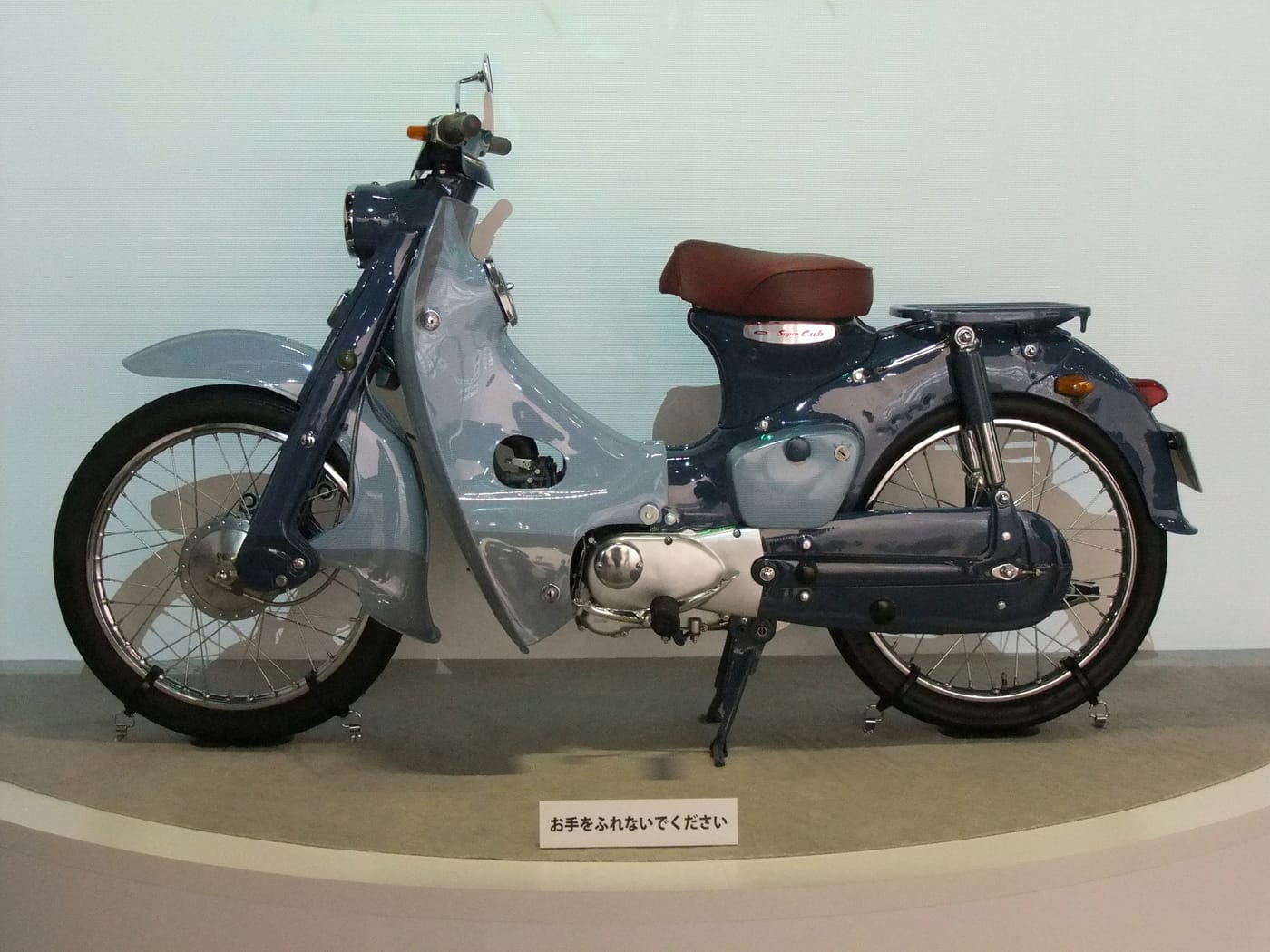
Suzuki Address 125
Suzuki Address 110
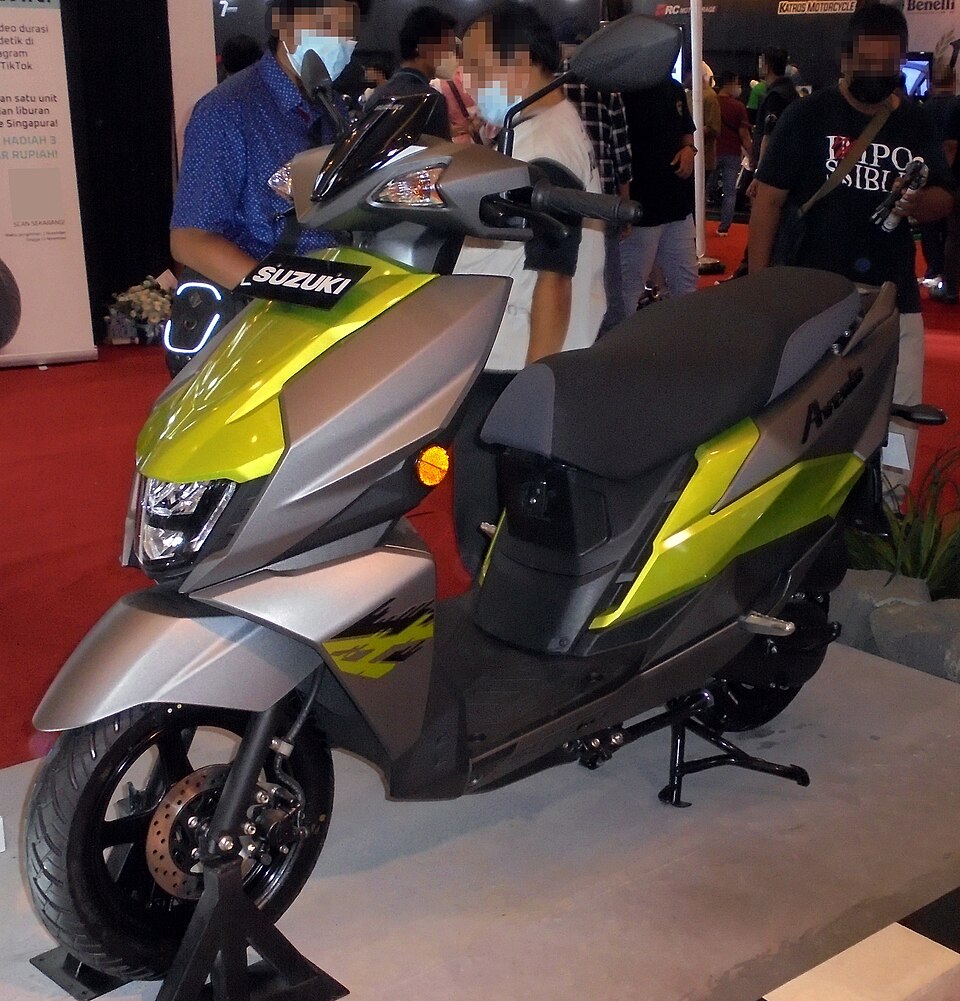
Suzuki Access 125
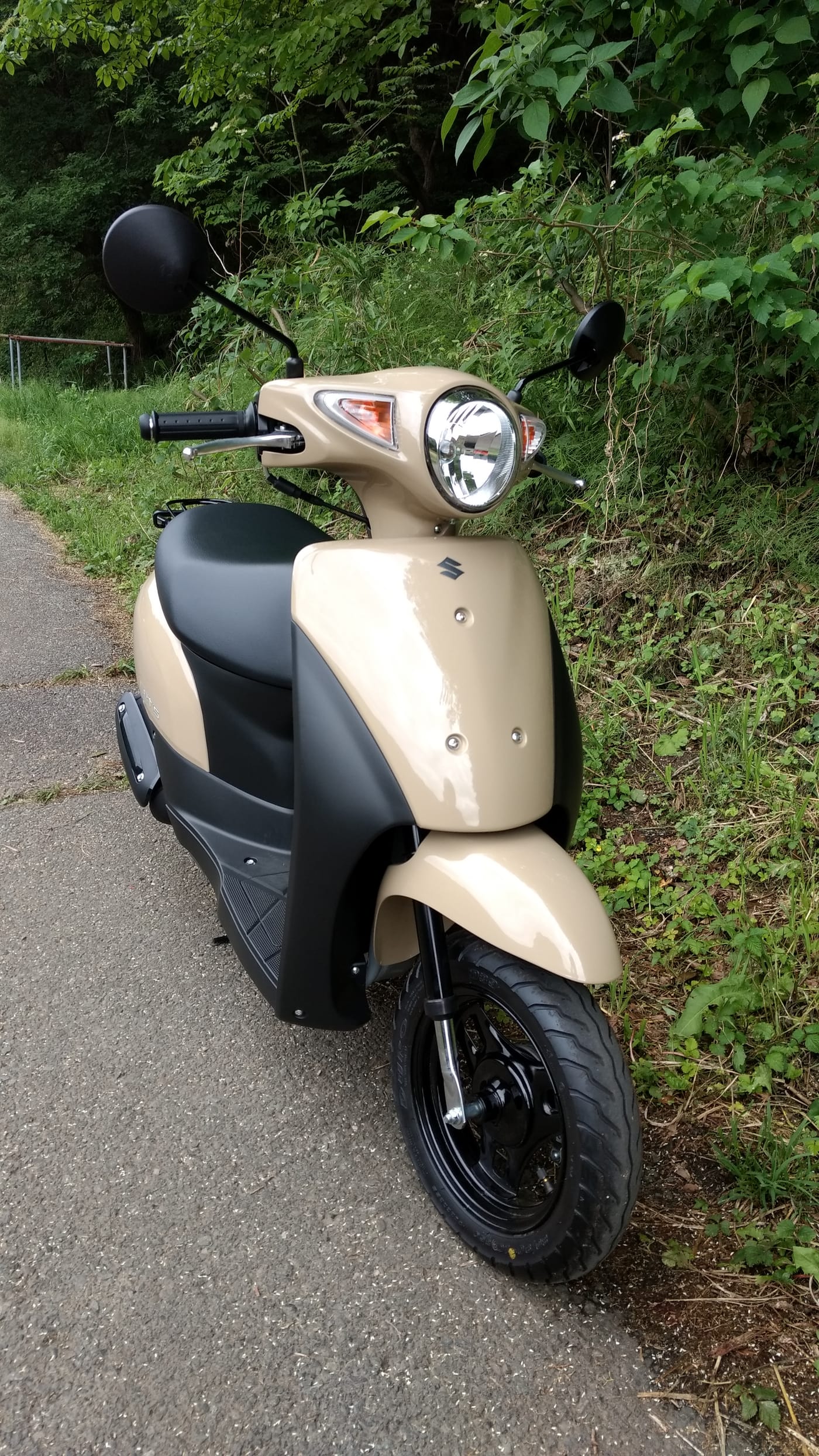
Suzuki Avenis 125
Suzuki Lets 50
Compare Suzuki Lets 4 Side-by-Side
compare_arrowsSpecs, power, weight & buyer verdict — head-to-head with the bikes most often cross-shopped.
Suzuki Lets 4 vs Suzuki Address 125
Specs · Power · Buyer verdict
Suzuki Lets 4 vs Suzuki Address 110
Specs · Power · Buyer verdict
Suzuki Lets 4 vs Suzuki Access 125
Specs · Power · Buyer verdict
Suzuki Lets 4 vs Suzuki Avenis 125
Specs · Power · Buyer verdict
Suzuki Lets 4 vs Suzuki Lets 50
Specs · Power · Buyer verdict
More Suzuki Lets 4 Guides
More from Suzuki
View all Suzuki models →Community Reviews
Discussion
Frequently Asked Questions
What are common problems with the Suzuki Lets 4? +
Rust on frame and body panels: Undercarriage, wheel wells, door sills for bubbling paint (serious) | Automatic transmission slipping or hesitation: Fluid color, listen for clunking during gear shifts (serious) | Timing chain stretch causing rough idle: Rattling noise on cold startup near engine front (moderate)
Is the Suzuki Lets 4 a good motorcycle? +
Brilliant city runabout if you never leave town. Rating: 6.5/10. Best for: Urban commuters doing short, low-speed daily runs. Avoid if: You ride anything beyond quiet city streets.
What is the horsepower of the Suzuki Lets 4? +
The Suzuki Lets 4 produces ~3.5 hp @ 7,000 rpm (estimated for 50cc engine), with ~4.0 Nm @ 5,000 rpm (estimated) of torque. Top speed: ~60 km/h (estimated, note: limited as a 50cc class scooter).
Is the Suzuki Lets 4 good for beginners? +
Yes — the Suzuki Lets 4 is a reasonable choice for new riders (3.5 hp is manageable), weighing 68 kg. Urban commuters doing short, low-speed daily runs
Is the Suzuki Lets 4 reliable? +
Owners report 2 critical issues to watch for on the Suzuki Lets 4, notably: Rust on frame and body panels (Undercarriage, wheel wells, door sills for bubbling paint). Buy with a pre-purchase inspection.
Is the Suzuki Lets 4 good for daily use? +
Urban commuters doing short, low-speed daily runs Fuel: approximately 1.5 L/100km or ~67 km/L (estimated real-world average).
How fast is the Suzuki Lets 4? +
The Suzuki Lets 4 reaches a top speed of ~60 km/h (estimated, note: limited as a 50cc class scooter), producing 3.5 hp at 68 kg curb weight. Real-world performance depends on rider weight, gearing, and road conditions.
What gear should I buy for a Suzuki Lets 4? +
Motoryk has curated a Top 10 gear list specifically for the Suzuki Lets 4, covering engine oil, tires, chain, battery, and brake pads — see motoryk.com/bikes/suzuki/lets-4/top10. Each pick is matched to this bike's spec.